Spain Travel Guide
Your Guide to Madrid, Barcelona & Beyond
Madrid


Spanish

Euro
~49.7M

UTC+2

Spain: A Country That Knows How to Live
Ask most people what they think of when they picture Spain, and you'll get some combination of flamenco, tapas, sunny beaches, and maybe a bullfight poster from a college dorm room. All of that exists, sure. But it barely scratches the surface of a country that's really seventeen distinct regions loosely holding hands under one flag, each with its own language or dialect, its own food traditions, its own festivals, and, frankly, its own strong opinions about what "real" Spanish culture even means. Catalonia doesn't cook like Andalusia. The Basque Country doesn't sound like Castile. And nobody in Spain will let you forget it.
I've spent a fair amount of time here, and if there's one thing that keeps pulling me back, it's this: Spain has figured out something about the rhythm of daily life that a lot of the world has quietly lost, long lunches, late dinners, an entire cultural institution built around the nap, and a genuine belief that time spent with people over food is not a distraction from life, it basically is life. This is your warm, thorough introduction to the place, covering the culture, the food, the people, and the cities, both the ones you already know and the ones you really should.
The Rhythm of the Country
The first thing to understand about Spain is that the clock here runs differently than almost anywhere else in Western Europe. Lunch typically happens between 2 and 4pm, and it's often the largest meal of the day. Dinner rarely starts before 9pm, sometimes closer to 10 or 11 in cities like Madrid, and restaurants that open at 7pm for tourists will often sit empty of locals until much later. The siesta, while less universally practiced in big cities than the stereotype suggests, still shapes small-town life plenty of shops in smaller towns and villages genuinely do close for a few hours in the early afternoon, so don't plan your errands around a Northern European lunch break.
This isn't laziness, whatever the old stereotype implies, it's a deliberate cultural choice to prioritize the social and the unhurried over the efficient. Once you adjust your own internal clock to it, even for a week, it's hard not to wonder why more places don't operate this way.
The People
Spanish social life happens loudly, publicly, and with real physical closeness, this is a country where conversations spill out onto the street, where strangers will happily correct your pronunciation with a laugh rather than an eye-roll, and where a simple errand can turn into a twenty-minute conversation because that's just how the interaction is supposed to go. Family remains a genuinely central institution, and multigenerational gatherings, especially on Sundays, are still common even in the biggest cities.
Regional identity matters enormously here, more than most first-time visitors expect. Someone from Barcelona will identify as Catalan first, Spanish second, and may prefer speaking Catalan over Castilian Spanish in daily life. Someone from Bilbao will tell you, proudly, that Basque culture and language predate the Spanish state itself. This isn't a minor detail, it shapes food, festivals, politics, and identity in ways that are worth being aware of and genuinely curious about rather than glossing over as "all just Spain."
And then there's the volume and warmth of everyday interaction, greetings with two cheek kisses (even between people meeting for the first time in social settings), animated hand gestures, and a general comfort with being loud in public that can feel like a lot at first and then, pretty quickly, like exactly what was missing from your life before.
Food
Famous spanish food
Food: The Country's Real Love Language
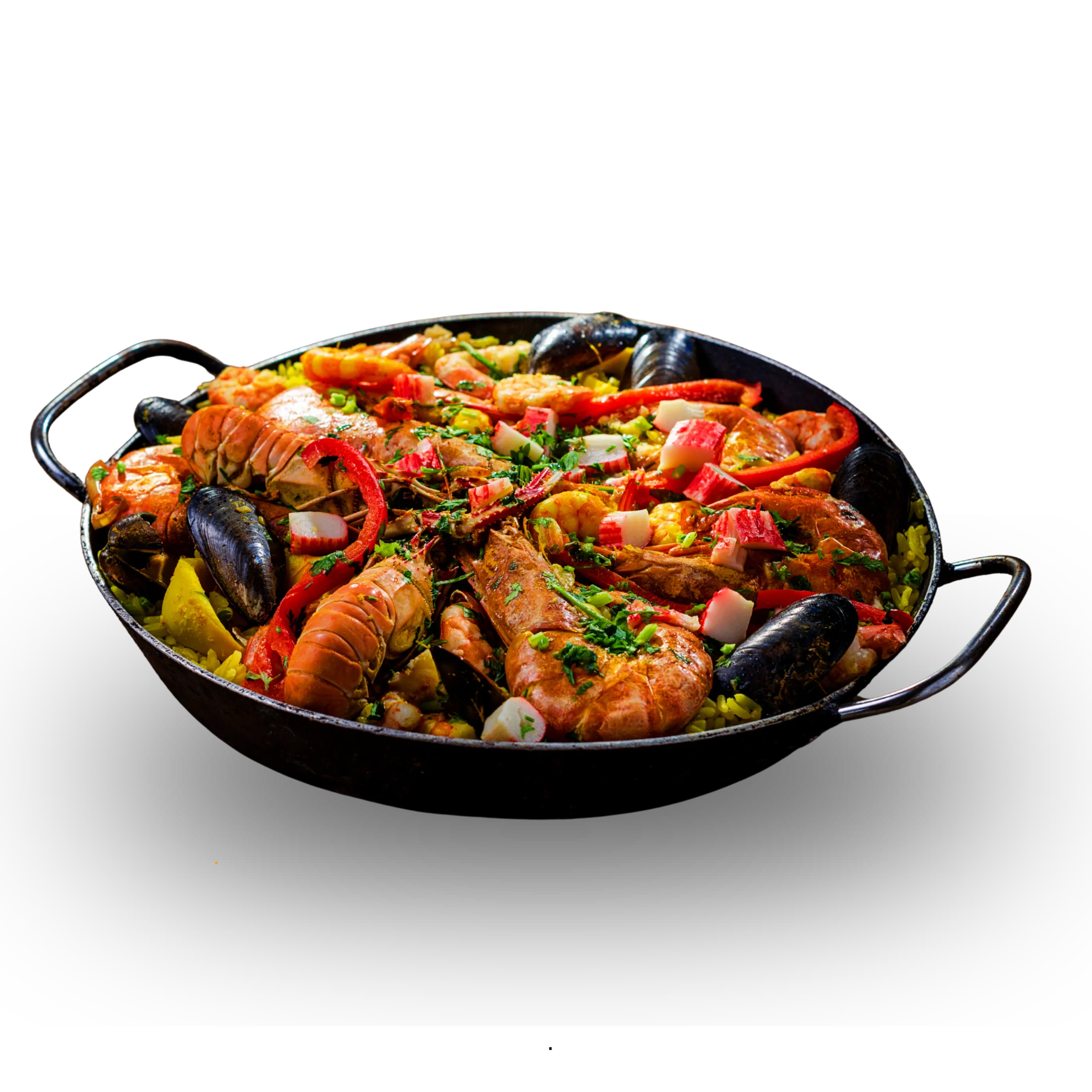
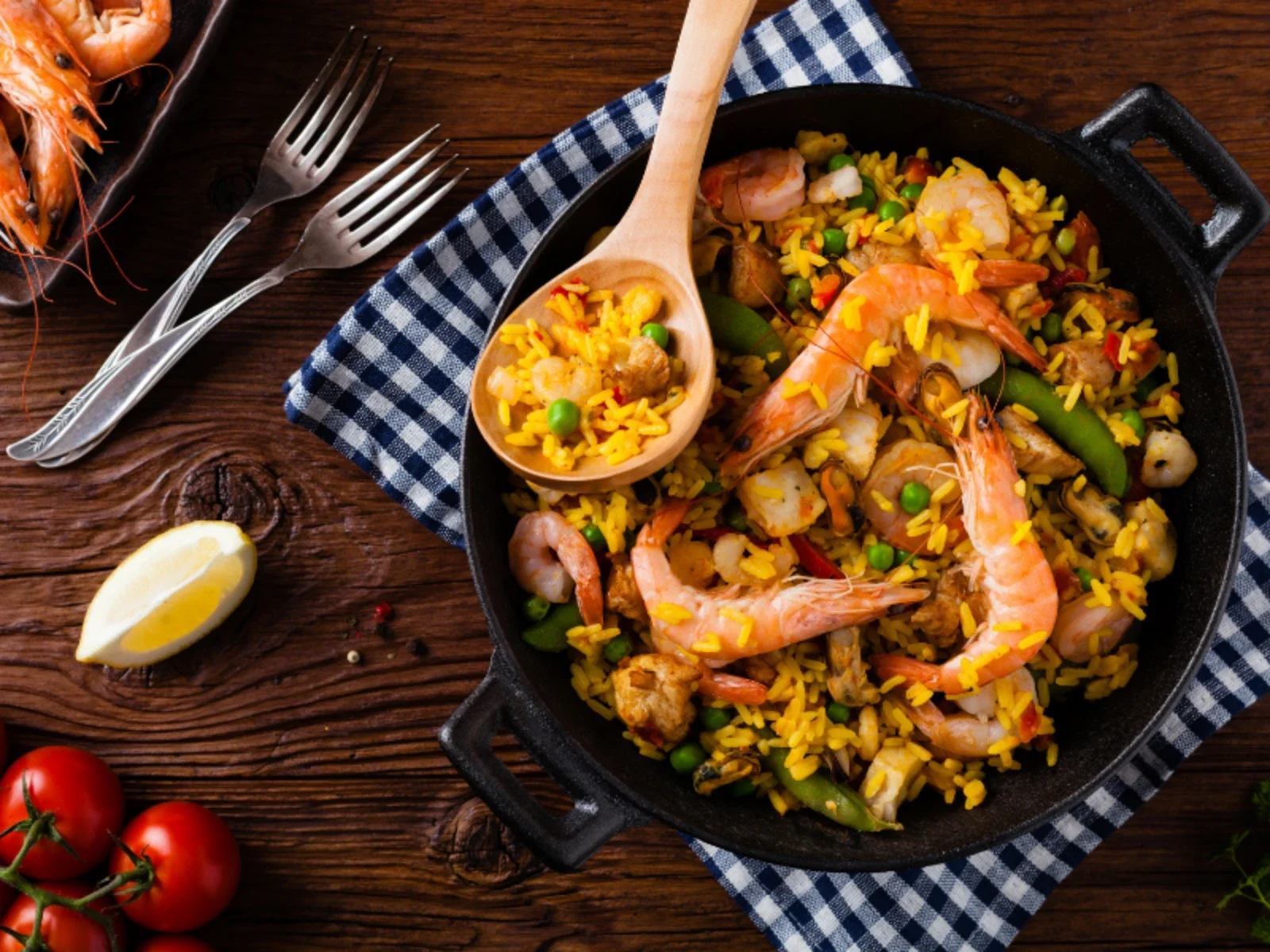
Let's get the obvious one out of the way: paella, Spain's most internationally recognized dish, actually hails specifically from Valencia, and traditionally it's made with rabbit, chicken, and green beans not the mixed seafood version served in most tourist-facing restaurants elsewhere in the country. If you want the real thing, eat it in Valencia, ideally at lunch, since it's traditionally a midday dish rather than a dinner one.
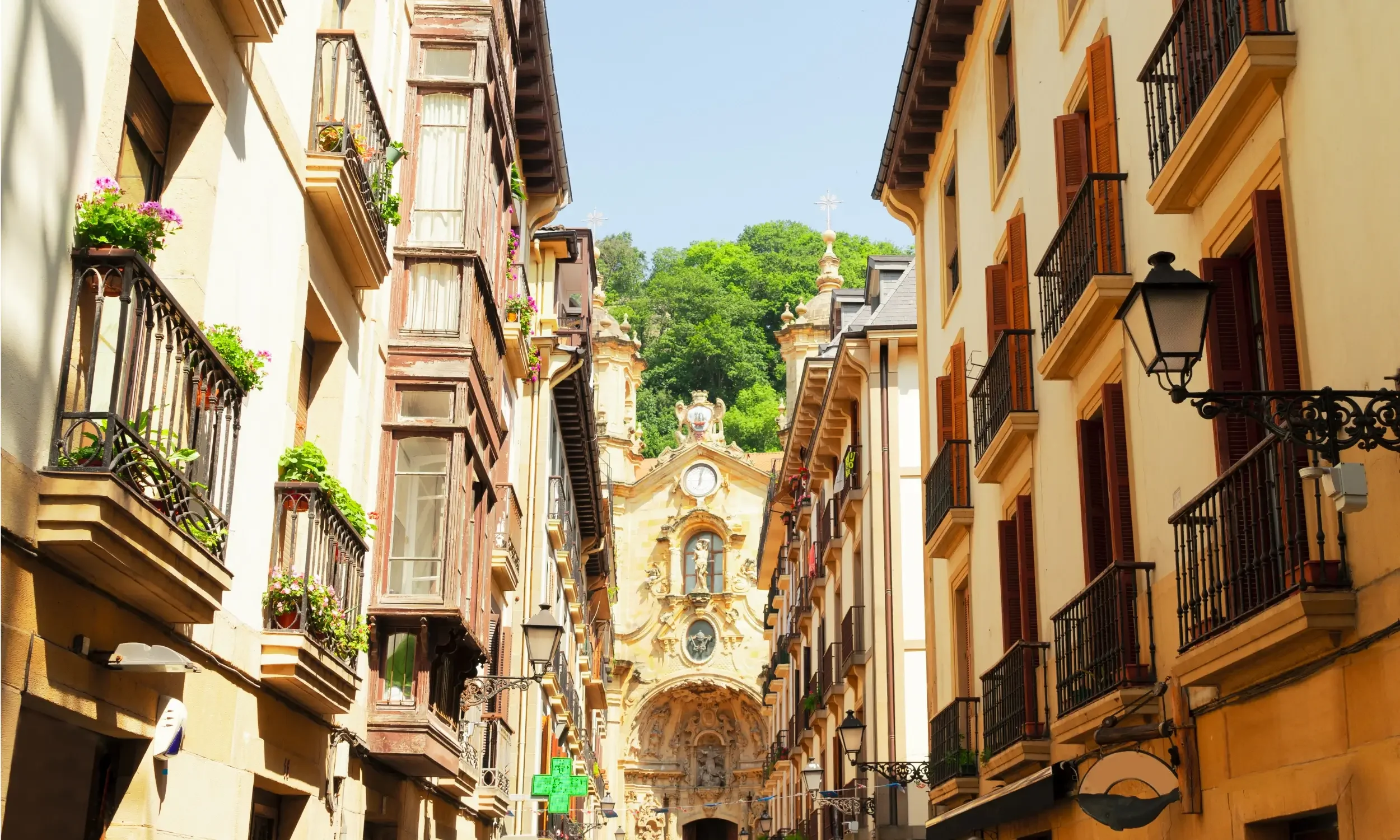
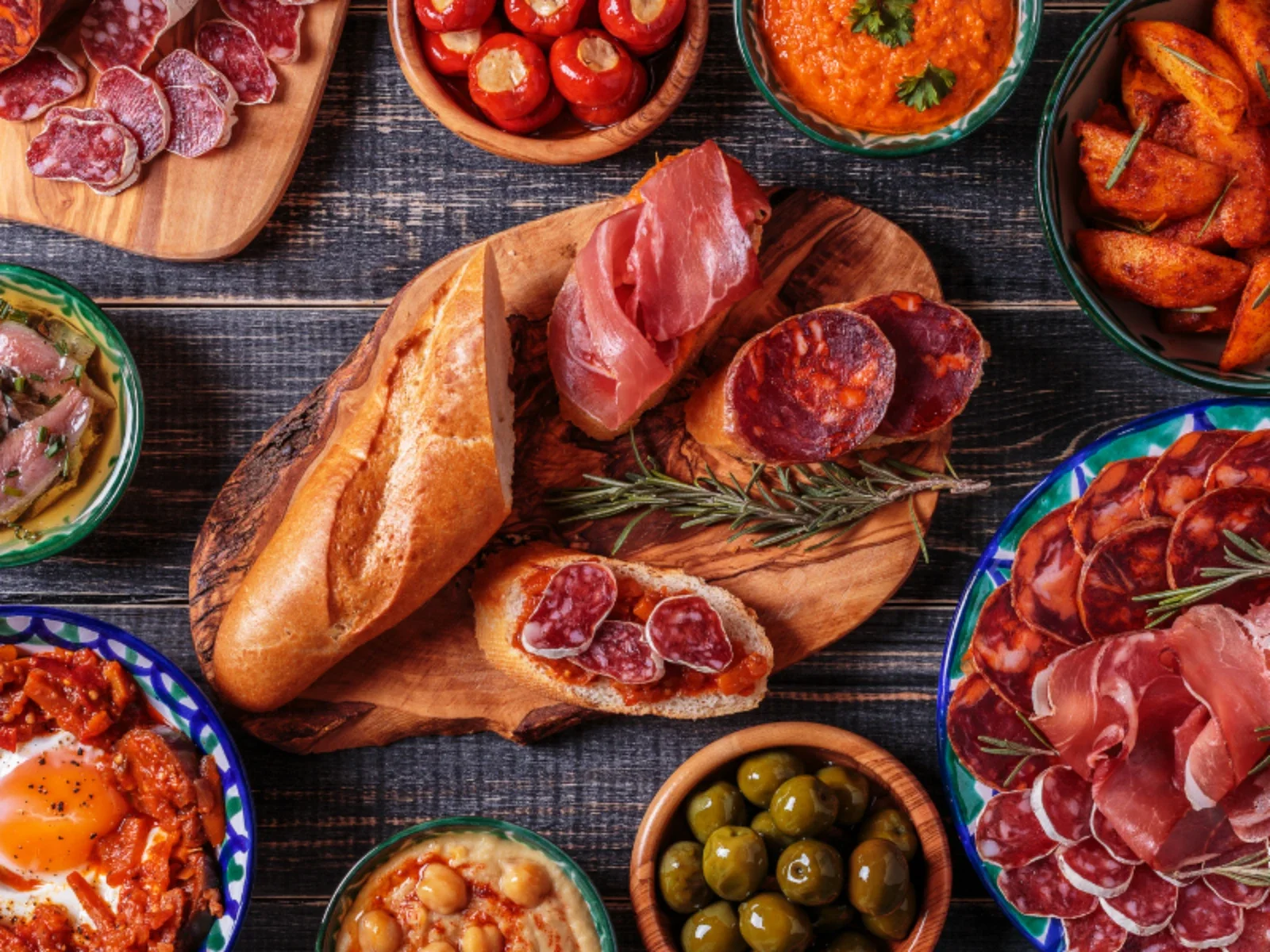
Tapas culture, meanwhile, is genuinely nationwide but takes different forms depending on where you are. In Andalusia, particularly Seville and Granada, tapas are often served free with your drink order, an old tradition that's thankfully still alive in plenty of bars. In the Basque Country, the equivalent is pintxos, small, often elaborately constructed bites typically served on a slice of bread and pinned together with a toothpick, displayed along the bar for you to simply pick out what looks good.
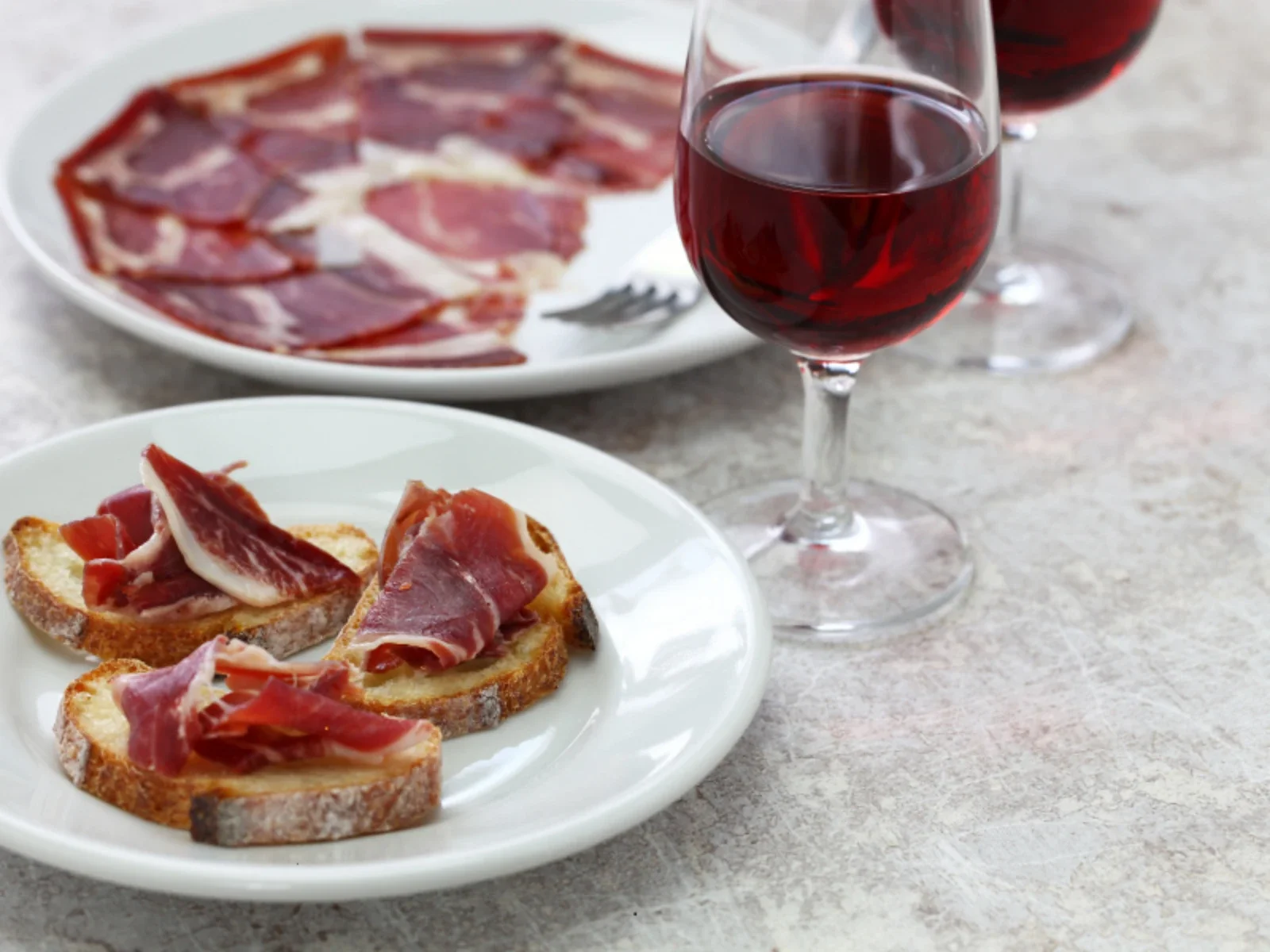
Jamón ibérico, cured Iberian ham from pigs that roam oak forests eating acorns, is treated with something close to reverence here
thinly sliced, never cooked, and often served as its own course rather than an ingredient in something else. A proper jamonería, a shop or bar specializing in it, is worth seeking out over a generic tapas menu if you want to understand why Spaniards take this particular product so seriously.
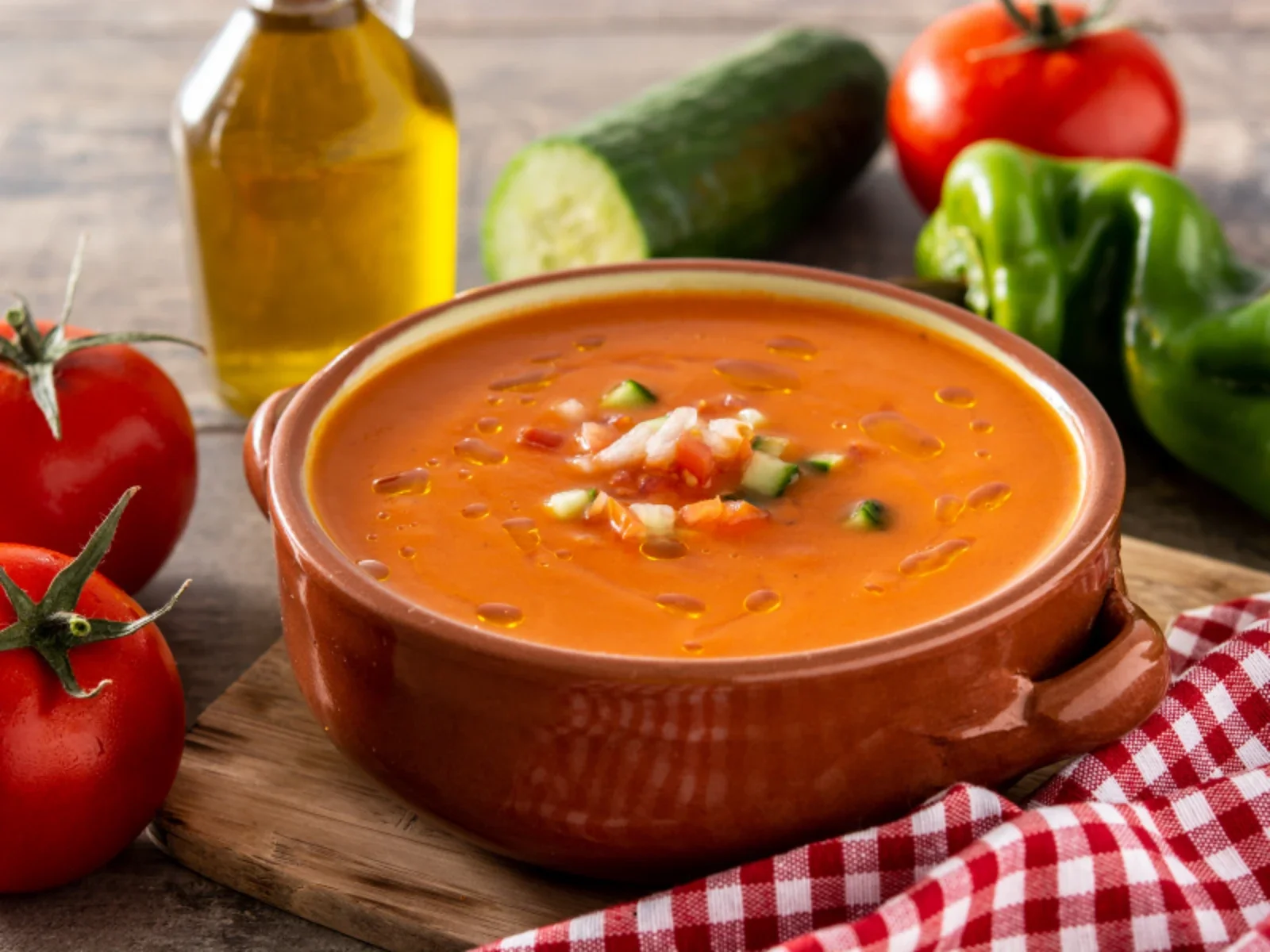
Gazpacho and its thicker, bread-based cousin salmorejo are the definitive answers to Andalusia's brutal summer heat chilled tomato-based soups that manage to be refreshing and substantial at the same time.
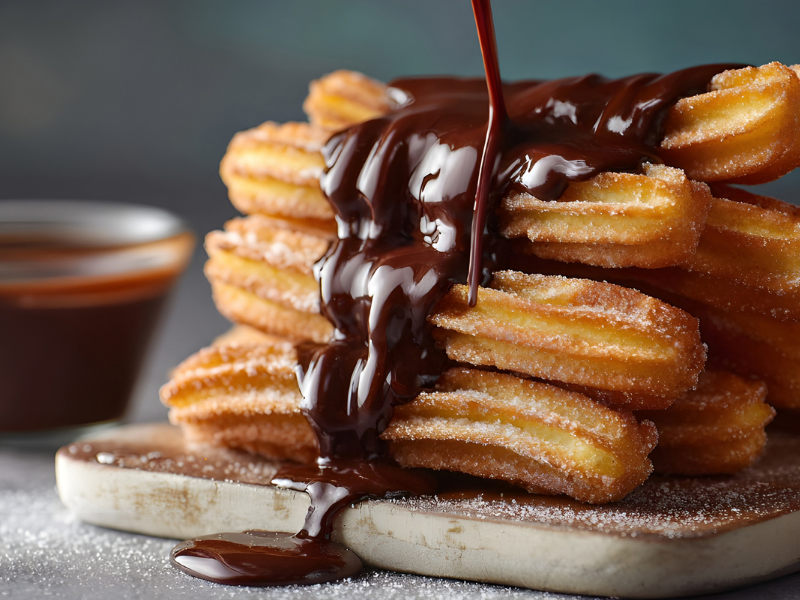
For dessert, or really any time of day, churros con chocolate, fried dough strips dipped into thick, almost pudding-like hot chocolate is a beloved breakfast or late-night ritual, especially popular after a long night out, when a chocolatería staying open until dawn is a genuine Spanish institution in cities like Madrid.
And no conversation about Spanish food and drink is complete without wine. Rioja and Ribera del Duero are the country's most famous red wine regions, while Cava, Catalonia's sparkling wine made using the same method as Champagne, offers a more budget-friendly celebratory pour. On a hot afternoon, a jug of sangria or the lighter, spritzier tinto de verano (red wine with lemon soda) is the classic answer.
Things to Do Beyond the Obvious Checklist
Beyond museum-hopping and beach time, Spain rewards visitors who lean into its festival culture and everyday rituals. La Tomatina, the tomato-throwing festival in Buñol, and San Fermín, the running of the bulls in Pamplona, get the international headlines, but nearly every town and city has its own local festival (fiesta) worth timing a visit around, often involving fireworks, processions, and street food that never makes it onto a typical tourist itinerary.
Flamenco deserves real attention beyond a single tourist show this is a genuine art form with deep roots in Andalusian, and specifically Romani, culture, and seeking out a smaller, more intimate tablao (flamenco venue) in Seville or Granada, rather than a large, packaged dinner-show version, makes a real difference in the experience.
A proper tapas crawl moving from bar to bar, having one drink and one small dish at each before moving on is as much an activity as it is a meal, especially in cities like San Sebastián, where pintxos bars line entire streets and the "crawl" format is basically the whole point of a night out.
For something slower, simply sitting in a plaza with a coffee or a glass of wine, watching the local rhythm of a Spanish town unfold around you, is not a lesser version of sightseeing, it's arguably the most authentic thing you can do here.
The Cities Everyone Talks About
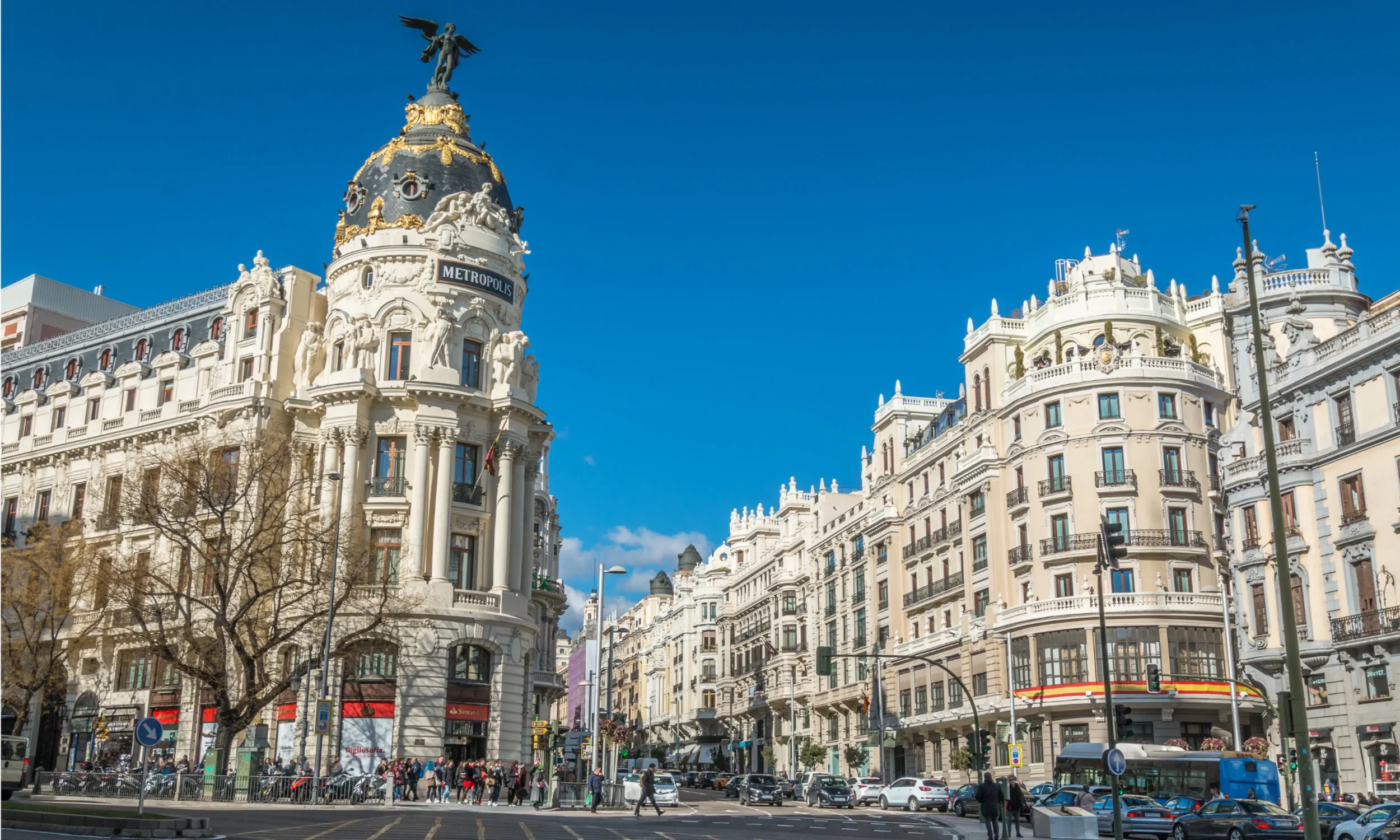
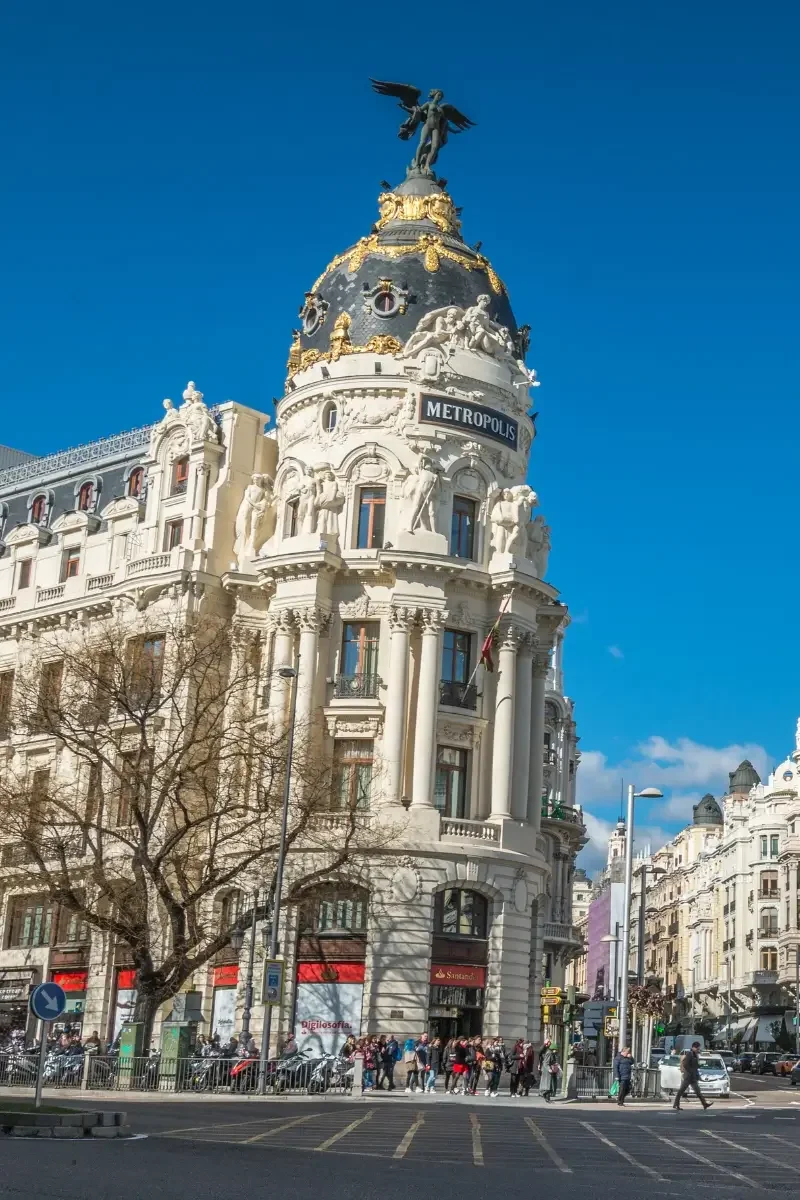
Madrid, the capital, sits right in the geographic and cultural center of the country, and offers world-class art at the Prado, Reina Sofía, and Thyssen-Bornemisza museums, alongside some of the best nightlife in Europe, this is a city that genuinely doesn't slow down until the early hours, and locals will happily eat dinner at 10pm and still be out dancing at 3am.
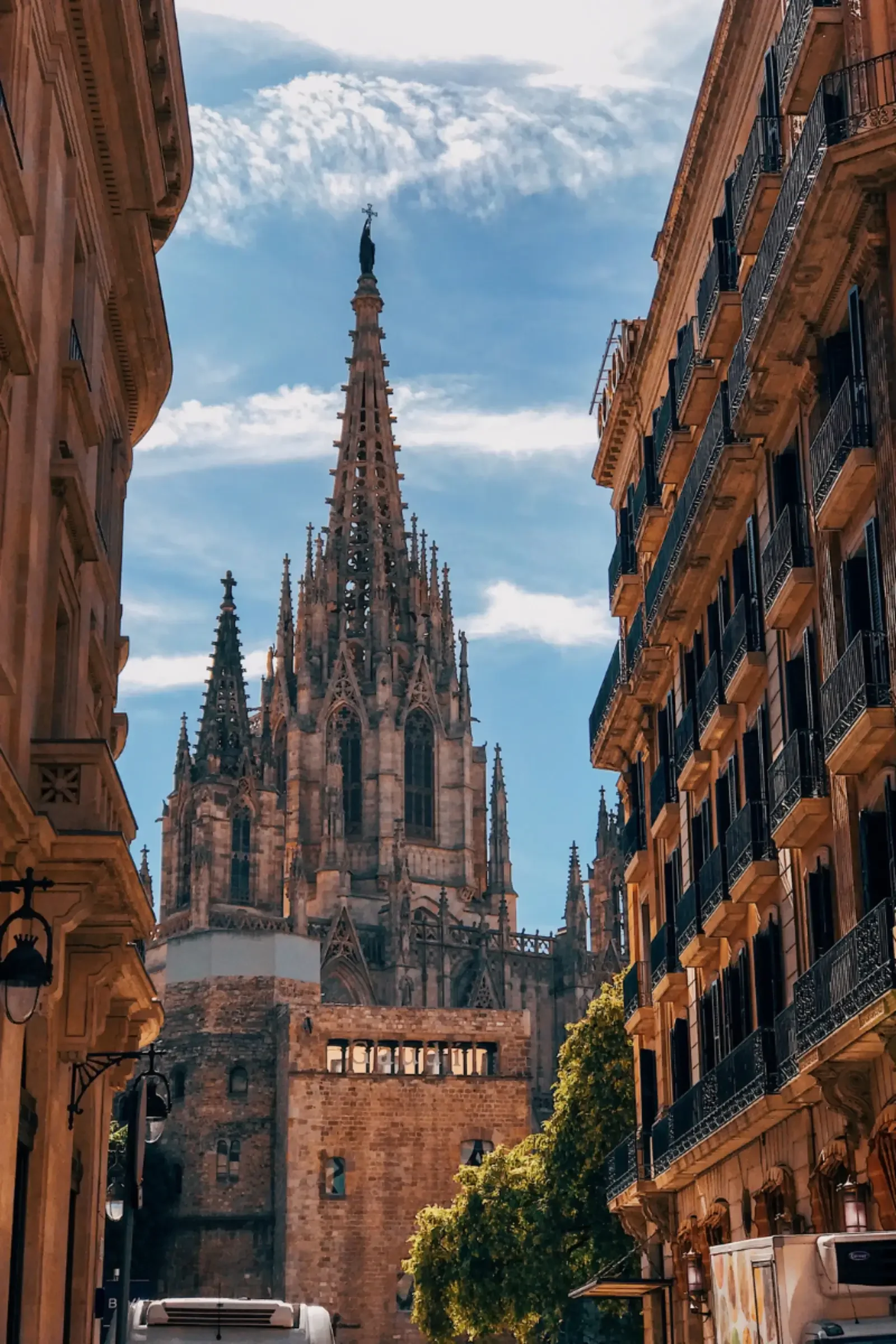
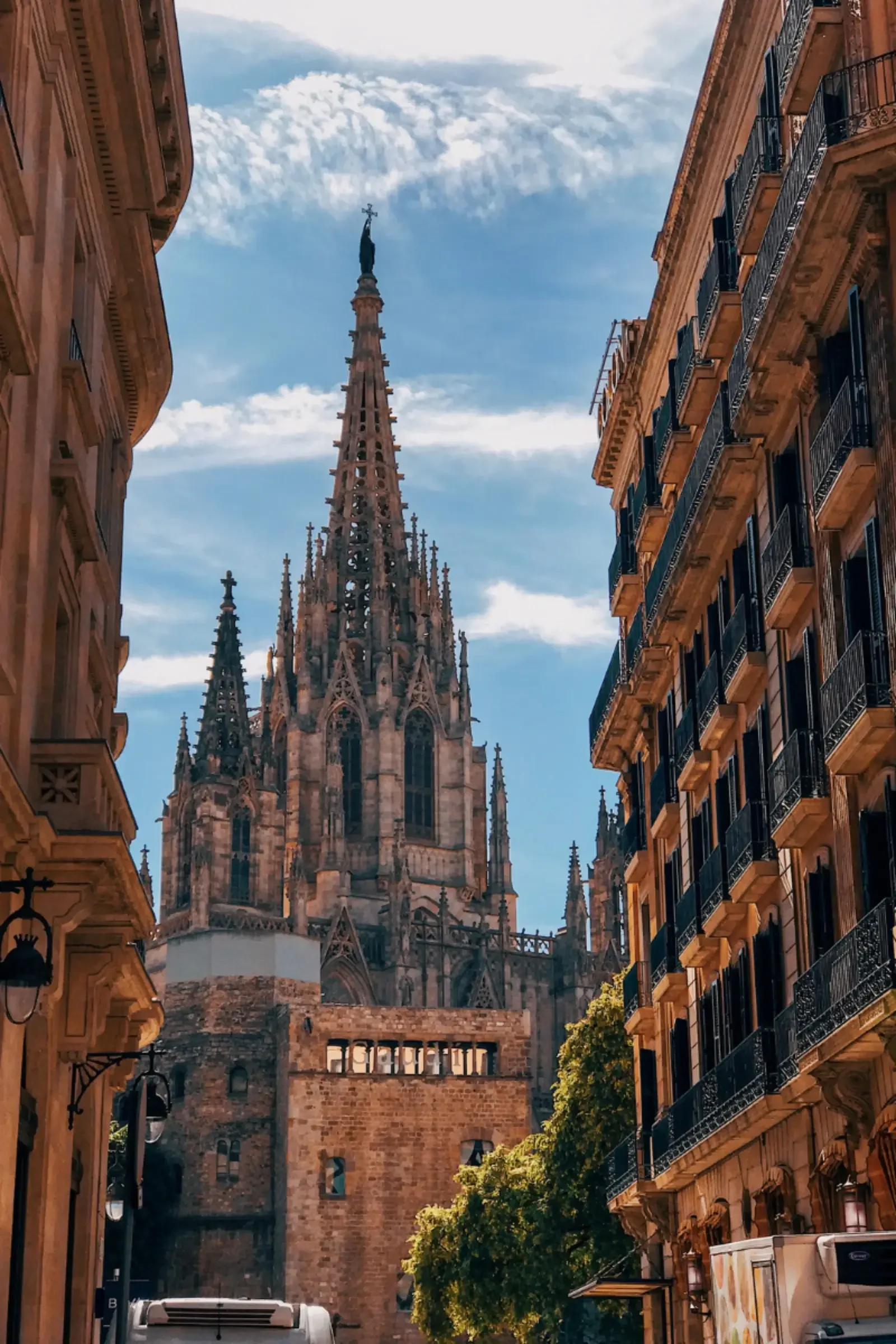
Barcelona pairs Gaudí's surreal, unmistakable architecture, the Sagrada Família chief among it with beaches, a distinct Catalan identity, and a food scene that ranges from humble tapas bars to some of the most innovative fine dining in the world. It's also one of the few major European cities where you can genuinely combine a beach day and a serious art museum visit within the same afternoon.
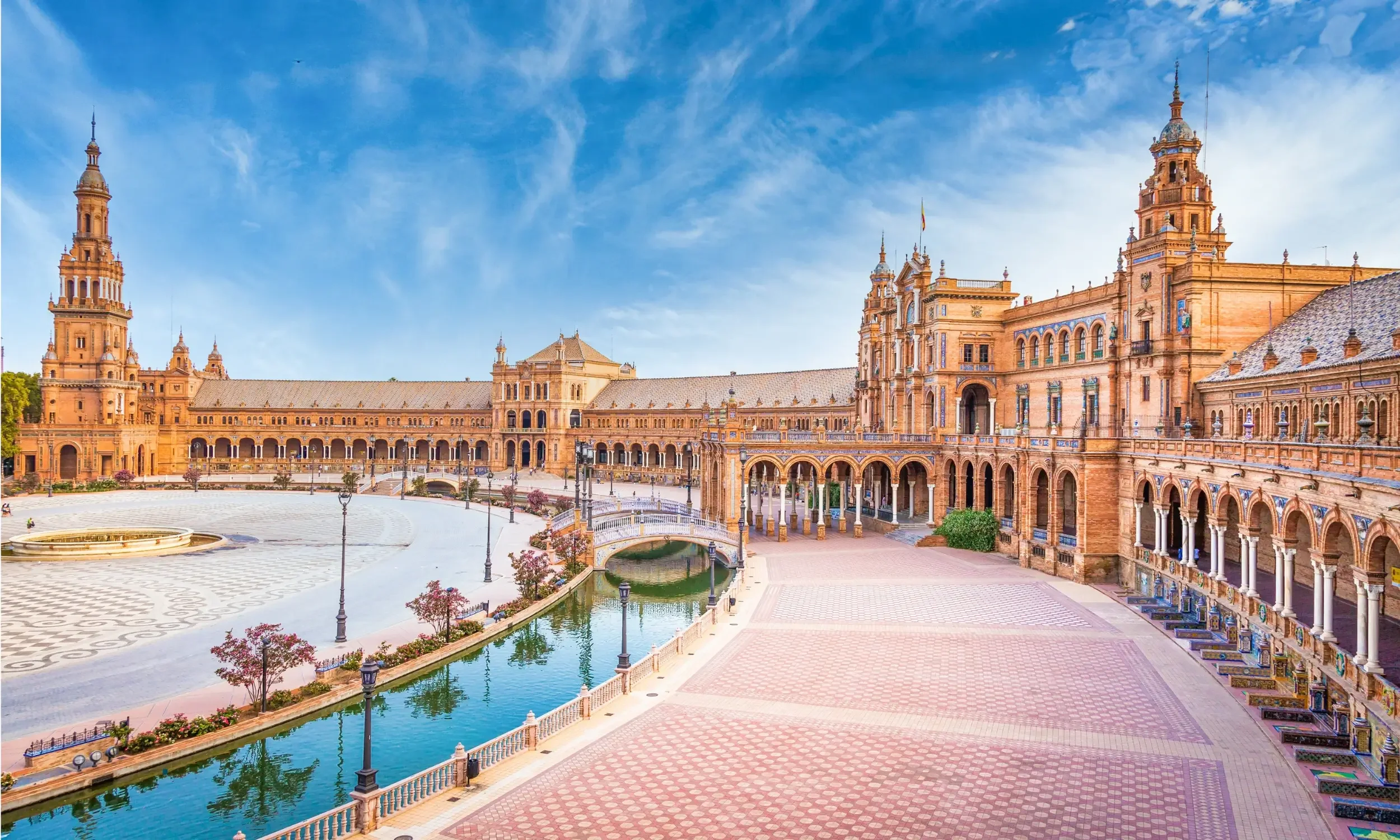
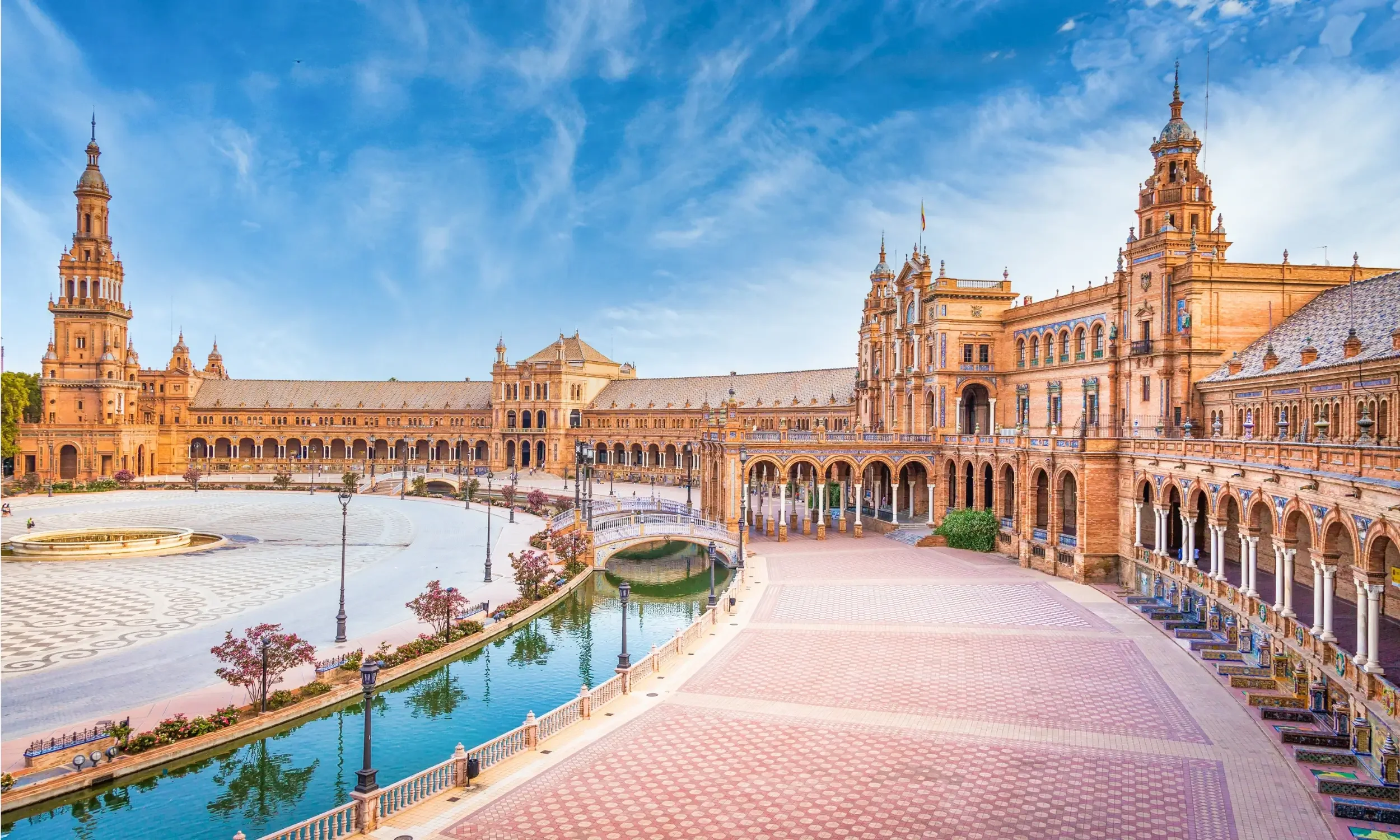
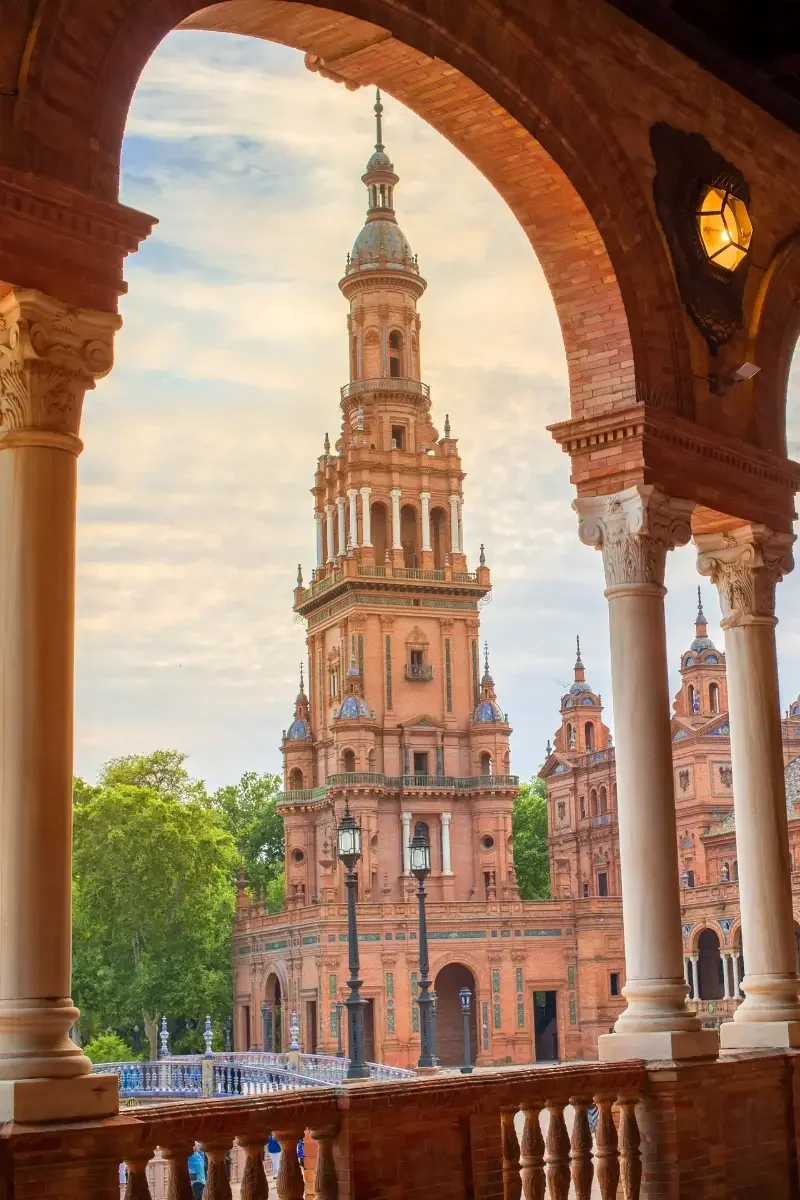
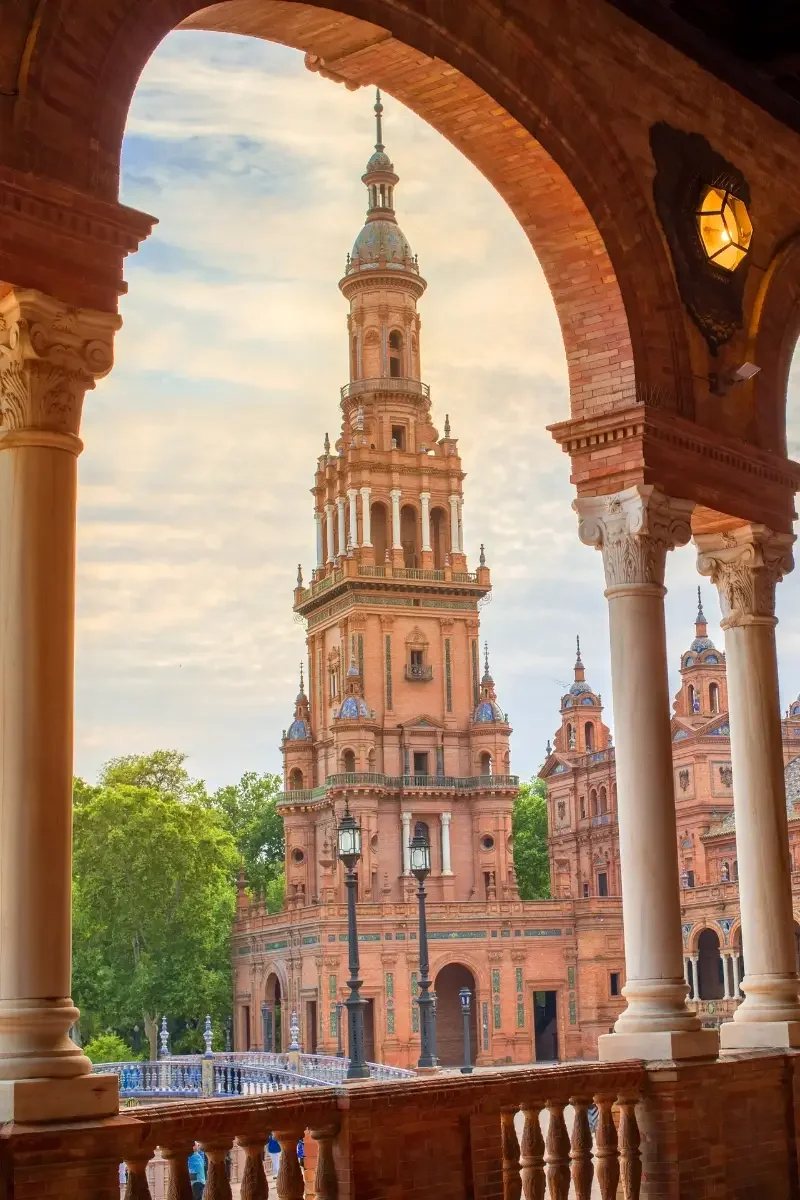
Seville is Andalusia's beating heart, home to a genuinely breathtaking Mudéjar-Gothic cathedral, the ornate Real Alcázar palace, and a flamenco tradition that runs deeper here than almost anywhere else in the country. It's also brutally hot in summer, so plan accordingly.
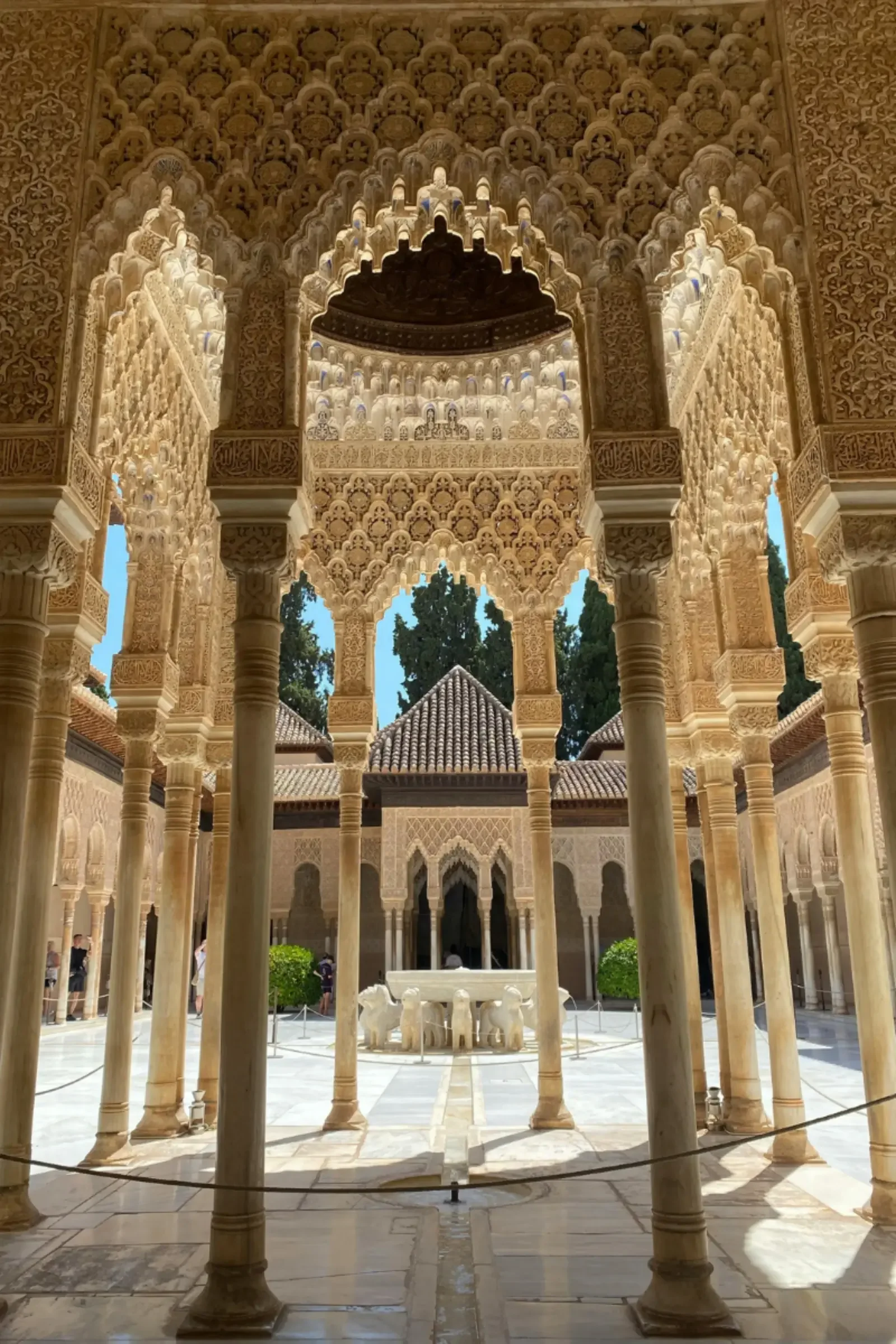
Granada, dominated by the Alhambra, a Moorish palace and fortress complex widely considered one of the greatest works of Islamic architecture anywhere in the world offers a striking blend of Moorish and Christian history layered directly into its streets, alongside some of the best free tapas culture left in the country.
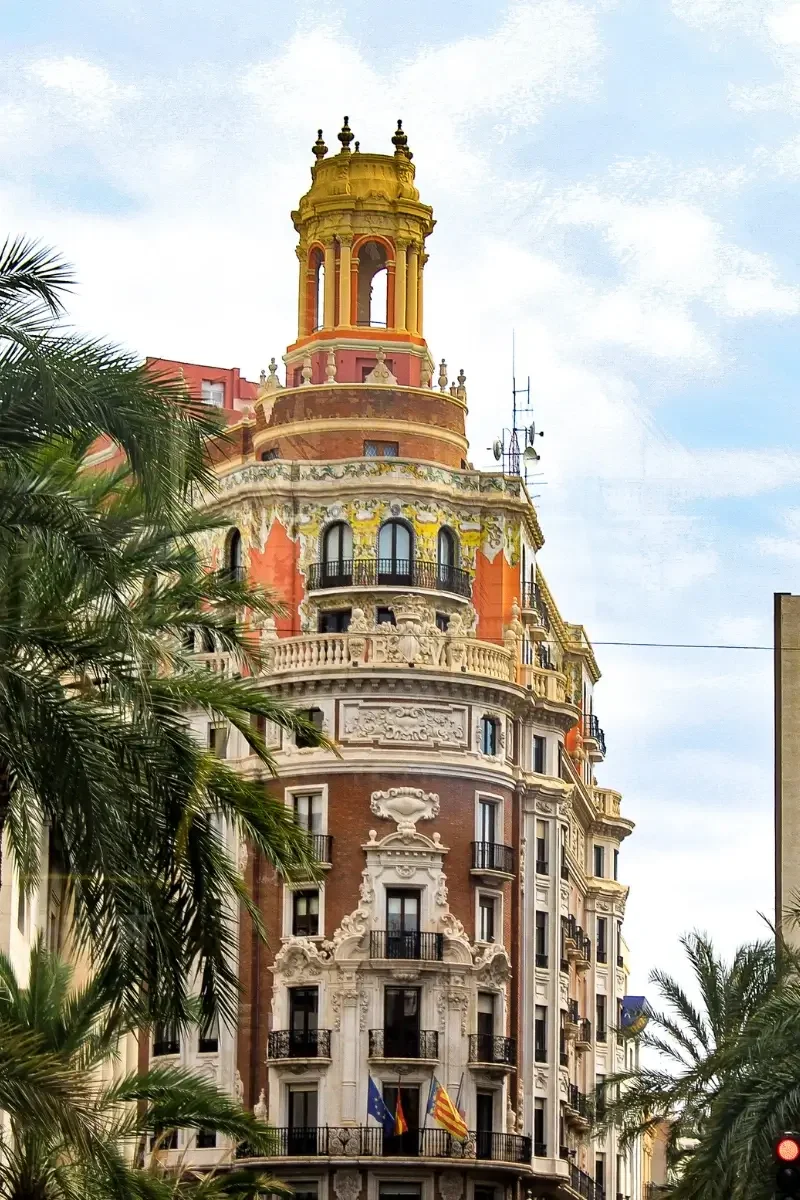
Valencia gave the world paella and has reinvented itself in recent decades with the striking, futuristic City of Arts and Sciences complex, while still holding onto a genuinely relaxed, less touristy atmosphere than Madrid or Barcelona.
San Sebastián, in the Basque Country, might have the best food-per-capita of any city in Europe, with an extraordinary concentration of Michelin-starred restaurants alongside its legendary pintxos bars, all wrapped around one of the most beautiful urban beaches in the world.
The Cities Nobody Talks About (But Should)
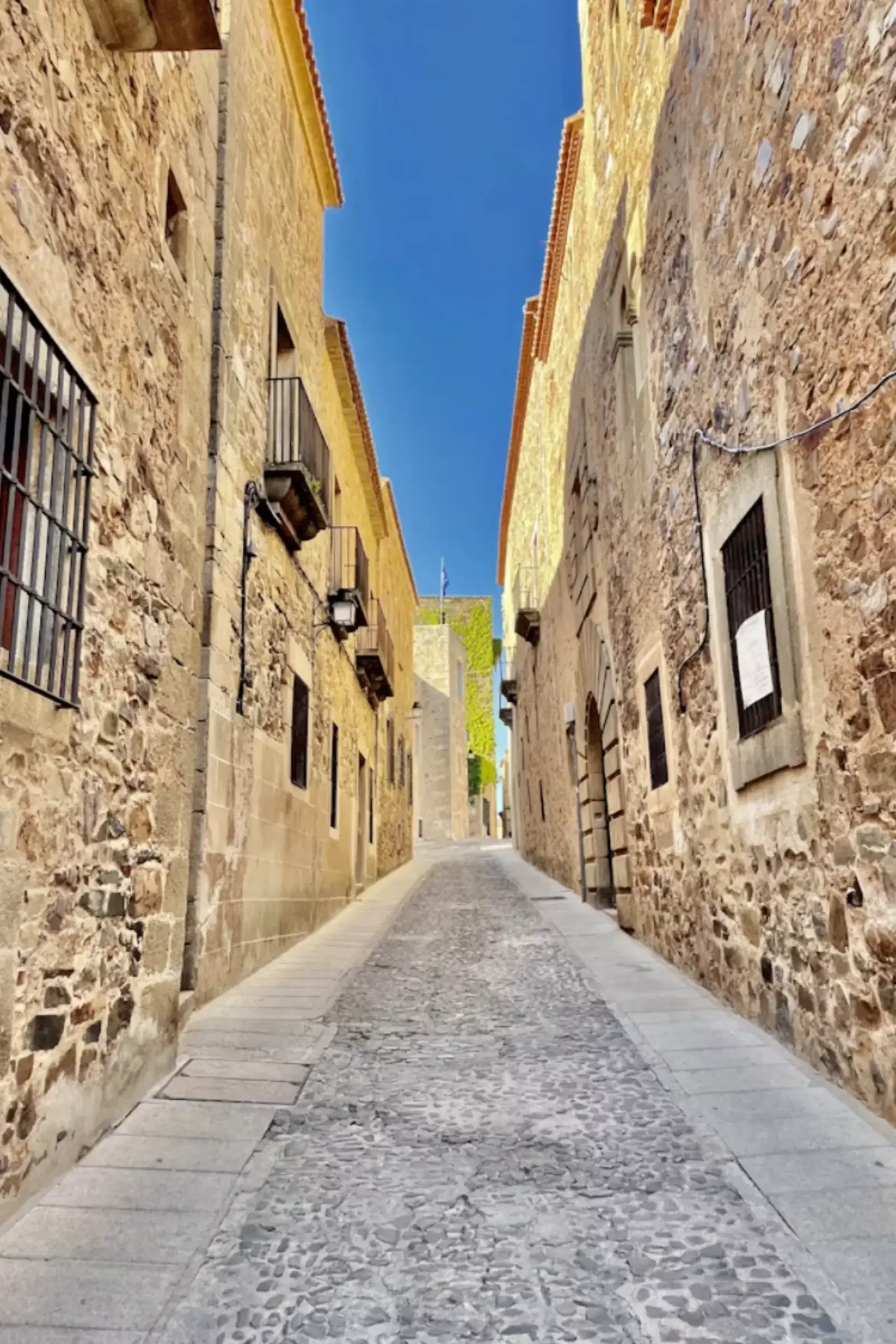
Cáceres, in the western region of Extremadura, has a stunningly preserved medieval and Renaissance old town, and yet remains largely off the radar for international visitors, golden stone walls, storks nesting on ancient towers, and almost none of the crowds you'd find at a comparably beautiful town elsewhere in the country.
Salamanca, home to one of the oldest universities in Europe, combines gorgeous sandstone architecture with a genuinely lively, youthful energy thanks to its large student population, a completely different feel from the more purely historical towns nearby, with a nightlife scene that punches well above its size.
Cuenca, built dramatically into a gorge with "hanging houses" that seem to defy gravity over the cliffside below, is one of the most visually striking towns in the country and yet rarely makes a first-timer's list, usually overshadowed by nearby Madrid.
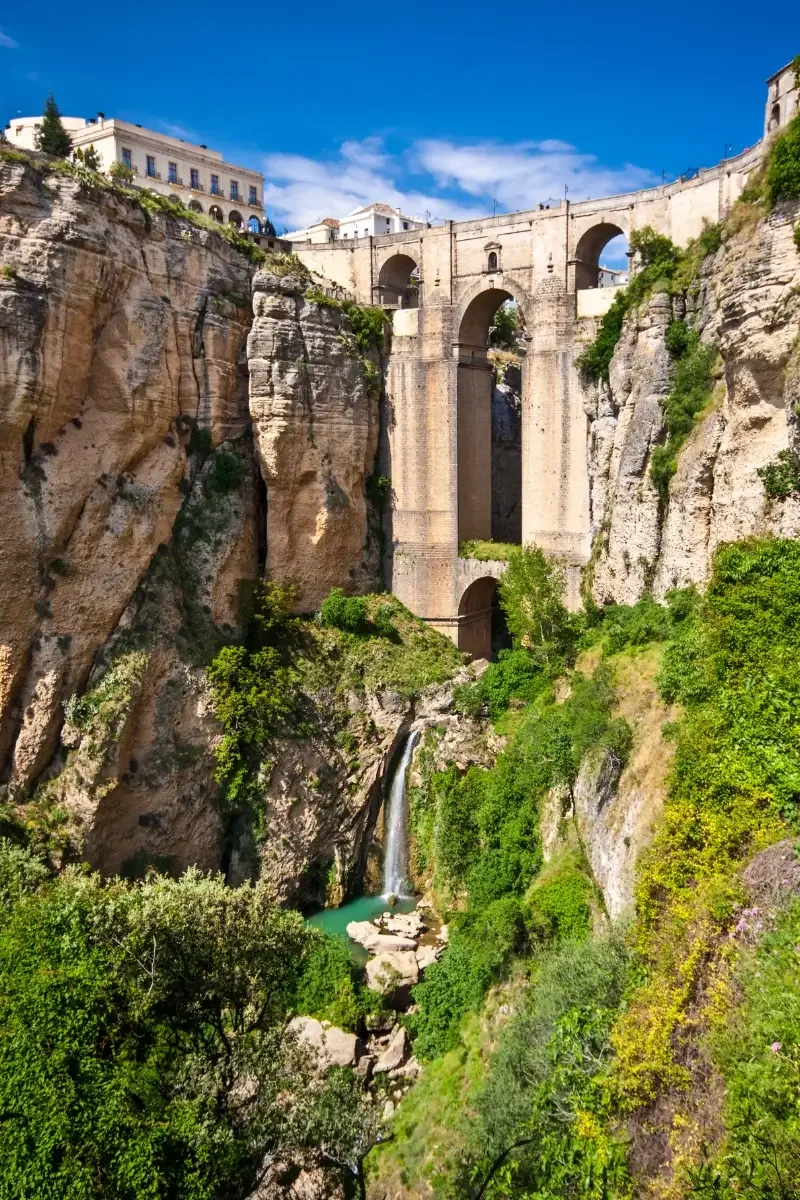
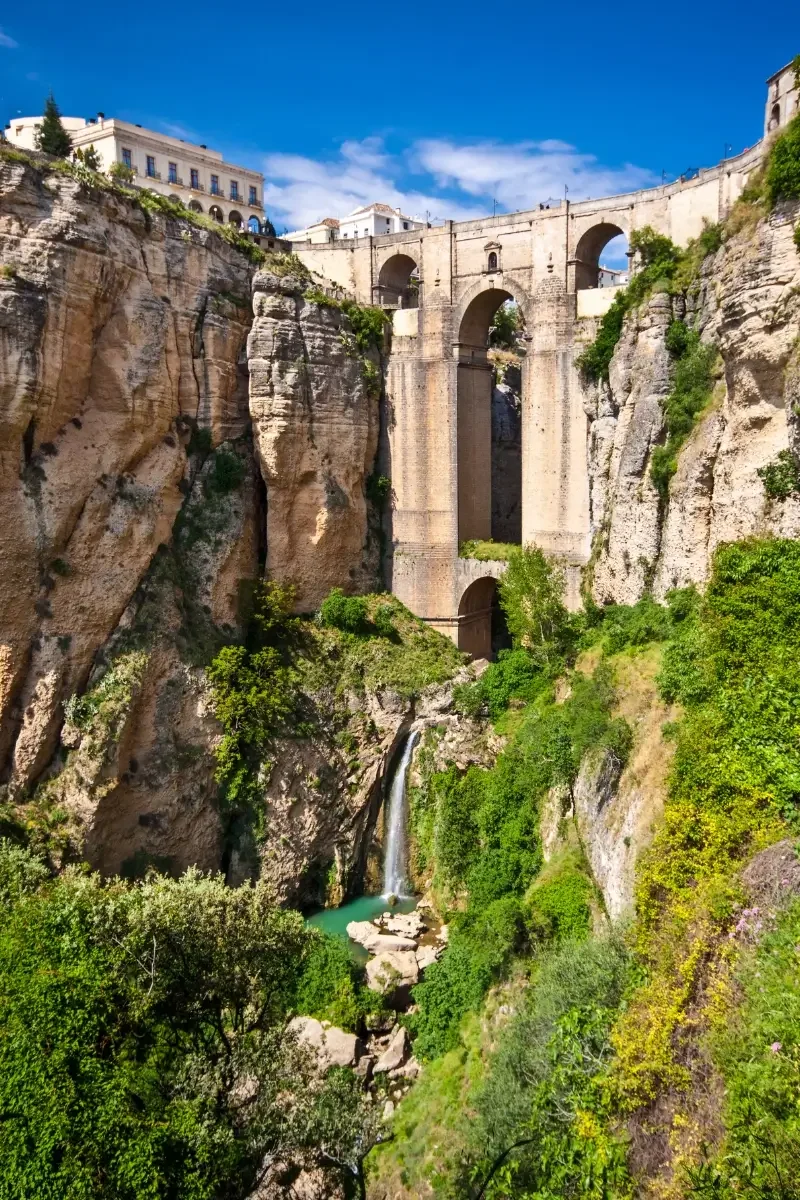
Ronda, perched on either side of a dramatic gorge in Andalusia and connected by a centuries-old stone bridge, offers views that rival much more famous Andalusian towns, with a fraction of the visitors of Seville or Granada.
Girona, a short train ride from Barcelona, has its own beautifully preserved old Jewish quarter, colorful riverside houses, and a growing culinary reputation, all while remaining considerably quieter than its famous neighbor.
Cadiz, one of the oldest continuously inhabited cities in Western Europe, sits on a narrow peninsula surrounded almost entirely by water, with a laid-back, salty, unpretentious atmosphere that feels genuinely distinct from the rest of Andalusia's more polished tourist towns.
Visiting Spain?
your questions, answered
-
Spain is part of the Schengen Area, so the answer depends on your nationality. Many visitors — including from the US, UK, Canada, and Australia — can enter visa-free for short stays. Others need a Schengen visa arranged in advance. Requirements do shift, including the EU's upcoming ETIAS travel authorization for currently visa-exempt travelers, so check the official EU or Spanish consulate guidance before booking flights.
-
Most visa-exempt visitors can stay up to 90 days within any 180-day period across the entire Schengen Area — not just Spain. If you're combining Spain with other Schengen countries on one trip, those days all count against the same 90-day allowance.
-
As a general Schengen-wide rule, your passport should be valid for at least 3 months beyond your planned departure date, and issued within the last 10 years.
-
Cards are widely accepted almost everywhere, including small cafés and taxis. That said, some very small, family-run bars and rural shops still prefer cash, so it's worth carrying some euros for those moments. ATMs are easy to find in cities and tourist areas.
-
Tipping is modest and never obligatory. Rounding up or leaving 5–10% at restaurants for good service is appreciated, and small tips for hotel staff or tour guides are welcome but not expected the way they are in the US.
-
Generally, Spain offers strong value compared to Northern Europe — food, transport, and mid-range accommodation are often noticeably cheaper than in France, Germany, or the UK, though Madrid, Barcelona, and San Sebastián run pricier than smaller cities and towns.
-
Spain's high-speed AVE train network is excellent, connecting major cities like Madrid, Barcelona, and Seville in just a few hours. Budget flights are useful for longer hops, and intercity buses cover smaller towns the trains don't reach, often at a lower cost.
-
Spanish meal times run later than much of the world — lunch is often the largest meal, eaten between 2 and 4pm, and dinner rarely starts before 9pm, sometimes later in Madrid. Restaurants that look empty at 7pm haven't necessarily opened for the evening yet.
-
Spain is one of the safer countries in Europe for travelers, with violent crime against tourists rare. The main issue to watch for is petty theft — pickpocketing on crowded metros, at major sights, and around La Rambla in Barcelona specifically. Keep bags zipped and in front of you in dense crowds, and check your government's current travel advisories for anything region-specific.
-
It's not a legal requirement for most nationalities, though it is worth checking current entry rules, since this has occasionally been discussed at the EU level. Regardless, travel insurance is strongly recommended for medical cover, trip delays, and lost luggage, as with any international trip.