Japan Travel Guide
your Guide to Tokyo, Kyoto, Osaka & More
Tokyo

Japanese

Yen

~123M

UTC+9

Japan: A Country of Deliberate Contrasts
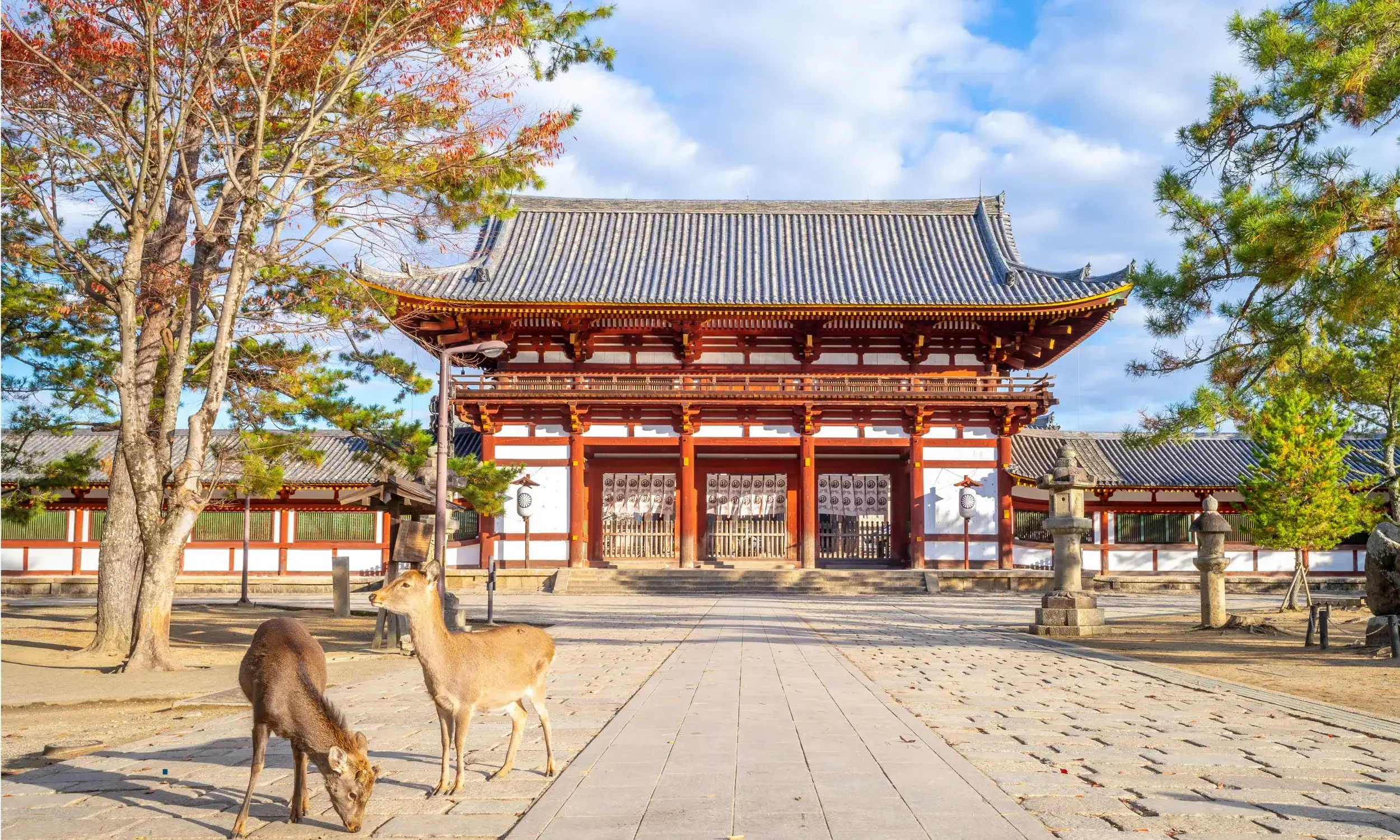
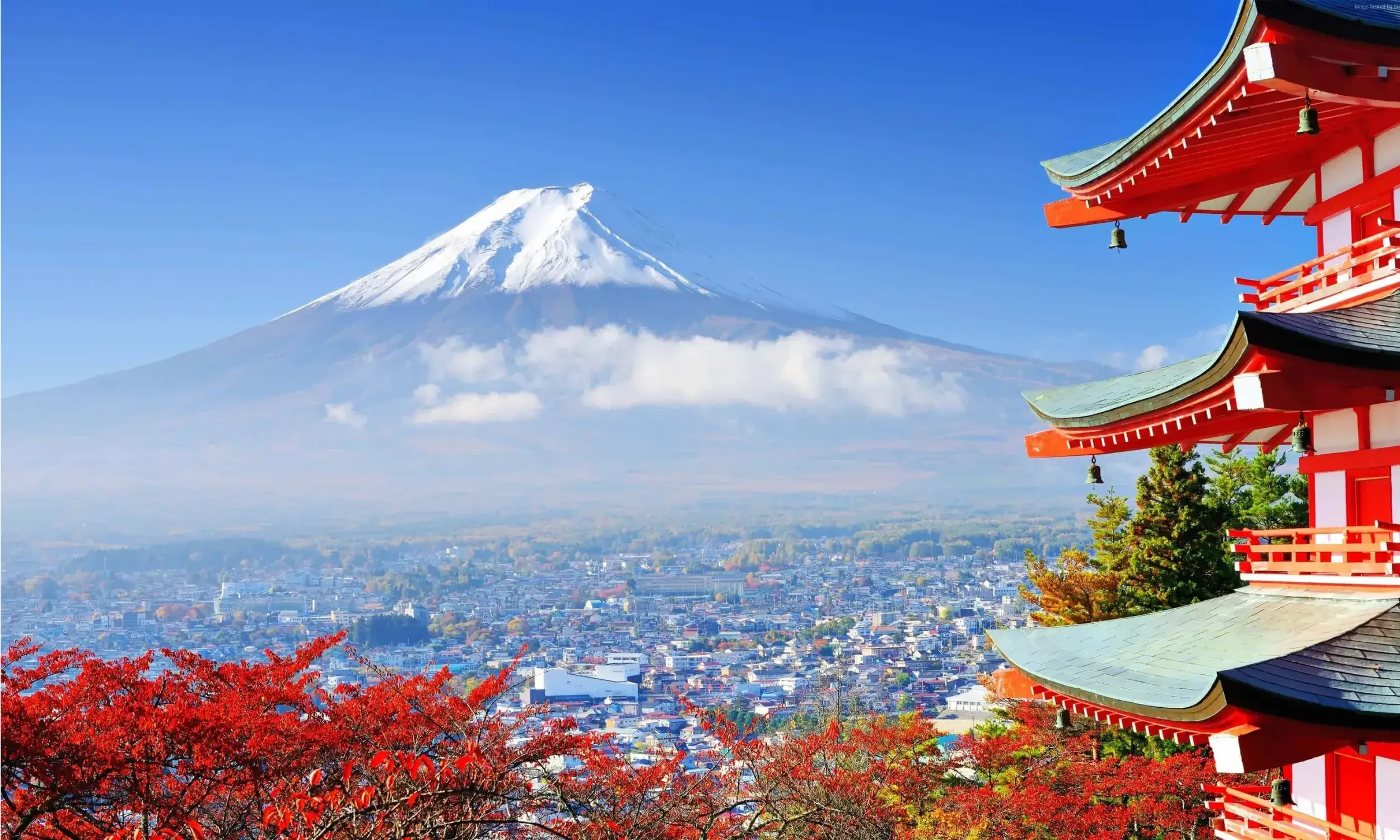
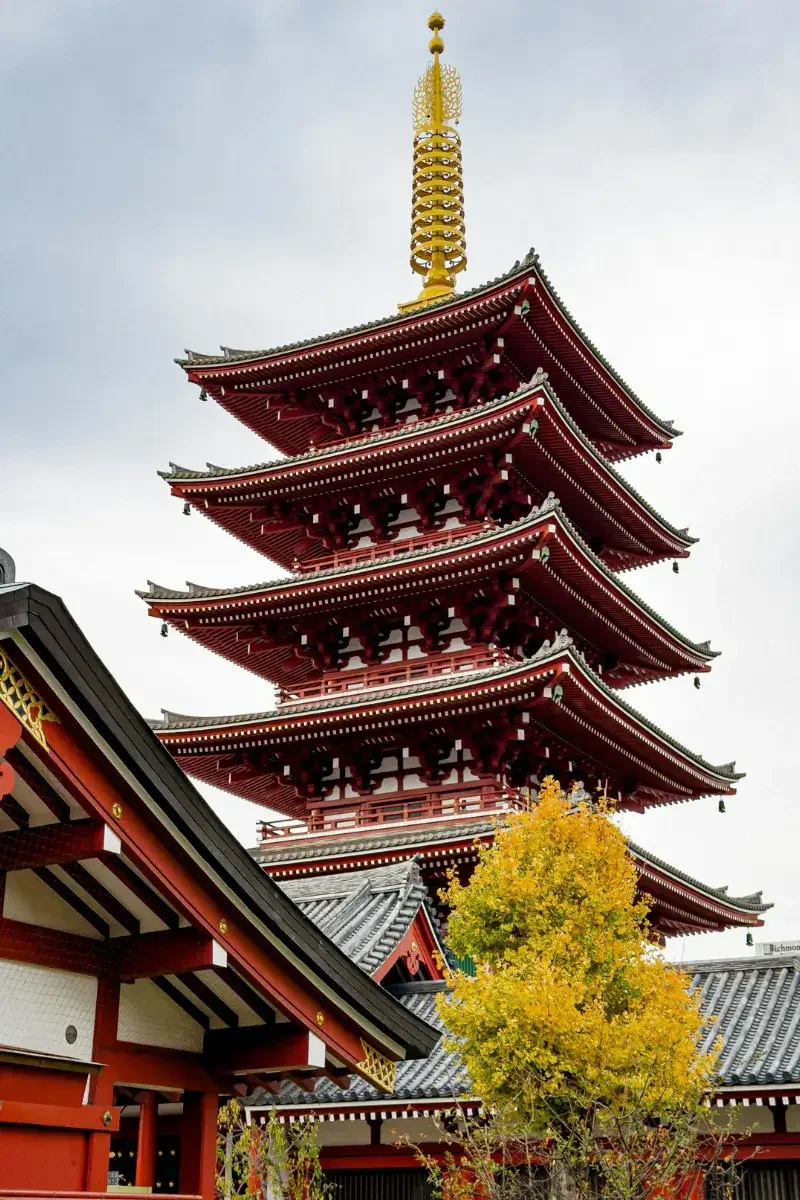
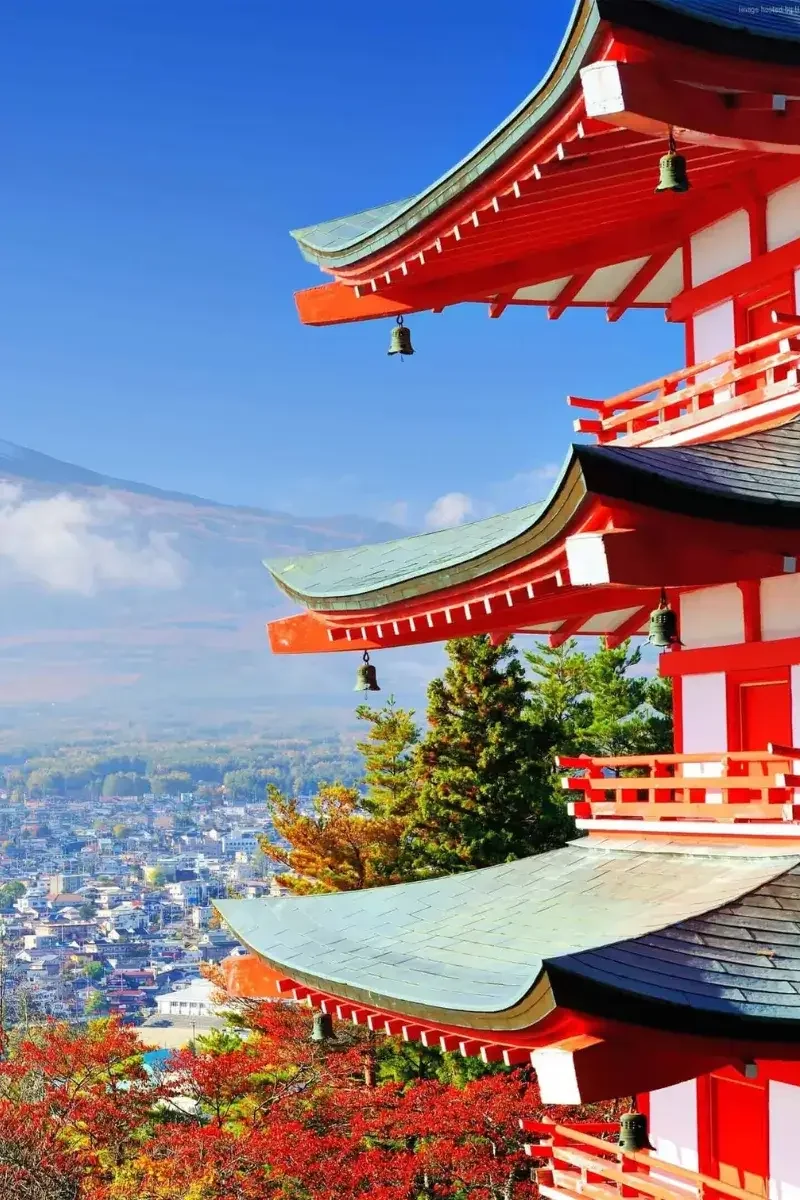
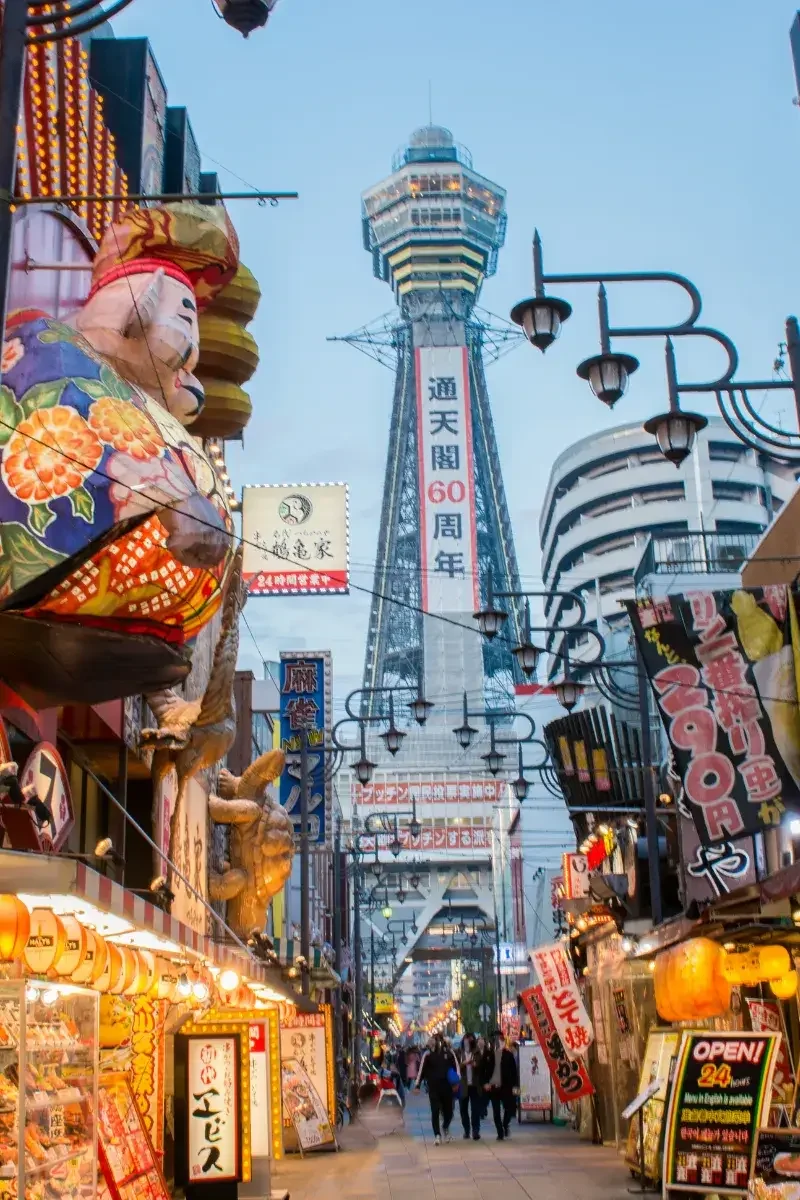
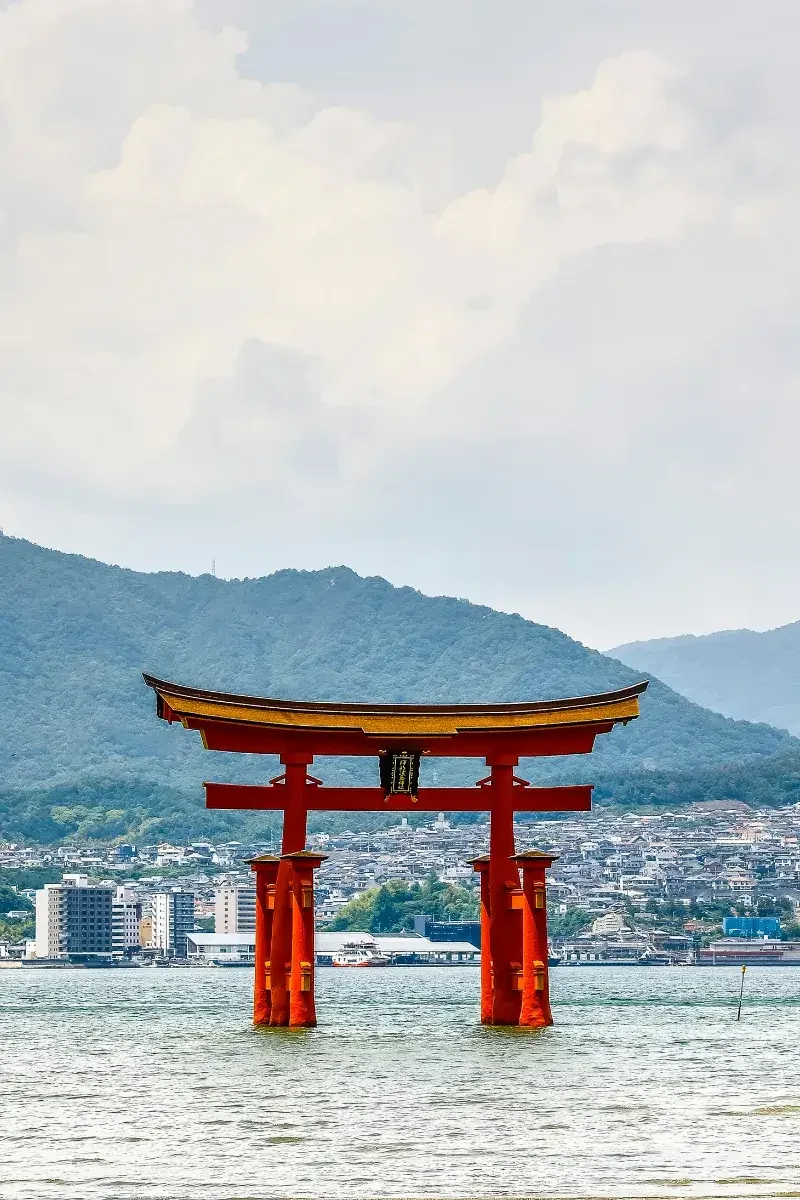
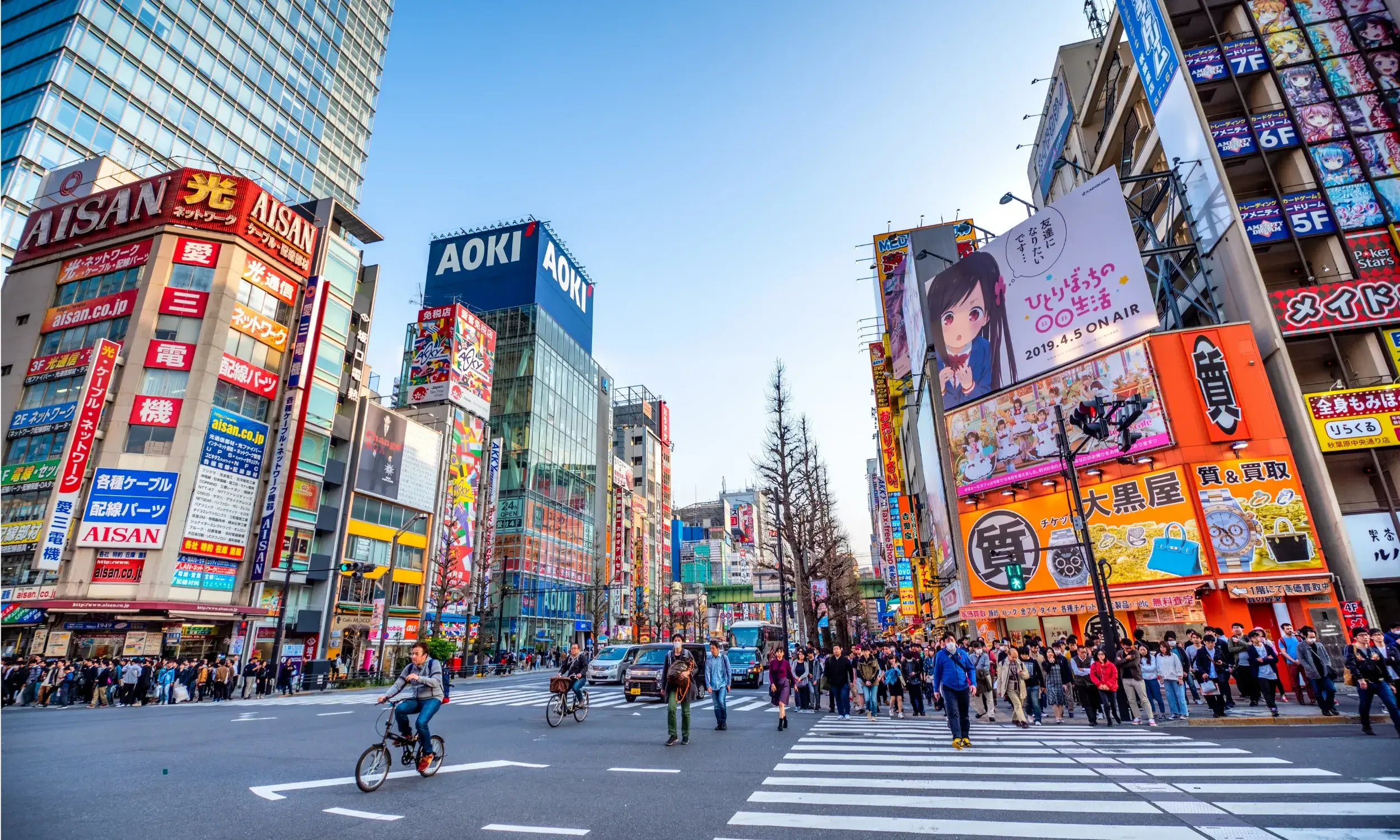
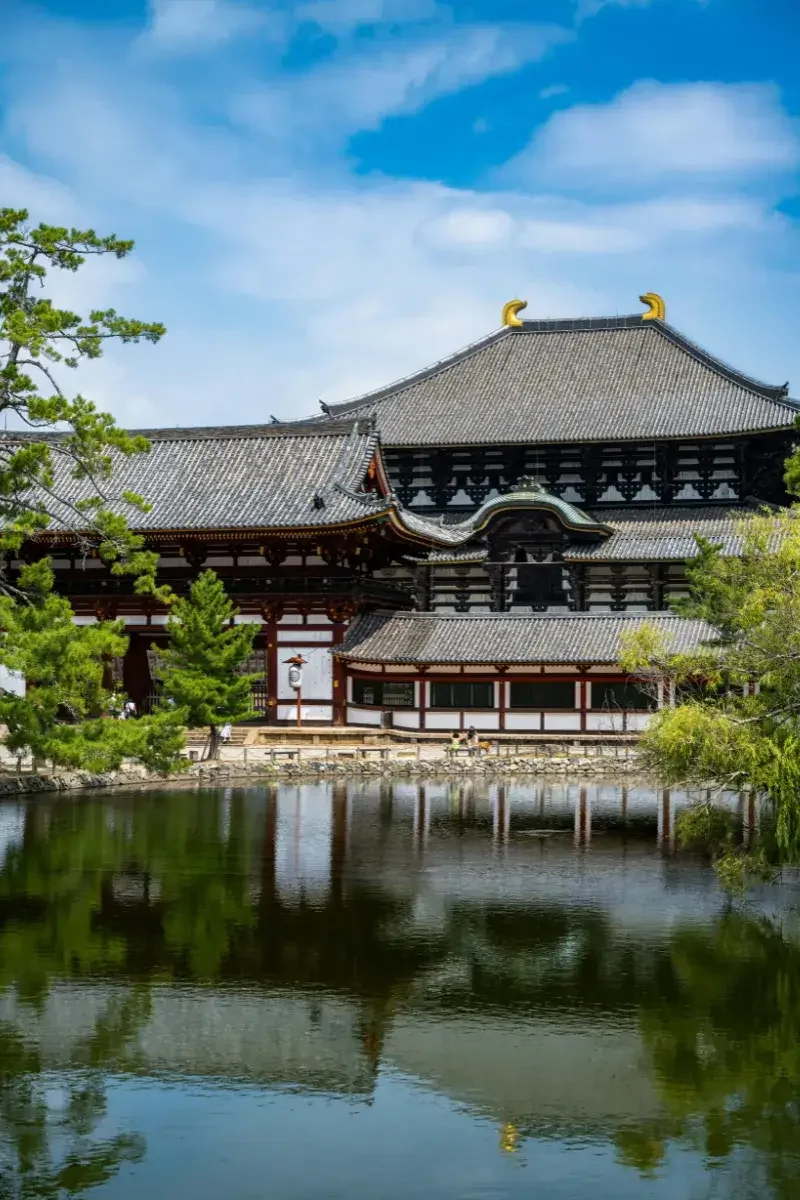
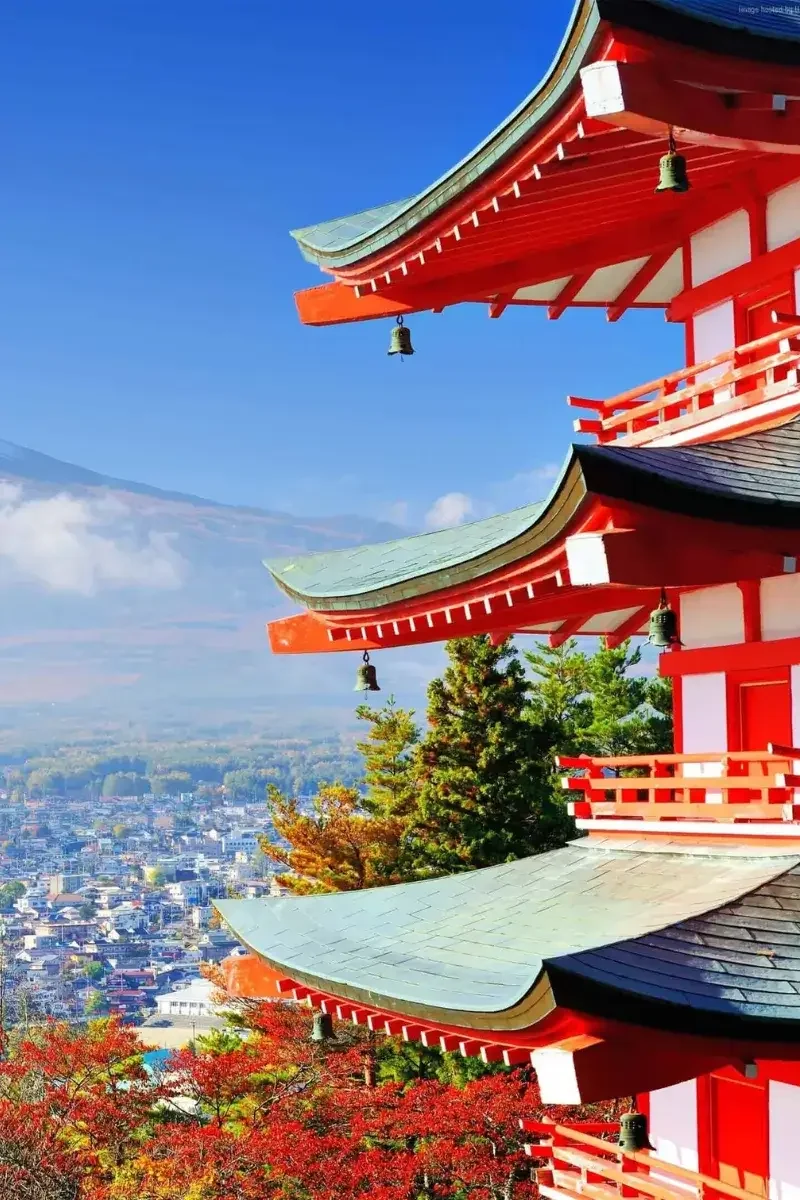
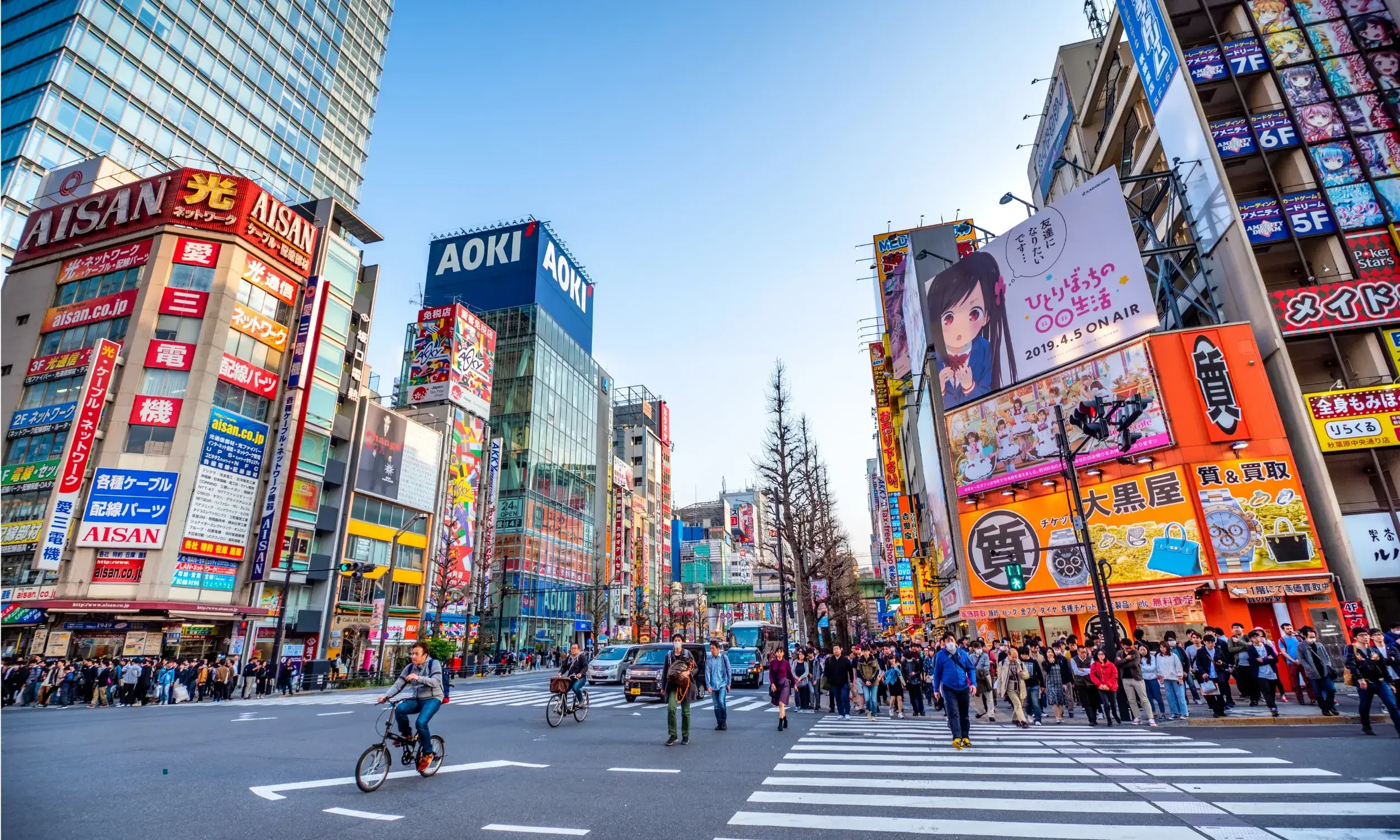
Ask someone what they think Japan is like, and you'll usually get two competing images at once, quiet temples and raked gravel gardens on one hand, neon-lit crossings and vending machines that sell literally everything on the other. The thing is, both images are completely accurate, and neither one cancels the other out. Japan doesn't resolve that contrast so much as hold it deliberately, on purpose, as a kind of national organizing principle. A thousand-year-old shrine sits a ten-minute train ride from a robot café. Nobody here seems to find that strange.
I keep coming back to Japan because it rewards attention in a way few other places do small rituals, precise etiquette, seasonal rhythms that shape everything from what's on a menu to when people travel. This is your warm, thorough introduction to the place: the culture, the food, the people, and the cities, both the ones already on your list and the ones that probably should be.
A Culture Built on Precision and Consideration
Japanese culture is often described from the outside as reserved or formal, and there's some truth to that, but it's more accurate to say it's built around a deep, constant awareness of other people, a concept sometimes summarized as omotenashi, a kind of anticipatory hospitality that shows up everywhere from convenience store clerks to five-star ryokan staff. It's not performative politeness so much as a genuine cultural value: consider the other person's experience before your own convenience.
That consideration shows up in small, easy-to-miss ways. Trains run to the minute, and apologies get issued over public address systems for delays measured in single minutes. Rubbish bins are famously scarce in public spaces, yet the streets stay remarkably clean, because people simply carry their trash home rather than leaving it behind. Talking loudly on a phone on a train is a genuine faux pas, not because it's against a written rule, but because it disrupts the shared quiet other passengers are entitled to.
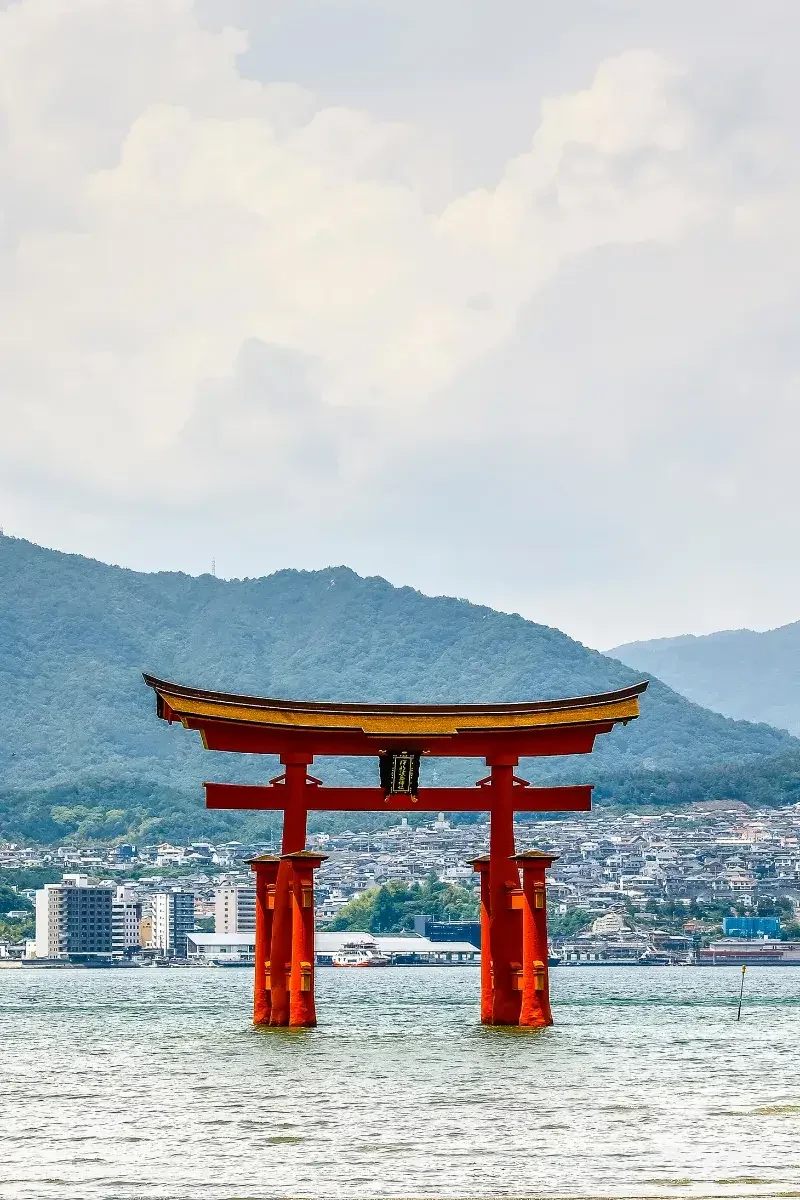
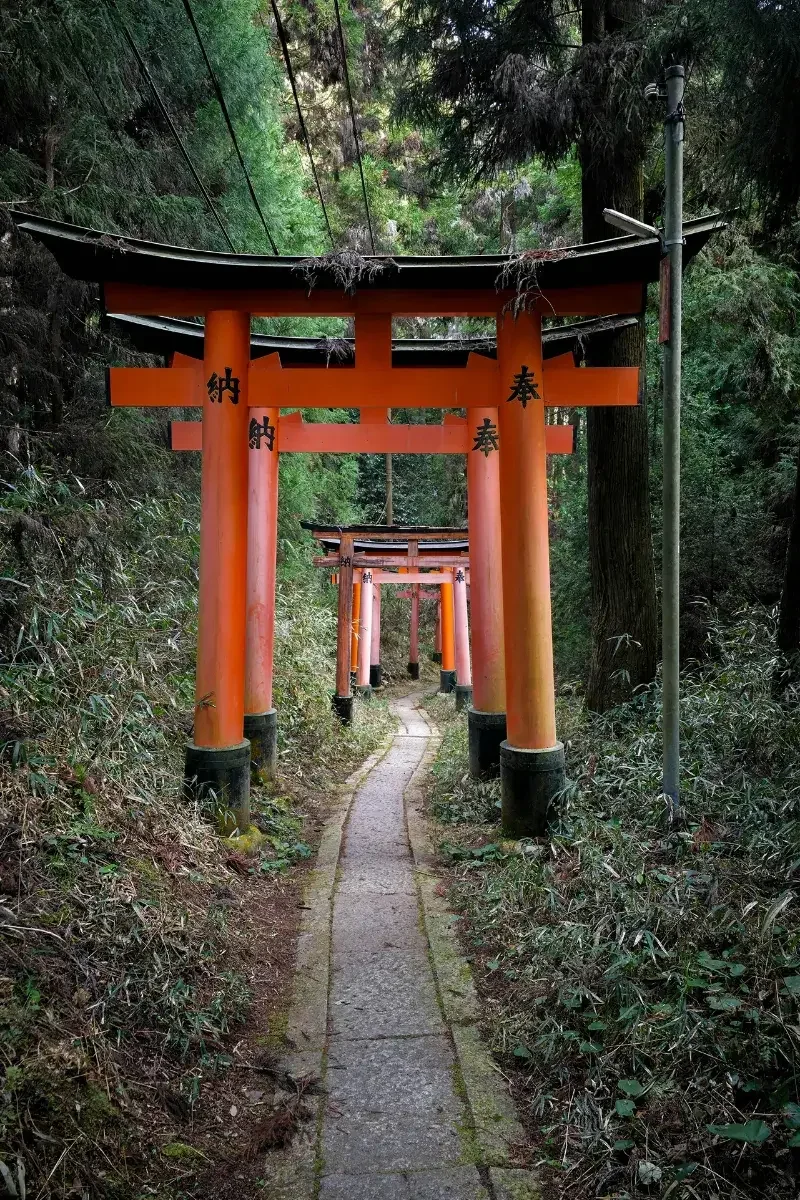
Religion here tends to blend rather than compete, most Japanese people move fluidly between Shinto and Buddhist practices without treating them as mutually exclusive, visiting a shrine for a New Year's blessing and a temple for a funeral without much sense of contradiction. Shinto shrines, marked by their distinctive torii gates, honor kami (spirits associated with nature and place), while Buddhist temples focus more on ancestors, mortality, and enlightenment, both are genuinely woven into everyday and civic life rather than reserved for special occasions alone.
The bath and hot spring (onsen) culture deserves particular mention bathing here is communal, done nude, and preceded by a thorough wash before entering the shared water, a ritual rooted as much in social bonding as in relaxation. It takes some visitors a bit of adjustment, but it's one of the more genuinely rewarding cultural experiences available if you lean into it rather than skip it out of unfamiliarity.
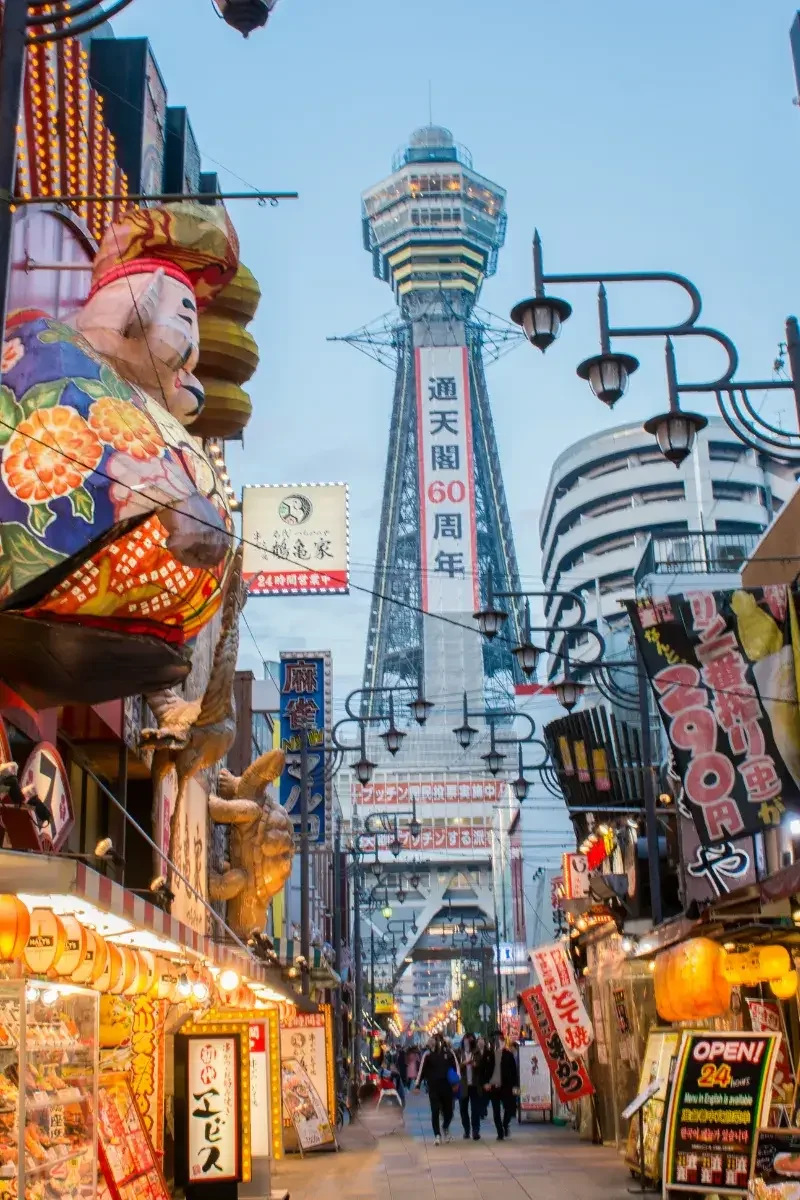
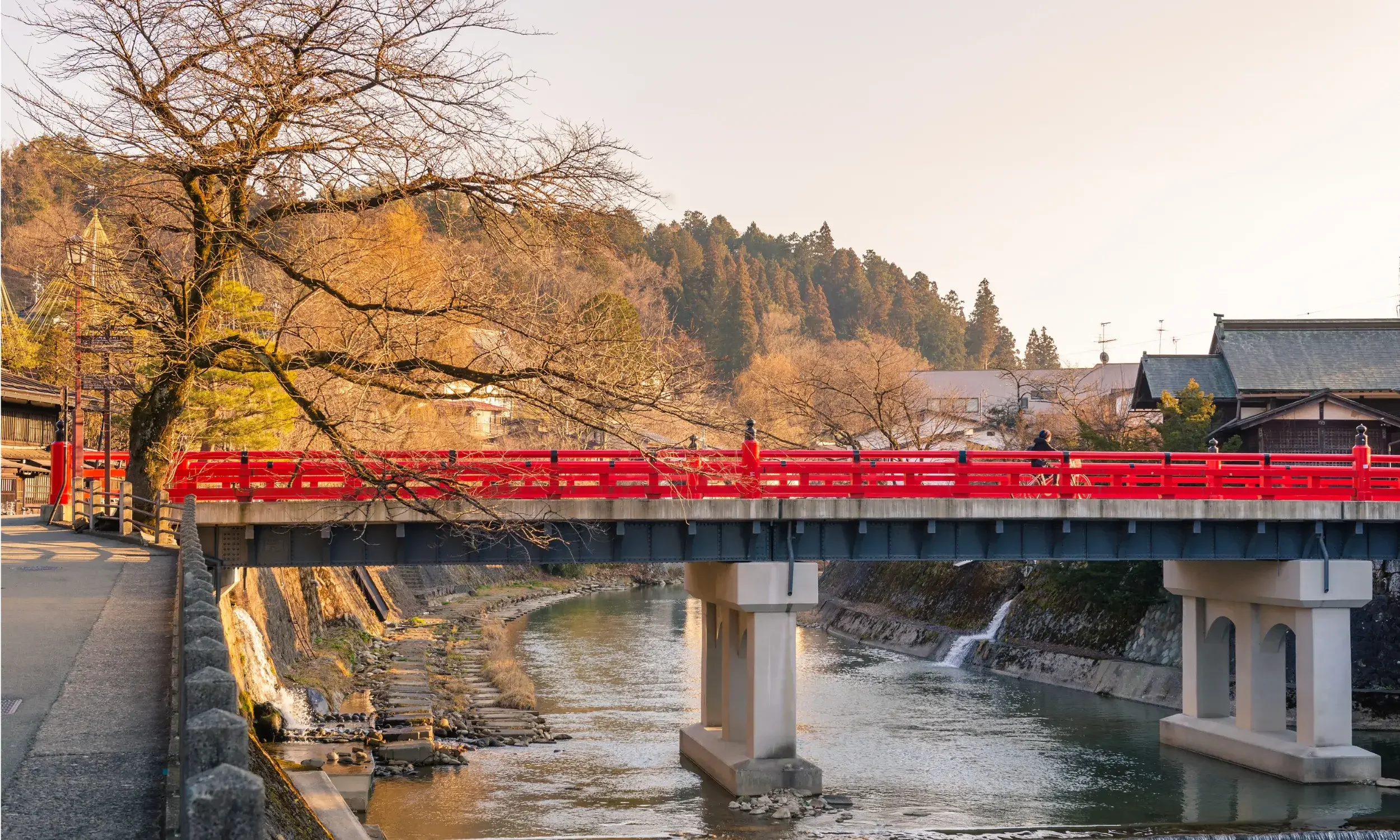
Food
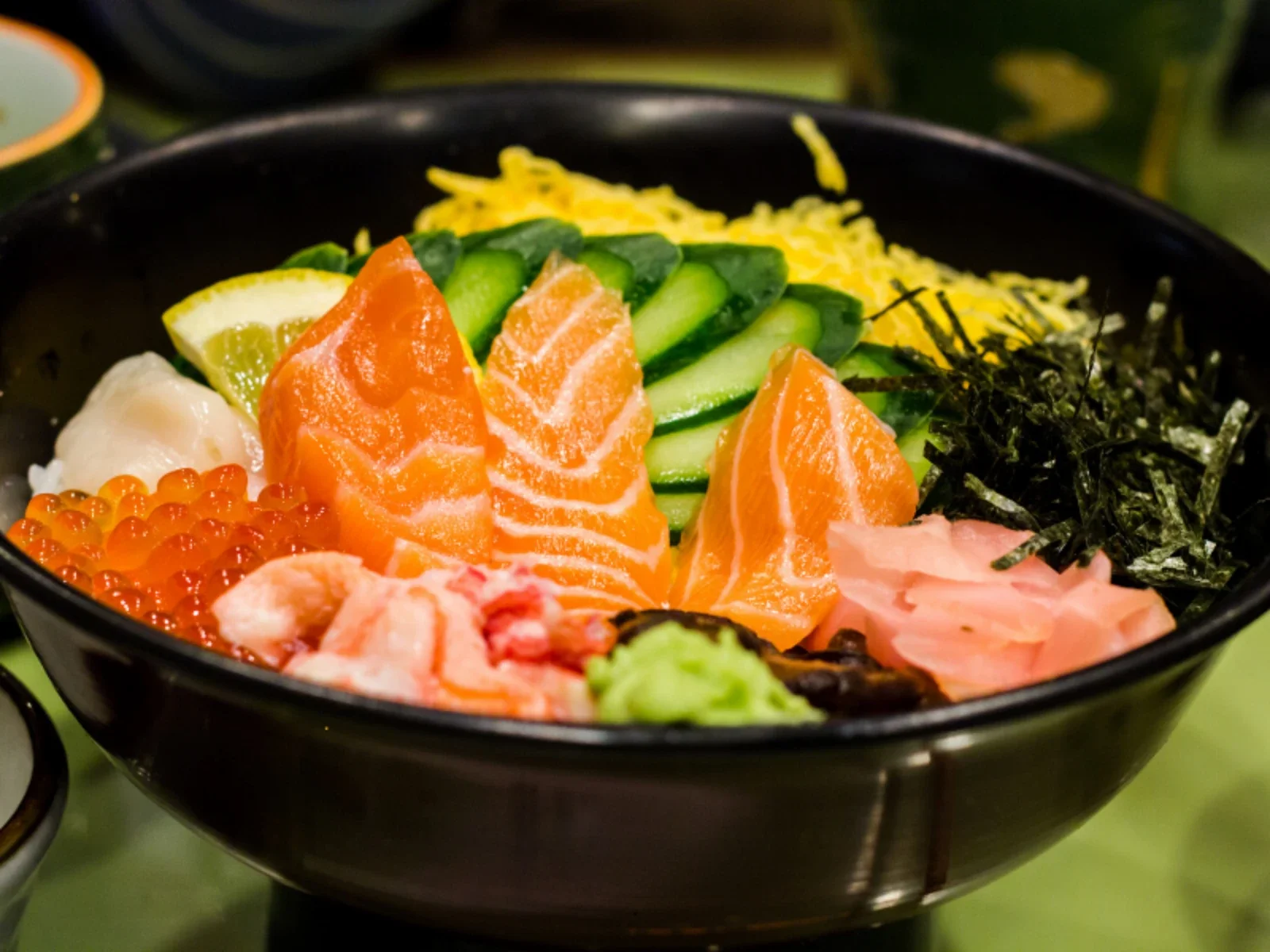
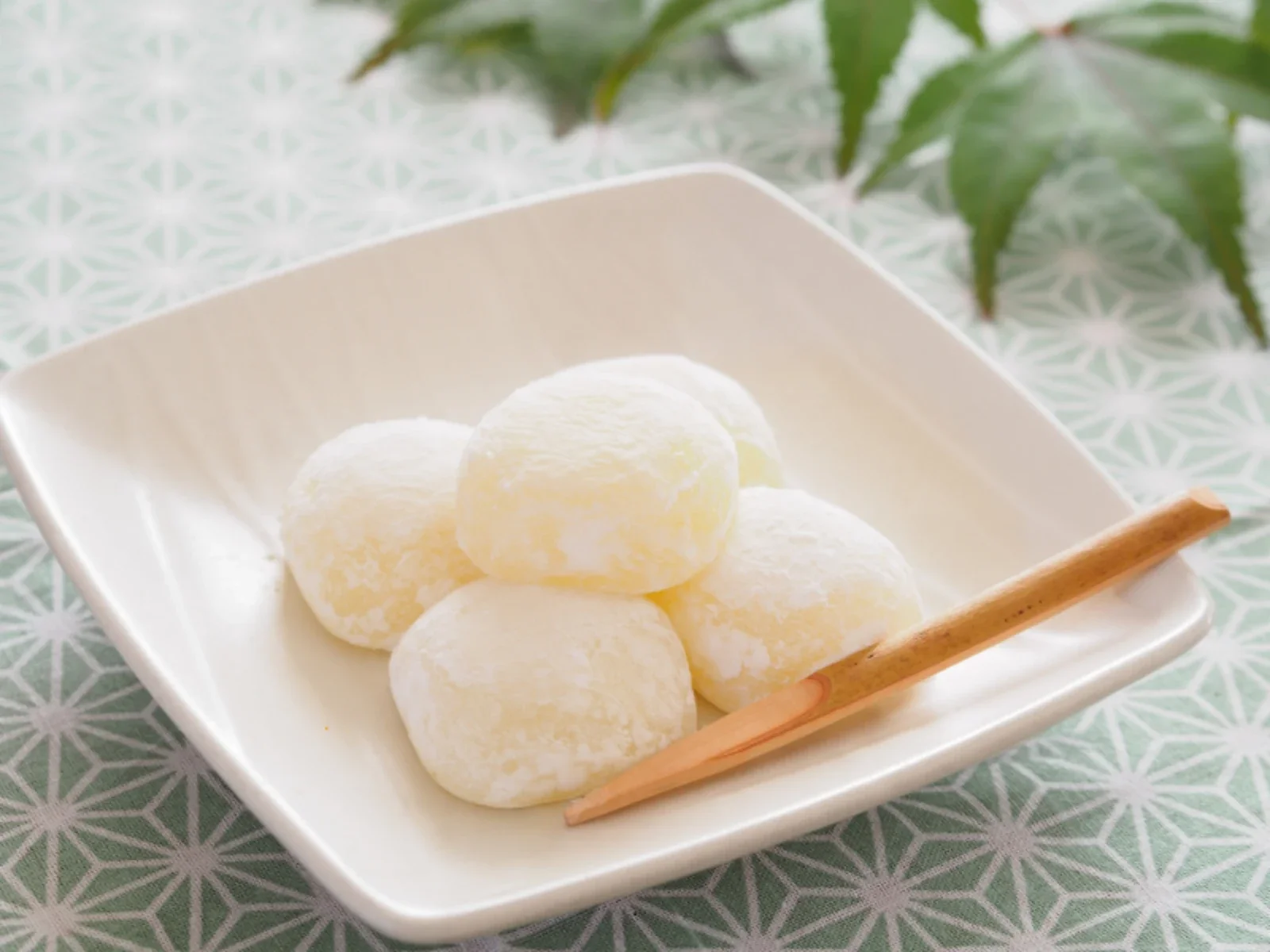
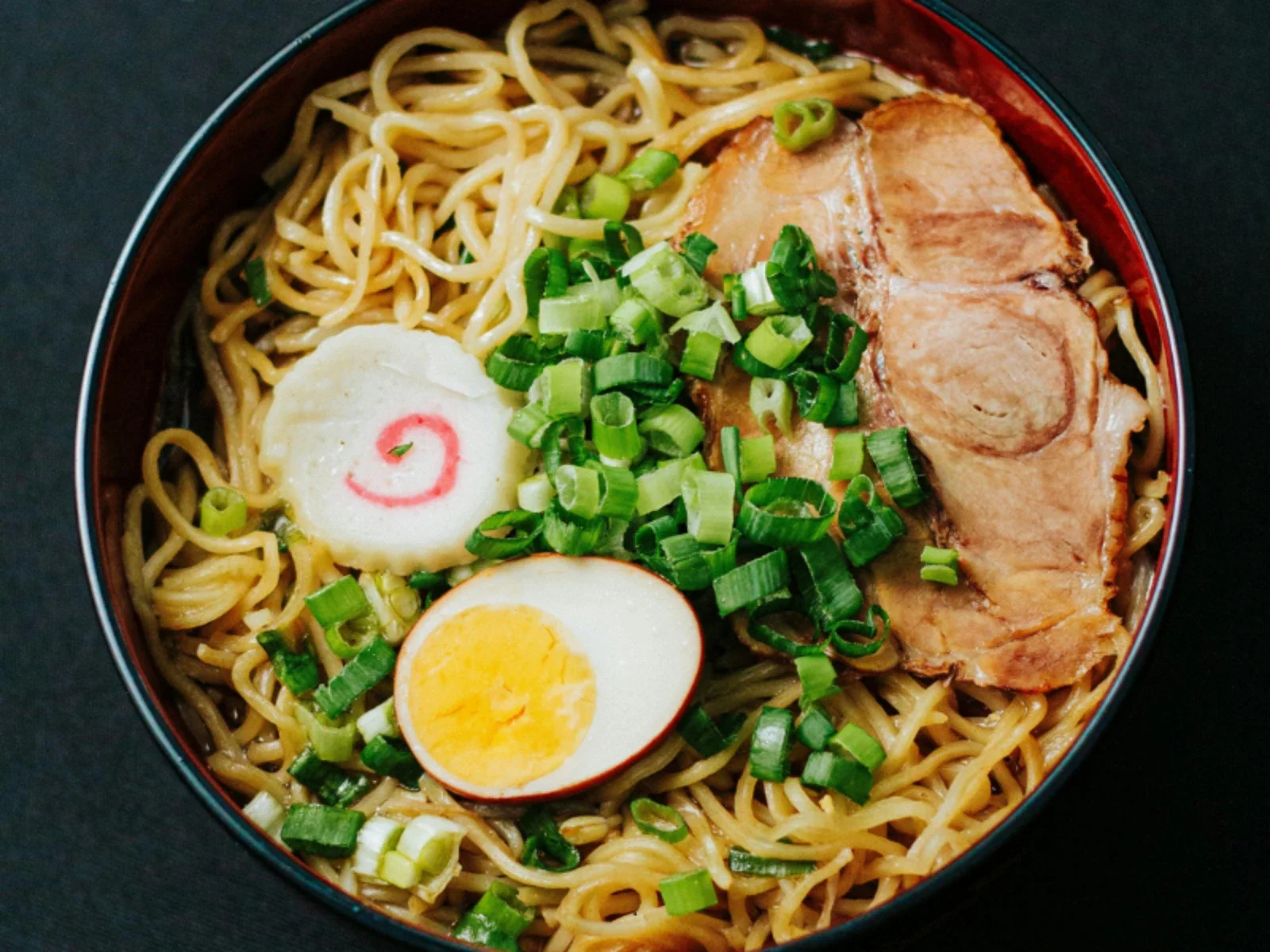
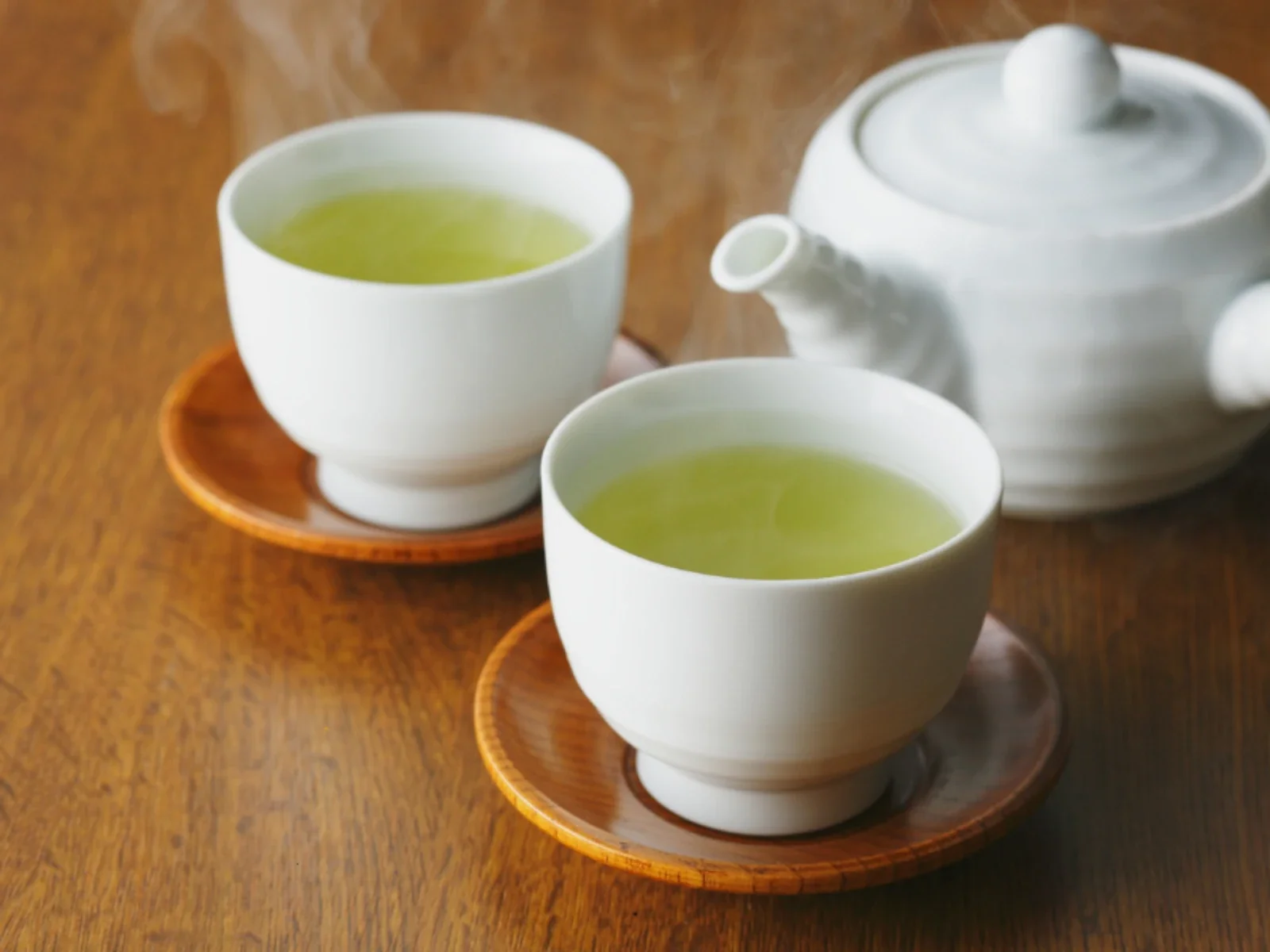
Famous Japanese food
Food: Precision as a Value, Not Just a Technique
Japanese food culture treats technique and seasonality with a seriousness that borders on reverence, and understanding a few core ideas goes a long way toward appreciating it properly.
Shun, the concept of seasonal peak flavor, shapes menus constantly, a good restaurant changes its offerings through the year not as a gimmick but because ingredients genuinely taste best at specific moments, and eating in season is treated as a mark of both quality and respect for the ingredient itself.
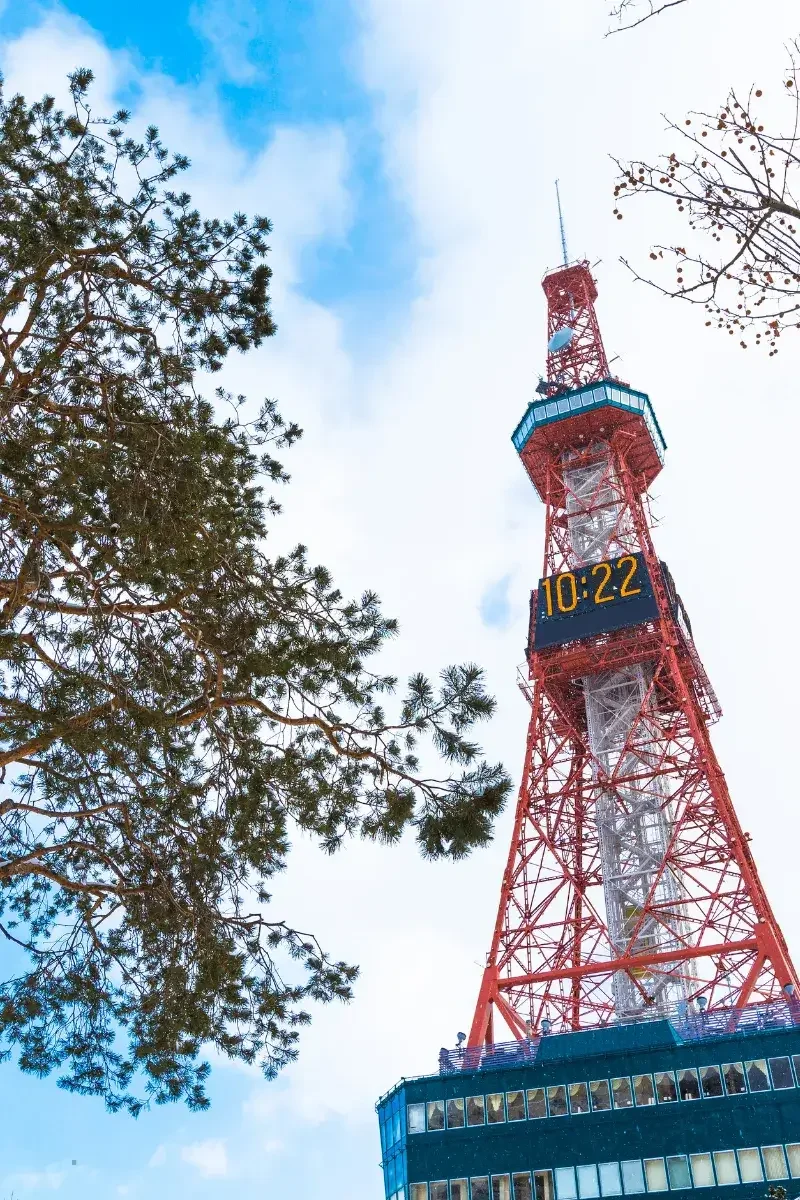
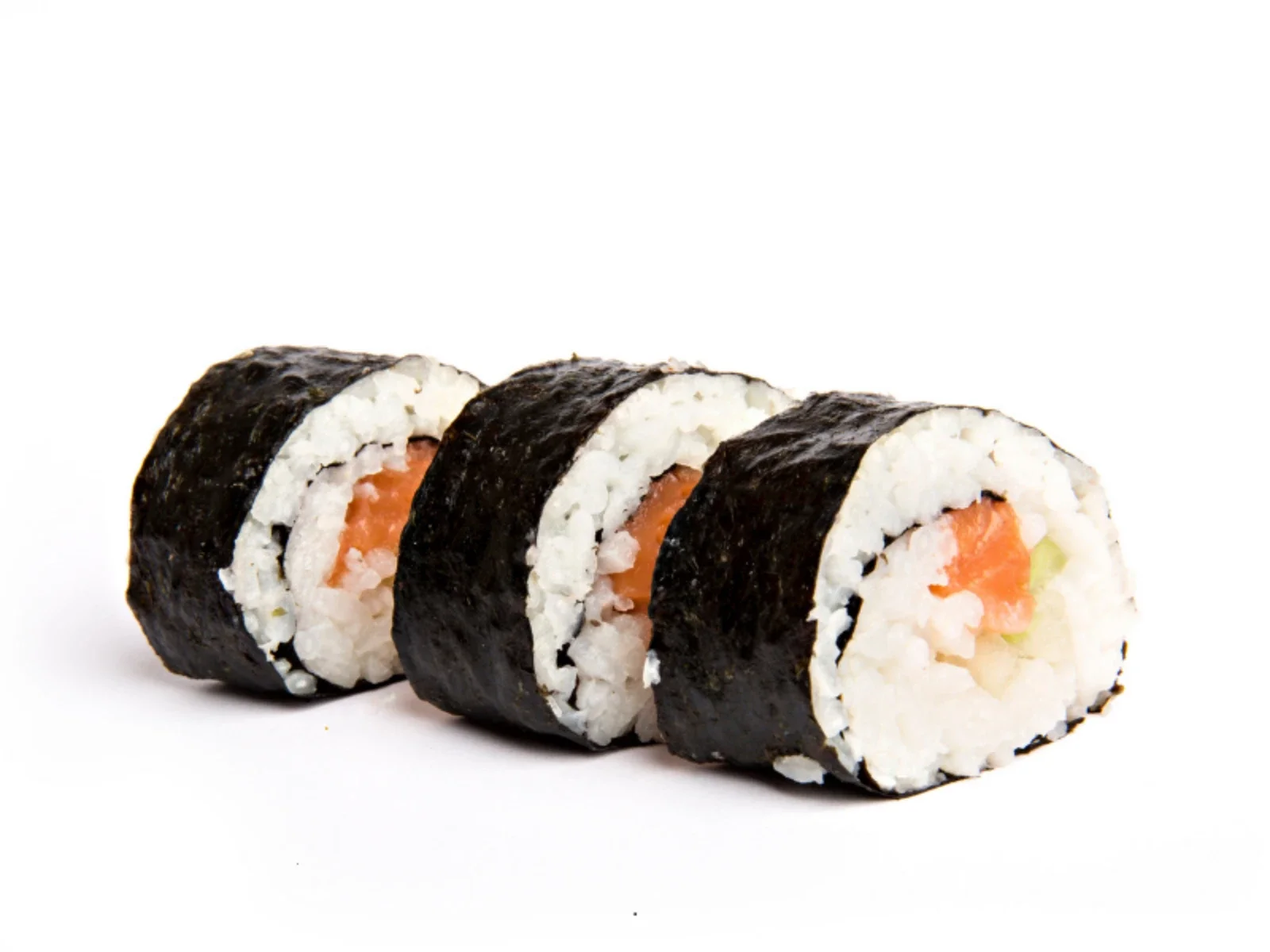
Sushi and sashimi are the obvious international ambassadors, and they're worth experiencing properly at least once at an omakase counter, where the chef simply decides the sequence of dishes, a genuinely different experience from a conveyor-belt version, though both have their place. Ramen varies dramatically by region: miso-based broths dominate in Sapporo, rich tonkotsu (pork bone) broth defines Fukuoka, and a lighter shoyu (soy-based) broth is more associated with Tokyo treating ramen as a single, uniform dish undersells just how regionally distinct it actually is.
Kaiseki, a multi-course meal built around seasonal ingredients and presented with real artistic intention, represents Japanese fine dining's highest form, and Kyoto is generally considered its spiritual and historical home. On the more everyday end, izakaya casual pubs serving small shared plates alongside beer and sake offer a much more relaxed, social way to eat, closer in spirit to a Spanish tapas bar than a formal dinner.
Tea ceremony (sado), the ritualized preparation and serving of matcha, reflects mindfulness and precision as core values rather than just a beverage ritual, and short visitor-accessible versions are widely available in Kyoto and elsewhere for anyone curious to experience it directly rather than just read about it.
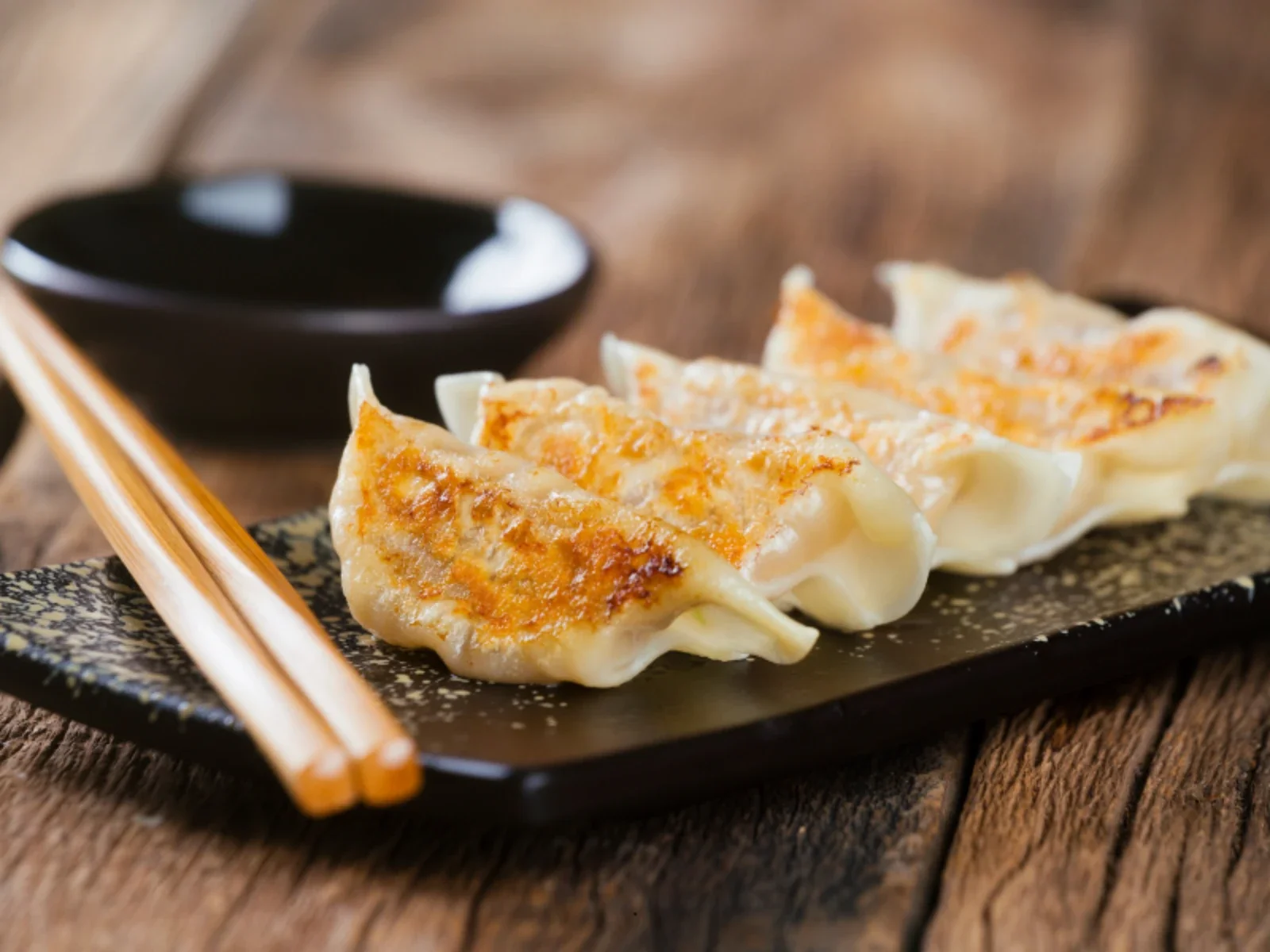
Street food and casual eating matter too, takoyaki (octopus balls) and okonomiyaki (savory pancakes) in Osaka, yakitori skewers nationwide, and the endlessly surprising quality of convenience store food (genuinely worth trying, not a backup plan) all round out a food culture that rewards curiosity at every price point, not just at the high end.
The People
Japanese social interaction runs on a foundation of subtlety and indirectness that can take some getting used to direct confrontation or blunt refusal is generally avoided in favor of softer, face-saving language, and reading between the lines matters more here than in many Western cultures. A hesitant "that might be a little difficult" often functions as a polite no, rather than an invitation to keep pushing.
Despite the reputation for reserve, hospitality toward visitors is genuine and often remarkably generous strangers will go well out of their way to help a lost tourist, sometimes walking you to a destination rather than simply pointing, even with a significant language barrier between you. The bow, in its many small gradations, remains the standard greeting, though visitors aren't expected to master its finer social calibrations; a simple nod covers most casual interactions perfectly well.
Group harmony (wa) is valued highly, and individual opinions are often expressed more cautiously in public or professional settings than in many Western cultures, favoring consensus and indirect signaling over open disagreement. This isn't suppression so much as a different default setting for how disagreement gets handled worth understanding rather than judging by an outside standard
A Few Honest Tips
Learning a few basic Japanese phrases and a handful of etiquette points, removing shoes indoors, not tipping (it's not customary and can even cause confusion), bowing back when greeted, and keeping phone calls off public transport goes a long way toward smoother, more respectful interactions. Cash still matters more here than in many countries, particularly in smaller towns and traditional restaurants, despite the country's high-tech reputation.
Visiting japan?
your questions, answered
-
It depends on your nationality. Many visitors — including from the US, UK, most of the EU, Canada, and Australia — can enter visa-free for short tourist stays, typically up to 90 days. Others need to apply for a visa in advance. Requirements do shift, so check Japan's Ministry of Foreign Affairs website or your nearest Japanese embassy before booking flights.
-
Visa-exempt tourist stays are commonly granted for up to 90 days for many nationalities, though this varies — confirm the specific allowance for your passport before you travel, since some nationalities receive shorter visa-free periods.
-
Japan generally requires your passport to remain valid for the duration of your stay, without the stricter 3- or 6-month buffer some other countries require. That said, it's still good practice to travel with several months of extra validity in case of itinerary changes
-
Despite Japan's high-tech reputation, cash remains genuinely important — many smaller restaurants, traditional shops, and rural areas are still cash-only or cash-preferred. Cards and contactless payment have expanded significantly in cities, but carrying yen is still essential for a smooth trip.
-
No — tipping is not customary in Japan and can actually cause confusion or be politely refused. Excellent service is considered standard rather than something to be additionally rewarded, and attempting to tip at a restaurant or taxi can lead to an awkward moment of your money being returned to you.
-
It varies. Tokyo and Kyoto can be pricier for accommodation, but everyday costs — convenience store meals, train fares, casual dining — are often more reasonable than visitors expect, and considerably cheaper than many Western European or North American cities for comparable quality.
-
Get a Suica or Pasmo IC card as soon as you arrive — it covers trains, subways, and buses nationwide with a simple tap, and can also be used at convenience stores and vending machines. Japan's train network is famously punctual and one of the easiest parts of visiting the country.
-
It depends on your itinerary. The Japan Rail Pass can offer good value for multi-city trips covering long Shinkansen distances, but rules and pricing have changed in recent years, so compare the pass cost against buying individual tickets for your specific route before purchasing.
-
Japan is consistently ranked among the safest countries in the world for travelers, with very low rates of violent crime and even petty theft. That said, Japan does experience earthquakes and, seasonally, typhoons — it's worth knowing basic safety guidance and checking weather advisories if traveling during typhoon season (roughly June to October).
-
It's not a legal requirement for most nationalities, but it's still recommended for medical cover, trip delays, and lost luggage — standard advice for any international trip, regardless of how safe the destination generally is.