
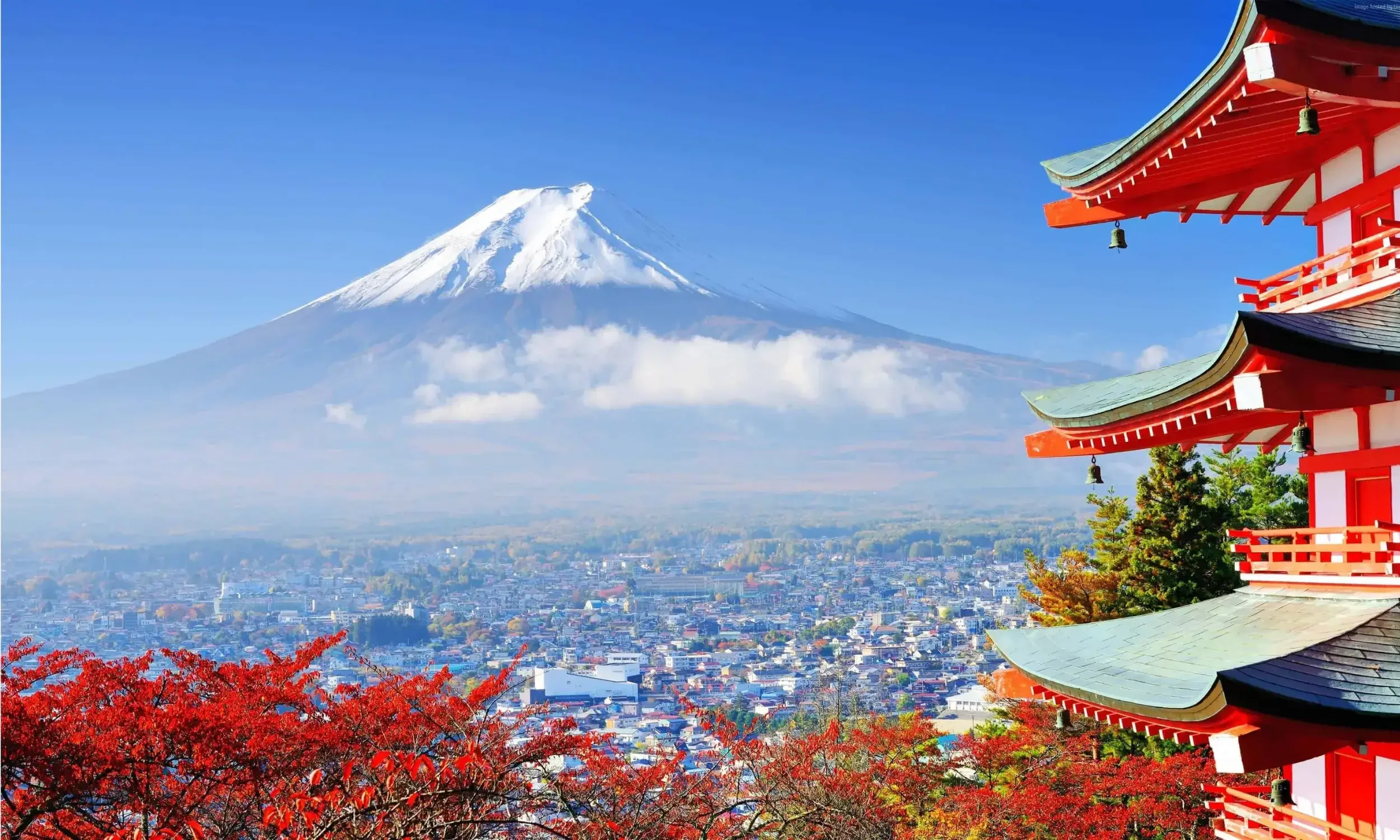
All what you need to know about madrid
kYOTO
Plan your trip to tokyo





Kyoto: The Complete Guide to Japan's Former Imperial Capital
Kyoto served as Japan's capital for over a thousand years, and it still carries itself that way over a thousand temples and shrines, a geisha district that remains genuinely active rather than staged for tourists, and a refinement to daily life, particularly around food, that feels different from anywhere else in the country. This guide covers everything you need to plan a first visit to Japan's cultural heart.
Understanding Kyoto
Kyoto sits inland, surrounded by mountains, and largely escaped the bombing that reshaped much of the rest of Japan during WWII, leaving an extraordinary density of historic temples, shrines, and traditional architecture intact. The city's historic districts each hold their own character: Higashiyama, the preserved old town near many of the city's most famous temples; Gion, the geisha (geiko, in Kyoto dialect) district; and Arashiyama, on the city's western edge, known for its bamboo grove and mountain scenery.
Given the sheer number of significant sites, most visitors find it useful to pick a handful of priorities rather than attempting to see everything Kyoto genuinely rewards a multi-day, unhurried visit over a rushed day trip from Osaka.
things to discover In Madrid
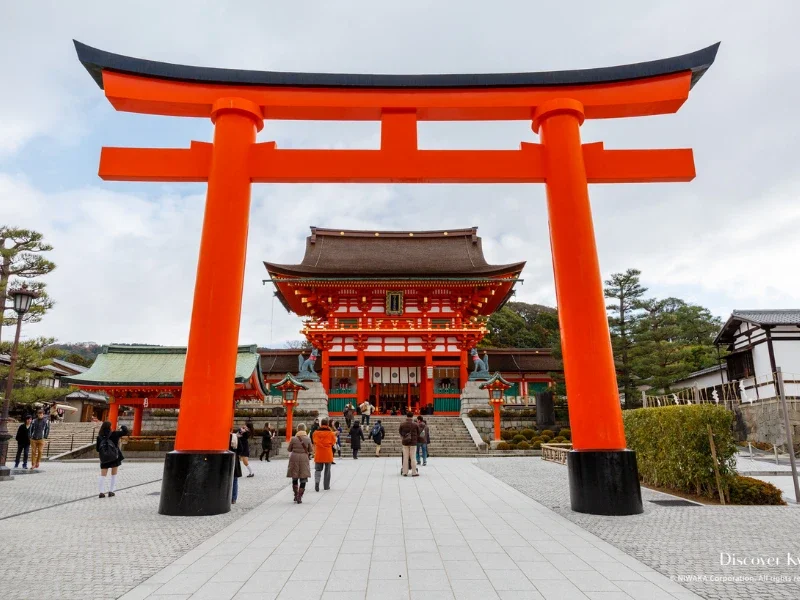
Fushimi Inari Taisha
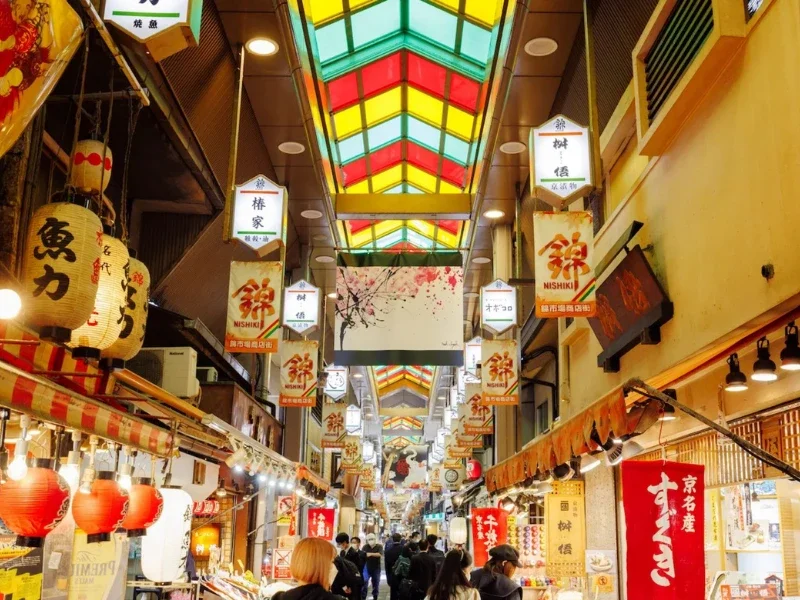
Nishiki Market
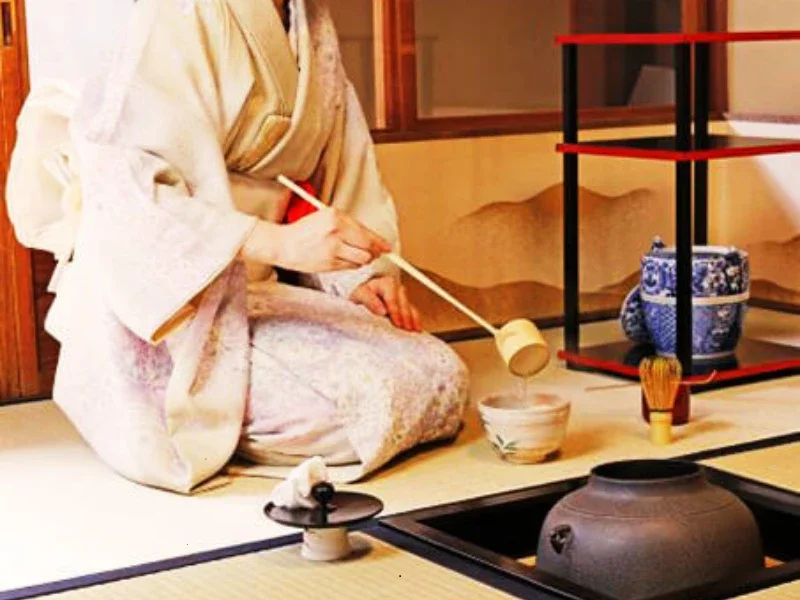
A tea ceremony experience
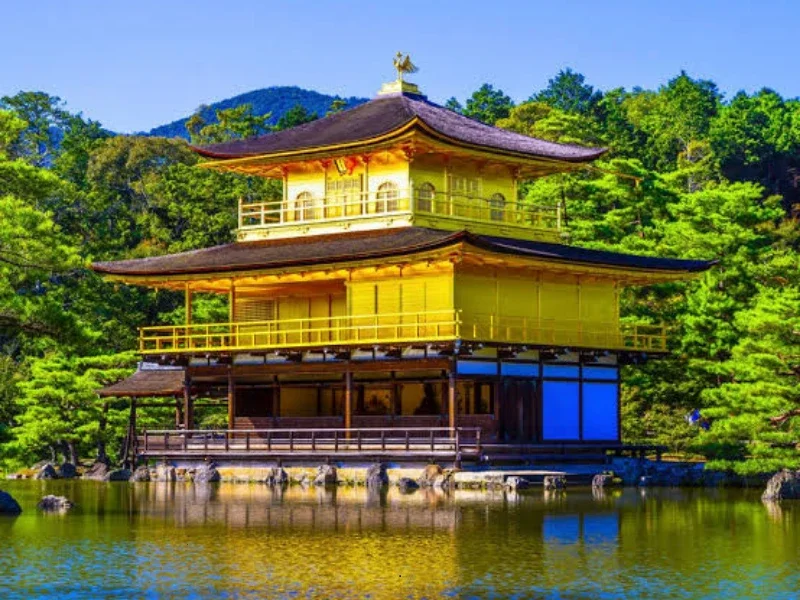
Kinkaku-ji
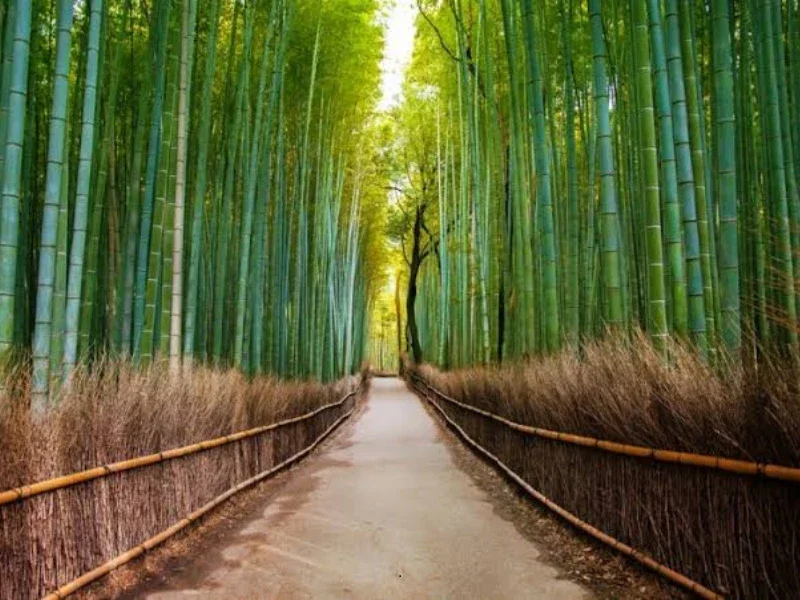
Arashiyama Bamboo Grove
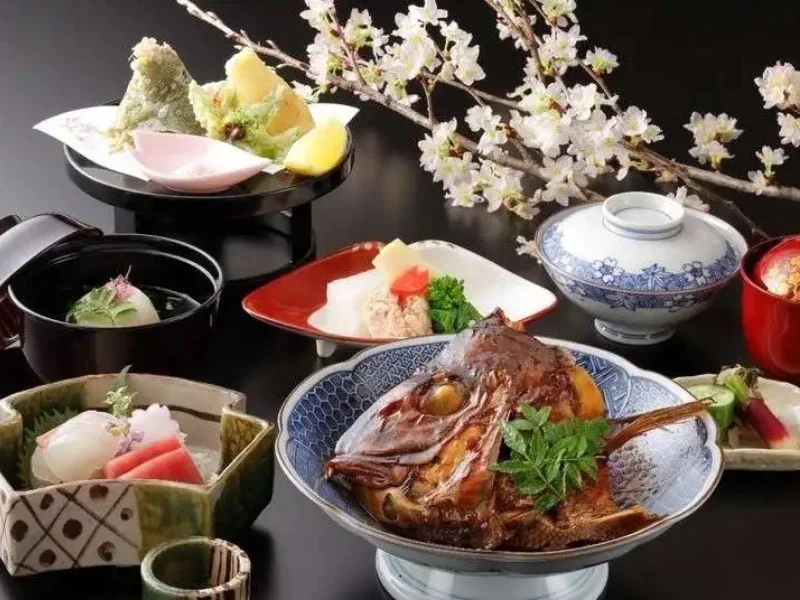
kaiseki dinner
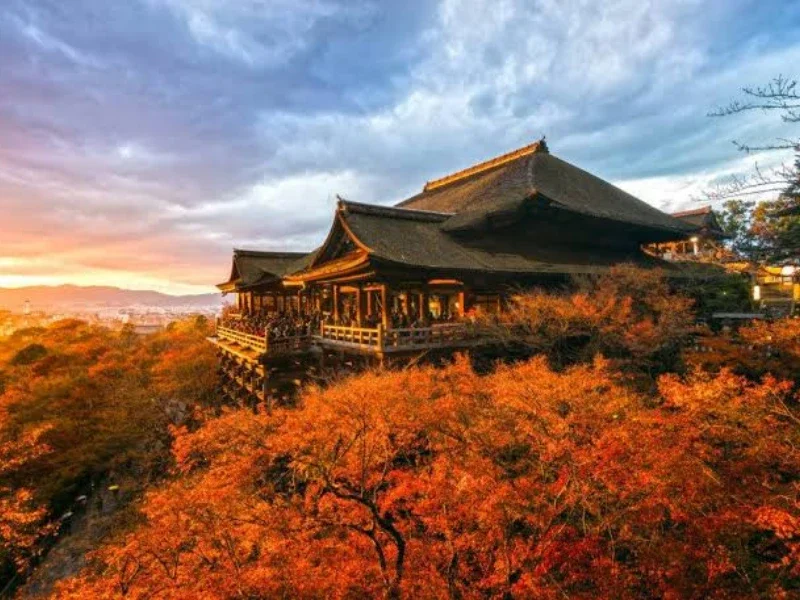
Kiyomizu-dera
our monthly Hotels pics
Accommodations under 80$\Night
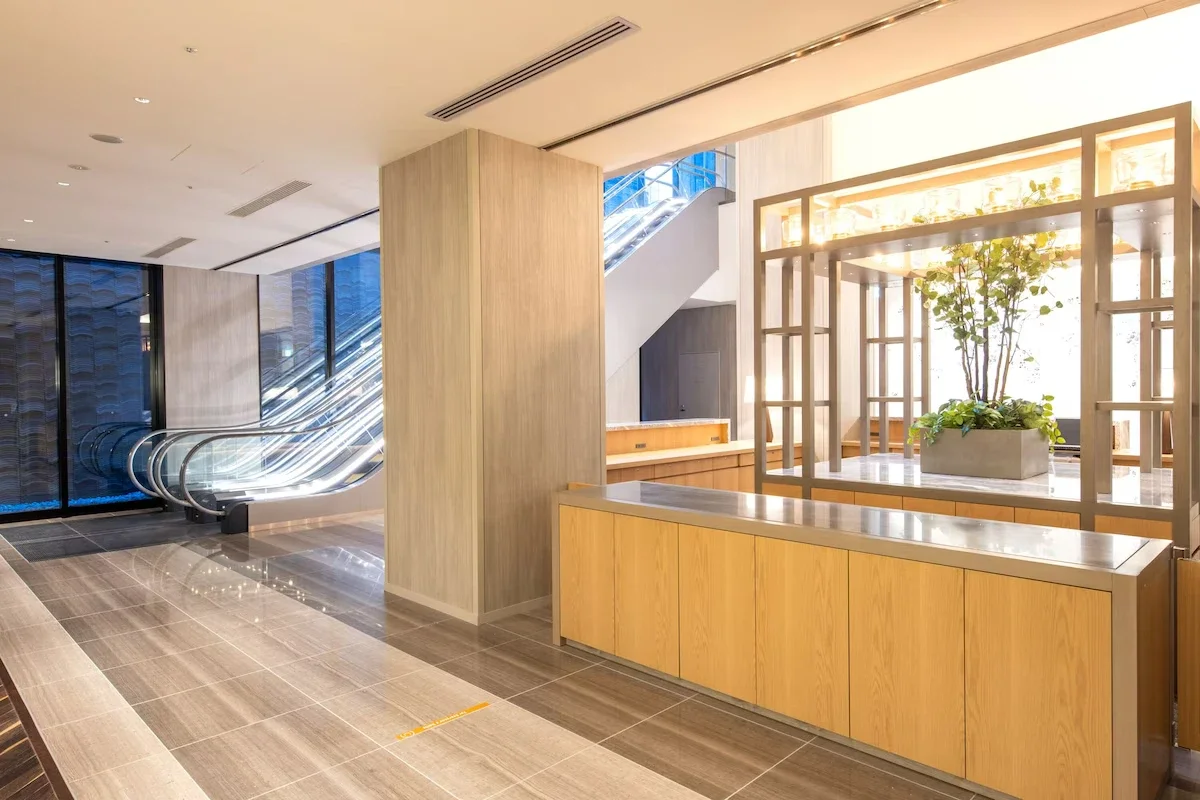
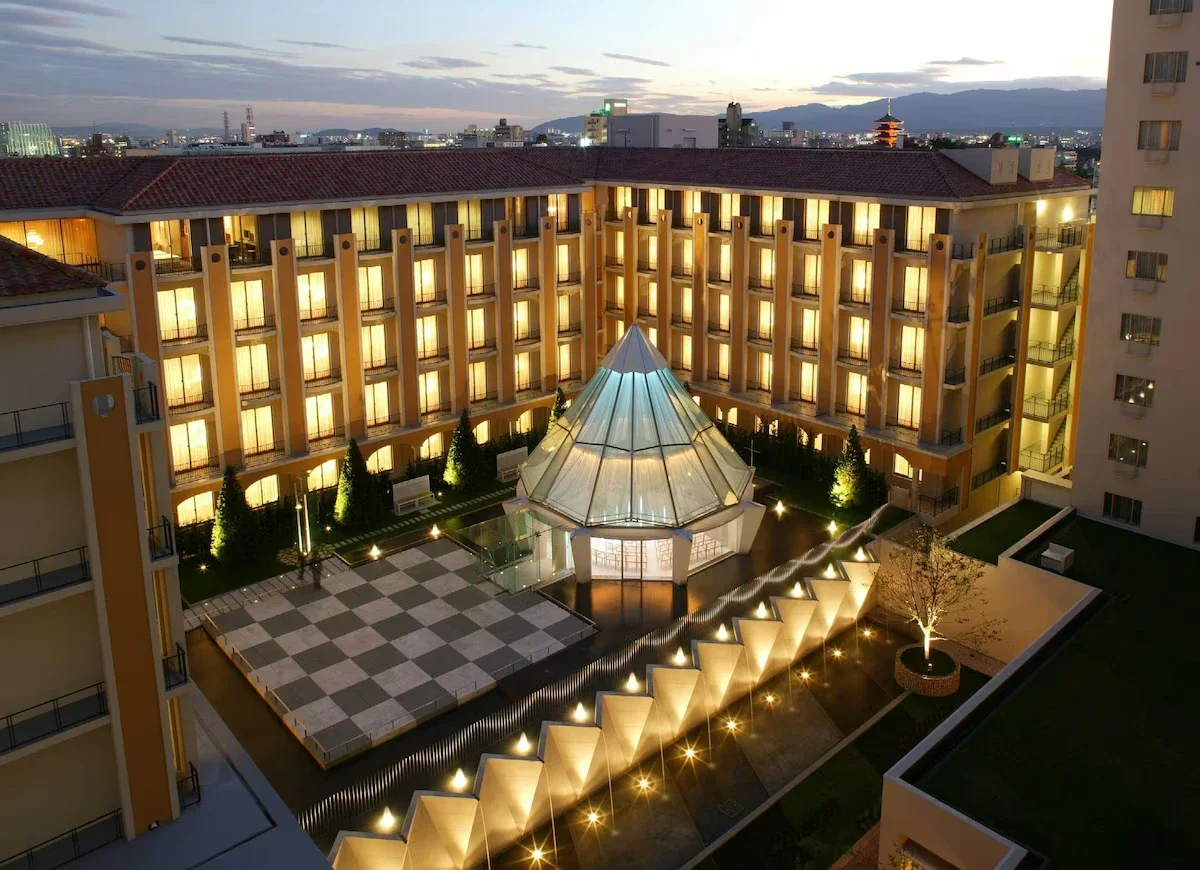
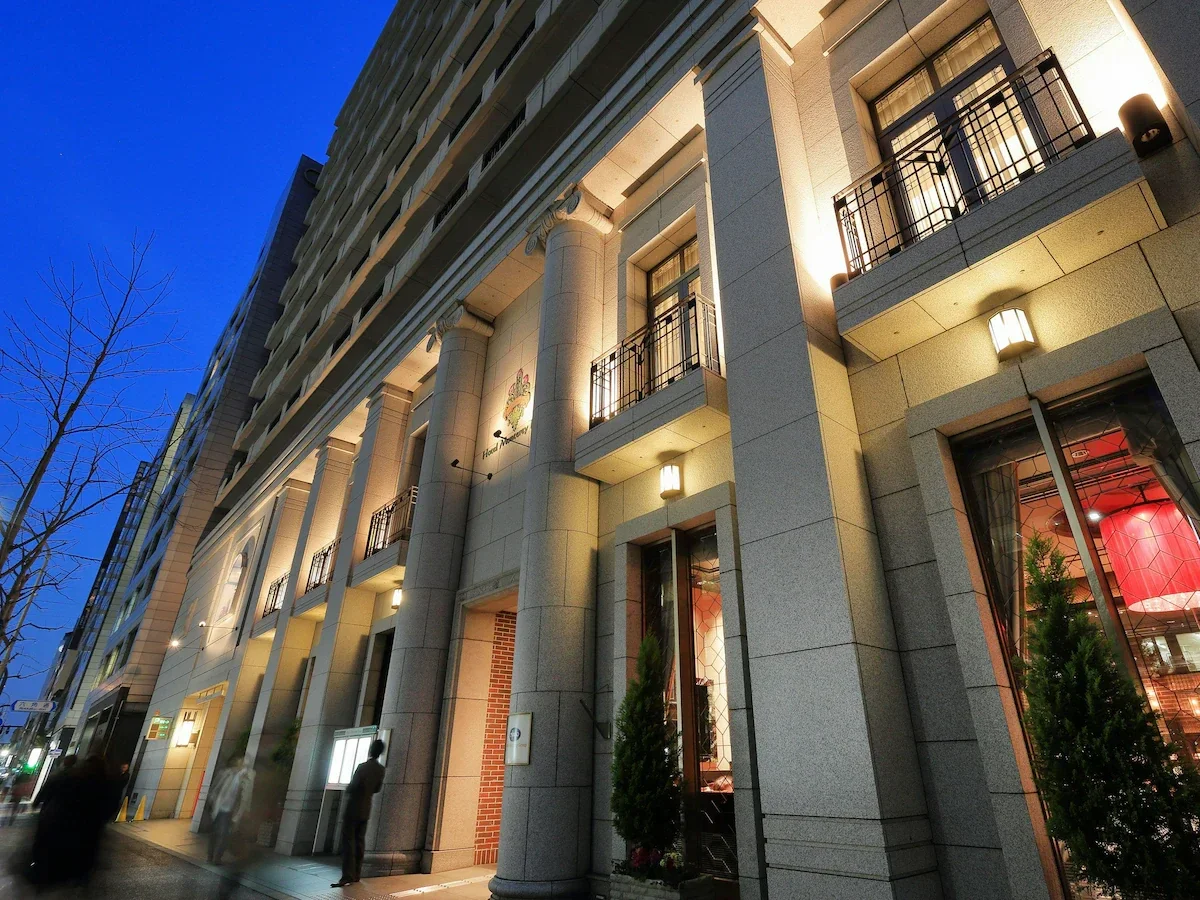
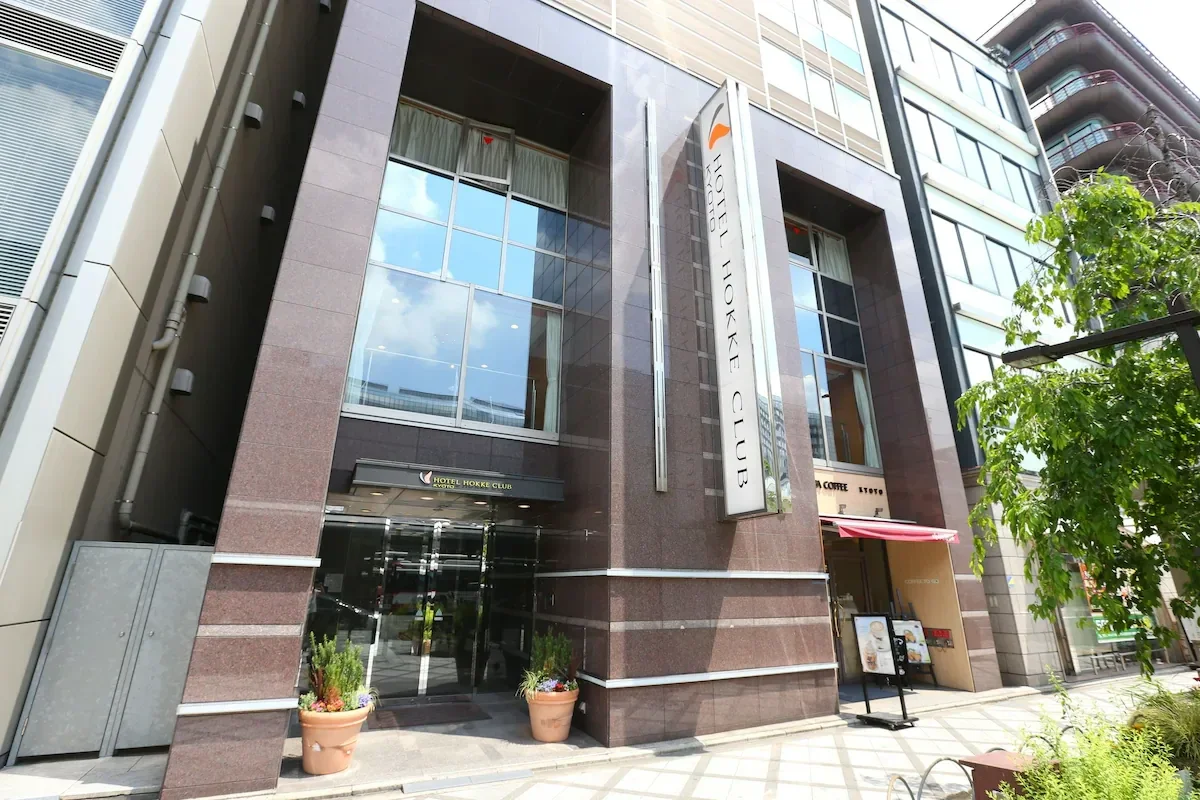
where to stay
-
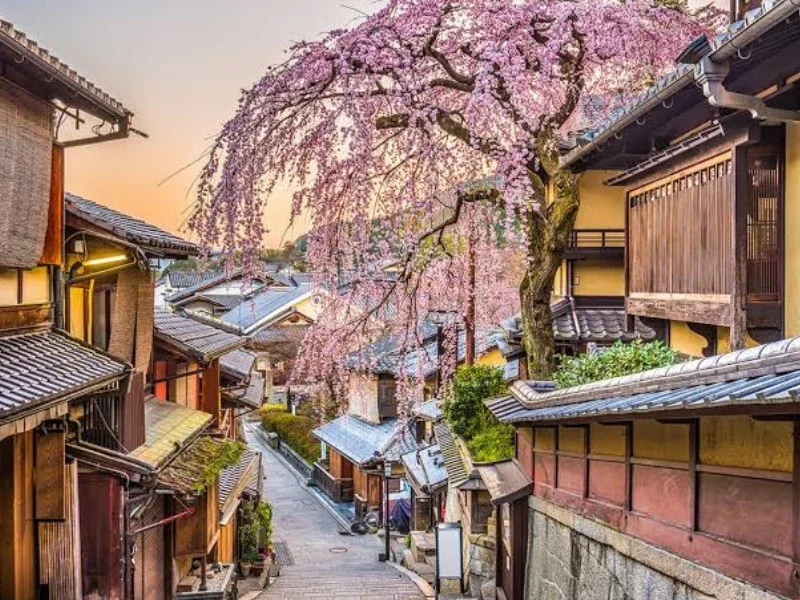
![A narrow street lined with traditional Japanese buildings and a large cherry blossom tree in full bloom, scene during sunset.]()
Higashiyama
near many of the city's most significant temples, offers a genuinely atmospheric, walkable base within Kyoto's best-preserved historic district.
-
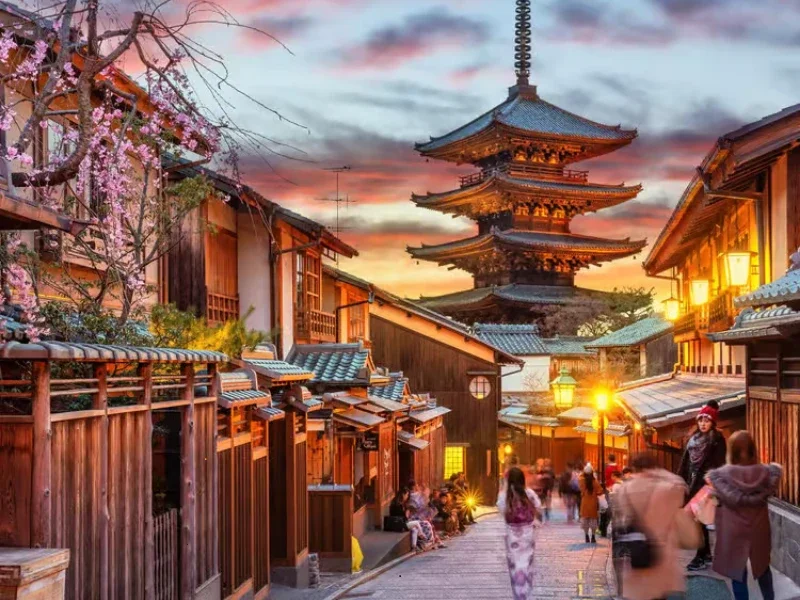
![Traditional Japanese street with wooden buildings and a pagoda, during sunset with people walking and wearing kimonos.]()
Gion
adjacent to Higashiyama, puts you in the heart of the geisha district with excellent evening atmosphere and dining, at a premium reflecting its central, historic location.
-
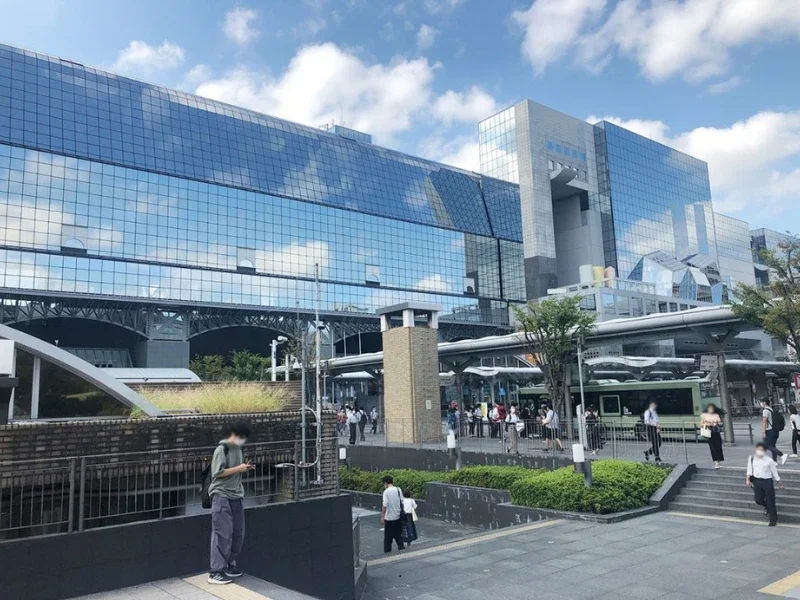
![]()
Near Kyoto Station
offers the widest range of modern hotels and the most convenient transit connections, useful for travelers prioritizing ease of access over historic atmosphere.
-
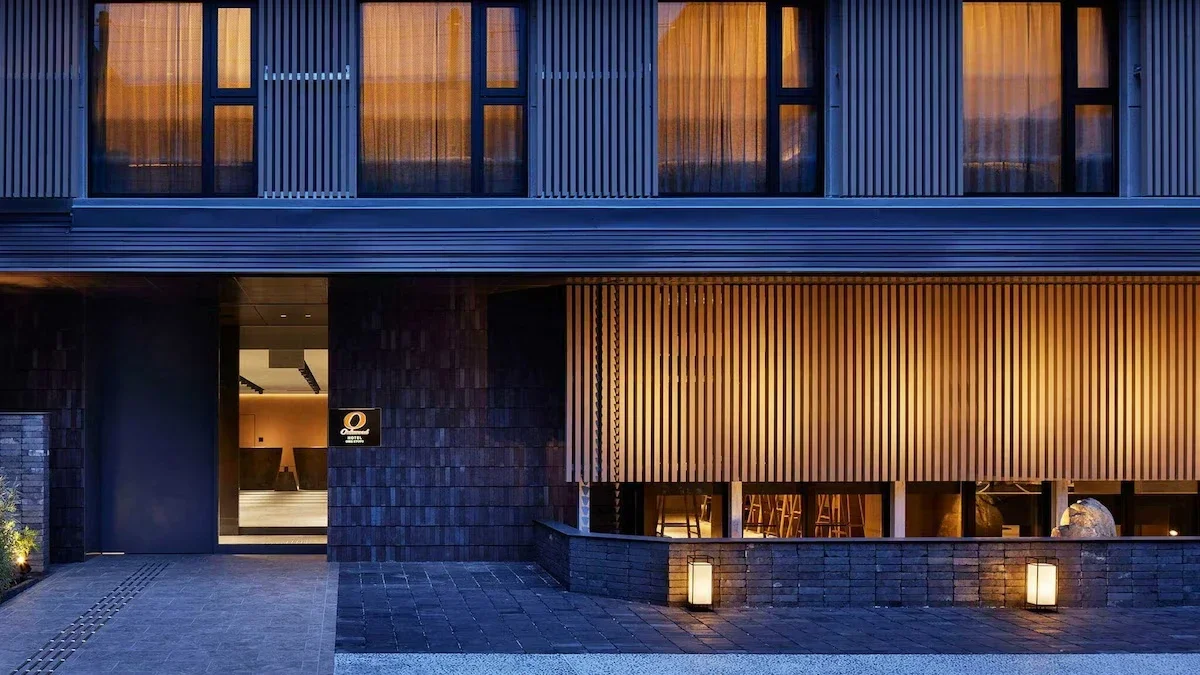
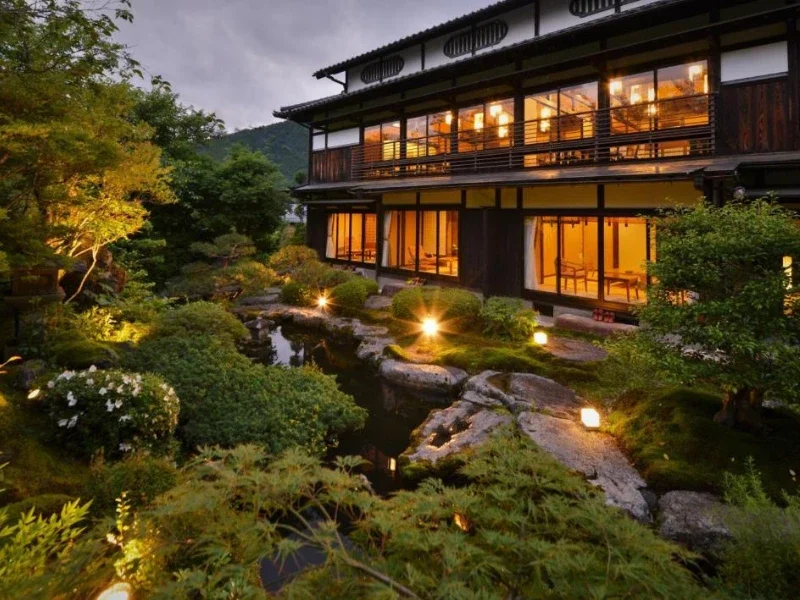
![Traditional Japanese-style house with large windows and warm interior lighting, surrounded by a lush garden with rocks, bushes, and trees, illuminated by outdoor lights at dusk.]()
ryokan
For a genuinely special stay, a night in a traditional ryokan, complete with tatami floors, a kaiseki dinner, and an onsen bath, offers one of the most memorable overnight experiences available anywhere in Japan.
attractions tickets
All Important Things To Know About Kyoto
Practical Tips for First-Time Visitors
Kyoto has no major international airport of its own, most visitors arrive via Kansai International Airport (serving Osaka) followed by a train, or via Shinkansen from Tokyo, a journey of about two and a half hours.
Visit famous sites early morning or late afternoon, Fushimi Inari, Kinkaku-ji, and the Bamboo Grove all become significantly more crowded through the late morning and midday hours, particularly during cherry blossom and autumn foliage seasons.
Respect Gion's residents and geiko/maiko, the district is a genuine, functioning neighborhood, not a theme park, and inconsiderate tourist behavior (blocking streets, aggressive photography) has led to restricted access in some private alleys in recent years.
Book accommodations and popular restaurants well in advance, especially during cherry blossom (late March–April) and autumn foliage (November) seasons, when the city's hotels fill up months ahead.
A Few Days That Actually Work
Three to four days suits most visitors well, given the sheer density of significant sites. Day one: Fushimi Inari in the early morning, followed by Higashiyama's temples, including Kiyomizu-dera. Day two: Kinkaku-ji in the morning, Arashiyama's bamboo grove and Tenryu-ji in the afternoon. Day three: Gion in the evening, paired with Nishiki Market during the day and a tea ceremony experience. Day four, if you have it: a slower day revisiting favorite spots, or a kaiseki dinner to close out the trip properly.
What Kyoto Is Famous For
Kyoto is famous for its extraordinary concentration of historic temples and shrines, its preserved geisha district in Gion, and its refined culinary traditions, particularly kaiseki dining. It's also known for its seasonal beauty cherry blossoms in spring and vividly colored foliage in autumn transform the city's temples and gardens dramatically and for offering the clearest surviving picture of traditional Japanese aesthetics and culture found in any major city.
Food and Culture
Kyoto's food culture reflects its historic status as the imperial capital, emphasizing refinement, seasonality, and presentation. Kaiseki, the multi-course tasting meal built around seasonal ingredients, reaches its highest expression here, and Kyoto is widely considered its spiritual home. Yudofu (simmered tofu), reflecting the city's historic Buddhist temple cuisine traditions, and matcha-based sweets, given the nearby Uji region's status as Japan's premier matcha-producing area, both represent distinctly Kyoto specialties worth seeking out.
Culturally, Kyoto carries itself with a particular formality and refinement even by Japanese standards traditional arts including tea ceremony, ikebana (flower arranging), and geiko culture remain genuinely practiced here, not merely preserved as museum pieces, and the city's residents are often described (by other Japanese people) as holding onto a distinct, more reserved and tradition-conscious identity than other major cities.
Best Time to Visit
Spring (late March–April), for cherry blossoms, and autumn (mid-November), for foliage, are Kyoto's most beautiful and most crowded seasons,book everything well ahead if traveling during either window. Summer is hot and humid, less comfortable for extensive temple-hopping. Winter is cold but quiet, offering a more contemplative, less crowded version of the city's major sites.