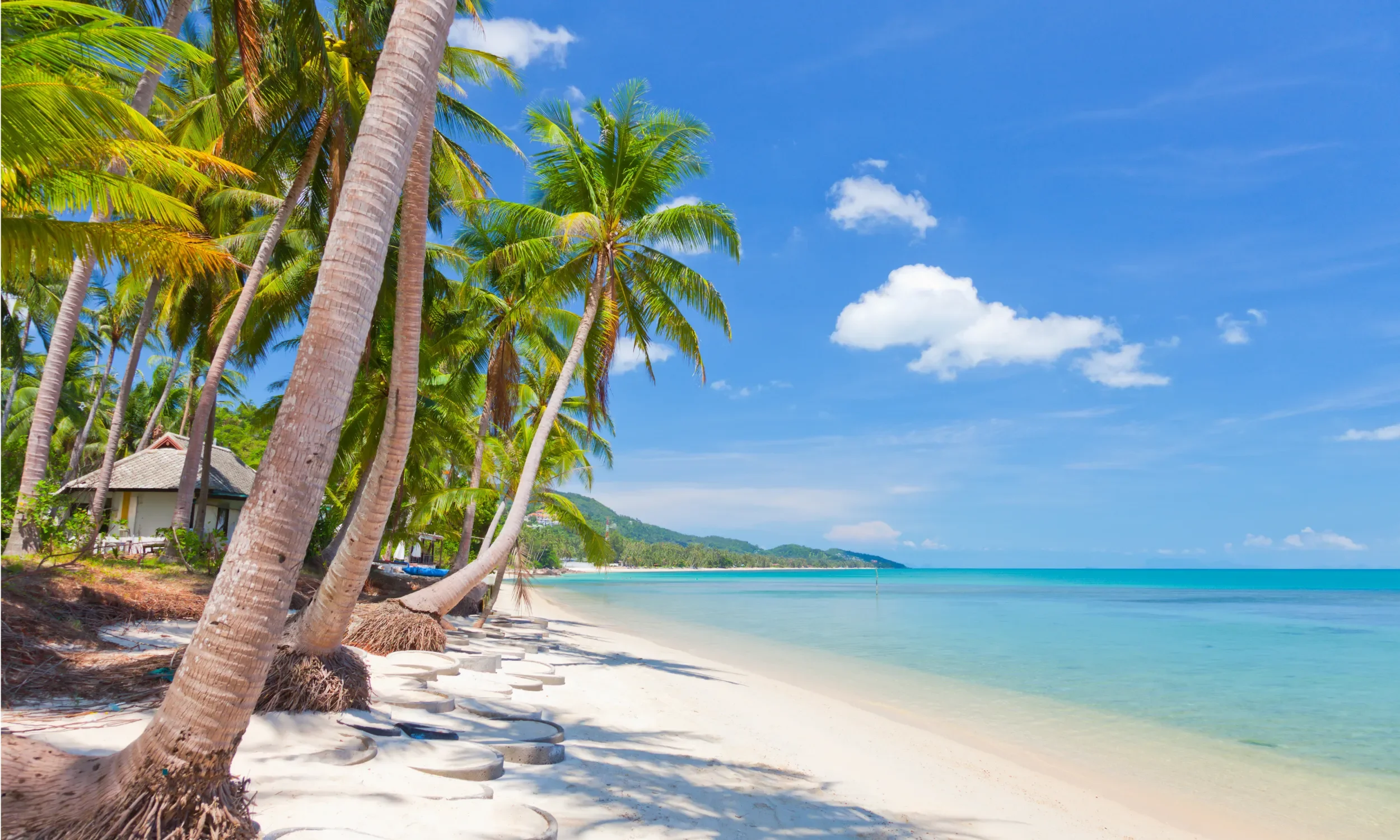
your Guide to Bangkok, Phuket & More
Thailand Travel Guide
Bangkok

Thai

Thai Baht

~71.6M

UTC+7




Thailand: The Kingdom That Rewards Slowing Down
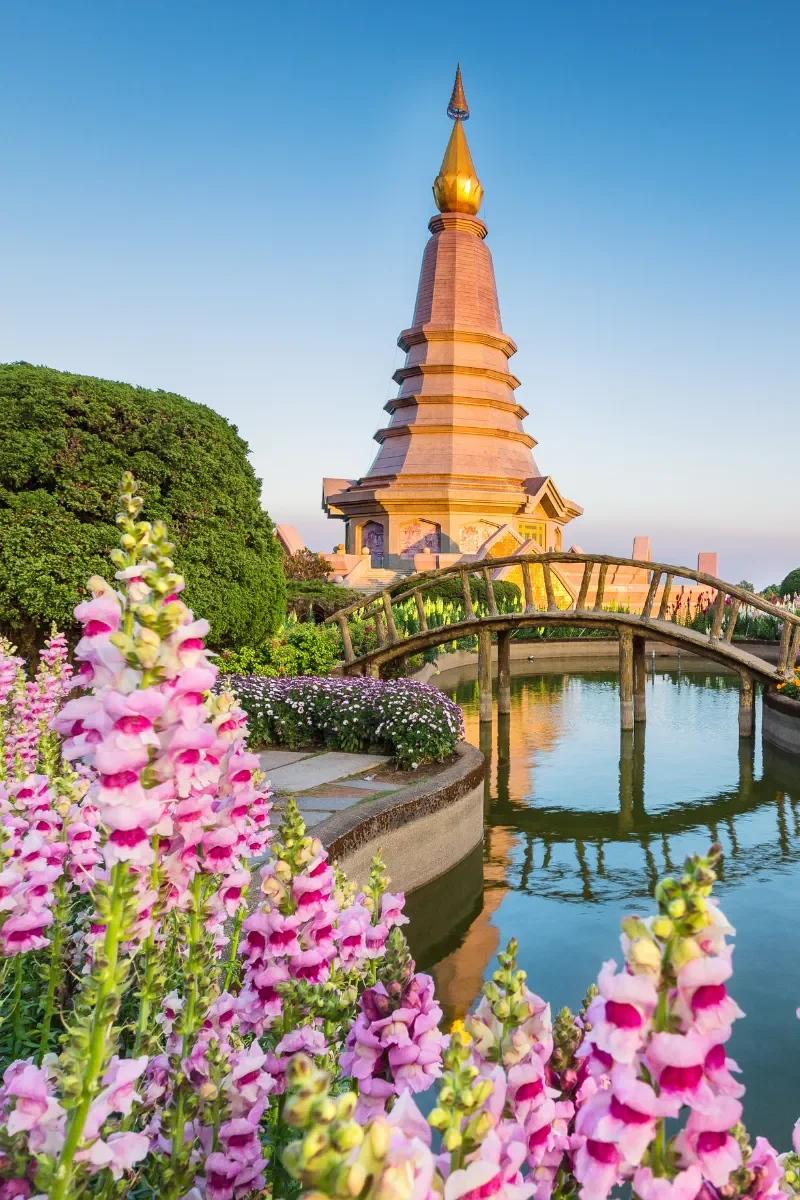
Ask someone what they picture when they think of Thailand and you'll usually get some mix of golden temples, white-sand beaches, and a bowl of pad thai eaten off a plastic stool on a street corner somewhere. Fair enough, all of that is real, and all of it is worth the trip on its own. But Thailand is a genuinely large, regionally diverse country, and the version most first-time visitors see, usually some combination of Bangkok, Phuket, and maybe Chiang Mai, only tells part of the story. The north feels almost nothing like the south. The food changes dramatically province to province. And underneath the postcard version of the country sits a culture built on concepts, sanuk, mai pen rai, kreng jai, that shape daily life here in ways that take a bit of time to actually notice.
I keep coming back to Thailand for the same reason a lot of people do: it's one of the rare places that manages to be effortlessly easy to travel through and genuinely rich in culture at the same time. This is your warm, thorough introduction, the culture, the food, the people, and the cities, both the ones already on your radar and the ones that probably should be.
Understanding the Culture
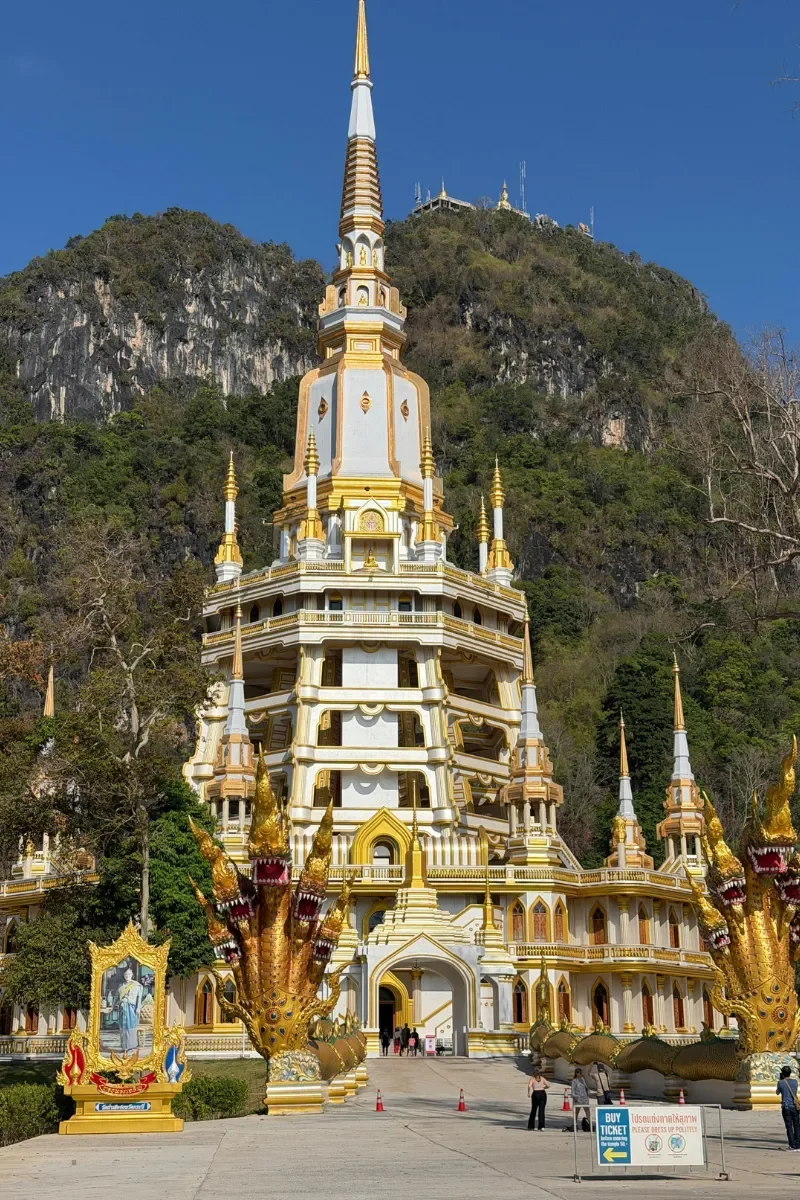
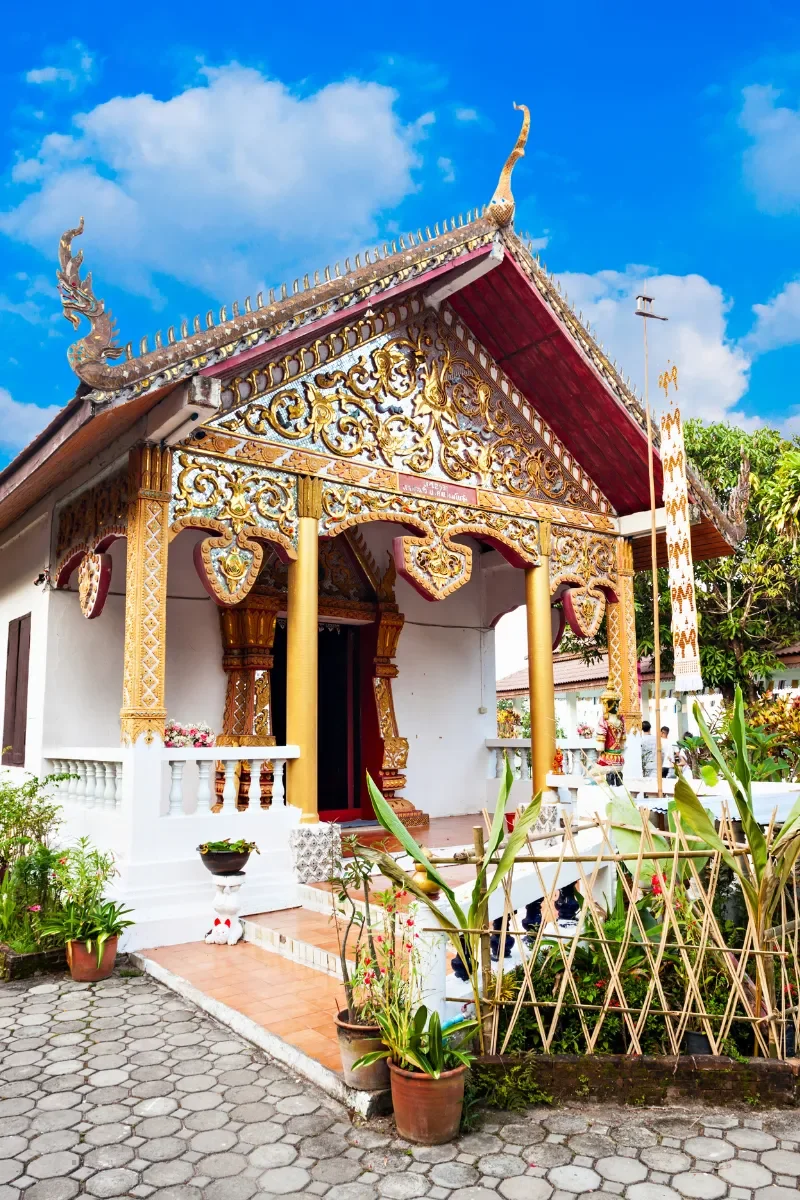
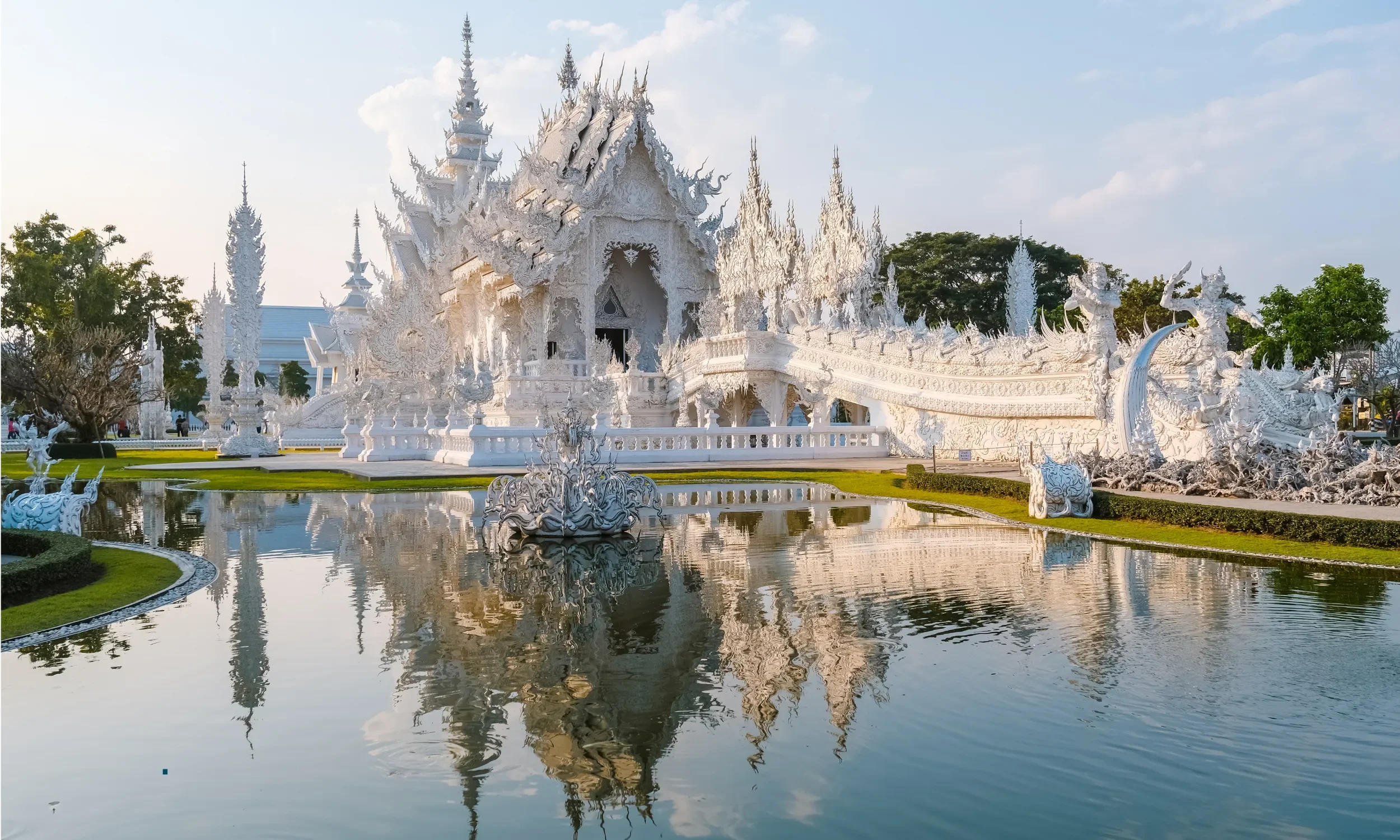
Thailand is the only country in Southeast Asia never colonized by a European power, and that historical independence shows up in a strong, cohesive sense of national identity, one deeply tied to the monarchy and to Theravada Buddhism, which the vast majority of the population practices. Temples (wats) aren't just tourist sights here, they're active, living institutions woven into daily and civic life, you'll see locals making merit through small daily rituals, monks collecting alms at dawn, and entire neighborhoods organizing around the local temple's calendar of festivals.
A few concepts are worth understanding before you arrive, because they explain a lot about how people here move through the world. Sanuk, roughly "fun" or "enjoyment," is treated as a genuine value, even work is ideally supposed to have some sanuk to it, and Thais are often genuinely puzzled by the idea of doing something purely out of grim obligation. Mai pen rai, "it's okay" or "never mind," reflects a cultural preference for letting go of minor frustrations rather than dwelling on them, which can be a genuinely useful mindset to borrow as a visitor when your bus is late or your order comes out wrong. Kreng jai, a kind of considerate reluctance to inconvenience or impose on others, shapes everything from how directly people give feedback to how disputes get handled confrontation is generally avoided in favor of quieter, face-saving solutions.
Speaking of which: saving face matters enormously in Thai culture. Losing your temper publicly, raising your voice, or aggressively confronting someone, even over a genuine grievance tends to backfire badly here, since it causes both parties to lose face rather than resolving anything. A calm, smiling approach to problems, even frustrating ones, will get you much further.
The wai, the prayer-like gesture with palms pressed together at chest or forehead height, is Thailand's traditional greeting, and while foreigners aren't generally expected to master its many social gradations, offering a simple wai back when someone greets you this way is a small, appreciated gesture.
Thai cities to visit
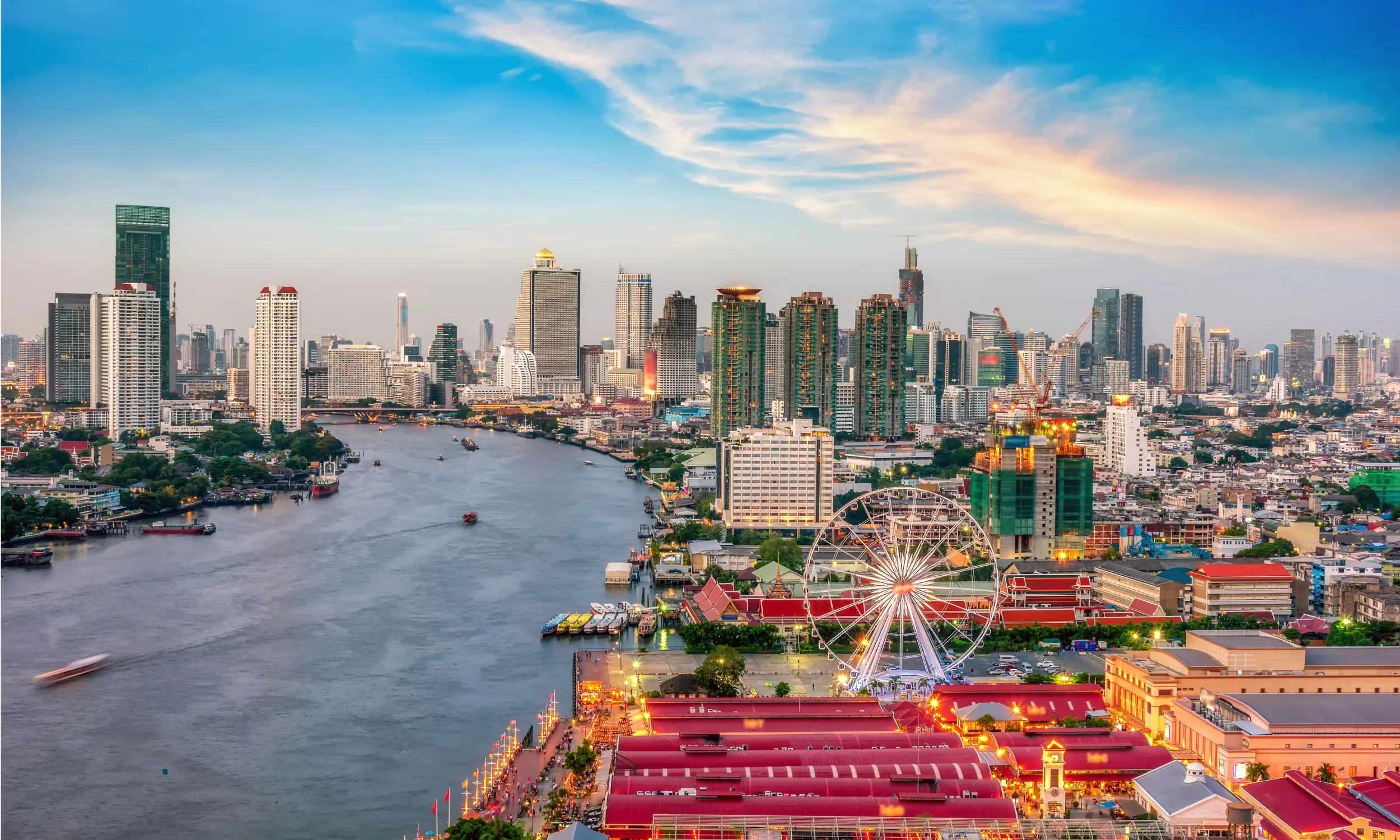
all cities to visit in Thailand



Food
Famous Thai food
Food: Thailand's Real National Obsession
Thai food is regionally diverse enough that reducing it to a handful of dishes genuinely undersells it, but a few essentials are worth knowing before you land.
Pad Thai, stir-fried rice noodles with egg, tofu or shrimp, tamarind, and crushed peanuts, is the dish most visitors already know, and it's genuinely excellent from a good street cart though it's actually a relatively modern, 20th-century addition to the national cuisine rather than an ancient staple, promoted heavily during a mid-century nationalist campaign to reduce rice consumption.
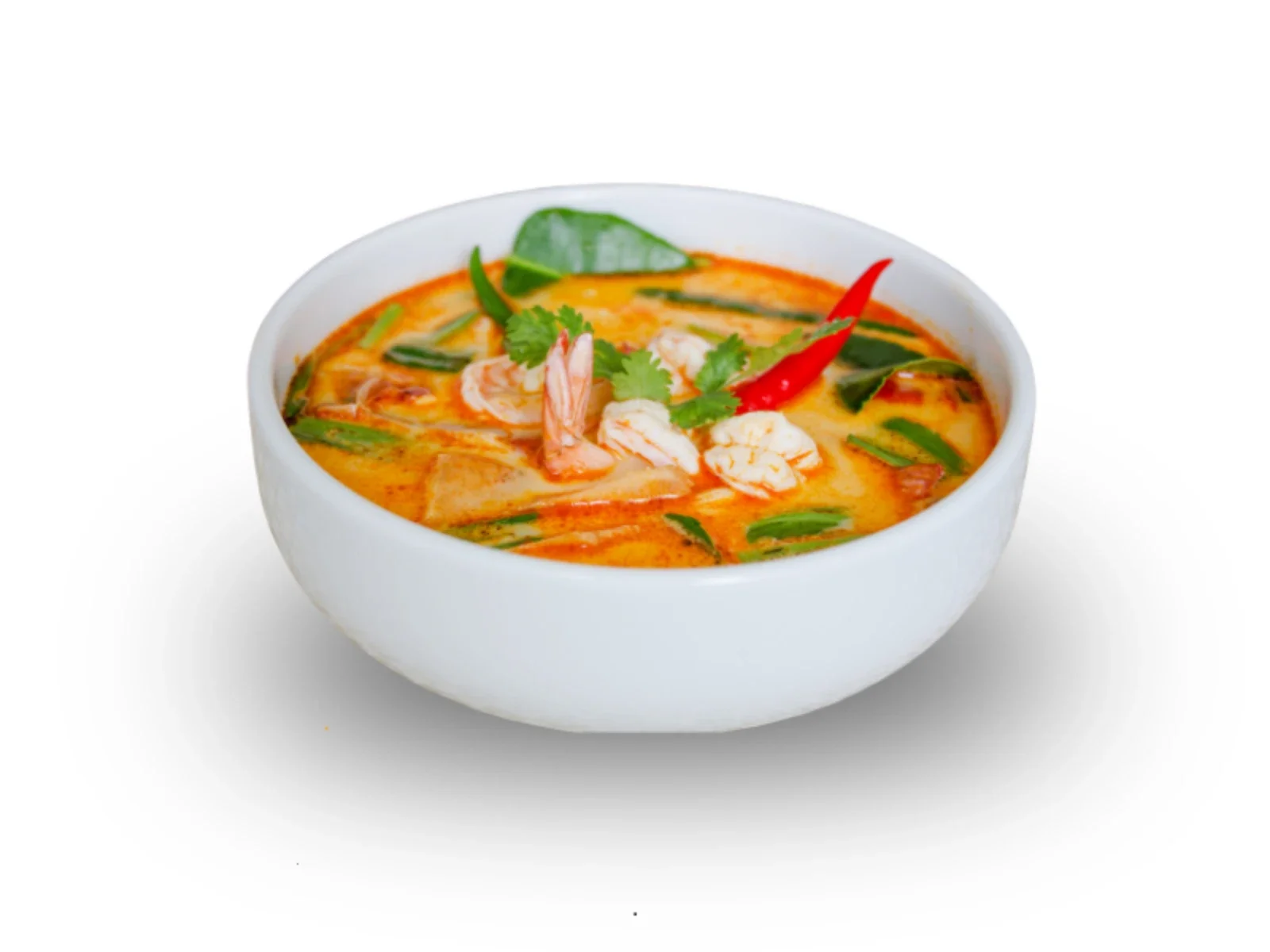
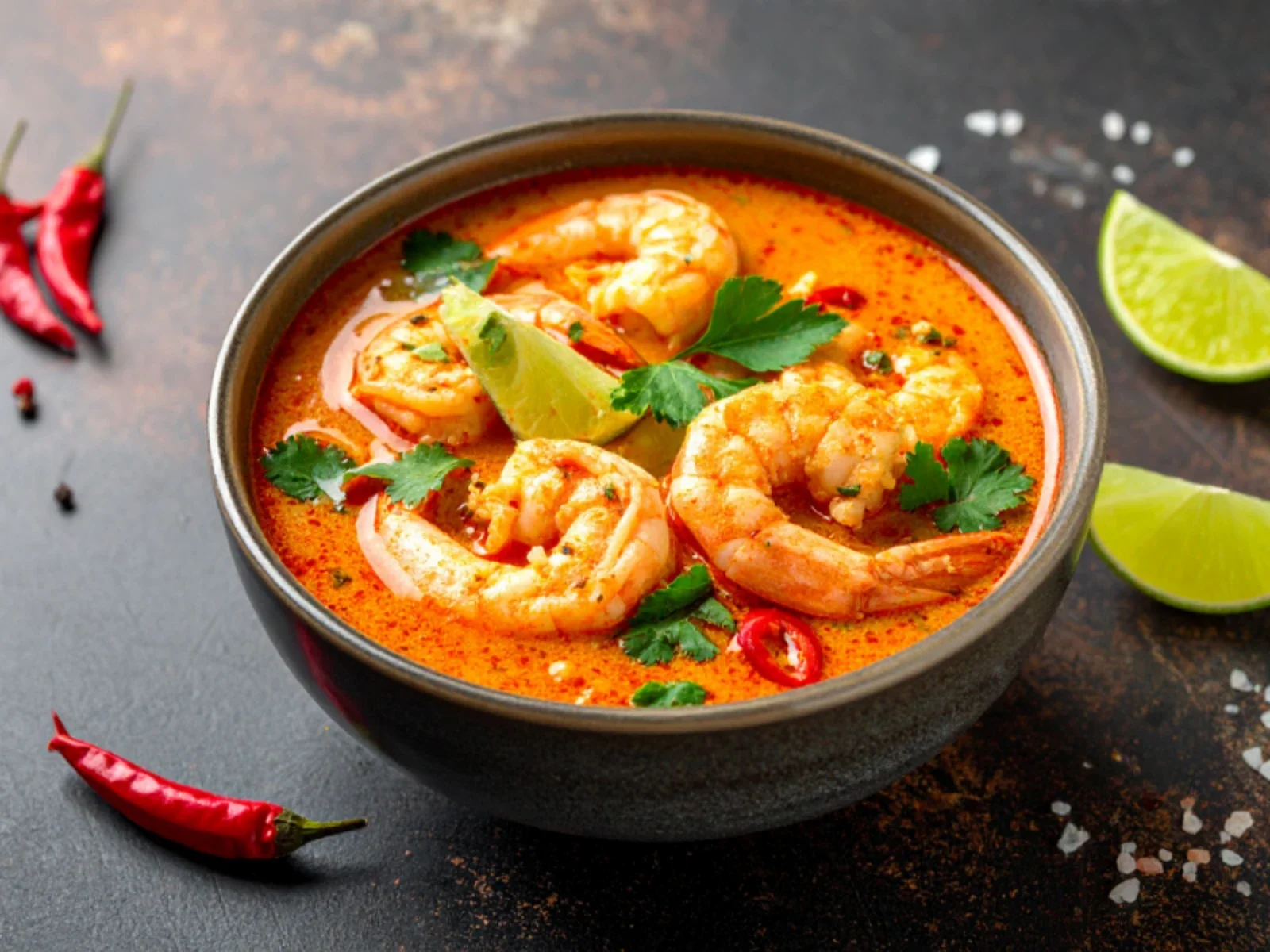
Tom Yum Goong, a hot and sour prawn soup built on lemongrass, galangal, kaffir lime leaves, and chili, showcases the balance Thai cooking is famous for sour, spicy, salty, and slightly sweet, all at once, in a single bowl.
Green and red curries, coconut-milk-based and built on fresh curry pastes rather than the dried spice blends more common in South Asian curries, vary enormously by region and household, no two versions are quite the same, and that variation is part of the appeal.
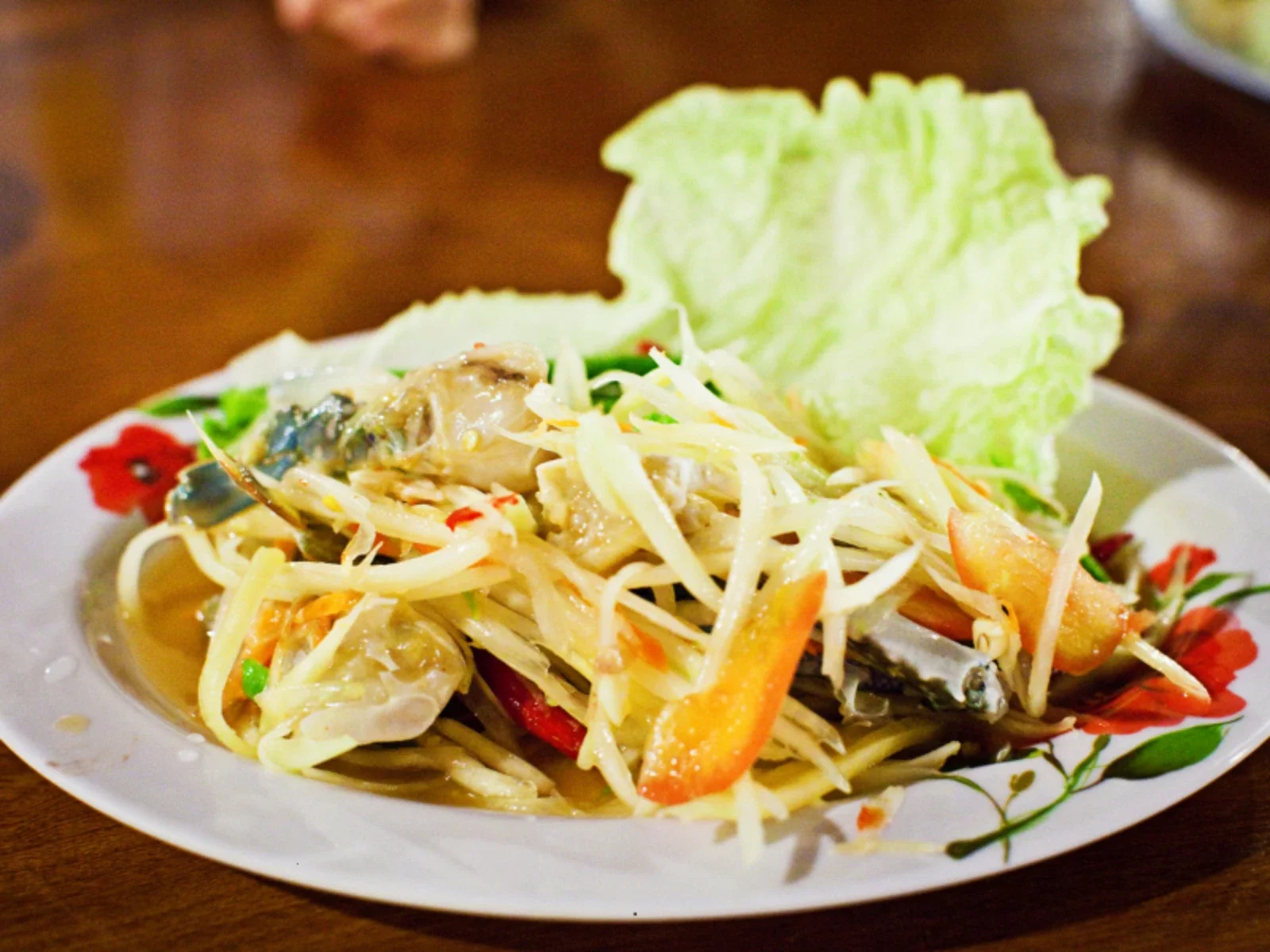
Som Tam, spicy shredded green papaya salad, hails from Thailand's northeastern Isan region and has since spread nationwide, balancing chili heat with lime, fish sauce, and palm sugar in a way that's simultaneously refreshing and genuinely fiery.
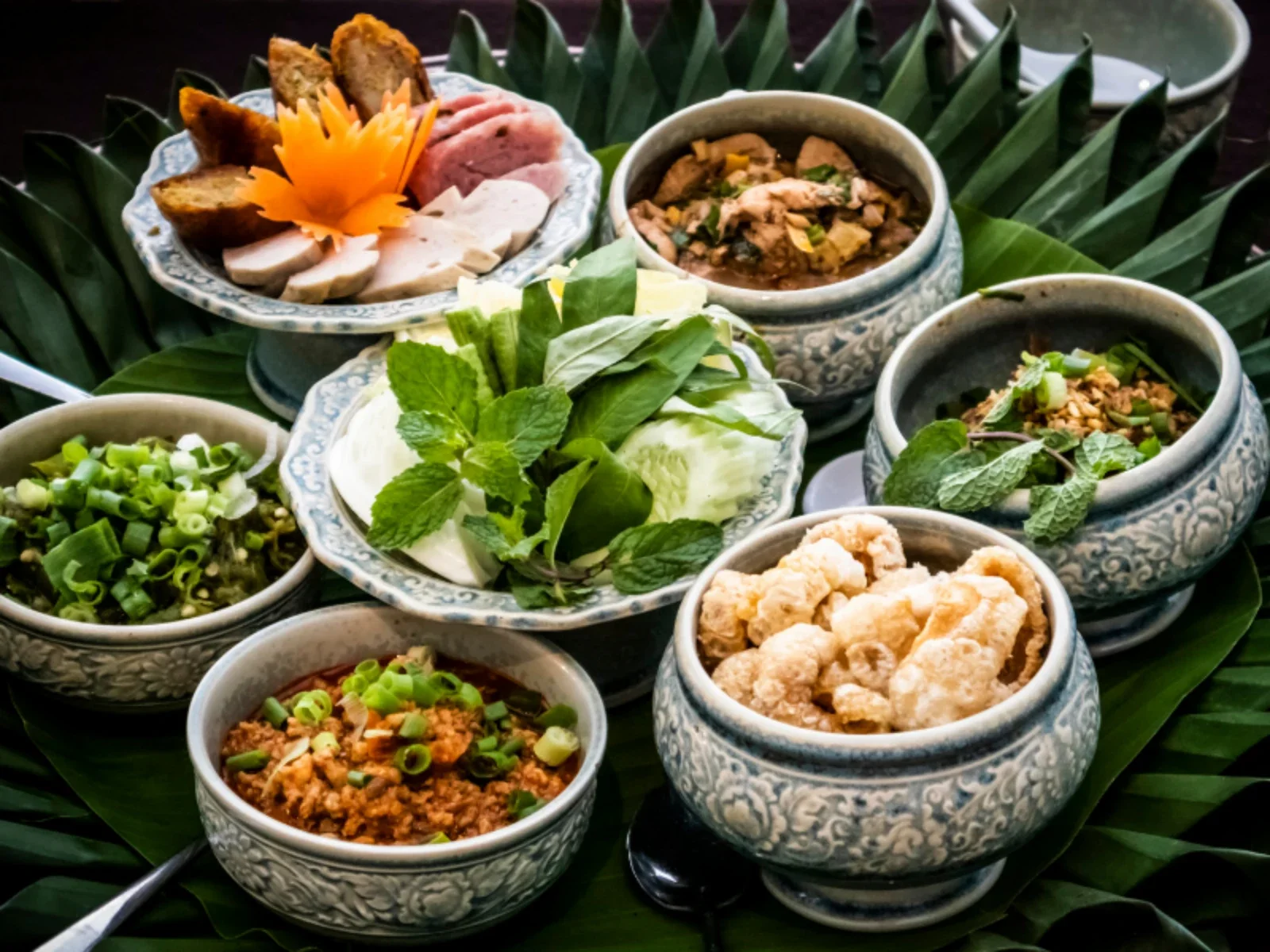
Regional variation matters enormously here. Northern Thai food, centered around Chiang Mai, leans milder and more herbal, with dishes like khao soi (a curry noodle soup) reflecting influences from neighboring Myanmar and Yunnan. Isan food, from the northeast, is intensely flavored, often fermented, and built around sticky rice rather than jasmine rice, closely related to Lao cuisine. Southern Thai food, influenced by the region's Muslim-majority communities and abundant seafood, tends to be the spiciest and most turmeric-forward in the country.
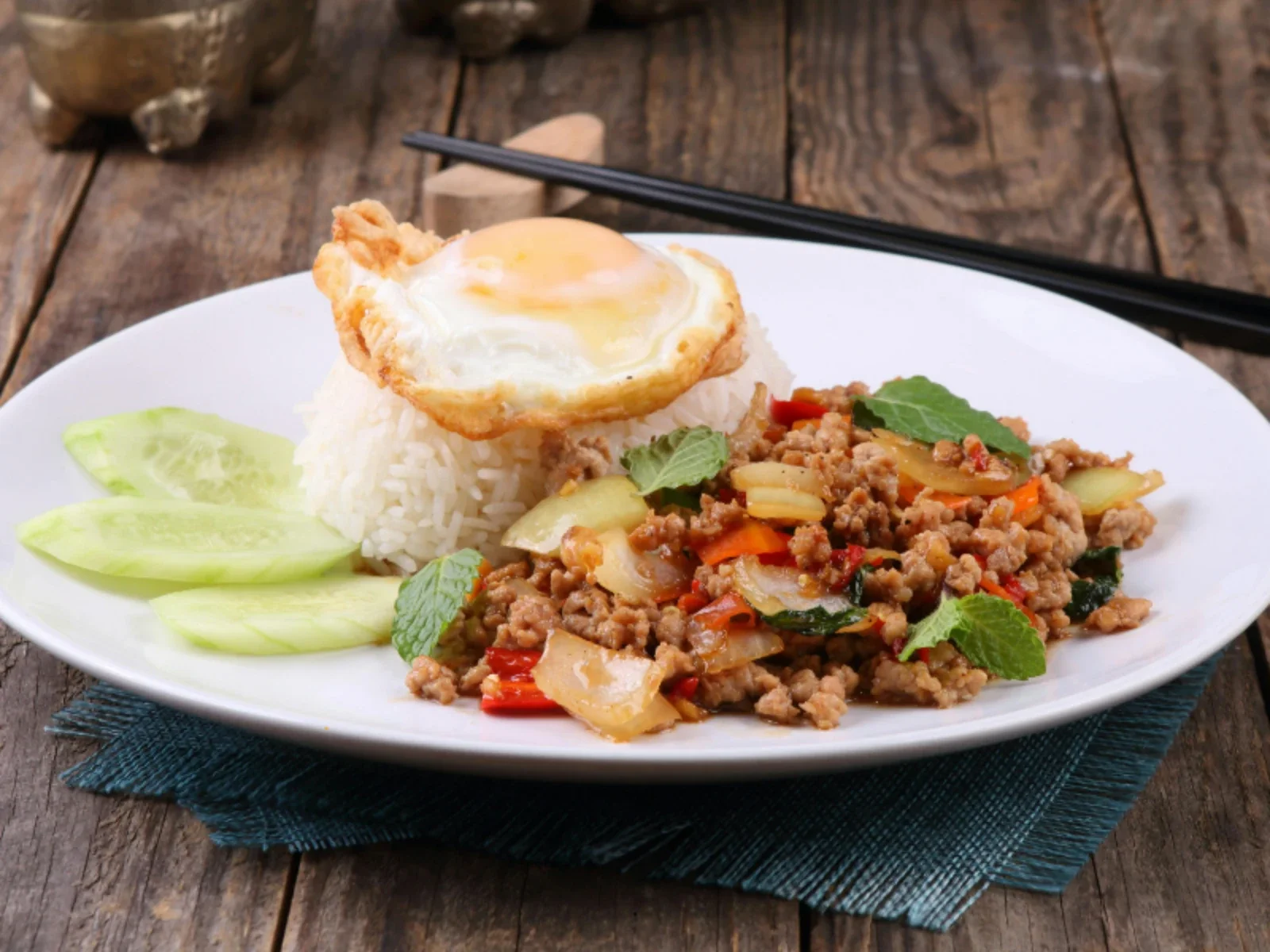
Street food deserves its own mention entirely Thailand's night markets and street stalls represent some of the best value, highest quality casual dining anywhere in the world, and locals eating at a particular cart is generally a far more reliable quality signal than any guidebook recommendation.
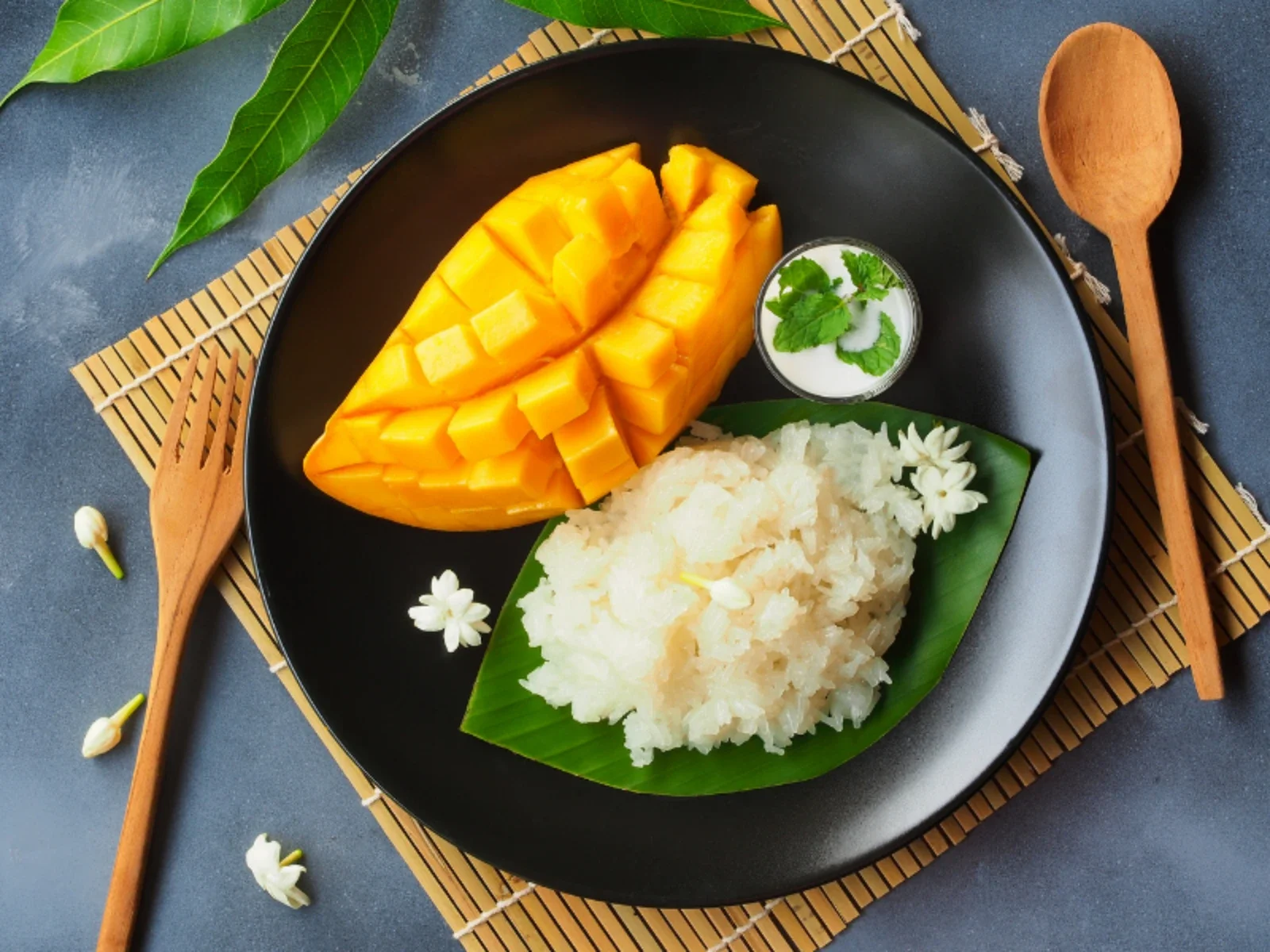
Mango sticky rice, ripe mango over coconut-sweetened sticky rice, is the definitive Thai dessert, simple and genuinely hard to get tired of even after repeated helpings.
The People
Thai hospitality has earned the country its informal nickname, "the Land of Smiles," and while that phrase risks sounding like tourism-board marketing, it holds up remarkably well in practice. There's a genuine warmth and hospitality baked into daily interactions here vendors who'll patiently work through a language barrier with you rather than getting frustrated, strangers who'll go out of their way to help you find a place, a general default toward friendliness rather than suspicion with visitors.
Family and community bonds run deep, and multi generational households remain common, particularly outside Bangkok. Respect for elders and for hierarchy social, familial, and religious shapes daily interaction in ways that aren't always obvious to a first-time visitor but are worth being aware of, especially regarding monks (who hold a particularly elevated social status) and the royal family (extremely revered, and a topic worth approaching with genuine caution and respect, since strict lèse-majesté laws exist here).
Thai humor tends toward the playful and indirect, and a light touch goes a long way in social interactions, Thais generally respond better to warmth and gentle humor than to bluntness, even when the bluntness is well-intentioned.
A Few Honest Tips
Meal times run later than many visitors expect, particularly dinner, which rarely starts before 7:30 or 8pm and often later further south. Learning a handful of basic Italian phrases goes a long way, even in the most touristed cities, and understanding a few food customs, cappuccino is a morning drink, bread isn't served with olive oil for dipping in most of the country (that's more of an international, particularly American, restaurant custom), and asking for parmesan on a seafood pasta will raise eyebrows helps avoid a few small but avoidable friction points.

Visiting Thailand?
your questions, answered
-
It depends on your nationality. Many visitors — including from the US, UK, most of the EU, Canada, and Australia — can currently enter visa-exempt for short tourist stays, sometimes requiring a simple online arrival registration first. Others need to apply for a visa in advance. Requirements do change, so check Thailand's official e-Visa portal or your nearest Thai embassy before booking flights.
-
Visa-exempt stays are commonly granted for around 60 days for many nationalities, sometimes with an extension available at a local immigration office. The exact allowance varies by nationality and can change, so confirm the specific number of days shown on your entry stamp or approval
-
As a general rule, Thailand expects at least 6 months of passport validity remaining from your date of entry, plus at least one blank page for stamps.
-
Cards are widely accepted in malls, hotels, and larger restaurants in cities. That said, street food stalls, local markets, and small islands often run cash-only, so carrying baht is essential outside the biggest tourist hubs. ATMs are common but usually charge a foreign transaction fee on top of your own bank's charges
-
Tipping isn't deeply traditional in Thai culture, but it's become more common in tourist-facing businesses. Rounding up or leaving small change at restaurants, and a modest tip for hotel staff, tour guides, or a massage, is appreciated without being obligatory.
-
Generally, Thailand offers excellent value — street food, local transport, and budget to mid-range accommodation are noticeably cheaper than in Western Europe or North America. Prices rise in touristy islands like Phuket and Koh Samui compared to the north or less-visited regions
-
Domestic flights are cheap and frequent, useful for covering Thailand's length quickly, particularly between Bangkok and the islands or the north. Overnight trains and sleeper buses are a budget-friendly, if slower, alternative between major hubs, and ferries connect the mainland to island destinations
-
Modest clothing covering shoulders and knees, and shoes off before entering any temple building. Many major temples have loaner sarongs or wraps at the entrance if you arrive underdressed, but it's easier to simply plan ahead.
-
The main tourist areas — Bangkok, Chiang Mai, and the major islands — are visited by tens of millions of travelers each year without incident. The most common real risk for visitors is actually scooter accidents, not crime; rent one only if you're genuinely experienced, and consider a driver or taxi otherwise. Check your government's current travel advisories before you go.
-
It's not a legal requirement for most nationalities, though it's worth checking current entry rules, since this has occasionally been discussed at the EU level. Regardless, travel insurance is strongly recommended for medical cover, trip delays, and lost luggage, as with any international trip.