
All what you need to know about Chiang Rai
CHIANG RAI
The Ultimate Guide
Plan your trip to Chiang Rai





Chiang Rai: The Complete Guide to Thailand's Far North
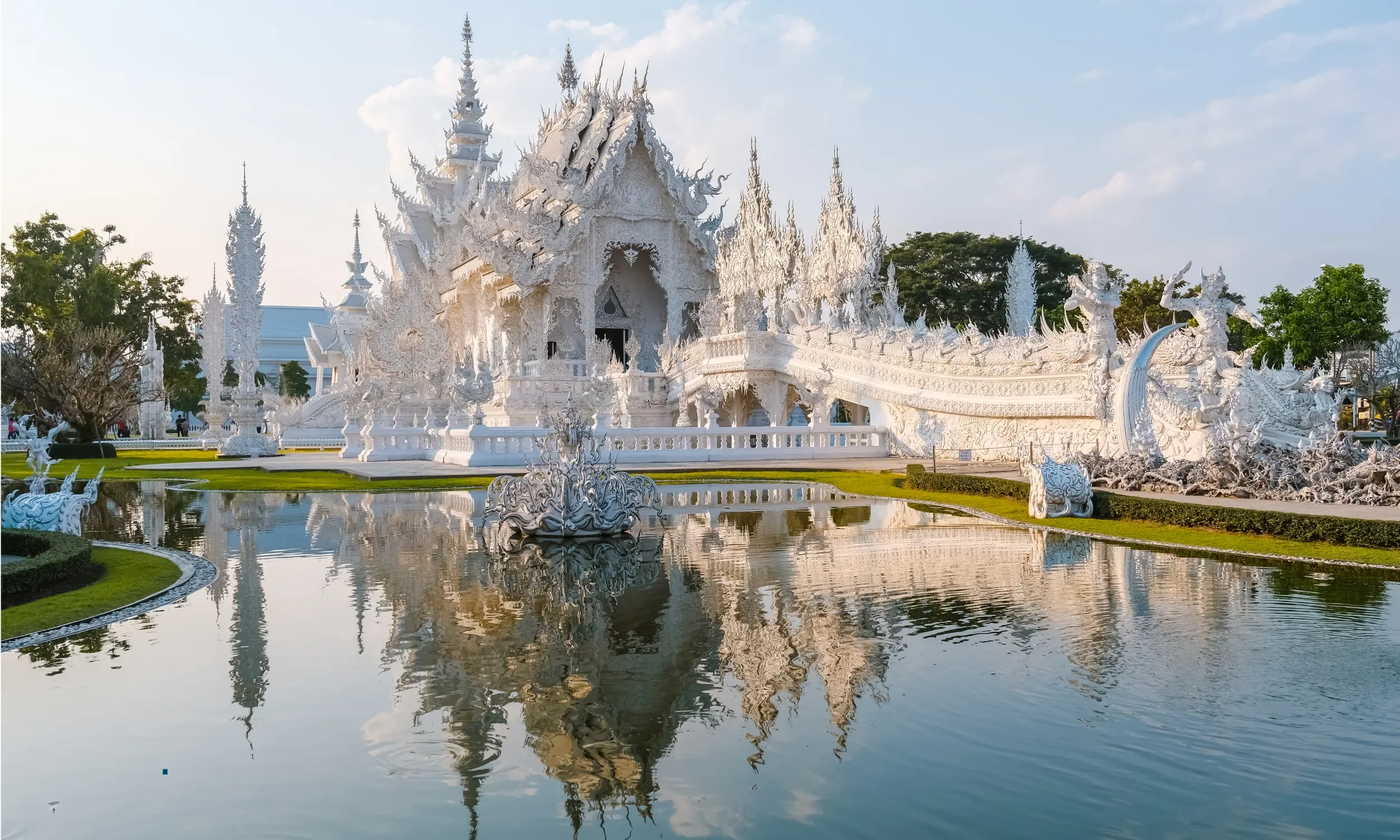
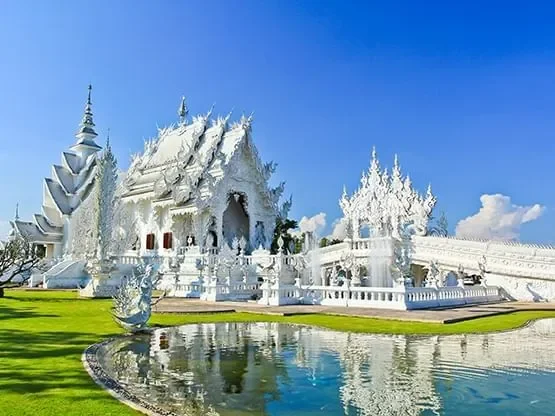
Chiang Rai lives somewhat in Chiang Mai's shadow despite holding two of the most striking, genuinely unique temples in the entire country, a blindingly white contemporary masterpiece and an equally striking cobalt-blue counterpart, both the work of Thai artists rather than ancient dynasties. Add proximity to the Golden Triangle, where Thailand, Laos, and Myanmar meet, and this northernmost major Thai city offers a genuinely distinct experience from its more famous southern neighbor. This guide covers everything you need to plan a visit.
Understanding Chiang Rai
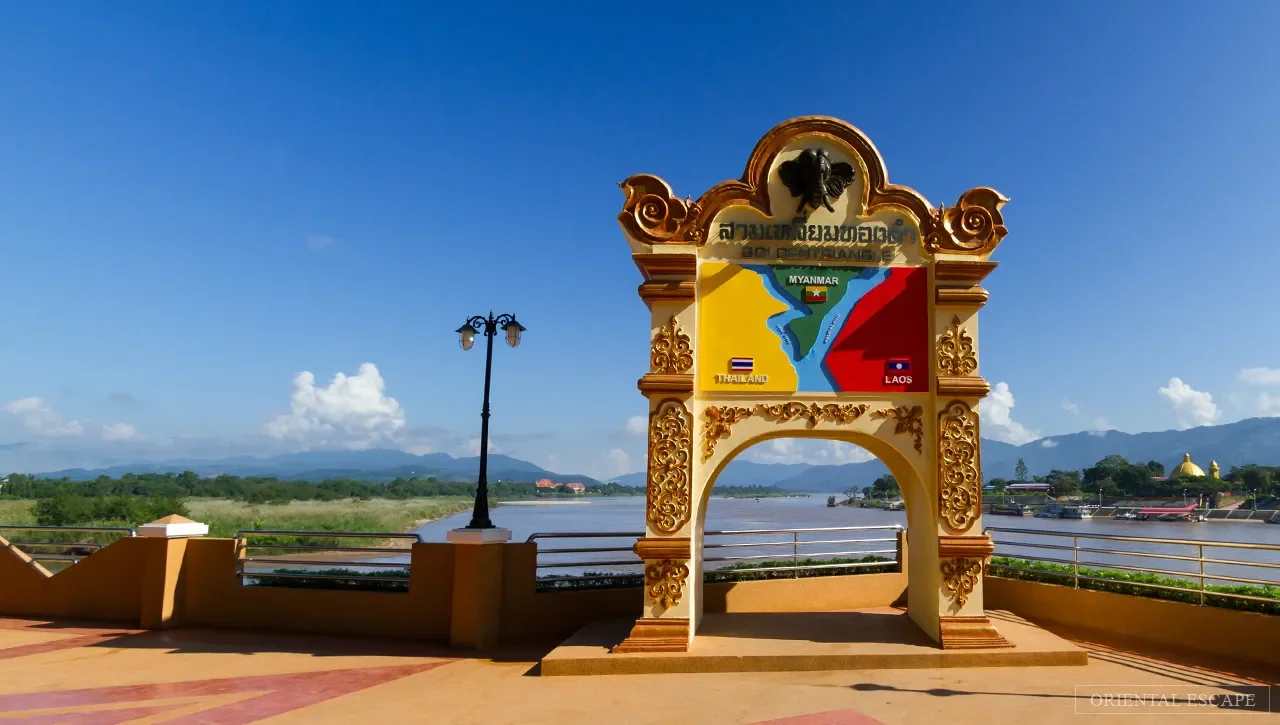
Chiang Rai sits further north than Chiang Mai, closer to the borders of Myanmar and Laos, and was itself briefly the capital of the Lanna Kingdom before the seat of power shifted south to Chiang Mai in the 13th century. The region's proximity to the borders has historically made it part of the notorious "Golden Triangle," once one of the world's largest opium-producing regions, though the area's economy and reputation have shifted dramatically toward tourism and legitimate agriculture in recent decades.
The city itself is smaller and more low-key than Chiang Mai, functioning largely as a base for exploring the striking temples and mountainous countryside surrounding it.
things to discover In Chiang Rai
Wat Rong Khun
The Golden Triangle
Doi Mae Salong
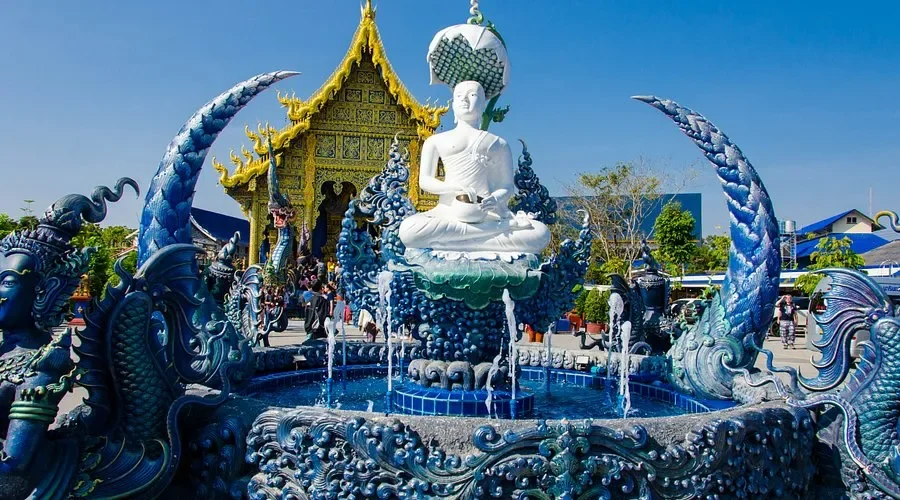
Wat Rong Suea Ten
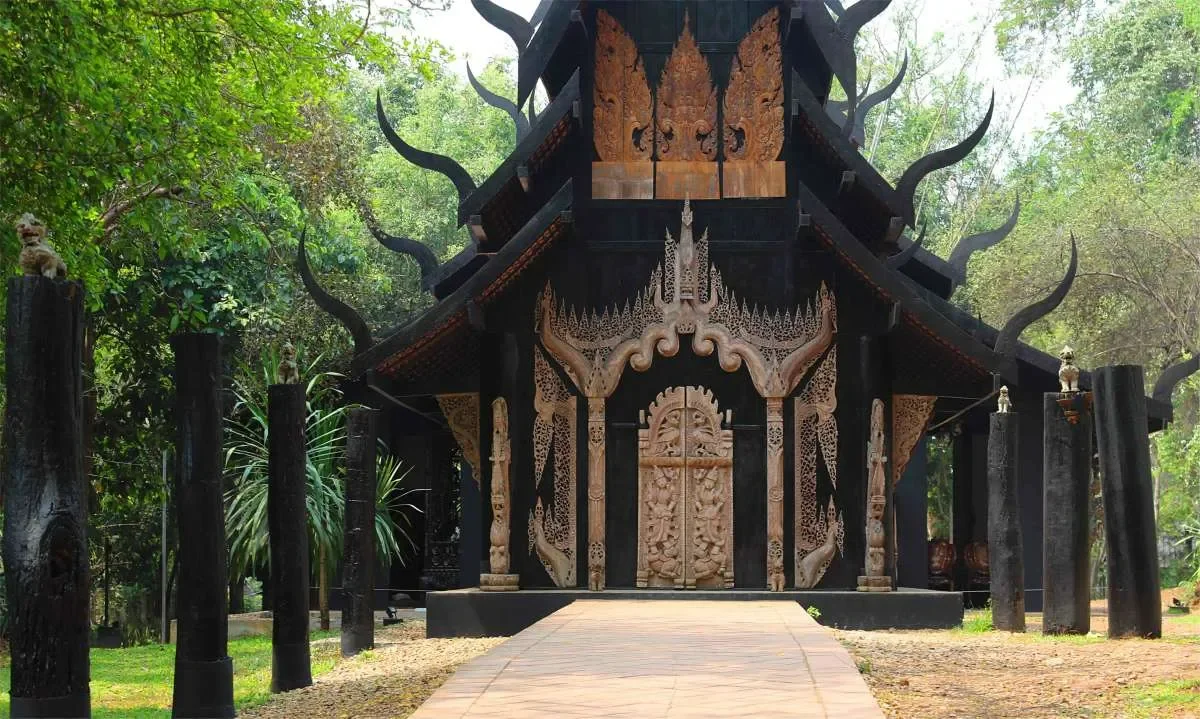
Baan Dam Museum
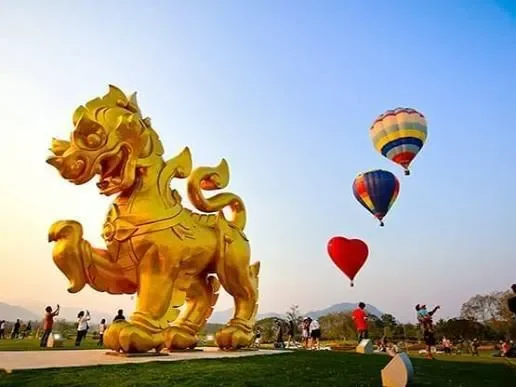
Singha Park
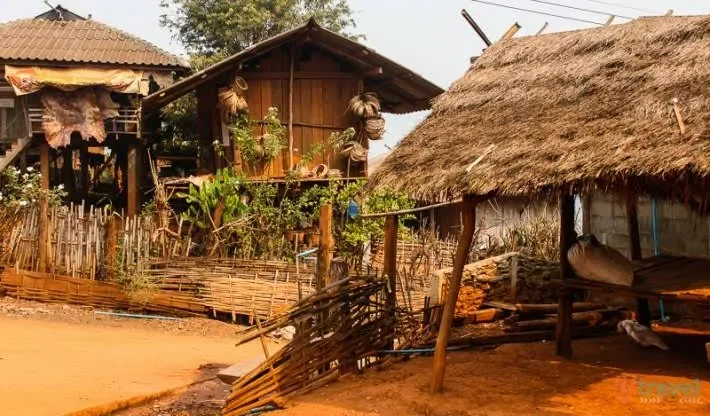
Hill-tribe village visits
our monthly Hotels pics
Accommodations under 80$\Night
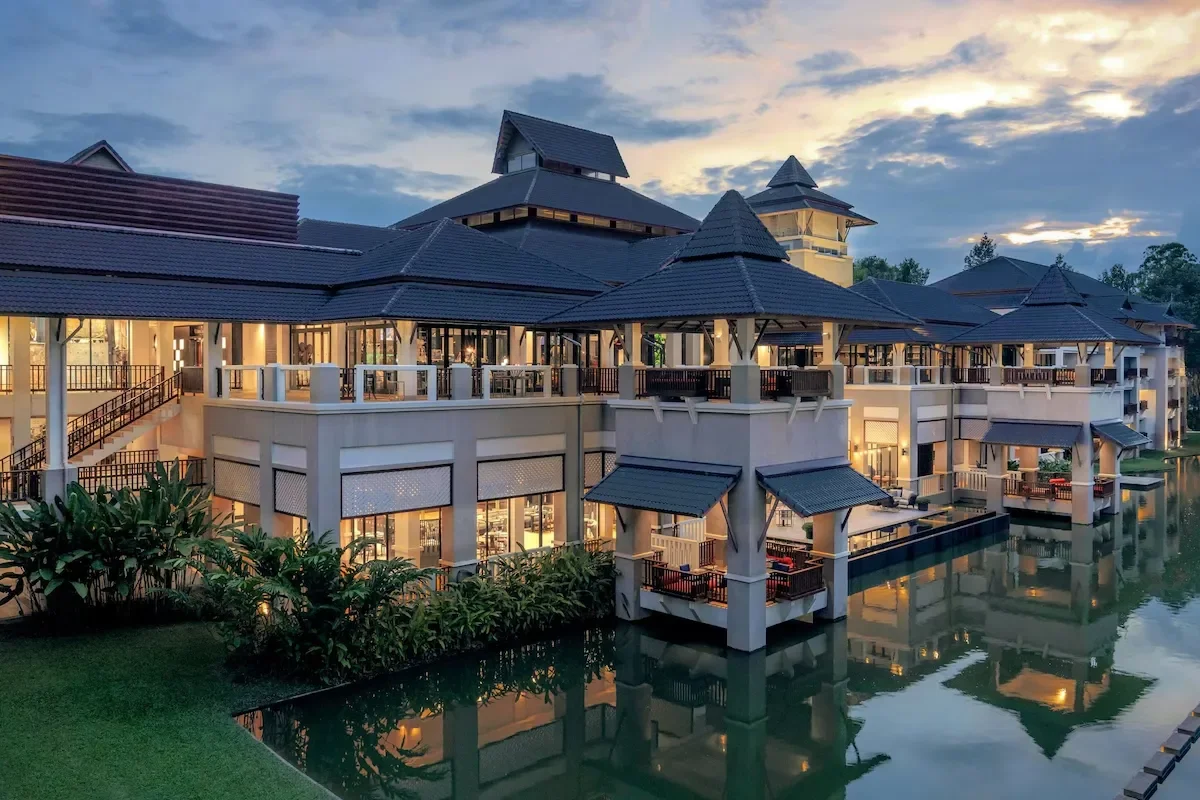
Le Meridien Chiang Rai Resort
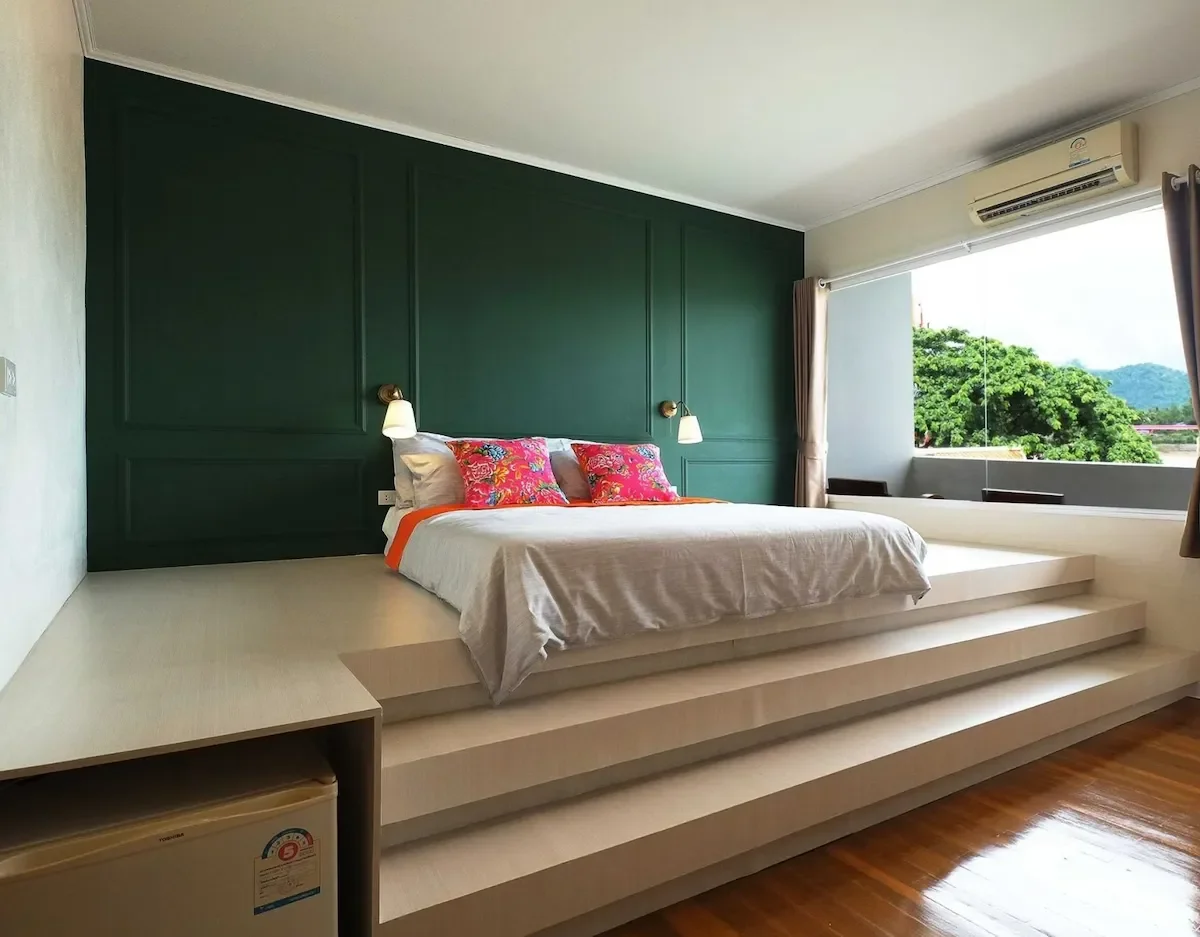
Buakham Rim Khong
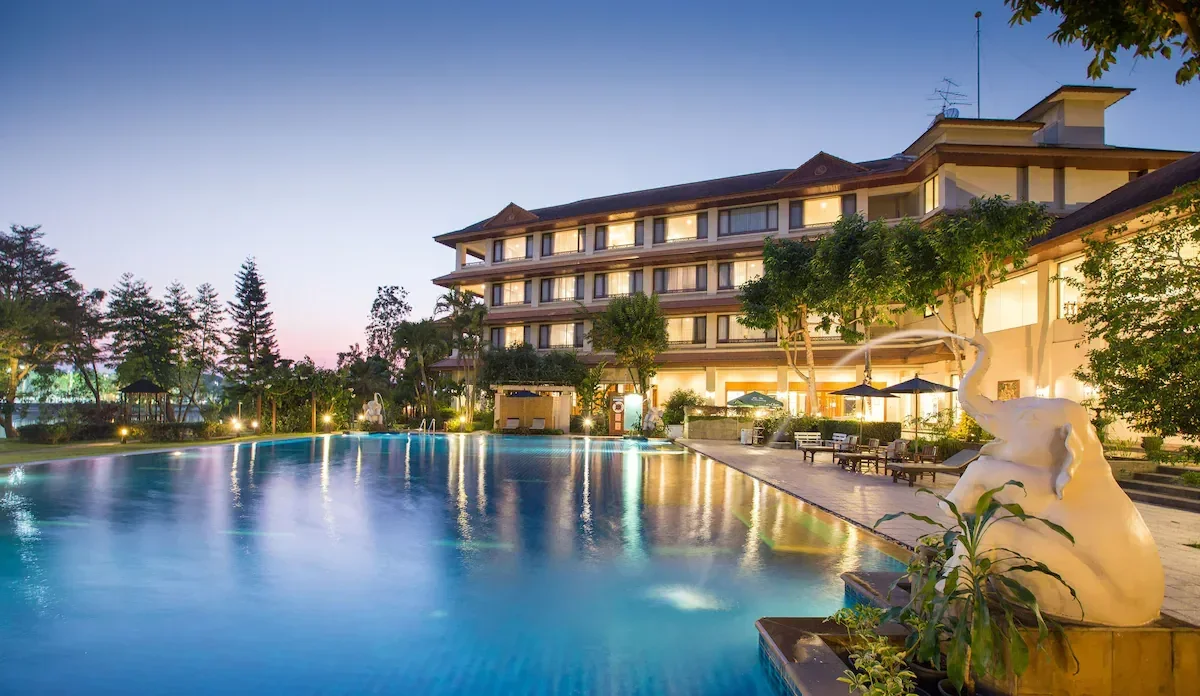
The Imperial River House Resort
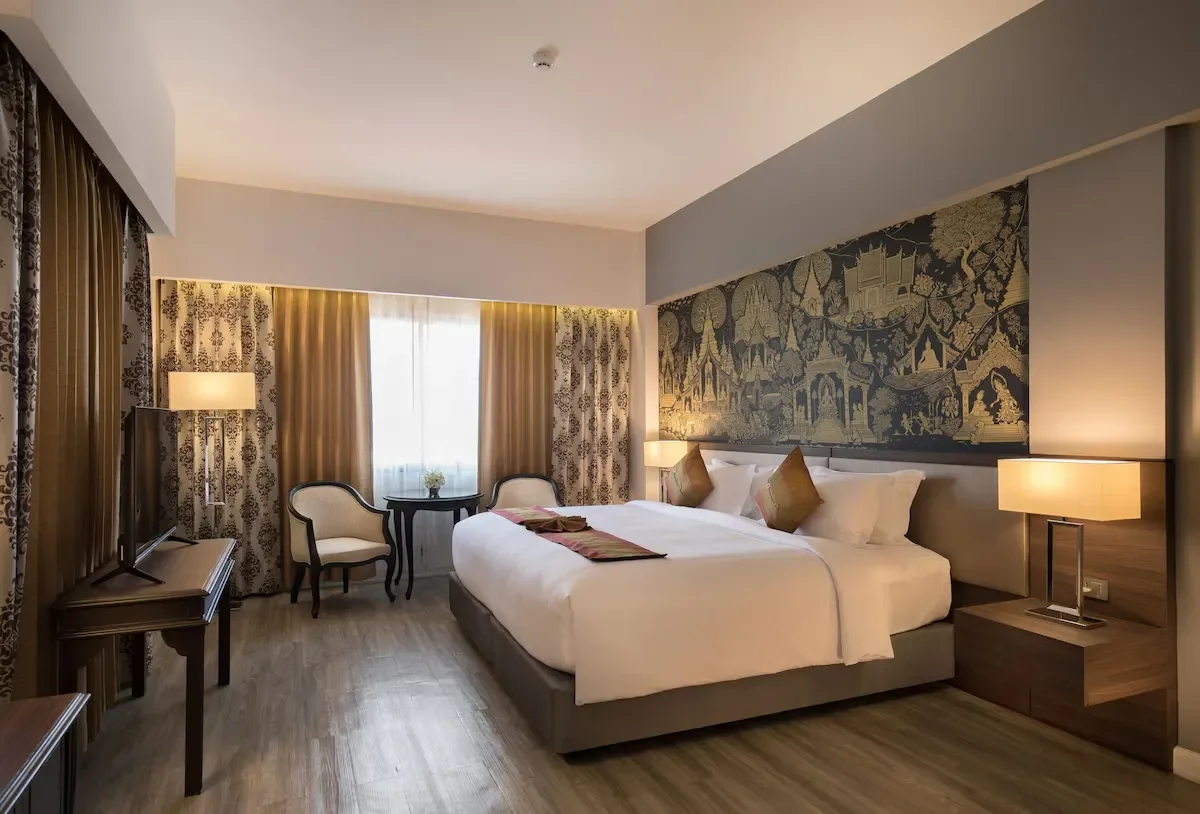
Kahavadi Chiang Rai, Curio Collection By Hilton
The Heritage Chiang Rai Hotel and Convention
attractions tickets
All Important Things To Know About Chiang Rai
What Chiang Rai Is Famous For
Chiang Rai is famous above all for the White Temple and Blue Temple, two of the most visually striking and unconventional Buddhist temples anywhere in Thailand, both the product of individual contemporary artists rather than historical dynasties. The city is also known as the gateway to the Golden Triangle and Doi Mae Salong, and more broadly as a quieter, less internationally touristed alternative to Chiang Mai for travelers wanting the mountainous northern Thailand experience without quite as much crowd.
Food and Culture
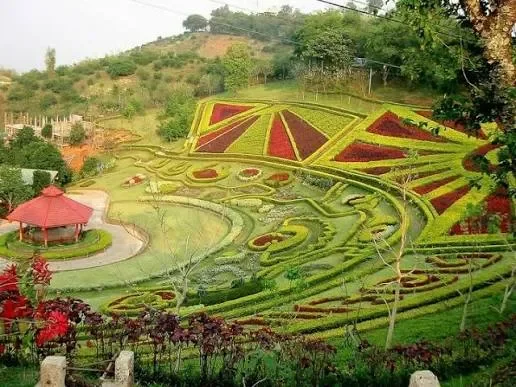
Chiang Rai shares much of northern Thailand's (Lanna) culinary identity with Chiang Mai, khao soi, sai ua sausage, and sticky rice all feature prominently, while also reflecting the region's particular ethnic diversity and border proximity. The Yunnanese Chinese influence around Doi Mae Salong brings distinctly different dishes and, notably, genuinely excellent locally grown tea, a product of the same agricultural shift away from opium cultivation that transformed the region's economy in recent decades.
Hill-tribe communities throughout the surrounding mountains maintain their own distinct culinary traditions, separate from both Lanna Thai and Yunnanese Chinese influences, adding further to the region's food diversity relative to its modest population.
Culturally, Chiang Rai's identity is shaped significantly by its border position and complex ethnic makeup, Thai, Yunnanese Chinese, and various hill-tribe communities all maintain distinct identities within the region, a genuine diversity worth approaching with curiosity and respect rather than flattening into a single "northern Thailand" narrative.
Best Time to Visit
November through February offers the coolest, clearest weather, ideal for both temple visits and countryside day trips, though this is also the region's peak tourist season. March through April can bring burning-season haze that affects both air quality and visibility for mountain viewpoints. May through October is the rainy season, quieter and greener, with the surrounding rice terraces and tea plantations at their most vividly colored.
Practical Tips for First-Time Visitors
Chiang Rai International Airport connects directly Ato Bangkok and Chiang Mai; alternatively, buses connect the two northern cities in about three hours for travelers wanting to combine both destinations overland.
Visit the White Temple early to avoid both the heat and the substantial tour bus crowds that build through the late morning, particularly during peak season.
Rent a car or hire a driver for the Golden Triangle and Doi Mae Salong, both sights sit some distance from the city and are more efficiently covered with your own transportation or a guided day tour than public transit.
Approach hill-tribe visits thoughtfully, research operators specifically for their approach to community benefit and consent, since standards and ethics vary considerably across the industry.
A Few Days That Actually Work
Two to three days suits most visitors. Day one: White Temple and Blue Temple in the morning before the crowds build, Baan Dam Museum in the afternoon. Day two: a full-day trip to the Golden Triangle, including a Mekong boat ride and the opium museum. Day three, if you have it: Doi Mae Salong for tea plantations and Yunnanese culture, or Singha Park for a more relaxed, family-friendly finish to the trip.