Italy Travel Guide
your guide to Rome, Florence, Venice & More
Rome

Italian

Euro

~58,9M

UTC+2

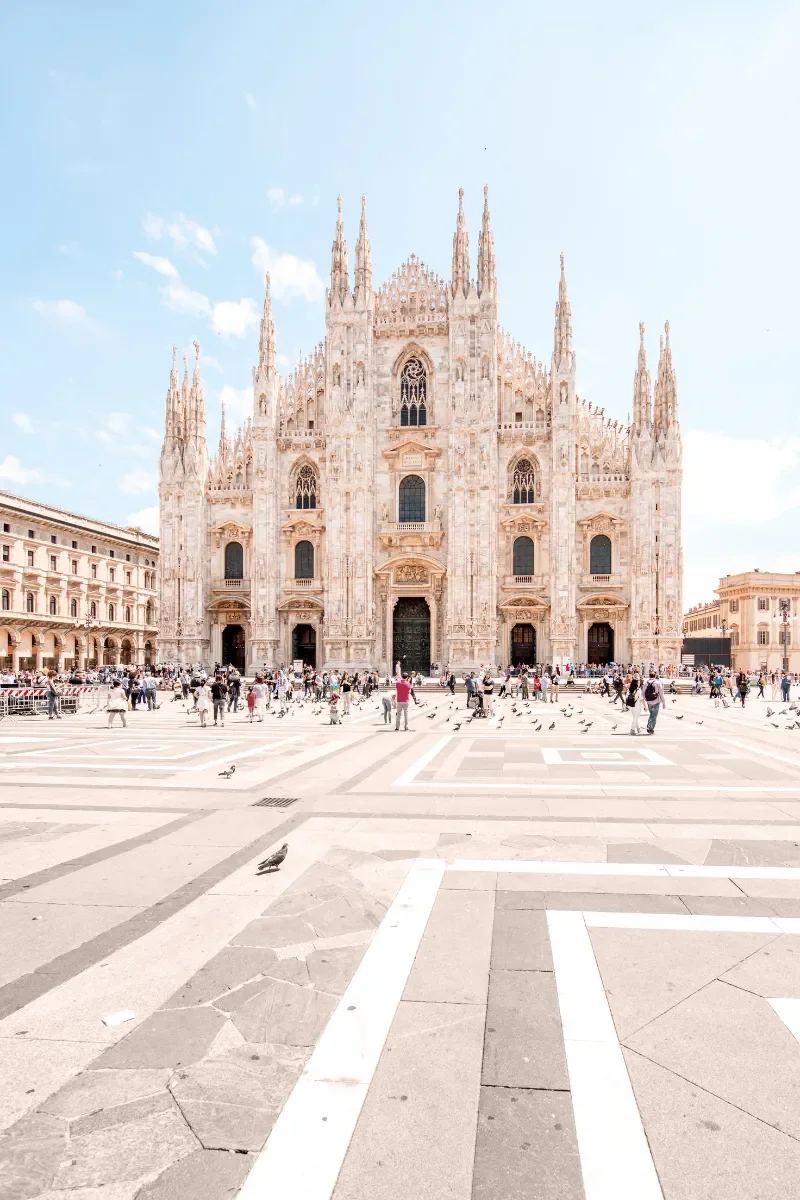
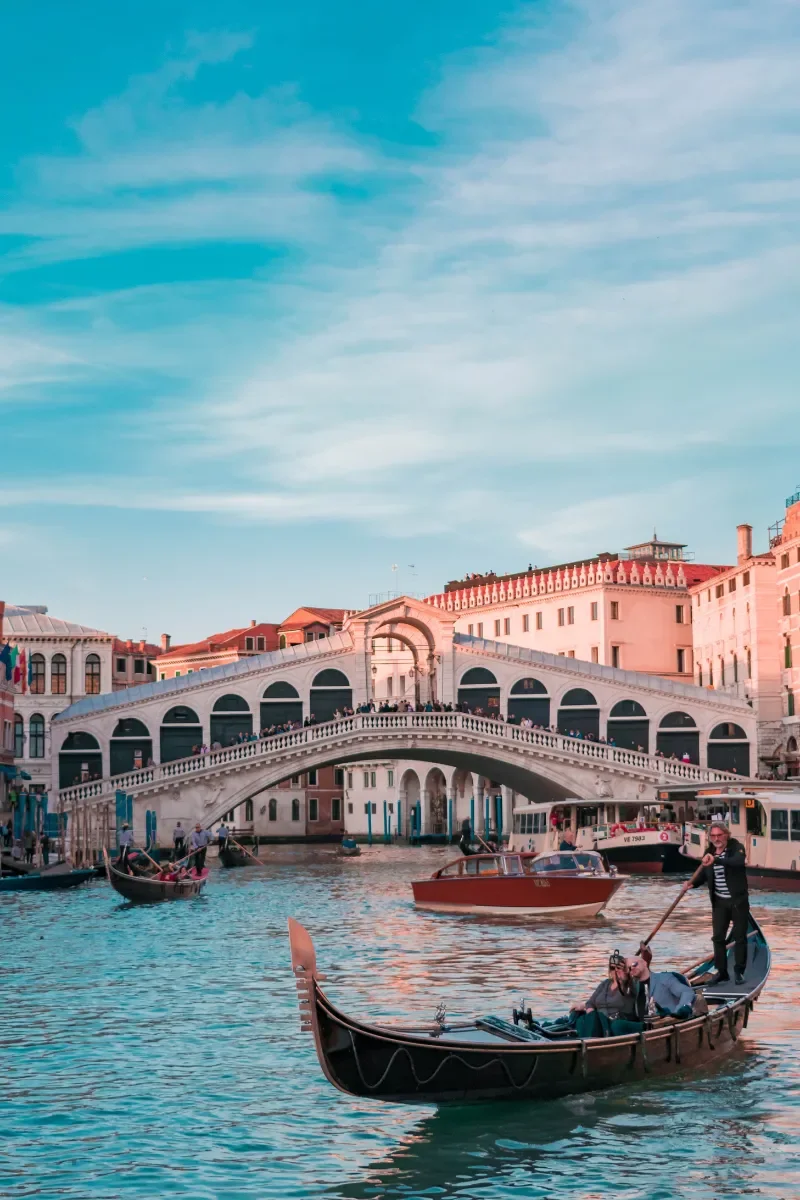
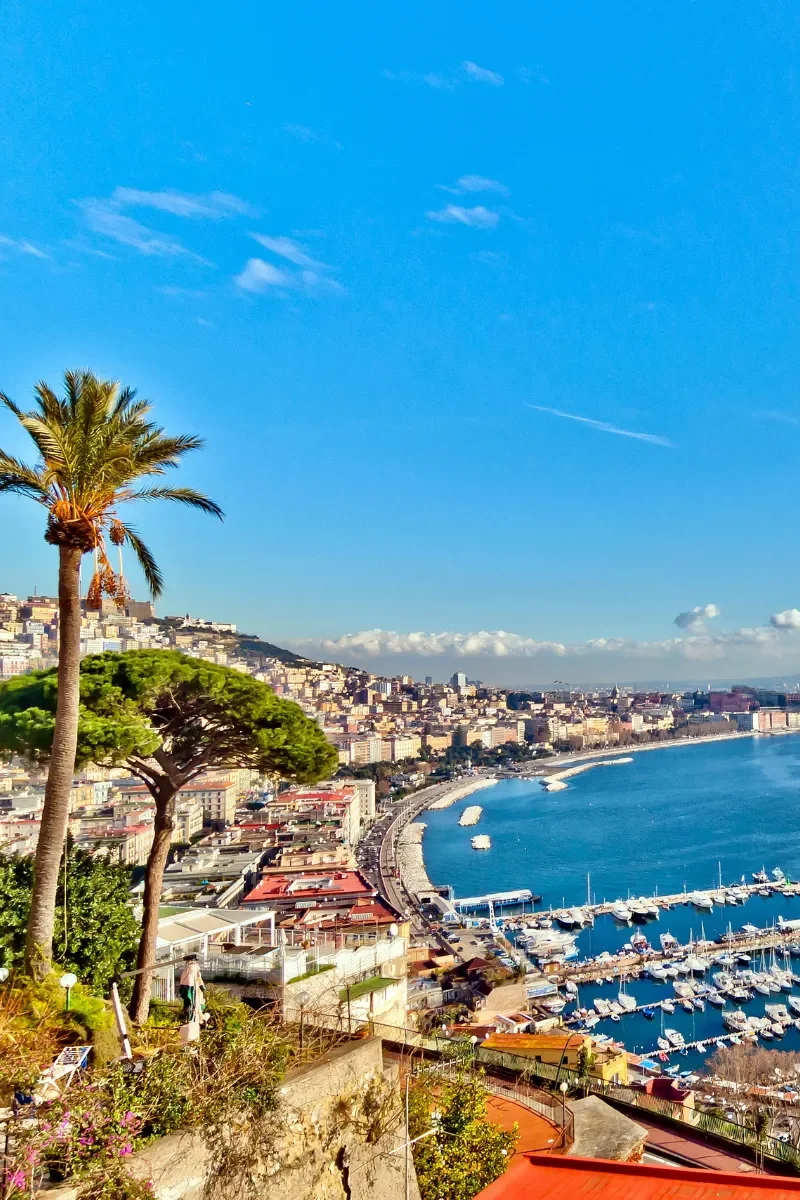
Italy: A Country Where Everything Is Regional
Ask an Italian where the best pasta, the best wine, or the best anything is, and you'll get an answer that starts with "well, where I'm from..." That's not evasiveness, it's the whole point. Italy as a unified nation-state is barely 165 years old, younger than the United States, and underneath that relatively recent political unity sits a patchwork of city-states, kingdoms, and regional identities that never fully dissolved into a single national culture. Venice doesn't cook like Naples. Turin doesn't sound like Palermo. And asking a Bolognese chef whether their ragù belongs on spaghetti will get you a response somewhere between a laugh and genuine offense.
I keep coming back to Italy because that regional stubbornness is exactly what makes it endlessly rewarding to travel through you can spend a lifetime here and still find a hill town, a pasta shape, or a local wine grape you'd never encountered before. This is your warm, thorough introduction to the place: the culture, the food, the people, and the cities, both the ones already on your list and the ones that probably should be.
A Country Built on Regions, Not One Culture
Before 1861, "Italy" was a geographic expression more than a political one, a peninsula of independent city-states, papal territories, and kingdoms, several of which had been global powers in their own right centuries before unification. That history didn't just vanish once the flag changed. Each region retained its own dialect (some linguists would call several of these separate languages entirely), its own cuisine, its own architectural character, and often its own quiet rivalry with its neighbors.
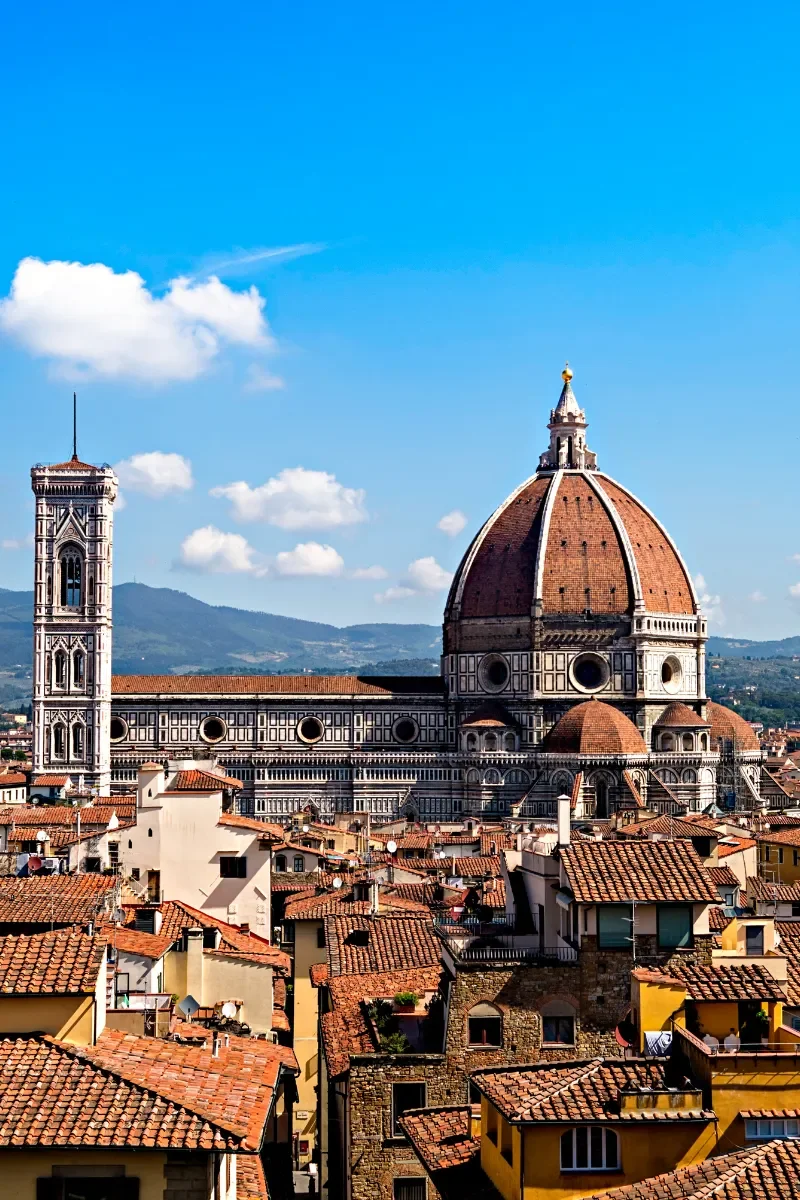
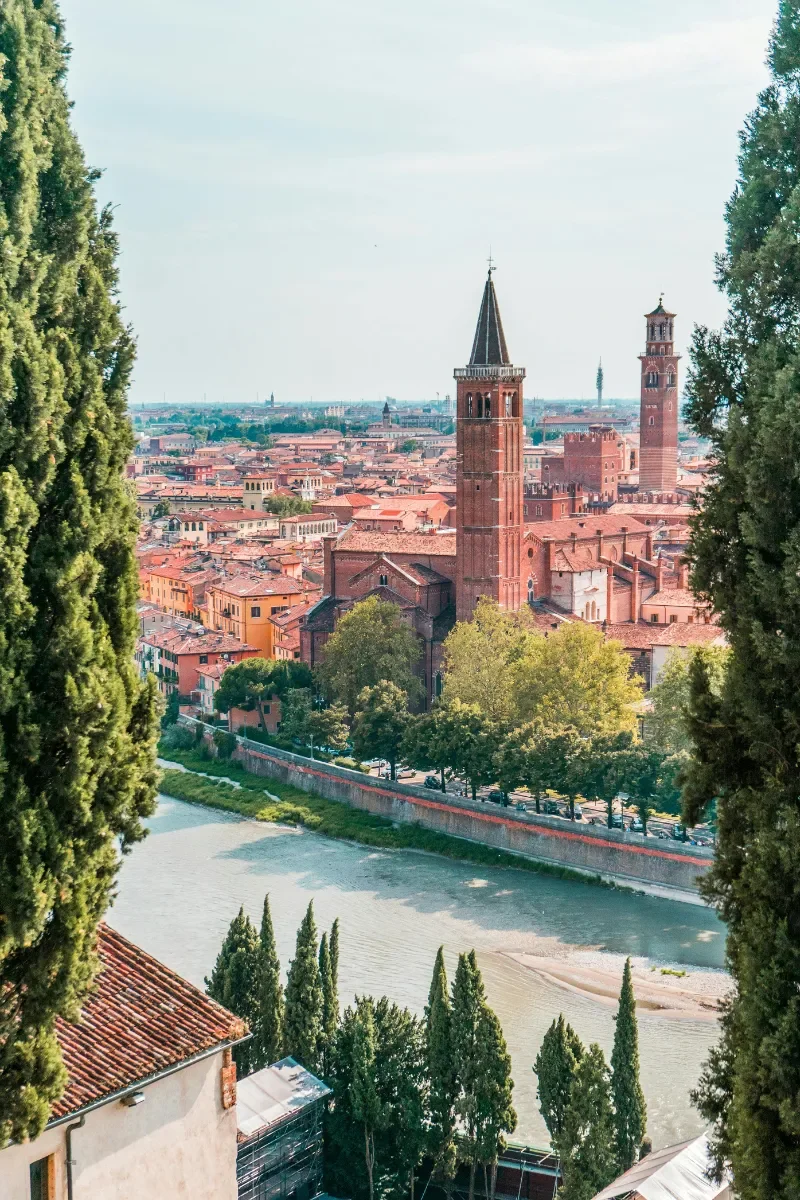
This matters for how you should actually experience the country. Treating "Italy" as a single destination and trying to hit Rome, Florence, Venice, and Milan in one frantic week will show you plenty of famous buildings, but it won't show you how different those cities' entire ways of life actually are from each other. Slowing down in one or two regions, rather than sprinting across the whole boot, tends to produce a much richer trip.
Food
Famous italian food
Food: Taken Seriously, Argued About Constantly
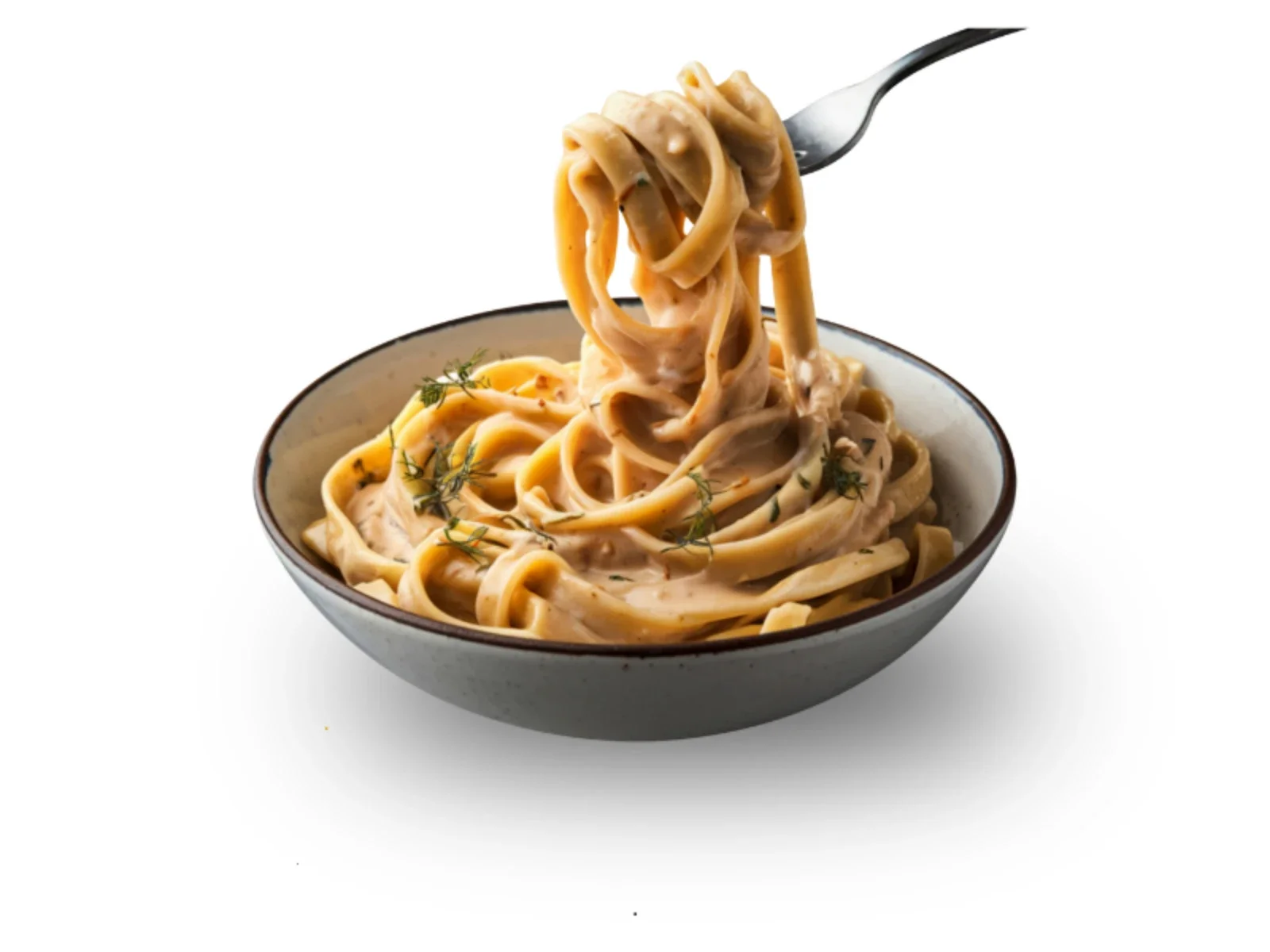
Italian food resists the flattening that's happened to it internationally, "Italian food" abroad is often a simplified, Americanized or generically European version of what's actually a deeply regional cuisine, where a dish can change completely just crossing from one province into the next.
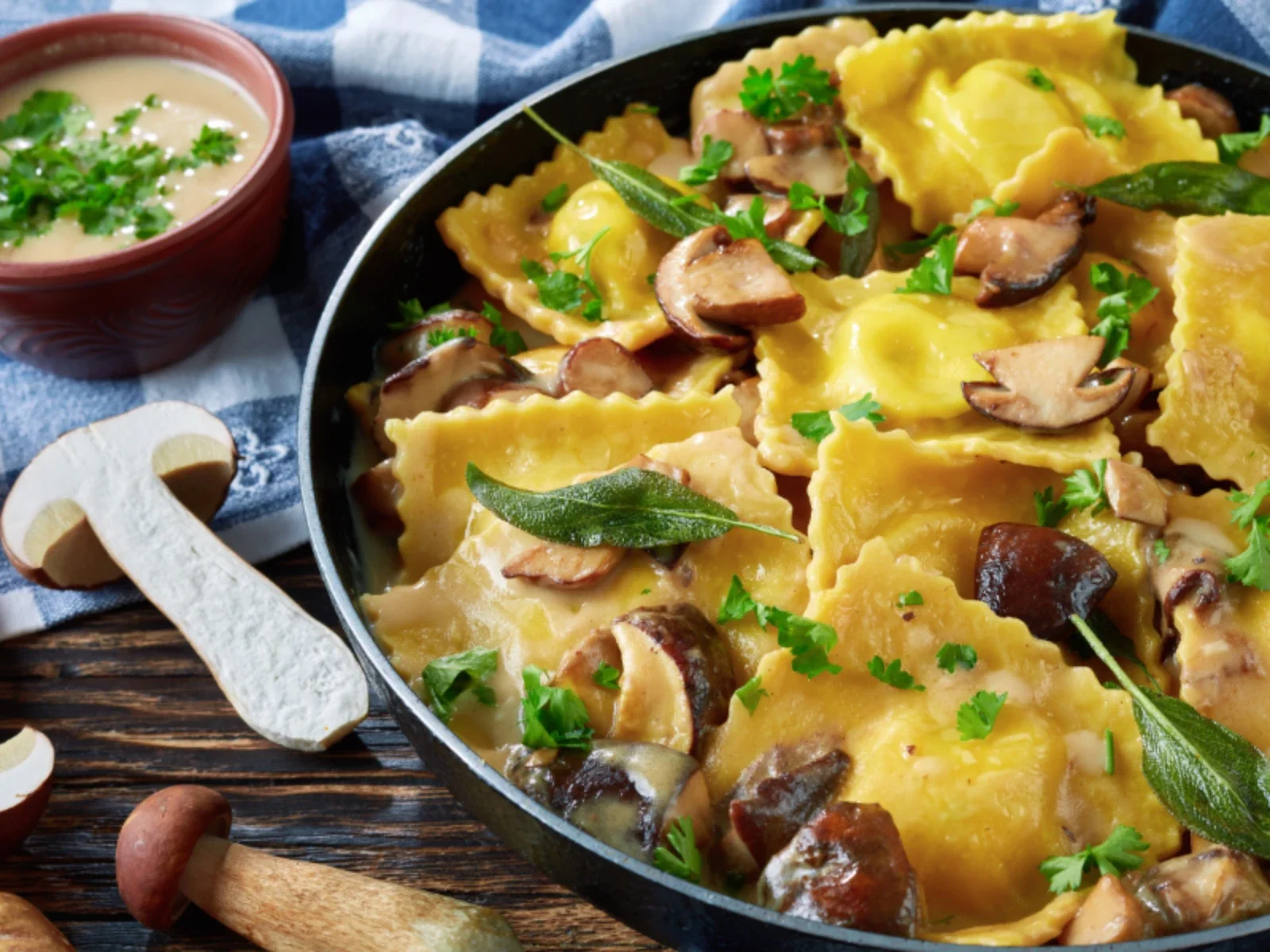
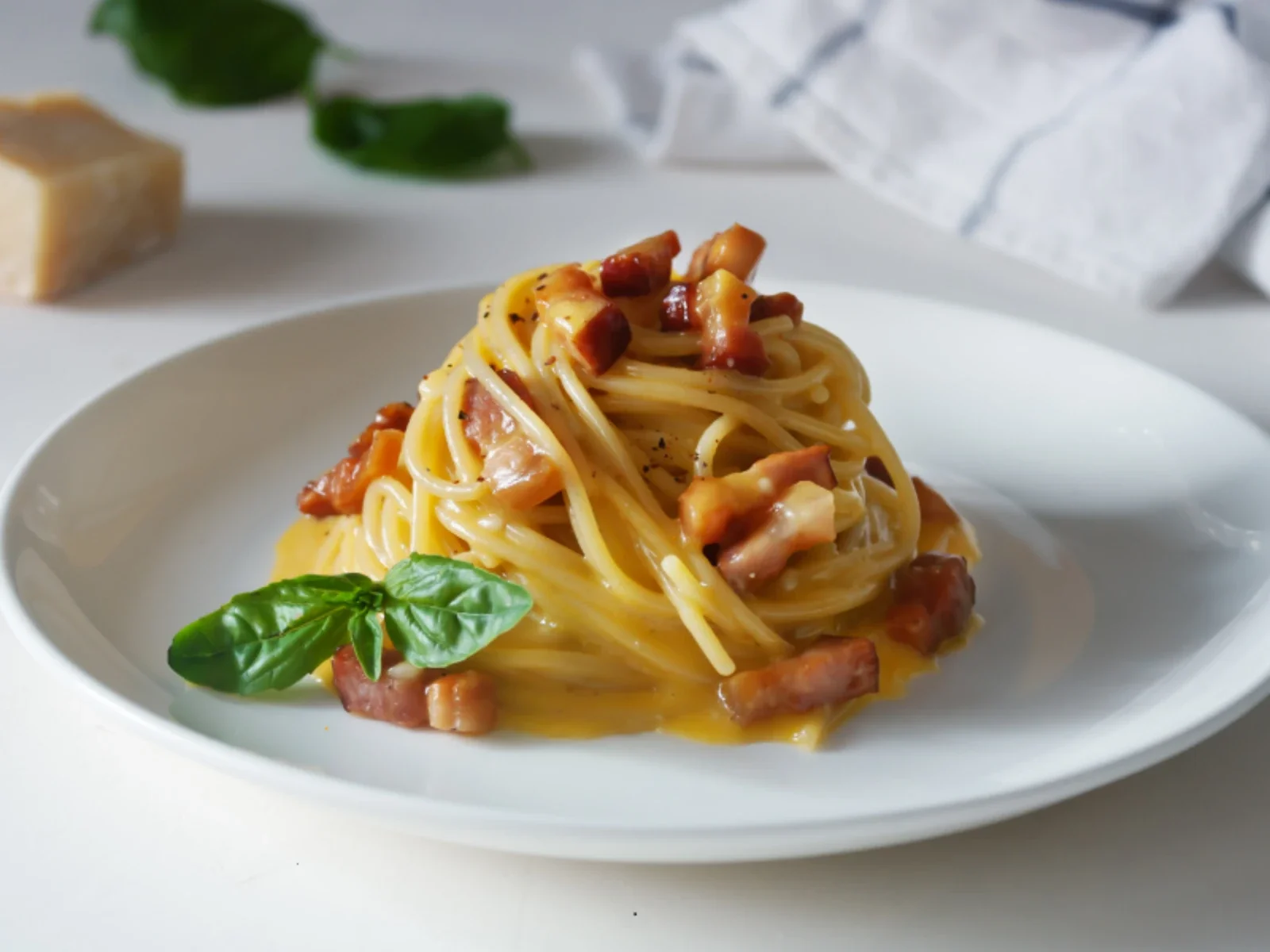
Pasta itself varies enormously by region and shape, each traditionally paired with specific sauces for specific reasons long, thin strands like spaghetti suit lighter, oil-based sauces, while ridged or tube shapes like rigatoni are built to hold thicker, chunkier ragùs. Carbonara, a Roman specialty made with guanciale, egg, pecorino, and black pepper (no cream, despite how it's often served abroad), and cacio e pepe, an almost impossibly simple Roman dish of pasta, pecorino, and black pepper, both showcase how a handful of quality ingredients, handled with real technique, can outperform something more elaborate.
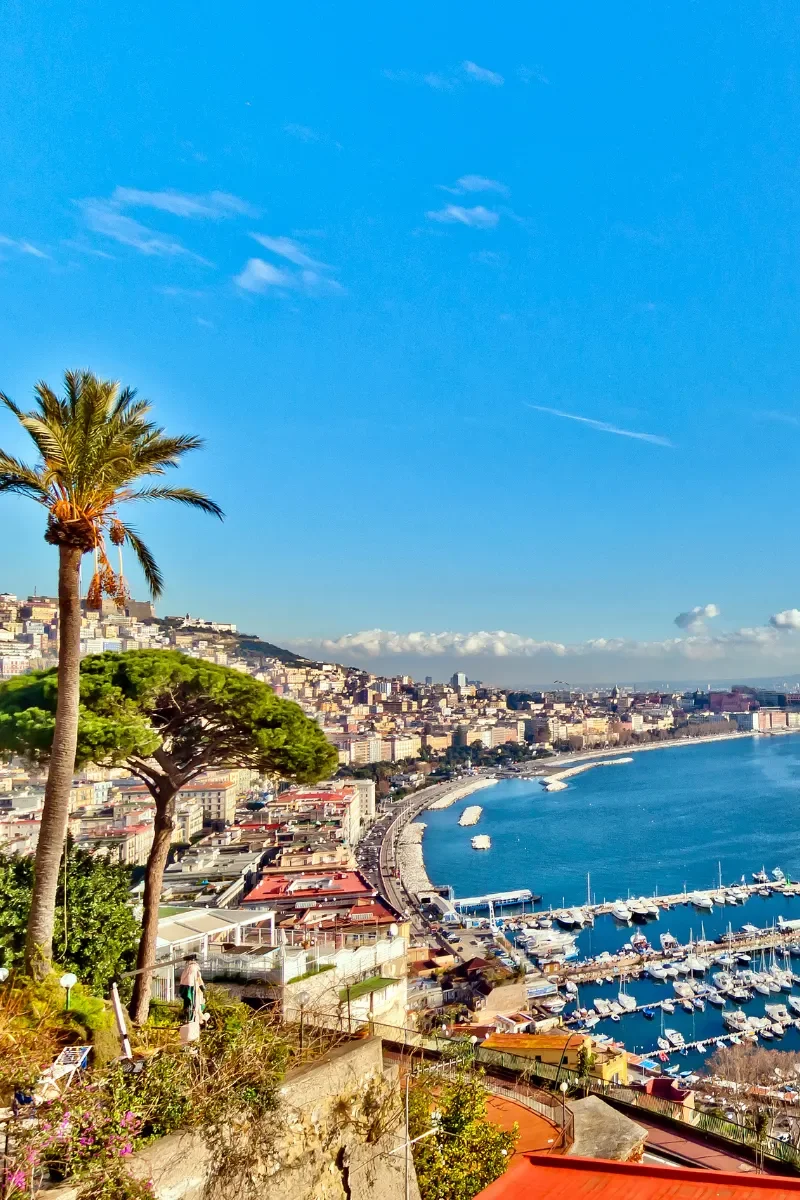
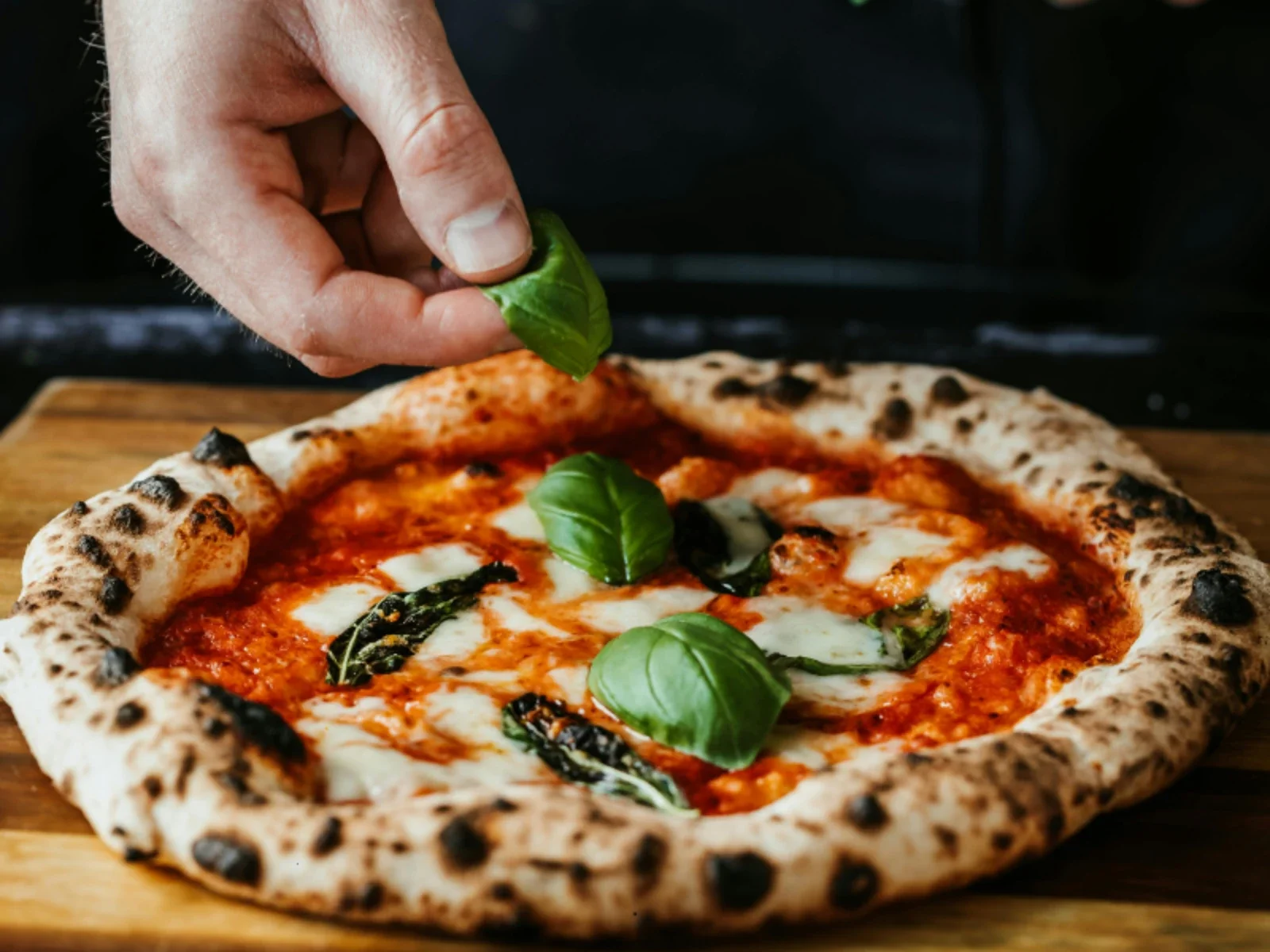
Pizza, born in Naples, is traditionally simple, a proper Neapolitan pizza margherita has a thin, slightly charred, pillowy crust, San Marzano tomatoes, buffalo mozzarella, and fresh basil, nothing more, and the difference between this and a mass-produced version elsewhere is genuinely dramatic.
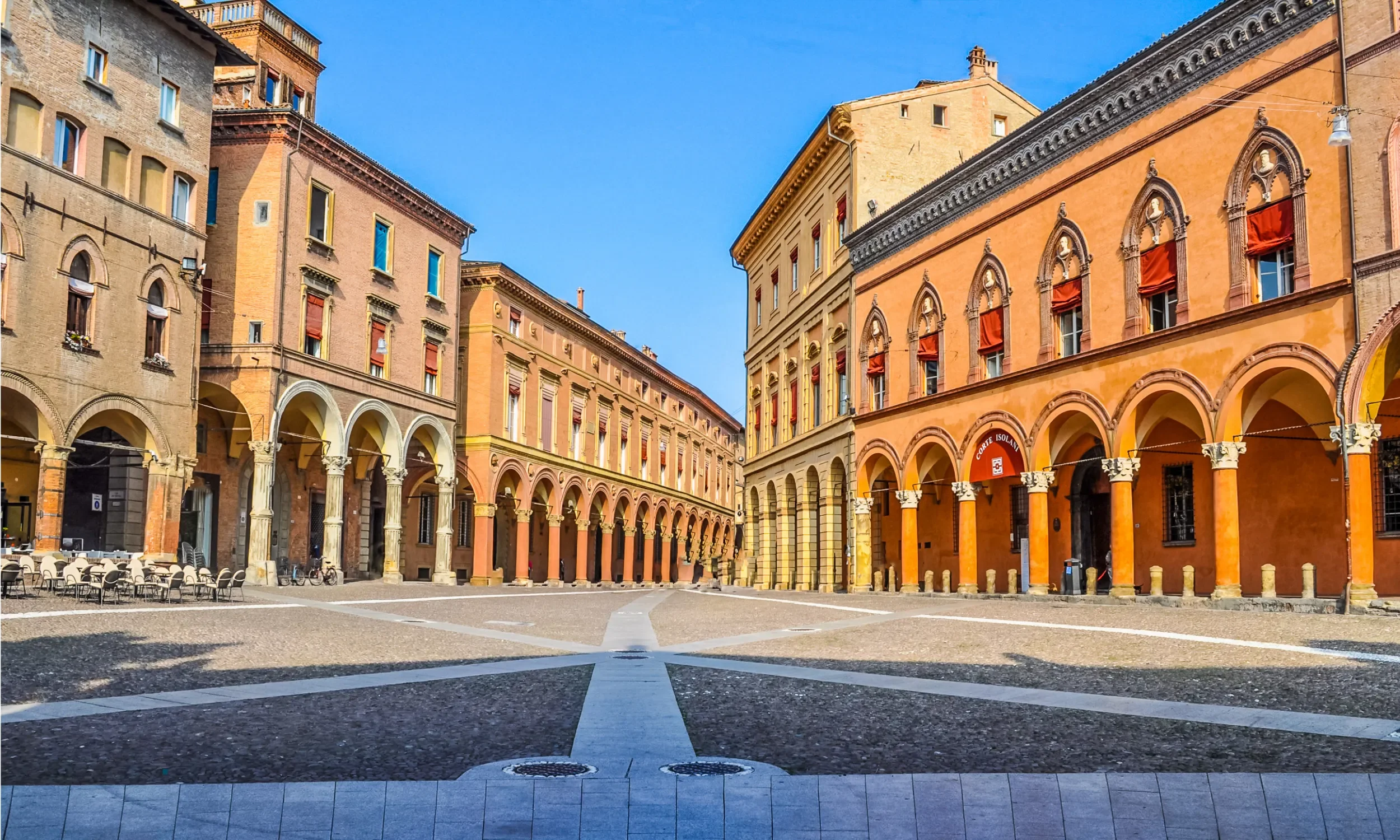
Regional specialties reward real exploration. Bologna and the wider Emilia-Romagna region are considered by many Italians themselves to be the country's culinary heart, home to Parmigiano-Reggiano, prosciutto di Parma, balsamic vinegar from Modena, and tagliatelle al ragù (Bologna's actual version of what's marketed abroad as "spaghetti bolognese," which locals will firmly tell you doesn't really exist). Sicily, shaped by centuries of Greek, Arab, Norman, and Spanish influence, offers a completely different culinary identity arancini, couscous in the western part of the island, and a sweet tooth built around cannoli and granita that reflects the island's Arab-era sugar and citrus cultivation.
Wine is inseparable from Italian food culture, and Italy produces an extraordinary range of it Tuscany's Chianti and Brunello, Piedmont's Barolo and Barbaresco, and countless smaller regional wines rarely exported abroad, worth seeking out specifically at a local trattoria rather than sticking to internationally recognized labels.
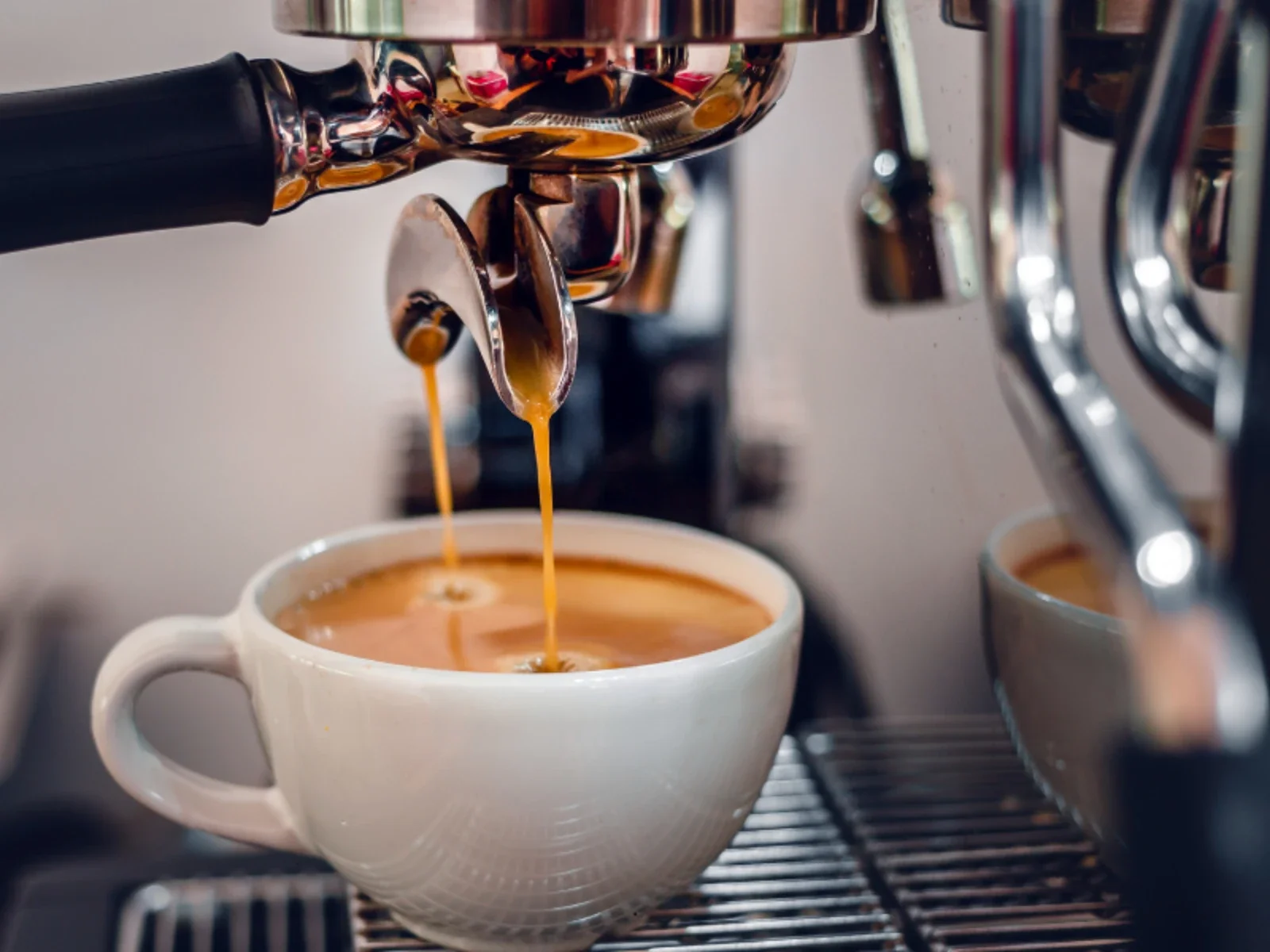
Espresso culture deserves its own mention, a proper Italian espresso is a quick, standing-at-the-bar ritual, not a slow sit-down experience, and ordering a "latte" in Italy will simply get you a glass of milk, since the word doesn't mean what it does abroad.
The People
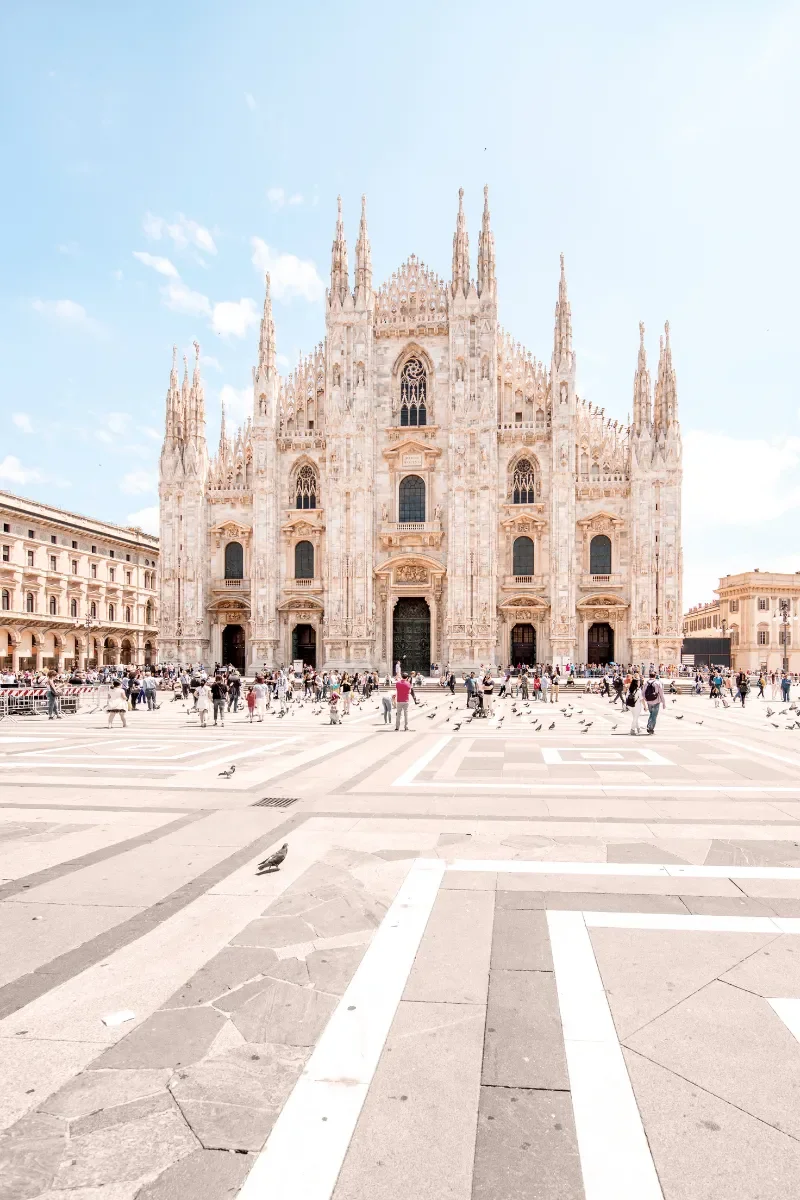
Italian daily life runs on a rhythm built around food and family, though that rhythm looks different depending on where you are Milan moves with a businesslike, northern European briskness that would surprise visitors expecting the languid pace of a Tuscan postcard, while towns further south generally hold onto a slower, more traditional daily structure, including an afternoon riposo (rest period) when many shops still close.
Meals are genuinely central to social life, not just sustenance, a family Sunday lunch can run for hours, and the strict, sometimes bewildering rules around when to eat what (cappuccino only before noon, never after a meal; no parmesan on seafood pasta) reflect a culture that takes food seriously enough to have real opinions about it, not pretension for its own sake.
Italians are also, as a general rule, warm and expressive in ways that can catch reserved visitors off guard animated conversation, physical closeness, and a willingness to argue passionately about relatively small things (the correct pasta shape for a given sauce, whether a particular bar makes a real espresso) are part of the charm rather than actual conflict. Family remains a deeply central institution, with multigenerational closeness still common even as younger generations increasingly move to bigger cities for work.
Regional pride runs deep, and it's worth being a little careful with generalizations, a Sicilian and a Milanese might both hold Italian passports, but they'll often describe genuinely different values, histories, and even senses of humor when talking about their own regions.
A Few Honest Tips
Meal times run later than many visitors expect, particularly dinner, which rarely starts before 7:30 or 8pm and often later further south. Learning a handful of basic Italian phrases goes a long way, even in the most touristed cities, and understanding a few food customs cappuccino is a morning drink, bread isn't served with olive oil for dipping in most of the country (that's more of an international, particularly American, restaurant custom), and asking for parmesan on a seafood pasta will raise eyebrows helps avoid a few small but avoidable friction points.
Visiting Italy?
your questions, answered
-
Italy is part of the Schengen Area, so it depends on your nationality. Many visitors — including from the US, UK, Canada, and Australia — can enter visa-free for short stays, while others need a Schengen visa arranged in advance. Requirements do shift, including the EU's upcoming ETIAS travel authorization for currently visa-exempt travelers, so check official EU or Italian consulate guidance before booking flights.
-
Most visa-exempt visitors can stay up to 90 days within any 180-day period across the entire Schengen Area, not just Italy. If your trip also includes other Schengen countries, those days all count against the same shared 90-day allowance
-
As a general Schengen-wide rule, your passport should be valid for at least 3 months beyond your planned departure date, and issued within the last 10 years.
-
Cards are widely accepted in cities, hotels, and most restaurants. That said, some small, family-run trattorias, markets, and rural towns still prefer cash, so carrying some euros is worthwhile. ATMs are easy to find throughout cities and tourist areas.
-
Tipping is modest and not obligatory. Rounding up or leaving a few euros for good service is appreciated, especially at nicer restaurants, but Italians themselves rarely tip heavily, and service is not expected to be subsidized by tips the way it is in the US.
-
It varies enormously by region and city. Milan, Venice, and central Rome or Florence run pricier, while southern regions like Puglia, Sicily, and much of the south generally offer noticeably better value for food and accommodation.
-
Italy's high-speed rail network (Frecciarossa and Italo) connects major cities like Rome, Florence, Milan, and Venice quickly and comfortably, and is generally the most efficient option. Regional trains and buses cover smaller towns the high-speed lines skip, often at a lower cost
-
Coperto is a small, standard cover charge (usually €1–3 per person) added at many Italian restaurants, covering bread and table service — it's not a scam or a mistake, just a normal part of dining out in most of the country. It's usually listed clearly on the menu
-
Italy is generally safe for travelers, with violent crime against tourists rare. Petty theft is the main thing to watch for — pickpocketing on crowded public transport and around major sights in Rome, Florence, and Naples, in particular. Keep bags zipped and in front of you in dense crowds, and check your government's current travel advisories for anything region-specific.
-
It's not a legal requirement for most nationalities, though it's worth checking current entry rules, since this has occasionally been discussed at the EU level. Regardless, travel insurance is strongly recommended for medical cover, trip delays, and lost luggage, as with any international trip.