
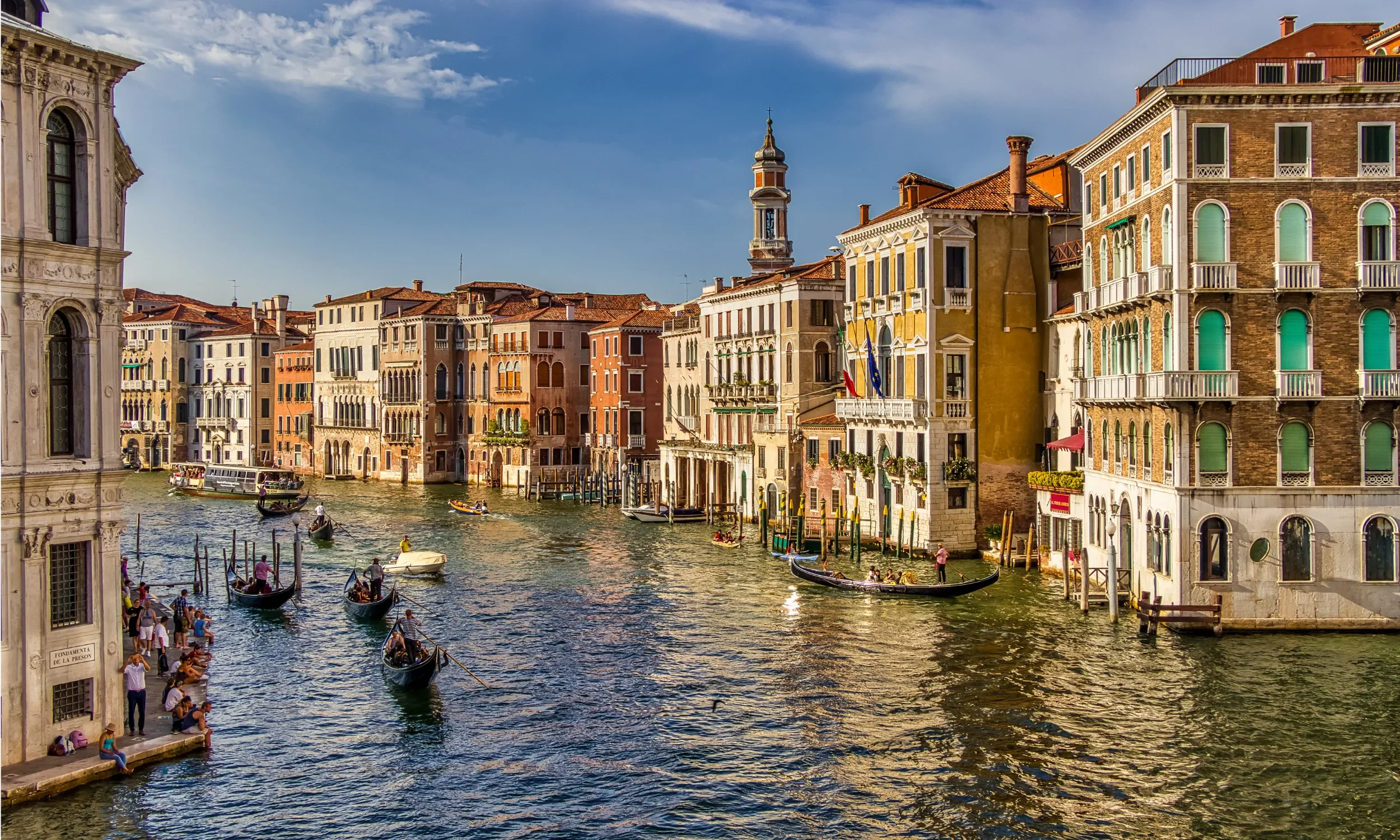
All what you need to know about Venice
vENİCE
The Ultimate Guide
Plan your trip to Venice





Venice: The Complete Guide to the City on Water
Venice doesn't really compare to anywhere else, which is part of why it's simultaneously one of the most photographed and most disorienting cities to actually visit. Built across more than a hundred small islands connected by bridges and canals, with boats instead of cars and water where the streets should be, it takes a bit of adjustment even for well-traveled visitors. This guide covers everything you need to plan a first trip to a city genuinely unlike any other.
Understanding Venice
Venice sits in a lagoon on Italy's northeastern coast, and its historic center is entirely car-free, everything moves by foot or by boat, from vaporetti (water buses) to gondolas to the delivery boats that supply the city's shops and restaurants. The city is divided into six historic districts (sestieri), with San Marco holding the most famous sights, and quieter, more residential areas like Cannaregio and Dorsoduro offering a calmer, more local alternative once you venture beyond the main tourist routes.
Beyond the main island, the surrounding lagoon holds smaller islands worth a day trip in their own right, each with a distinct character and craft tradition.
things to discover In venice
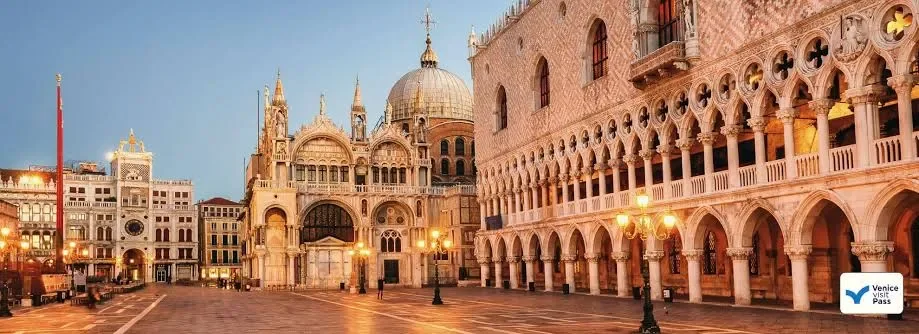
St. Mark's Square
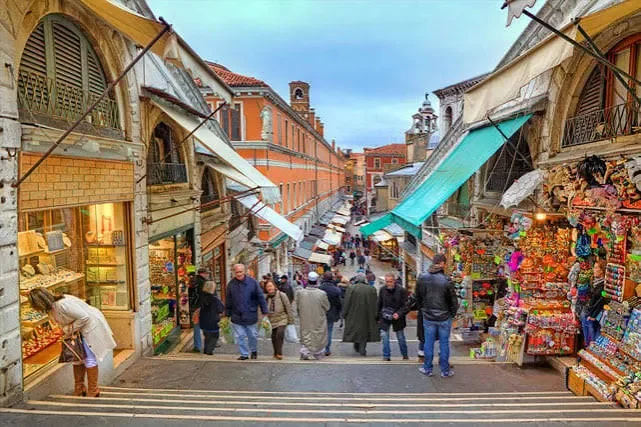
The Rialto Bridge and Market
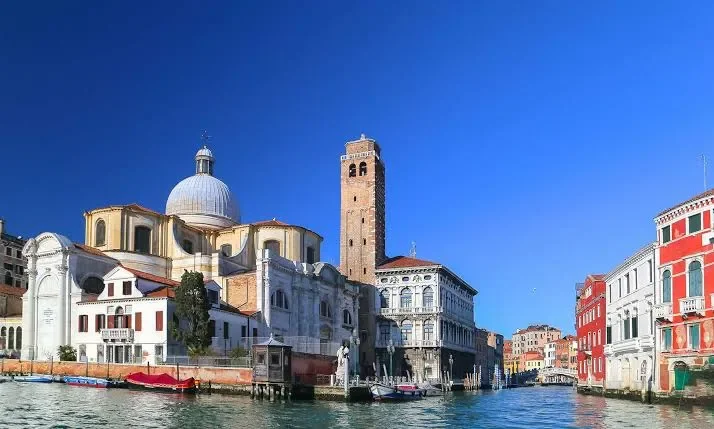
Cannaregio and Dorsoduro
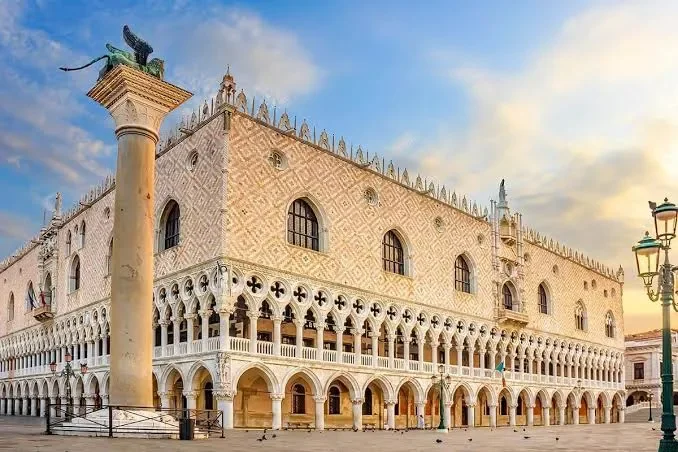
The Doge's Palace
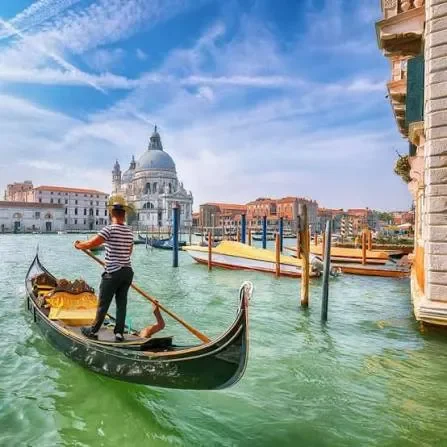
A gondola ride
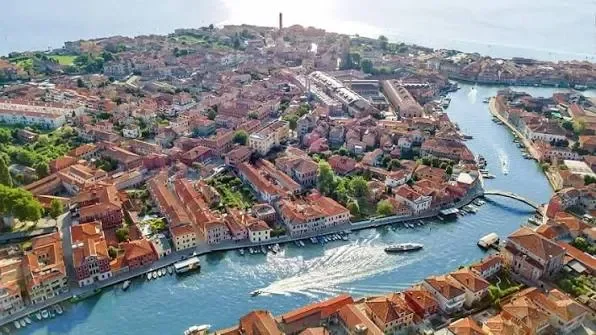
Murano
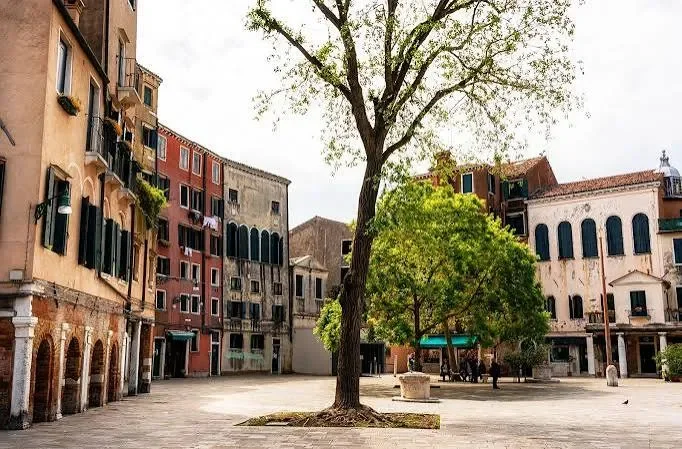
The Venetian Ghetto
our monthly Hotels pics
Accommodations under 200$\Night




attractions tickets
All Important Things To Know About Venice
What Venice Is Famous For
Venice is famous for being built on water, canals in place of streets, gondolas and vaporetti in place of cars, alongside St. Mark's Basilica's Byzantine-influenced architecture, the Doge's Palace, and centuries of history as a major maritime trading power connecting Europe with the East. It's also known for Murano glass, Burano lace, and Carnevale, its elaborate masked festival held each winter before Lent.
Food and Culture
Venetian cuisine, shaped by the city's lagoon setting and historical trade connections, differs from the pasta-and-tomato image many visitors expect from Italian food generally. Cicchetti, small bar snacks similar in spirit to Spanish tapas, are a genuine Venetian institution, order a few at a bacaro (traditional Venetian wine bar) alongside a glass of local wine, moving between several bars over an evening.
Risotto al nero di seppia (squid ink risotto), sarde in saor (sweet-and-sour marinated sardines), and baccalà mantecato (whipped salt cod, usually served on grilled polenta or bread) all reflect the city's deep connection to lagoon and Adriatic seafood.
Spritz, an aperitivo made with Aperol or Select (a Venetian bitter liqueur with a strong local following) and prosecco, is practically the city's unofficial drink, best enjoyed standing at a bacaro in the early evening alongside cicchetti.
Culturally, Venice's identity is deeply tied to its centuries as an independent maritime republic, and its ongoing relationship with the sea, including the increasingly serious issue of acqua alta (seasonal high-water flooding) remains a defining, practical part of daily Venetian life, not merely historical color.
Best Time to Visit
Spring (April–May) and autumn (September–October) offer comfortable weather with somewhat thinner crowds than peak summer. Summer is hot, humid, and extremely crowded, particularly around St. Mark's Square. Winter is quiet, atmospheric, and includes Carnevale in February, a genuinely spectacular time to visit if elaborate masked festivities and a real chance of acqua alta don't deter you.
Practical Tips for First-Time Visitors
Venice Marco Polo Airport connects to the city via water taxi, ferry, or bus to Piazzale Roma followed by a vaporetto, there is no direct road access into the historic center itself, which is entirely car-free.
Buy a multi-day vaporetto pass if you're staying more than a couple of days — individual tickets add up quickly, and the water buses are the primary means of getting around beyond walking.
Be prepared to get lost, Venice's street numbering and layout confound even GPS navigation at times, and this is genuinely part of the experience rather than something to stress over.
Check for acqua alta warnings if visiting in autumn or winter, seasonal high tides can flood St. Mark's Square and other low-lying areas, though the city has increasingly effective flood barriers and raised walkways for these occasions.
A Few Days That Actually Work
Three days suits most visitors well. Day one: St. Mark's Square, the Basilica, and the Doge's Palace, finishing with an evening cicchetti crawl through a few bacari. Day two: wandering Cannaregio and Dorsoduro, including the Venetian Ghetto, with a Grand Canal vaporetto ride at some point in the day. Day three: an island-hopping trip to Murano, Burano, and Torcello for a genuinely different, quieter side of the lagoon.