
Türkiye Travel Guide
Your Guide to Istanbul, Cappadocia & Beyond
Ankara


Turkish
lira

86M

UTC+3

Turkey: A Country That Refuses to Be One Thing
I get asked a lot, "So what's Turkey actually like?" And every time, I give a slightly different answer, because the honest truth is that Turkey isn't one country wearing one face. It's a country of hot air balloons drifting over moonlit rock formations, ferries crossing between two continents before breakfast, grandmothers rolling dough on riverside terraces, and coastlines so blue they look retouched even when they're not. Ask me on a Tuesday and I'll tell you it's about the tea. Ask me on a Friday and I'll tell you it's about the ruins. Both answers are true, and neither one is the whole story.
I've spent years living in and exploring this country, first as a travel agent sending other people here, and now as someone who gets to write about it for a living. And if there's one thing I've learned, it's that Turkey rewards curiosity. The famous sights absolutely deserve their fame. But some of my favorite memories here came from places most visitors never even hear about. So consider this your warm, slightly biased, thoroughly enthusiastic introduction to a country that has a way of getting under your skin.
Why Turkey, Really?
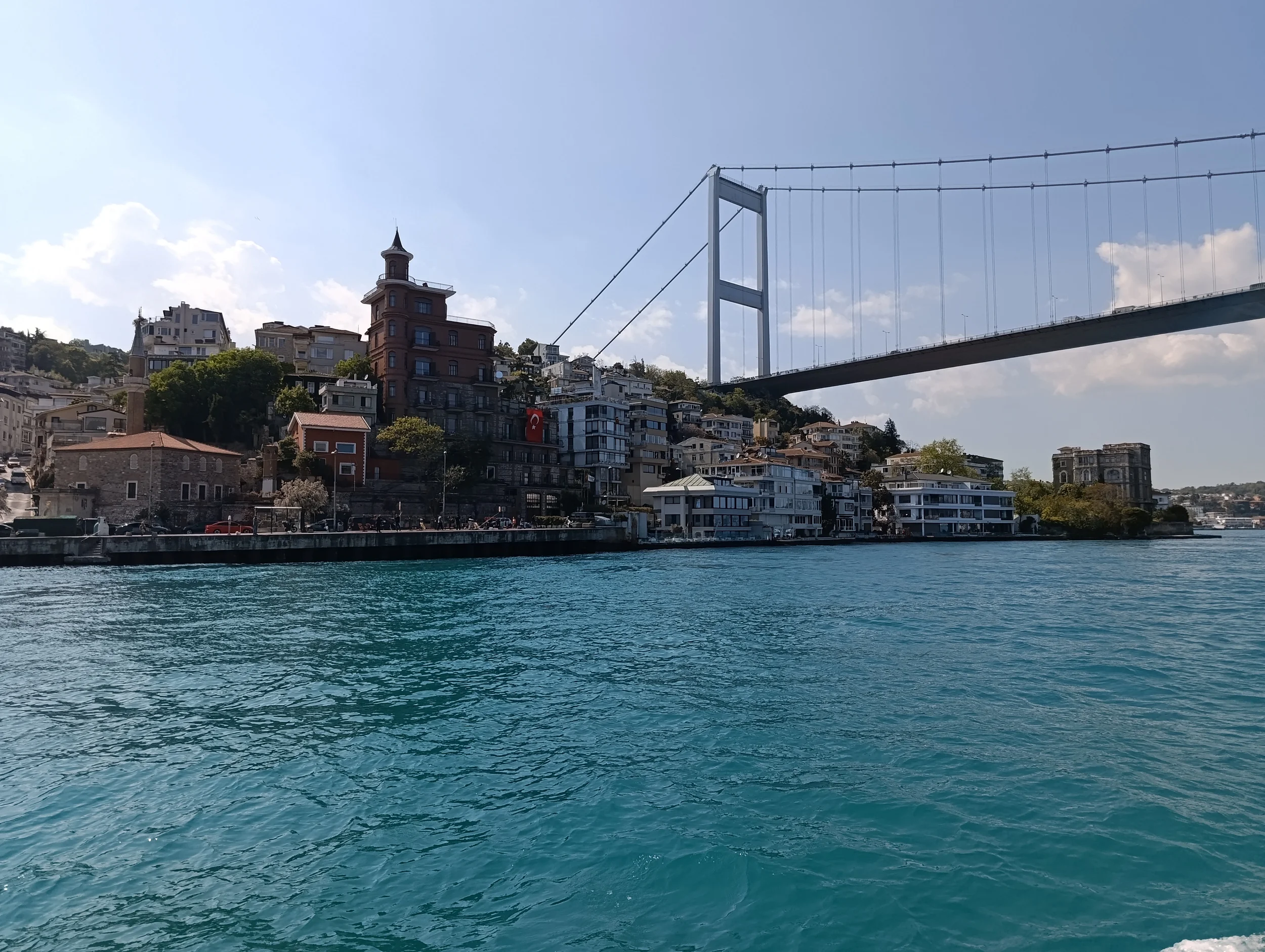
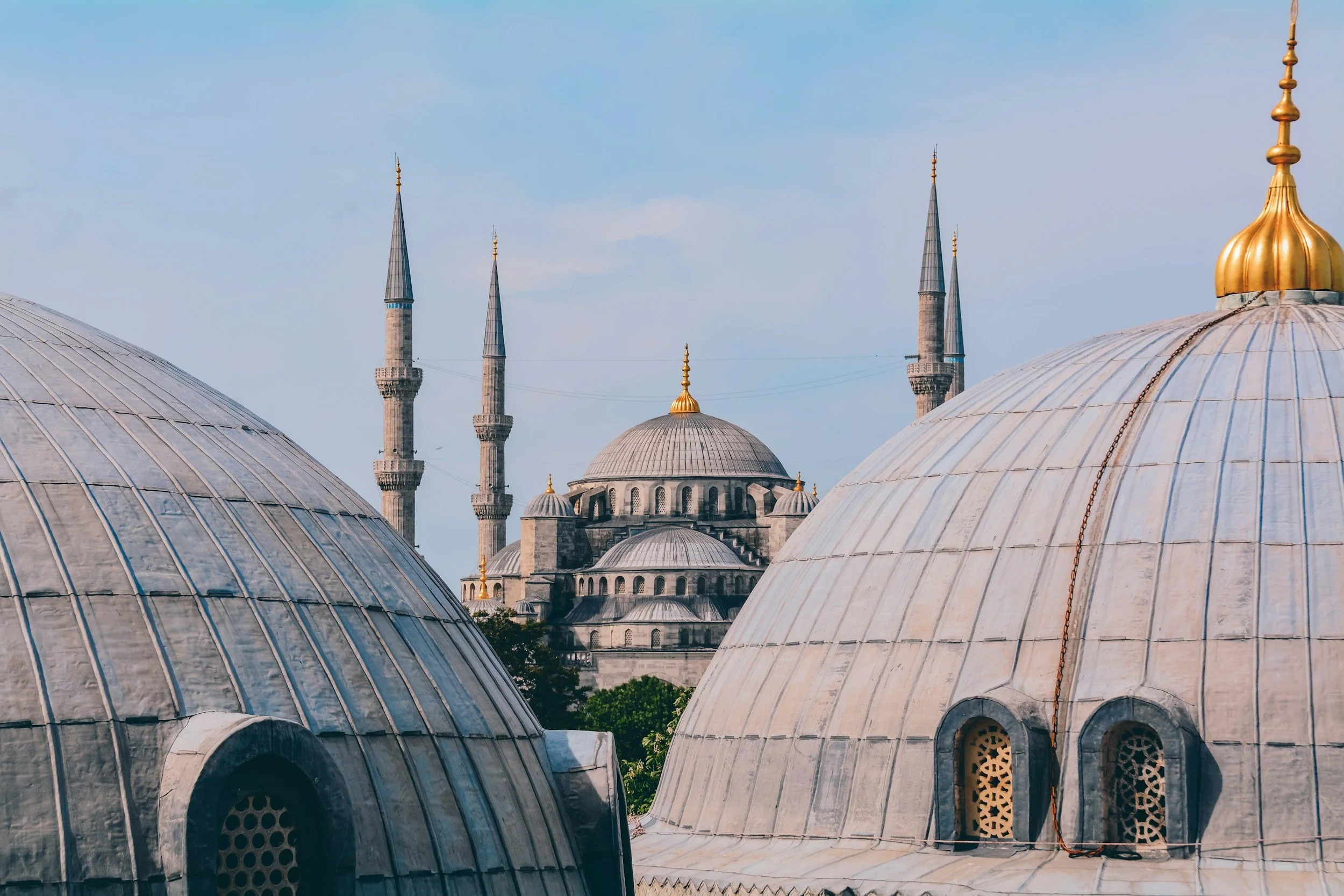
Part of what makes Turkey so compelling is its geography, literally. It's the only country on earth that straddles two continents, with Istanbul physically split between Europe and Asia by the Bosphorus Strait. That in-between-ness isn't just a geography trivia fact, either. It shows up in the architecture, the food, the music, the way people talk about their own identity. Turkey has been Byzantine, Roman, Ottoman, and modern Republic all in the same handful of city blocks, sometimes in the same building. Walk through Istanbul's old town and you'll pass a church that became a mosque that's now a museum that's a mosque again, all without leaving one square.
Then there's the sheer size and range of the place. Turkey is enormous, bigger than most people picture, which means a beach holiday on the Aegean coast and a hike through misty Black Sea tea plantations can both happen in the same country, sometimes even the same week if you're ambitious. You can go from snow-capped mountains to travertine hot springs to underground cities carved by early Christians, and the landscape keeps reinventing itself along the way.
And underneath all of that geography is something harder to put into words: a genuine, unhurried warmth. Turkish hospitality isn't a marketing slogan, it's a lived value. You'll be offered tea more times in a single afternoon than seems statistically reasonable, and turning it down repeatedly can feel almost rude. There's a word for it, misafirperverlik, and it roughly translates to "the love of guests." Once you've experienced it, you understand why it needed its own word.
One practical note before we go further, because it changes how a trip actually feels: timing matters here more than people expect. Spring and autumn, April through May, and again September through October, are, in my biased opinion, the sweet spot. The summer heat across the interior and southeast can be intense, the coastal resorts get genuinely crowded in July and August, and Istanbul in particular is far more pleasant to walk around when the temperature isn't pushing forty degrees. Shoulder season gives you softer light for photos, thinner crowds at the big sights, and locals who have a little more time and patience for a conversation. It's not a rule, exactly, more a strong suggestion from someone who has done both.
Food
Famous Turkish food
I could write ten thousand words on Turkish food alone and still leave things out, so let's hit the essentials.
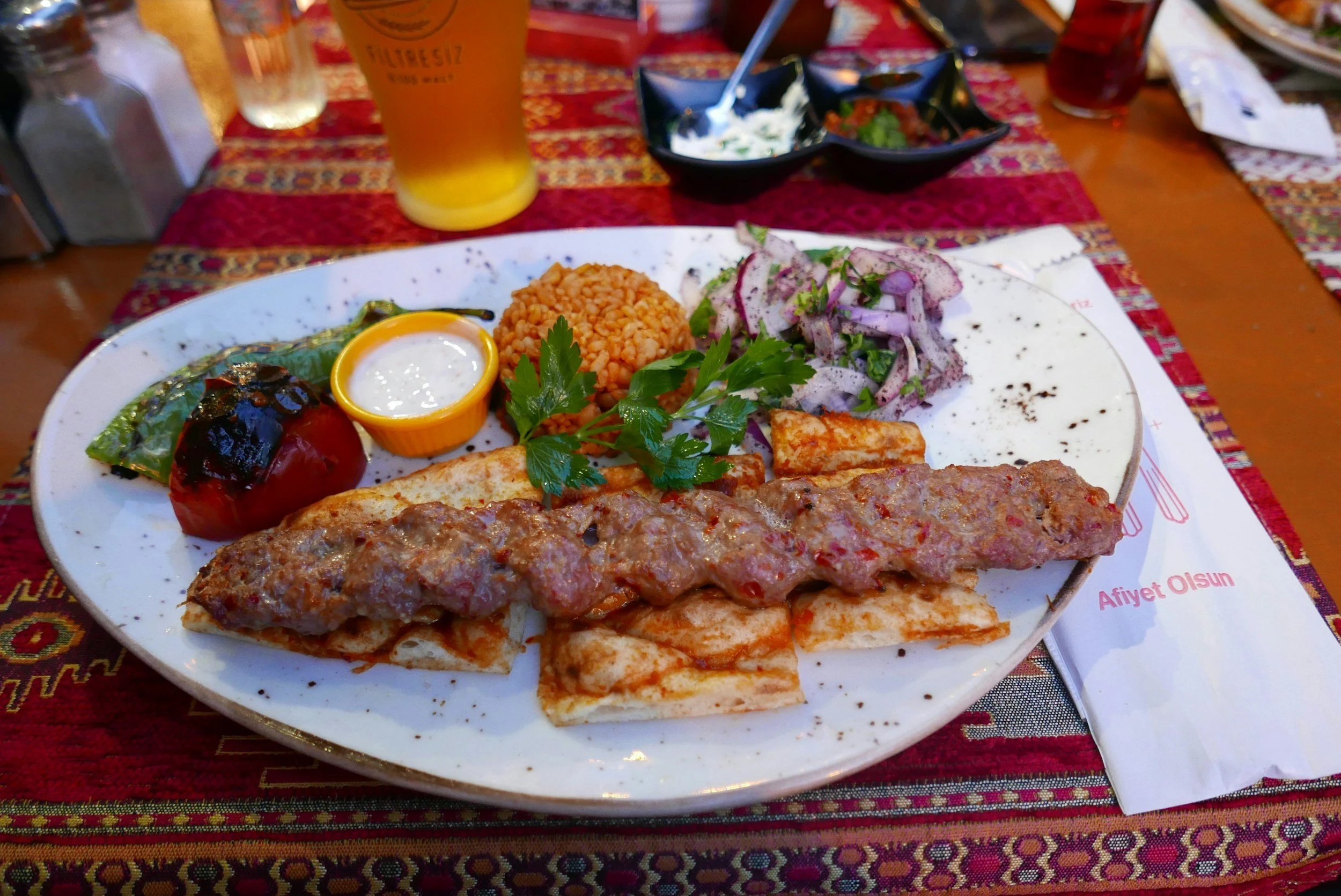
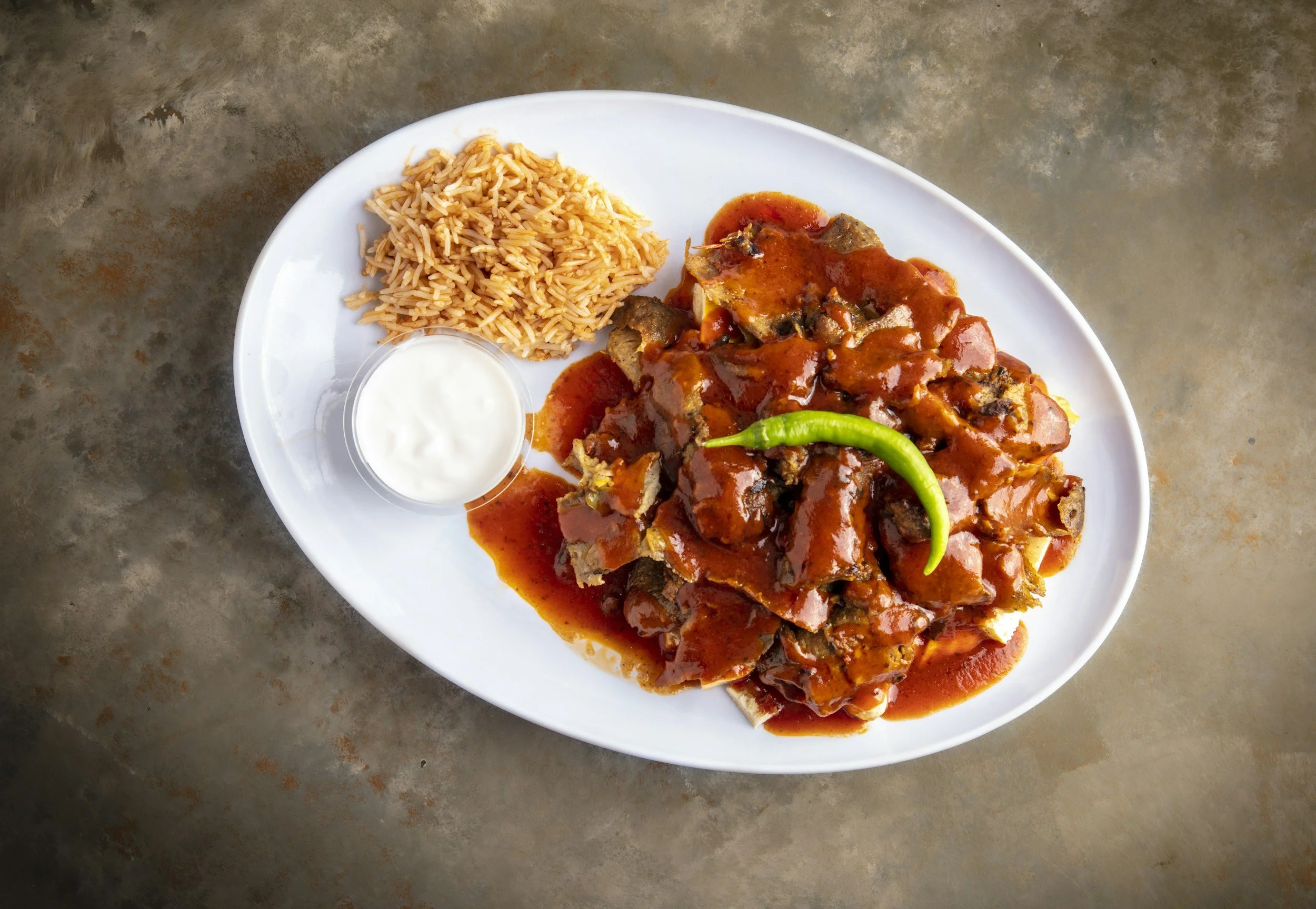
Start with kebab, but understand it's not one dish, it's an entire universe. Adana kebab is spiced, hand-minced meat grilled over charcoal, named for the southern city where it originated. Döner, the one most people know internationally, is meat stacked and slow-roasted on a vertical spit. Then there's testi kebab in Cappadocia, cooked inside a sealed clay pot and cracked open dramatically at the table, and İskender kebab, thin-sliced meat over pita with tomato sauce and browned butter, invented in Bursa. Every region has an opinion about whose kebab is correct, and honestly, they're all right.
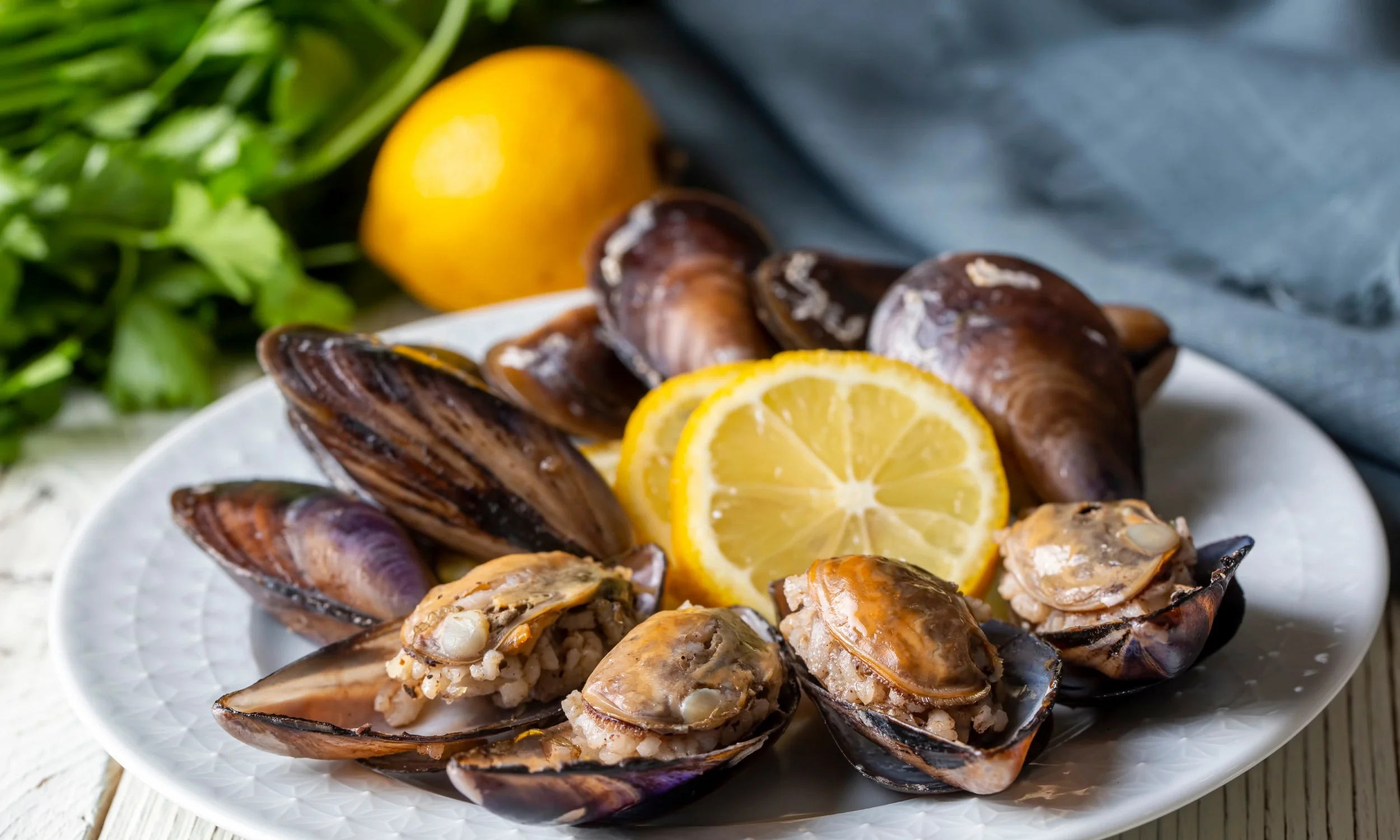
Meze deserves its own paragraph too, small shared plates, usually vegetable-forward, that show up before a main course and often become the meal themselves if you order enough of them. Pair that with rakı, Turkey's aniseed spirit, traditionally diluted with water until it turns a cloudy white, and you've got the backbone of a proper long Turkish dinner, the kind that starts at eight and doesn't really end until midnight.
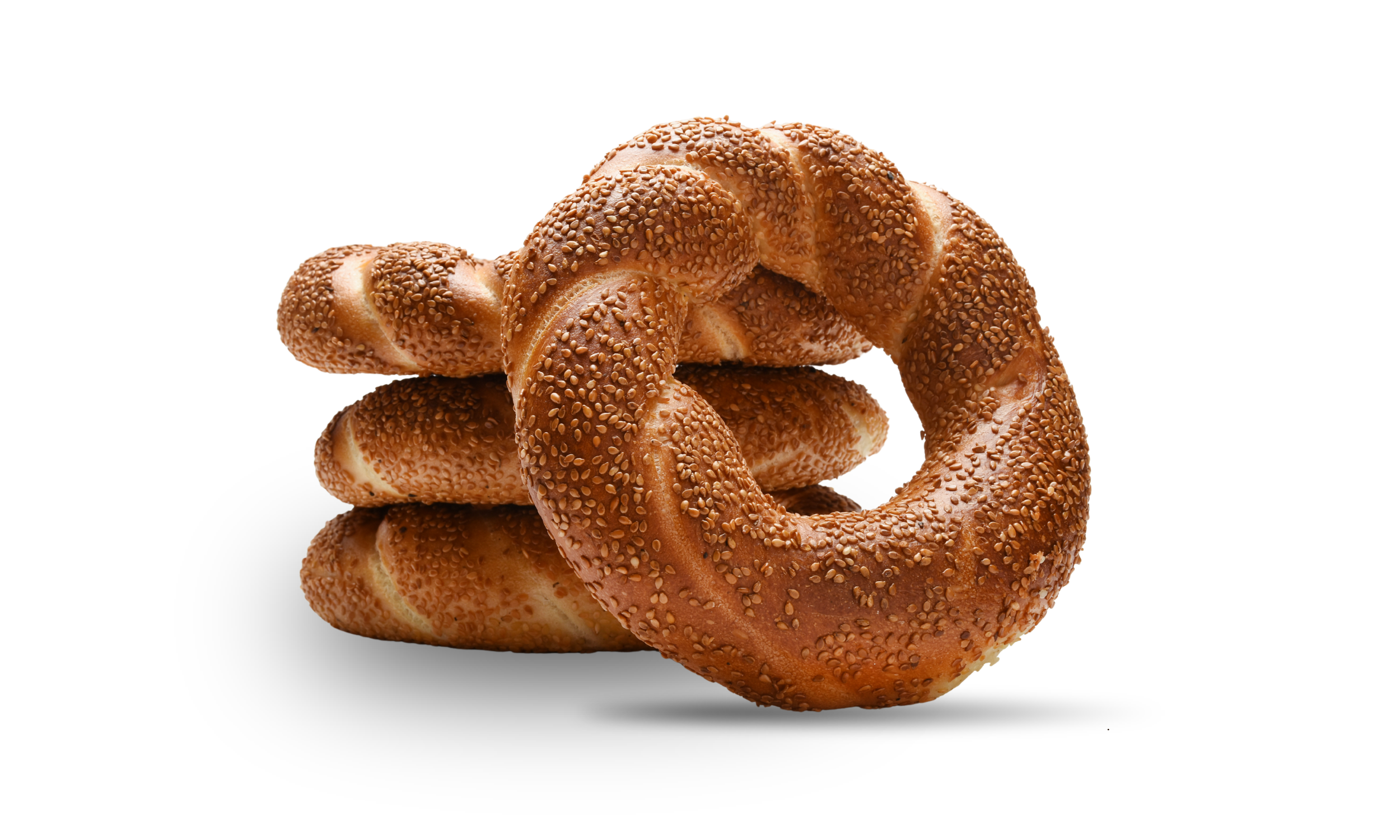
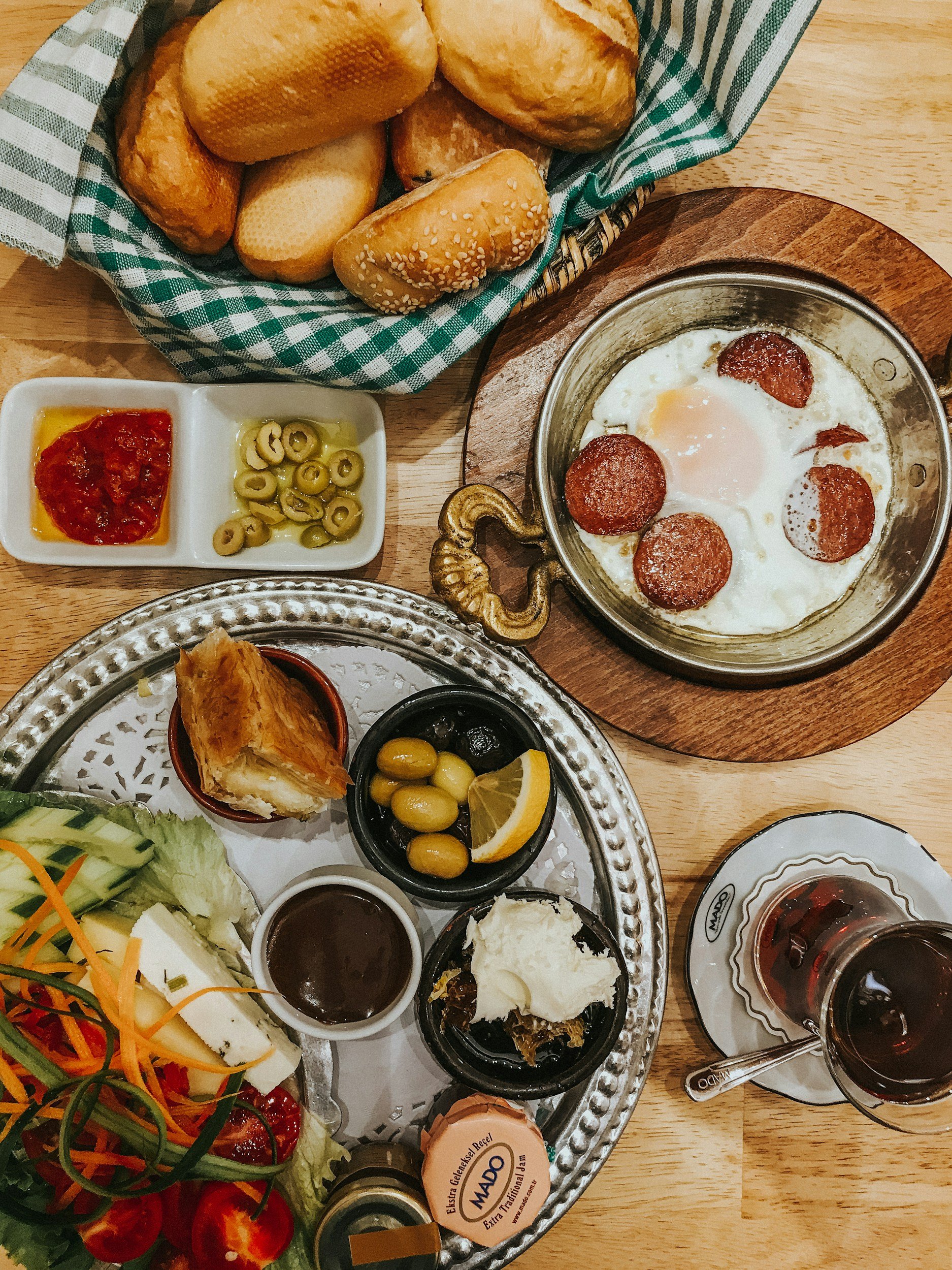
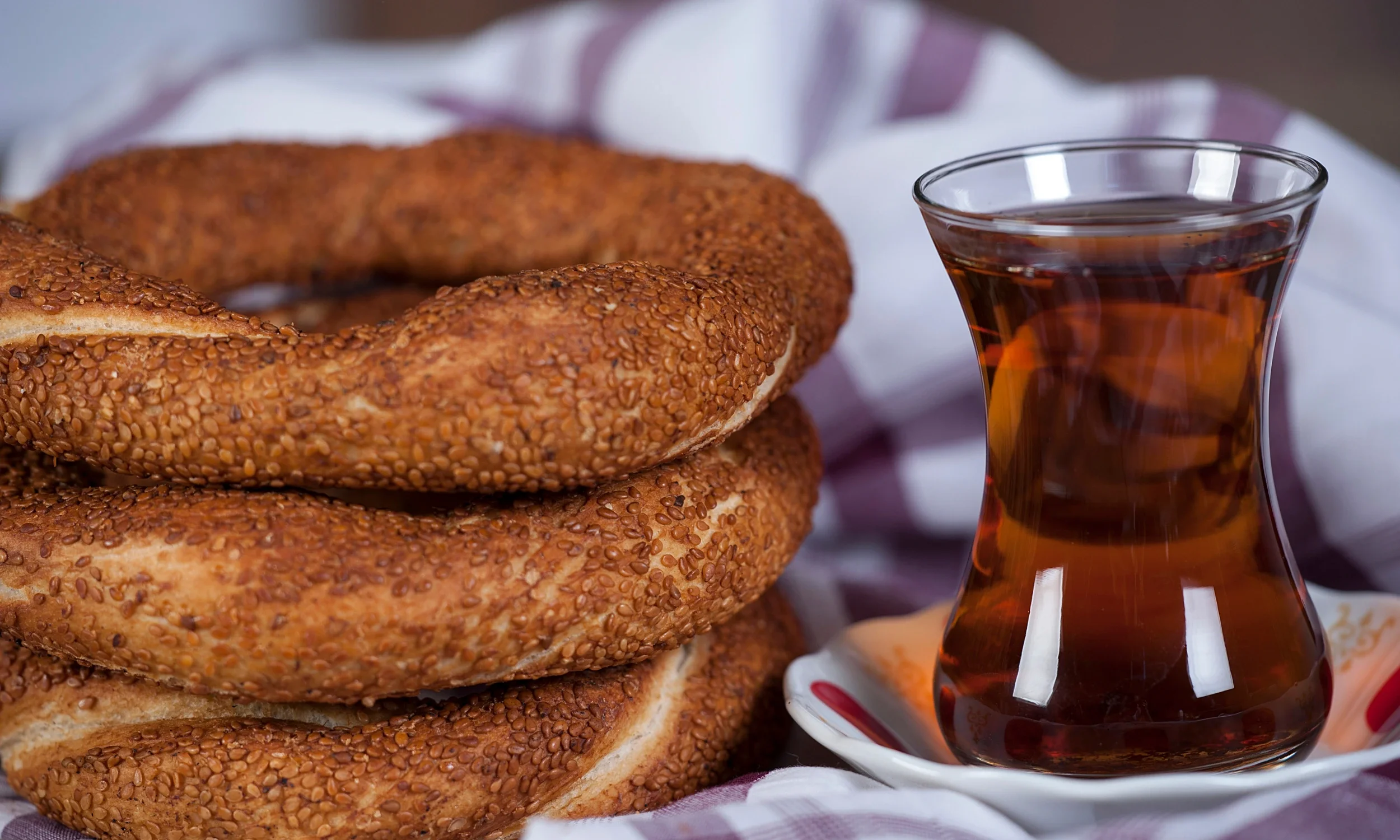
Breakfast in Turkey is its own institution. A proper Turkish breakfast spread includes an overwhelming number of small plates: several cheeses, olives, honey, jams, eggs cooked simply, cucumber and tomato, and always, always fresh bread or a sesame-crusted simit ring. It's not a meal you rush. It's a meal you sit with for two hours on a Sunday while the tea keeps getting refilled.
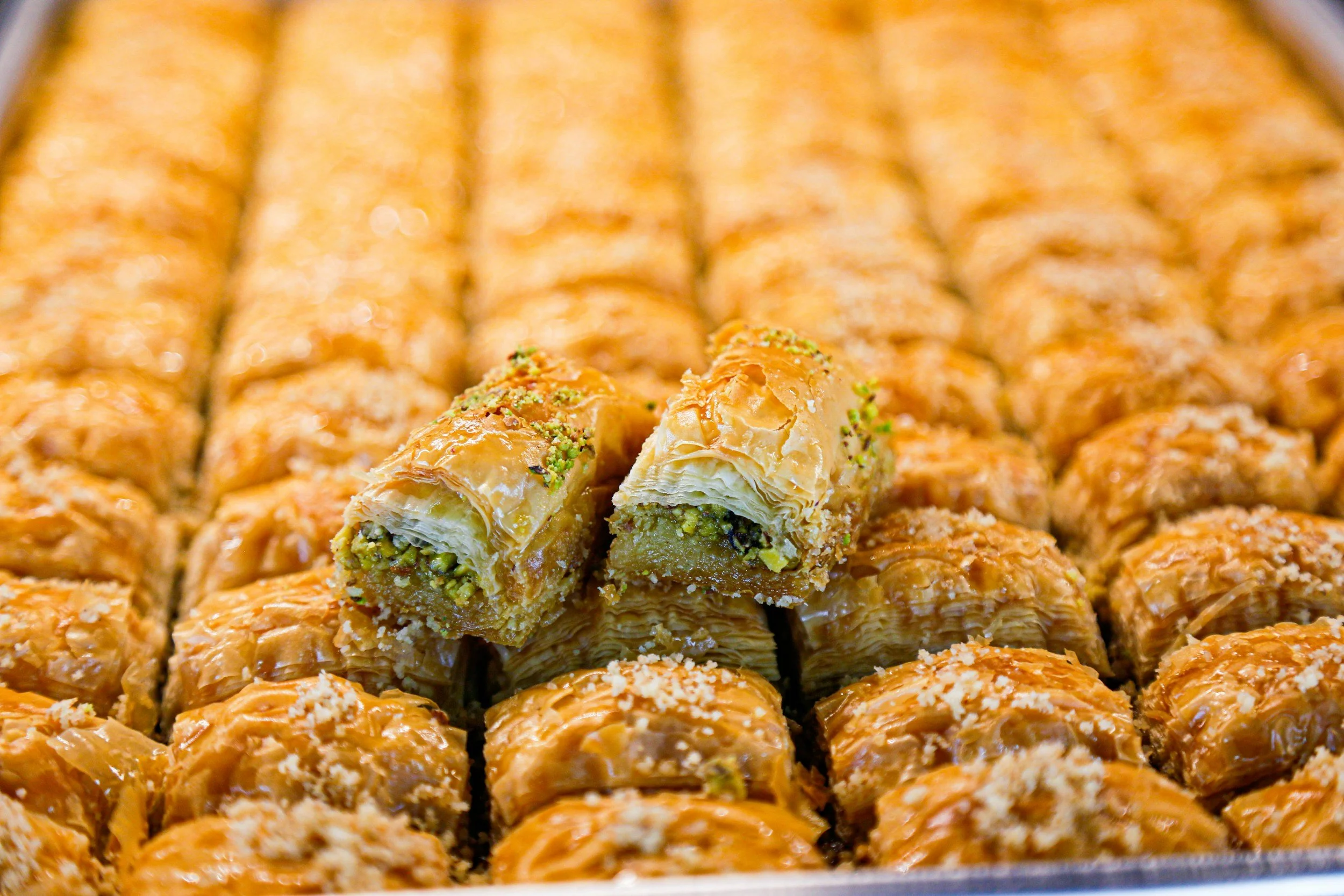
For something sweet, baklava is the obvious answer, and Gaziantep, in the country's southeast, is widely considered its spiritual home, layers of paper-thin filo, chopped pistachio, soaked in syrup until it's almost too much and somehow still not enough. If you want something warm and stretchy instead, look for künefe, shredded pastry with melted cheese in the middle and syrup on top, best eaten hot, ideally right before a dessert shop is about to close for the night.
And I'd be doing you a disservice if I didn't mention gözleme, thin flatbread folded around cheese, spinach, or potato and cooked on a griddle, usually made by someone's grandmother at a roadside stall who has clearly done this ten thousand times before and will not accept your compliments even though they are extremely deserved.
turkish cuisine
A Culture Built on Layers
If you want to understand Turkish culture, start with tea, not coffee. I know Turkish coffee gets all the postcard fame, thick and unfiltered with your fortune supposedly readable in the leftover grounds, and it's wonderful, don't get me wrong. But it's tea, çay that runs the actual day-to-day rhythm of the country. It's offered in shops before you've even said what you're looking for, poured at business meetings, served after every meal in small tulip-shaped glasses. Learning to simply accept a glass, even if you only take a sip, is one of the easiest and most genuine ways to connect with people here.
Then there's the hammam, the traditional Turkish bathhouse, which has been part of daily life since Ottoman times. A proper hammam visit involves a hot steam room, a vigorous soap-and-scrub down from an attendant who does not believe in half measures, and afterwards, a kind of loose-limbed calm that no spa treatment back home has ever quite replicated. It's touristy in some cities now, sure, but the ritual itself is centuries old and still deeply woven into local life, especially around religious holidays and before weddings.
You'll also notice the nazar boncuğu almost immediately, that blue-and-white glass eye hanging in doorways, dangling from bracelets, stitched onto baby clothes. It's meant to ward off envy and bad luck, and whether or not you believe in that kind of thing, it's hard not to love how present the tradition still is. It shows up on everything from ceramics to keychains, which makes it one of the more meaningful souvenirs you can bring home, as opposed to, say, a magnet.
And then there's the call to prayer, echoing out five times a day from minarets across the country. Even if you're not religious, there's something worth pausing for in that sound, especially at sunset in Istanbul, when it drifts across the rooftops from multiple mosques at slightly different times, layering over itself like an accidental choir. It's one of those small moments that ends up in nearly everyone's trip journal.
If you find yourself in a bazaar, and you will, know that bargaining is expected, not rude. In places like Istanbul's Grand Bazaar, haggling is part of the social choreography, done with a lot of humour and eye contact rather than pressure tactics. Fixed-price shops and malls are a different story, but in the bazaars, a good-natured back and forth over price is basically part of the entertainment.
The Cities Everyone Talks About
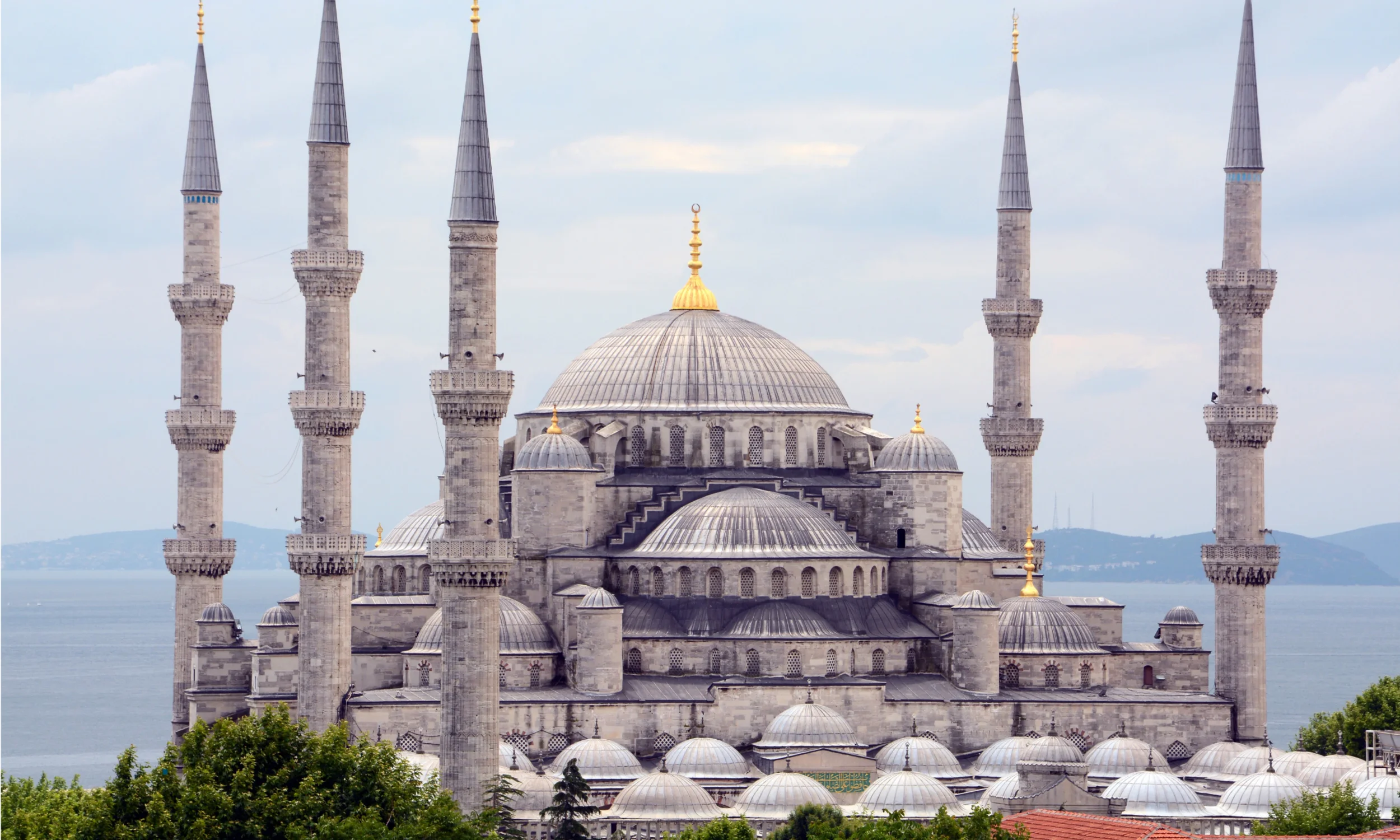
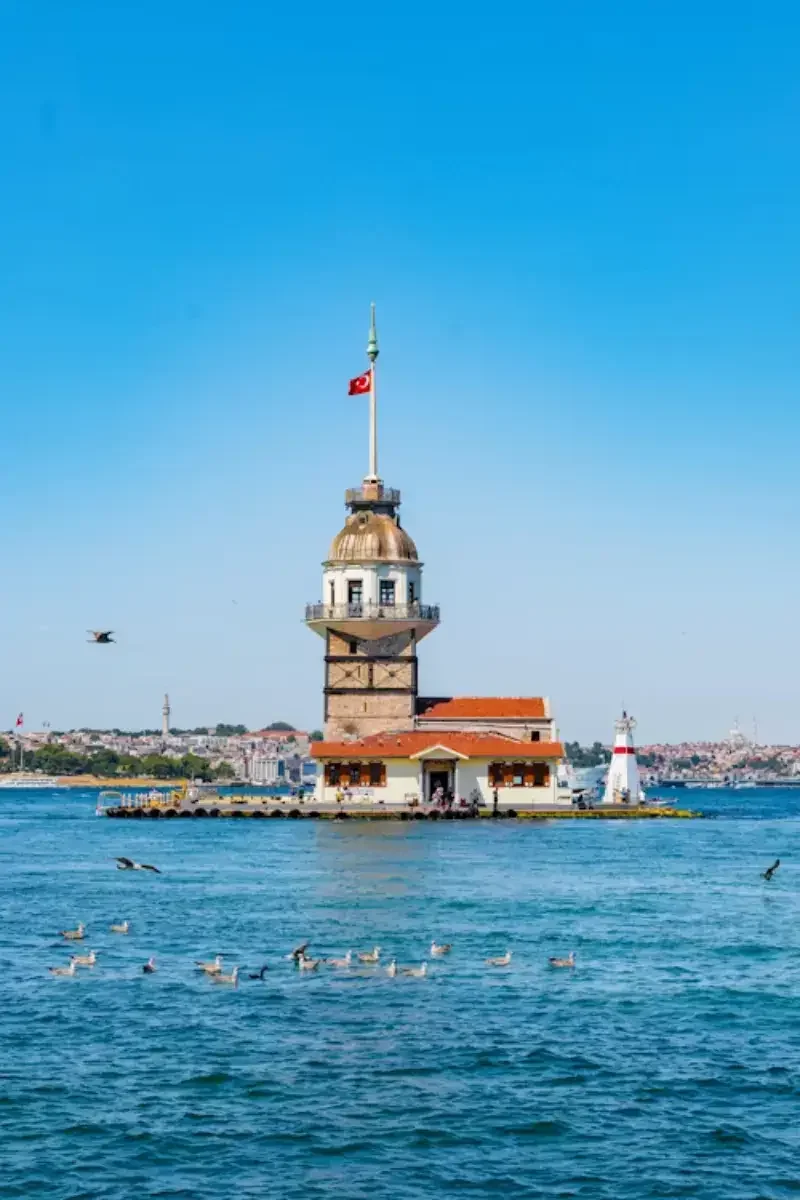
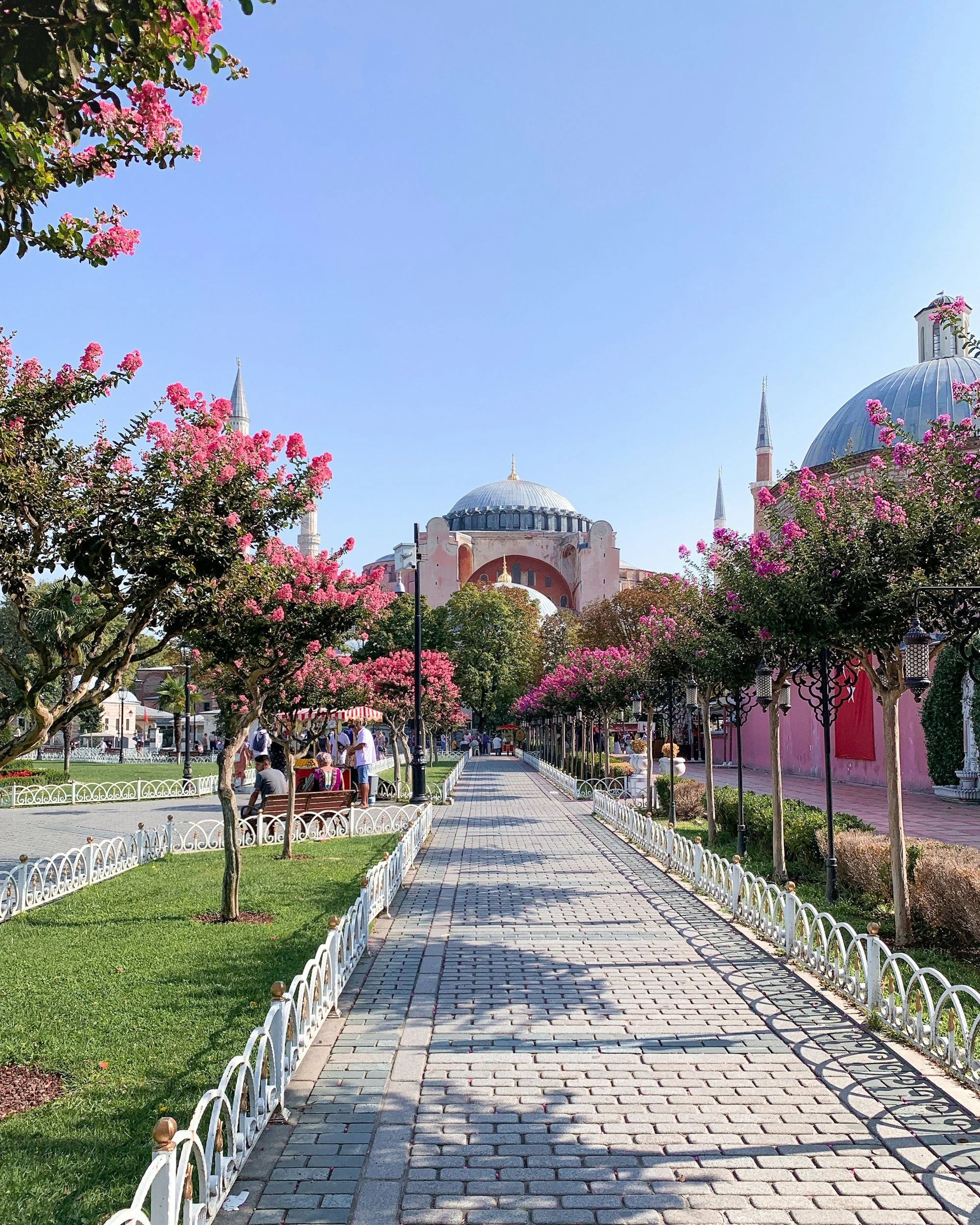
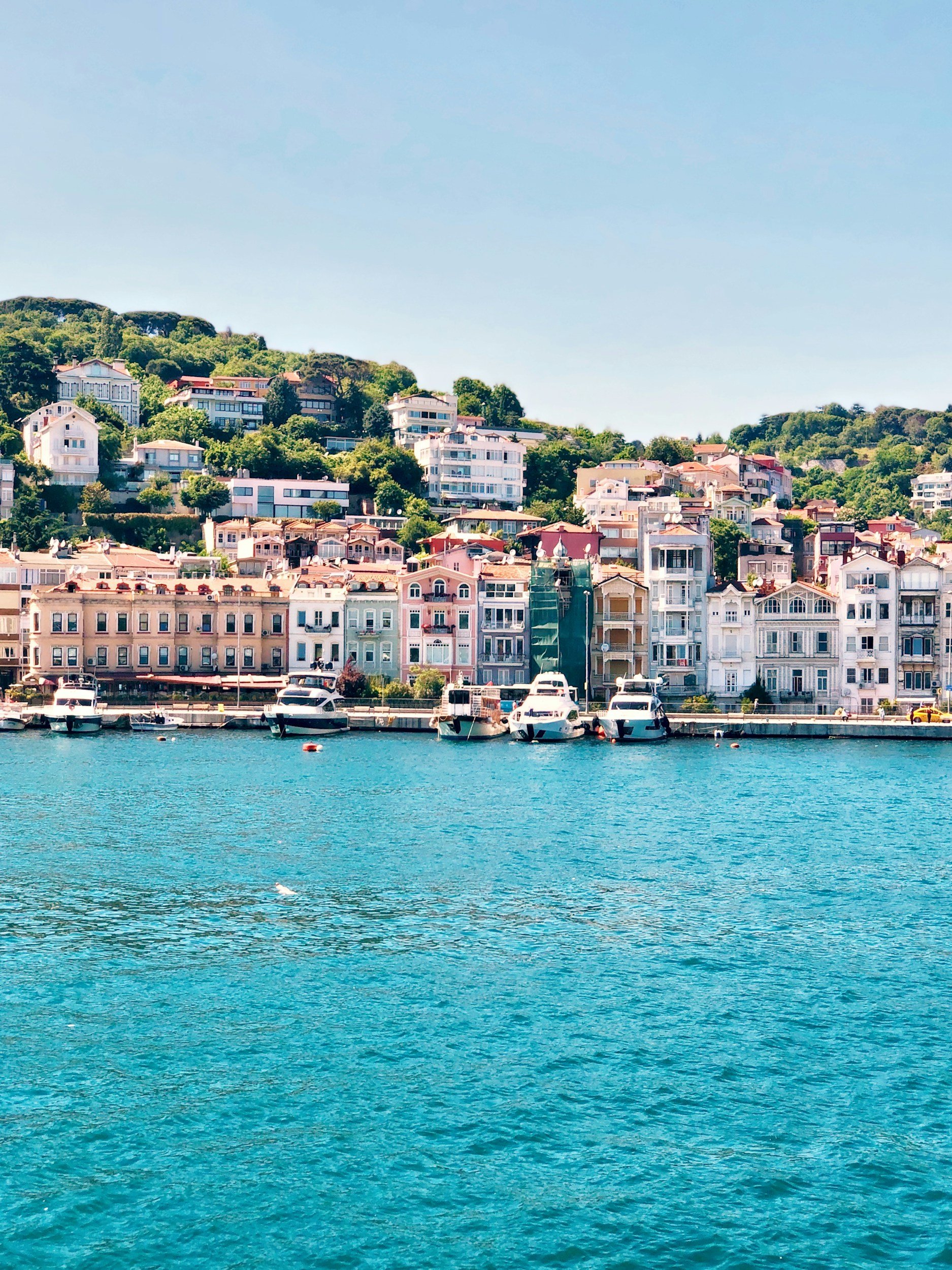
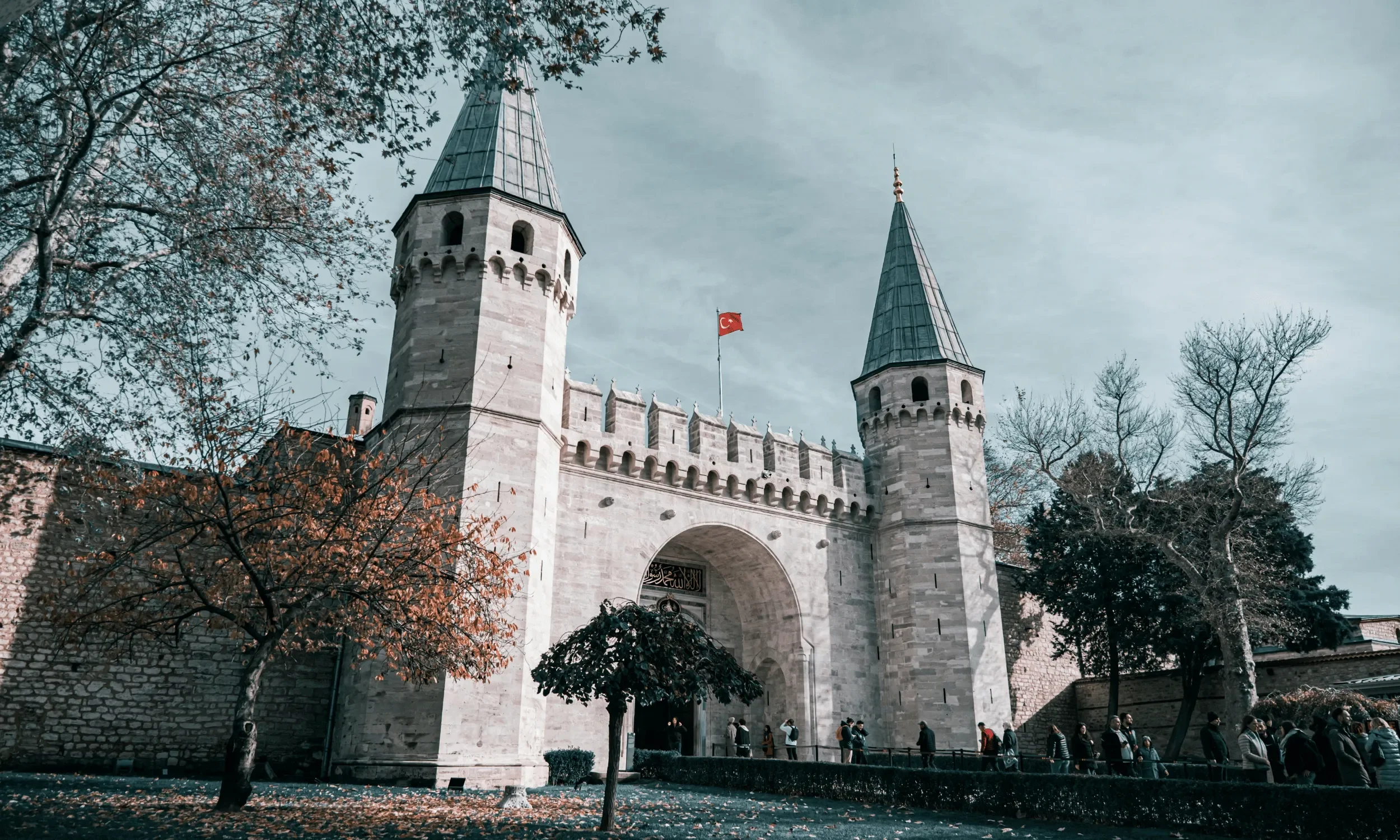
Let's start with the obvious one, because it earns every bit of its reputation: Istanbul. This is the city where East genuinely does meet West, not as a metaphor but as a literal ferry ride across the Bosphorus. Spend your mornings wandering Sultanahmet's old city, Hagia Sophia, the Blue Mosque, Topkapı Palace, all walkable from one another, and your evenings on the Asian side in Kadıköy, where the food is arguably better and the crowds are noticeably thinner. Take a ferry even if you don't need to get anywhere; it's one of the best cheap views in any major city in the world.
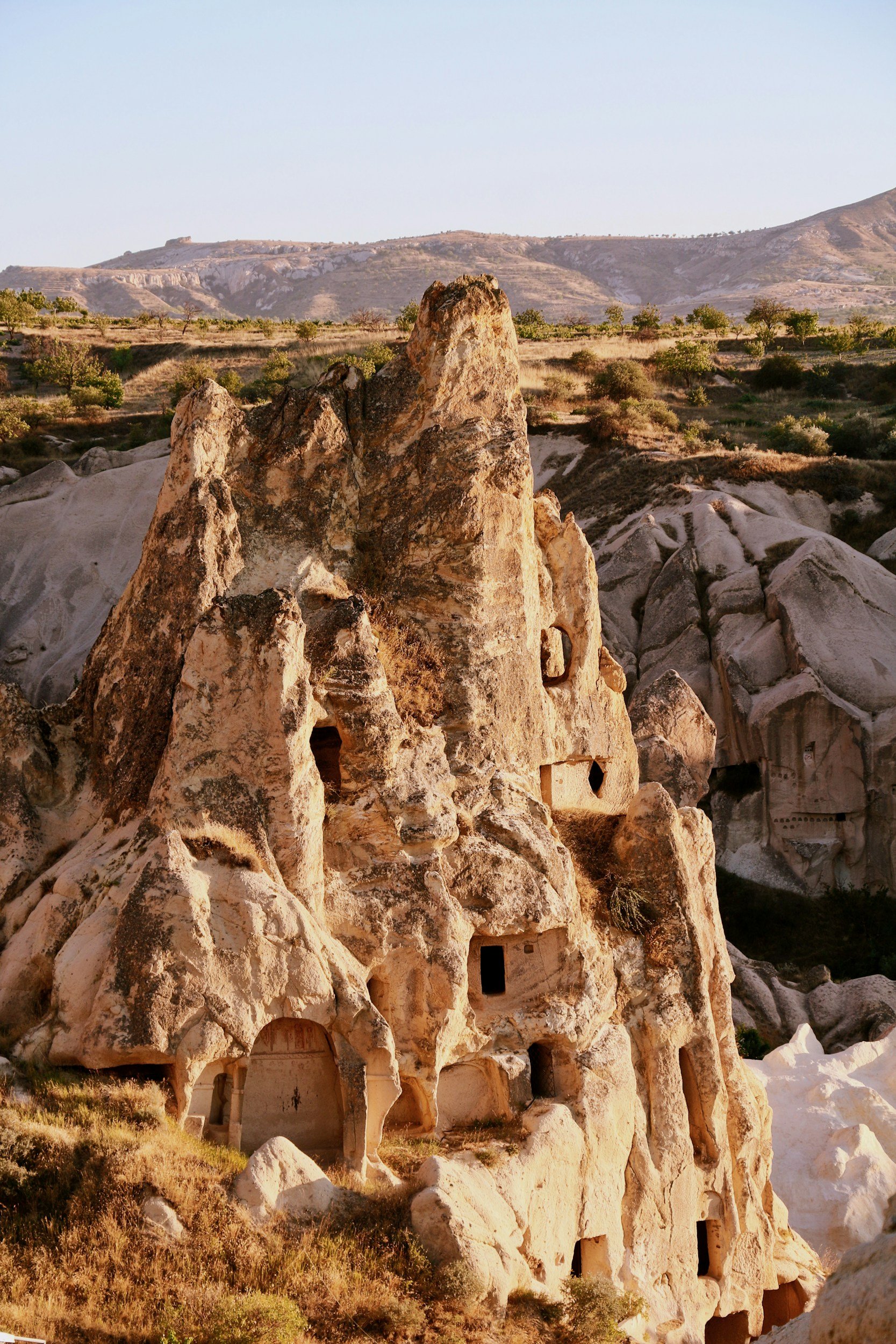
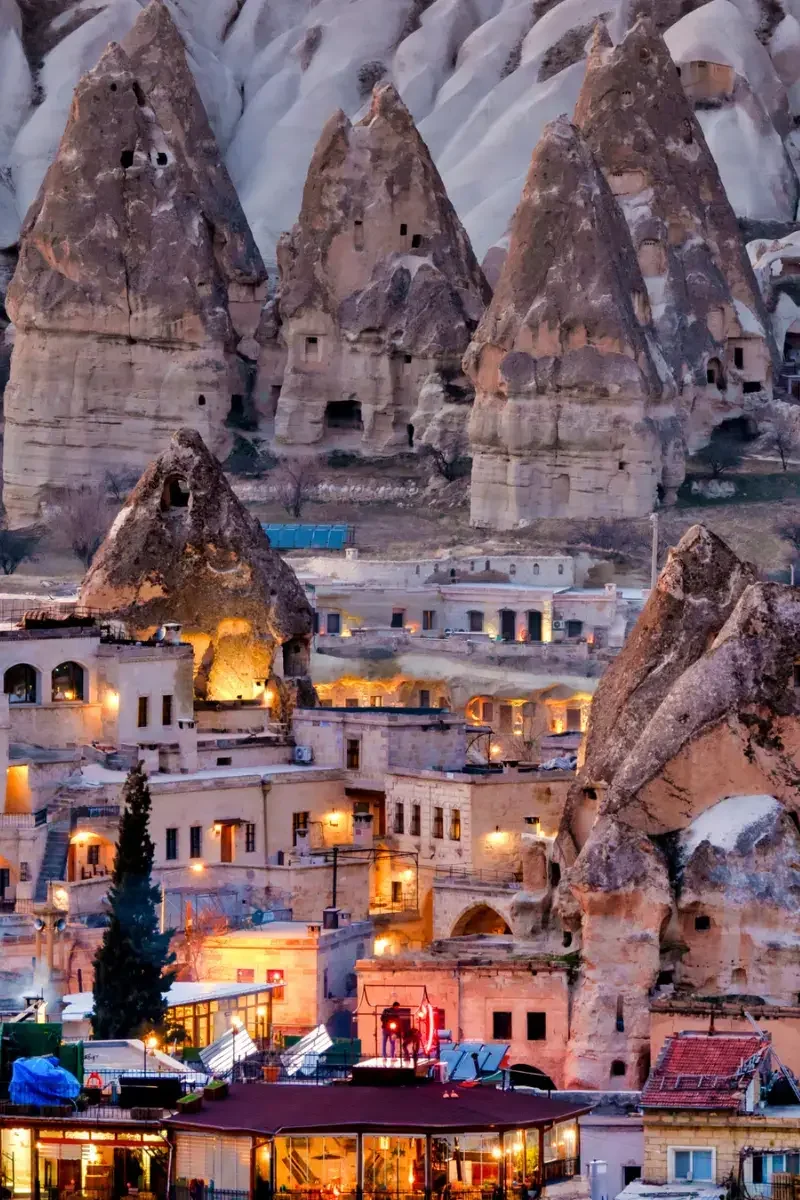
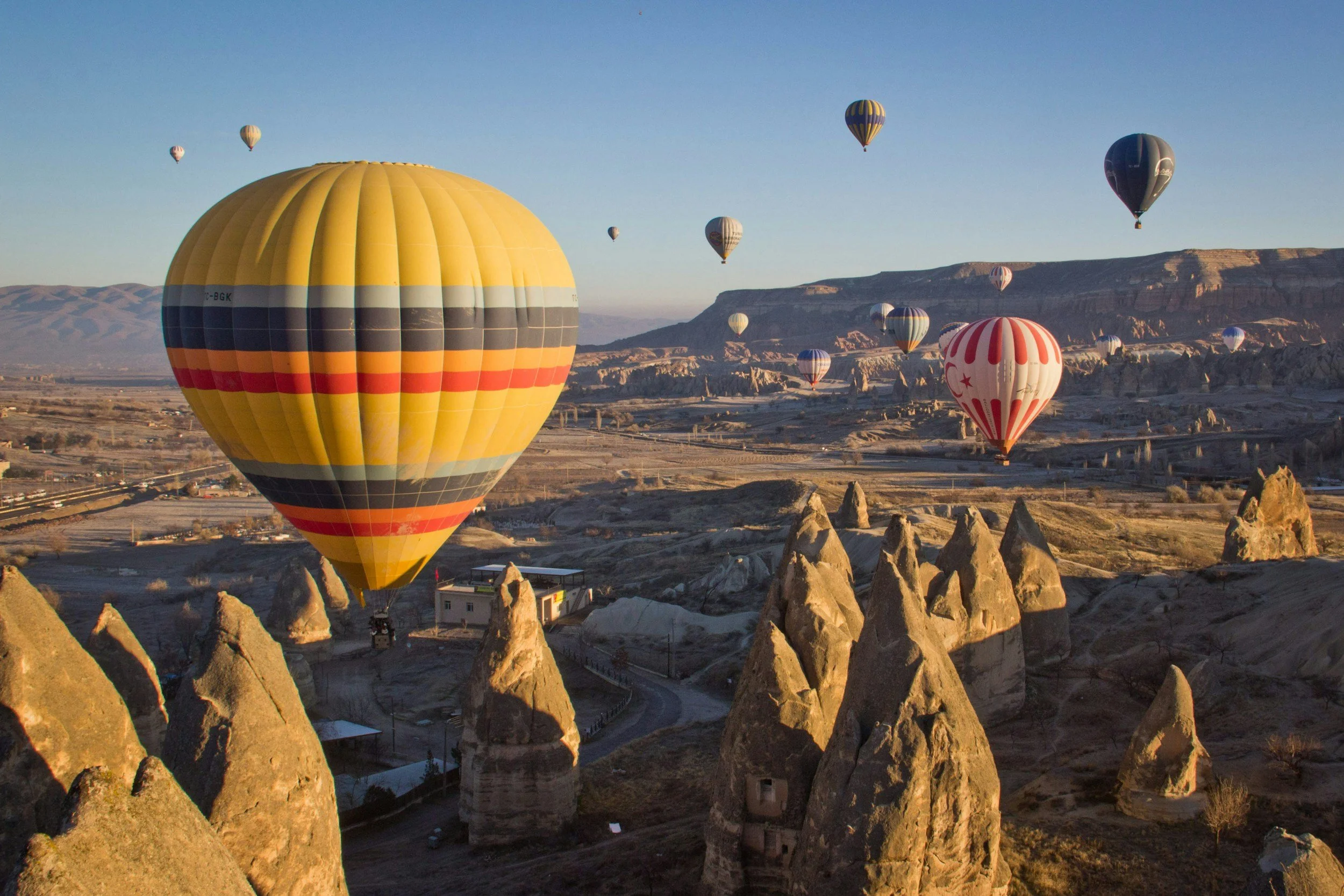
Then there's Cappadocia, which looks like nowhere else on the planet. Wind and water spent millions of years carving the region's soft volcanic rock into "fairy chimney" formations, and early Christians later carved homes, churches, and entire underground cities into that same stone. The hot air balloon rides at sunrise are genuinely worth the early alarm, drifting silently over a valley that looks like it belongs on another planet entirely.
Antalya anchors what's often called the Turquoise Coast, and it earns that nickname honestly. The walled old town of Kaleiçi mixes Ottoman houses with a Roman-era harbour, while day trips out to Aspendos and Perge put you inside some of the best-preserved ancient ruins in the Mediterranean. Add turquoise water and a mountain backdrop, and it's easy to see why this is where so many Turkish beach holidays begin.
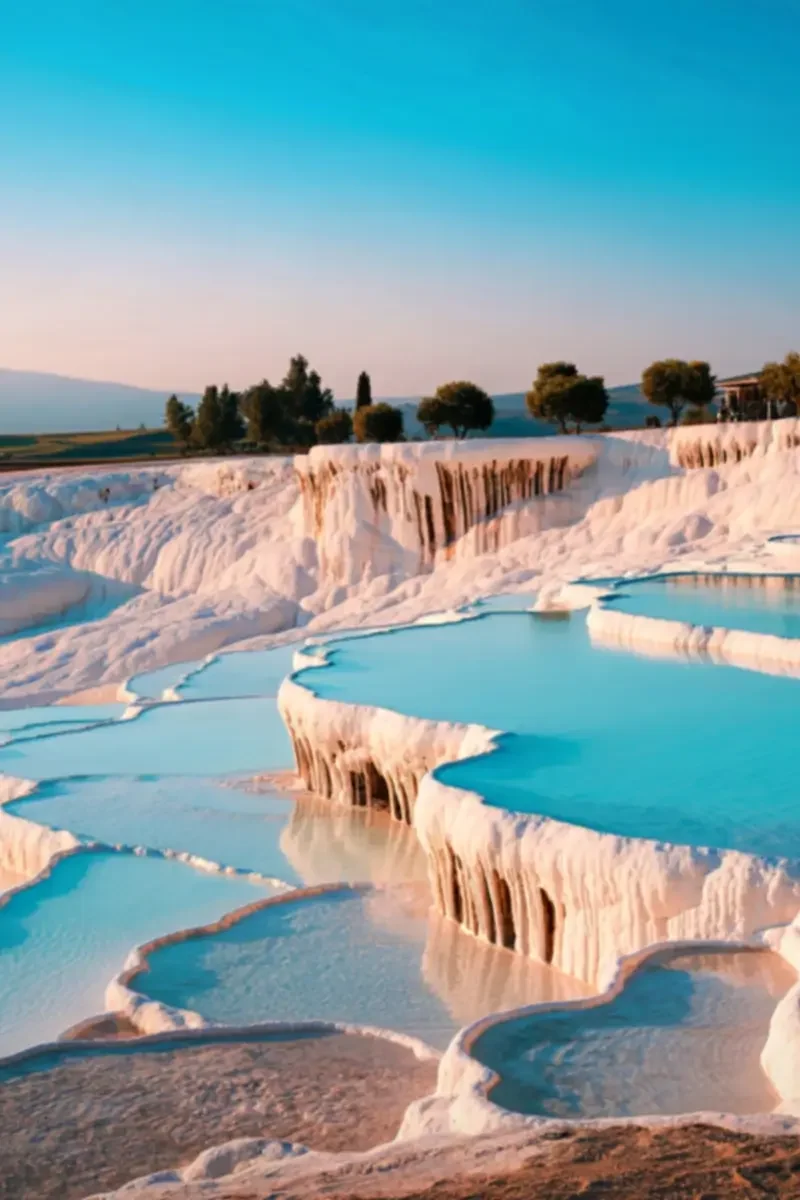
Nearby, Pamukkalelooks almost unreal in photos, and somehow it's even better in person, blindingly white travertine terraces formed by mineral-rich thermal springs, layered like a frozen waterfall, sitting right next to the ancient ruins of Hierapolis. It's a strange, beautiful combination of natural wonder and archaeological site that doesn't really exist anywhere else.
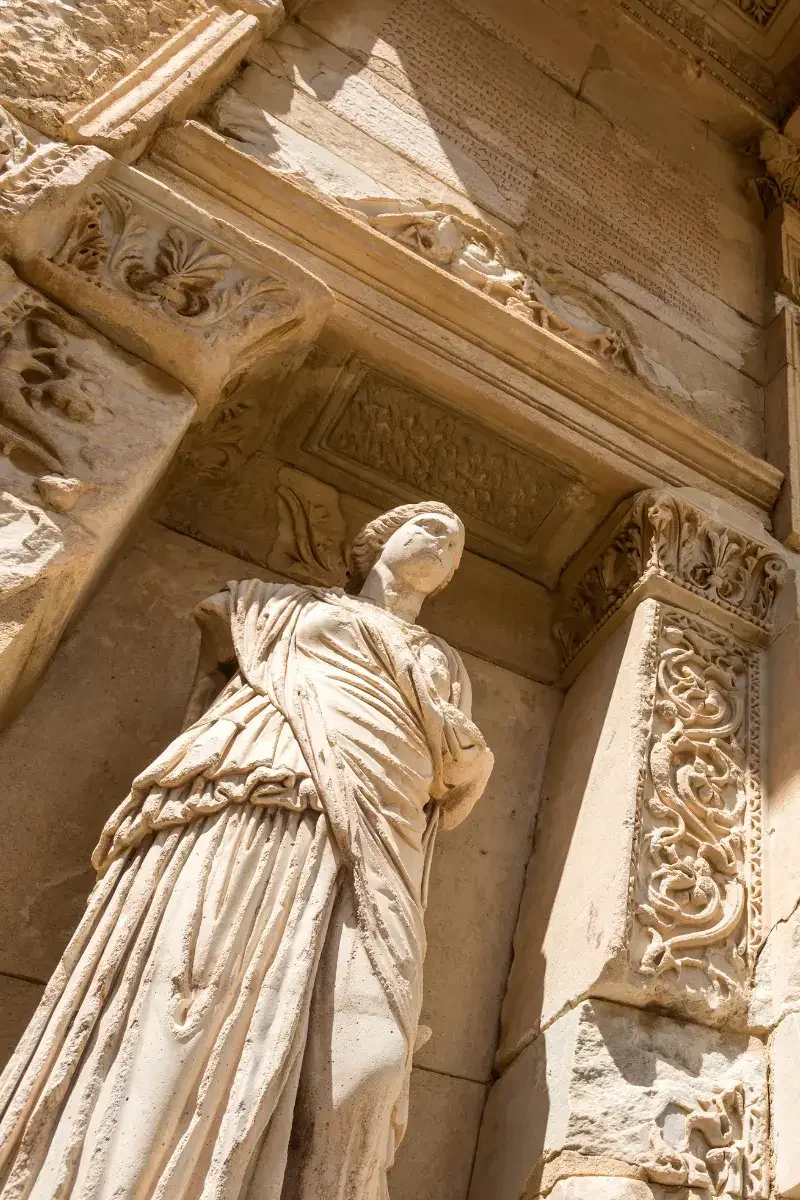
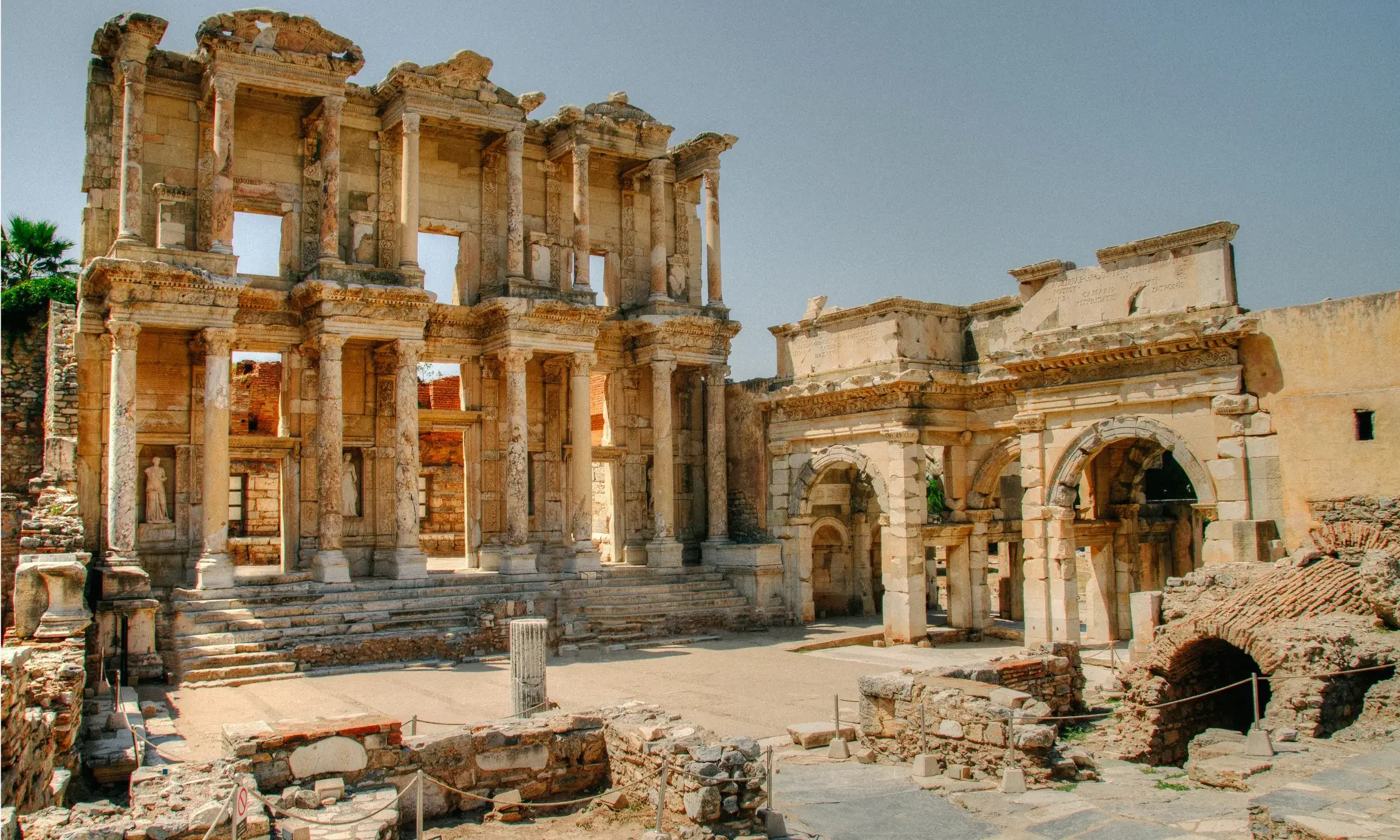
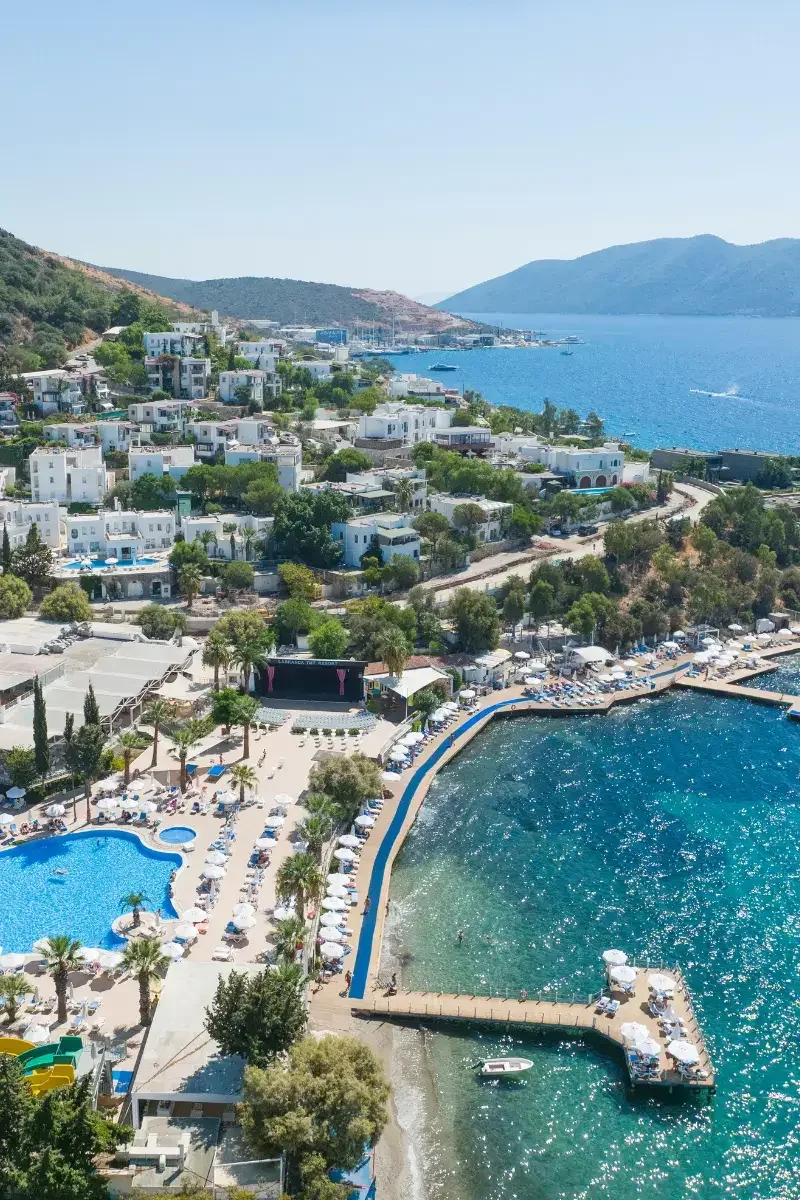
Further along the Aegean coast, Ephesus, near the city of İzmir, is one of the best-preserved ancient cities anywhere in the Mediterranean world, a colonnaded street, an enormous amphitheatre, and the remains of a library facade that somehow still takes your breath away, centuries later. And Bodrum rounds out the famous circuit with whitewashed hillside towns, a lively marina, and some of the country's most polished beach club scenes, for travellers who want their history with a side of nightlife.
The Cities Nobody Talks About (But Should)
Here's where I get a little more personal, because these are the places I find myself recommending most enthusiastically to people who've already "done" Istanbul and Cappadocia and are wondering what's next.
Mardin, tucked into Turkey's southeast near the Syrian border, might be the most visually stunning city in the entire country that almost nobody outside Turkey has heard of. Honey-coloured stone houses cascade down a hillside overlooking the vast Mesopotamian plains below, and the old town's narrow alleys feel almost untouched by time. It's a genuinely different Turkey from the coastal resorts, older, quieter, and staggeringly beautiful in the late afternoon light.
Amasya is one I recommend constantly and rarely see on anyone's itinerary. Ottoman-era timber mansions line a river that cuts straight through town, and above them, carved directly into the cliffs, sit the rock-cut tombs of ancient Pontic kings, lit up dramatically at night. It's the kind of place where you can wander for an afternoon and feel like you've had a private discovery, even though people have obviously lived here for thousands of years.
Then there's Şanlıurfa, home to Göbeklitepe, widely considered the oldest known temple complex on Earth, predating Stonehenge by thousands of years. The city itself has a devout, atmospheric old quarter and some of the best regional food in the country, but it's Göbeklitepe that genuinely rewires how you think about human history. Standing in front of carved stone pillars older than agriculture itself is not something you shake off easily.
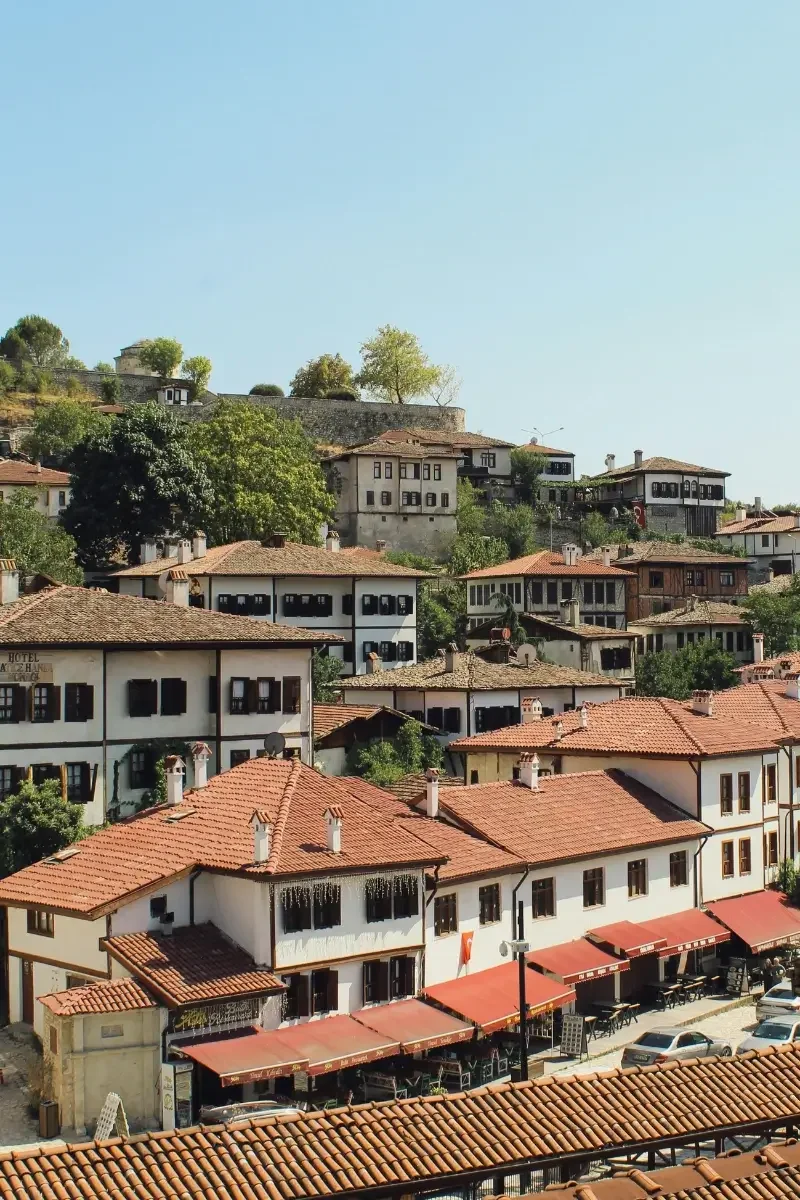
Safranbolu, a UNESCO World Heritage town of half-timbered Ottoman houses, feels like it was preserved specifically for people who love old architecture and haven't found their way here yet. It's compact, walkable, and largely untouched by the kind of development that's changed so many other historic towns.
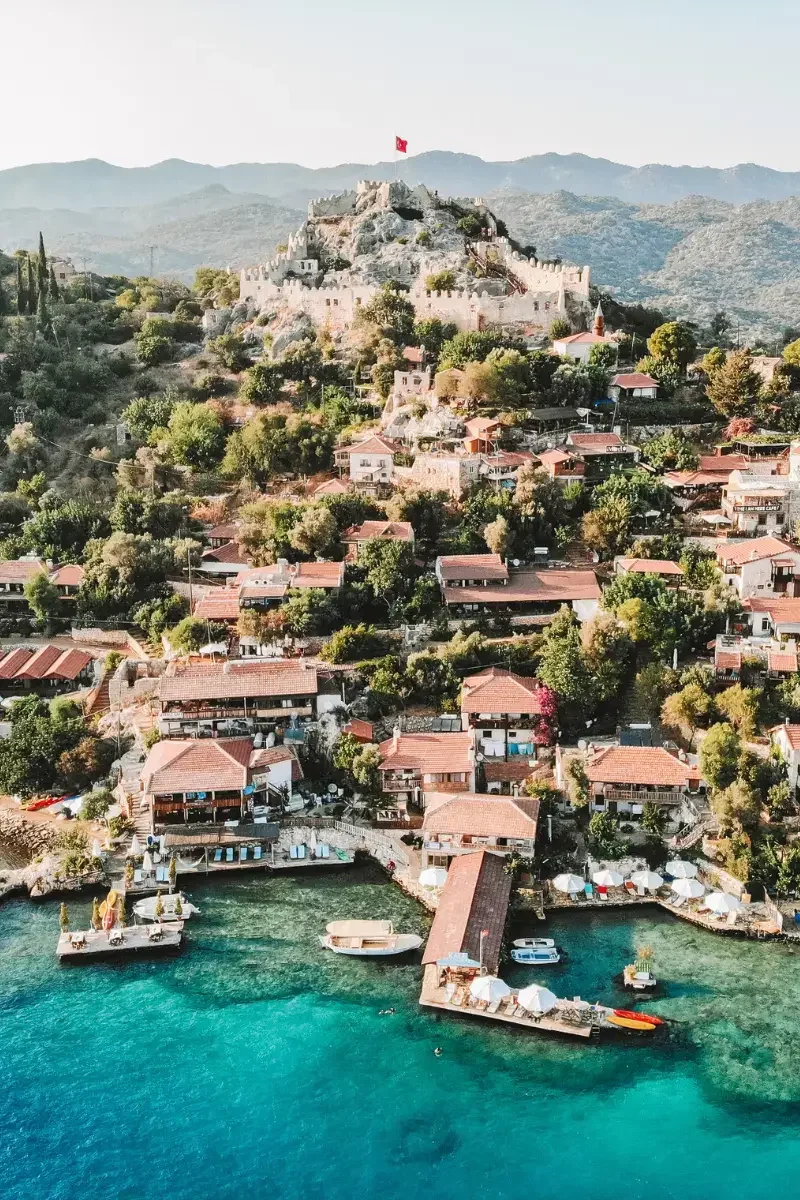
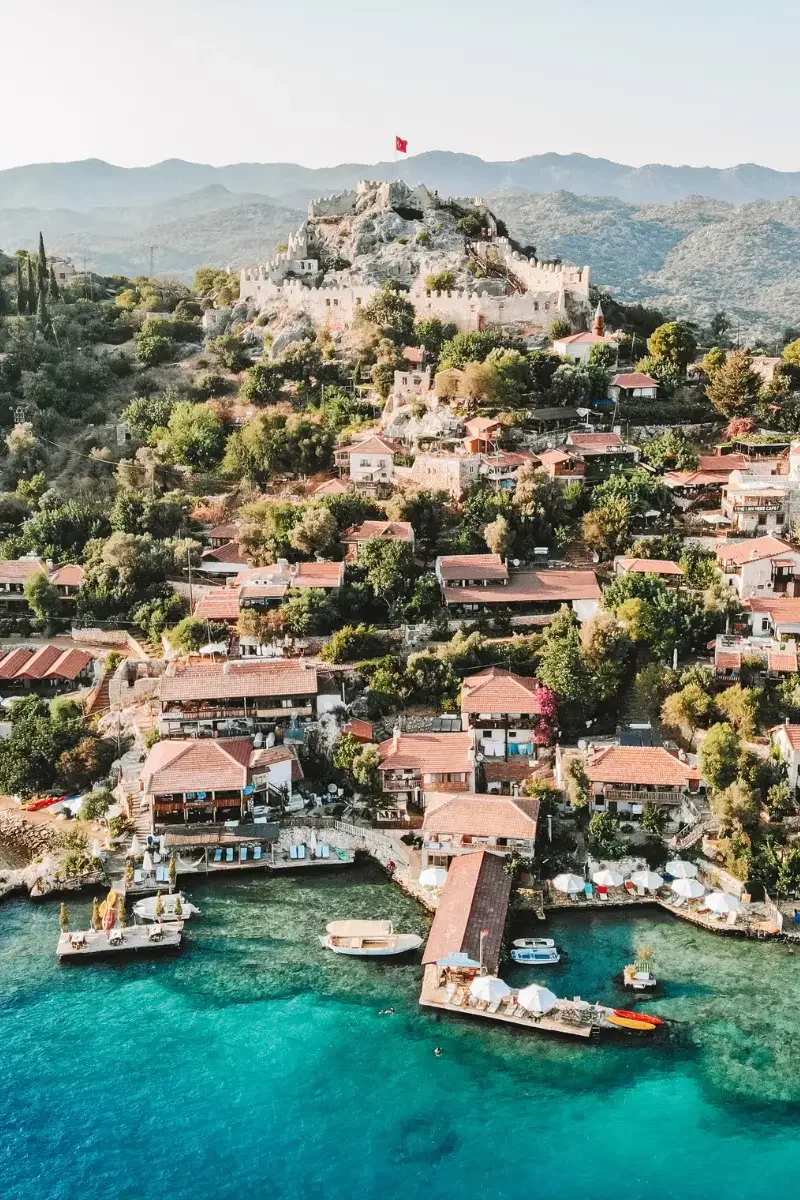
On the coast, skip past the bigger resort towns for a moment and consider Kaş, a low-key harbour town on the Turquoise Coast that's popular with divers rather than package-holiday crowds, with the same impossibly clear water as its more famous neighbours and a fraction of the noise.
And if you want to see a Turkey that has almost nothing to do with the Mediterranean postcard version, head to Uzungöl and the Black Sea region around Trabzon, misty green mountains, tea plantations climbing impossibly steep hillsides, and a lake ringed by pine forest. It rains more here, the food is different, the pace is different, and it might genuinely surprise you how much you love it.
Where This Leaves You
If you take one thing away from all of this, let it be this: don't treat Turkey like a checklist. Yes, go to Istanbul. Yes, get up before dawn for the Cappadocia balloons. Yes, eat more baklava than seems reasonable. But leave room, if you can, for a place you've never heard of a river town, a stone city on a hillside, a lake in the mountains. That's usually where the best stories come from.
I think about this a lot, actually how the trips people remember most fondly are rarely the ones that went exactly to plan. It's the wrong turn that led to a courtyard restaurant with no English menu and the best meal of the whole trip. It's the bus that was delayed just long enough to catch the sunset from a hilltop nobody had recommended. Turkey, more than most places I've travelled, rewards that kind of loose-grip itinerary, a rough plan, a list of names you're curious about, and enough flexibility to follow a good tip from a stranger.
Turkey has a way of rearranging what you expected from a trip. You go for the mosques and the ruins, and you come home talking about the tea, the strangers who insisted you eat more, the sunset call to prayer that stopped you mid-sentence. That contradiction ancient and immediate, famous and quietly hidden, all at once is exactly what makes it worth going back to, again and again. And if this is your first time even considering a trip here, welcome. You're going to have a wonderful time, and you're going to leave already planning your second visit.
Visiting Turkey?
your questions, answered
-
It depends on your nationality. Many visitors can apply for an e-Visa online in a few minutes, some nationalities get visa-free entry for short stays, and others need a visa in advance from a Turkish consulate. Requirements change from time to time, so check the official e-Visa site or your nearest Turkish embassy before booking flights.
-
Most tourist e-Visas allow stays of up to 90 days within a 180-day period, but this varies by nationality — confirm the exact allowance shown on your e-Visa approval
-
As a general rule, airlines and border control expect at least 6 months of validity remaining from your date of entry, plus a blank page for stamps.
-
Cards are widely accepted in cities, hotels, and restaurants. That said, small vendors, local markets, minibuses, and rural areas often prefer cash, so carry some lira for those moments. ATMs are easy to find in cities and tourist areas.
-
Yes, modestly. Around 5–10% at restaurants if a service charge isn't already included, and small tips for hotel staff, tour guides, and drivers are appreciated but not obligatory.
-
Generally, Turkey offers strong value compared to Western Europe — food, transport, and mid-range accommodation are often noticeably cheaper, though prices in central Istanbul and resort towns run higher than elsewhere.
-
Domestic flights are cheap and frequent given how large the country is — useful for reaching Cappadocia or the coast quickly. Intercity buses are comfortable, affordable, and cover almost everywhere. High-speed trains connect a growing number of major cities too.
-
An Istanbulkart (tap card) covers trams, metro, buses, and ferries. The ferries across the Bosphorus are both practical and one of the best cheap views in the city.
-
The main tourist areas — Istanbul, the Aegean and Mediterranean coasts, Cappadocia — are visited by millions of travellers each year without incident. As anywhere, stay aware in crowded areas, use registered taxis or ride apps, and check your government's current travel advisories before you go, since regional advice can vary.
-
It's not a legal requirement for most nationalities, but it's strongly recommended for medical cover, trip delays, and lost luggage — standard advice for any international trip.
Latest Stories

Every Istanbul itinerary suggests a Bosphorus dinner cruise, and every review is either five stars or one. Having done it several times, here's the honest version: what the evening actually looks like, what the food is really like, and whether it's worth your money.