
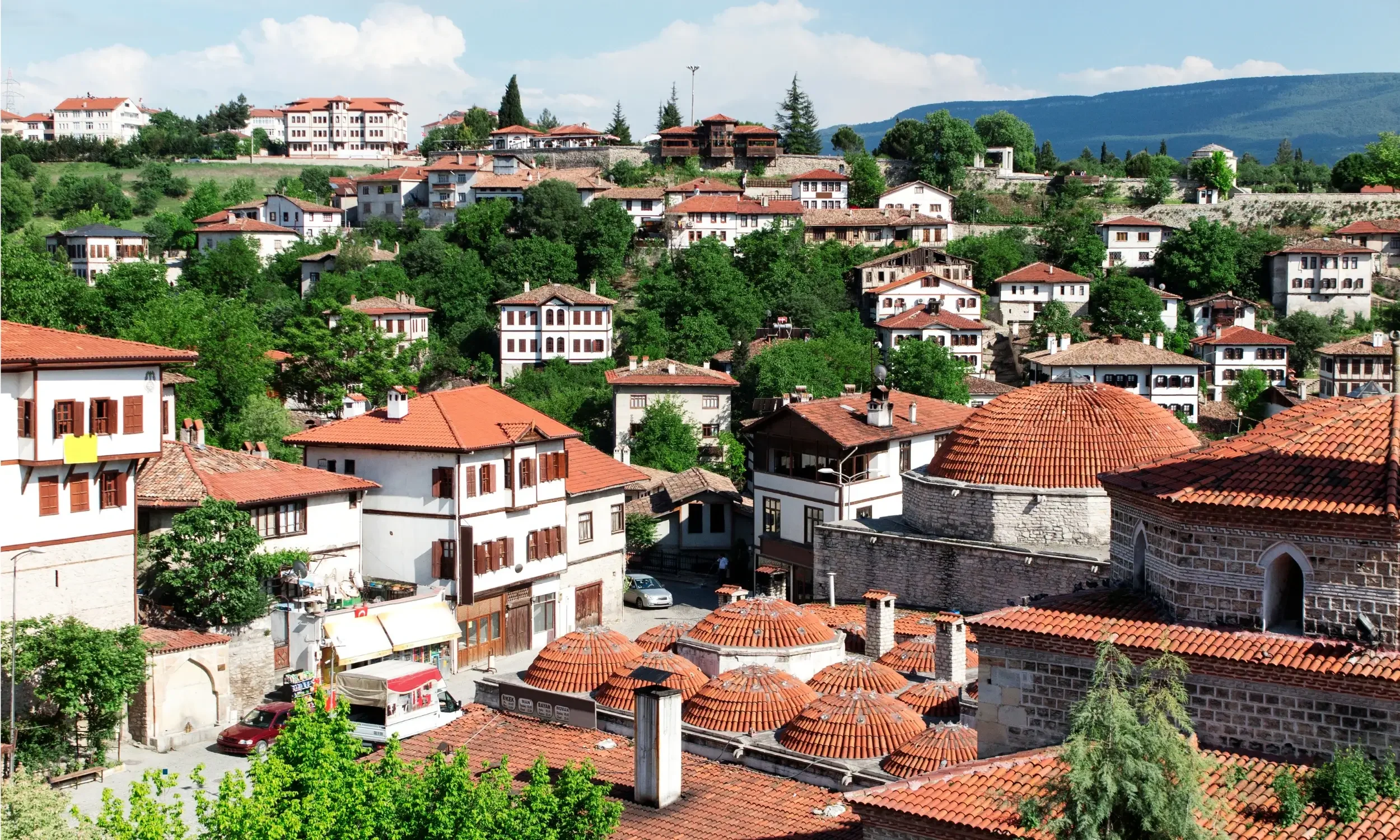
All what you need to know about Safranbolu
SAFRANBOLU
The Ultimate Guide
Plan your trip to Safranbolu





Safranbolu: The Complete Guide to Turkey's Best-Preserved Ottoman Town
Safranbolu doesn't show up on most first-time visitors' Turkey itineraries, and that's precisely what makes it worth the detour. This is a genuinely preserved Ottoman-era town, tucked into the hills of the Western Black Sea region, where hundreds of centuries-old timber-framed houses still line the streets, largely untouched by the kind of modern development that's reshaped so many of Turkey's other historic towns. This guide covers everything you need to plan a visit, from the old town's architecture to the practicalities of getting there.
Understanding Safranbolu
Safranbolu takes its name from saffron, historically traded and grown in the region, though the town's real fame today rests on its architecture rather than the spice itself. Sitting inland in Turkey's Western Black Sea region, a few hours from both Ankara and Istanbul, Safranbolu became wealthy through Ottoman-era trade along the caravan routes connecting the Black Sea coast to inland Anatolia, and that wealth is written directly into the town's houses, grand, multi-story timber-and-mudbrick mansions built by merchants who wanted their homes to reflect their prosperity.
The old town, known as Çarşı, was designated a UNESCO World Heritage Site in 1994, largely in recognition of just how completely its historic urban fabric survived into the modern era, an unusually intact snapshot of a wealthy 18th- and 19th-century Ottoman trading town.
things to discover In Safranbolu
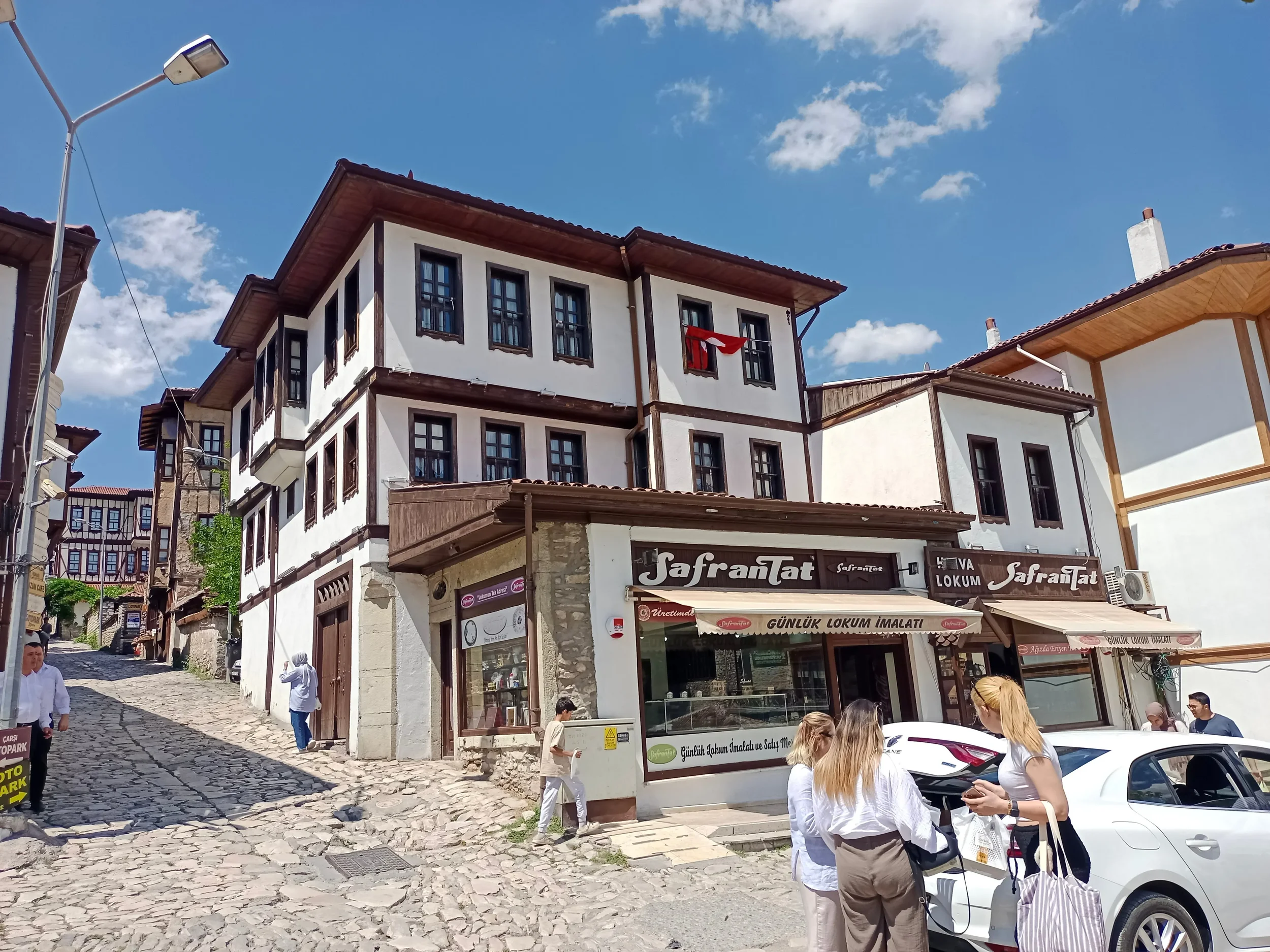
Wander Çarşı
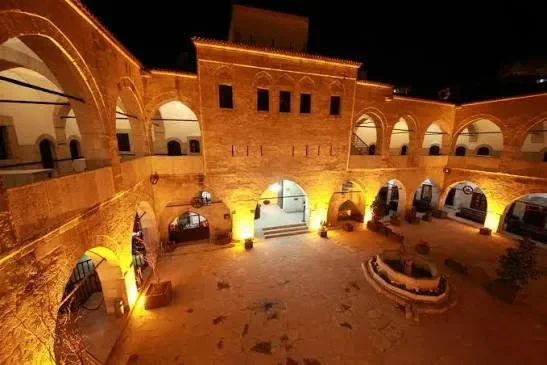
Cinci Han
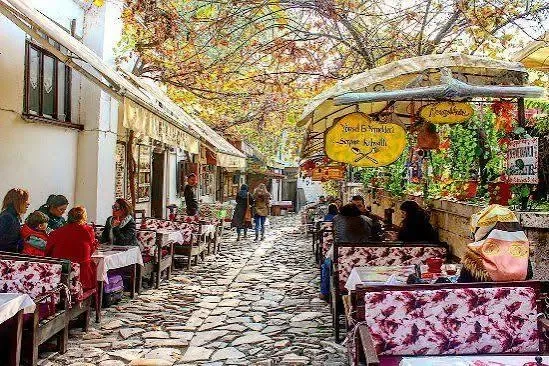
Safranbolu Bazaar
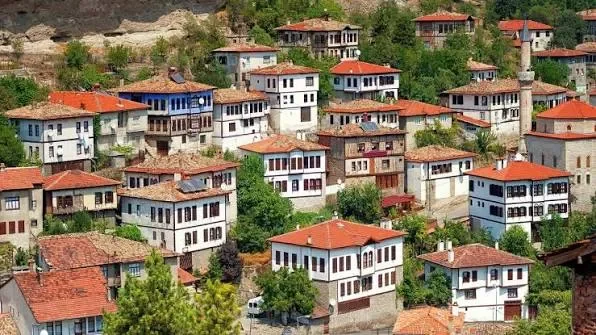
historic Ottoman mansion
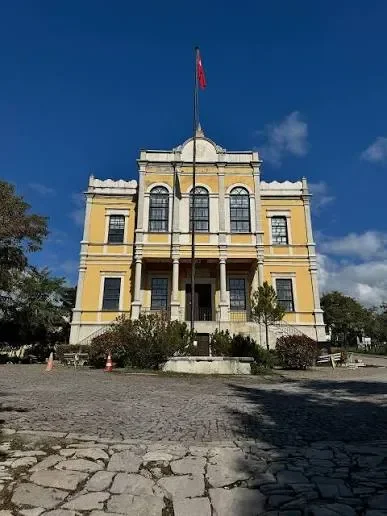
Kaymakamlar Museum
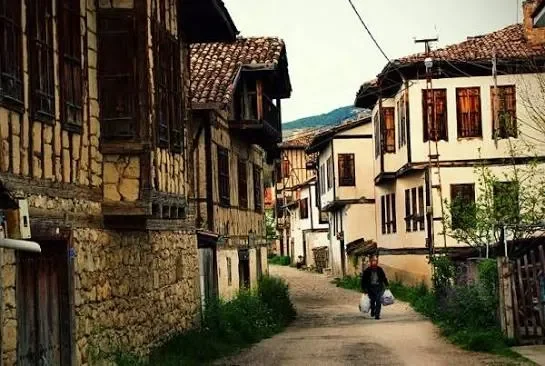
Yörük Köyü
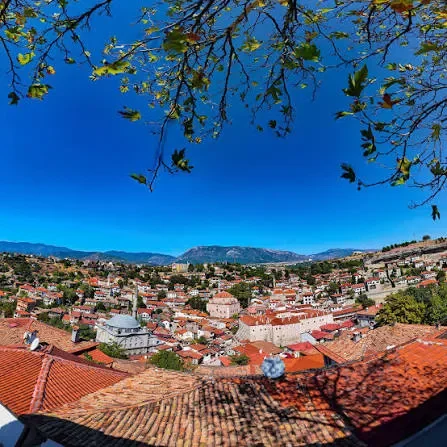
Hıdırlık Hill
our monthly Hotels pics
Accommodations under 80$\Night
attractions tickets
All Important Things To Know About safranbolu
What Safranbolu Is Famous For
Safranbolu is famous above all for its architecture, an exceptionally well-preserved collection of Ottoman-era timber mansions, considered one of the best surviving examples of traditional Turkish urban domestic architecture anywhere in the country. Its UNESCO World Heritage status reflects this, and the town is frequently held up as a benchmark for historic preservation done well, avoiding the kind of over-restoration or Disney-fication that can afflict similarly designated sites elsewhere. Beyond architecture, it's also known regionally for saffron (its namesake), lokum, and its historic hammam culture.
Food and Culture
Safranbolu's food culture draws on both its Black Sea regional setting and its Ottoman trading history. Safranbolu lokum (Turkish delight) is a genuine local specialty, often flavored with the town's namesake saffron alongside more traditional rose or pistachio varieties, and makes one of the better edible souvenirs available anywhere in the country.
Höşmerim, a regional dessert made from fresh cheese, semolina, and sugar, and kıykıy pilavı, a local pilaf dish made with cracked wheat and legumes, both reflect the more rustic, hearty cooking traditions of the Western Black Sea region, distinct from the lighter, olive-oil-forward cooking found along the Aegean coast.
Saffron itself, though less commonly grown at commercial scale today than in the town's historic peak, still appears in some local dishes and products, and small quantities are sold in the bazaar for visitors interested in bringing home a genuinely rare and historically significant spice.
Culturally, Safranbolu carries an unhurried, traditional atmosphere shaped by both its relatively remote inland location and its deliberate emphasis on historical preservation. Life in the old town moves at a noticeably slower pace than Turkey's larger cities, and the hammam and bazaar traditions here feel considerably more lived-in and local than similar experiences in more heavily touristed destinations.
The Architecture, Explained
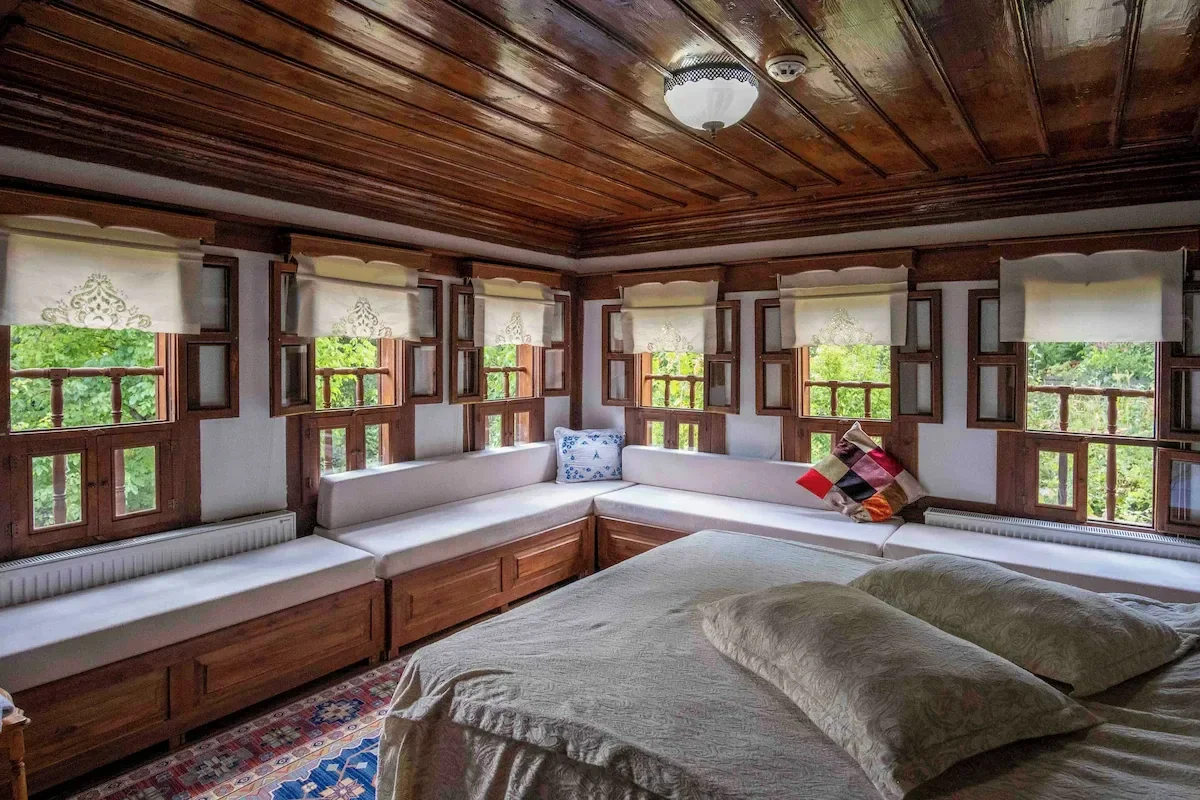
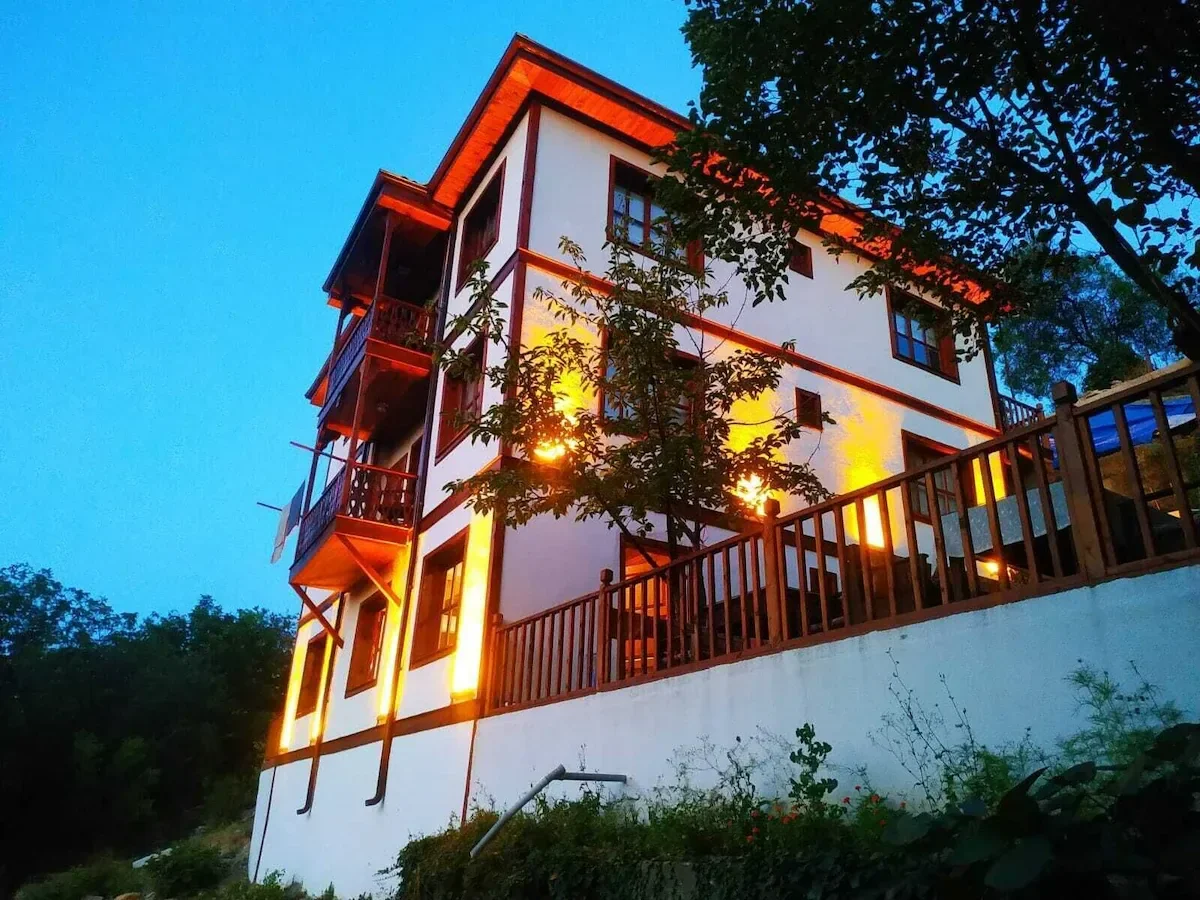
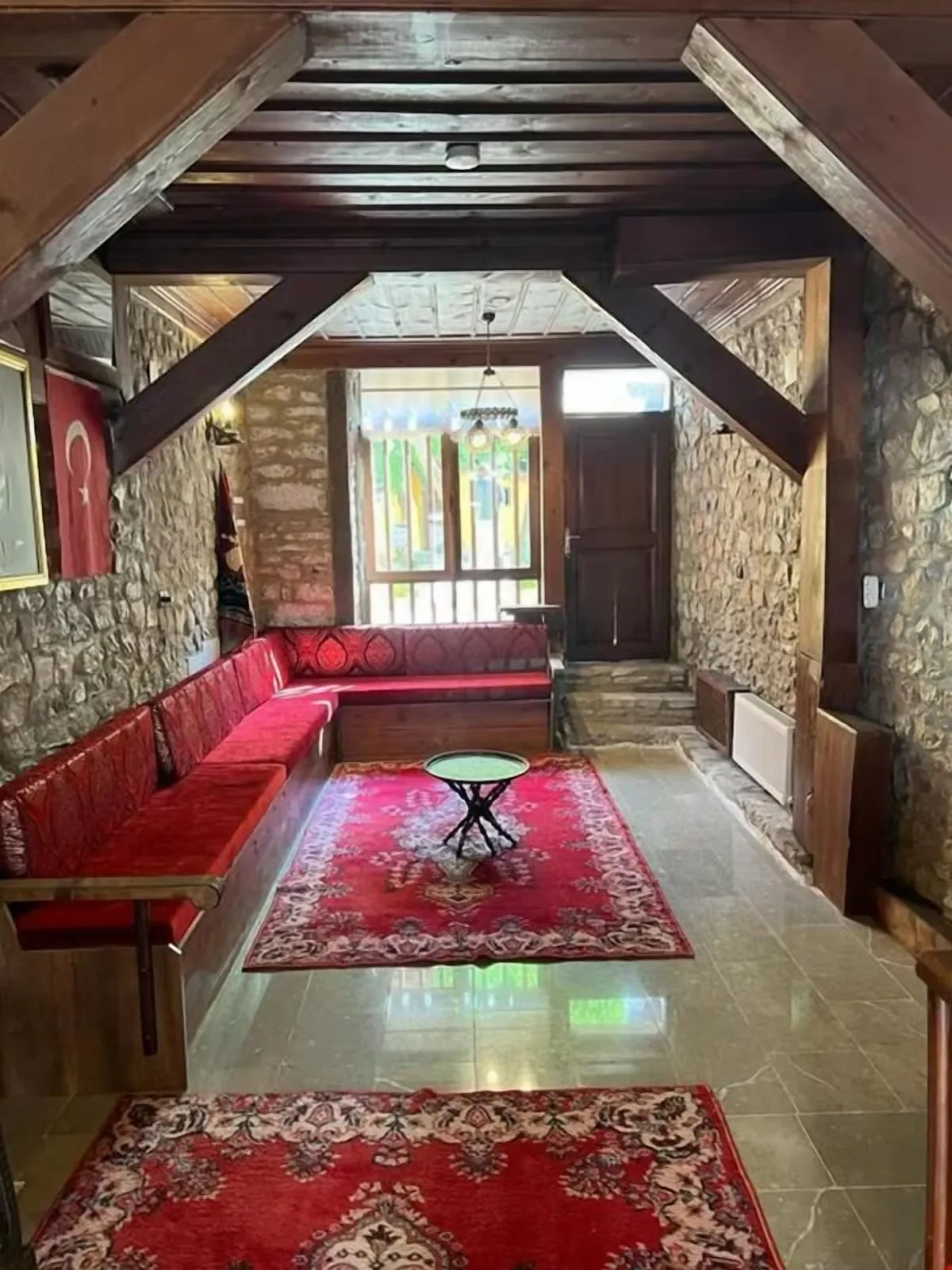
Part of what makes Safranbolu worth a slower visit is understanding what you're actually looking at. The town's signature houses follow a distinctive Ottoman domestic layout: a stone ground floor traditionally used for storage and stables, topped by one or two upper floors built from timber framing filled with mudbrick or adobe, a construction style well suited to the region's earthquake risk, since the flexible timber frame absorbs movement better than solid masonry. Upper floors typically overhang the street below, a design choice that maximized interior space without narrowing the street itself. Inside, houses were often divided into a selamlık, a reception area for male guests and business visitors, and a haremlik, the family's private living quarters, a division reflecting the social customs of the wealthy Ottoman merchant class that built these homes. Many of the surviving mansions also feature intricately carved wooden ceilings and built-in cabinetry, often more elaborate in the rooms meant for receiving guests than in the family's own private spaces.
Day Trips Beyond Yörük Köyü
Travelers with a rental car and an extra day or two can extend a Safranbolu visit further into the Western Black Sea region. Amasra, a small coastal town roughly two hours north, offers a genuinely different landscape, a Byzantine and Genoese-era fortress overlooking the Black Sea, dramatic coastal cliffs, and a much slower, fishing-village atmosphere than Safranbolu's inland trading-town character. Combining the two into a single loop, rather than visiting Safranbolu alone, gives a fuller picture of this less-visited region of Turkey.
Practical Tips for First-Time Visitors
Getting to Safranbolu typically means either a direct bus from Istanbul or Ankara (both a few hours away), or a rental car if you're combining the town with a broader Black Sea or Central Anatolian road trip. There's no major airport directly in Safranbolu, though nearby Karabük has limited flight connections, most visitors arrive by road.
Wear comfortable walking shoes. The old town's cobblestone streets and hillside layout involve a fair amount of uphill walking, and the stone surfaces can be slippery, particularly after rain.
Visit during a weekday if possible, since Safranbolu is a popular weekend destination for domestic Turkish travelers from Ankara and Istanbul, and can get noticeably busier and pricier on Saturdays and Sundays.
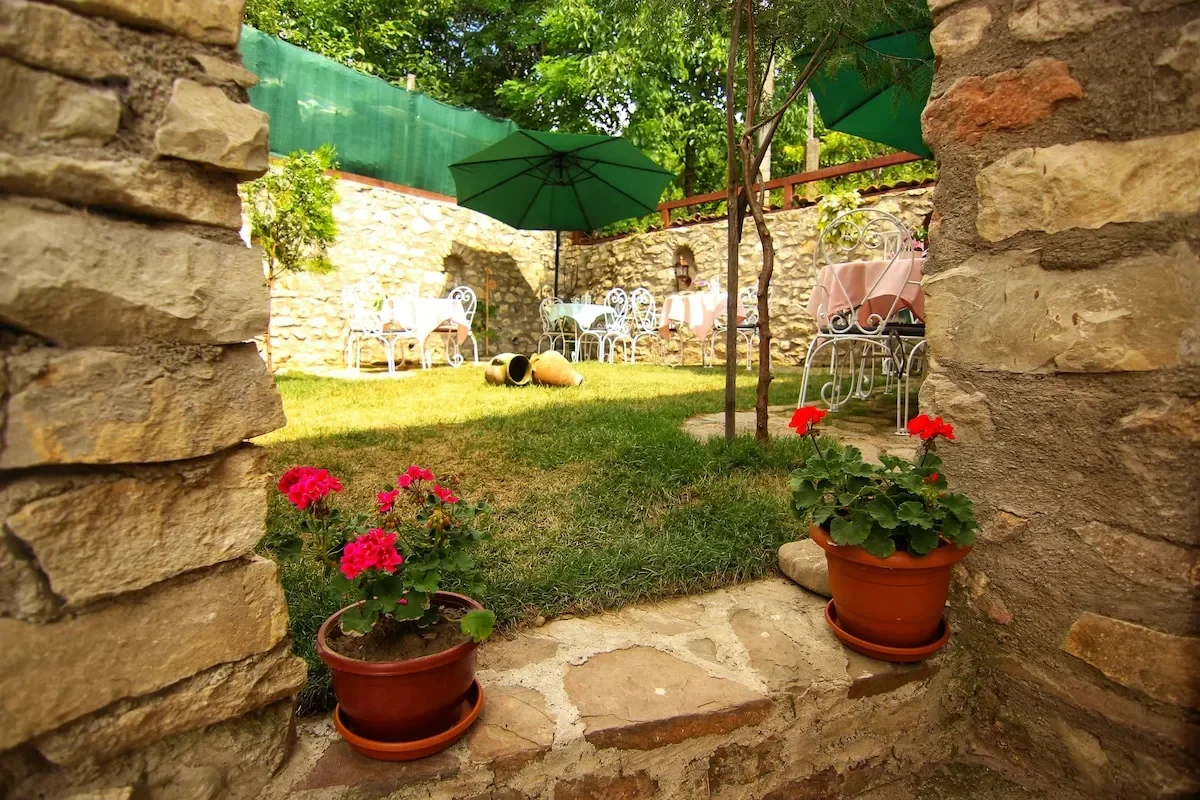
Set aside at least one full day, even though the town itself is compact, the appeal here is in slow wandering, house museum visits, and sitting with a coffee in a historic courtyard, not rushing between checklist sights.
Bring cash for the bazaar and smaller family-run guesthouses and cafés, some of which may not accept cards as readily as businesses in Turkey's larger tourist centers.
Best Time to Visit
Spring (April–May) and autumn (September–October) offer the most comfortable walking weather for exploring the old town's hilly streets. Summer brings warmer temperatures but remains generally more comfortable than Turkey's southern coastal or interior regions, given Safranbolu's slightly higher elevation. Winter can bring snow, which transforms the town's timber rooftops into a genuinely picturesque scene, though some house museums and attractions may operate on reduced hours during the coldest months.
A Day (or Two) That Actually Works
A single focused day covers the essentials: morning wandering through Çarşı and visiting one or two house museums, a midday stop at Cinci Han for coffee, an afternoon browsing the bazaar for lokum and copperware, and a sunset visit to Hıdırlık Hill for the panoramic view. With a second day, add a half-day trip to Yörük Köyü for a quieter, more ruaral counterpoint, or head to Tokatlı Canyon if you want a break from historic architecture in favor of some time outdoors.