
All what you need to know about Cappadocia
CAPPADOCIA
Plan your trip to Cappadoccia





Cappadocia: The Complete Guide to Turkey's Fairy Chimney Valleys
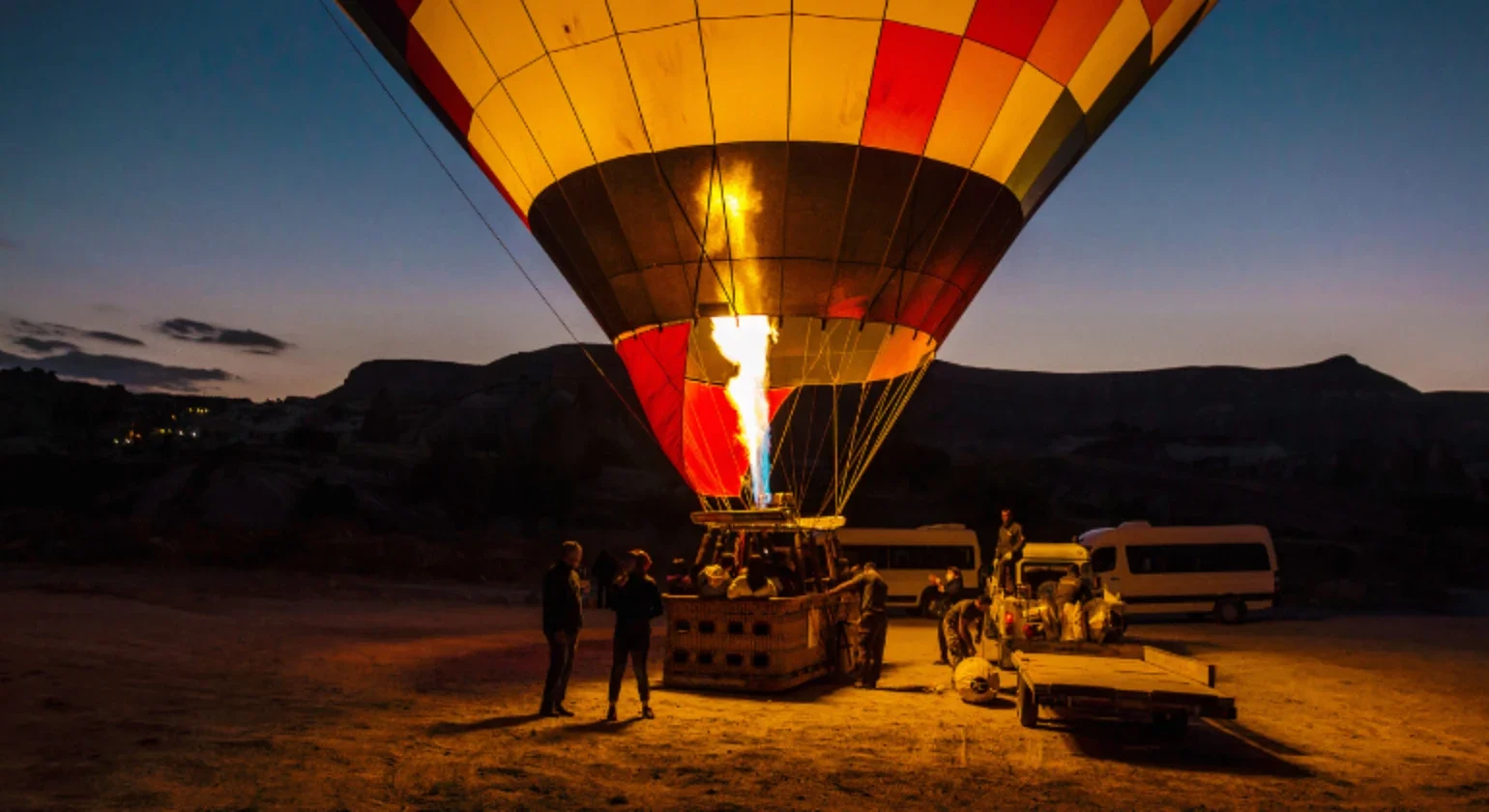
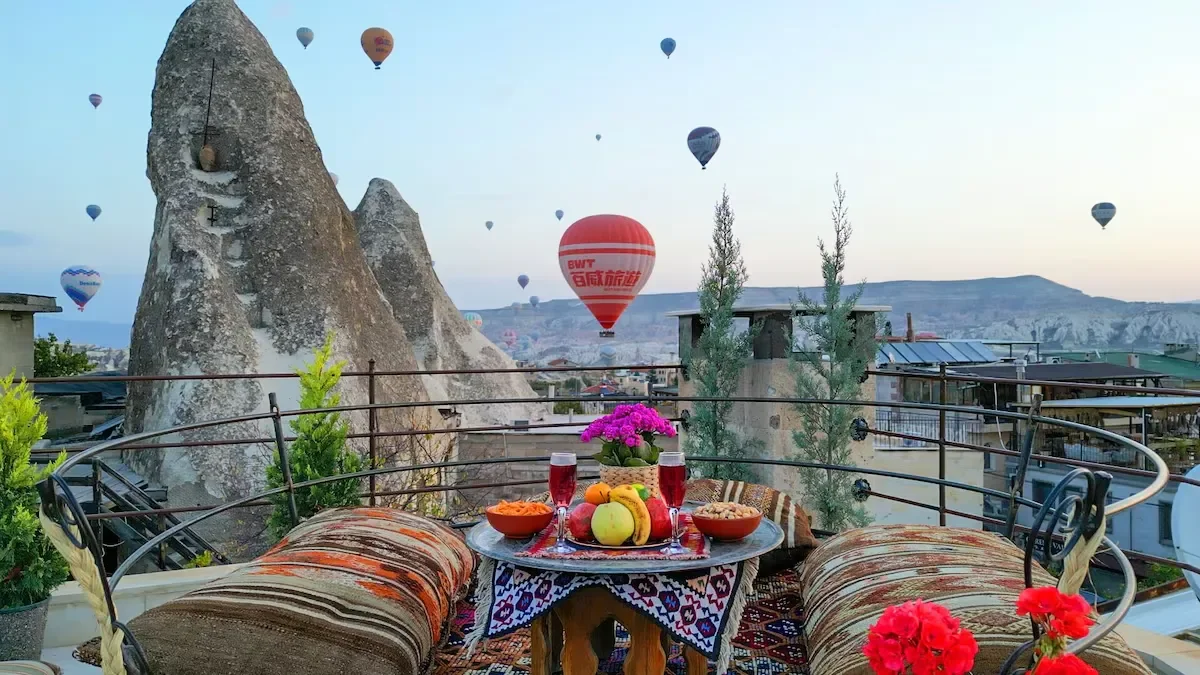
There's a moment in Cappadocia that no photo quite prepares you for: standing in a dark field before sunrise, cold coffee in hand, watching the sky slowly fill with hundreds of hot air balloons rising silently over a landscape that looks like it was carved by a giant with a very strange sense of humor. It's one of those rare travel moments that lives up to the hype, and it's just the beginning of what this region has to offer. This guide covers everything a first-time visitor to Cappadocia actually needs — what to do, where to stay, what to eat, and why this stretch of Central Anatolia looks the way it does.
Understanding the Landscape
Cappadocia's surreal scenery is the result of millions of years of volcanic activity, followed by millennia of erosion from wind and rain, which sculpted the region's soft volcanic ash (called tuff) into the "fairy chimney" rock formations the area is famous for. That same soft stone turned out to be remarkably easy to carve, which is why early Christian communities dug entire underground cities and cliffside churches directly into the rock, some of which are still visitable today.
The main base for visitors is the town of Göreme, sitting in the heart of the valley system and surrounded by cave hotels, restaurants, and tour operators. Nearby towns, Üçhisar, Ortahisar, and Avanos each have their own character and are worth a visit even if you're not staying there.
things to discover In Istanbul
Hot Air Balloon
Üçhisar Castle
Avanos
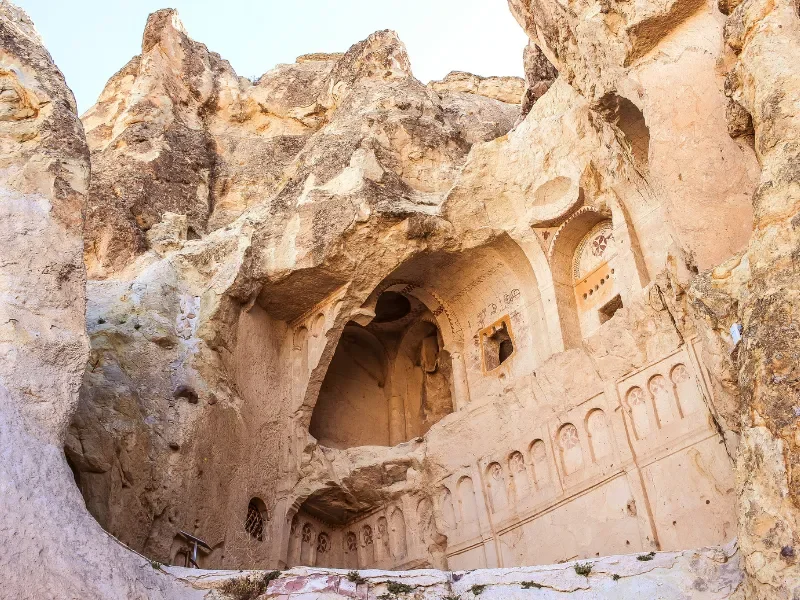
Göreme Museum
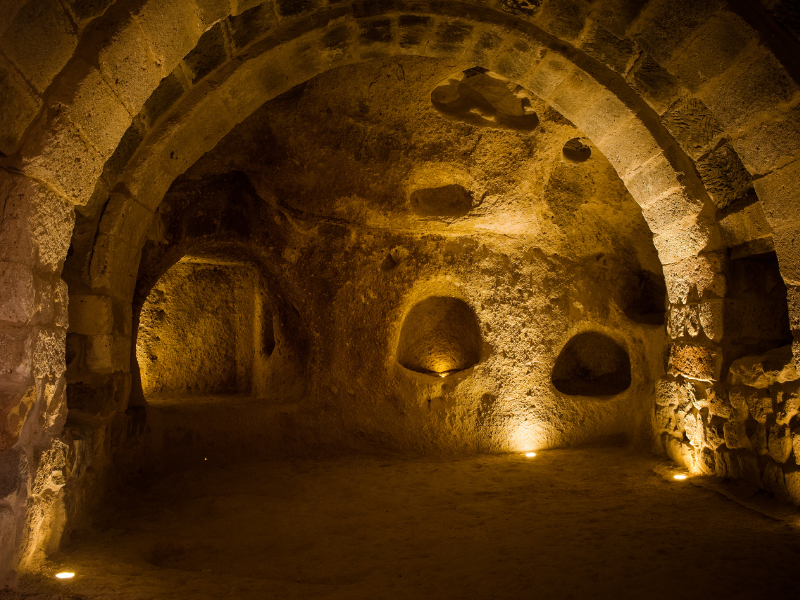
Derinkuyu and Kaymaklı
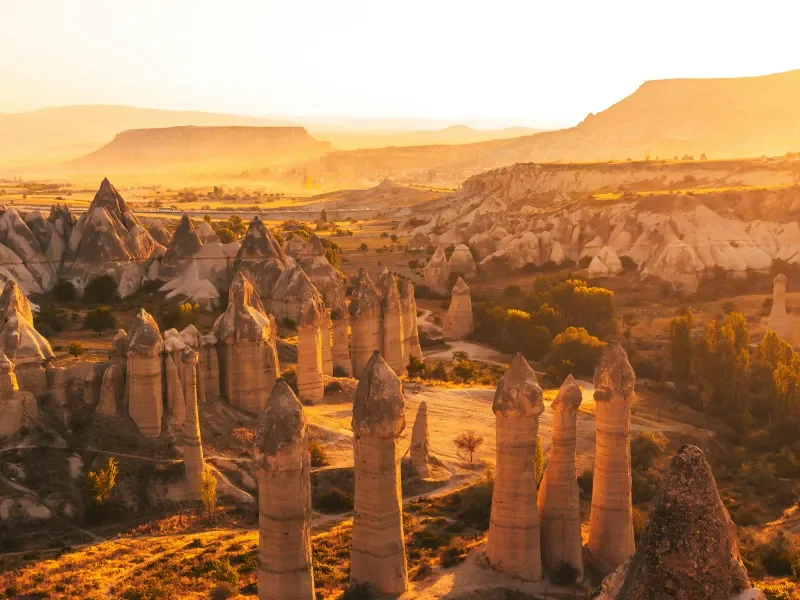
Love Valley
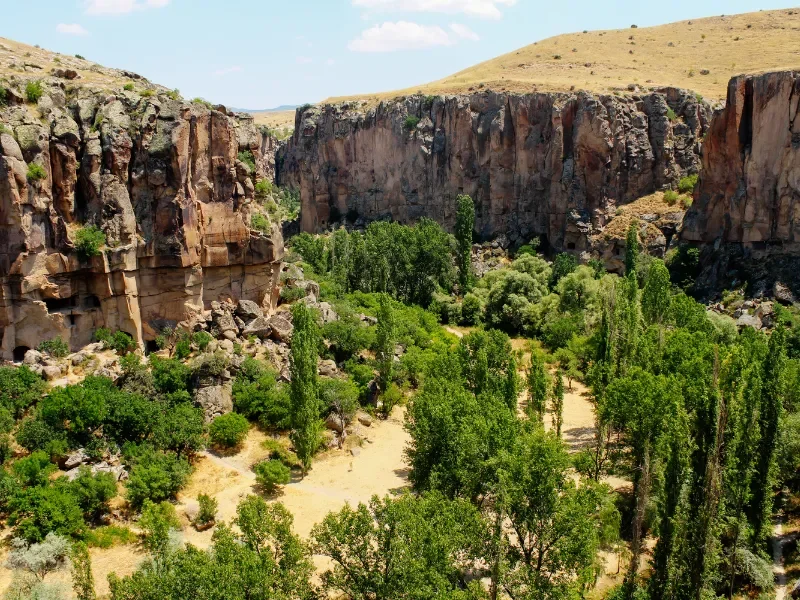
Green Tour or Red Tour
our monthly Hotels pics
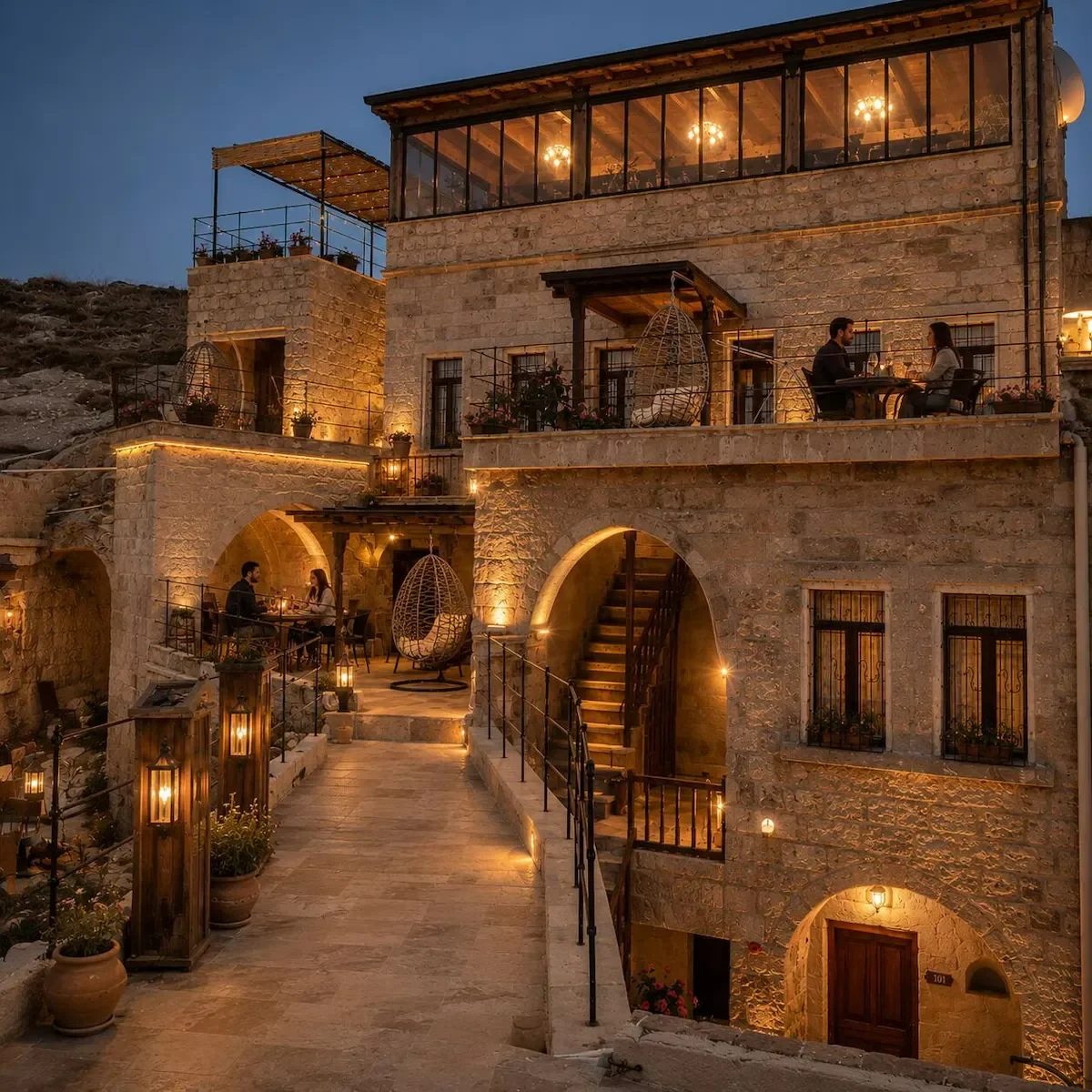
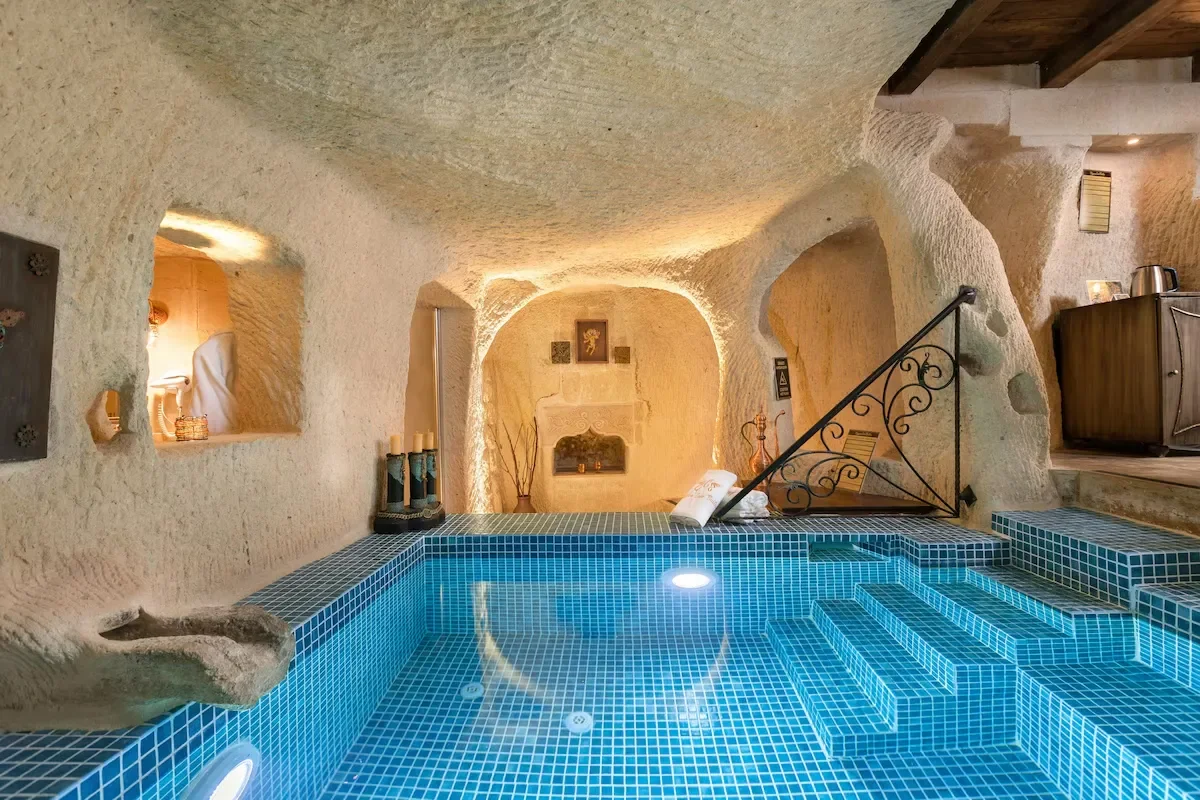
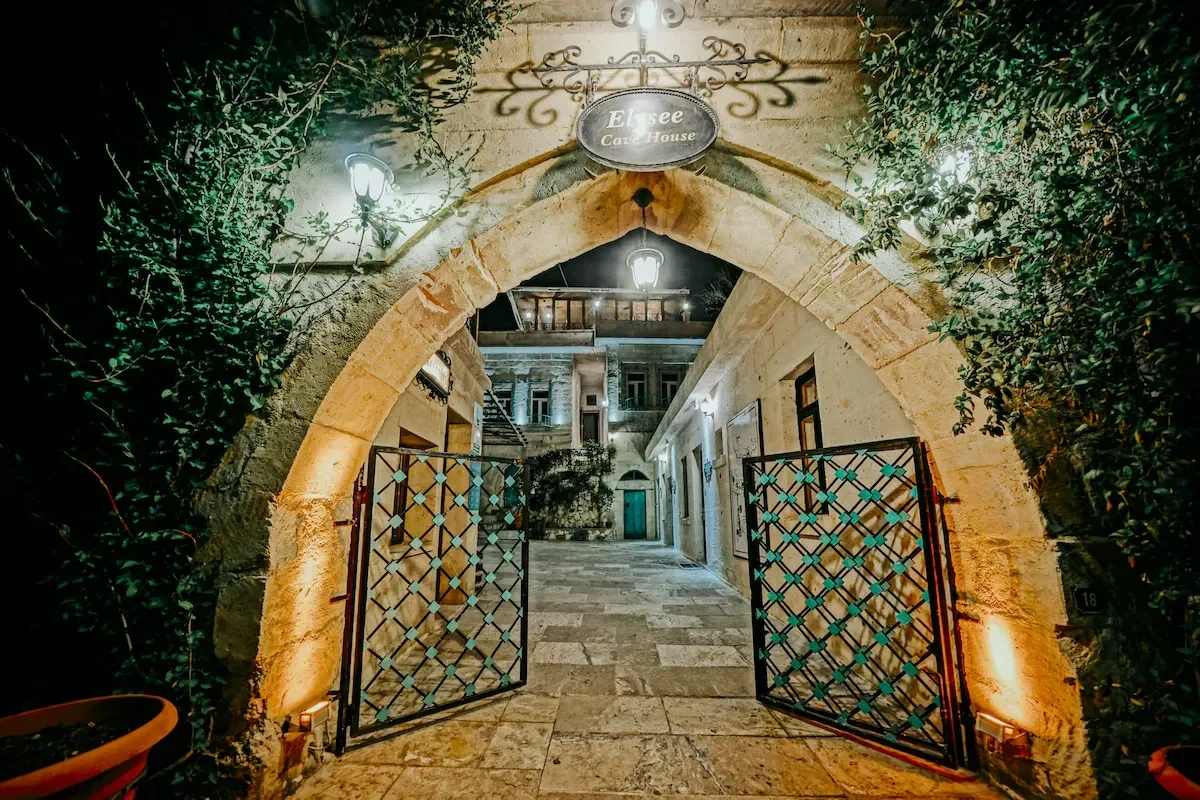
Accommodations under 80$\Night
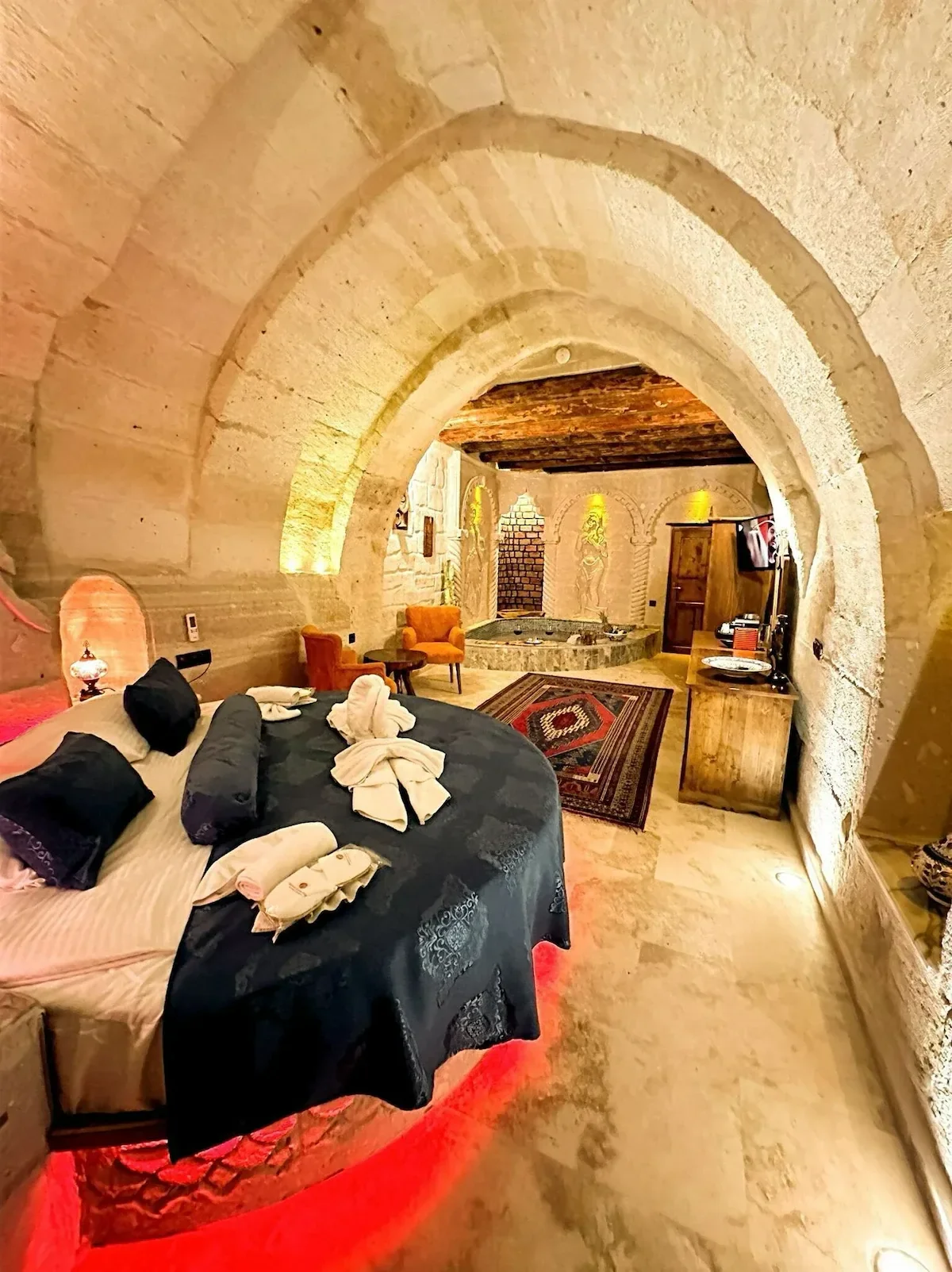
where to stay by Town
-
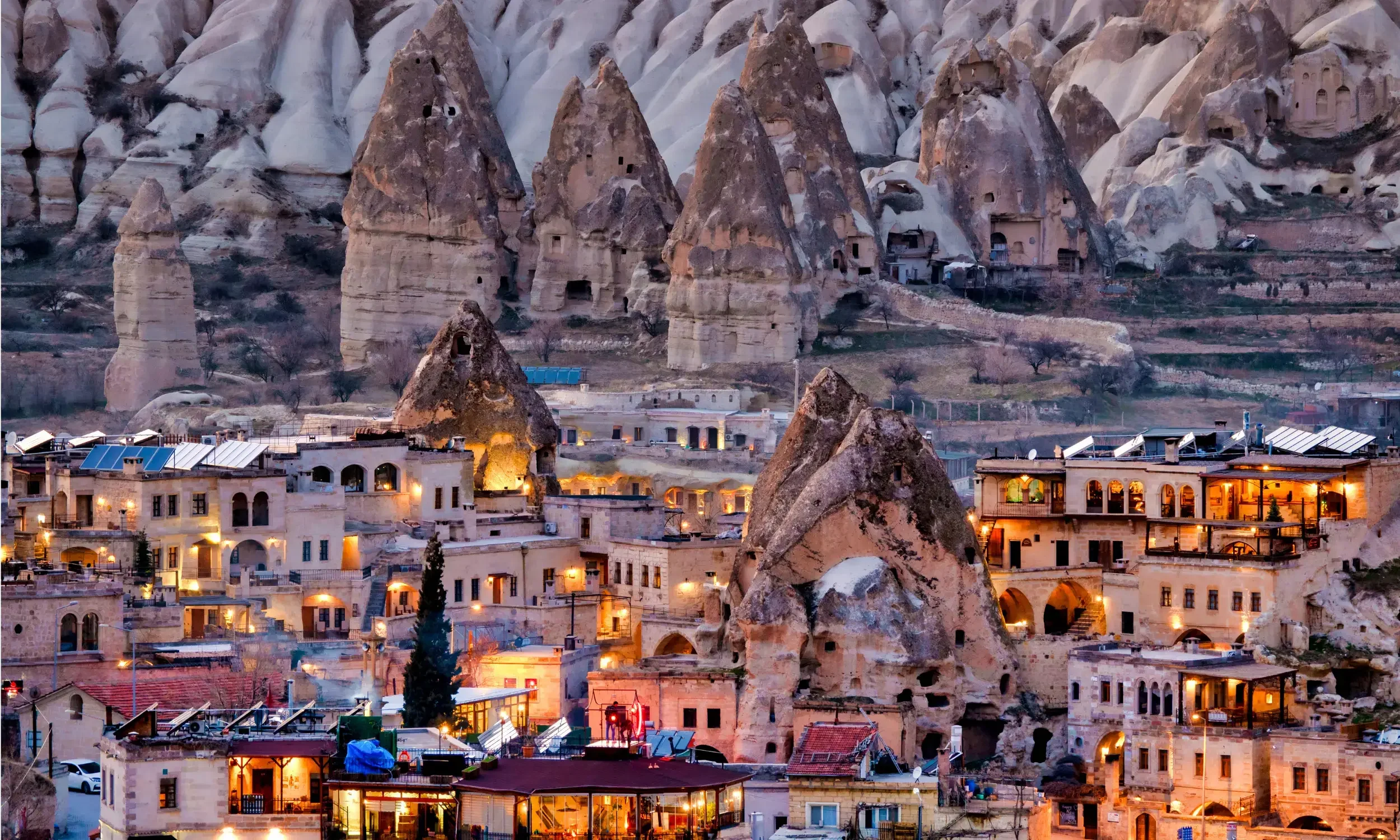
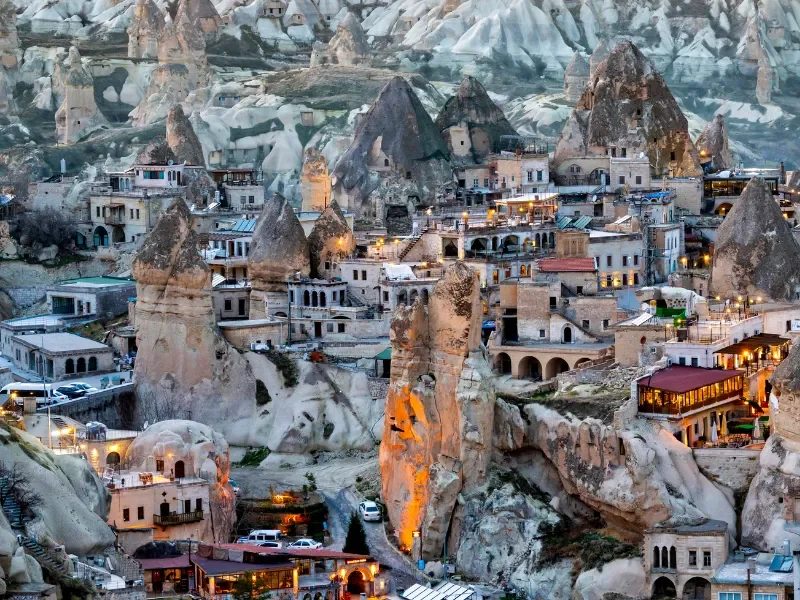
![A town built into tall rock formations in Cappadocia, Turkey, with cave dwellings and illuminated pathways.]()
Göreme
is the natural base for most visitors centrally located, walkable, with the highest concentration of cave hotels, restaurants, and tour operators, plus direct access to several hiking trails right from town. It's touristy by regional standards, but for good reason: everything you need is within a five-minute walk.
-
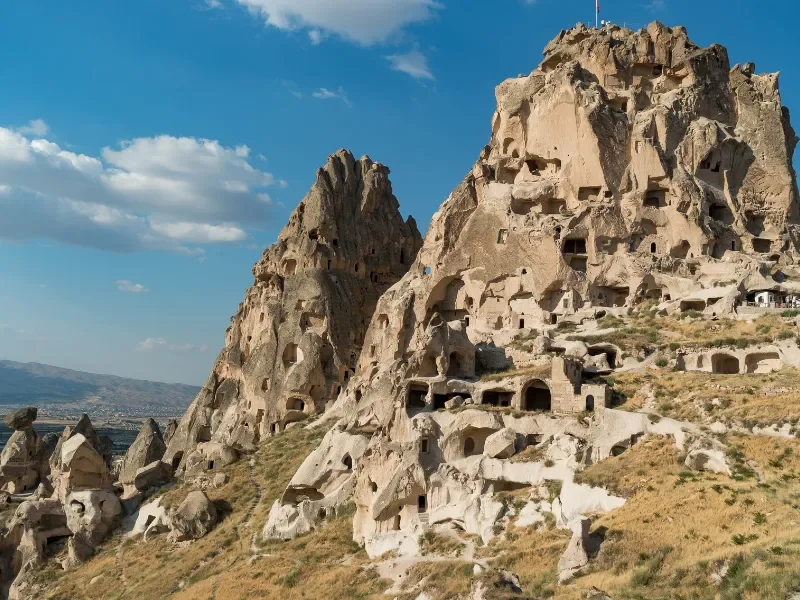
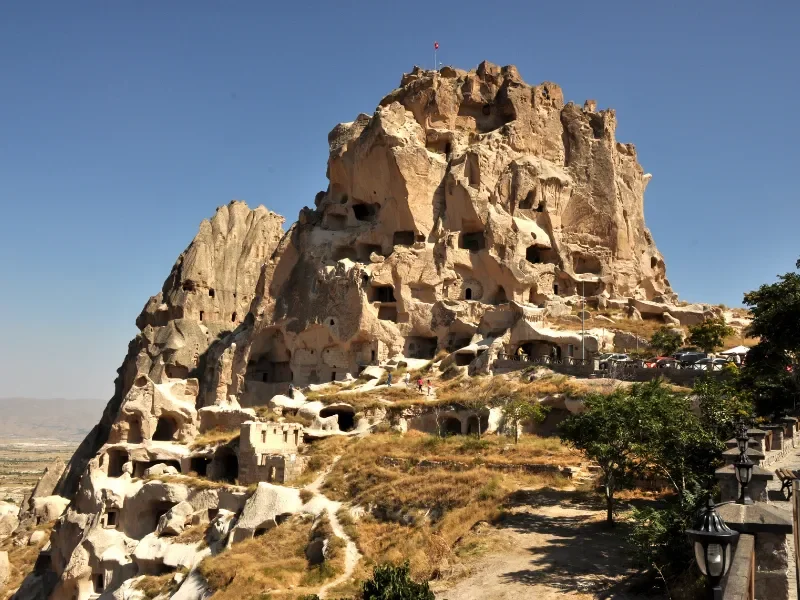
![A large rock formation with ancient cave dwellings carved into its side, under a clear blue sky.]()
Üçhisar
a short drive or taxi ride away, sits at the highest point in the region around its namesake rock castle, and offers a quieter, more residential feel with some of the best panoramic views anywhere in Cappadocia, a good choice if you want proximity to Göreme without quite as much bustle.
-
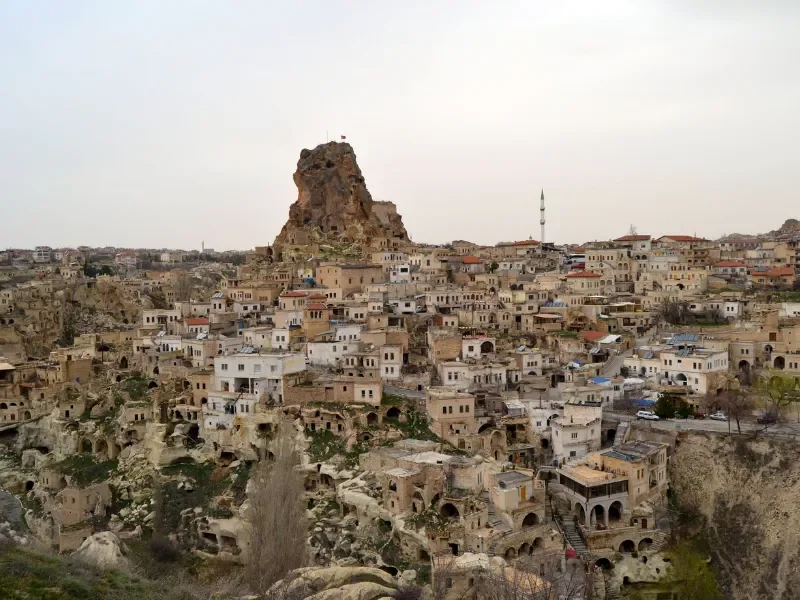
![]()
Ortahisar
is smaller and less visited than either Göreme or Üçhisar, with its own rock castle, a handful of excellent cave hotels, and a noticeably more local, lived-in atmosphere, worth considering if you want a slower-paced base, or simply a coffee stop between other sights.
-
![Public park with large green trees, decorative sculptures resembling large pots or vases, a white letter sign spelling 'AVAN' with a red heart in place of the letter 'A', and a lakeside view with boats and a clear blue sky.]()
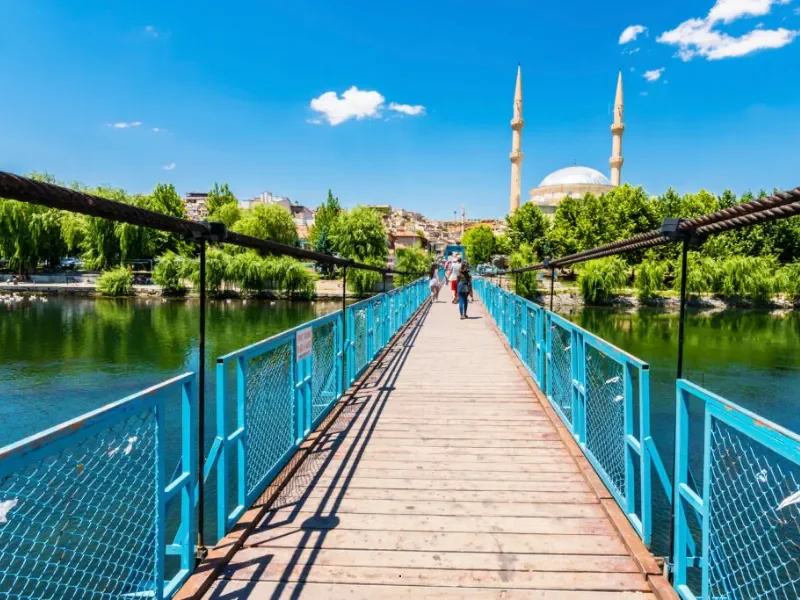
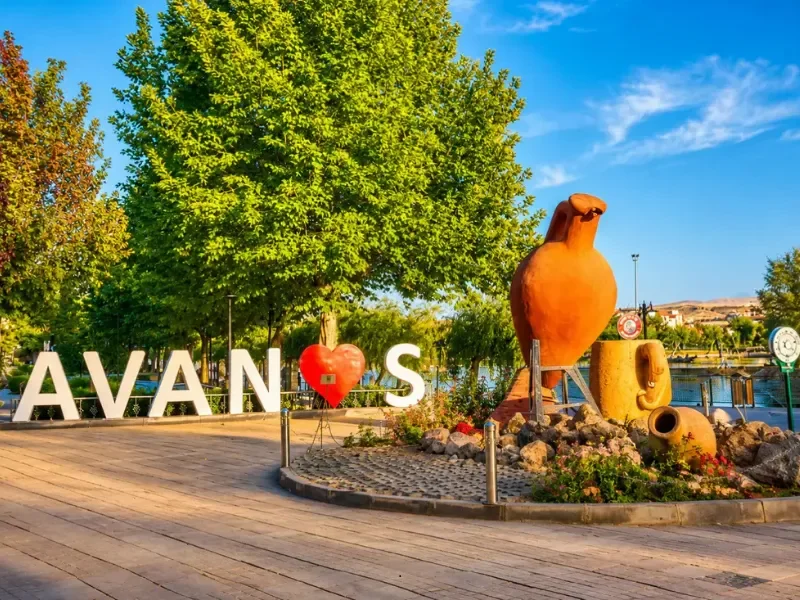
Avanos
on the river, is more of a half-day destination than a place to base yourself, though its riverside setting and pottery workshops make it a pleasant, less touristy stop if you want a break from the valley towns.
attractions tickets
All Important Things To Know About Cappadocia
What Cappadocia Is Famous For
Cappadocia's fame rests almost entirely on its landscape and what humans have done with it over thousands of years: fairy chimney rock formations, cave dwellings and churches, underground cities built for shelter, and in the modern era the sight of hundreds of hot air balloons filling the sky at sunrise. It's one of the most photographed regions in Turkey, and one of the very few places on earth where the terrain itself is the main attraction, with human history layered directly into the stone.
Food and Culture
Cappadocia has its own distinct culinary identity, shaped by its landlocked, mountainous setting. Testi kebab is the region's signature dish, meat and vegetables slow-cooked inside a sealed clay pot, which is then cracked open dramatically at the table, often with a small flourish from the server. It's as much theater as it is dinner, and worth seeking out at a proper local restaurant rather than a tourist-trap version.
Mantı, tiny Turkish dumplings usually served with garlicky yogurt and chili-infused butter, are a Central Anatolian specialty and a good lighter option if you've had your fill of kebab. Gözleme, thin folded flatbread cooked on a griddle with fillings like cheese, potato, or spinach, is common at roadside stalls and makes an excellent quick lunch between sightseeing stops.
The region also has its own small but growing wine industry, thanks to the same volcanic soil that shaped its rock formations. Local wineries around Ürgüp and Üçhisar offer tastings, largely built around indigenous grape varieties like Emir and Öküzgözü, and a wine tasting at sunset on a cave hotel terrace is a genuinely lovely way to close out a day of hiking and sightseeing.
Culturally, Cappadocia's cave-dwelling tradition isn't just historical some locals still live in cave homes today, particularly in the older parts of towns like Uçhisar and Ortahisar, and the region's identity is deeply tied to this practice of building with, rather than against, the landscape. Many restaurants continue this tradition too, carved directly into rock, worth choosing for atmosphere as much as for the food itself.
Best Time to Visit
Spring (April–June) and autumn (September–October) are widely considered the best windows mild temperatures, good balloon-flight conditions, and blooming or golden-hued landscapes depending on the month. Summer gets hot during the day but remains manageable, especially with an early start to sightseeing before the heat peaks. Winter brings a real chance of snow, which transforms the fairy chimneys into something genuinely magical, though balloon flights become less reliable and some outdoor sights operate on reduced hours.
Shopping in Cappadocia
Beyond pottery in Avanos, the region is known for its carpets and kilims, often woven using techniques passed down through generations of local families as with anywhere in Turkey, buy from an established shop rather than a street seller, and treat the browsing process itself as part of the experience rather than a chore. Onyx and other local stone carvings are another regional specialty, widely sold in Avanos and Göreme, ranging from small trinkets to large decorative pieces.
Several workshops around the region also offer hands-on pottery or carpet-weaving demonstrations for visitors, which make for a nice change of pace from sightseeing and often double as a low-pressure way to shop directly from the maker.
A Note on Photography
Cappadocia is, unsurprisingly, one of the most photographed regions in Turkey, and a little planning goes a long way. Sunrise whether you're in a balloon or on the ground at a viewpoint like Sunset Point (which, despite the name, also offers a strong sunrise view over the valley) offers the region's most dramatic light. If you're not flying yourself, watching the balloons from the ground at dawn is a worthwhile experience in its own right, and considerably cheaper. Love Valley and Rose Valley are both particularly photogenic in the late afternoon, when the low sun brings out the rock's natural pink and red tones most vividly.
Practical Tips for First-Time Visitors
Fly into Kayseri or Nevşehir airport, both connect to Istanbul in around an hour, with shuttle buses running onward to Göreme. This is faster and generally more comfortable than the alternative overnight bus from Istanbul, though the bus remains a budget-friendly option for travelers with more time than money.
Book balloon flights in advance, especially in spring and autumn when demand is highest reputable operators do sell out, and flights are weather-dependent, so building in a spare morning gives you a second chance if your first flight gets grounded.
Rent a scooter or small car if you want the flexibility to explore at your own pace, particularly for reaching more remote viewpoints and valleys not covered by the standard day tours. Roads are generally well-maintained, though some valley trails require a short hike from the nearest parking area.
Wear proper walking shoes. Between the underground cities' low ceilings and uneven floors and the valley hikes' loose, rocky terrain, sandals or fashion sneakers aren't going to serve you well here.
Pack layers regardless of season. Mornings, especially balloon-flight mornings, are cold even in summer, while afternoons can be warm and dry. Evenings cool down quickly once the sun sets behind the valley walls.
A Few Days That Actually Work
Two to three days is the sweet spot for most visitors. Day one: arrive, settle into your cave hotel, and explore Göreme and the Open Air Museum in the afternoon. Day two: an early balloon flight, followed by a Green or Red Tour (or a self-driven version of the same route) covering the underground cities, valleys, and viewpoints. Day three, if you have it: a slower morning, a hike through Rose or Love Valley at your own pace, an afternoon in Avanos for pottery, and a sunset wine tasting to close things out.