
All what you need to know about Antalya
aNTALYA
The Ultimate Guide
Plan your trip to Antalya





Antalya: The Complete Guide to Turkey's Turquoise Coast
Antalya gets filed under "beach resort" more often than it should, because that undersells the place considerably. Yes, this is the anchor city of Turkey's Turquoise Coast, and yes, the beaches are genuinely excellent. But Antalya also sits on layers of Roman, Byzantine, Seljuk, and Ottoman history, with some of the best-preserved ancient ruins in the entire Mediterranean sitting a short drive from the coastline. This guide covers everything a first-time visitor to Antalya needs, the old town, the ruins, the beaches, and everything in between.
Understanding Antalya
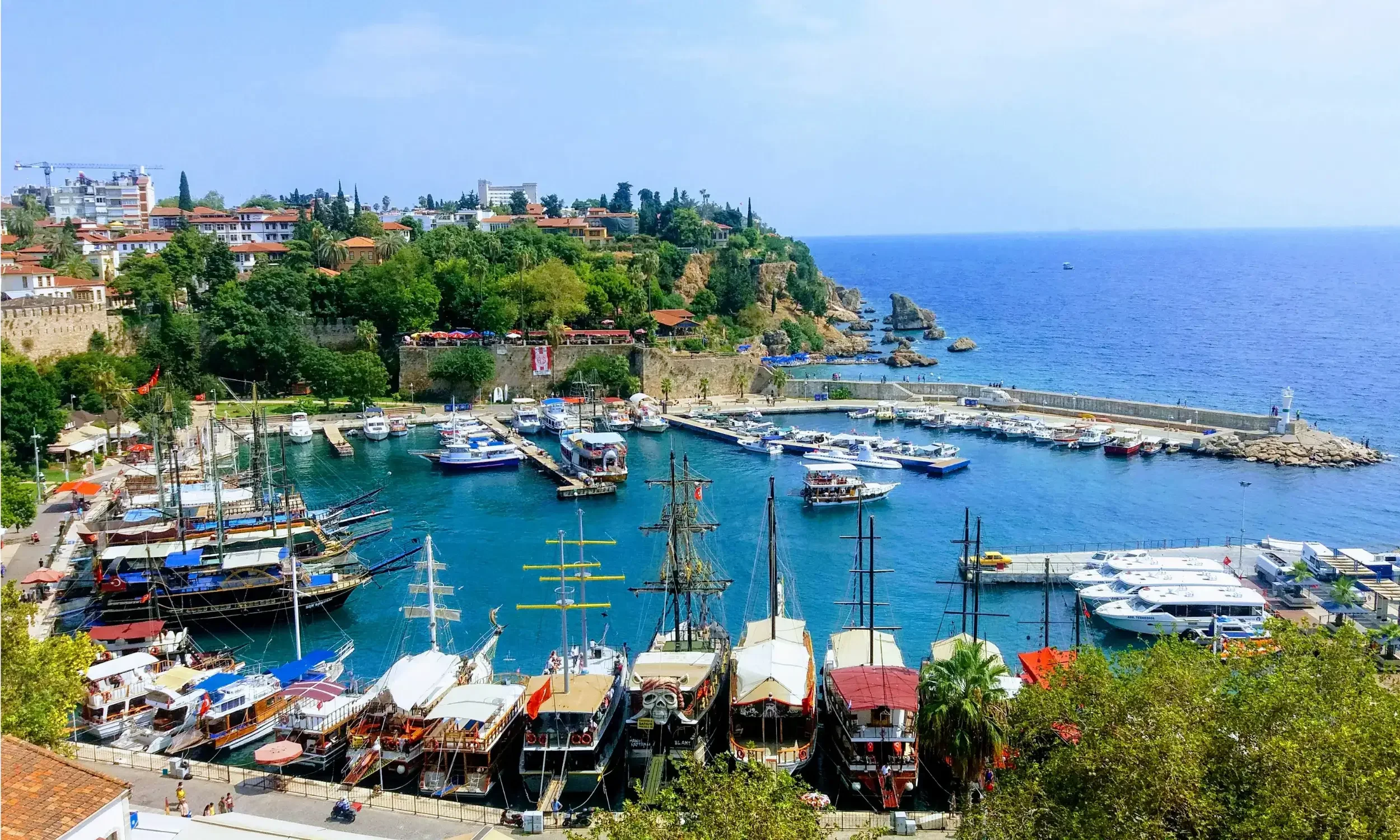
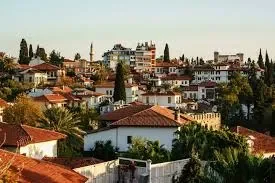
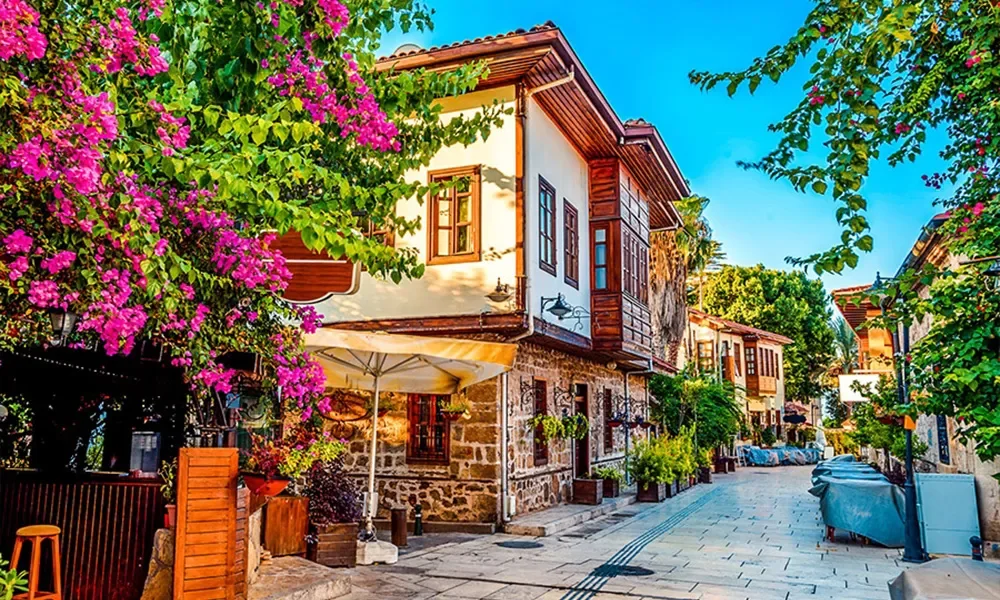
The heart of the city is Kaleiçi, the old walled quarter, a maze of narrow streets lined with restored Ottoman townhouses, built around a harbor that was originally constructed by the Romans. Most first-time visitors base themselves here or nearby, using it as a launchpad for both the city's own sights and day trips to the ancient ruins scattered across the surrounding region.
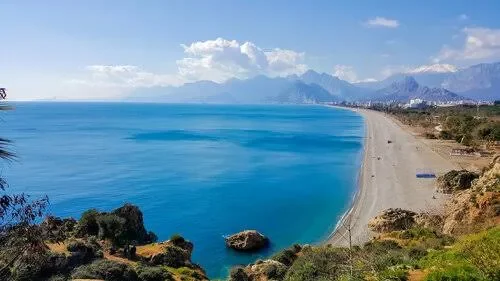
Beyond Kaleiçi, Antalya sprawls into a modern city with resort districts stretching along the coast in both directions, Lara to the east, Konyaaltı to the west, each offering a different flavor of beach holiday.
things to discover In Antalya
Wander Kaleiçi
Aspendos
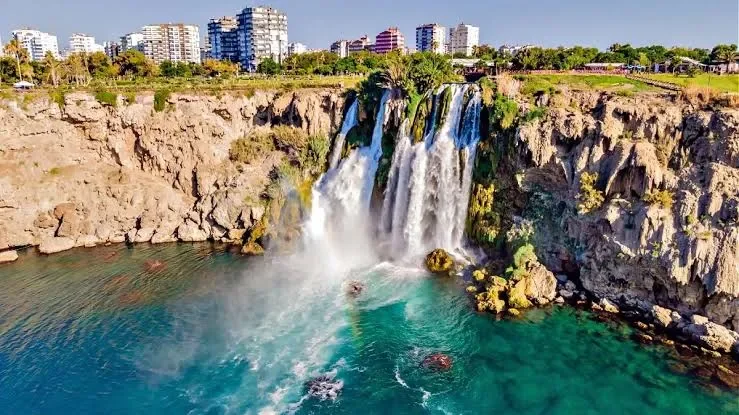
Düden Waterfalls
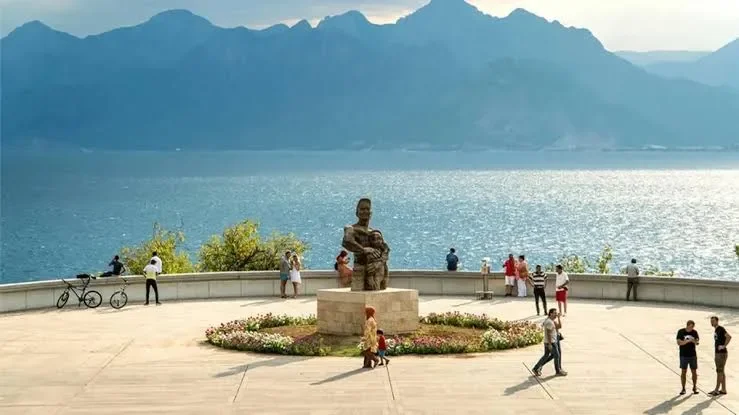
Karaalioğlu Park
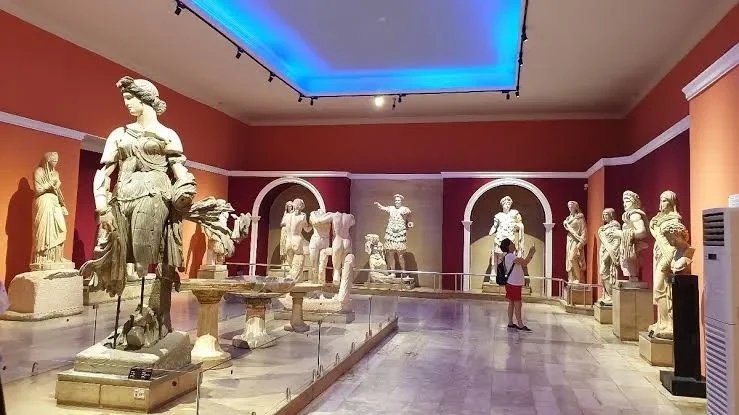
Antalya Museum
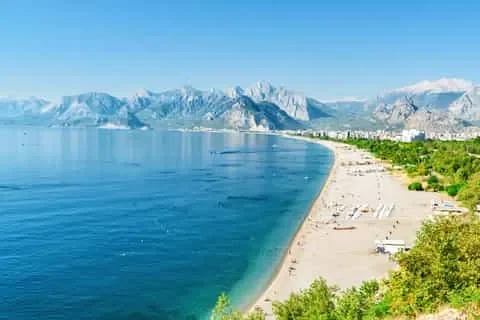
Lara Beach
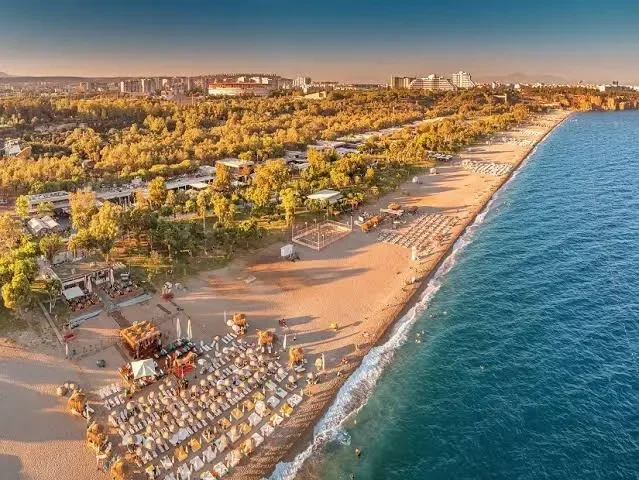
Konyaaltı Beach
our monthly Hotels pics
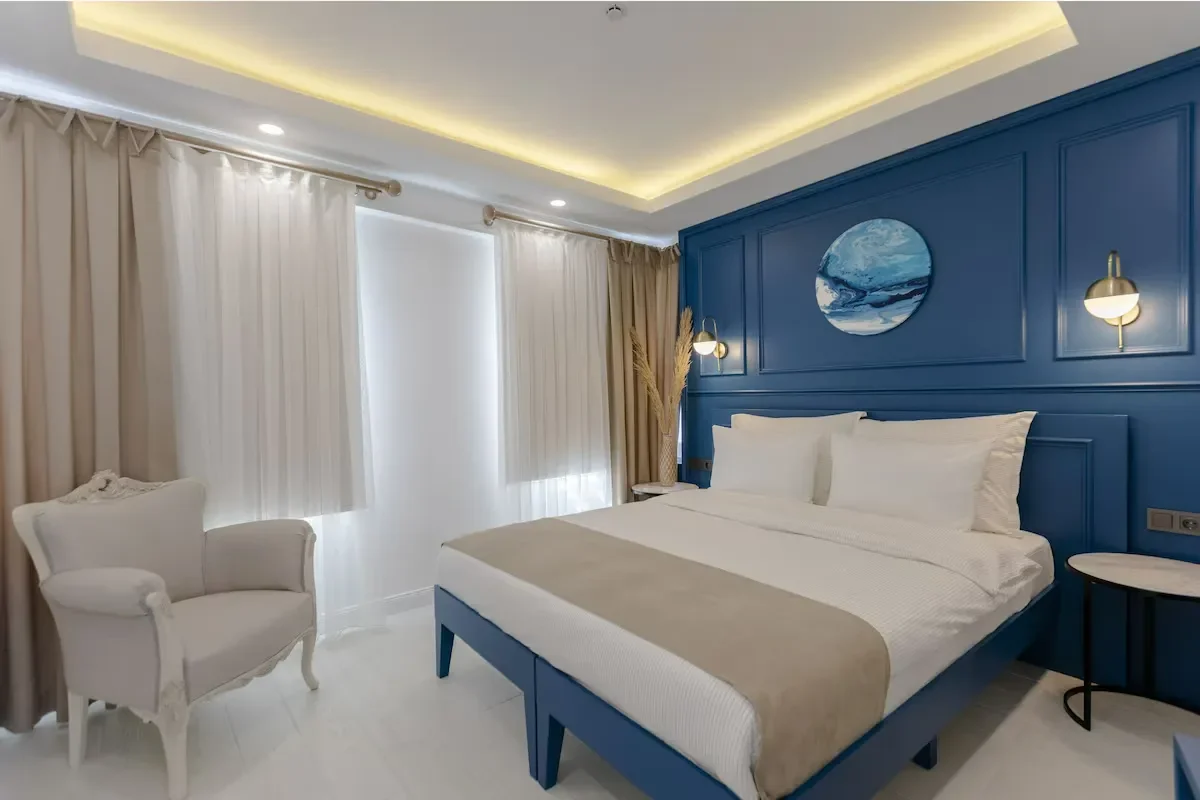
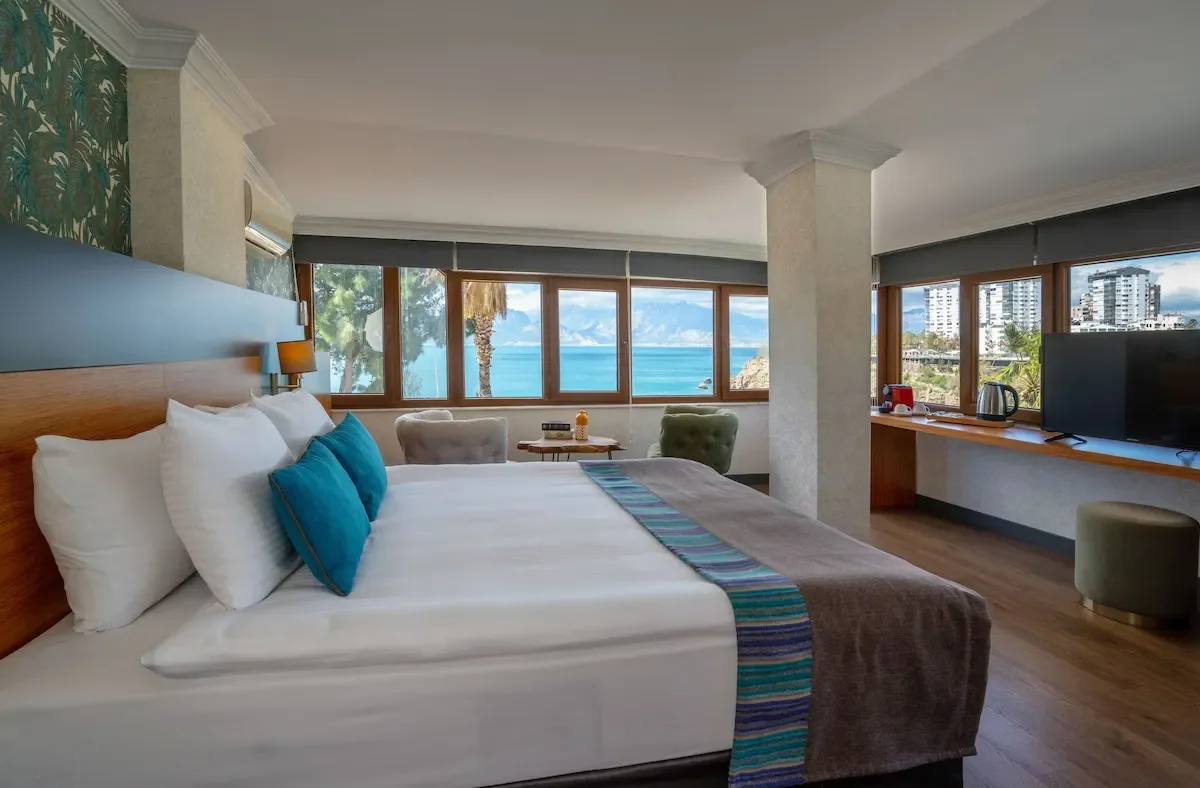
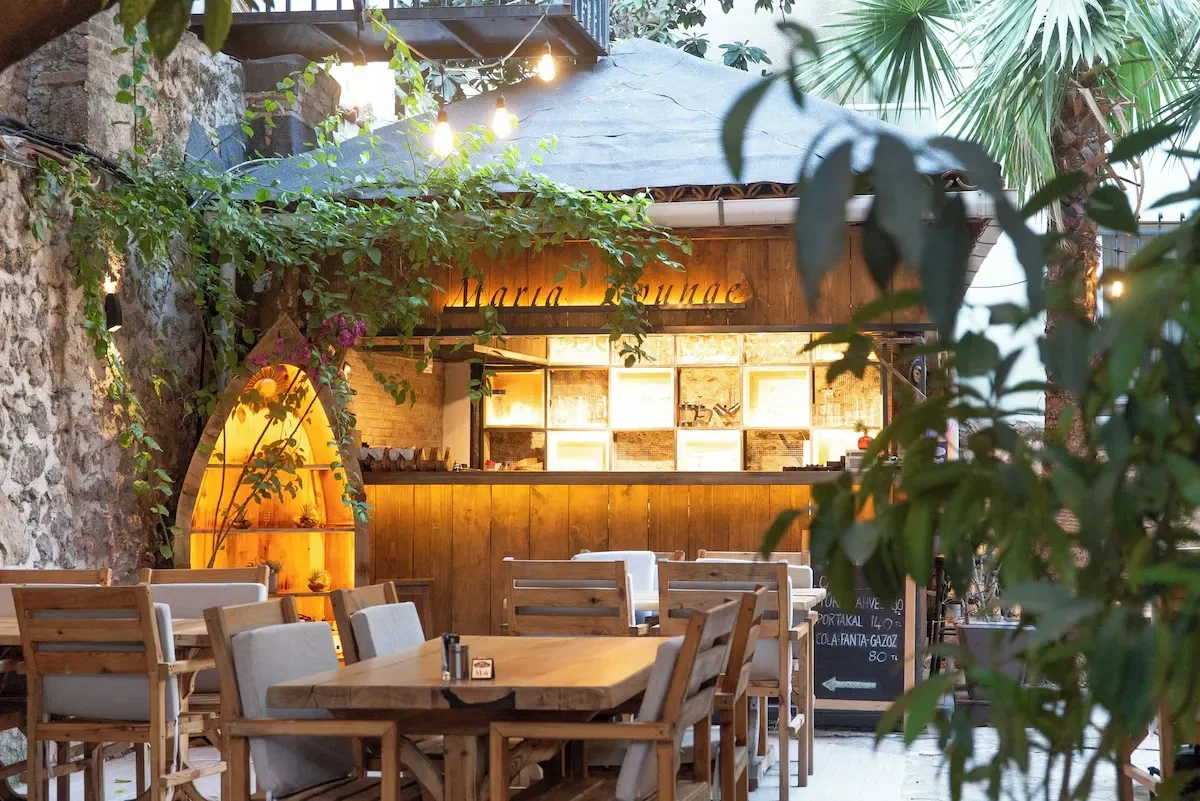
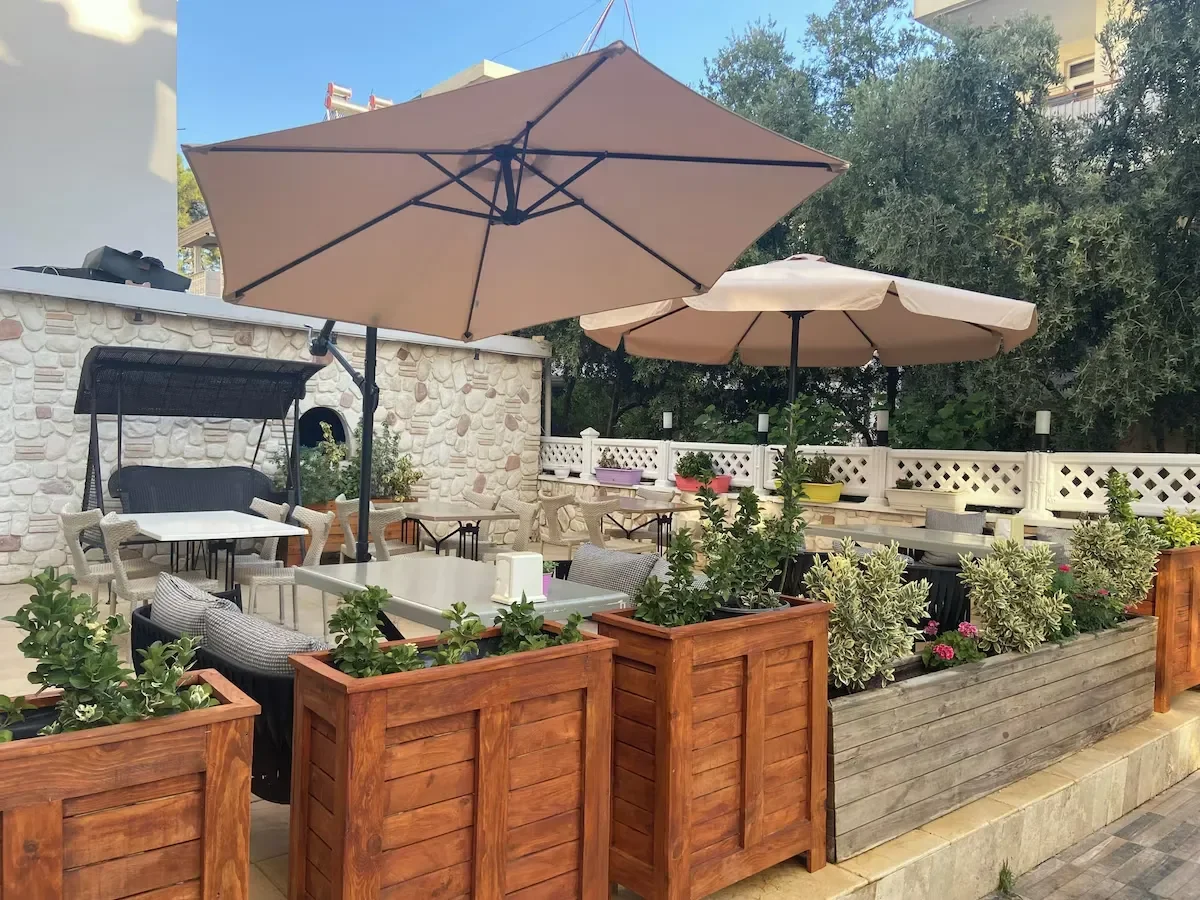
Accommodations under 80$\Night

where to stay
-
![beautiful kaleici neghibourhood in antalya]()
Kaleiçi
is the obvious choice for travelers who want history and atmosphere within walking distance, restored Ottoman townhouses converted into boutique hotels, many built around small courtyards with fountains, offering a genuinely different feel from the larger resort properties elsewhere in the city.
-
![lara]()
Lara
is the resort zone of choice for travelers prioritizing a classic beach holiday long stretches of sand, large all-inclusive resorts, and a livelier, more built-up atmosphere geared toward relaxation over sightseeing.
-
![Konyaaltı]()
Konyaaltı
splits the difference still resort-oriented, but closer to the city center and Kaleiçi than Lara, making it a reasonable base for travelers who want easy beach access without giving up quick access to the old town.
-
![historical site in antalya]()
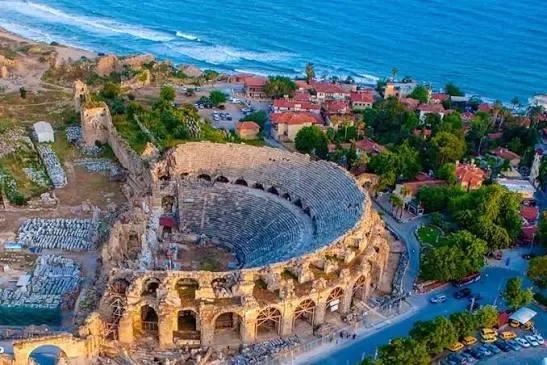
Side
For travelers who want to combine ruins with relaxation, a handful of boutique hotels and resorts near Side offer a quieter alternative to central Antalya, with ancient ruins essentially built into the town itself.
attractions tickets
All Important Things To Know About antalya
What Antalya Is Famous For
Antalya's reputation rests on a combination that's genuinely rare, a well-preserved Ottoman old town, some of the best Roman-era ruins in the Mediterranean, and a coastline turquoise enough to headline its own tourism campaign. It's the anchor of what's commonly called the Turkish Riviera, and for many international visitors, particularly from Northern Europe, it's the single most popular beach destination in the country.
Food and Culture
Antalya's food scene draws on both its Mediterranean coastal setting and its inland agricultural surroundings. Piyaz, a local white bean salad with a tahini-based dressing, often served alongside grilled meat, is a distinctly Antalya specialty rarely found in quite the same form elsewhere in Turkey. Tandır kebabı, lamb slow-cooked in an underground clay oven until it falls off the bone is another regional standout worth seeking out at a proper local restaurant rather than a hotel buffet.
Given the coastal setting, fresh Mediterranean seafood is a natural focus, grilled sea bass and sea bream are harborside staples, best eaten right on the water in Kaleiçi as the sun goes down. For dessert, şıralı kabak tatlısı, a candied pumpkin dish sweetened with grape molasses rather than refined sugar, reflects the region's strong agricultural roots.
The surrounding region is also one of Turkey's biggest citrus producers, and fresh orange and pomegranate juice stands are a common, refreshing sight throughout the city, especially during the hotter months.
Culturally, Antalya blends the more international, resort-town atmosphere of its beach districts with the older, distinctly Turkish rhythms of Kaleiçi, tea gardens along the clifftop parks, the call to prayer echoing from the old town's mosques, and a noticeably warmer, more relaxed pace than Istanbul's more frenetic energy.
Shopping in Antalya
Kaleiçi's narrow streets are full of small boutiques selling ceramics, textiles, and leather goods, alongside more tourist-oriented shops selling Turkish delight, spices, and the usual souvenir staples. For a more local shopping experience, the weekly markets (pazar) held in various neighborhoods throughout the week offer fresh produce, textiles, and household goods at prices well below anything in the old town's tourist-facing shops, ask your hotel which day and neighborhood hosts the nearest one.
For something more polished, Antalya has a handful of modern shopping malls on the city's outskirts, useful if you need something specific rather than a souvenir, or want air conditioning on a particularly hot afternoon.
Watersports and Boat Trips
Beyond swimming, Antalya's coastline supports a wide range of watersports, jet skiing, parasailing, and banana boat rides are all readily available along the main resort beaches, particularly Lara and Konyaaltı. For something calmer, glass-bottom boat tours out of Kaleiçi Marina offer views of the underwater terrain and coastline without requiring you to get in the water yourself.
Scuba diving is also popular along this stretch of coast, with several dive schools operating out of Antalya and nearby Kaş offering everything from beginner introductory dives to full certification courses.
Family Travel Notes
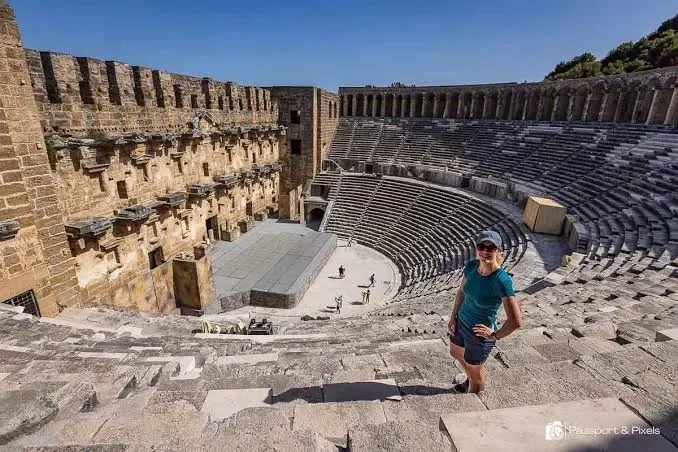
Antalya is a genuinely solid choice for family trips, particularly given the combination of calm, shallow sections of beach at Lara and Konyaaltı, plenty of all-inclusive resort options designed with kids in mind, and ruins like Aspendos and Perge that are impressive enough to hold a child's attention without requiring a full day of walking. Antalya Aquarium, one of the largest in the world, is a popular rainy-day or midday-heat alternative to the beach, and several water parks operate seasonally around the city's resort districts.
Practical Tips for First-Time Visitors
Antalya Airport is one of the busiest in the country, with direct flights from much of Europe, and is often cheaper and more convenient than routing through Istanbul if Antalya is your primary destination.
Rent a car for the ruins. Aspendos, Perge, and Termessos aren't well served by public transportation, and a rental car or an organized day tour makes visiting them significantly easier than attempting it independently by bus.
Visit ruins in the morning. Summer heat across the region is intense by midday, and walking around exposed ancient sites is far more comfortable, and safer earlier in the day.
Get an Antalyakart for city transportation, the local tap card covers trams and buses around the center and out toward the Konyaaltı and Lara beach districts.
Pack reef-safe sunscreen and good walking shoes, you'll be doing a fair amount of both sunbathing and walking over uneven ancient stone, sometimes on the same day.
Nightlife and Evenings
Antalya's nightlife splits fairly clearly by district. Kaleiçi offers a more relaxed evening scene, rooftop bars and restaurant terraces overlooking the harbor, live music in some of the old town's courtyard restaurants, and a generally low-key, romantic atmosphere well suited to a slower evening. The resort districts, particularly around Lara, cater more directly to a livelier holiday crowd, with beach clubs, larger bars, and organized nightlife that runs later and louder than anything in the old town.
For something in between, several rooftop bars near Kaleiçi's edge offer sweeping views over the old town rooftops and harbor without the full resort-district volume, a good option if you want a proper evening out without an early night being off the table.
Best Time to Visit
April through June and September through October offer the best balance of warm weather and manageable crowds, ideal for combining beach time with ruin-hopping without the peak-summer heat. July and August are the busiest and hottest months, popular with European holidaymakers but considerably more crowded and pricier. Winter stays mild by European standards but isn't really beach weather, though it's a quieter, cheaper time to explore the old town and ruins without the crowds.
A Few Days That Actually Work
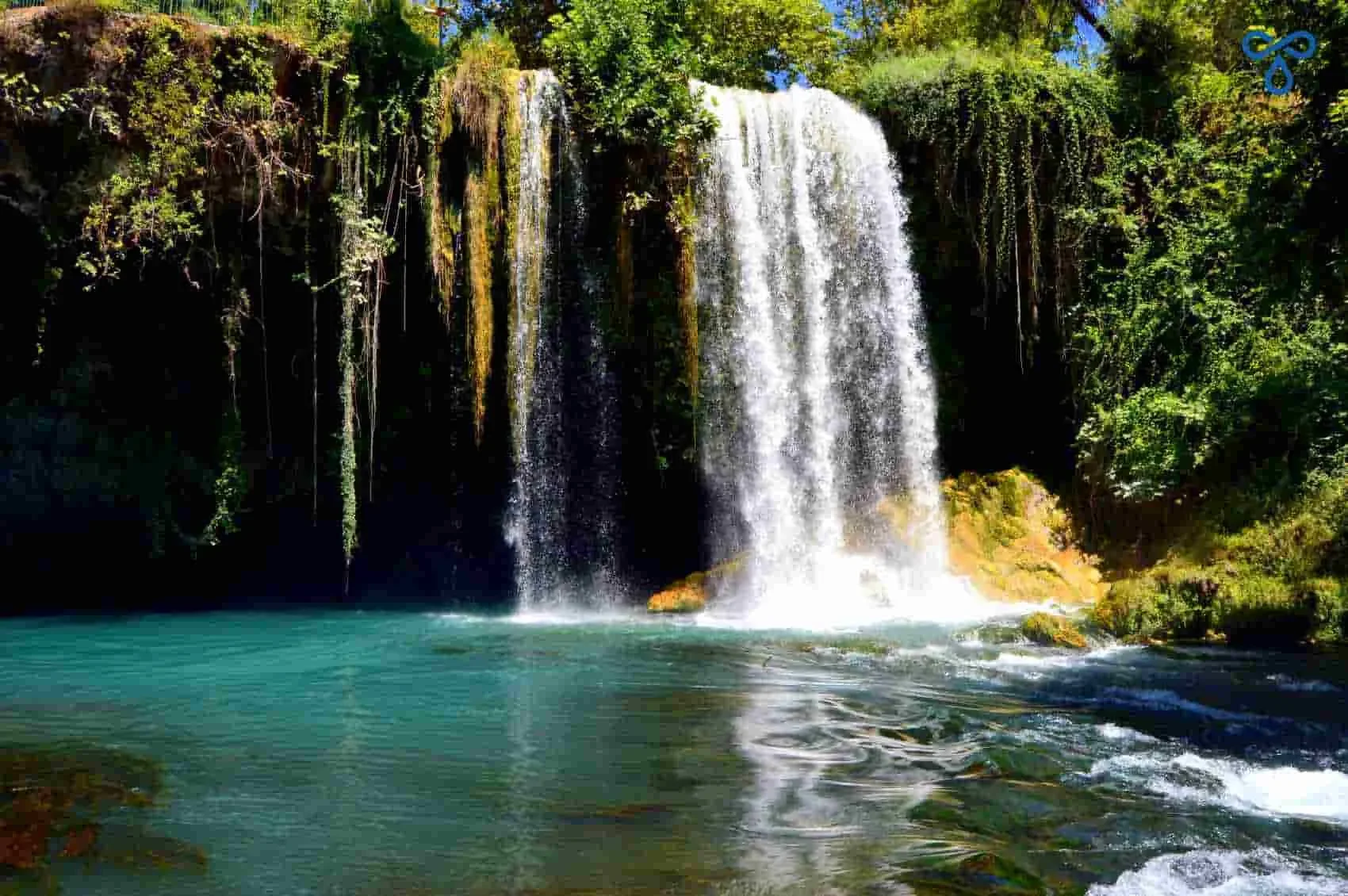
Three to four days works well for most visitors. Day one: settle into Kaleiçi, wander the old town, and catch sunset at Karaalioğlu Park. Day two: a full day trip to Aspendos and Perge, or Termessos if you prefer hiking to ruins-hopping. Day three: beach time at Konyaaltı or Lara, or a boat trip to see the Düden Waterfalls from the water. Day four, if you have it: a longer excursion to Side, or further along the coast to Kaputaş and Ölüdeniz for travelers with a rental car.