
ePHESUS
All what you need to know about Ephesus
The Ultimate Guide
Plan your trip to Ephesus





Ephesus: The Complete Guide to One of the World's Great Ancient Cities
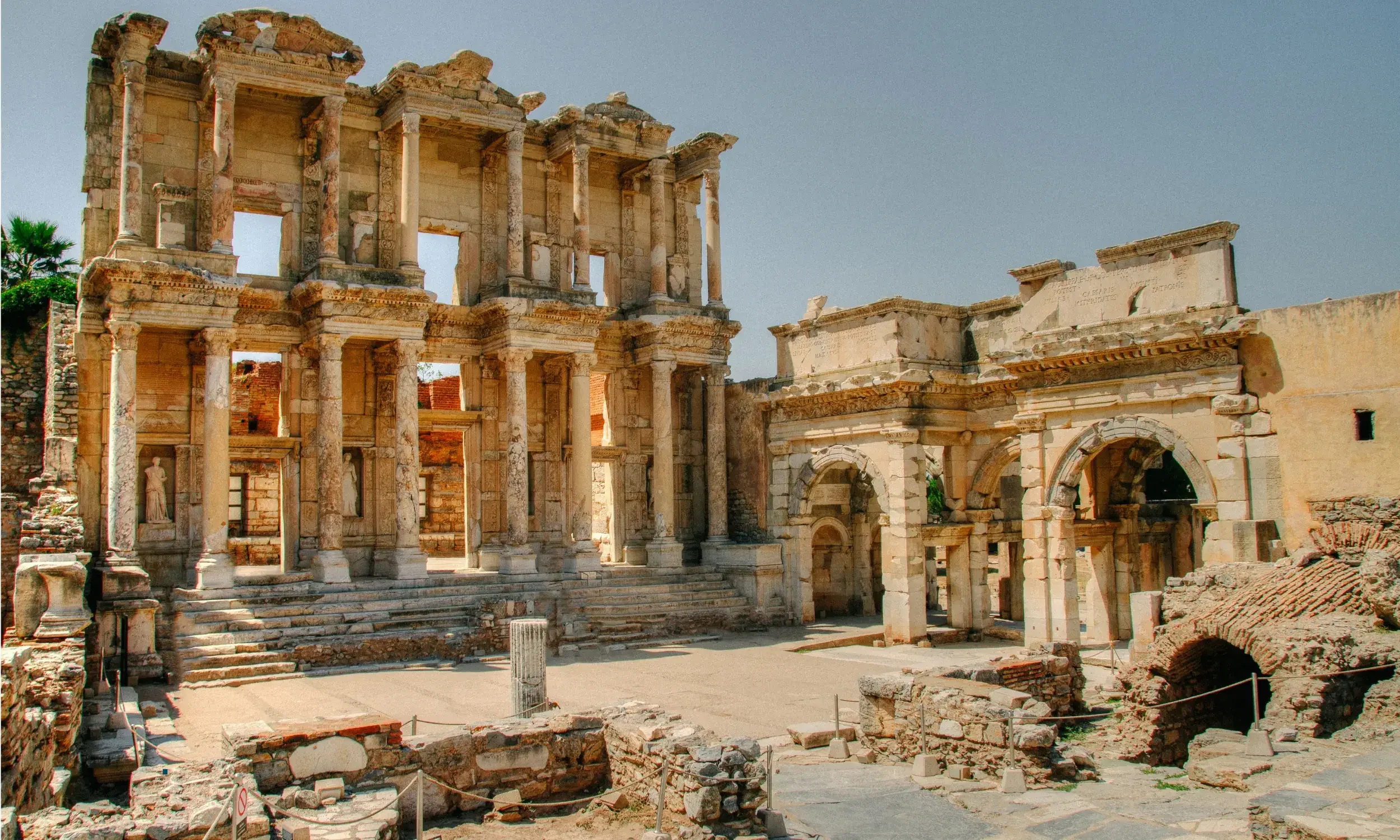
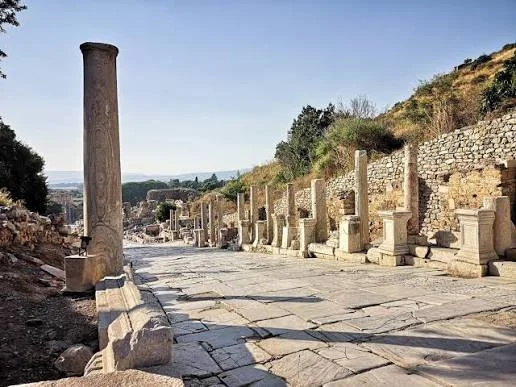
Walking down the marble-paved main street of Ephesus, past the two-story facade of the Library of Celsus, it's genuinely easy to forget you're looking at something nearly 2,000 years old. This is one of the best-preserved ancient cities anywhere in the Mediterranean world, and unlike many ruins that require real imagination to picture as a living city, Ephesus mostly does the work for you. This guide covers everything you need to plan a visit, the ruins themselves, where to base yourself, and everything else worth knowing about one of Turkey's must-see historical sites.
Understanding Ephesus
Ephesus sits on Turkey's Aegean coast, near the modern town of Selçuk, about 30 minutes from the city of İzmir. In its prime, during the Roman era, Ephesus was one of the largest cities in the ancient Mediterranean, with a population estimated at up to 250,000 people, and served as a major center of trade, religion, and politics. It was also, notably, a port city, though centuries of silt deposits from the nearby river have since pushed the coastline several kilometers away, leaving the ruins landlocked today.
The site is large, genuinely walkable, and best explored with at least a few hours set aside, this isn't a quick photo-stop kind of ruin, it's closer to an outdoor museum you can spend a full morning in.
things to discover In Madrid
Curetes Street
Terrace Houses
Temple of Artemis
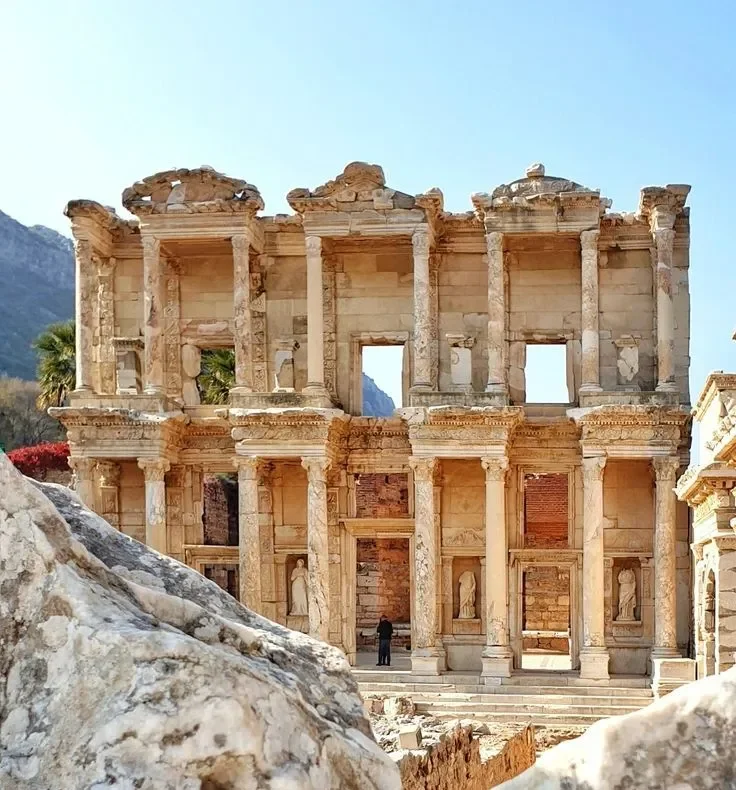
Library of Celsus
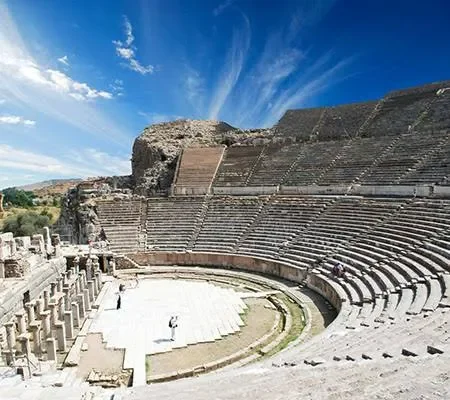
Great Theatre
House of the Virgin Mary
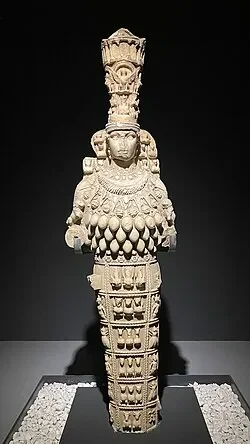
Archaeological Museum
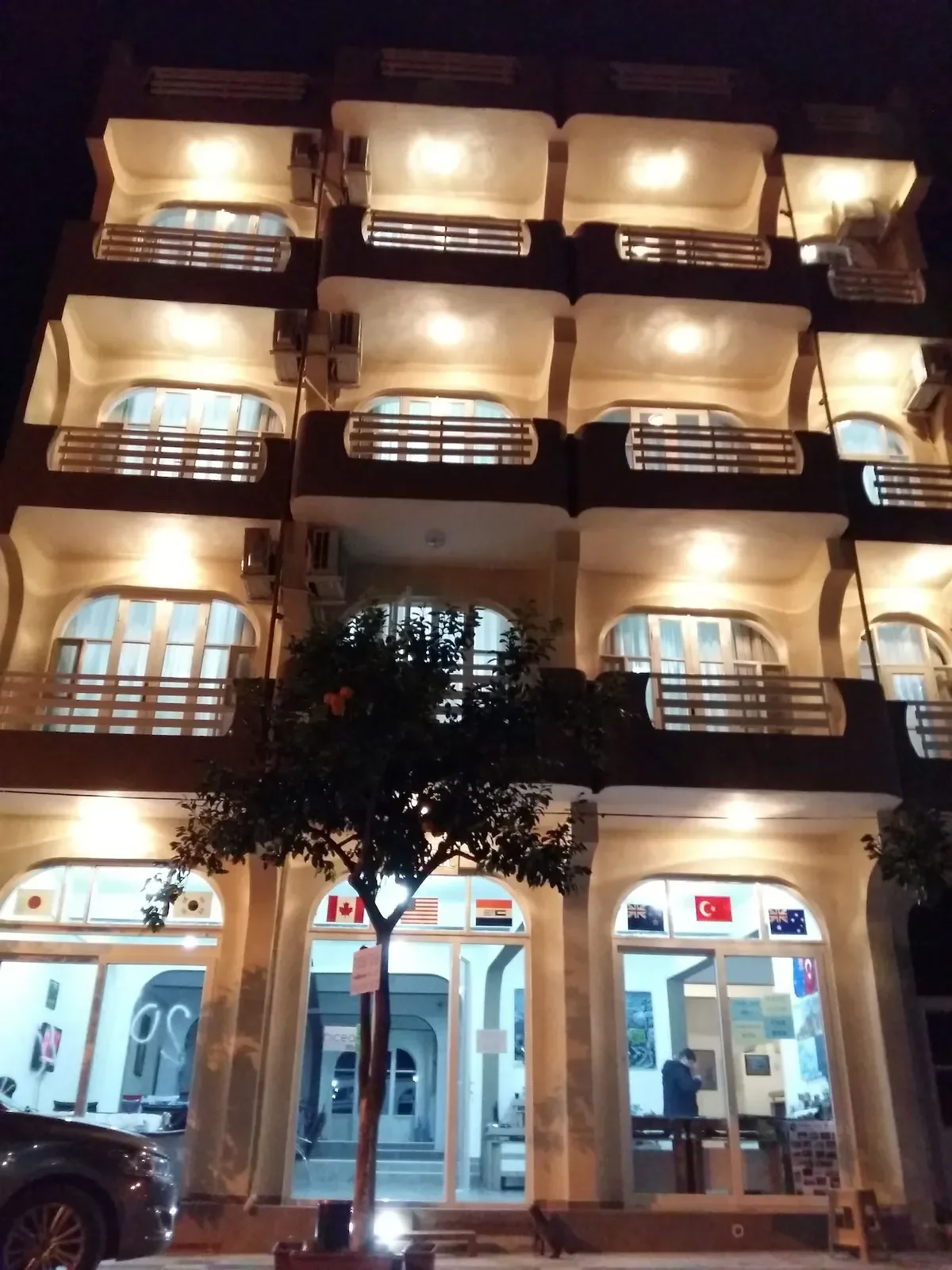
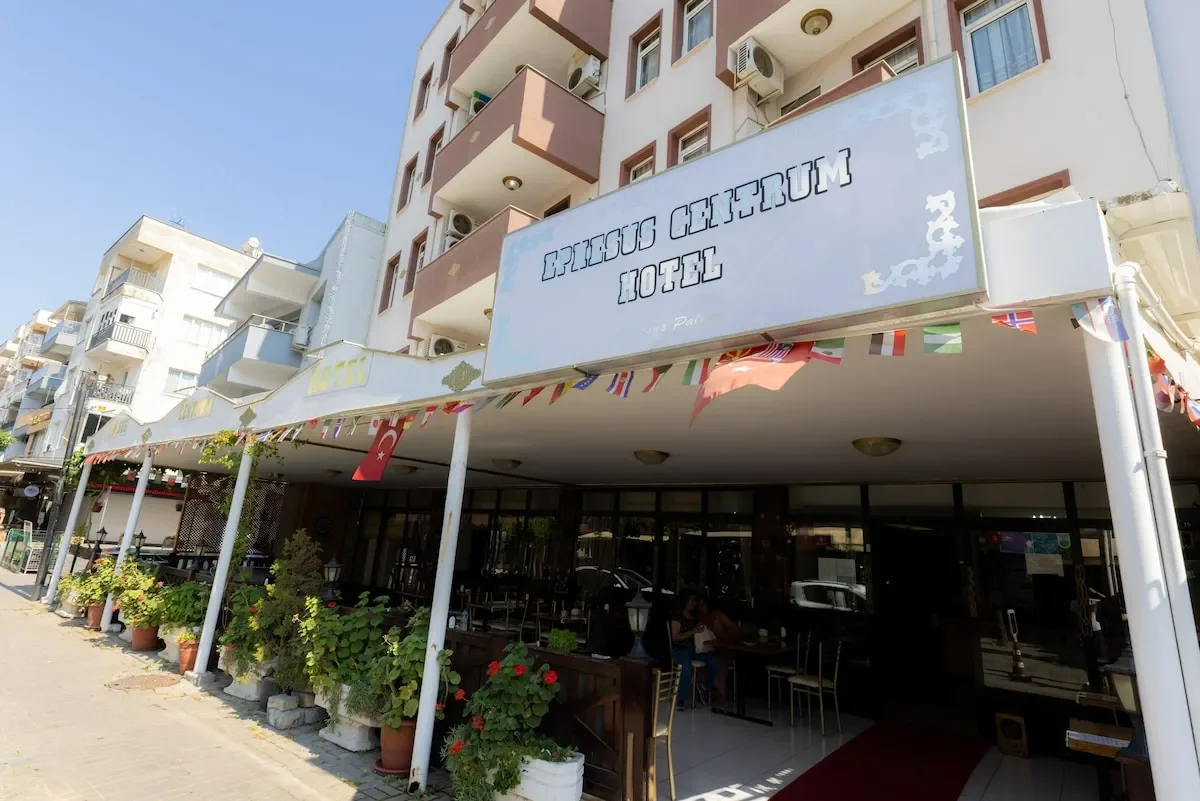
our monthly Hotels pics
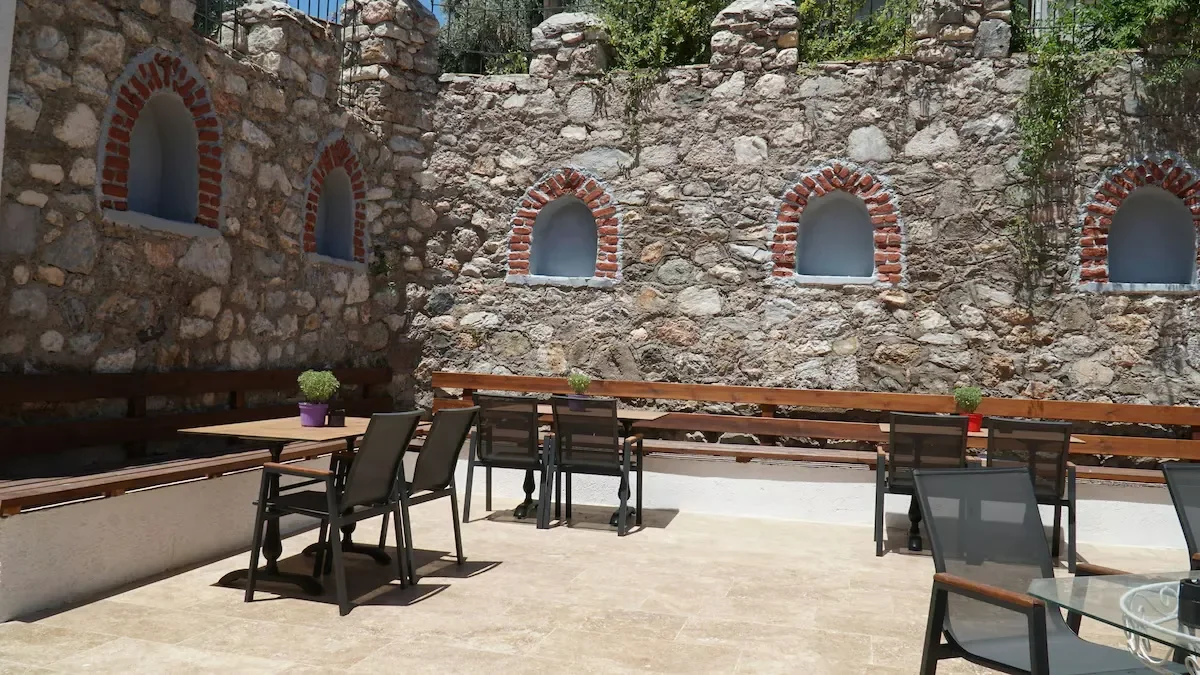
Accommodations under 80$\Night
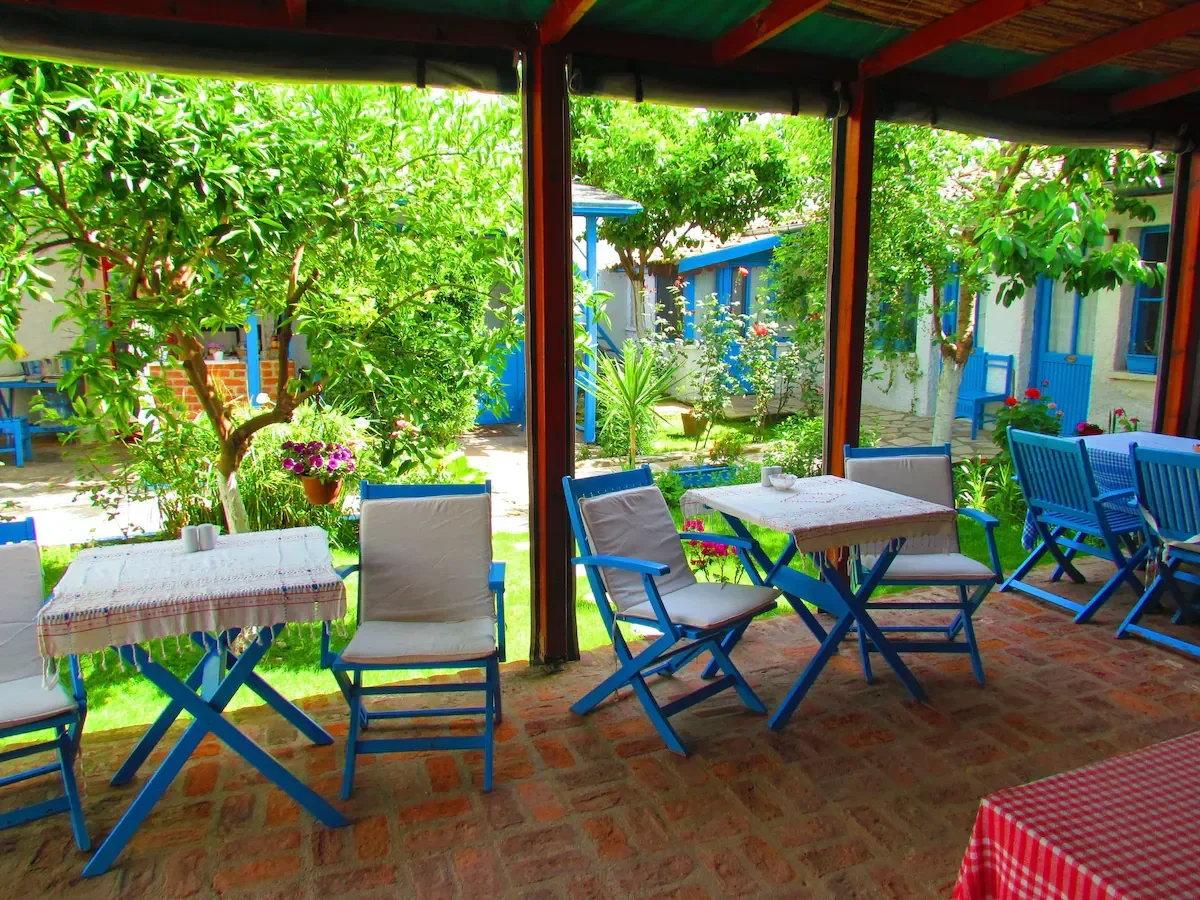
attractions tickets
All Important Things To Know About Ephesus
What Ephesus Is Famous For
Ephesus is famous for being one of the best-preserved and most extensively excavated ancient cities in the world, with the Library of Celsus as its signature image. It's also significant in early Christian history, the apostle Paul lived and preached here, the Basilica of St. John marks the traditional site of the apostle's burial, and the city is mentioned directly in the New Testament. That combination of archaeological scale and religious significance makes it one of the most visited ancient sites in the entire Mediterranean, drawing both history enthusiasts and religious pilgrims in roughly equal measure.
Food and Culture
The area around Ephesus and Selçuk sits within Turkey's broader Aegean culinary region, known for its emphasis on olive oil, fresh vegetables, and herbs foraged from the surrounding countryside. Zeytinyağlı dishes, vegetables slow-cooked in olive oil and served at room temperature, are a defining feature of Aegean home cooking, offering a lighter counterpoint to the richer, meat-focused dishes found elsewhere in the country.
Şirince's fruit wines, made from local produce like blackberry, peach, and pomegranate rather than traditional grapes, are a distinctive regional specialty worth tasting if you make the trip up to the village, most of the small wineries there offer tastings directly.
Selçuk's weekly market is a good place to experience the local food culture directly, with fresh produce, cheeses, and olives sold by farmers from the surrounding villages, largely for locals rather than tourists.
Culturally, the region carries a noticeably layered religious history ancient Greek and Roman religious sites sit alongside significant early Christian landmarks, and the area continues to draw pilgrims and religious tour groups from multiple faith traditions, giving Selçuk and its surroundings a quieter, more contemplative atmosphere than some of Turkey's more purely beach-focused coastal towns.
A Brief History Worth Knowing
Ephesus wasn't always Roman, the city was originally founded by Greek settlers, later came under Persian control, was refounded by Alexander the Great's successors, and eventually flourished most dramatically under Roman rule, which is the era most of what you'll see today dates from. The city's decline came gradually, driven largely by the harbor silting up over centuries until it was no longer navigable, cutting Ephesus off from the sea trade that had made it wealthy in the first place. By the time the harbor was fully unusable, the population had shifted elsewhere, and the city was gradually abandoned, buried, and eventually rediscovered by 19th-century archaeologists — which is part of why so much of it survived in such remarkable condition, protected under centuries of silt and soil rather than continuously built over by later generations.
Shopping in Selçuk
Selçuk's town center, away from the main tourist path directly to the ruins, offers a more relaxed shopping experience than some of Turkey's larger tourist hubs, leather goods, ceramics, and local olive oil products are common, and prices tend to be noticeably more reasonable than in heavily touristed cities like Istanbul. The town's Saturday market is worth timing a visit around if your schedule allows, offering a genuine slice of local commerce alongside the more visitor-oriented shops.
Combining Ephesus With the Rest of Your Trip
Ephesus pairs naturally with several other Aegean and inland destinations. Pamukkale sits a few hours inland and is commonly combined with Ephesus on a multi-day tour or a self-driven itinerary. Şirince works well as a same-day or following-day add-on given its short distance from Selçuk. For travelers arriving by cruise ship into Kuşadası, Ephesus is typically offered as a shore excursion, though visiting independently, via taxi or a pre-booked tour often allows more flexibility and time at the site than a standard group excursion schedule permits.
Practical Tips for First-Time Visitors
Visit early in the morning, ideally right at opening, both to beat the heat — this region gets genuinely hot in summer with limited shade across most of the site — and to get ahead of the large tour groups that tend to arrive by mid-morning, particularly on days when cruise ships are in port at nearby Kuşadası.
Wear comfortable shoes with good grip. The main street and surrounding paths are made of ancient, uneven marble, which can be slippery, especially after rain.
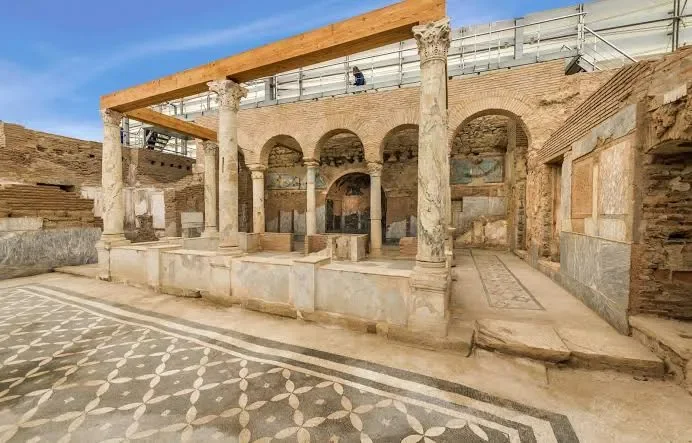
Budget separate time and tickets for the Terrace Houses, it's easy to rush past this section or skip it entirely, but the preserved mosaics and frescoes inside are some of the best in the entire site.
Getting here independently typically means basing yourself in Selçuk or Kuşadası and taking a short taxi or dolmuş (shared minibus) to the site entrance, or joining an organized day tour from İzmir if you're not staying locally.
Bring water and sun protection, there's minimal shade across most of the site, and the marble surfaces reflect heat intensely during the warmer months.
Best Time to Visit
Spring (April–May) and autumn (September–October) offer the most comfortable temperatures for a few hours of walking around exposed ruins. Summer brings intense heat and the largest crowds, particularly when cruise ships are docked at Kuşadası, which can significantly increase visitor numbers on any given day. Winter is mild by regional standards and considerably quieter, making it a good option for travelers who prioritize a peaceful visit over ideal weather.
A Day That Actually Works
Ephesus is manageable as a focused half-day, but a full day lets you do it properly: start at the main site entrance early, walk Curetes Street down to the Library of Celsus, detour into the Terrace Houses, and finish at the Great Theatre. In the afternoon, head into Selçuk for the Archaeological Museum and the Basilica of St. John, or take the short drive up to Şirince for a slower-paced end to the day among the village's vineyards and old stone houses.