
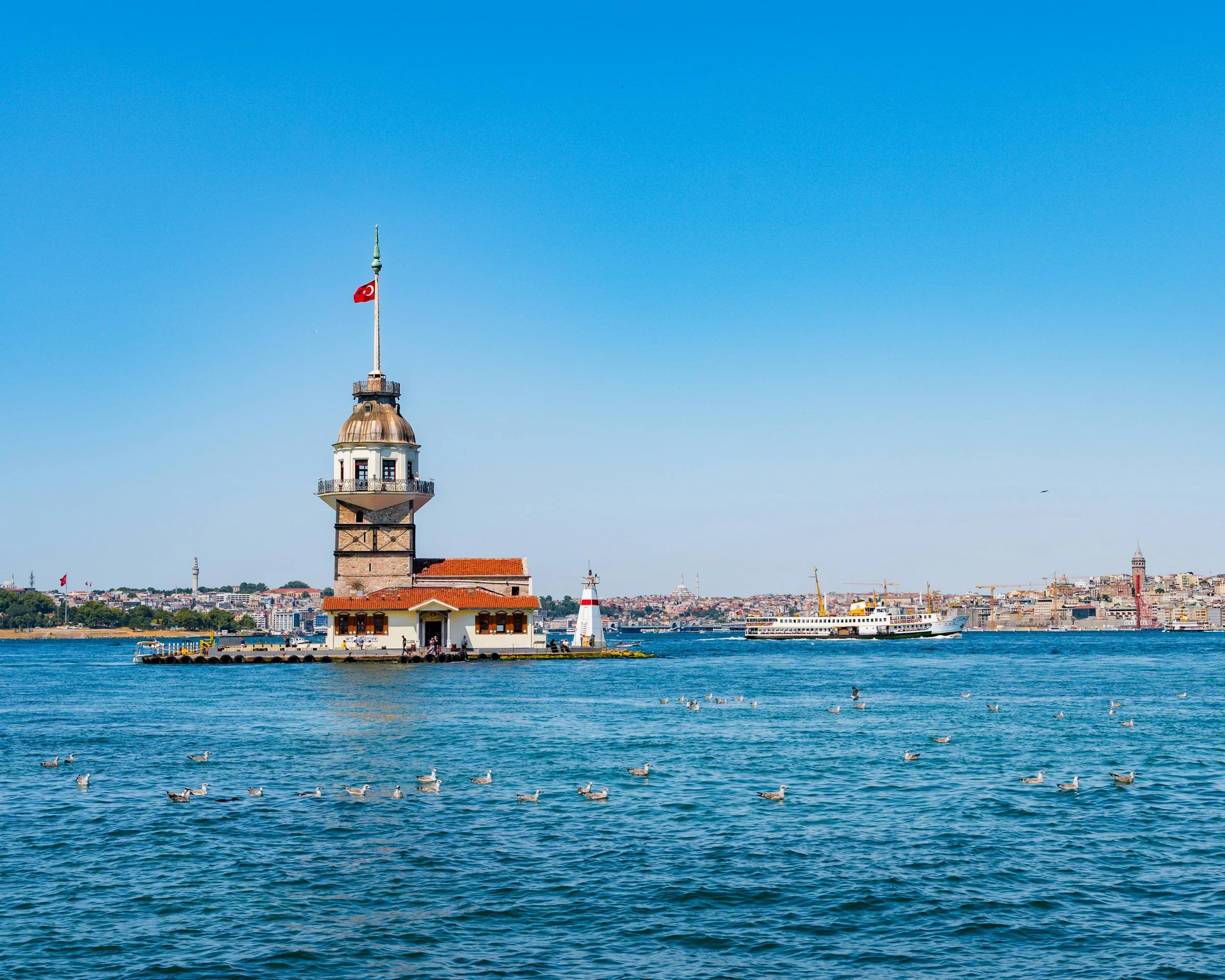
All what you need to know about İstanbul
ISTANBUL
Plan your trip to istanbul





The Complete Guide to the City on Two Continents
There's a specific moment that gets almost everyone who visits Istanbul for the first time, usually on a ferry, usually somewhere in the middle of the Bosphorus, when you realize you're physically crossing from Europe into Asia in about twenty minutes, for the price of a bus ticket. No other city on earth does that. Istanbul isn't just historically significant, it's still, right now, the only major city on the planet split between two continents, and that fact shapes everything about how it feels to visit: the food, the neighborhoods, the rhythm of the day, even the way locals argue about which "side" is better.
I'm based here, and after years of exploring this city block by block, I can tell you this guide is designed so you don't need to open another browser tab. Everything a first-time visitor searches for what to see, where to stay, what to eat, how the culture actually works, is in here
Getting Oriented: Two Continents, One City
Before anything else, understand the basic geography, because it will shape your whole trip. Istanbul sits on the Bosphorus Strait, with the European side and the Asian side connected by bridges, tunnels, and constant ferry traffic. Almost everything a first-time visitor wants to see Hagia Sophia, the Blue Mosque, Topkapı Palace, the Grand Bazaar, sits on the European side, specifically in the old city district of Sultanahmet. Most visitors spend the bulk of their trip here, and that's a completely reasonable plan.
But don't skip the Asian side entirely. Kadıköy and Moda, just a twenty-minute ferry ride away, offer a quieter, more residential slice of the city with arguably better everyday food and a lot less tourist traffic. Even a half-day over there gives you a much fuller sense of how the city actually lives, beyond the historical sights.
things to discover In Istanbul
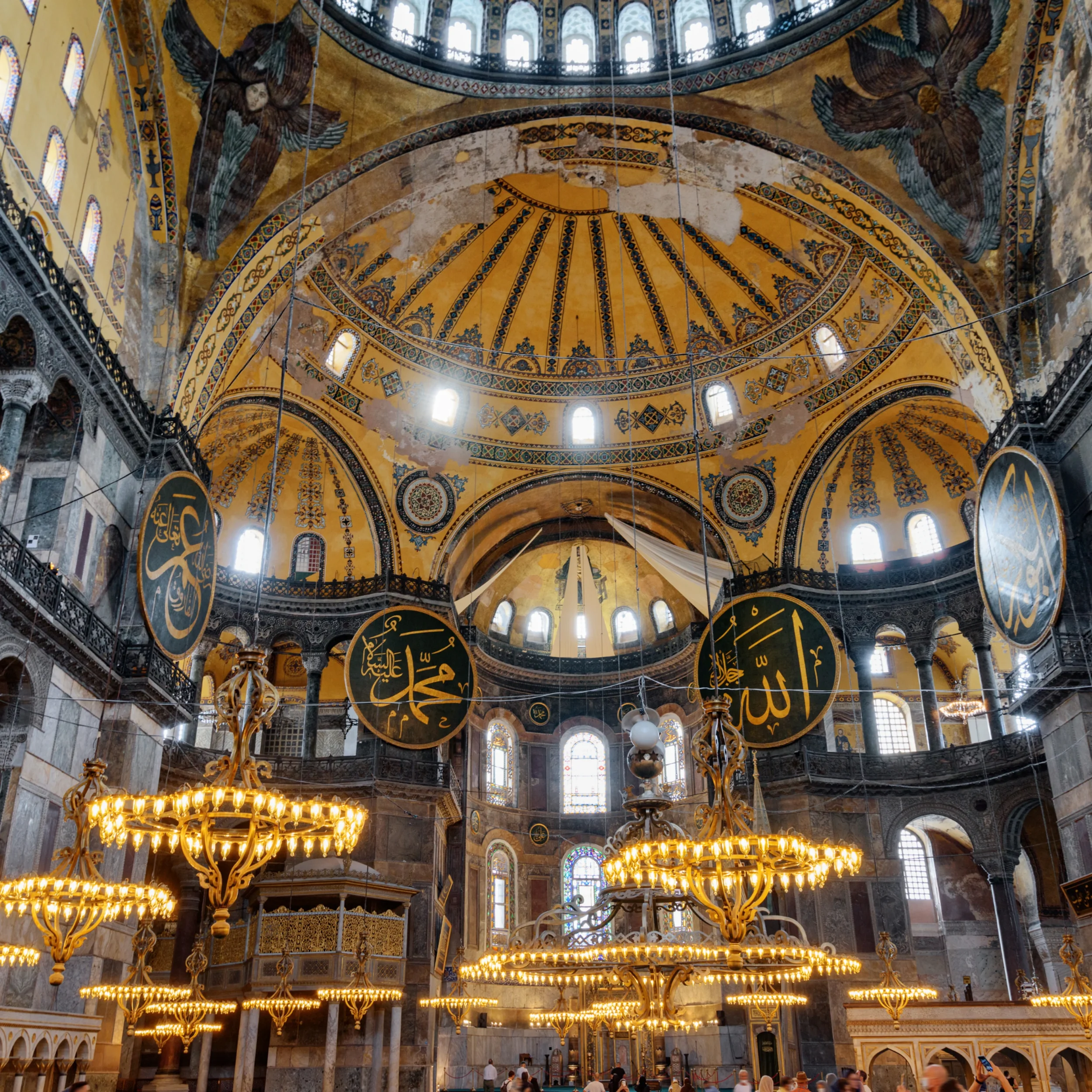
Hafia Sophia
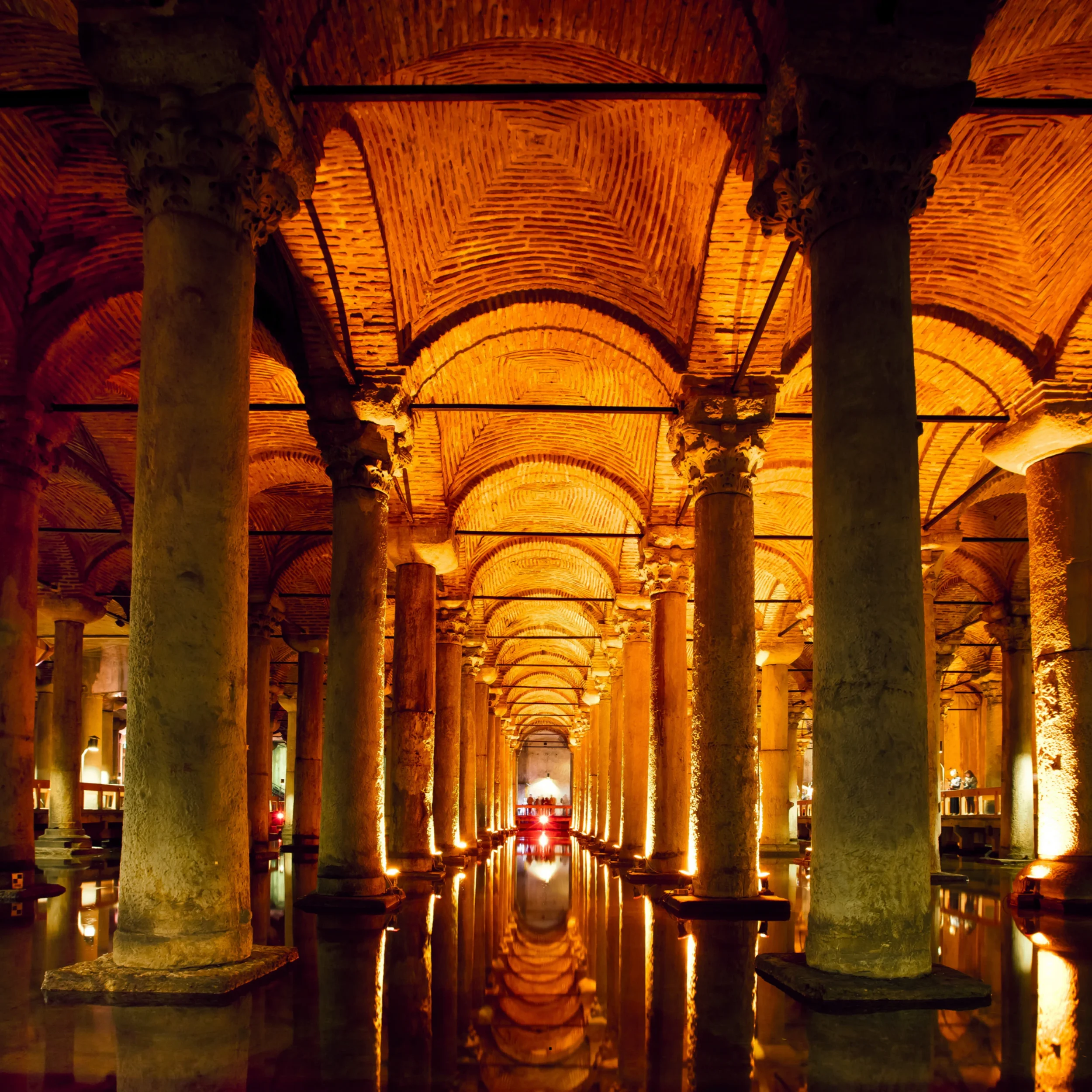
Basilica Cistern
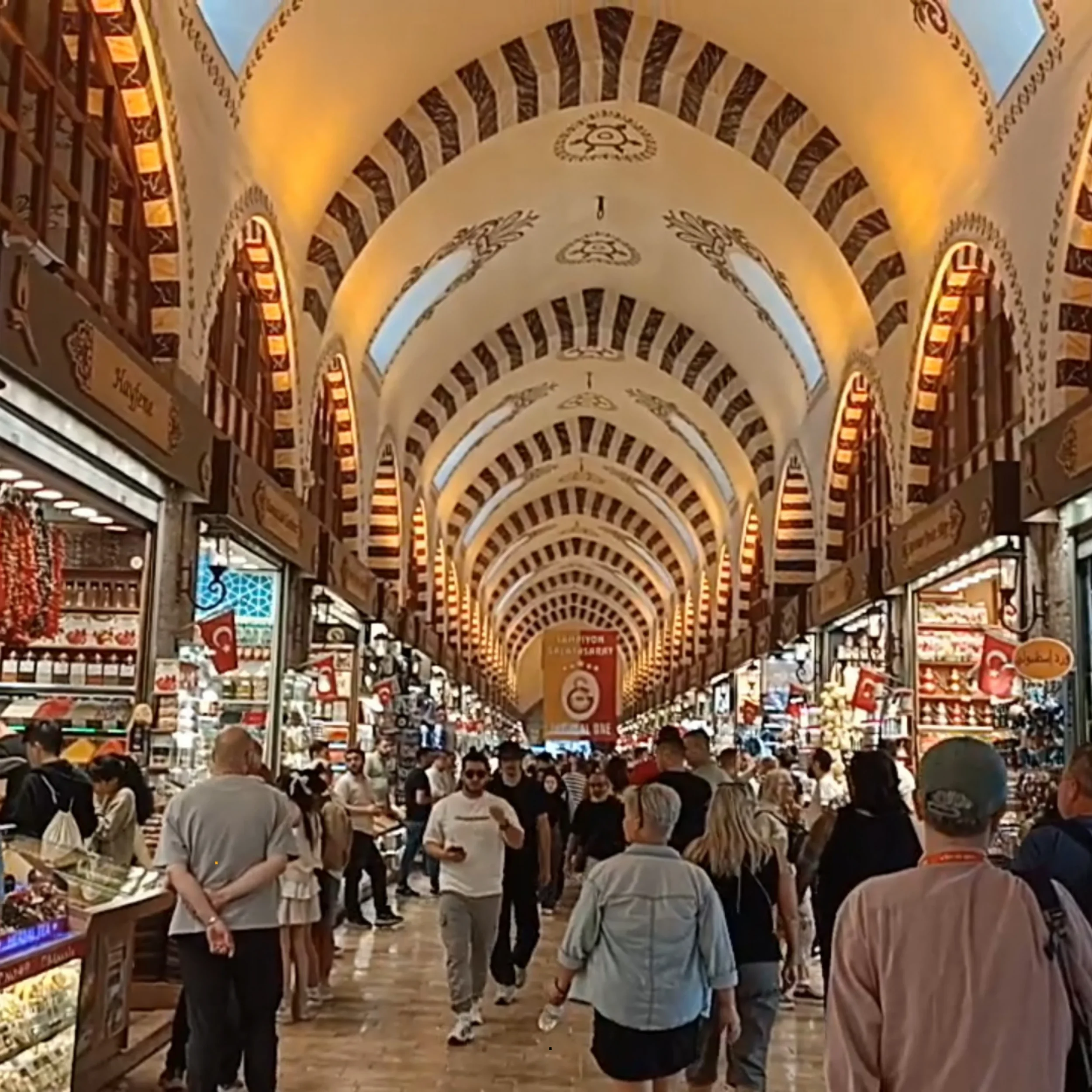
Spice Bazar
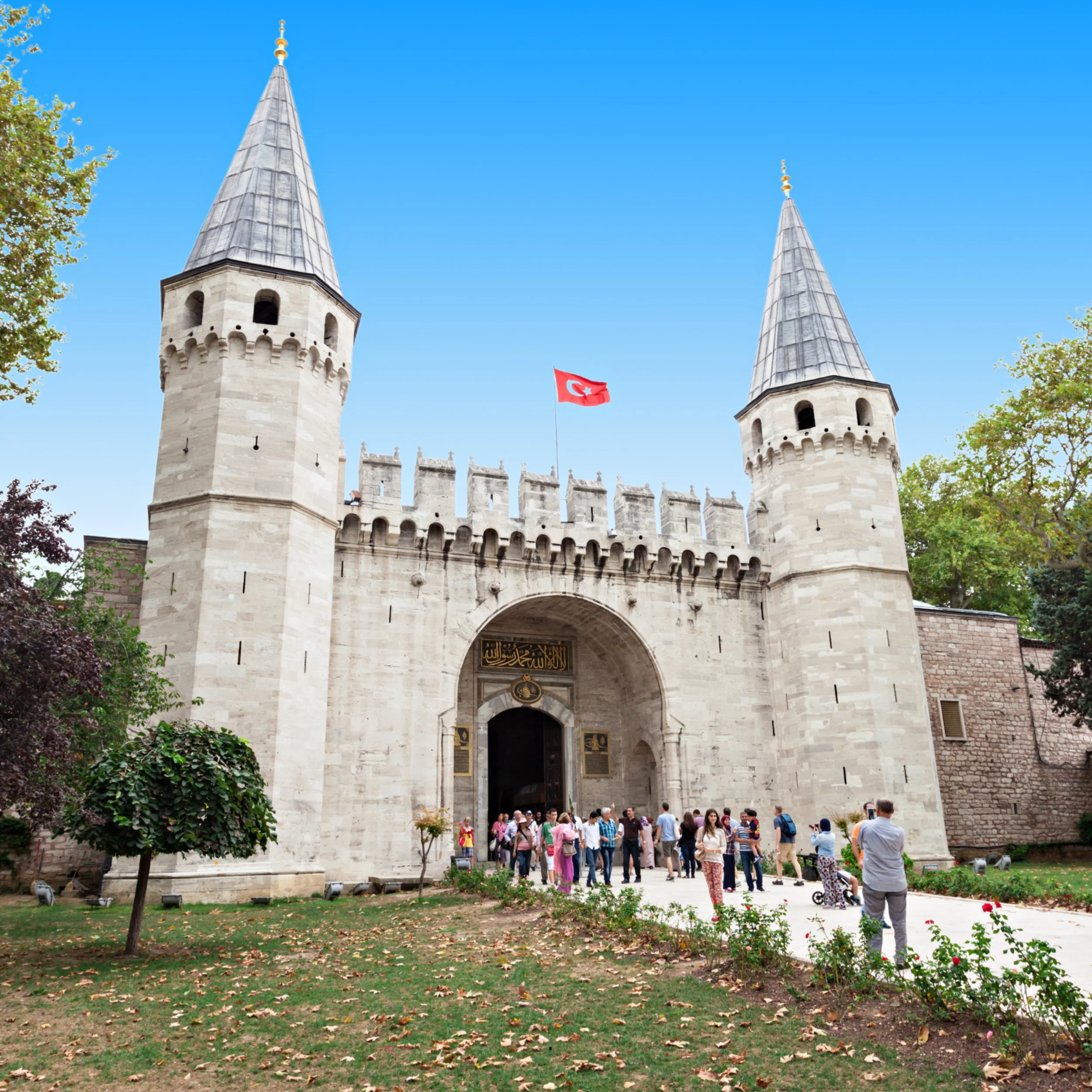
Topkapi Palace
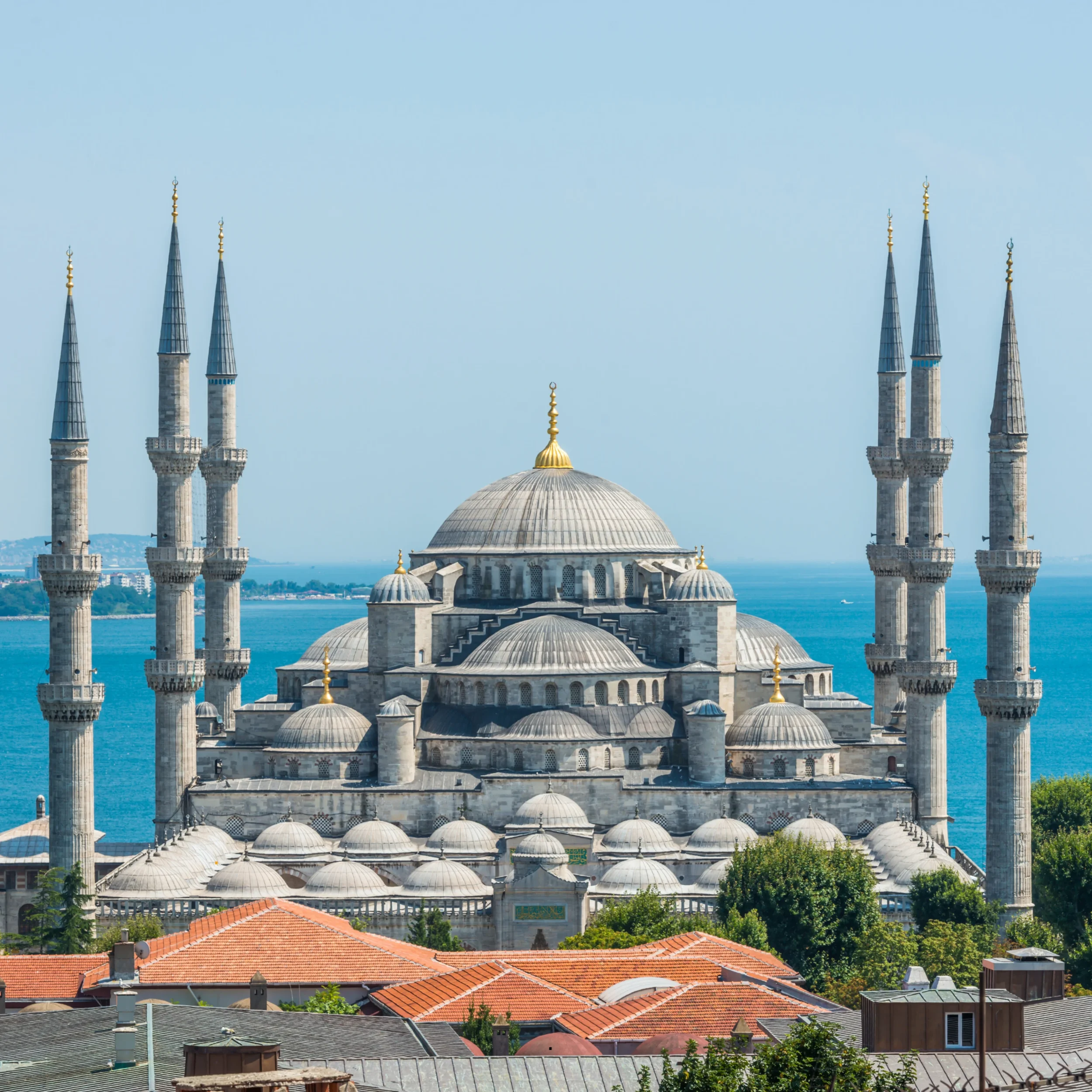
Blue Mosque
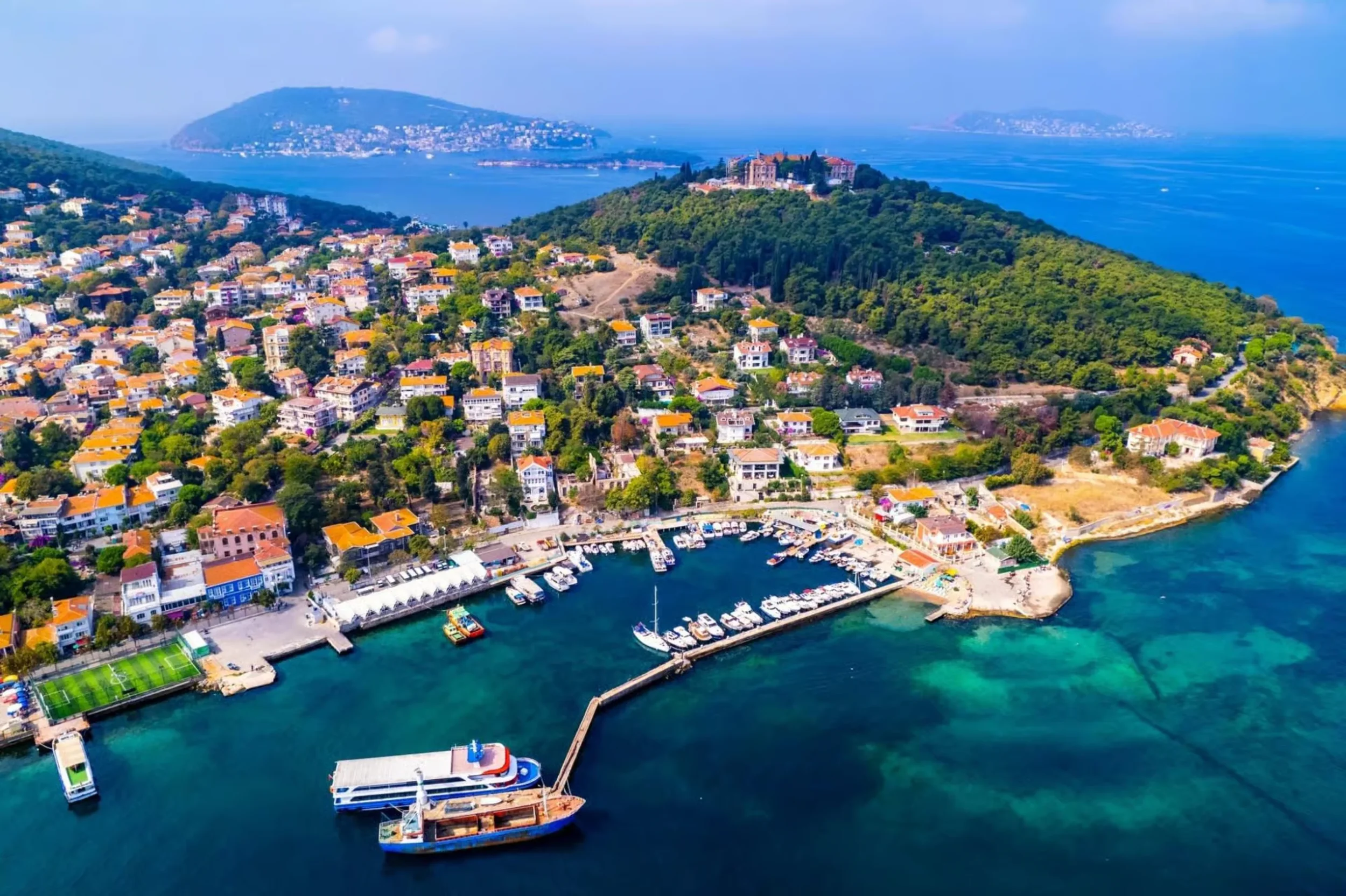
Princes' Islands
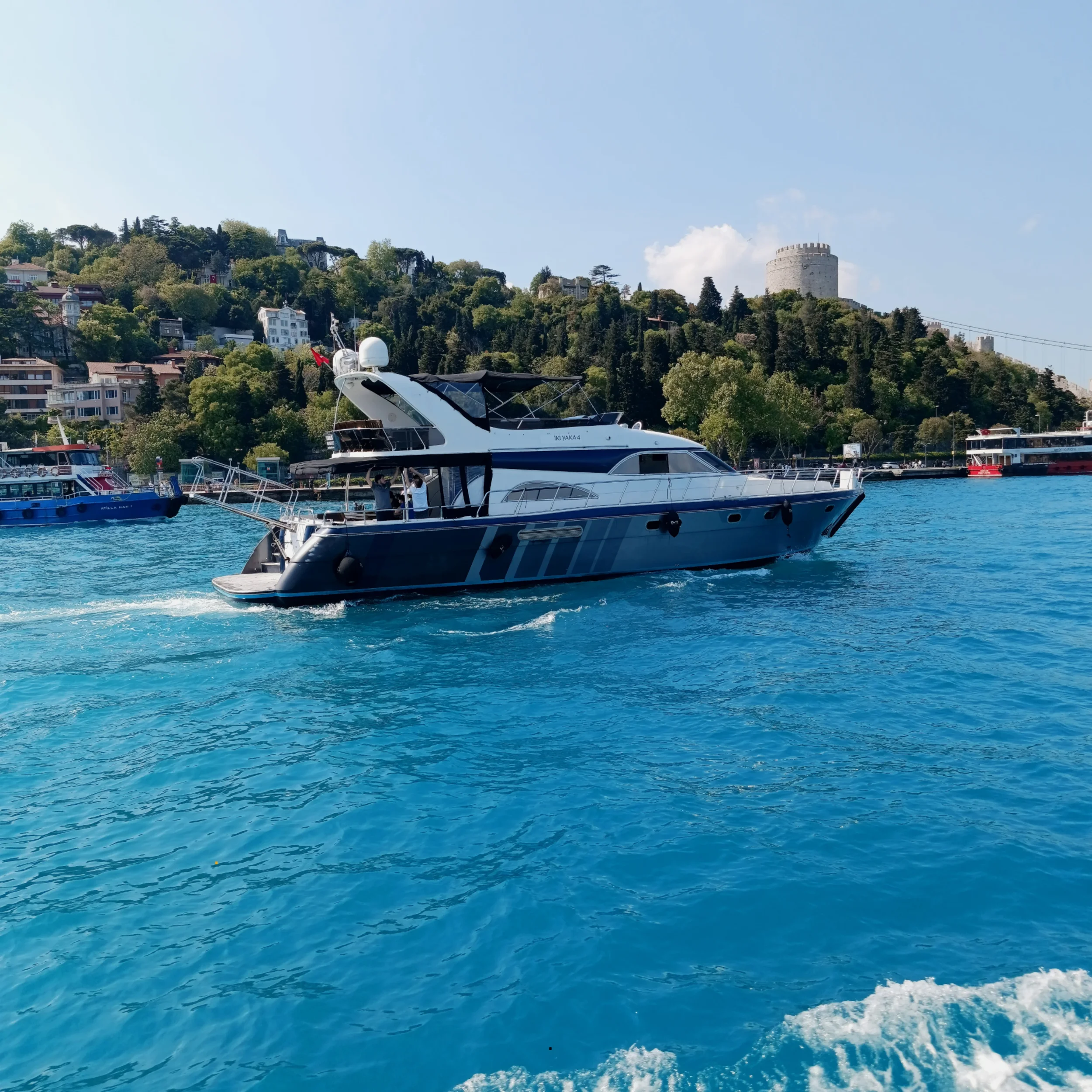
Bosphorus Cruise
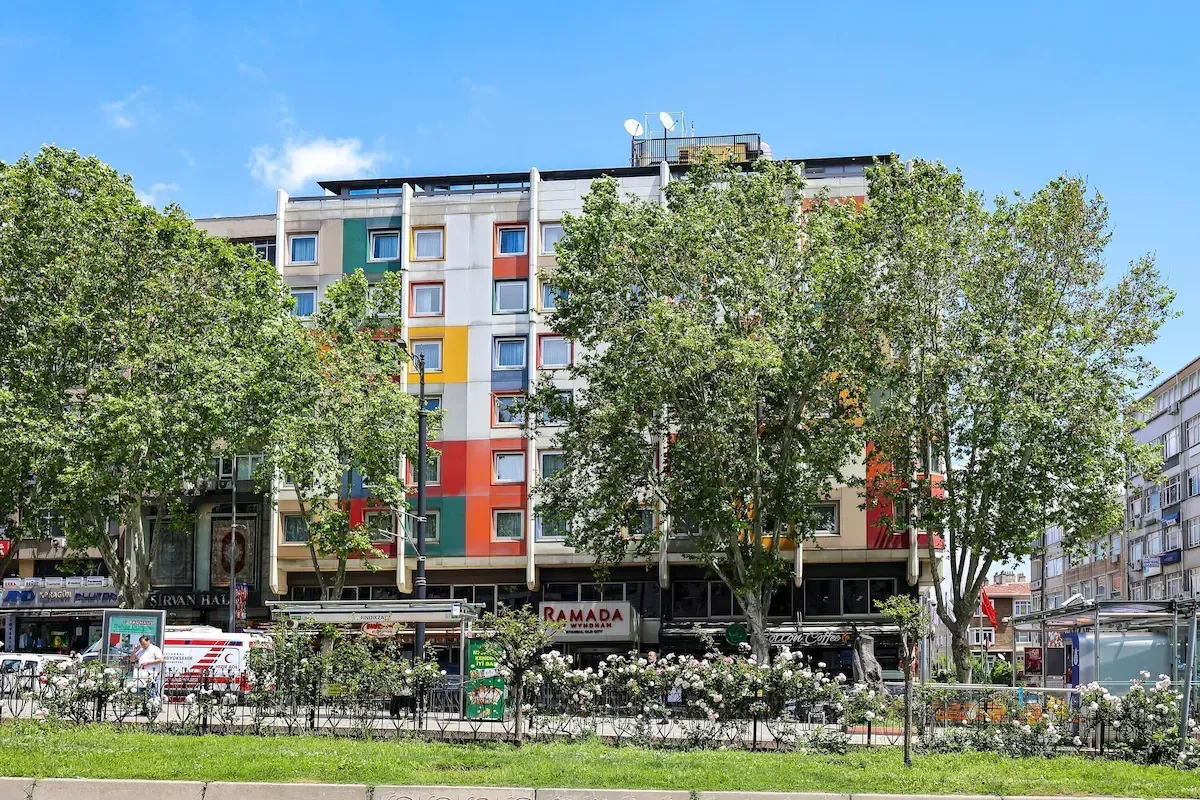
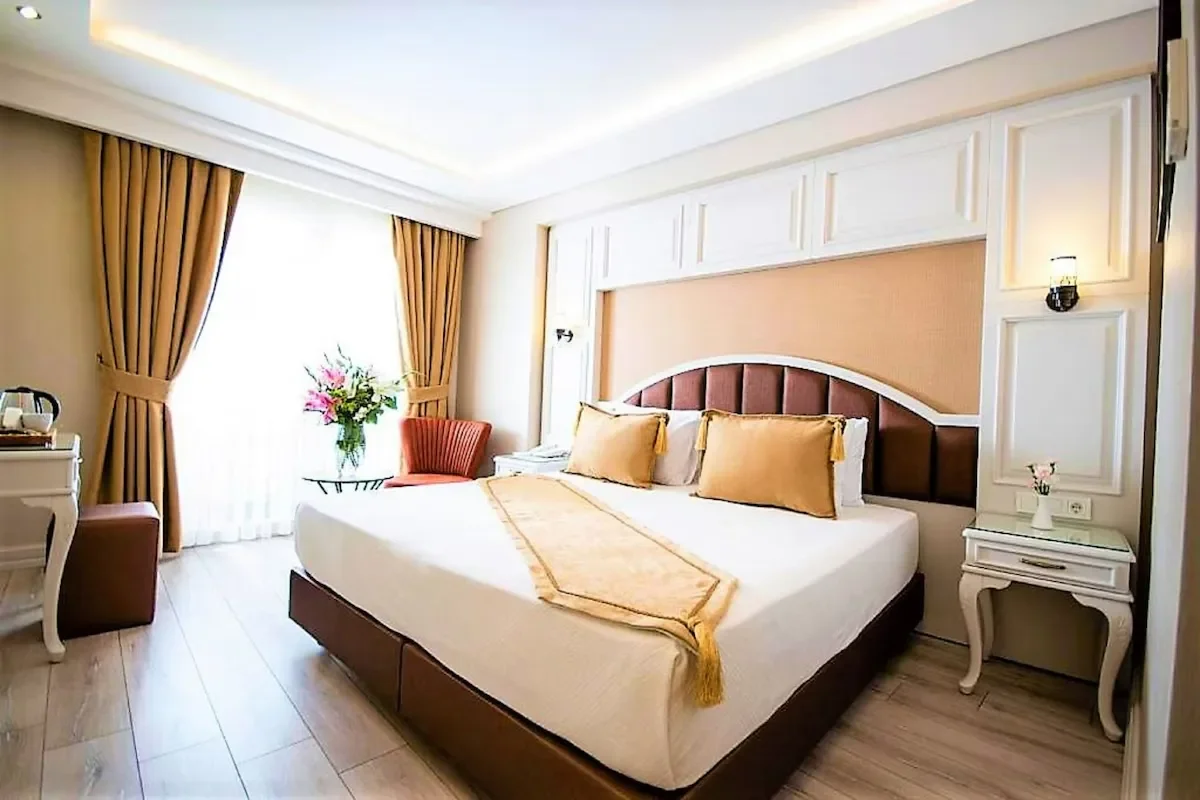
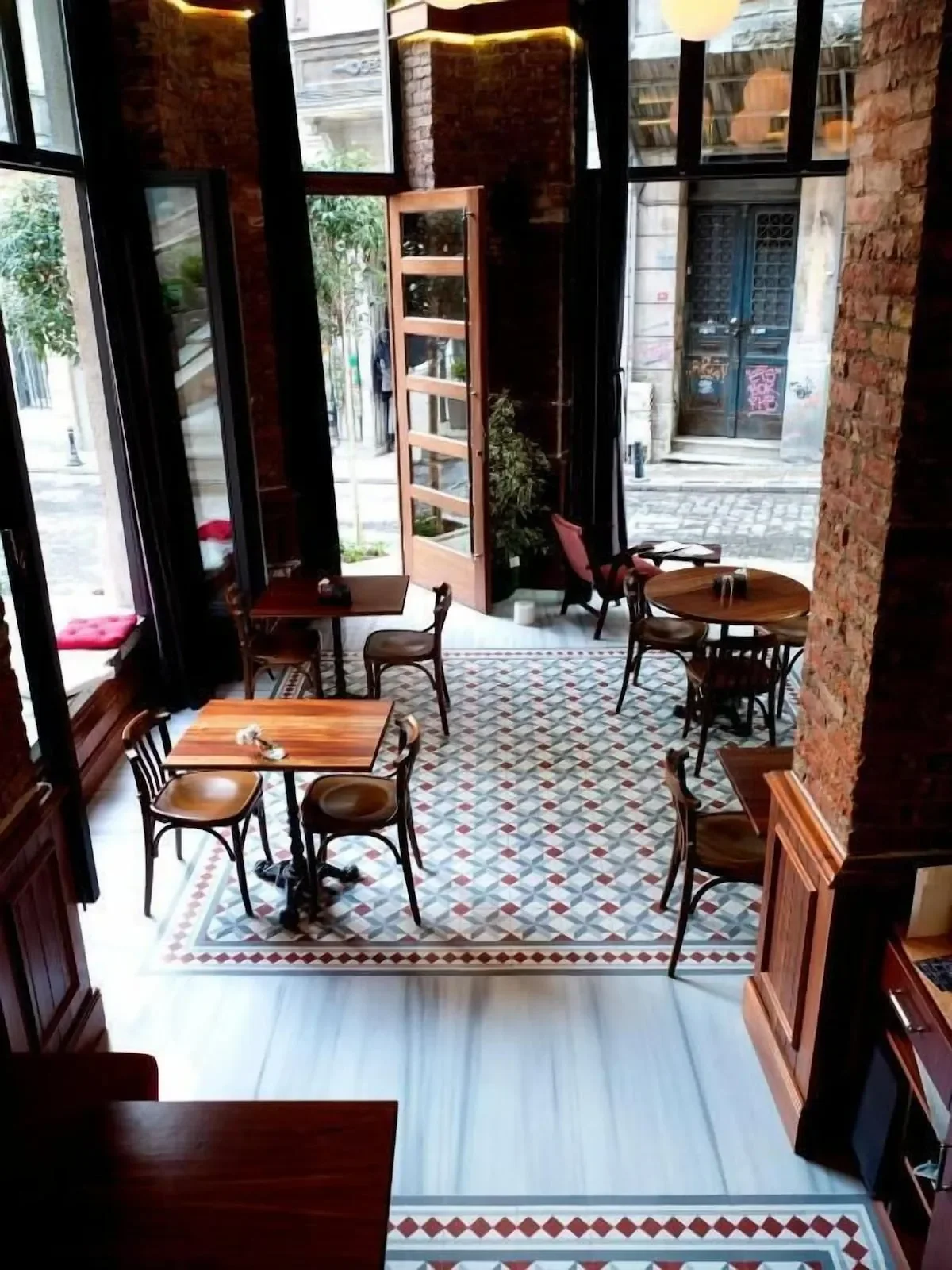
our monthly Hotels pics
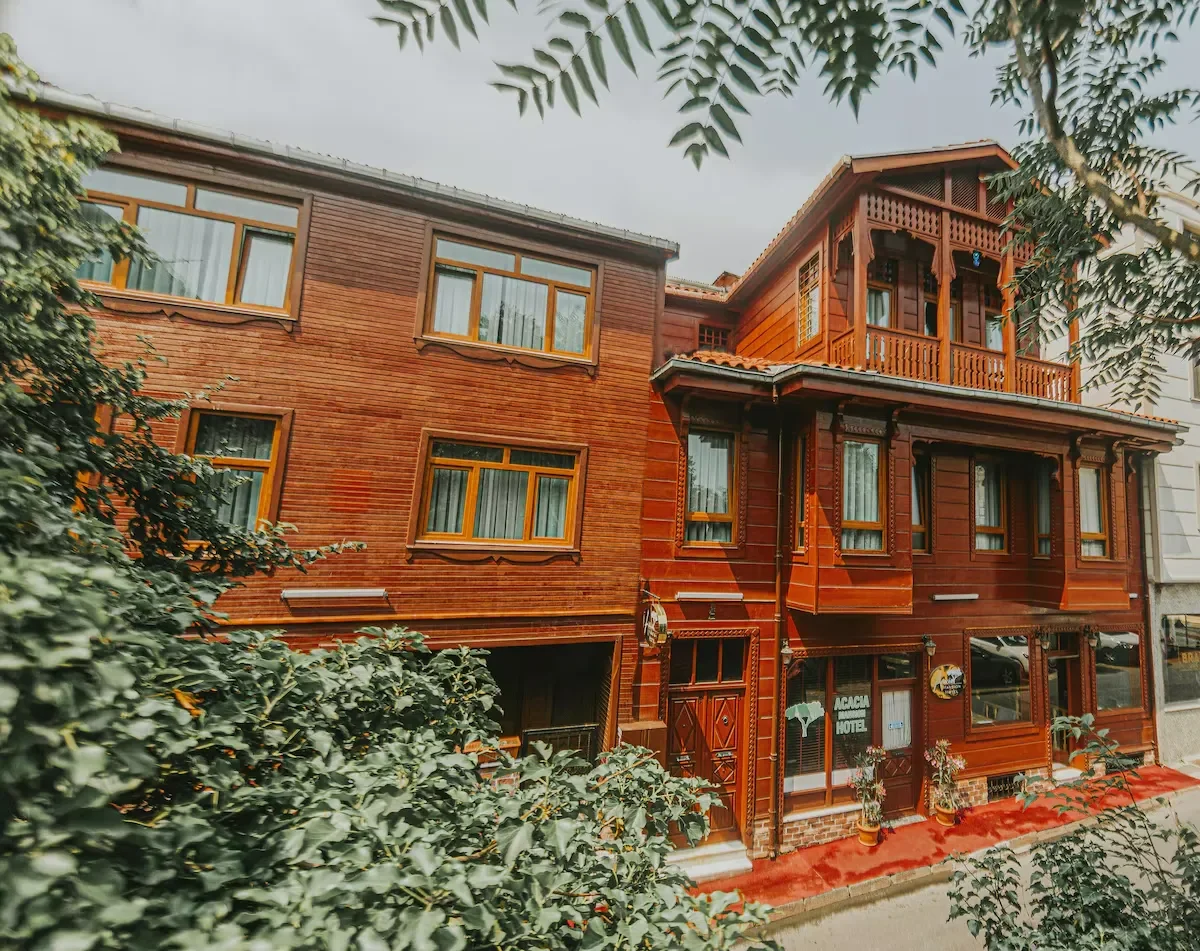
Accommodations under 80$\Night
where to stay by negborhood
-
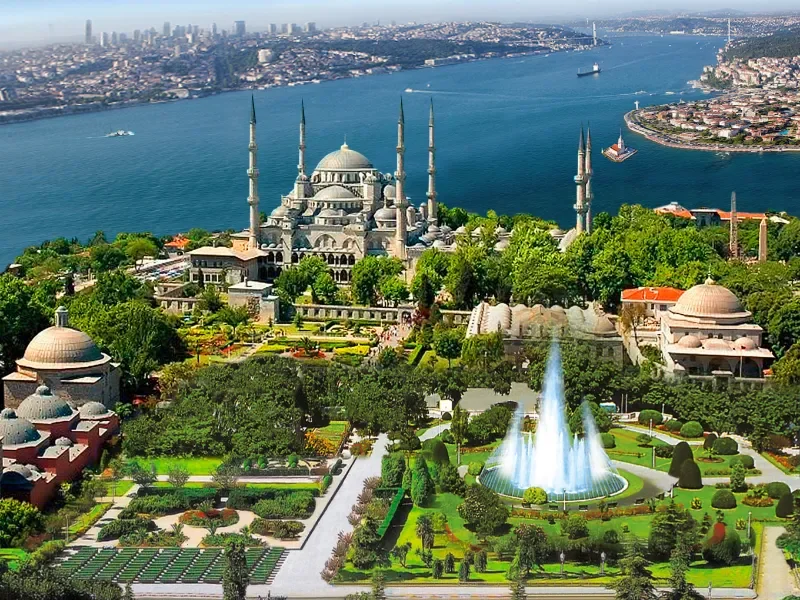
![Aerial view of a large mosque with multiple minarets, a water fountain, lush gardens, and surrounding buildings, with a river and city skyline in the background.]()
Sultanahmet
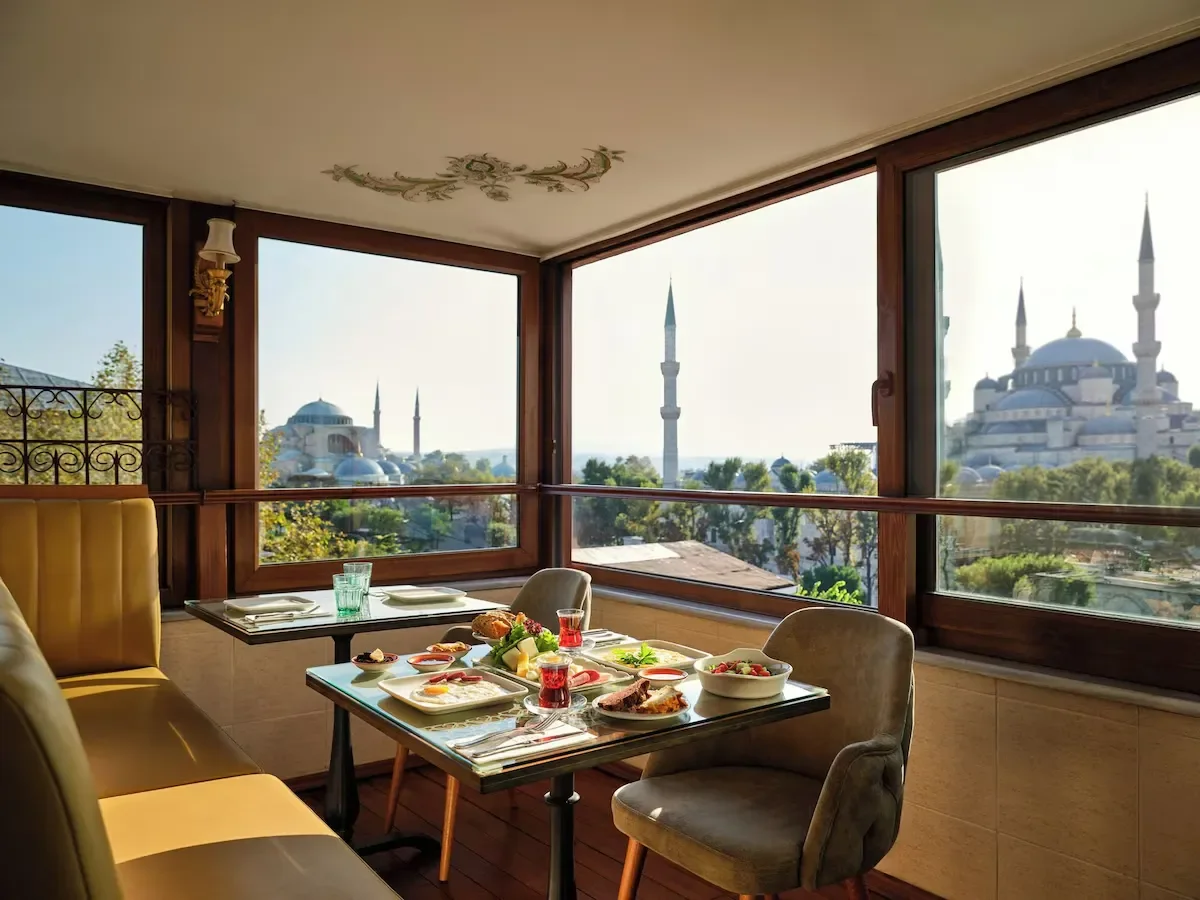
puts you in the heart of the historical sights, you can walk to Hagia Sophia, the Blue Mosque, and Topkapı Palace, which is unbeatable for a first visit, though it can feel touristy in the evenings once the day-trip crowds clear out. Boutique Ottoman-style hotels are common here, often converted from old townhouses, offering rooftop breakfast terraces with views over the mosque skyline.
-
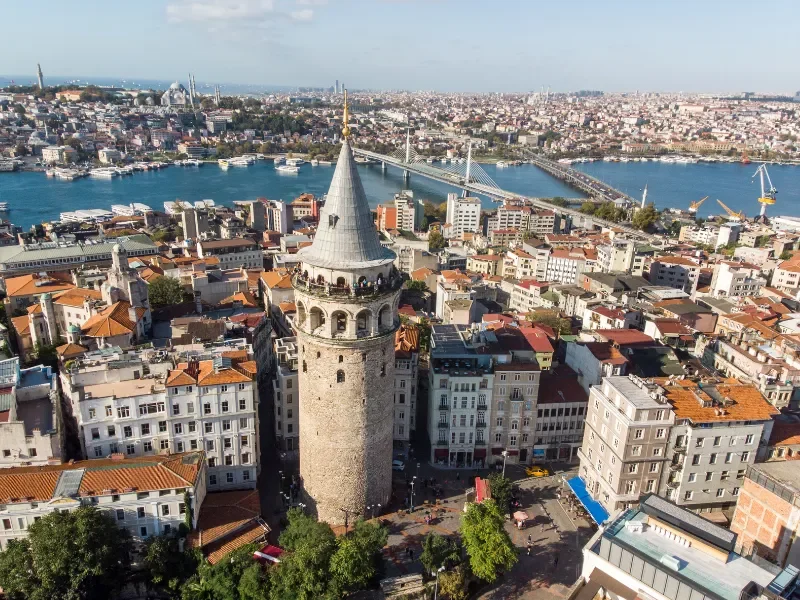
![Aerial view of Istanbul showing the Galata Tower with the Golden Horn waterway and cityscape in the background.]()
Beyoğlu
The lively heart of European Istanbul, home to İstiklal Avenue, countless restaurants, and the city's best nightlife. A great base if you want to walk everywhere and don't mind some noise in the evenings.
-
![]()
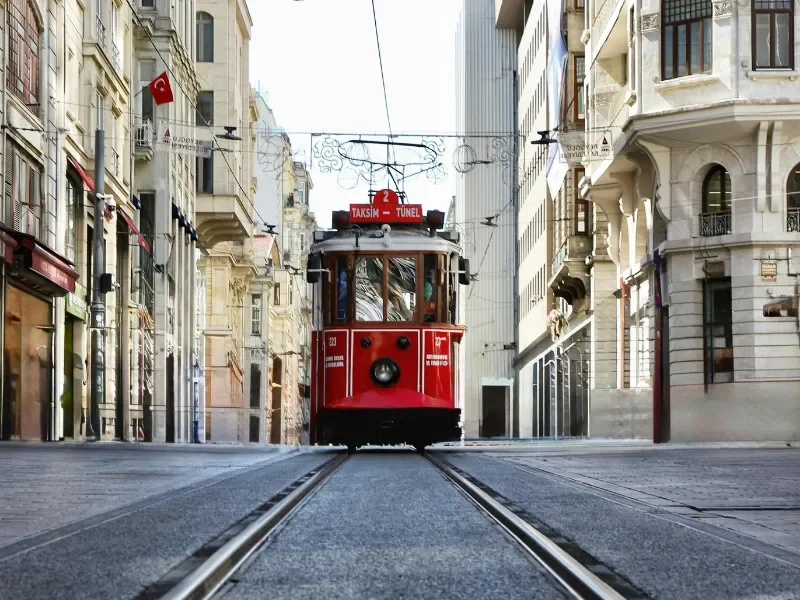
İstiklal Avenue
Staying directly along or just off this famous pedestrian street puts you steps from Beyoğlu's shops, cafés, and historic arcades, with Taksim Square at one end and Galata Tower at the other. Expect crowds well into the night — worth it for the energy, less so if you want a quiet sleep.
-
![Close-up view of colorful old buildings with decorative architectural details, balconies, and windows.]()
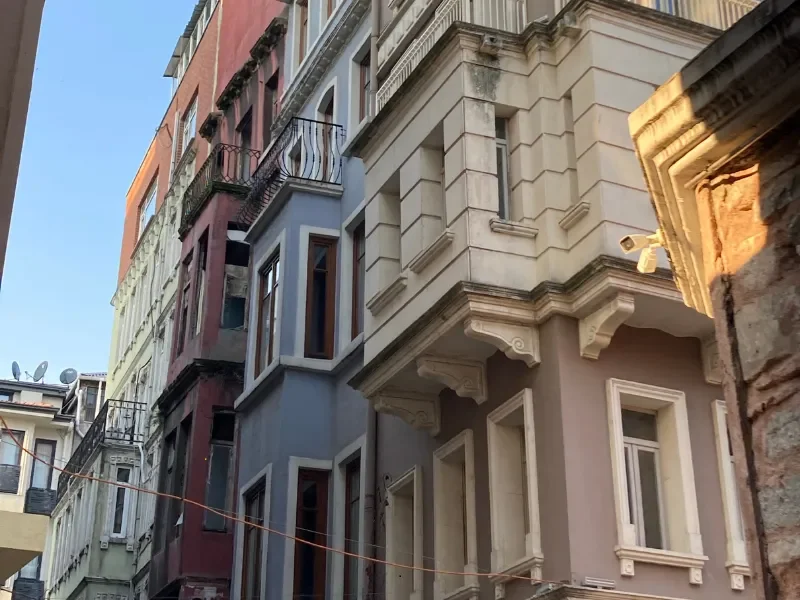
Karaköy
A quieter, design-forward alternative to Beyoğlu, with waterfront cafés, gallery-lined streets, and one of the city's best food scenes, right by the Galata Bridge. Central enough for sightseeing, calm enough to actually rest.
-
![Colorful residential buildings on a hillside, viewed from a narrow alley.]()
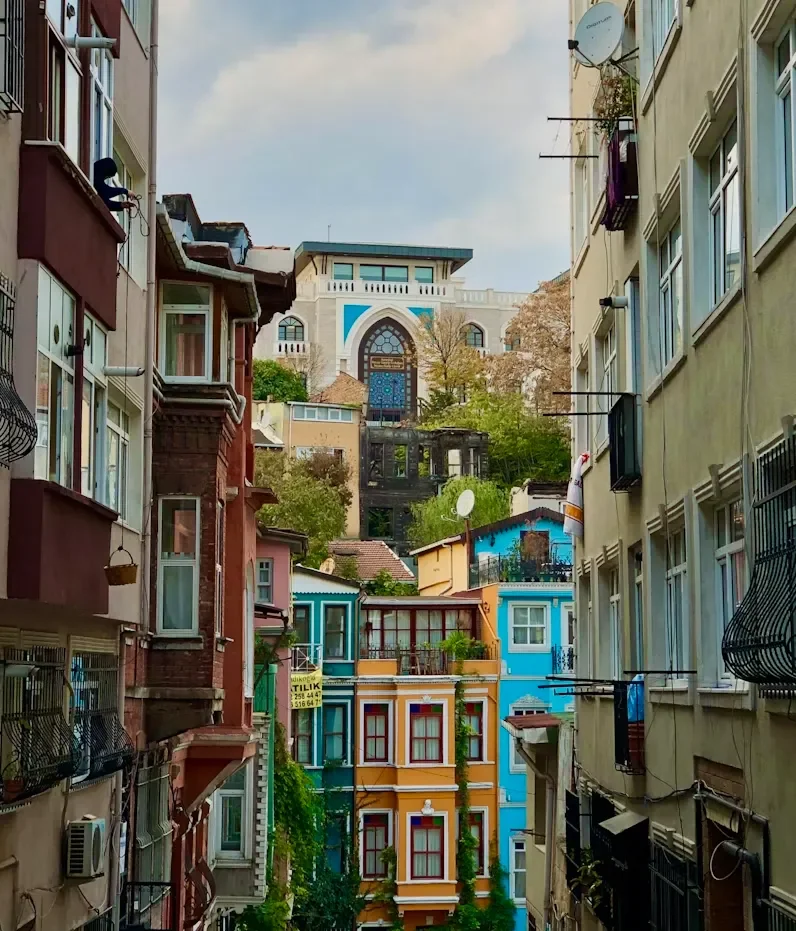
balat
Istanbul's most photographed neighborhood, colorful old townhouses climbing steep, narrow streets. Fewer big hotels here, but a growing number of boutique stays and guesthouses for travelers who want to wake up inside the postcard.
-
![View of a historic building under renovation with scaffolding, situated along a waterfront with boats docked in front, under a clear blue sky.]()
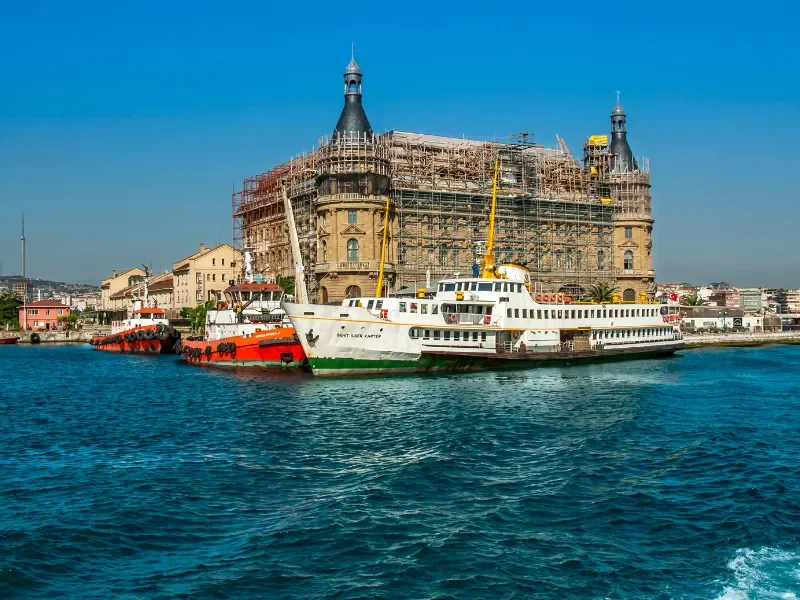
kadiköy
On the Asian side, a short ferry from the historic peninsula. Quieter, more local, and arguably better food than the European side, with none of the tourist-trail pricing. A smart pick for longer stays or repeat visitors.
attractions tickets
All Important Things To Know About Istanbul
What Istanbul Is Famous For
Istanbul's fame rests on being a genuine crossroads, the capital of the Byzantine and later Ottoman Empires, and the point where trade routes between Europe and Asia have converged for centuries. That history shows up physically everywhere: a Byzantine cistern under a street, an Ottoman fountain on a corner, a 19th-century European-style arcade a block later. The city is also famous for its skyline of domes and minarets, its position on the Bosphorus, its bazaars, and its enormous, ambitious food scene, which has become a destination in its own right.
Practical Tips for First-Time Visitors
Get an Istanbulkart as soon as you arrive, this single tap card covers trams, metro, buses, and ferries, and is sold at kiosks and machines in most transit stations. It will save you time and money throughout the trip. Book timed tickets for Hagia Sophia, Topkapı Palace, and the Basilica Cistern in advance where possible, lines can stretch for over an hour during peak season without one.
Cards are widely accepted, but keep some Turkish lira in cash for the bazaars, small vendors, and tips, which run around 5–10% at sit-down restaurants. Walk Sultanahmet rather than drive it, the old city's narrow streets weren't built for cars, and traffic here is more trouble than it's worth.
If you're combining Istanbul with other parts of Turkey, note that the city works well both as a starting point and a final stop, many travelers bookend a Cappadocia or Aegean coast trip with a few days here on either end.
Getting From the Airport
Istanbul Airport (IST), on the European side, is the main international gateway and sits a fair distance from the city center, budget 45 minutes to over an hour depending on traffic. The Havaist airport bus network connects to several city districts including Taksim and Sultanahmet, and is the most budget-friendly option. Taxis and ride-hailing apps are widely available and more convenient if you're arriving with luggage or late at night, though agreeing on or confirming the metered fare is worth doing upfront.
Sabiha Gökçen Airport (SAW), on the Asian side, mainly serves domestic and some budget international routes, and is a better arrival point if your hotel is in Kadıköy or elsewhere on the Asian side.
Shopping Beyond the Bazaars
Beyond the Grand Bazaar and Spice Bazaar, Istanbul has a growing design and boutique scene worth carving out time for. Çukurcuma, near Cihangir, is full of antique shops and vintage furniture dealers. For contemporary Turkish design, ceramics, textiles, jewelry, small independent boutiques are scattered through Karaköy and Cihangir. If you want carpets, buy from a shop with a good reputation rather than the first seller who approaches you on the street, and don't be afraid to visit several before deciding, a good carpet seller expects browsing, not just buying.
Nightlife and Evenings
Istanbul's nightlife runs the full range, from rooftop cocktail bars with Bosphorus views to late-night meyhanes where dinner turns into a four-hour affair with live fasıl music. Karaköy and Beyoğlu have the highest concentration of bars and clubs, while Kadıköy's Kadife Sokak (also nicknamed "Barlar Sokağı," or Bar Street) offers a livelier, younger, and generally cheaper scene. For something more low-key, a rooftop terrace at sunset with a glass of wine and a view over the old city's domes is hard to beat, and several hotels open their rooftop bars to non-guests.
Best Time to Visit
Spring (April–May) and autumn (September–October) offer the best combination of mild weather and manageable crowds, and are generally considered the ideal windows to visit. Summer (June–August) brings heat, humidity, and the heaviest tourist crowds, particularly around Sultanahmet. Winter is cold and occasionally rainy but far quieter, and the city takes on a moody, atmospheric quality that has its own appeal, especially if you don't mind packing a coat.
Day Trips from Istanbul
If you have extra time, a few destinations make for easy day or overnight trips. Bursa, a couple of hours south, was the first Ottoman capital and offers historic mosques, a working silk market, and thermal baths in a mountain setting. Edirne, near the Bulgarian and Greek borders, is home to the Selimiye Mosque, widely considered the architectural masterpiece of the great Ottoman architect Sinan. Both are manageable as long day trips by bus, or a more relaxed overnight if you want to slow down.
A Few Days That Actually Work
For a short trip, plan on at least three full days: one for Sultanahmet's major sights, one for the Bosphorus, Galata, and İstiklal Avenue, and one for Kadıköy and the Asian side, with a proper long lunch built in. If you have a fourth day, use it for either the Princes' Islands or a deeper dive into one of the city's excellent museums, the Istanbul Modern and the Pera Museum are both worth the detour for anyone with an interest in art.
My Advice
Istanbul rewards people who slow down. It's tempting to try to see everything in two rushed days, but this is a city built in layers, and layers take time to notice. Give yourself room for a wrong turn down an unfamiliar street, a long breakfast that runs into lunch, an extra ferry ride with no destination in mind. That's usually where the best of Istanbul actually happens not on the list, but in the gaps between it.