
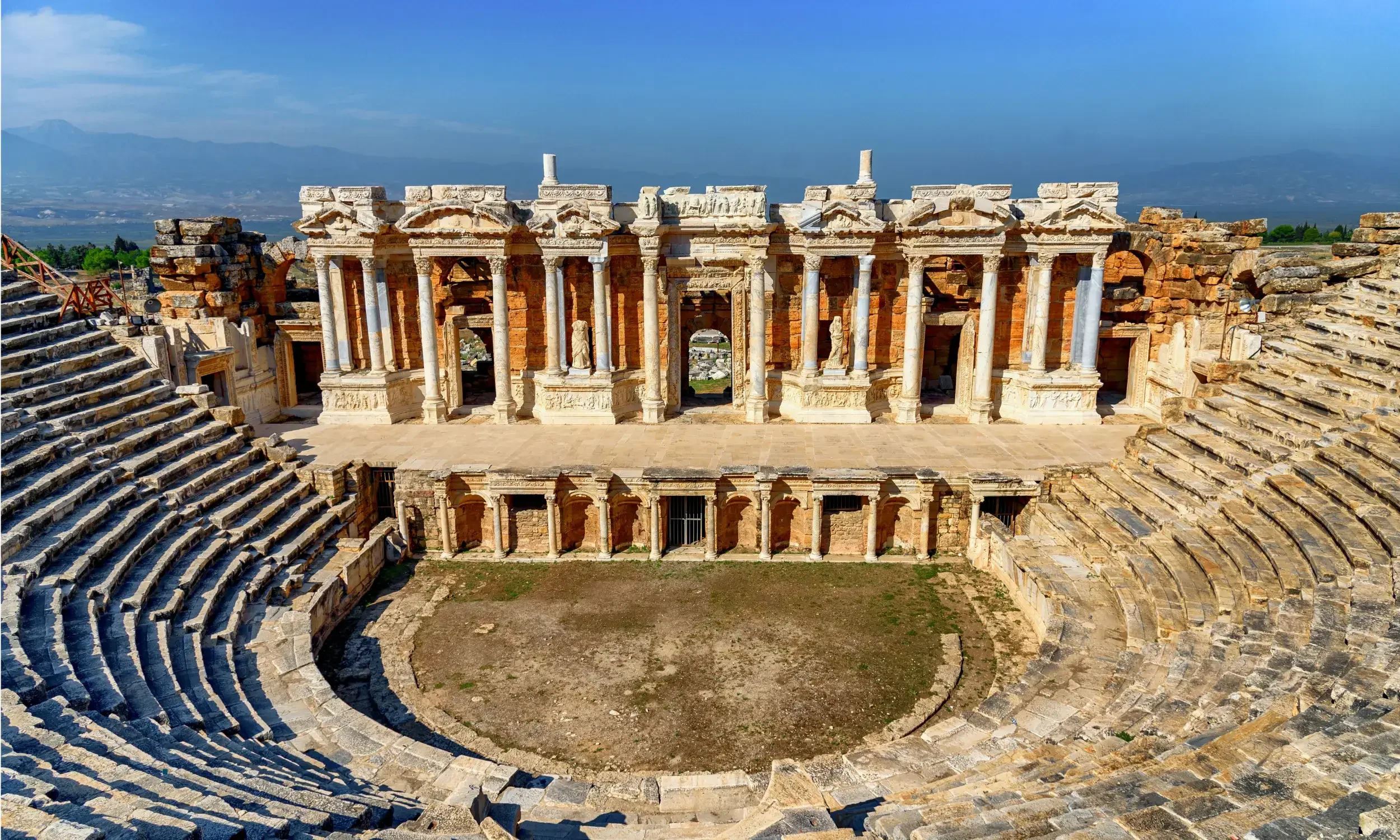
All what you need to know about Pamukkale
PAMUKKALE
The Ultimate Guide
Plan your trip to Pamukkale





Pamukkale: The Complete Guide to Turkey's Cotton Castle
Pamukkale means "cotton castle" in Turkish, and the first time you see photos of it, you assume the name is a bit of marketing flourish. It isn't. This stretch of blindingly white travertine terraces, formed by mineral-rich thermal springs cascading down a hillside for thousands of years, genuinely looks like a frozen wave of cotton from a distance, and then you get closer and realize it's sitting right next to one of the best-preserved ancient cities in the region. This guide covers everything you need to plan a visit to Pamukkale, from the terraces themselves to the ruins of Hierapolis built directly on top of them.
Understanding Pamukkale
Pamukkale sits in Turkey's Denizli province, in the country's southwestern interior, a few hours inland from the Aegean coast. The site's white terraces are formed by calcium-rich thermal water flowing down the hillside, depositing mineral layers over time that harden into the pool-like formations visitors walk through today. Directly above the terraces sits Hierapolis, an ancient Greco-Roman spa city built specifically to take advantage of these same thermal springs, meaning the ruins and the natural wonder are, quite literally, part of the same site and the same ticket.
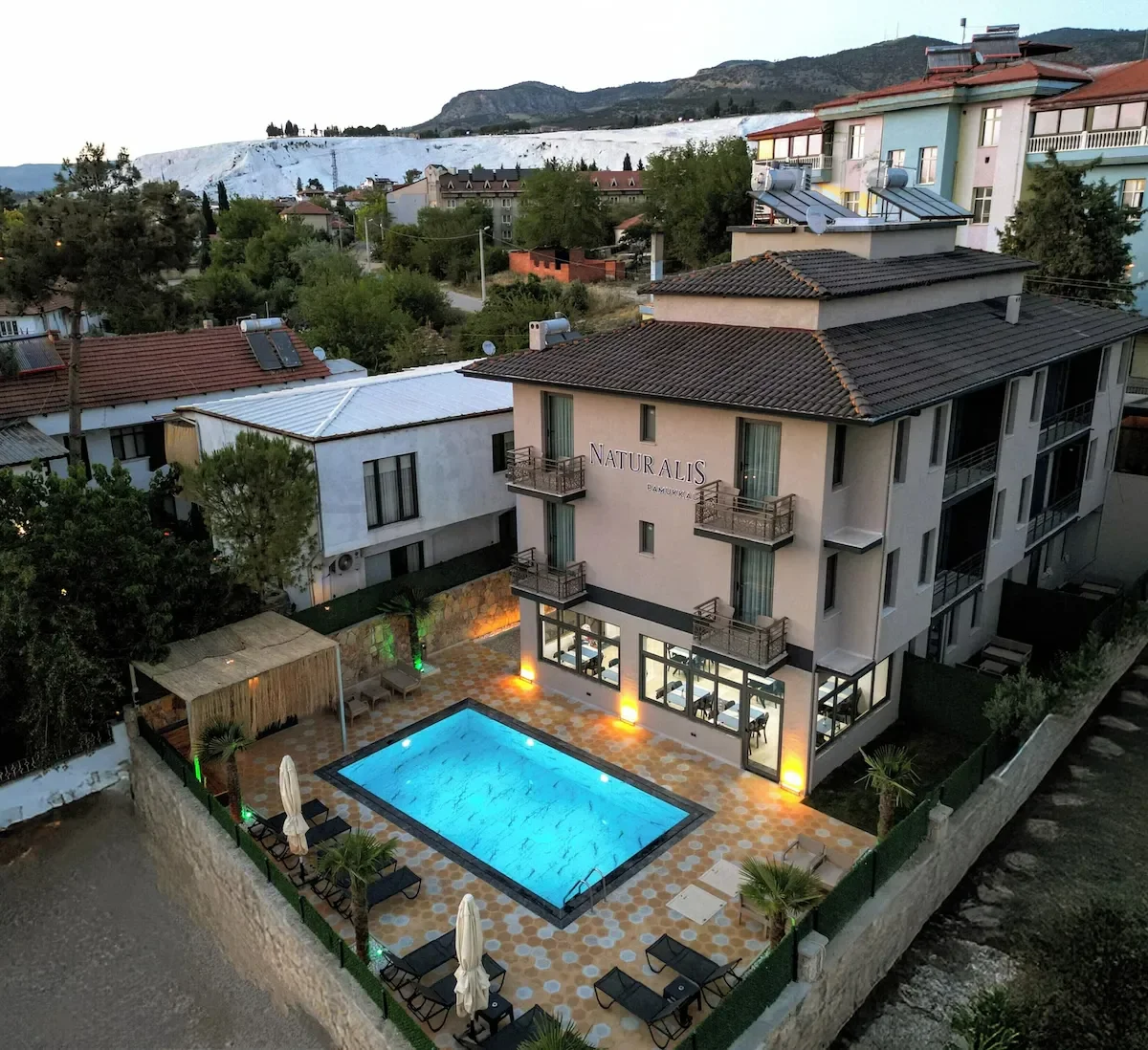
Most visitors treat Pamukkale as a day trip or a one-night stop between other destinations, most commonly Antalya, Ephesus, or Cappadocia. Given the site's slightly out-of-the-way location, this is a reasonable approach, though staying a night in the small town below the terraces does give you access to the site during quieter, cooler hours.
things to discover In Pamukkale
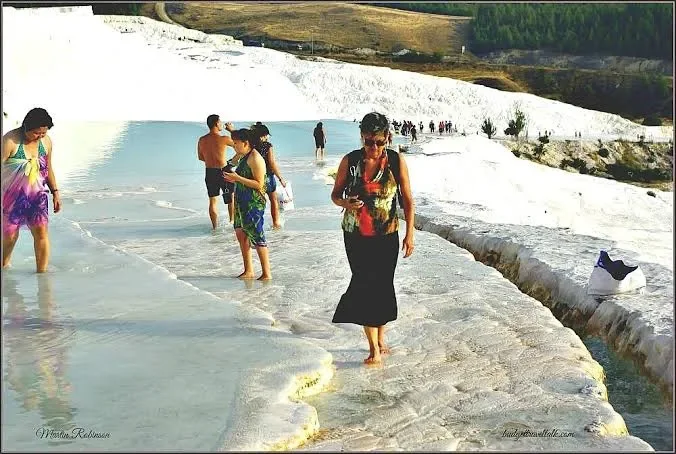
Walk the terraces barefoot
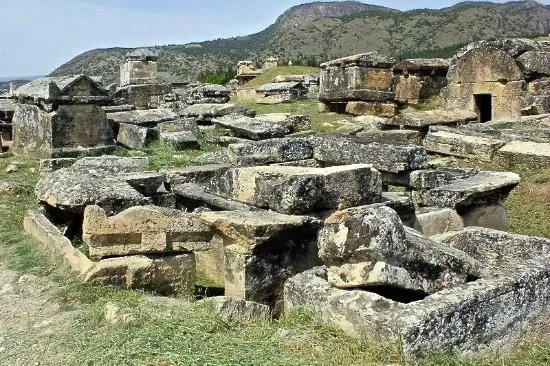
Necropolis
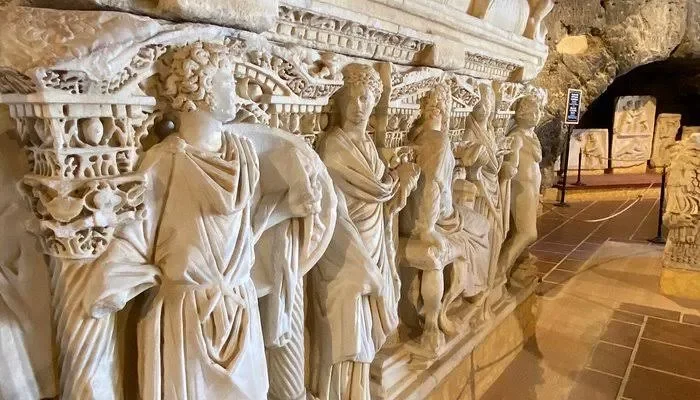
Hierapolis Museum
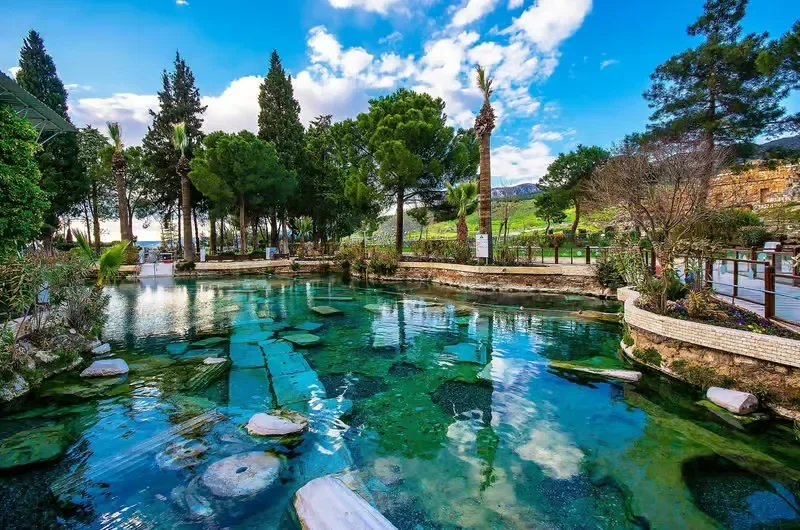
Swim in Cleopatra's Pool
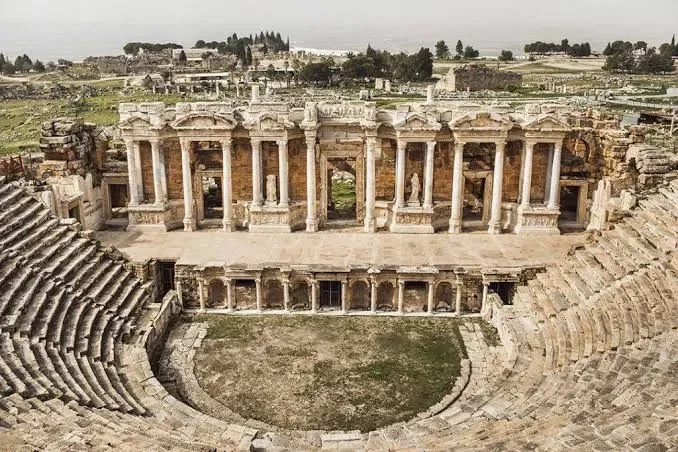
Explore Hierapolis
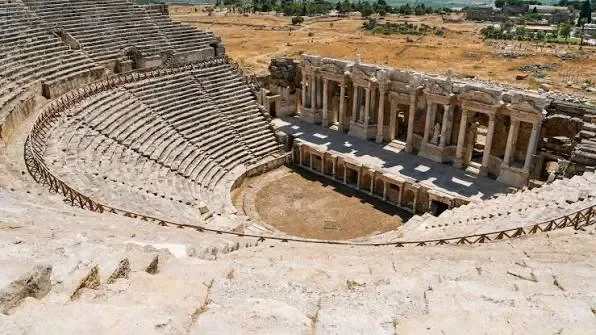
Roman theater
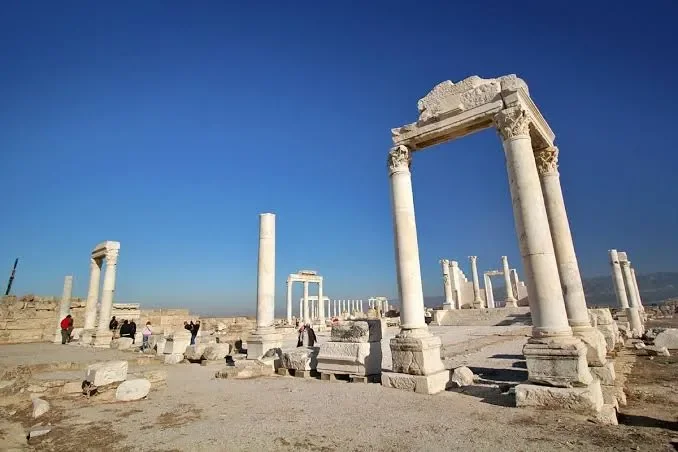
Laodicea
our monthly Hotels pics
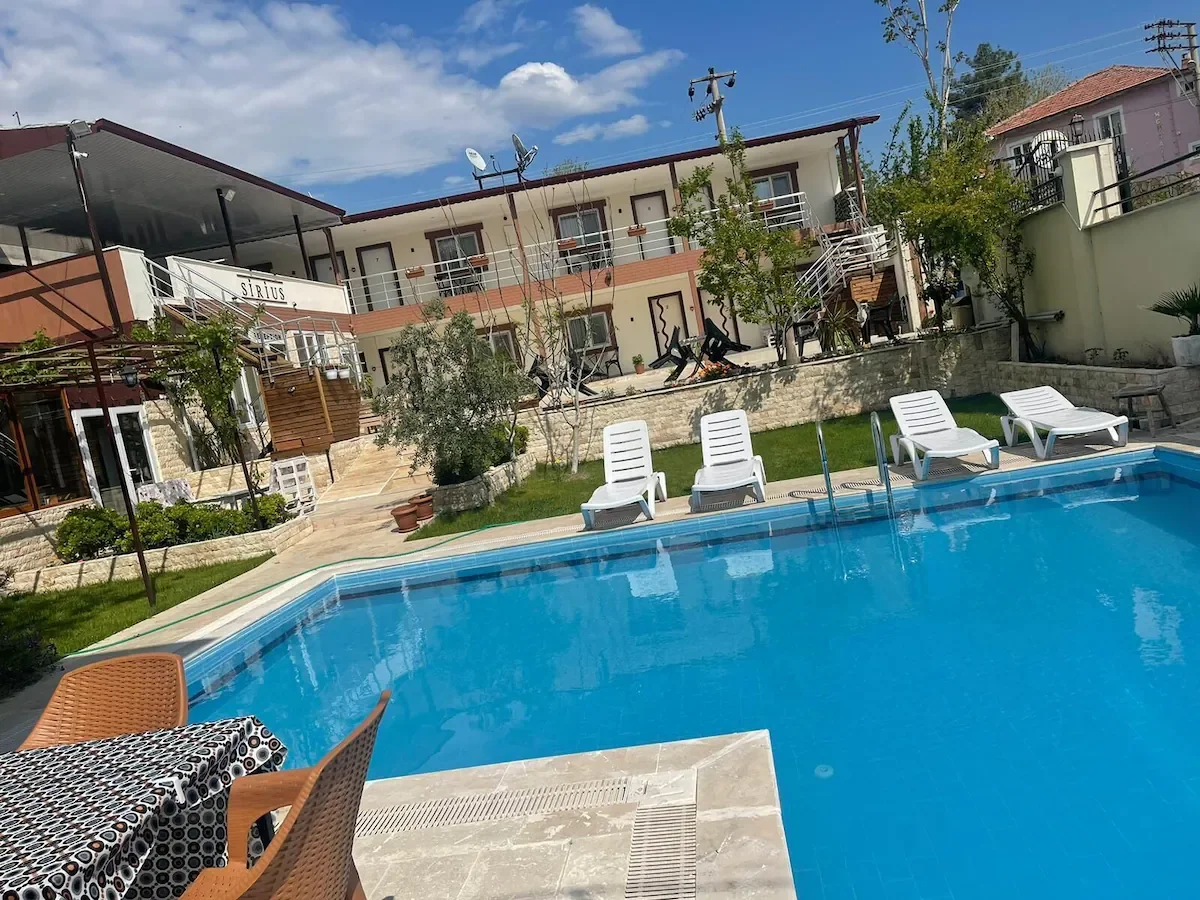
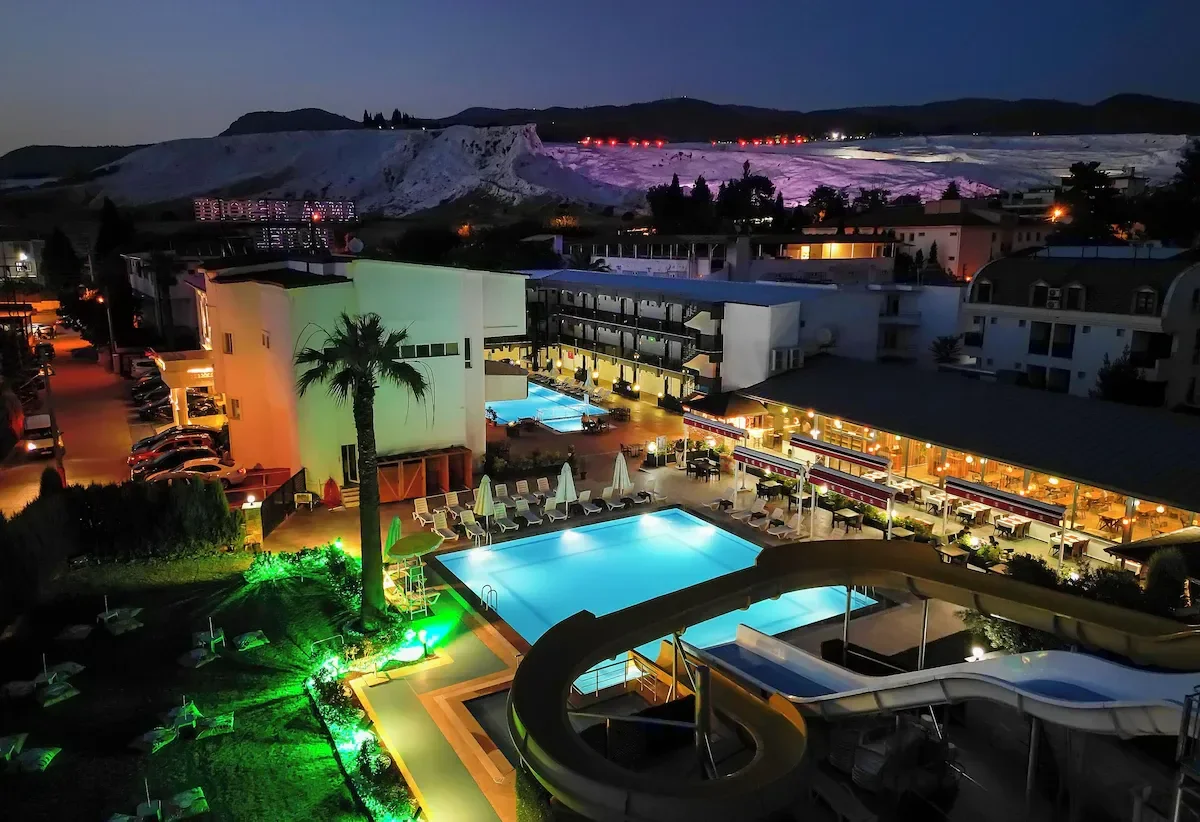
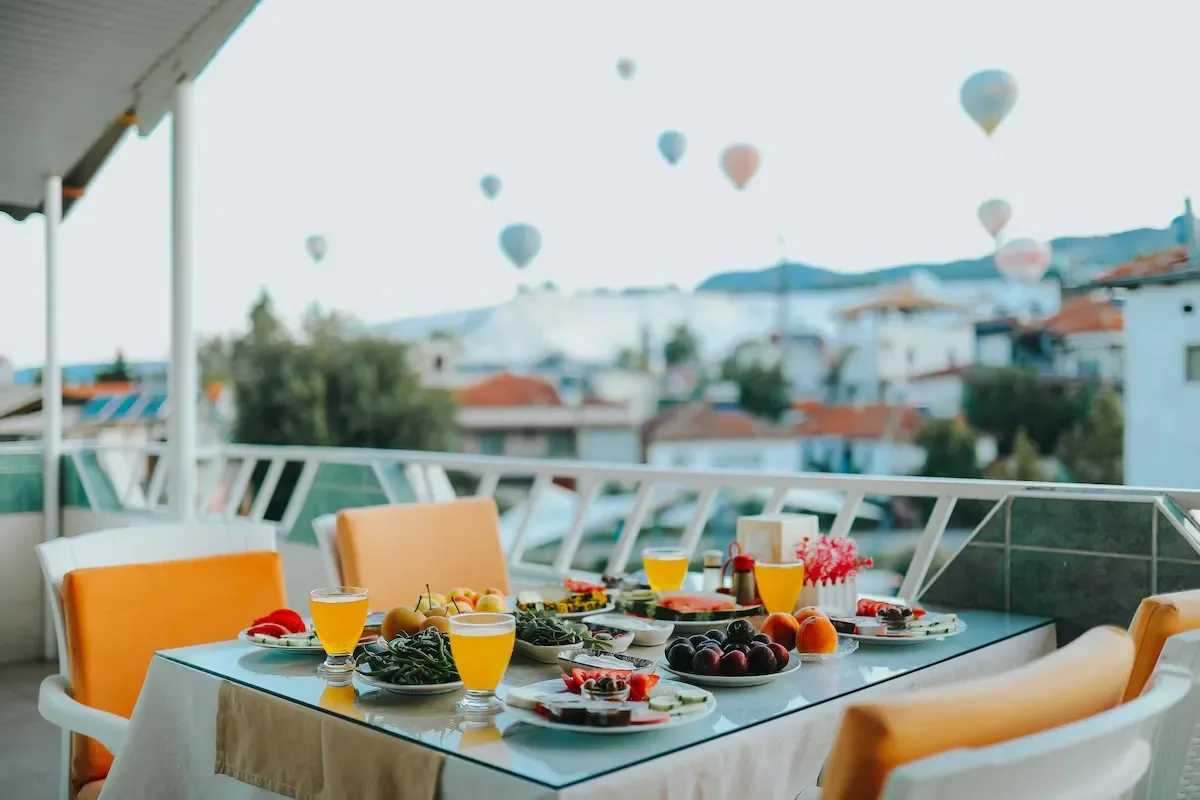
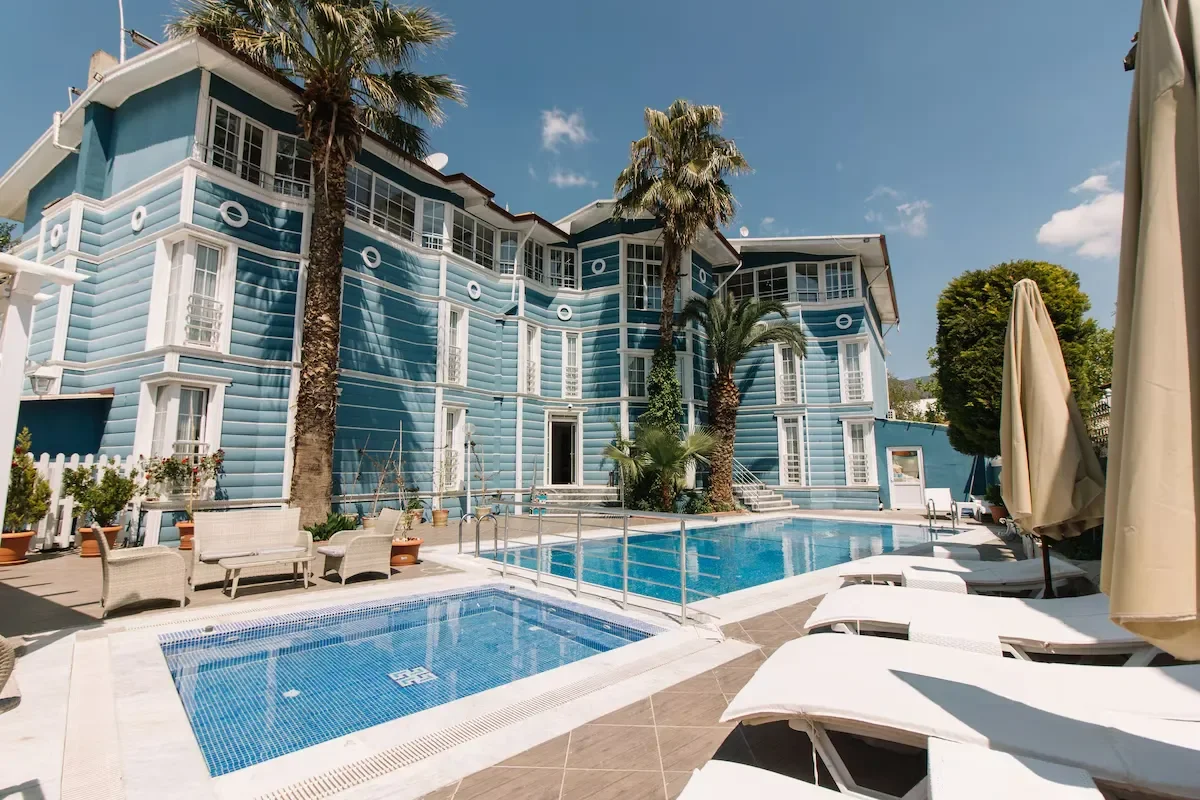
Accommodations under 80$\Night
attractions tickets
All Important Things To Know About Pamukkale
What Pamukkale Is Famous For
Pamukkale is famous, first and foremost, for a natural phenomenon that genuinely doesn't look real in photographs, its white, cascading travertine terraces, formed entirely by mineral deposits from thermal springs over thousands of years. Its secondary claim to fame is Hierapolis, the ancient spa city built to capitalize on those same springs, making Pamukkale one of the rare sites in the world where a major natural wonder and a major archaeological site occupy exactly the same ground.
Food and Culture
The Pamukkale area sits within Turkey's Aegean-influenced interior, and the local food scene reflects a slightly different character than the country's coastal or Central Anatolian regions. Look for dishes built around the region's excellent produce, fresh vegetables, olive oil-based cooking, and grilled meats served simply, without heavy sauces. Keşkek, a slow-cooked wheat and meat dish traditionally prepared for weddings and celebrations, is a regional specialty worth trying if you find it on a menu, and testi kebab, the clay-pot-cooked dish more commonly associated with Cappadocia, also appears on menus throughout this part of the country.
Thermal culture runs deep here, beyond just the tourist-facing pools, the region has a long tradition of visiting mineral springs for their believed health benefits, a practice that long predates modern spa tourism and connects directly back to why the Romans built Hierapolis in this exact spot in the first place.
Because Pamukkale functions largely as a day-trip or short-stay destination, the surrounding town has a relatively low-key, service-oriented atmosphere geared toward visitors passing through, pleasant and welcoming, if a bit less layered than Turkey's larger historic cities.
How the Terraces Actually Form
It's worth understanding the basic geology, because it makes the visit more interesting rather than less. Thermal spring water rich in calcium carbonate flows down the hillside from underground sources, and as the water cools and loses carbon dioxide on contact with the air, it deposits a mineral called travertine along its path. Over thousands of years, these deposits build up into the layered, pool-like terraces visible today. The process is ongoing the terraces you see now aren't a fixed, ancient formation but a still-developing one, though the site's most heavily visited sections are now carefully managed to prevent erosion and damage from foot traffic, which is part of why the main walking path is restricted to specific marked routes.
Day Trip to Aphrodisias
If you have an extra day and your own transportation, Aphrodisias, roughly a 90-minute drive from Pamukkale, is one of the most underrated ancient sites in the entire country. Dedicated to Aphrodite, the city was once a major center for sculpture in the ancient world, and its museum houses an exceptional collection of marble statuary, much of it in remarkable condition. The site's stadium, one of the best-preserved in the ancient world, held around 30,000 spectators and remains almost fully intact. Compared to the crowds at Ephesus or even Hierapolis, Aphrodisias sees a fraction of the visitors, making it a genuinely peaceful way to spend a few hours among world-class ruins.
Combining Pamukkale With the Rest of Your Trip
Pamukkale's inland location means it works best as a connecting stop rather than a standalone destination. Coming from Antalya, it's a scenic multi-hour drive or organized tour, often combined with a stop at Aphrodisias along the way. Coming from Ephesus and İzmir, Pamukkale sits a few hours inland and pairs naturally as either a day trip or an overnight add-on to an Aegean coastal itinerary. For travelers without a rental car, multi-day tour packages connecting Pamukkale with Ephesus, and sometimes Antalya, are widely available and tend to be the most efficient way to see all three without managing your own transportation logistics.
Practical Tips for First-Time Visitors
Visit early morning or late afternoon if possible, both to avoid the worst of the midday heat, which can be intense with no shade on the exposed travertine terraces, and to avoid the largest tour bus crowds, which tend to cluster around midday.
Bring a swimsuit and towel if you plan to visit Cleopatra's Pool, and consider bringing sandals for getting to and from the terraces, even though shoes must come off for the walk itself.
One ticket generally covers both the terraces and Hierapolis, but Cleopatra's Pool typically requires a separate, additional ticket, factor that into your budget and time if you want the full experience.
Getting here independently usually means a bus to Denizli followed by a short local transfer, or a rental car if you're combining Pamukkale with other stops on a longer Aegean or Central Anatolian road trip. Given the site's slightly remote location relative to Turkey's other major destinations, an organized day tour or multi-day package from Antalya, Izmir, or elsewhere on the coast is often the more efficient option for travelers without their own transportation.
Sun protection matters more here than almost anywhere else in Turkey the white terraces reflect sunlight intensely, and there's very little natural shade across most of the site.
Best Time to Visit
Spring (April–May) and autumn (September–October) offer the most comfortable temperatures for walking the terraces and exploring Hierapolis without excessive heat. Summer gets very hot, and the lack of shade across the site makes midday visits genuinely uncomfortable, plan around early morning or early evening if you're visiting in July or August. Winter is cooler and quieter, and while it's not swimming weather at Cleopatra's Pool, the terraces themselves remain open and the site is dramatically less crowded.
A Day (or Two) That Actually Works
Most visitors manage Pamukkale comfortably in a single, focused day: arrive early, walk the terraces before the heat and crowds build, spend the late morning exploring Hierapolis and the Roman theater, take a midday break at the on-site museum or a shaded café, then finish with a swim at Cleopatra's Pool in the afternoon before the site closes. If you have a second day available, use it for a slower pace, a visit to Laodicea, more time at a hotel's own thermal pool, or simply a proper rest day before continuing on to your next stop.