
All what you need to know about Bodrum
bODRUM
The Ultimate Guide
Plan your trip to Bodrum




Bodrum: The Complete Guide to Turkey's Whitewashed Riviera
Bodrum occupies a strange and enviable position among Turkish coastal towns part ancient port city, part upscale Mediterranean playground, with whitewashed hillside houses that could pass for the Greek islands sitting a short boat ride away, and a marina scene that draws in yachts, DJs, and long, late dinners once the sun goes down. This guide covers everything you need to plan a trip here, from the castle at its center to the beach towns scattered along the peninsula around it.
Understanding Bodrum
Bodrum sits at the tip of a peninsula on Turkey's southwestern Aegean coast, historically known as Halicarnassus, and was once home to the Mausoleum at Halicarnassus, one of the Seven Wonders of the Ancient World. Very little of that original structure survives today, but the city's long history as a port and trading hub laid the groundwork for the layered, cosmopolitan character it still has now.
Modern Bodrum functions as two overlapping identities at once: a historic Aegean town with whitewashed houses and bougainvillea-draped streets, and a genuinely upscale beach and nightlife destination that draws both international visitors and wealthy Turkish holidaymakers. The wider Bodrum Peninsula, dotted with smaller towns and villages, offers a considerably quieter alternative for travelers who want the setting without quite as much of the scene.
things to discover In Bodrum
Museum of Underwater Archaeology
Bodrum Marina
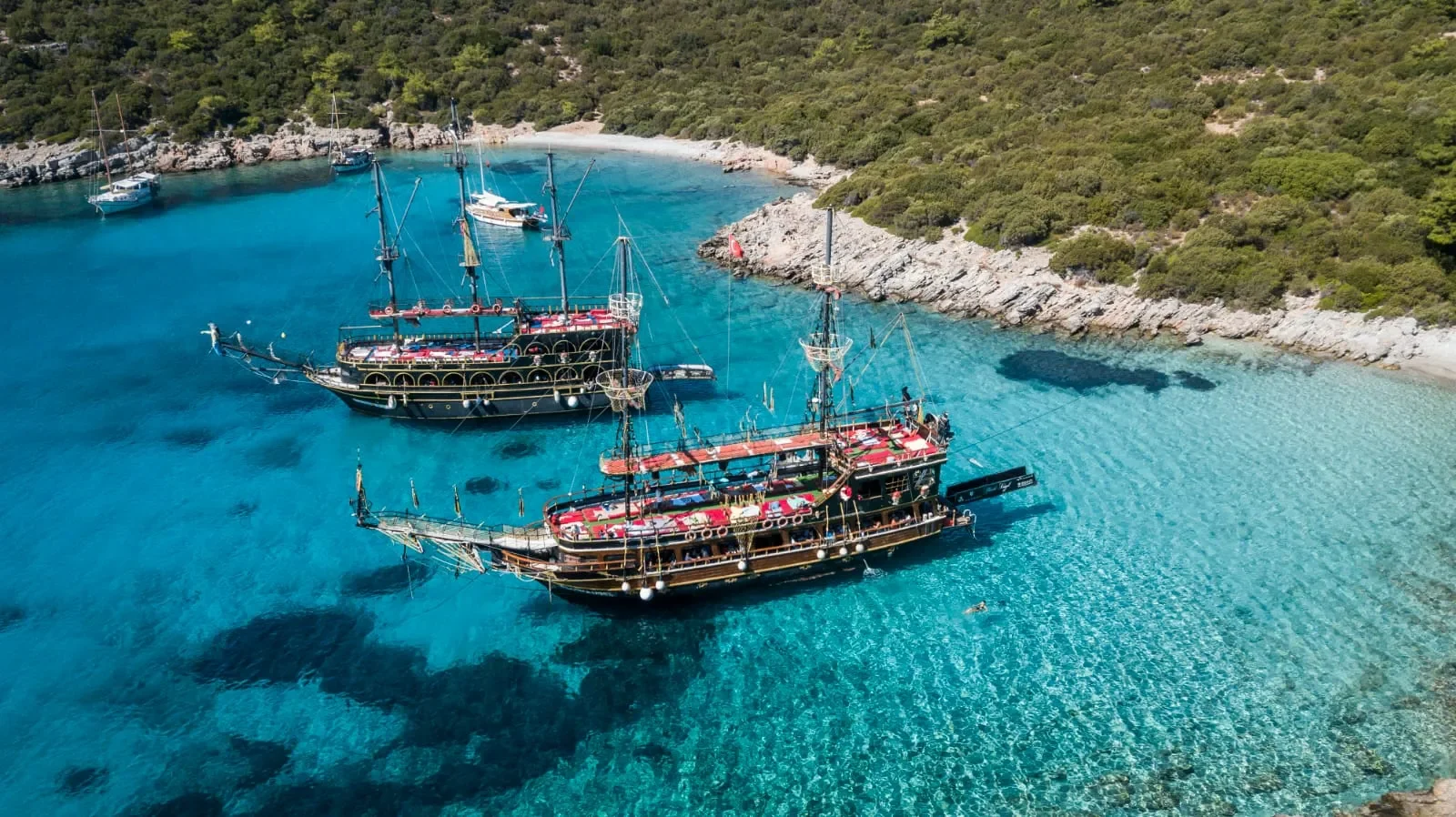
Bodrum boat trip
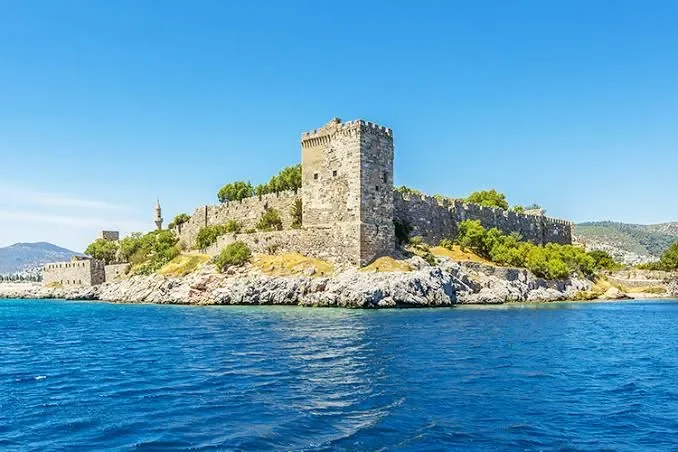
Bodrum Castle
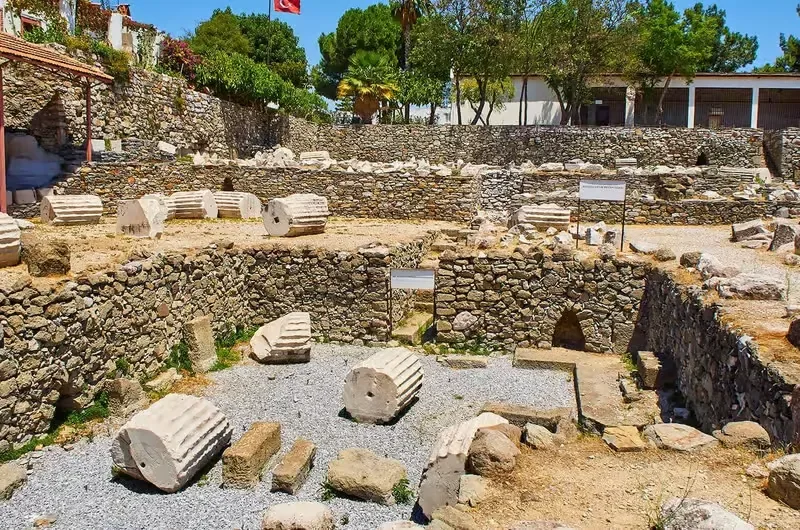
Mausoleum
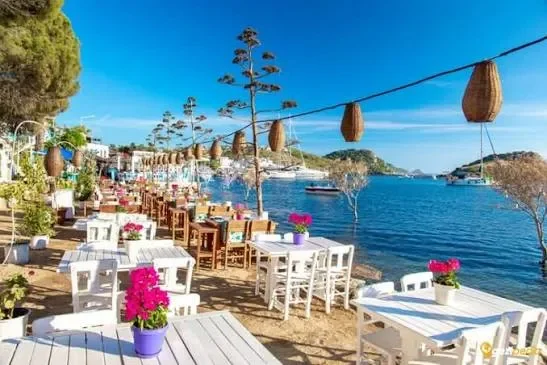
Gümüşlük
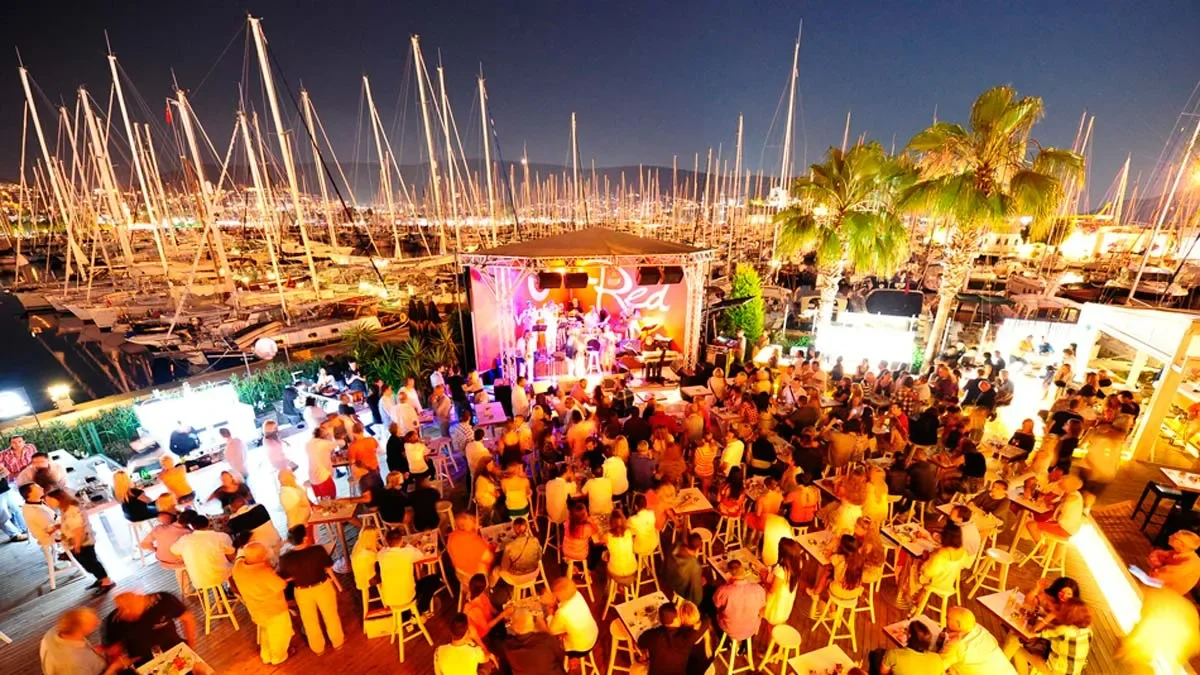
Bodrum's club
our monthly Hotels pics
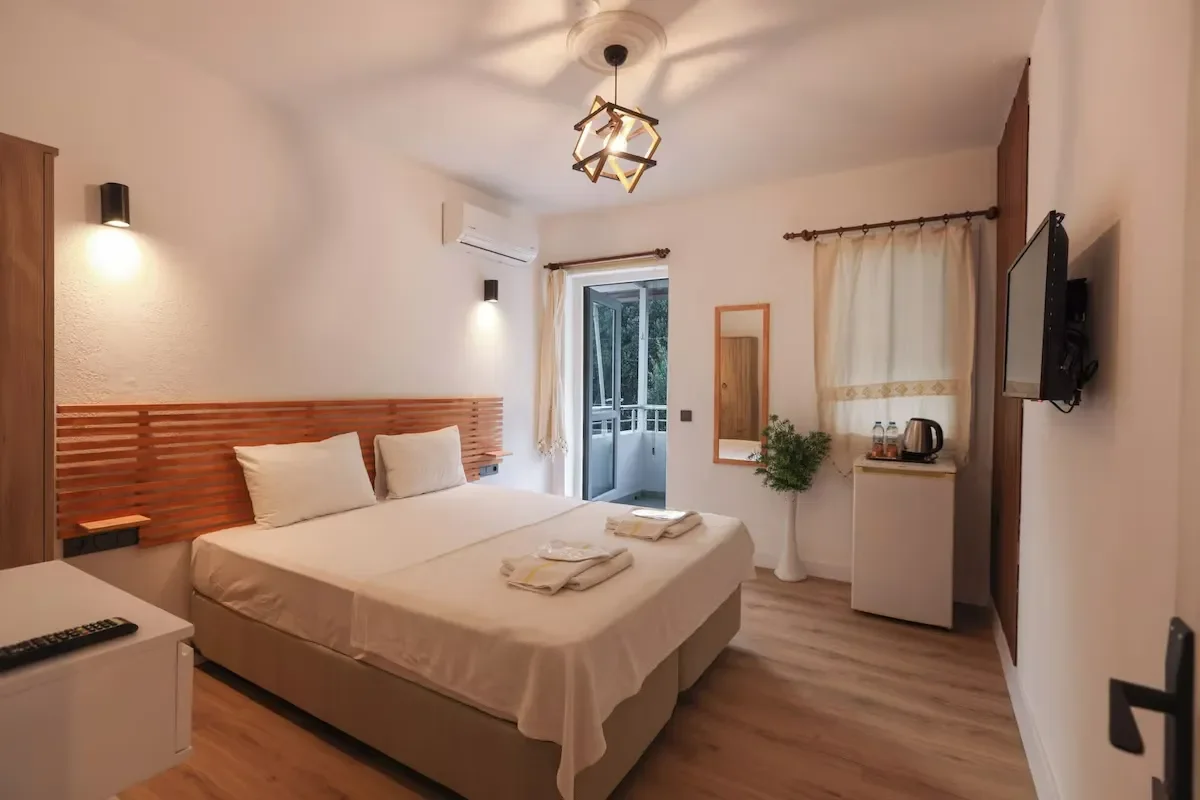
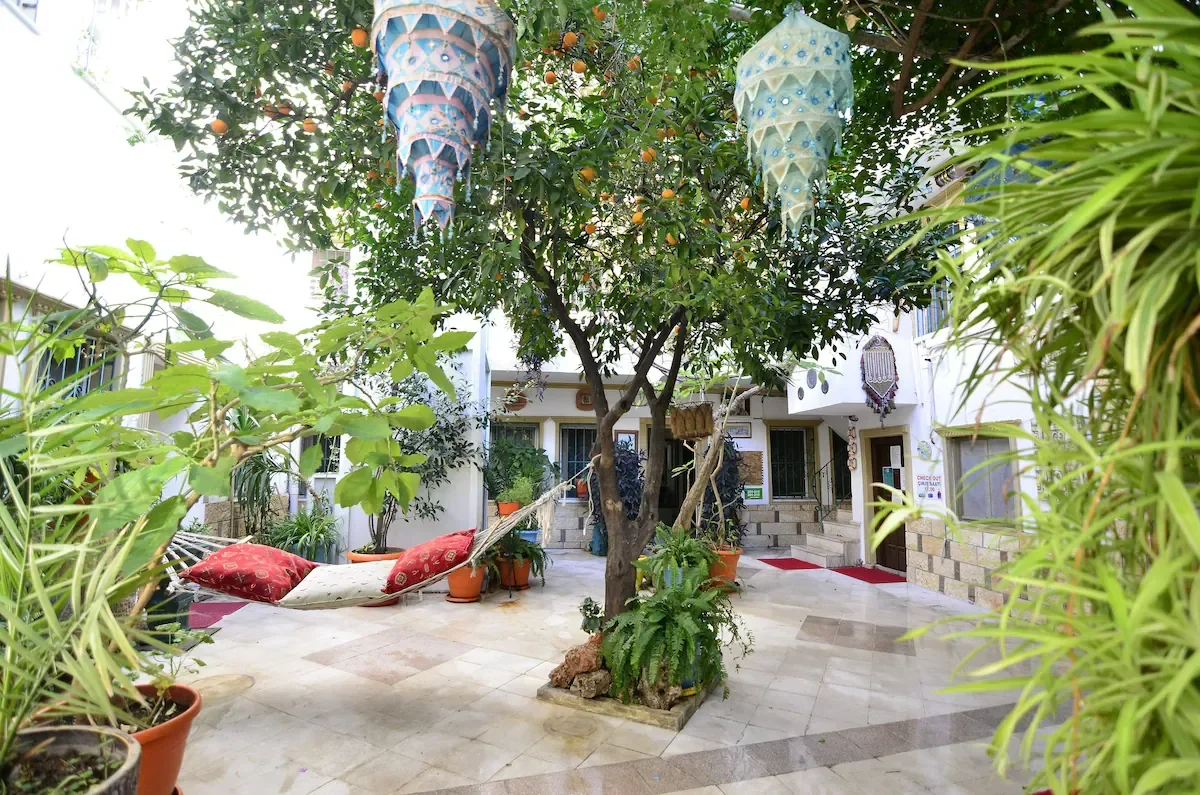
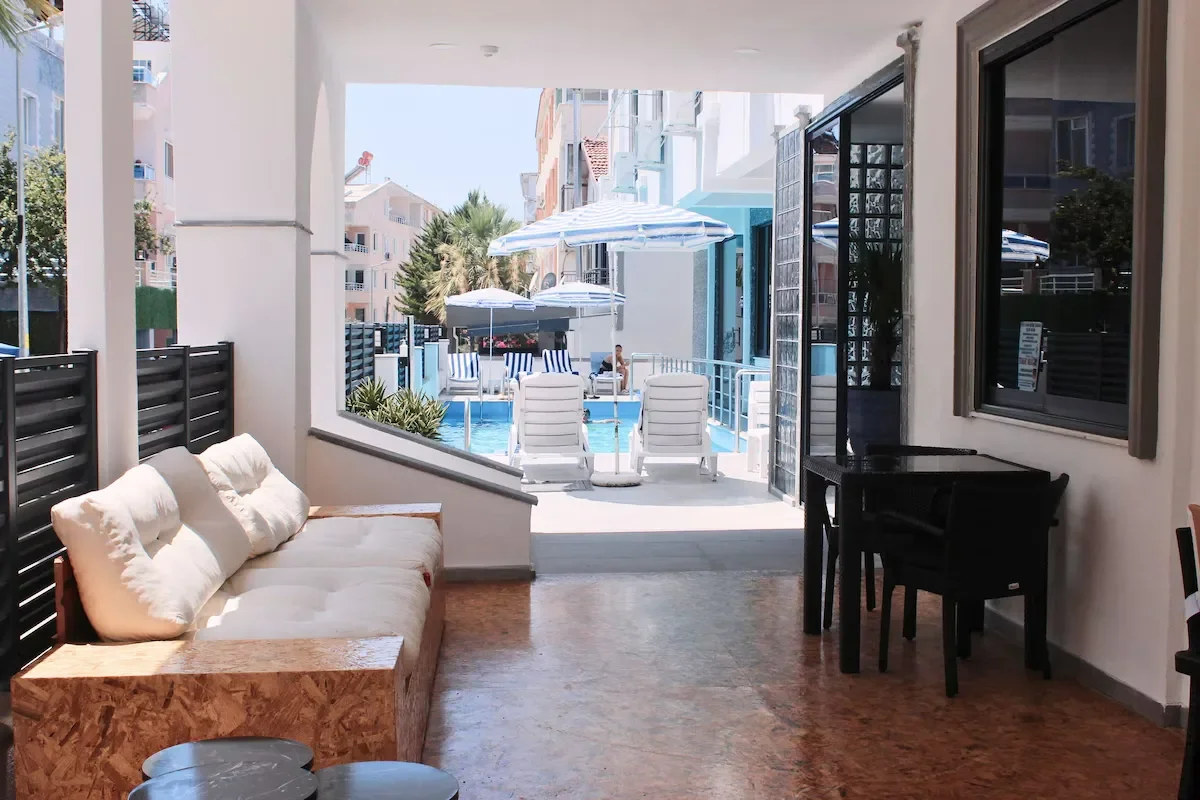
Accommodations under 80$\Night
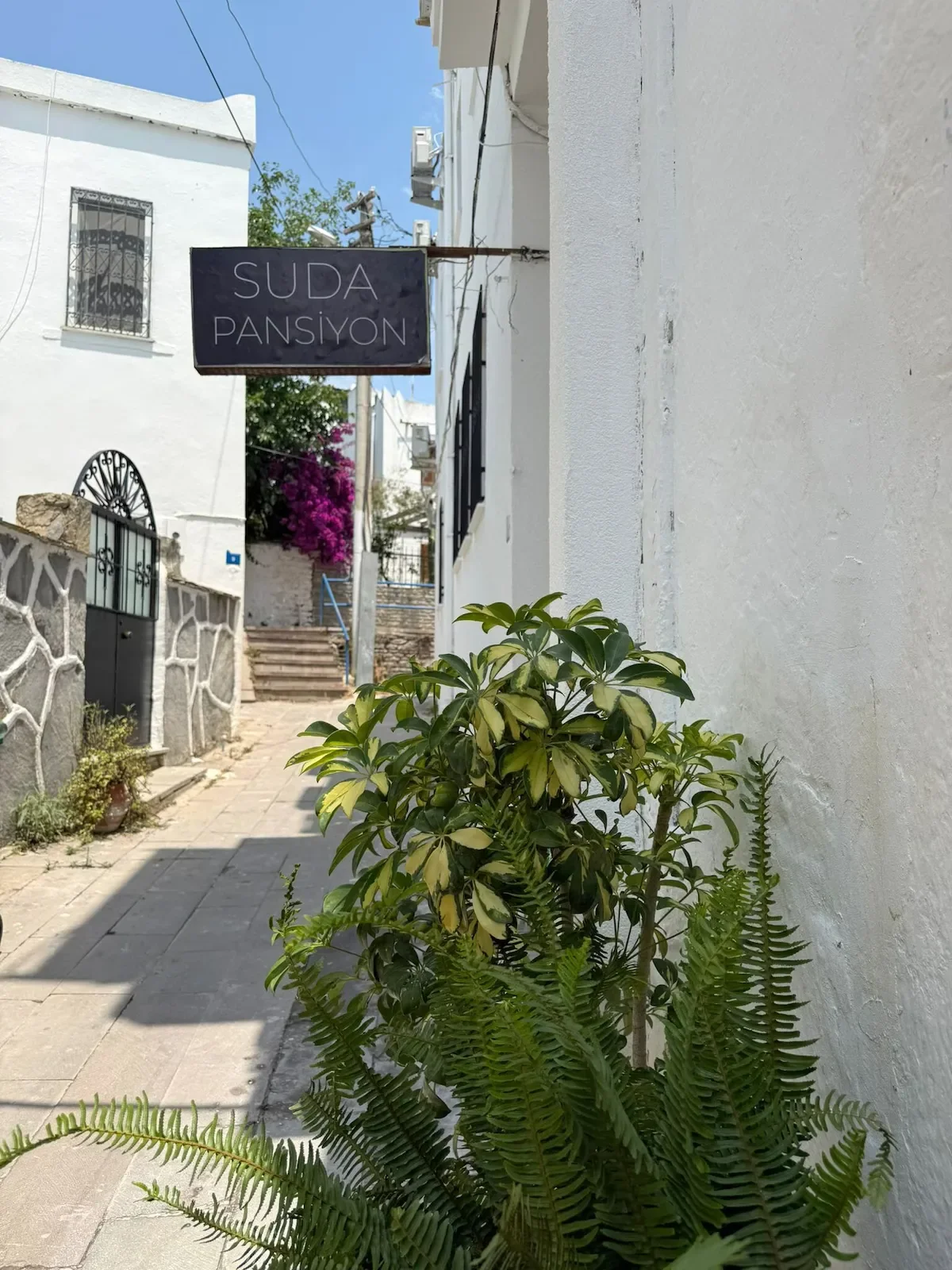
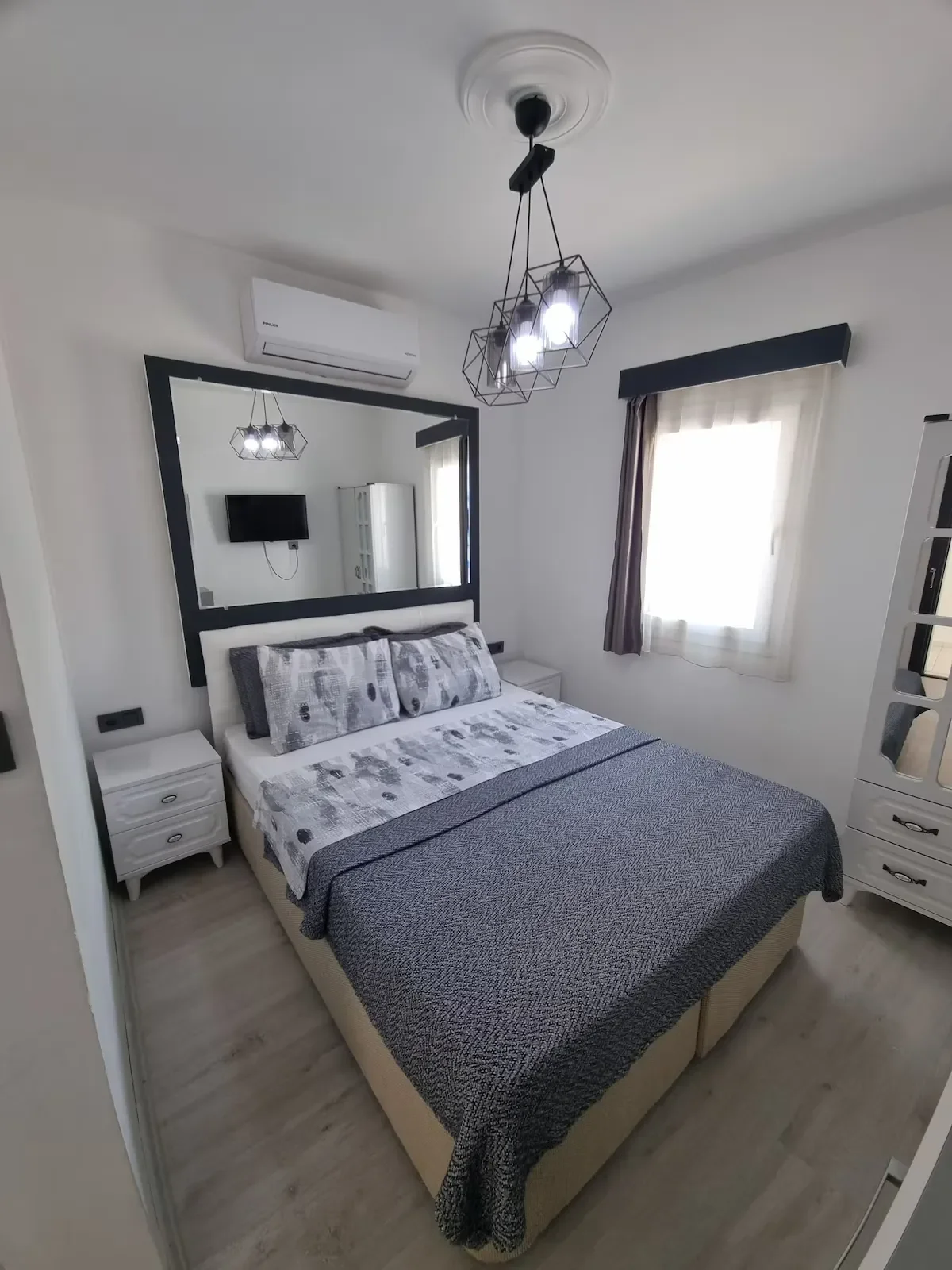
attractions tickets
All Important Things To Know About Bodrum
What Bodrum Is Famous For
Bodrum is famous for a combination of ancient history and modern glamour that few other Turkish destinations quite match, its castle and connection to one of the ancient world's Seven Wonders on one hand, and its yacht-filled marina, beach clubs, and nightlife scene on the other. It's often described as Turkey's answer to the French Riviera or Mykonos, and while that comparison undersells its own distinct character, it does capture the general vibe: whitewashed elegance, warm water, and a genuinely international crowd during peak season.
Food and Culture
Bodrum's Aegean coastal setting means seafood plays a starring role fresh fish grilled simply and served with lemon and olive oil is the default at most harborside restaurants, and the peninsula's various fishing villages, particularly Gümüşlük, are known for some of the best and freshest seafood on this stretch of coast.
Bodrum's olive oil is regionally celebrated, produced from groves scattered across the peninsula, and used generously in the area's cooking, from meze to simply dressed vegetable dishes. Meze culture here mirrors the rest of the Aegean region, small shared plates built around seasonal vegetables, cheeses, and herbs, often accompanied by rakı over a long, unhurried dinner.
Culturally, Bodrum carries a lighter, more relaxed, and noticeably more international atmosphere than many other Turkish destinations, shaped by decades of both domestic and foreign tourism. English is widely spoken in the town center and tourist areas, and the overall pace leans toward leisure, long lunches, boat trips with no fixed schedule, and evenings that start late and run later.
The Peninsula's Best Beaches
Beyond boat-trip-only coves, several beaches around the Bodrum Peninsula are easily accessible by car or dolmuş. Bitez, on the peninsula's southern side, offers a long, family-friendly stretch of sand backed by tangerine groves and a relaxed row of beachside cafés, a good option if you want a proper beach day without a boat. Ortakent, nearby, is similarly family-oriented and slightly quieter. On the northern coast, Türkbükü's beach clubs cater to a more see-and-be-seen crowd, with sunbed reservations and bottle service more common than casual towel-on-the-sand set-ups. For something closer to nature, several of the smaller, boat-access-only bays around Kargı and along the peninsula's rockier southern edge are popular for snorkeling, with noticeably clearer water than the more developed beaches closer to town.
Shopping in Bodrum
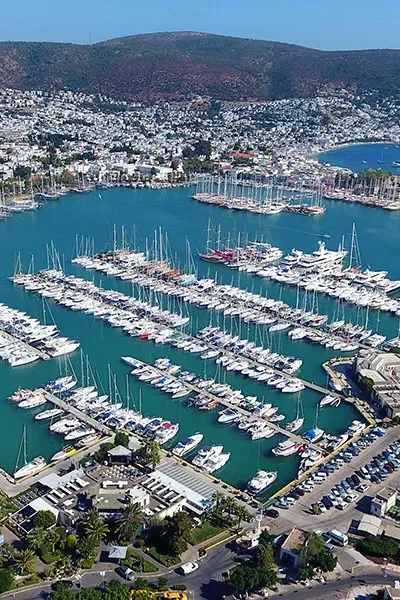
Bodrum's town center has a lively bazaar area near the marina, selling the usual mix of textiles, leather, ceramics, and jewelry, alongside a growing number of boutique shops carrying Turkish designers rather than mass-produced souvenirs. Yalıkavak's marina district, in particular, has developed a reputation for higher-end boutique shopping, with designer stores clustered around the yacht harbor. For something more distinctly local, look for Bodrum sponges, the town has a long historical association with sponge diving, and naturally harvested sea sponges remain a popular, genuinely useful souvenir sold throughout the old town.
Practical Tips for First-Time Visitors
Bodrum Airport (Milas–Bodrum) connects directly to numerous European cities during the summer season, in addition to domestic flights from Istanbul, making it an easy standalone destination without necessarily routing through a larger Turkish city first.
Rent a car or scooter if you plan to explore beyond the town center, the peninsula's villages are spread out, and while dolmuş (shared minibus) services connect the main towns, having your own transportation gives you far more flexibility to chase quieter beaches and viewpoints.
Book boat trips and beach club reservations in advance during peak season (July–August), when both tend to sell out or reach capacity, particularly for the more popular clubs and charter operators.
Budget for a higher price point than much of the rest of Turkey, Bodrum, particularly its marina-adjacent restaurants and upscale villages, runs noticeably more expensive than the national average, closer to Mediterranean European resort pricing than typical Turkish coastal towns.
Best Time to Visit
June and September offer a strong balance of warm, swimmable water and comparatively manageable crowds and prices, avoiding the peak intensity of July and August. July and August are the busiest and most expensive months, with the fullest nightlife scene but also the highest prices and largest crowds at beaches and restaurants. Spring and late autumn are quieter and cooler, better suited to sightseeing and exploring the castle and villages than beach time, though many seasonal restaurants and beach clubs reduce their hours or close entirely outside the main summer season.
A Few Days That Actually Work
Three to four days suits most visitors well. Day one: settle into Bodrum town, visit the castle and museum, and explore the marina in the evening. Day two: a full-day boat trip around the peninsula, stopping at secluded bays for swimming. Day three: a day trip to one or two of the peninsula's villages Gümüşlük for seafood and sunset, or Yalıkavak for a more polished afternoon. Day four, if you have it: a boat trip to Kos for a taste of Greece, or a slower day exploring Bodrum's less-touristed corners at your own pace.