
All what you need to know about Florence
fLORENCE
The Ultimate Guide
Plan your trip to Florence





Florence: The Complete Guide to the Cradle of the Renaissance
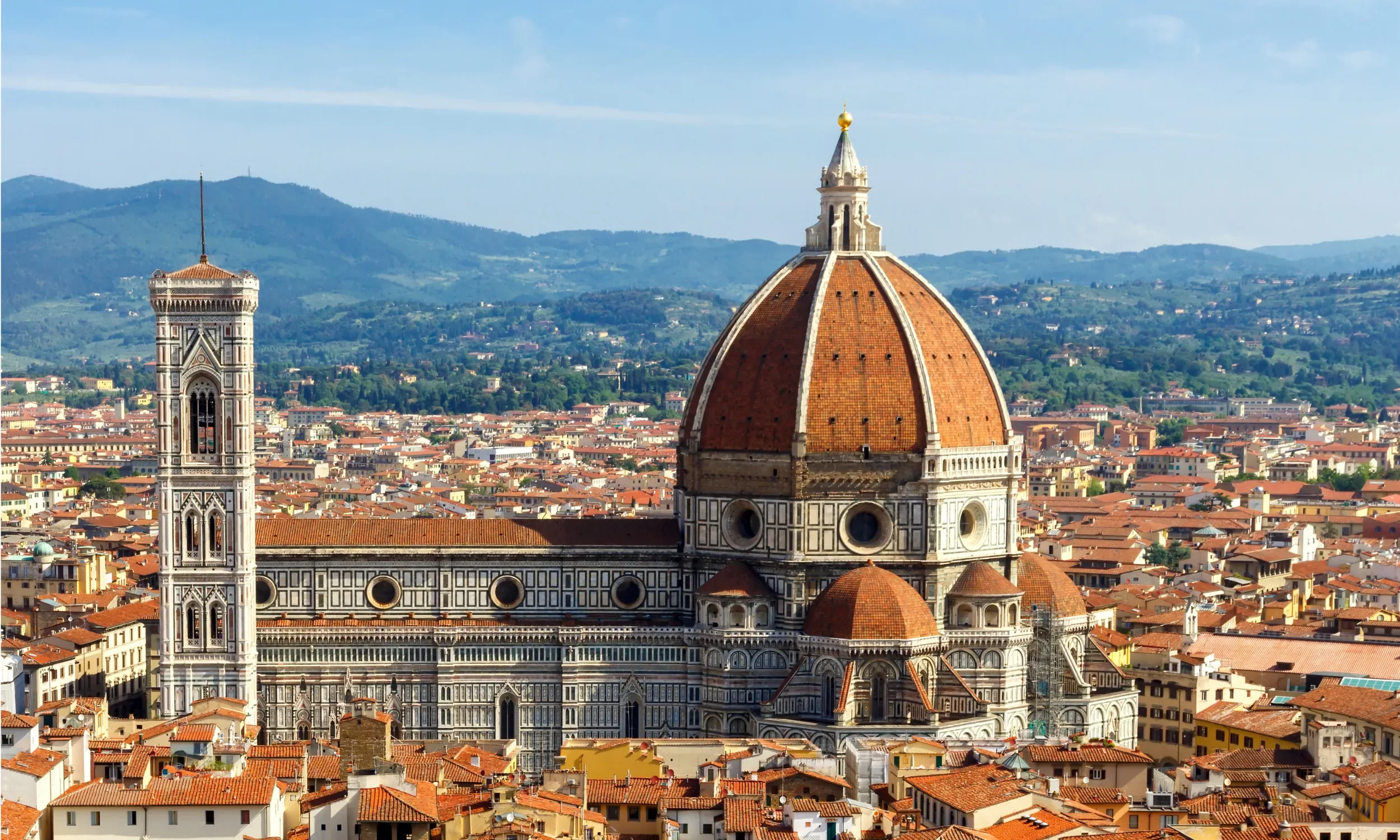
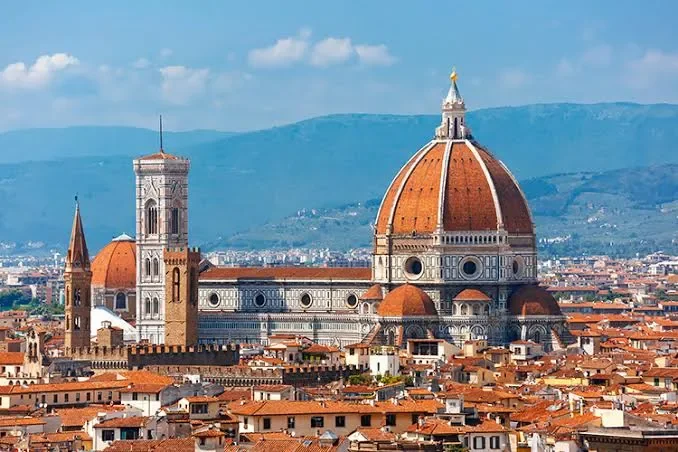
Florence packs an almost absurd concentration of art and architecture into a compact, entirely walkable old town, Michelangelo's David, Brunelleschi's dome, and the Uffizi's collection of Renaissance masterpieces all sit within a fifteen-minute walk of each other. This is the city where the Renaissance essentially began, and it still feels, remarkably, like a place built at a human scale despite the weight of what happened here. This guide covers everything you need to plan a first visit.
Understanding Florence
Florence sits in Tuscany, straddling the Arno River, and its historic center, remarkably compact for a city of such outsized cultural significance, remains largely walkable within a day or two. The city's wealth and artistic explosion during the 14th through 16th centuries were driven substantially by the Medici family, whose patronage shaped much of what visitors come to see today, from churches to palaces to the art collections themselves.
Beyond the dense historic core, the surrounding Tuscan countryside, Chianti's vineyards, hill towns like San Gimignano and Siena, makes Florence a natural base for day trips as well as a standalone city visit.
things to discover In Florence
The Duomo
Ponte Vecchio
Piazzale Michelangelo
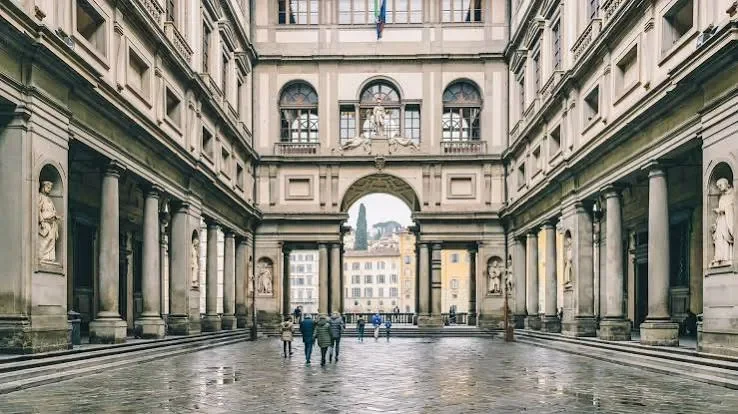
The Uffizi Gallery
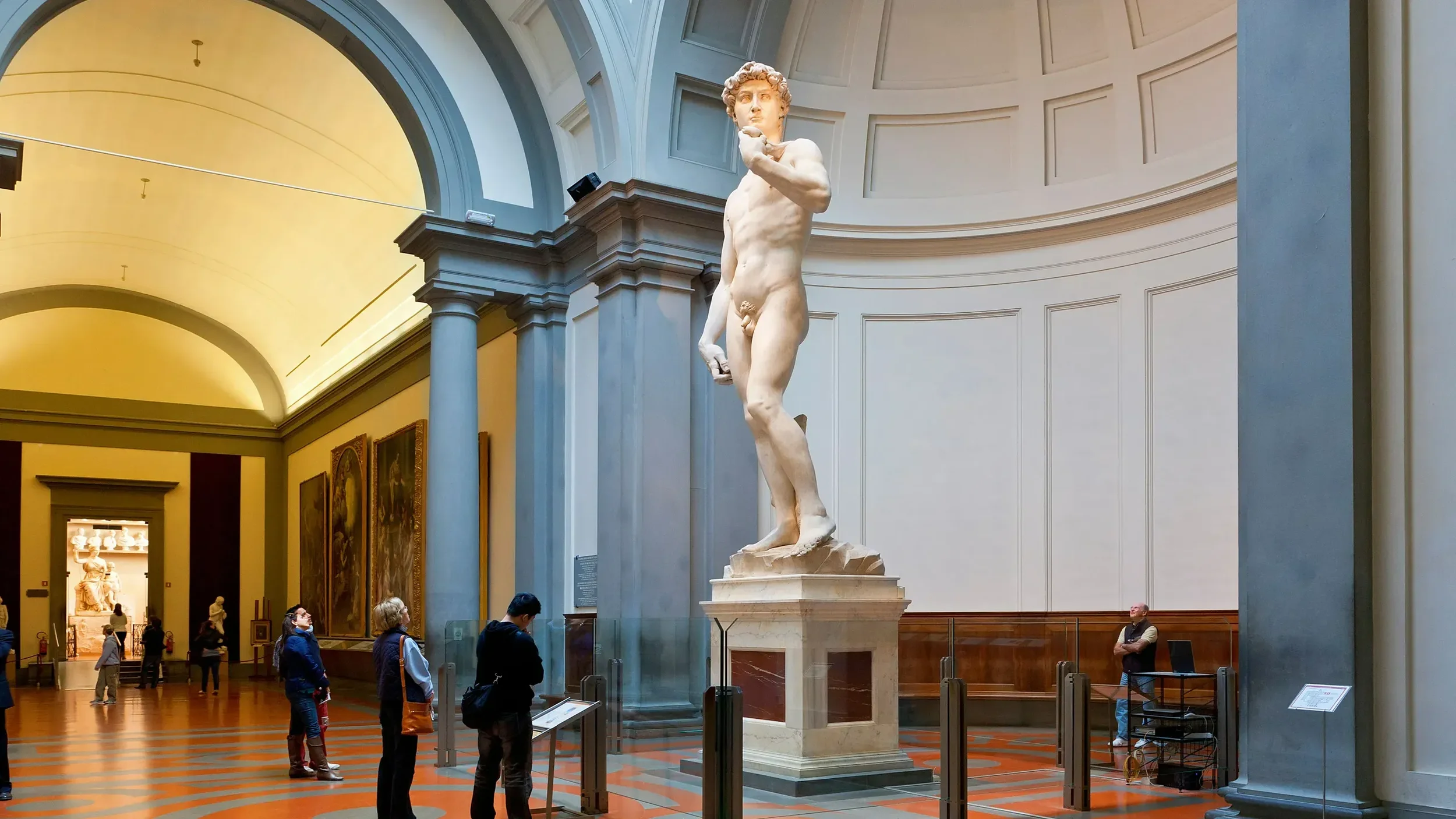
The Accademia Gallery
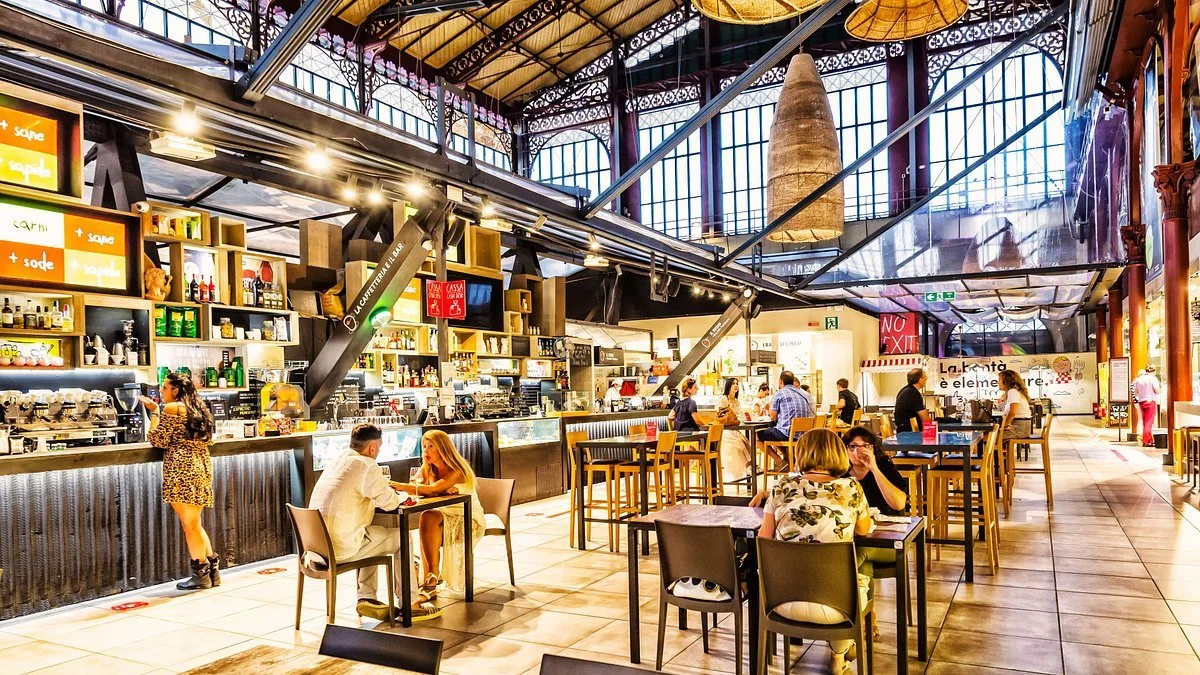
Mercato Centrale
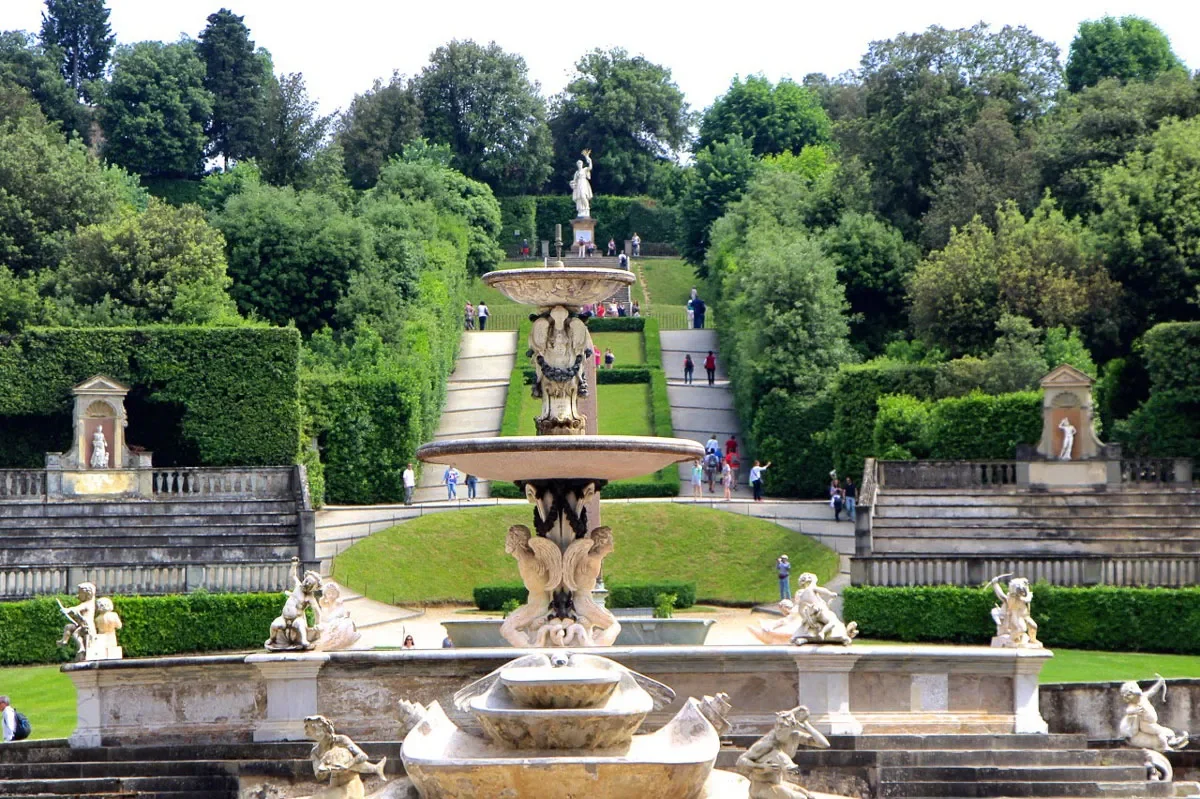
The Boboli Gardens
our monthly Hotels pics
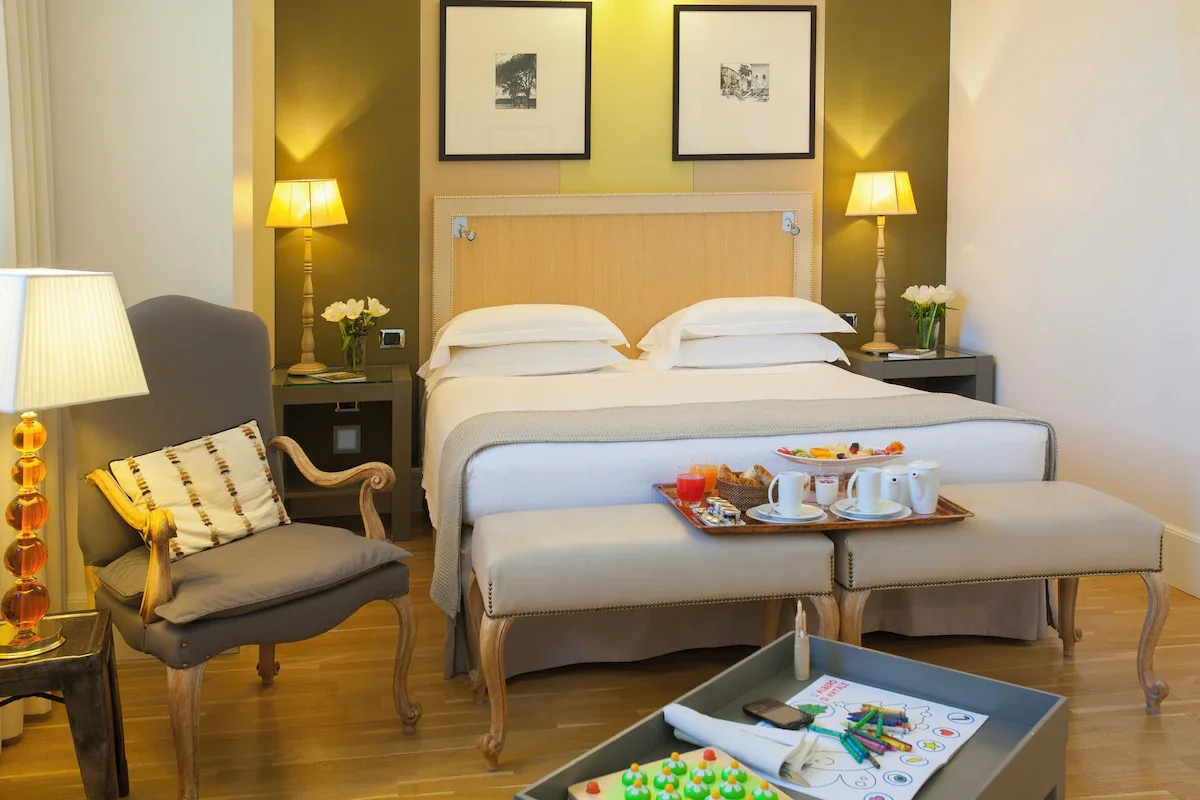
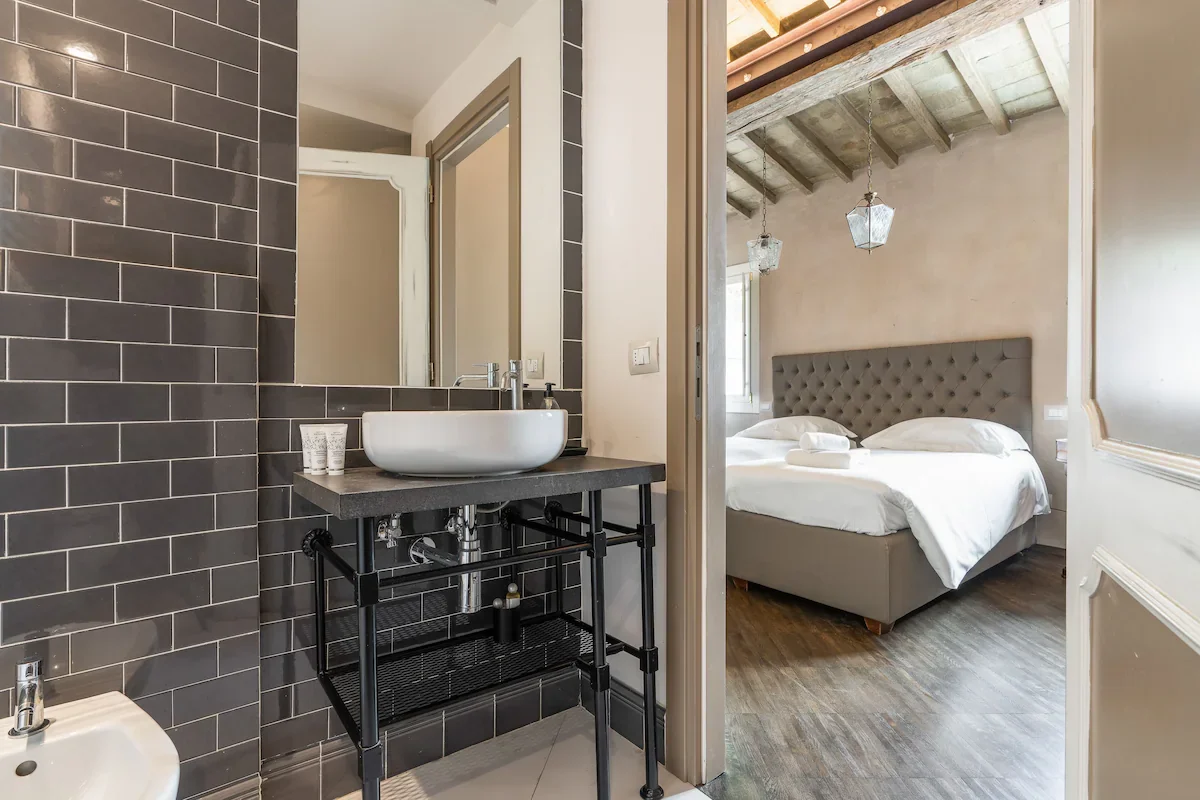
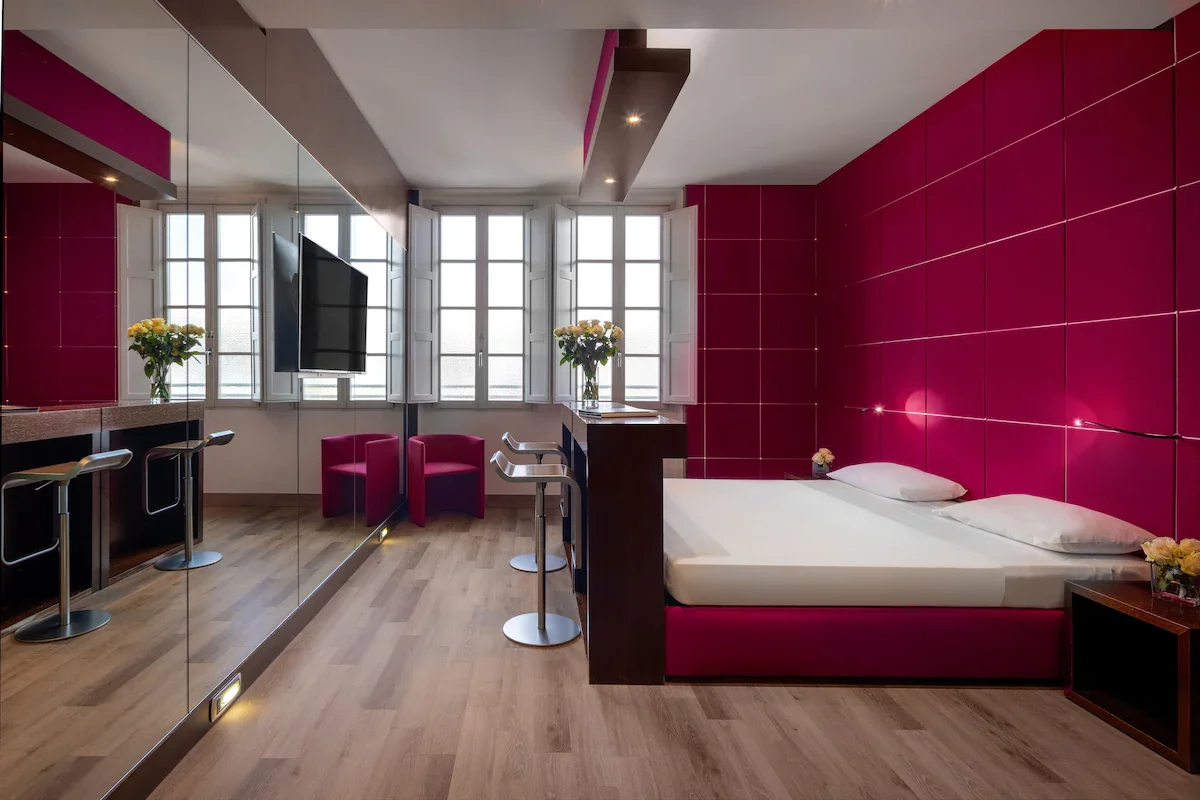
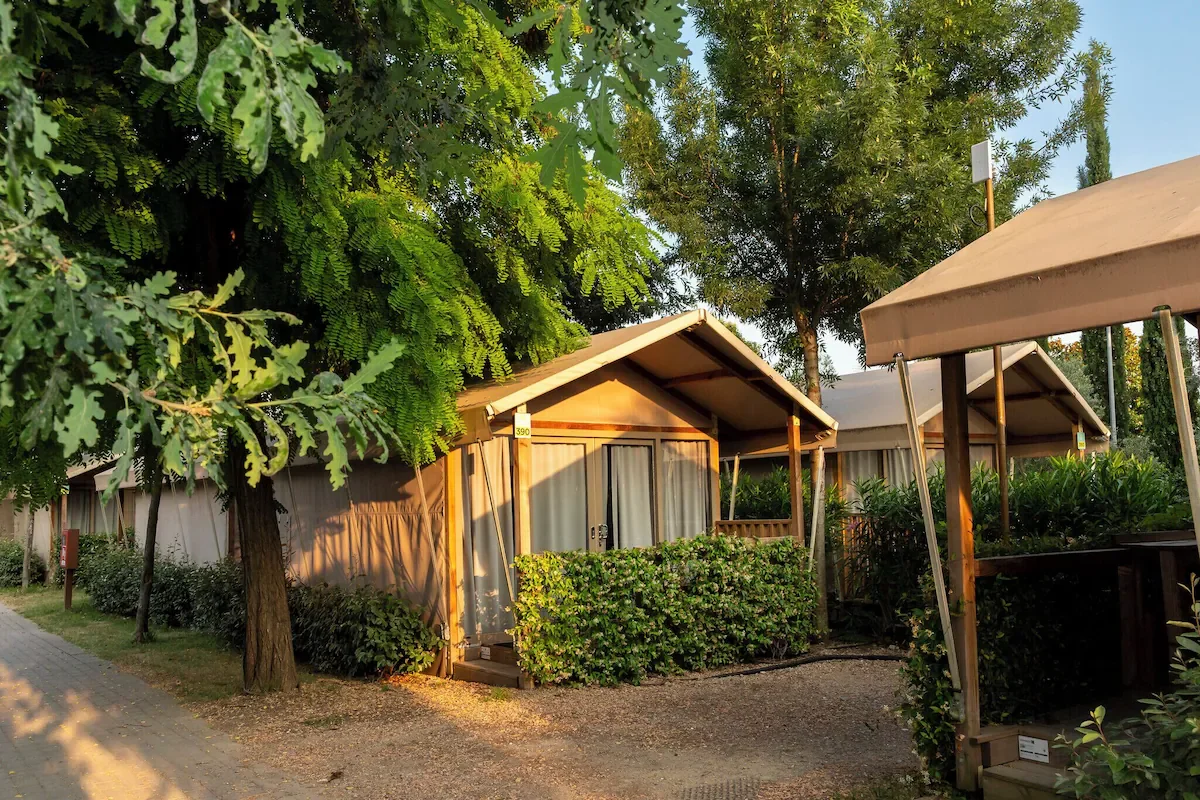
Accommodations under 200$\Night

attractions tickets
All Important Things To Know About Florence
What Florence Is Famous For
Florence is famous as the birthplace of the Renaissance, home to an extraordinary concentration of art and architecture from the 14th through 16th centuries, including works by Michelangelo, Botticelli, Leonardo da Vinci, and Brunelleschi. It's also known for its leather goods, its status as a gateway to the Tuscan countryside, and a food and wine culture that draws as many visitors as its museums do.
Food and Culture
Tuscan cuisine is famously simple and ingredient-driven. Bistecca alla Fiorentina, a thick, bone-in T-bone steak traditionally served rare and simply seasoned, is the region's signature dish, best shared given its typical size. Ribollita, a hearty bread-and-vegetable soup, and pappa al pomodoro, a tomato and bread soup, both reflect Tuscan cucina povera ("poor kitchen") traditions built around using every part of an ingredient rather than wasting anything.
Tuscan bread is traditionally made without salt, a historical quirk tied to old salt taxes, which surprises many first-time visitors used to more heavily salted bread elsewhere, it's designed specifically to be eaten alongside salty, flavorful toppings and dishes rather than on its own.
Culturally, Florence carries a certain understated confidence befitting its history, locals are generally proud but not showy about the city's outsized cultural significance, and everyday life continues at a genuinely human pace despite the constant flow of visitors through the historic core.
Best Time to Visit
Spring (April–May) and autumn (September–October) offer the most comfortable weather for extensive walking and day trips into the countryside. Summer is hot and the most crowded season by far, particularly around the Duomo and Uffizi. Winter is quieter and cooler, a good option for a museum-focused visit without the peak-season crowds, though some rural agriturismi and countryside attractions may operate on reduced schedules.
Practical Tips for First-Time Visitors
Florence Airport (Peretola) is small and close to the city center; many visitors also arrive via train from Rome, Milan, or Venice, given Florence's central position on Italy's high-speed rail network.
Book the Uffizi and Accademia well in advance, both regularly sell out, and skip-the-line tickets save genuinely significant waiting time during peak season.
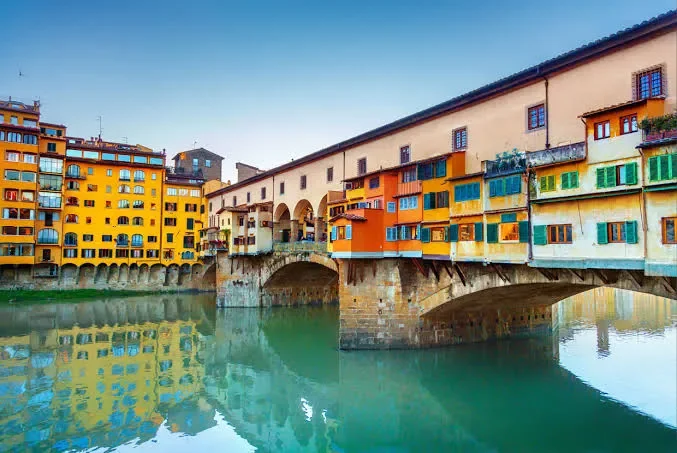
Wear comfortable shoes for cobblestones, and expect the historic center to be extremely crowded at peak times (particularly midday in summer) around the Duomo and Ponte Vecchio.
Consider a Florence + Tuscany combination, the city works well as a base for day trips, so budgeting at least one day for the surrounding countryside is worth factoring into your itinerary from the start.
A Few Days That Actually Work
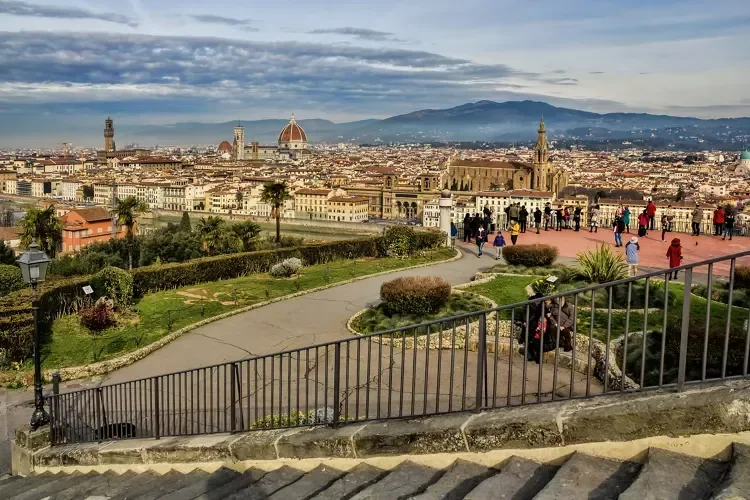
Three days suits most visitors well. Day one: the Duomo, Baptistery, and a wander through the historic center, finishing at Piazzale Michelangelo for sunset. Day two: Uffizi Gallery in the morning, Accademia and Michelangelo's David in the afternoon. Day three: Oltrarno's artisan workshops and the Boboli Gardens, or a day trip into Chianti for wine tasting and countryside scenery.