
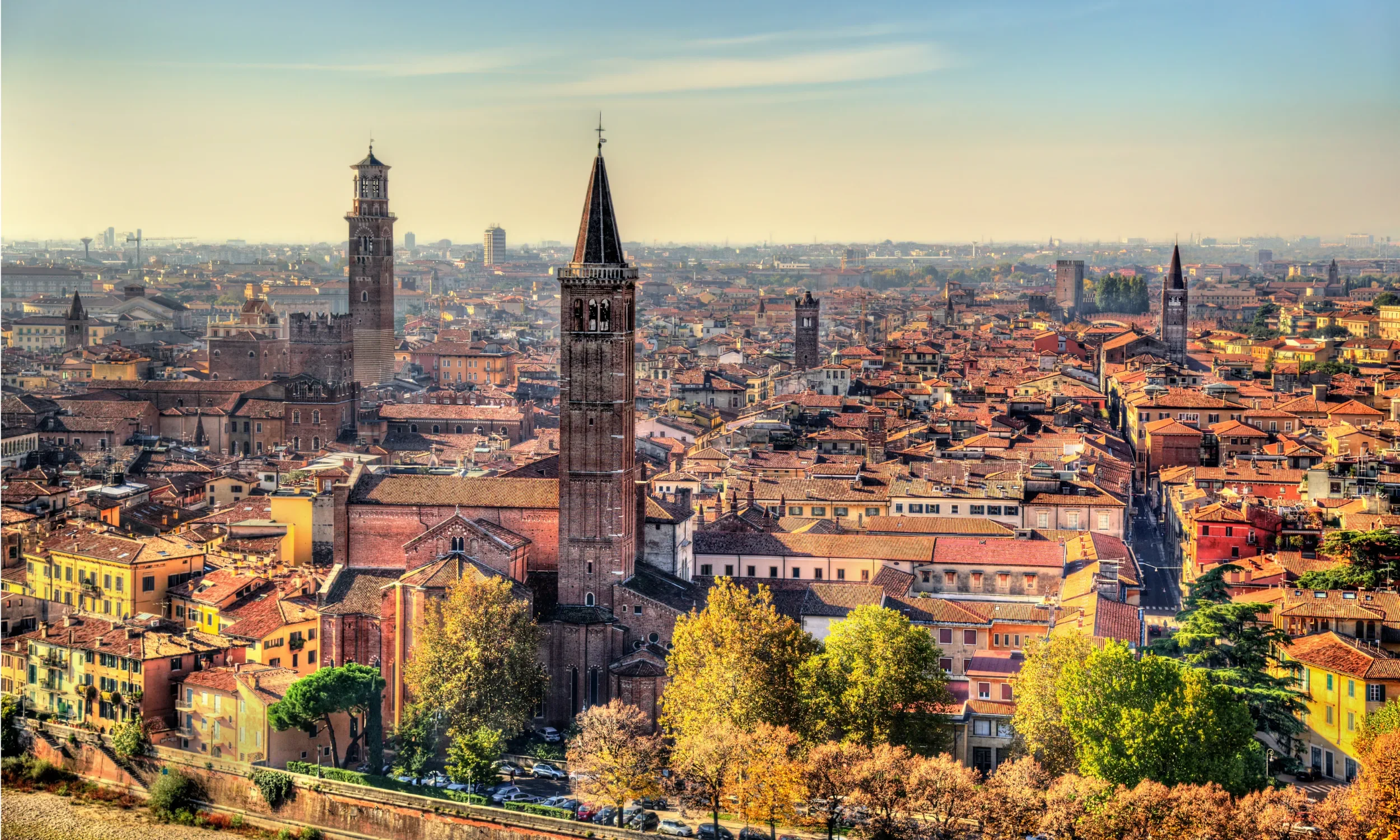
All what you need to know about Naples
NAPLES
The Ultimate Guide
Plan your trip to Naples





Naples: The Complete Guide to Italy's Rawest, Most Alive City
Naples doesn't try to be polished, and that's exactly why so many visitors end up loving it more than the more manicured stops on their Italy itinerary. This is the birthplace of pizza, a city of narrow, chaotic streets stacked beneath the ever-present silhouette of Mount Vesuvius, and the natural gateway to Pompeii, the Amalfi Coast, and Capri. This guide covers everything you need to plan a first visit to southern Italy's largest and most intense city.
Understanding Naples
Naples sits on the Bay of Naples in Italy's Campania region, with Mount Vesuvius, the volcano that famously destroyed Pompeii in 79 AD, and remains an active, monitored volcano today, visible from much of the city. Naples' historic center is one of the largest and most densely packed in Europe, a genuine maze of narrow streets (vicoli) strung with laundry lines and small shrines, feeling markedly different from the more orderly historic centers of Florence or Milan.
The city functions as the natural hub for exploring the wider region, Pompeii, Herculaneum, the Amalfi Coast, Capri, and the Phlegraean Fields are all reachable as day trips or short excursions from Naples.
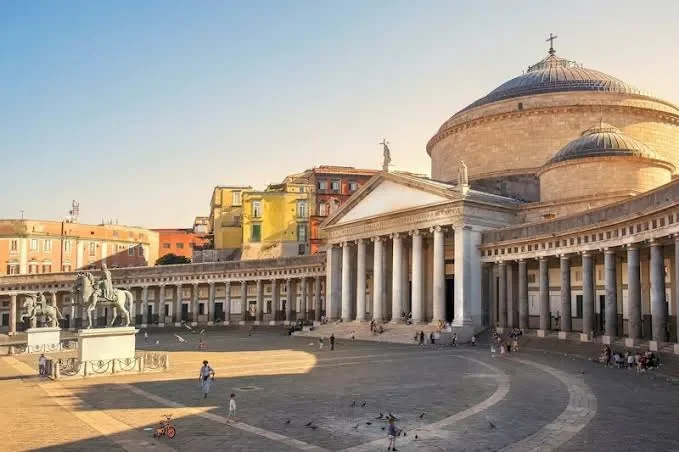
things to discover In Naples
Naples Historic Center

A proper Neapolitan pizza
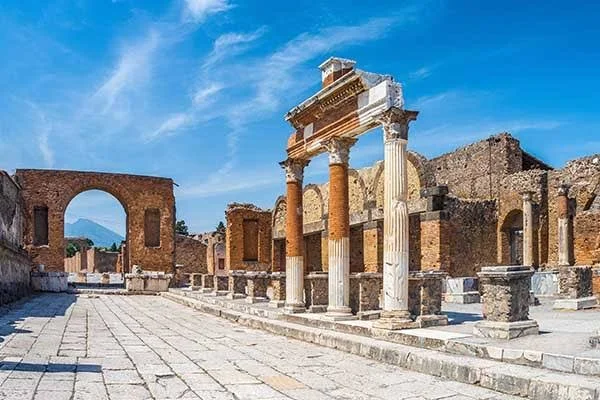
Pompeii
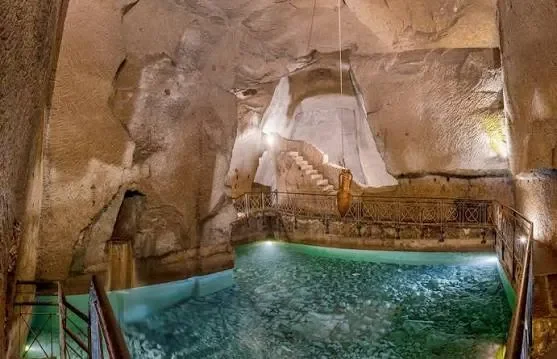
Naples Underground

Cappella Sansevero
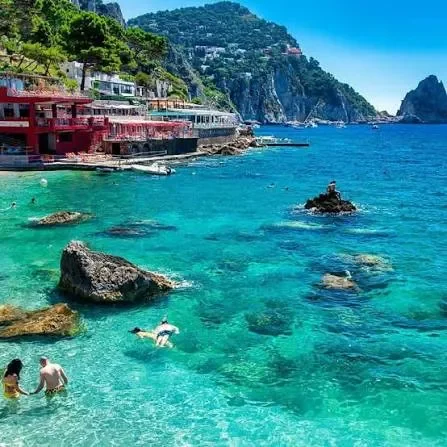
Capri

Mount Vesuvius
our monthly Hotels pics

Accommodations under 80$\Night




attractions tickets
All Important Things To Know About Naples
What Naples Is Famous For
Naples is famous as the birthplace of pizza, for the ever-present backdrop of Mount Vesuvius, and as the gateway to Pompeii, Capri, and the Amalfi Coast. It's also known for its intense, chaotic street life, its historic center's UNESCO-listed density of churches and narrow alleys, and a rawer, less tourist-polished character than many of Italy's more manicured northern cities.
Food and Culture
Neapolitan pizza is the obvious starting point, traditionally made with a thin, soft, slightly charred crust, San Marzano tomatoes, and buffalo mozzarella, cooked quickly in a wood-fired oven at extremely high heat. The Associazione Verace Pizza Napoletana maintains strict traditional standards for what counts as authentic Neapolitan pizza, and several of the city's historic pizzerias have been perfecting the craft for generations.
Beyond pizza, spaghetti alle vongole (with clams), sfogliatella (a shell-shaped pastry with ricotta filling), and babà (a rum-soaked sponge cake) all showcase the broader Neapolitan food tradition, alongside the region's excellent coffee culture, a proper Neapolitan espresso, sweetened by default unless you specify otherwise, is a genuine point of local pride.
Culturally, Naples carries an intensity and rawness that some visitors find overwhelming and others find exactly what draws them back loud, crowded streets, a strong sense of local identity distinct from northern Italy, and a level of everyday chaos that contrasts sharply with the more orderly historic centers found further north.
Best Time to Visit
Spring (April–May) and autumn (September–October) offer the most comfortable weather for exploring both the city and outdoor sites like Pompeii and Vesuvius. Summer is hot and busy, particularly at Pompeii, where shade is limited across much of the site. Winter is mild and considerably quieter, a good option for travelers prioritizing the city itself over combining it with a Capri or Amalfi Coast beach-focused add-on.
Practical Tips for First-Time Visitors
Naples International Airport connects to the city center via bus, taxi, or the Alibus shuttle service, a straightforward transfer for most visitors.
Stay alert for petty theft, particularly around the train station and in crowded tourist areas, Naples has a reputation, not entirely undeserved, for pickpocketing targeting distracted visitors, so keep valuables secure and be mindful in dense crowds.
Use the Circumvesuviana train for reaching Pompeii, Herculaneum, and Sorrento an affordable, if occasionally crowded, regional line connecting Naples to the main sights south of the city.
Book Pompeii and Vesuvius tours in advance during peak season, particularly in summer, when both sights draw significant crowds and heat can make midday visits genuinely uncomfortable.
A Few Days That Actually Work
Three to four days suits most visitors. Day one: Centro Storico, Cappella Sansevero, and a proper pizza dinner. Day two: Naples Underground in the morning, Chiaia's waterfront in the afternoon. Day three: a full-day Pompeii and Vesuvius excursion. Day four, if you have it: a day trip to Capri, or an early departure toward the Amalfi Coast if continuing your trip southward.