
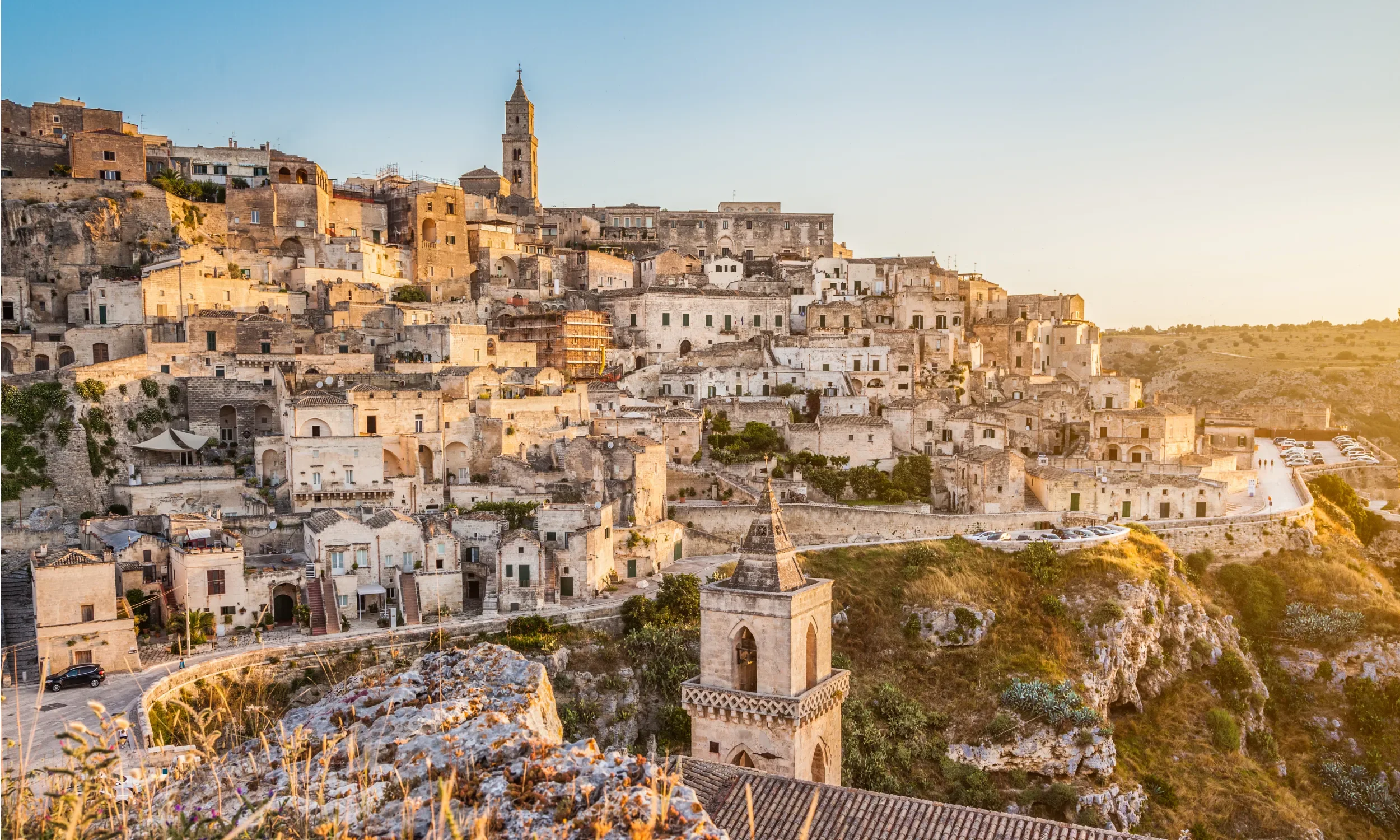
All what you need to know about matera
mATERA
The Ultimate Guide
Plan your trip to Matera





Matera: The Complete Guide to Italy's Ancient Cave City
Matera looks like nowhere else in Italy, and for good reason, this is a city built into and around the sassi, ancient cave dwellings carved into limestone ravines and inhabited continuously for thousands of years, making it one of the oldest continuously inhabited settlements on Earth. Once considered a national embarrassment and forcibly evacuated in the mid-20th century, Matera has since transformed into one of the country's most remarkable comeback stories, complete with a European Capital of Culture title and a growing list of film productions shot against its uniquely ancient backdrop. This guide covers everything you need to plan a visit.
Understanding Matera
Matera sits in Basilicata, one of Italy's least-visited regions, in the country's southern interior. The city's defining feature, the sassi (literally "stones"), are two historic districts, Sasso Barisano and Sasso Caveoso, built directly into the rock of a steep ravine, where cave dwellings were expanded and built upon over millennia, creating a genuinely unique urban landscape unlike anywhere else in Europe.
By the mid-20th century, the sassi had become synonymous with extreme rural poverty, and the Italian government forcibly relocated residents in the 1950s, considering the caves unfit for habitation. Decades of subsequent restoration and a UNESCO World Heritage designation in 1993 transformed the same neighborhoods into one of Italy's most sought-after and unusual destinations, now home to boutique cave hotels, restaurants, and a genuine sense of having witnessed an entire city's second act.
things to discover In Matera
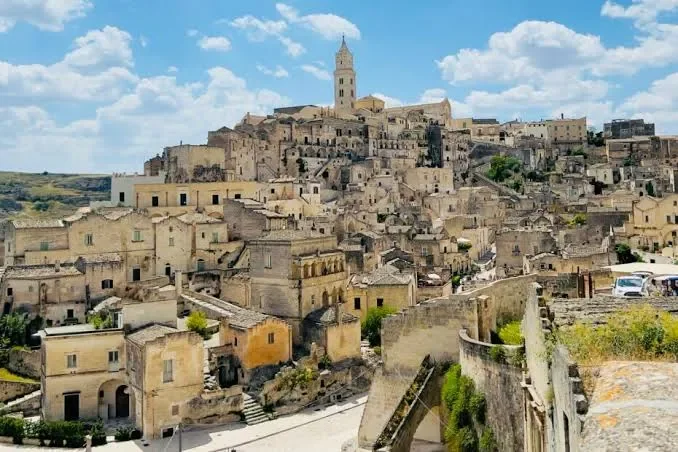
Wander the Sassi districts
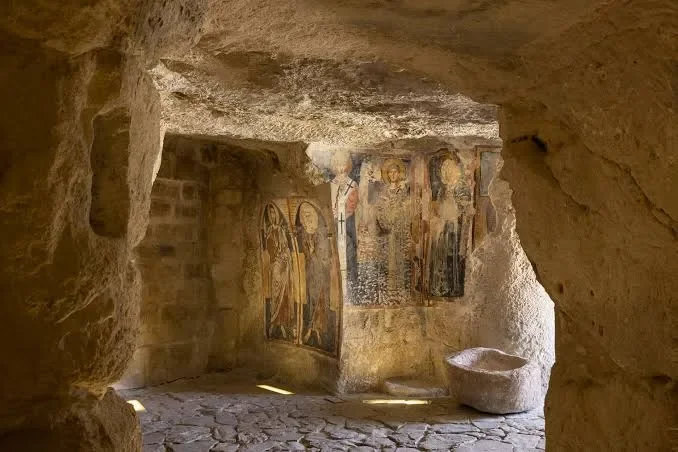
Chiesa di Santa Maria
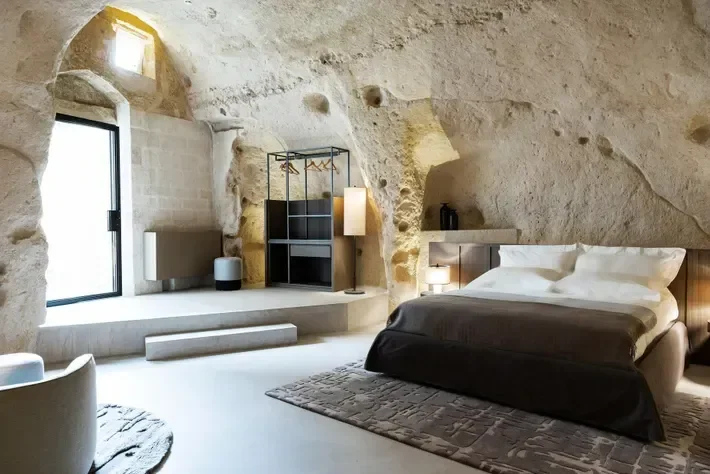
Sleeping in a cave hotel
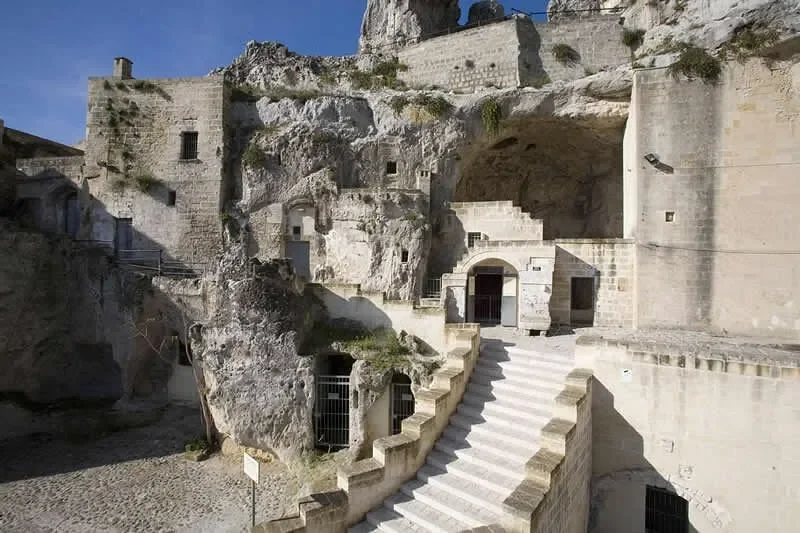
Casa Grotta di Vico
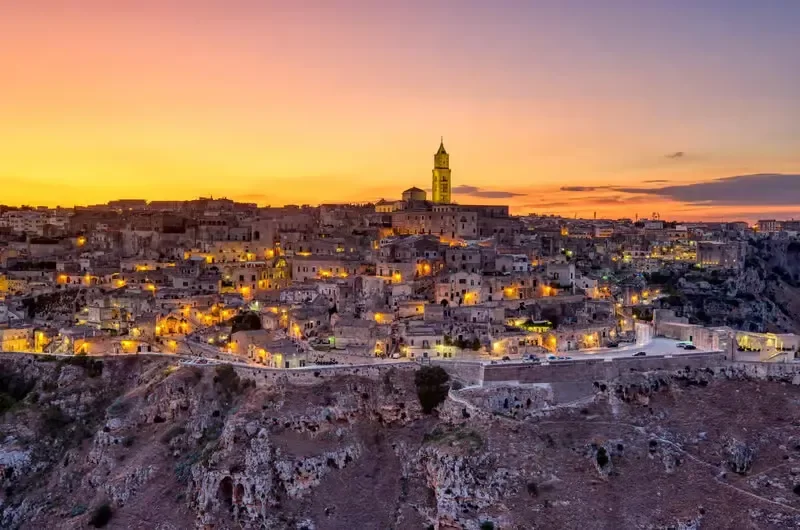
Belvedere Murgia Timone
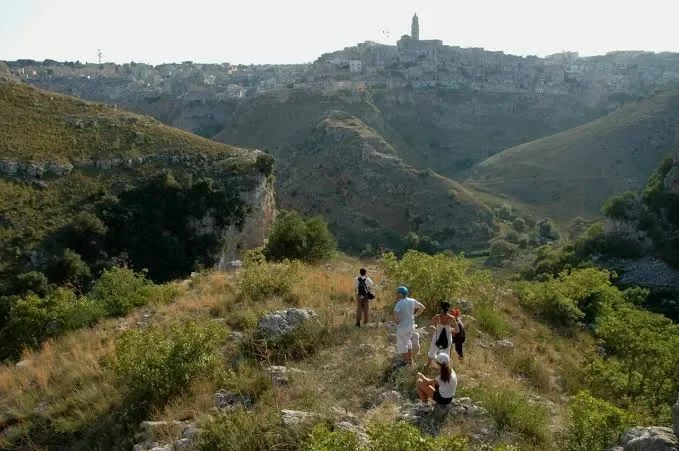
The Murgia Materana Park
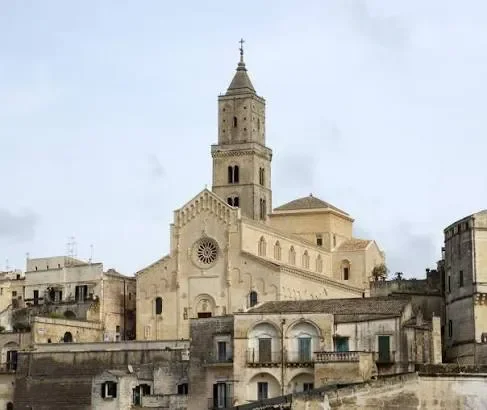
Matera Cathedral
our monthly Hotels pics
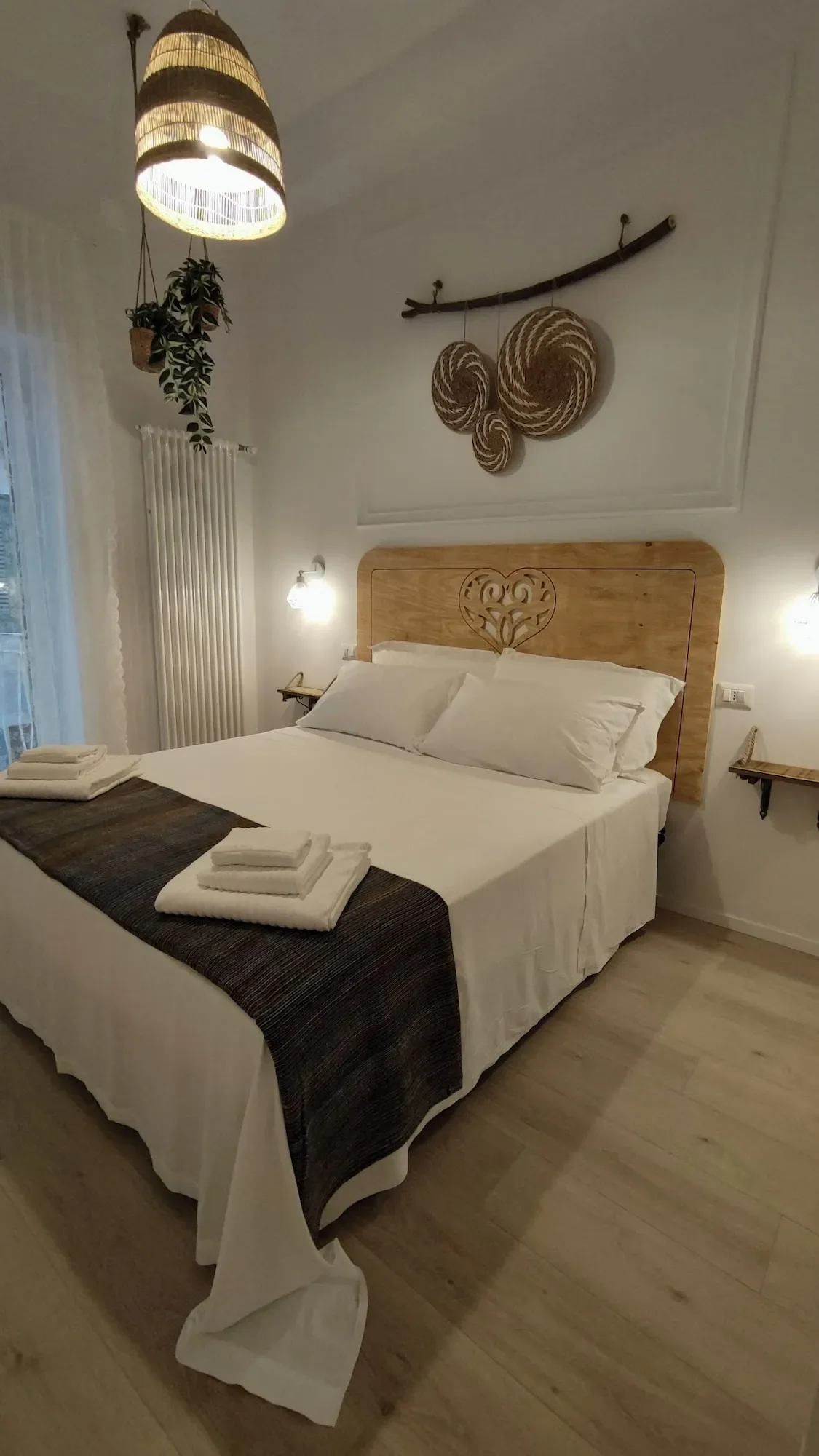
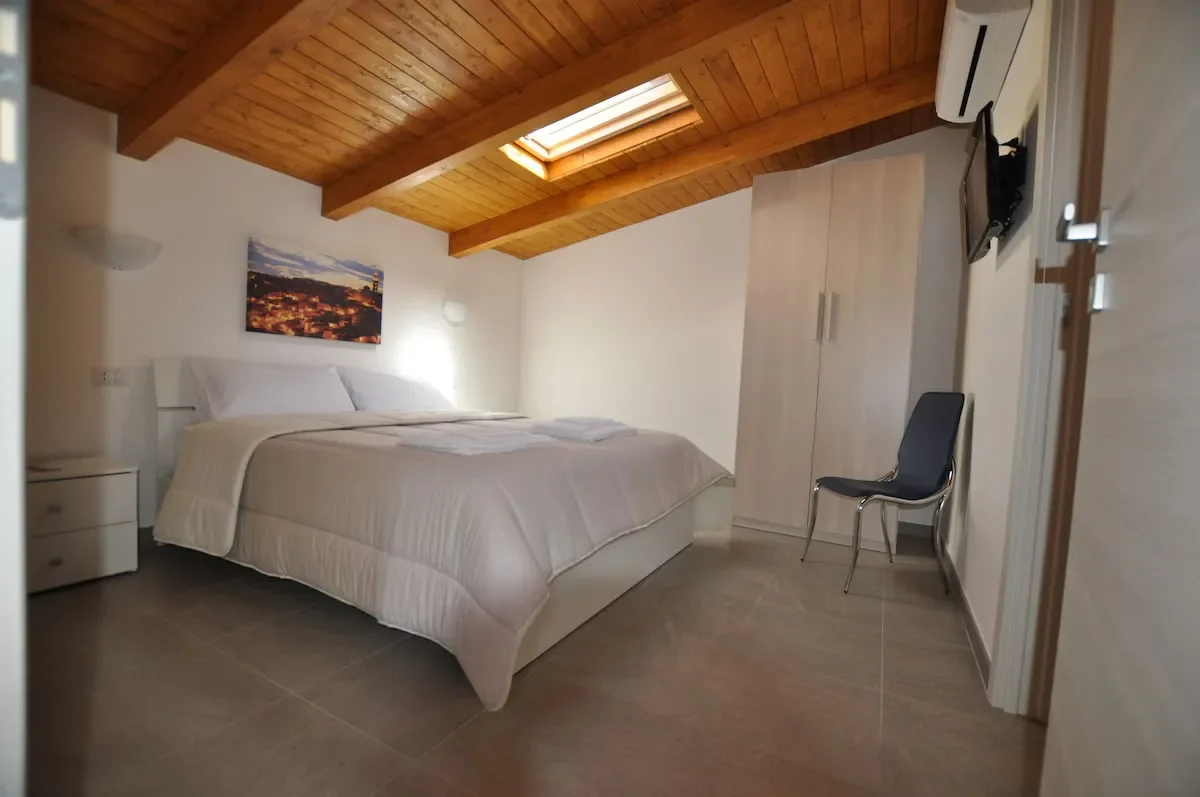
Accommodations under 80$\Night
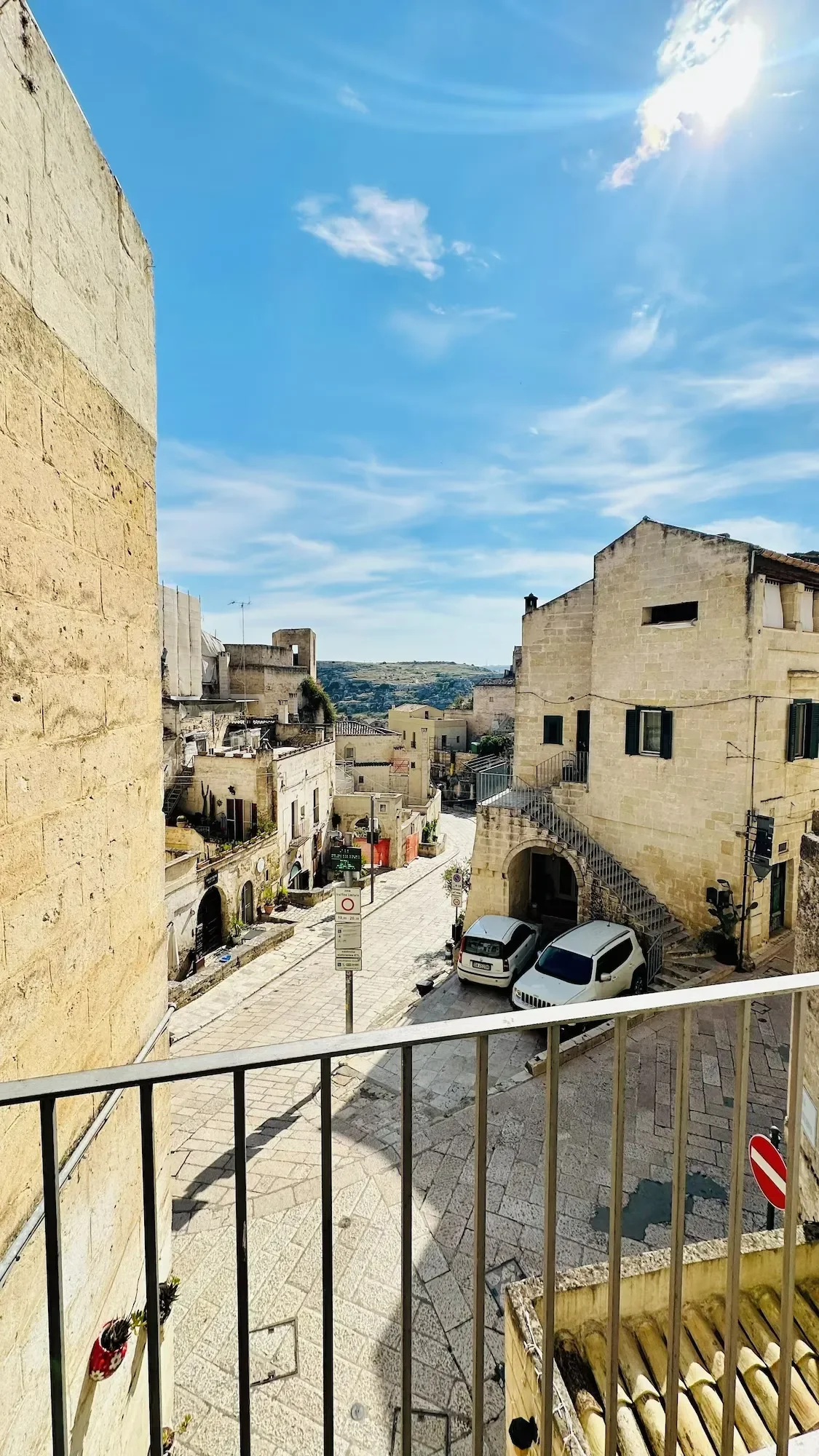
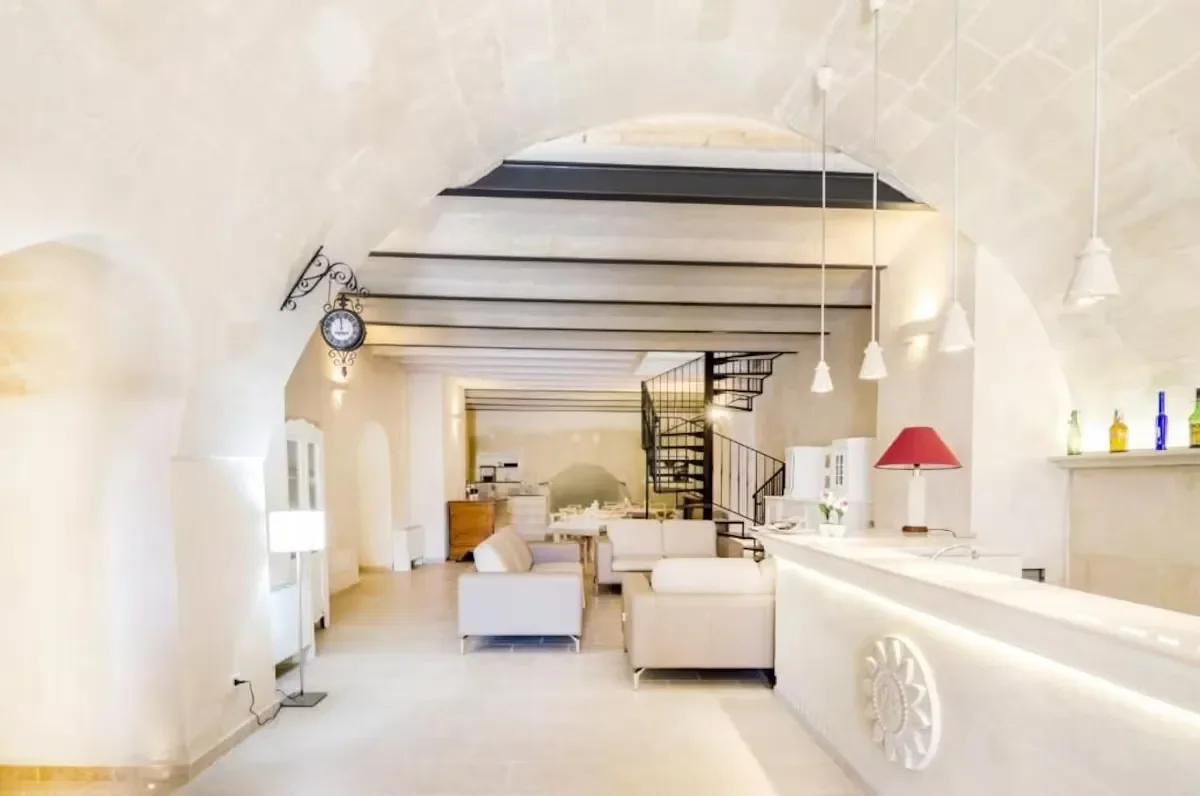
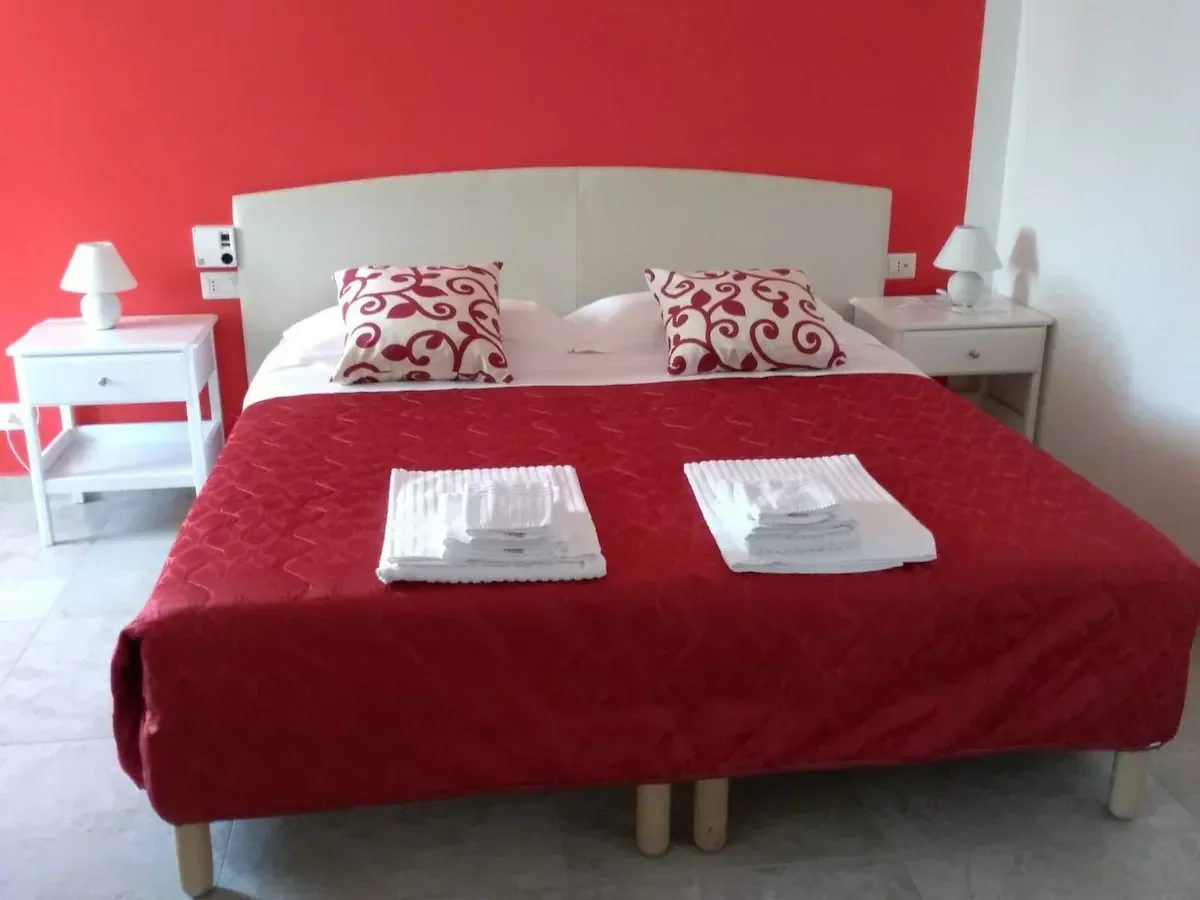
attractions tickets
All Important Things To Know About Matera
What Matera Is Famous For
Matera is famous for the sassi, ancient cave dwellings carved into limestone ravines, continuously inhabited since prehistoric times, making it one of the oldest continuously inhabited settlements on Earth. It's also known for its dramatic transformation from a symbol of rural poverty into a UNESCO World Heritage Site and former European Capital of Culture, and increasingly for its role as a striking, ancient-looking filming location for major international productions.
Food and Culture
Basilicata's cuisine, and Matera's specifically, reflects the region's historically rural, resource-conscious traditions. Pane di Matera, a distinctive, dense sourdough bread baked in large loaves and protected by its own geographic indication status, has been a defining local product for centuries, traditionally baked in communal wood-fired ovens and designed to stay fresh for days.
Crapiata, a hearty soup combining legumes and grains, traditionally prepared to celebrate the wheat harvest, and peperoni cruschi, dried, fried sweet peppers used as a crunchy topping or snack, both reflect the region's rustic, ingredient-conscious culinary heritage, built around what could be grown and preserved in this historically challenging agricultural landscape.
Culturally, Matera's story is inseparable from its dramatic reversal of fortune, the same cave dwellings once considered a source of national shame are now celebrated and painstakingly restored, and many local guides and residents are genuinely eager to share both halves of that story: the hardship the sassi represented, and the pride in what the city has become since.
Best Time to Visit
Spring (April–June) and autumn (September–October) offer the most comfortable temperatures for extensive walking across the sassi's uneven, exposed terrain. Summer gets hot, and the stone-heavy districts retain and radiate heat considerably, making midday exploration genuinely uncomfortable. Winter is quieter and cooler, and the softer light can be particularly striking against the pale stone, though some outdoor sites and rock-cut churches may have reduced hours.
Practical Tips for First-Time Visitors
Matera has no major airport of its own, most visitors arrive via Bari Airport (about an hour away by car or bus) or by train/bus from Bari or Naples, given the region's more limited direct transport connections compared to Italy's better-known destinations.
Wear sturdy, comfortable shoes, the sassi districts involve extensive stairs, uneven stone surfaces, and steep gradients that are considerably more demanding underfoot than a typical historic city center.
Book a cave hotel well in advance, particularly for peak season, the most distinctive properties are limited in number and increasingly popular given Matera's rising international profile.
Visit Belvedere Murgia Timone at sunset for the definitive photograph of the sassi, this single viewpoint has become the classic image most visitors associate with the city.
A Few Days That Actually Work
Two to three days suits most visitors well, given Matera's relatively compact size, though the atmosphere alone tends to make people want to slow down. Day one: wander both sassi districts, visit Casa Grotta, and catch sunset from Belvedere Murgia Timone. Day two: the Duomo, Chiesa di Santa Maria di Idris, and a slower exploration of the smaller rock-cut churches scattered through Sasso Caveoso. Day three, if you have it: a hike into Murgia Materana Park for a different, more rugged perspective on the same landscape from across the ravine.