
All what you need to know about madrid
ROME
Plan your trip to Rome





Rome: The Complete Guide to the Eternal City
Rome doesn't ease you into its history you can be standing at a bus stop and realize you're leaning against a 2,000-year-old wall. This is a city where ancient, Renaissance, Baroque, and modern life are stacked directly on top of each other, sometimes within the same city block, and no amount of prior research quite prepares first-time visitors for just how much of it there is. This guide covers everything you need to plan a first trip to the Eternal City.
Understanding Rome
Rome's historic center is remarkably compact and walkable, though the sheer density of significant sights means most visitors underestimate how much time they actually need. The city's identity splits loosely into the ancient core (the Colosseum, Roman Forum, Palatine Hill), the Renaissance and Baroque center (the Pantheon, Trevi Fountain, Piazza Navona), and Vatican City, a fully independent sovereign state entirely enclosed within Rome, home to St. Peter's Basilica and the Vatican Museums.
Trastevere, across the Tiber River, offers a different, more local, cobblestoned character than the more monument-dense center, and has become one of the city's best neighborhoods for evening dining.
things to discover In Rome
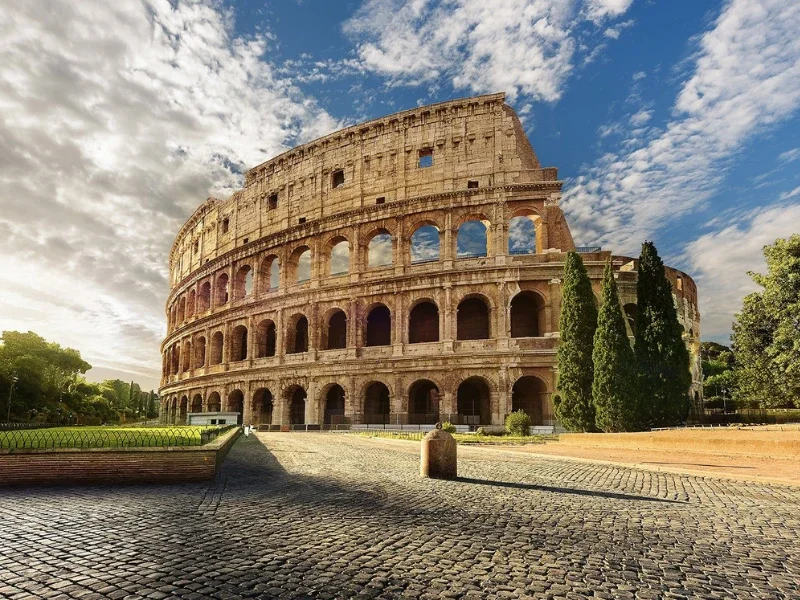
The Colosseum
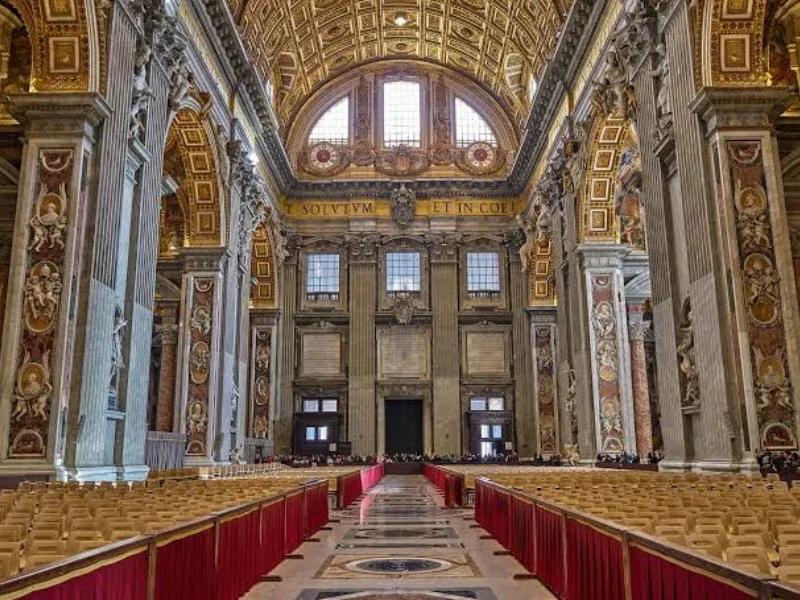
St. Peter's Basilica
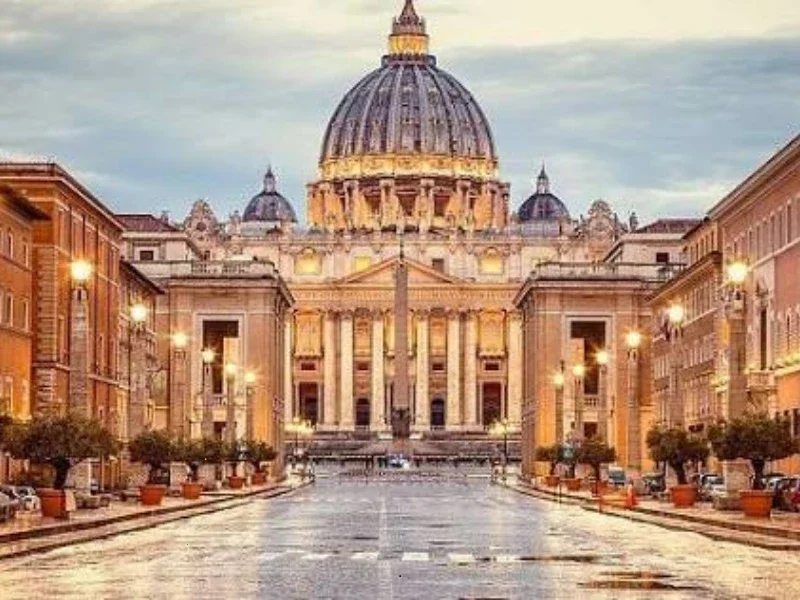
Vatican Museums
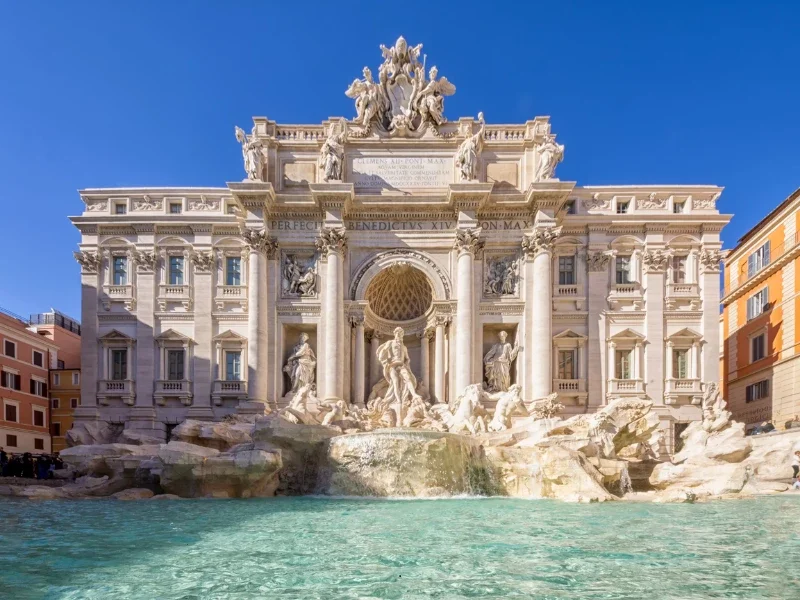
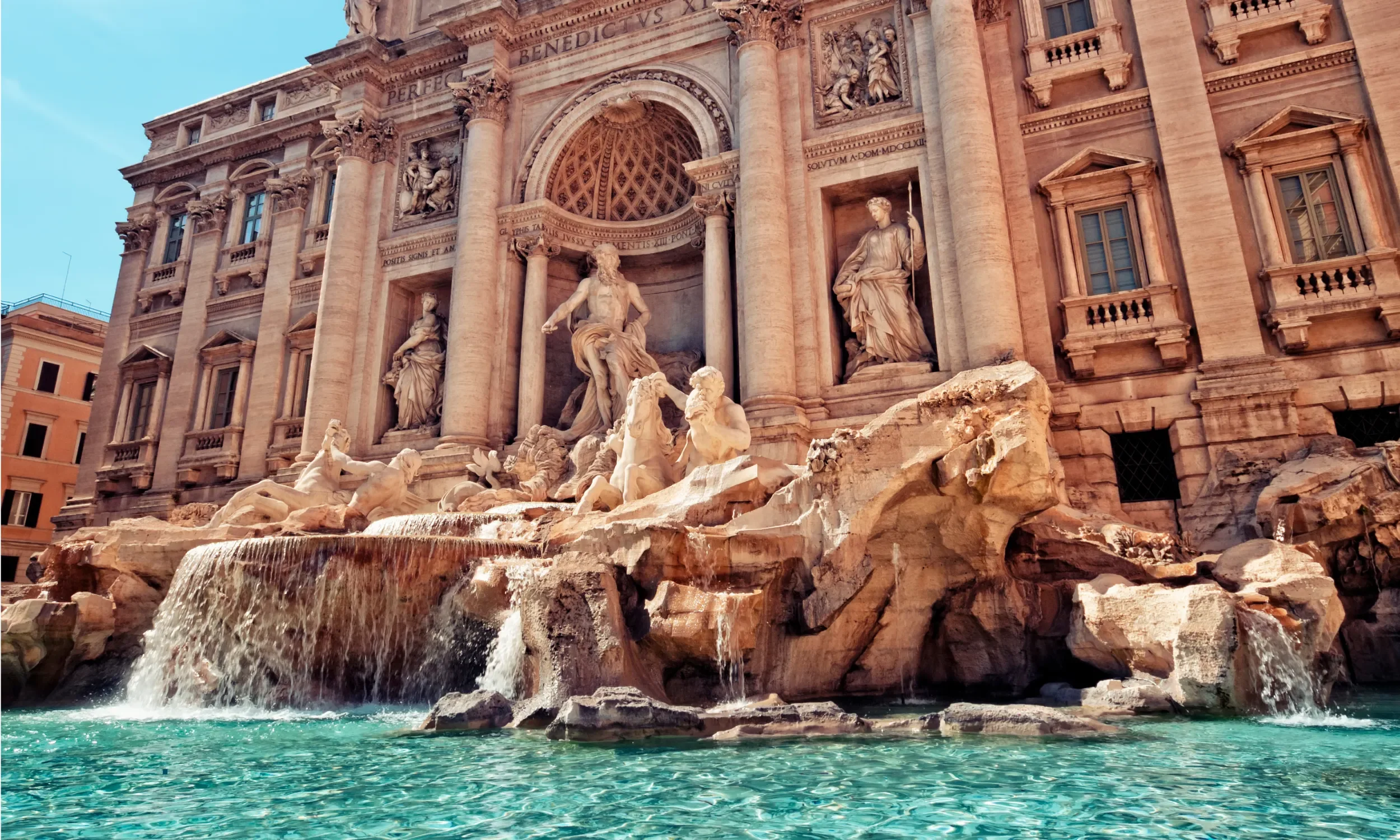
The Trevi Fountain
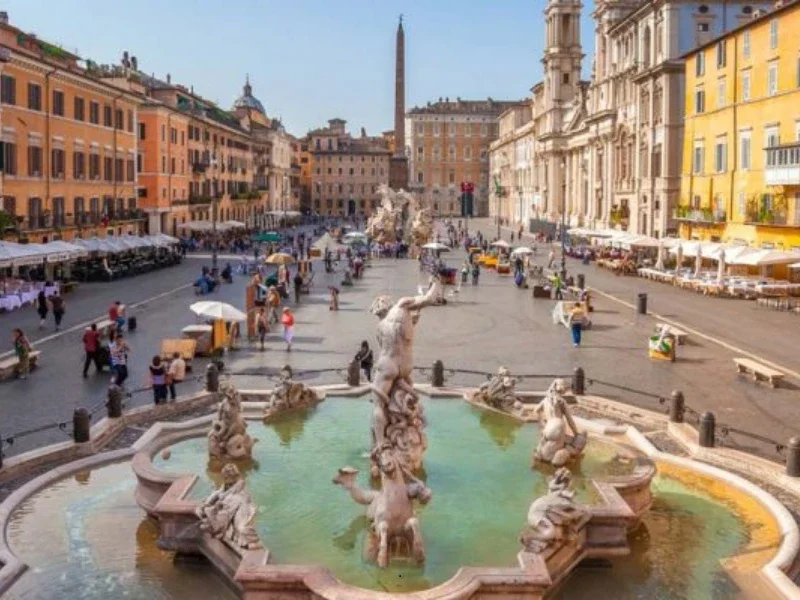
Piazza Navona
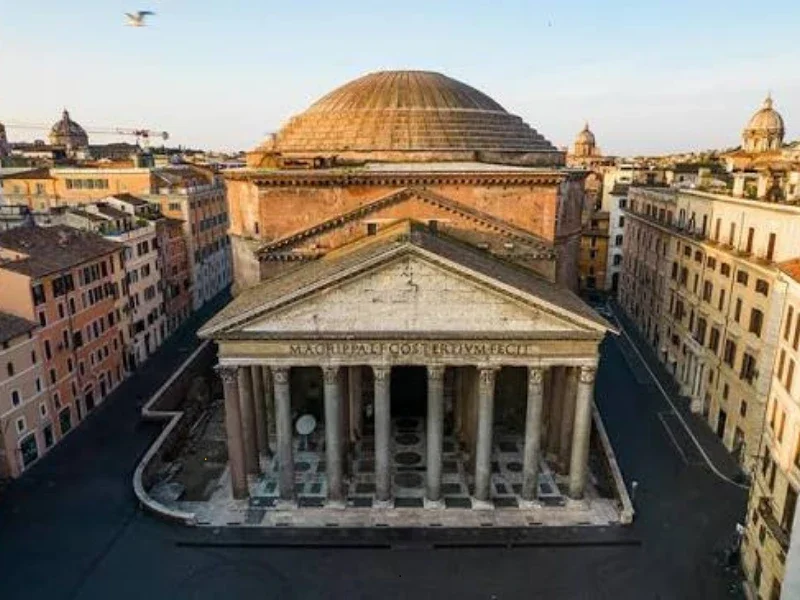
The Pantheon
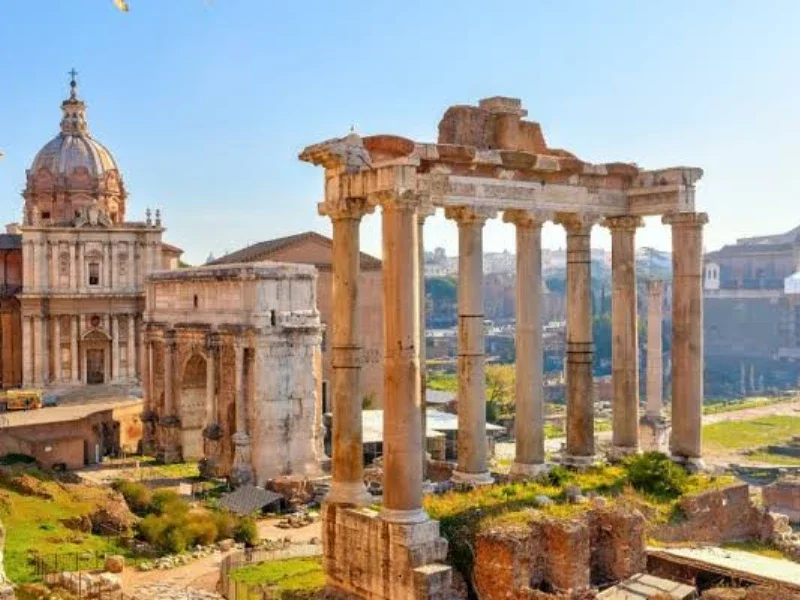
Roman Forum
our monthly Hotels pics
Accommodations under 80$\Night
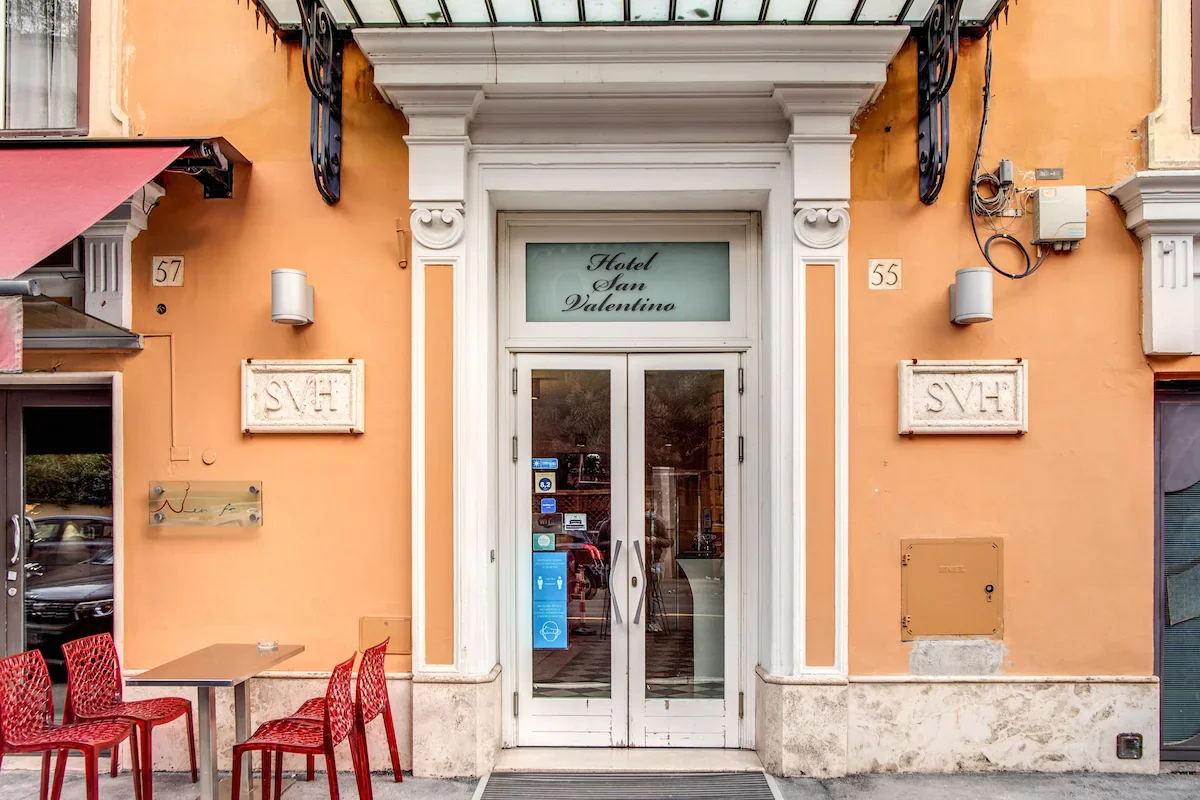

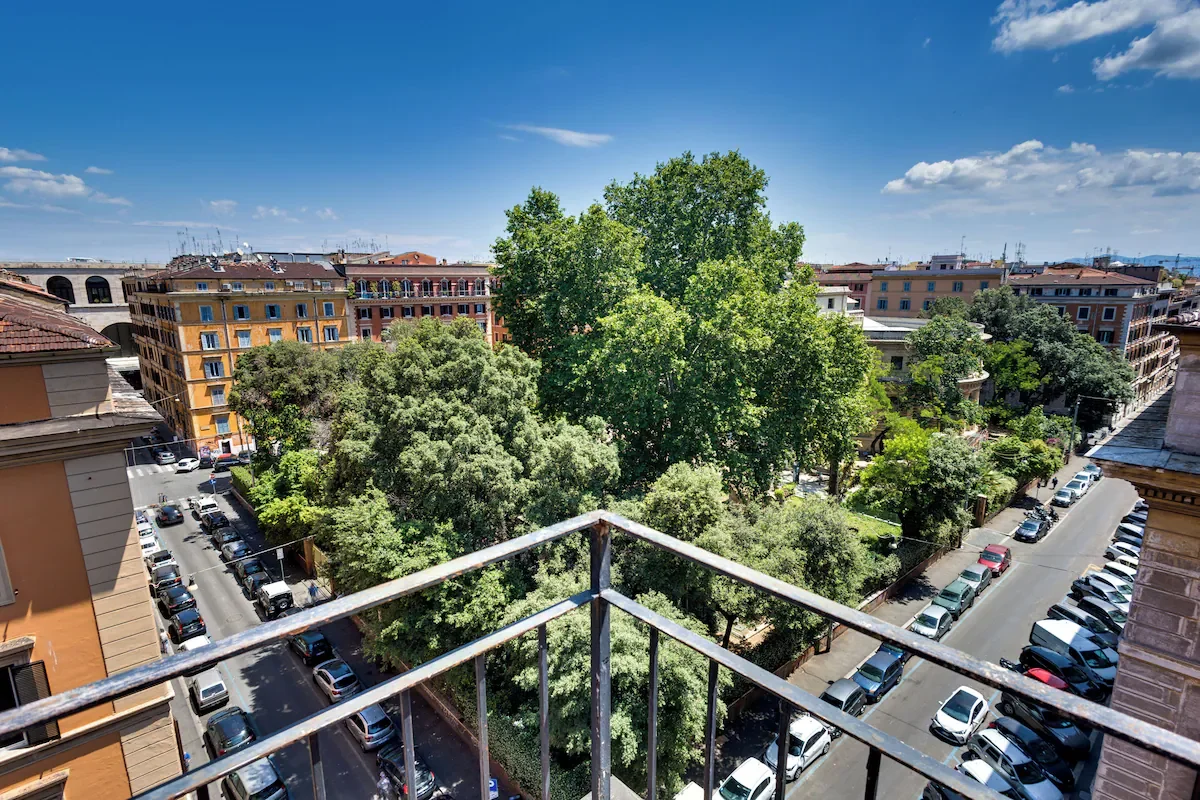
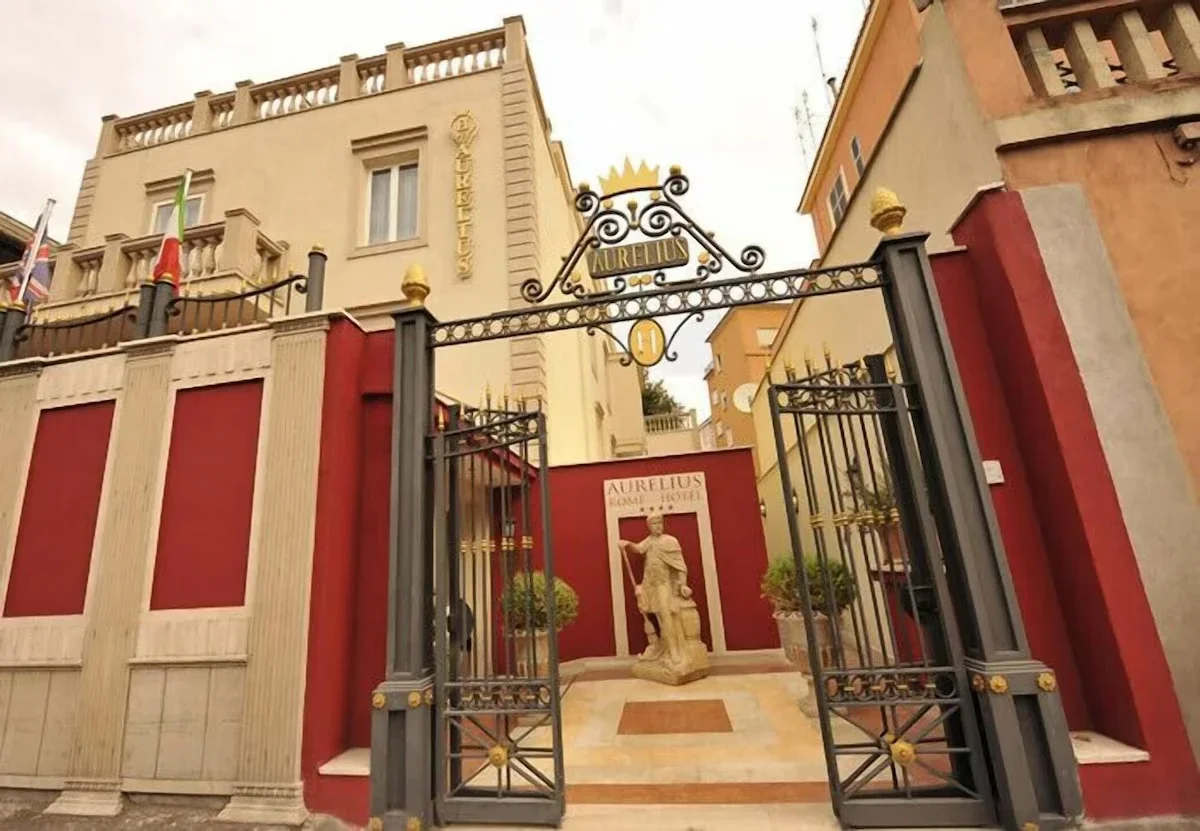
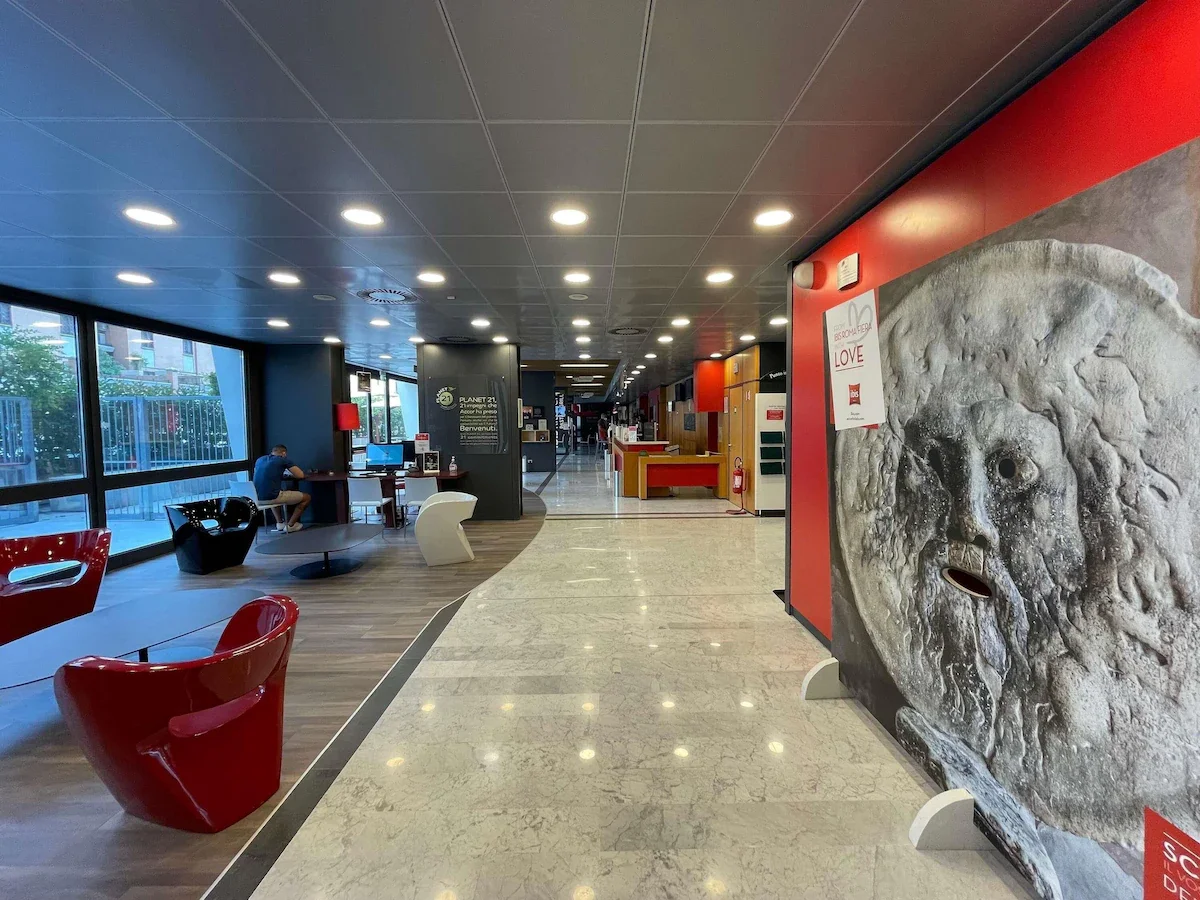
where to stay
-
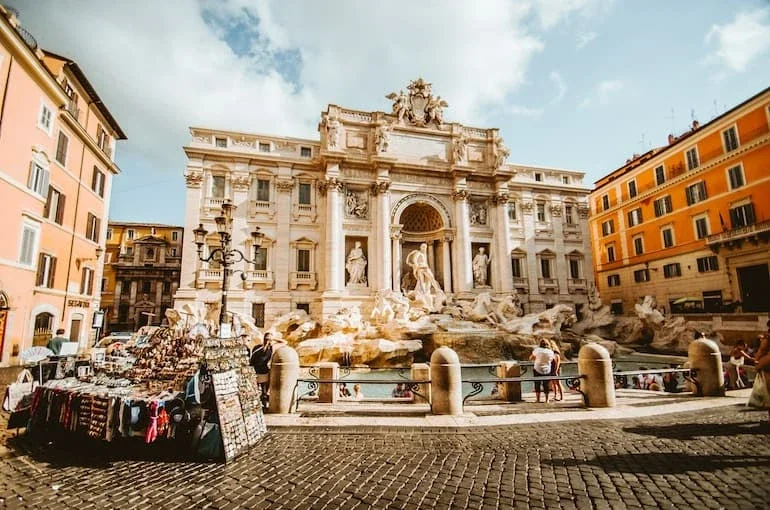
![People gather around the Trevi Fountain in Rome, Italy, with vendor stalls on the side selling souvenirs and jewelry, surrounded by historic yellow and orange buildings on a sunny day.]()
Centro Storico
near the Pantheon and Piazza Navona, puts you within walking distance of most major sights, in a genuinely atmospheric setting, though hotel prices run higher here than elsewhere in the city.
-
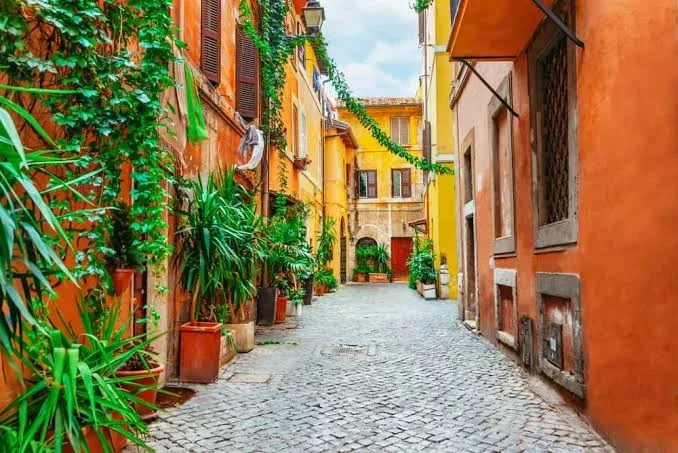
![A narrow cobblestone street lined with colorful buildings and lush green plants in pots, with hanging vines and a few closed shutters on a sunny day.]()
Trastevere
offers a more local, lively evening atmosphere with excellent dining, at a short walk or taxi ride from the main historic sights across the river.
-
![]()
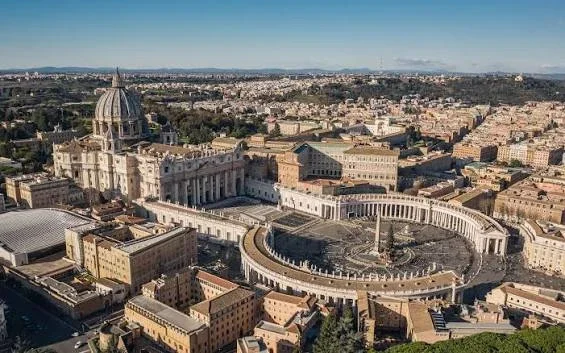
Near the Vatican
suits travelers prioritizing early access to the Vatican Museums and St. Peter's, with a calmer, more residential feel than the busier historic center.
-
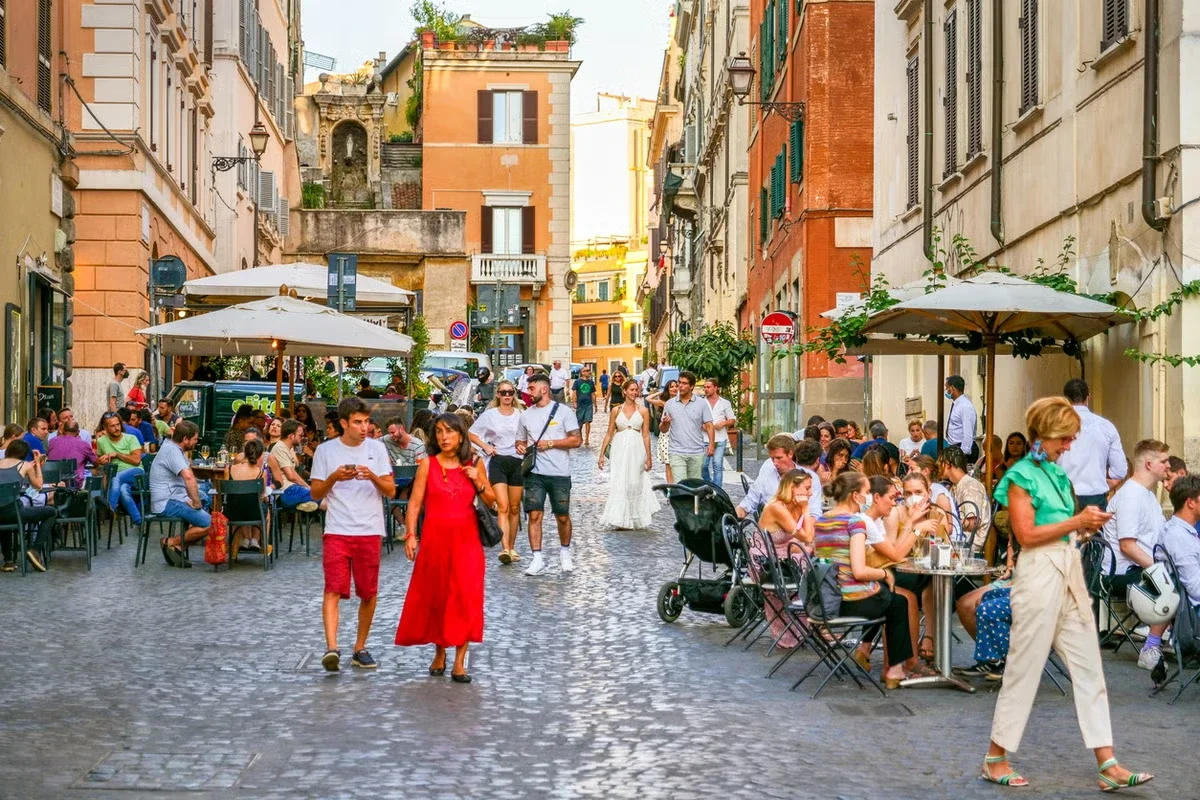
![People dining at outdoor cafes on a cobblestone street in a European city, with buildings and colorful facades in the background.]()
Monti
near the Colosseum, offers a trendy, increasingly popular base with good restaurants and easy walking access to ancient Rome's core sights.
attractions tickets
What Rome Is Famous For
Rome is famous for holding an unmatched concentration of significant history in one place, ancient Roman ruins, Renaissance and Baroque art and architecture, and the Vatican, the seat of the Catholic Church. It's also known for its food culture, its fountains and piazzas, and its status as one of the most continuously inhabited and historically significant cities on Earth.
Food and Culture
Roman cuisine centers on a handful of iconic pasta dishes worth learning by name: cacio e pepe (pasta with pecorino and black pepper), carbonara (egg, guanciale, pecorino, and pepper, no cream), amatriciana (tomato, guanciale, and pecorino), and gricia (essentially carbonara without the egg). All four share a base of similar ingredients, transformed through technique into genuinely distinct dishes.
Supplì, fried rice balls with a molten mozzarella center, and Roman-style pizza, thin and crispy rather than the puffier Neapolitan style, are both essential street food. Carciofi alla romana (Roman-style braised artichokes) reflect the city's Jewish Ghetto culinary influence, particularly strong in the Trastevere-adjacent neighborhood that's been home to one of Europe's oldest Jewish communities for over two thousand years.
Culturally, Rome moves at a pace shaped by its scale and history long lunches, an evening passeggiata, and a general resistance to rushing, even amid heavy tourist traffic. Dress modestly when visiting St. Peter's and other churches (shoulders and knees covered), and expect strict enforcement at the Vatican specifically.
Best Time to Visit
Spring (April–May) and autumn (September–October) offer the most comfortable temperatures for extensive walking. Summer is hot and heavily crowded, with many locals leaving the city in August, which can mean some smaller businesses close. Winter is mild by northern European standards and considerably quieter, with the added bonus of Christmas markets and decorations around December.
All Important Things To Know About Rome
Practical Tips for First-Time Visitors
Rome's two airports, Fiumicino (the main international hub) and the smaller Ciampino, both connect to the city center via train, bus, or taxi, Fiumicino's Leonardo Express train is the fastest, most straightforward option into central Rome.
Book major sights well in advance, particularly the Vatican Museums and Colosseum both regularly sell out same-day tickets during peak season, and skip-the-line options save genuinely significant time.
Wear comfortable shoes, Rome's ancient cobblestones (sampietrini) are uneven and can be tough on feet and ankles over a full day of walking.
Avoid restaurants directly facing major landmarks, as in most heavily touristed cities, a short walk away from the Trevi Fountain or the Colosseum tends to yield better food at better prices than anything immediately adjacent to the sight itself.
A Few Days That Actually Work
Four days suits most visitors well. Day one: Colosseum, Roman Forum, and Palatine Hill. Day two: Vatican Museums, Sistine Chapel, and St. Peter's Basilica. Day three: Pantheon, Piazza Navona, Trevi Fountain, and the historic center, finishing with dinner in Trastevere. Day four, if you have it: Ostia Antica, or a slower day revisiting favorite spots and exploring neighborhoods like Monti at a more relaxed pace.
Rome rewards travelers who accept, early on, that they simply won't see everything, this is a city that could absorb months of exploration and still not be exhausted. Prioritize ruthlessly, book the major sights ahead of time, and leave room for at least one unplanned afternoon of wandering between piazzas with no fixed destination. That's usually where Rome's actual magic happens, somewhere between the monuments you came for.