
LECCE
All what you need to know about Lecce
The Ultimate Guide
Plan your trip to Lecce





Lecce: The Complete Guide to the Florence of the South
Lecce earned its nickname, the "Florence of the South" through sheer architectural ambition rather than any direct comparison to Tuscany. This is the Baroque capital of Puglia, Italy's heel, built almost entirely from a soft local limestone that let local stonemasons carve facades of extraordinary, almost frantic detail. It remains, remarkably, one of Italy's most beautiful towns that international visitors still routinely skip. This guide covers everything you need to plan a visit.
Understanding Lecce
Lecce sits in the Salento peninsula, the far southern tip of Puglia, in Italy's heel region, geographically closer to Albania and Greece than to Rome, a position that's shaped the region's history and culture in ways distinct from the rest of the country. The city's defining feature is its extensive use of pietra leccese, a soft, golden limestone that's easy to carve when freshly quarried and hardens with exposure to air, allowing the elaborately detailed Baroque facades the city is famous for.
Lecce's historic center is compact and entirely walkable, ringed by the remains of old city walls and centered on a lively main square built directly over Roman ruins.
things to discover In lecce
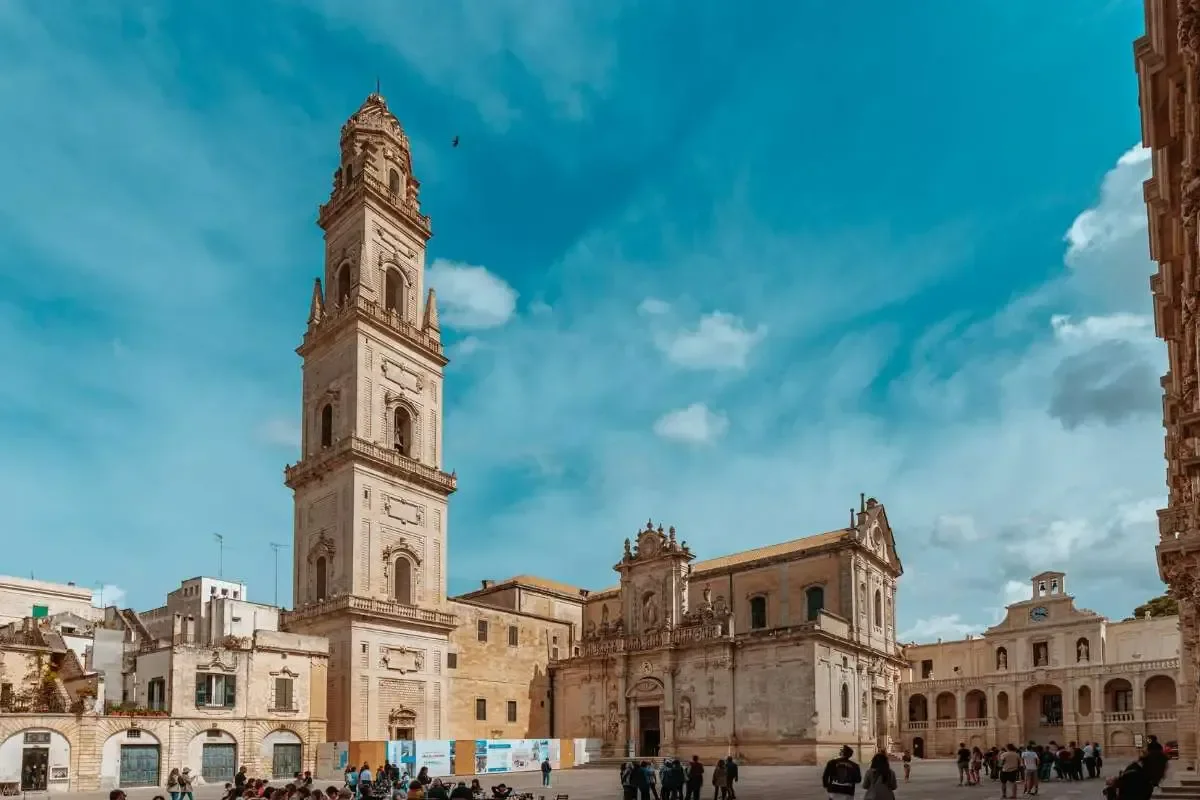
Piazza del Duomo
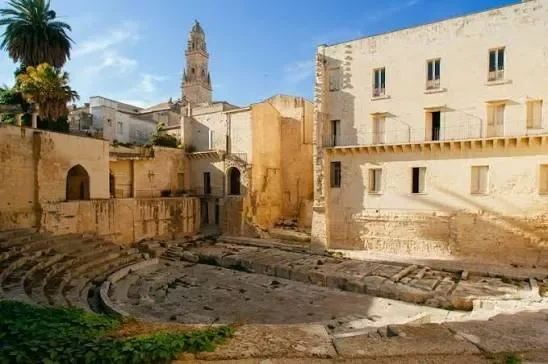
Lecce's historic center
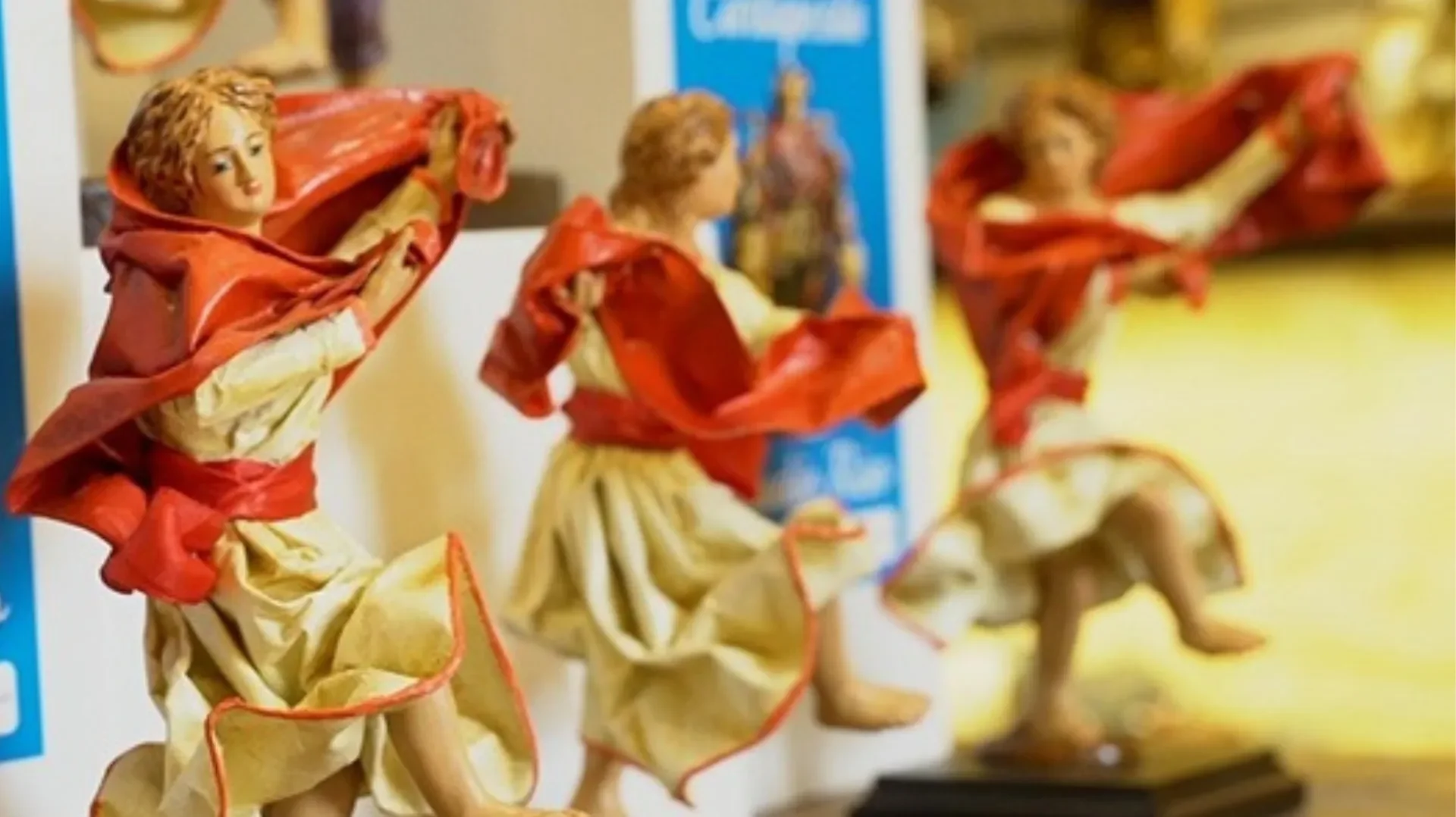
Papier-mâché workshops
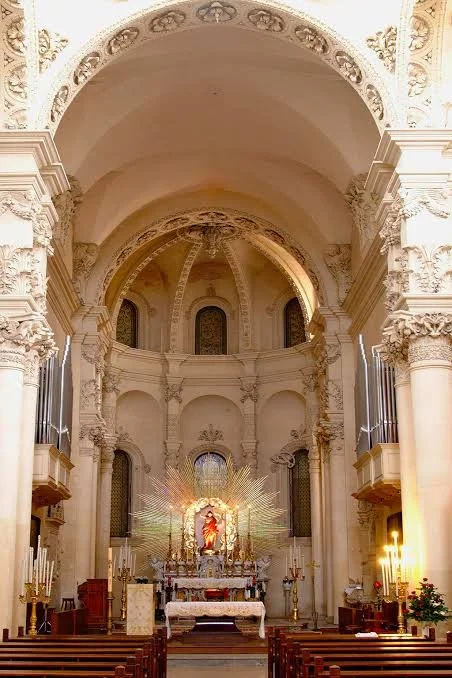
Basilica di Santa Croce
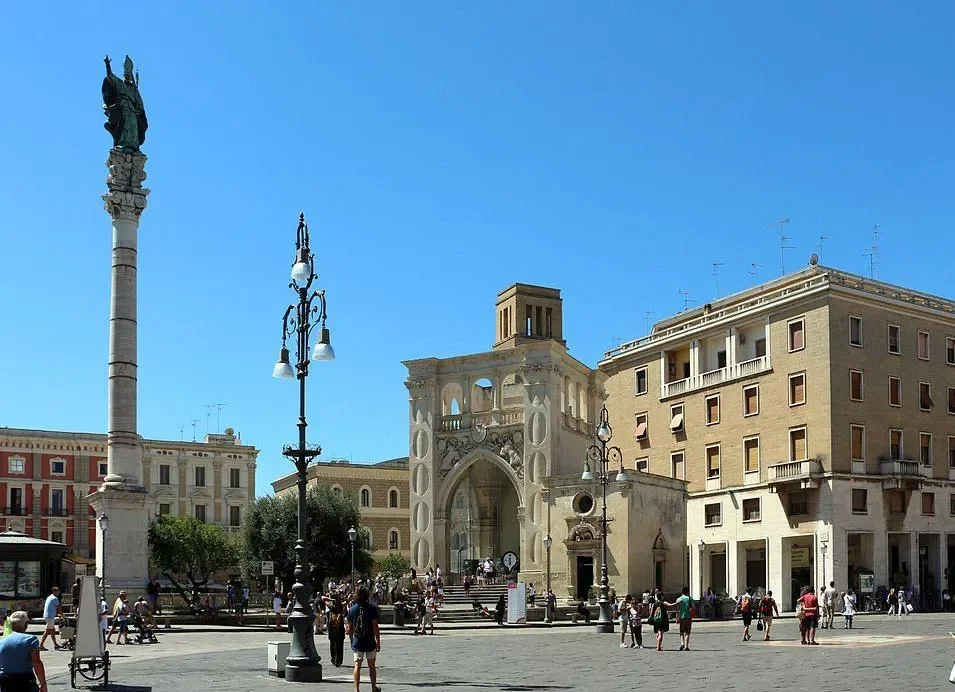
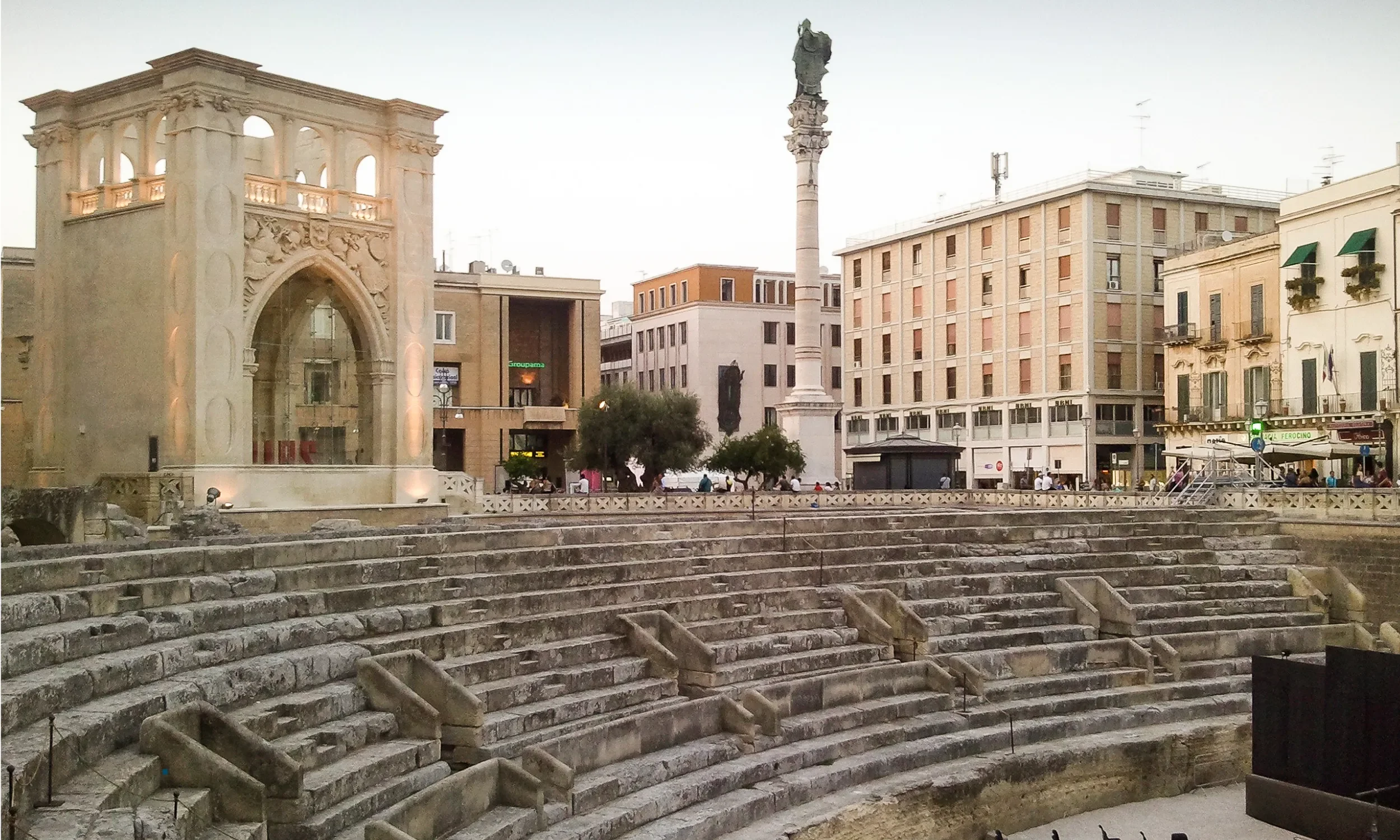
Piazza Sant'Oronzo
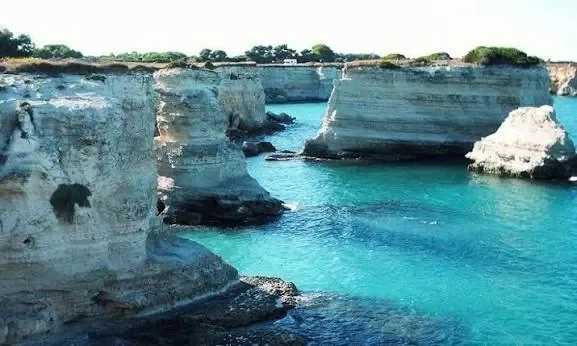
Salento's beaches
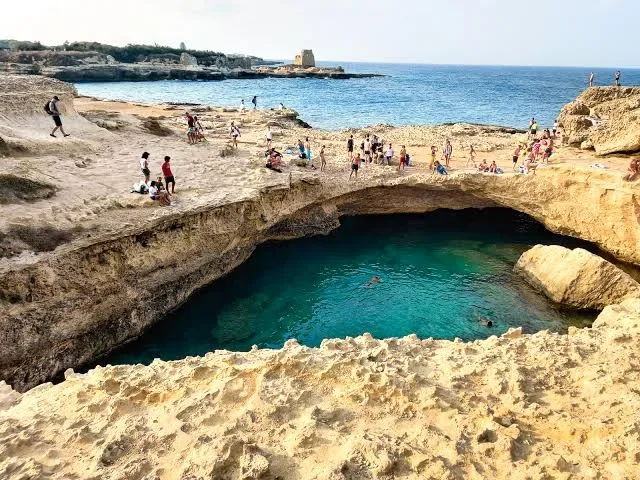
Otranto
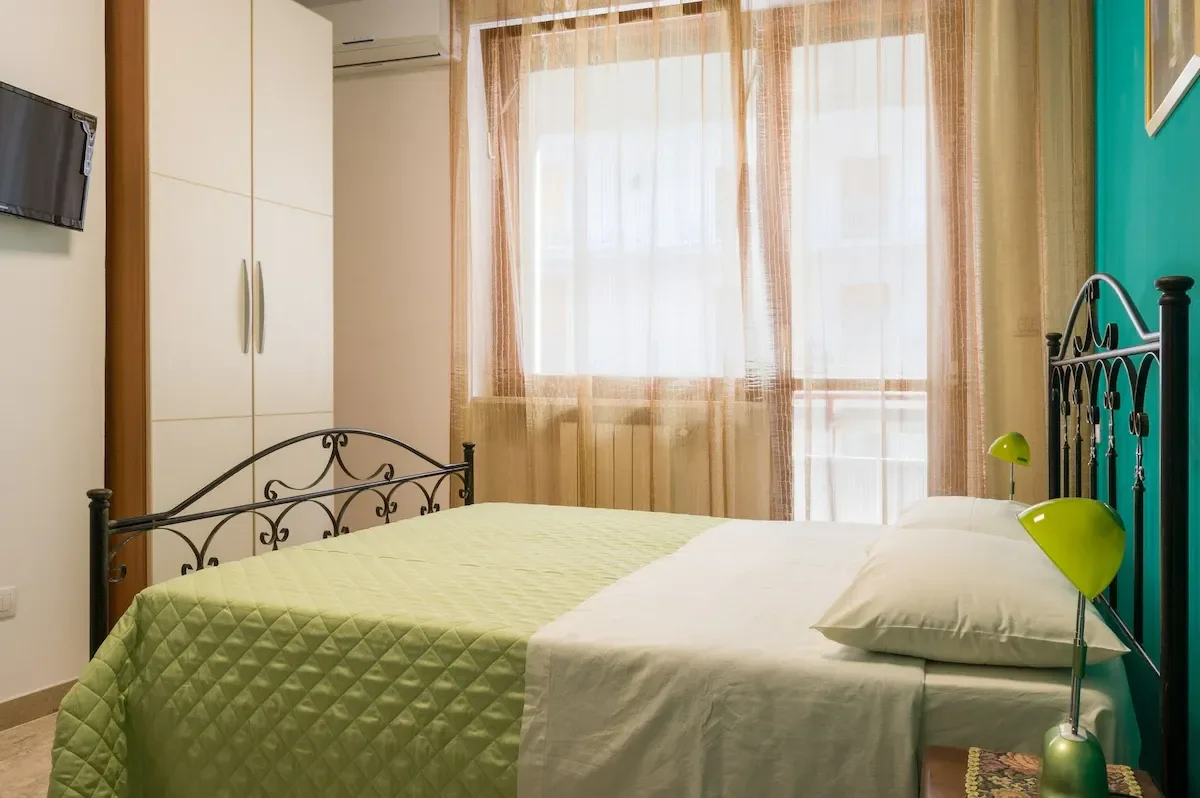
our monthly Hotels pics
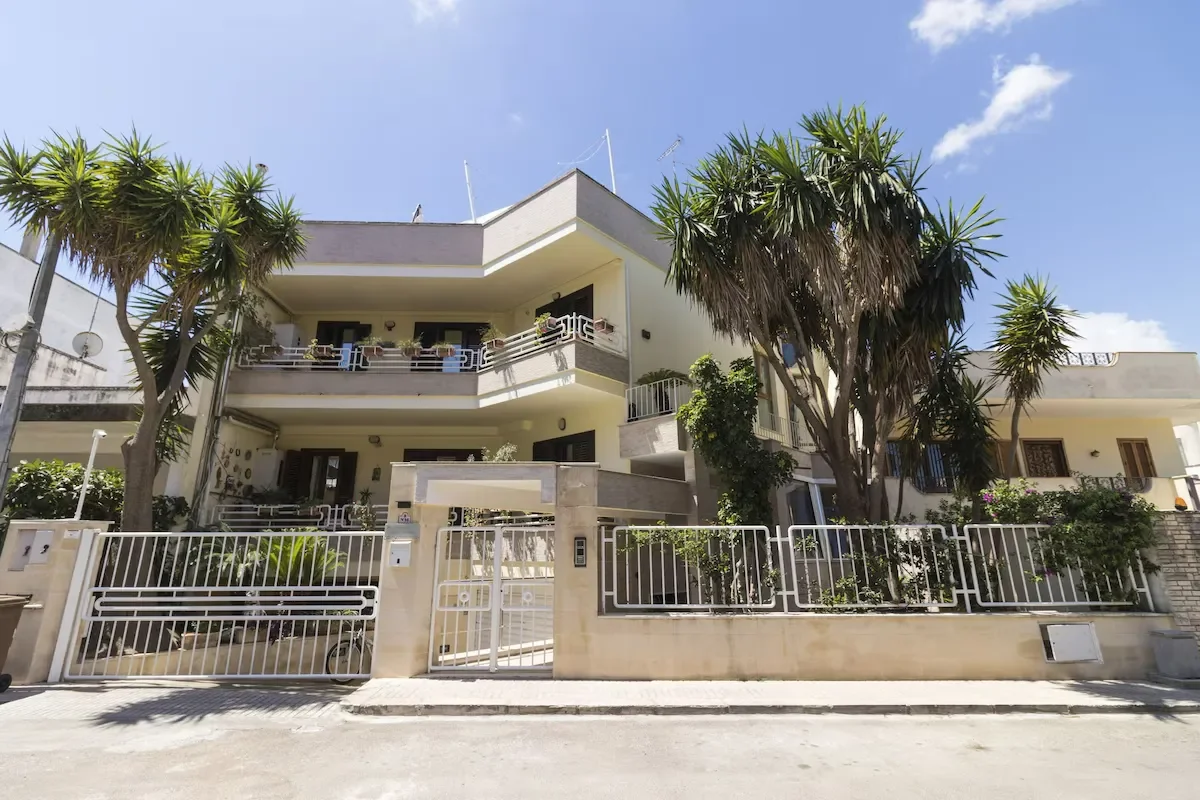
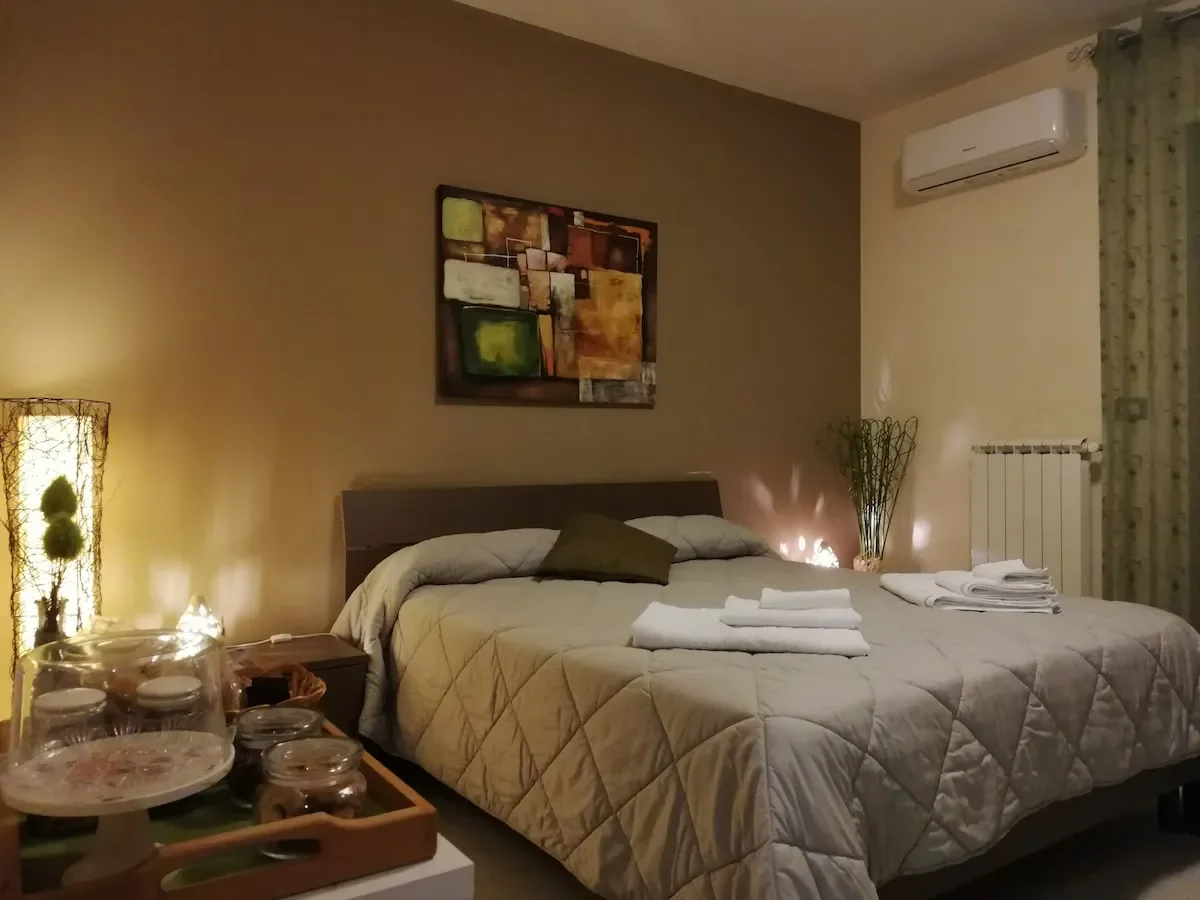
Accommodations under 80$\Night
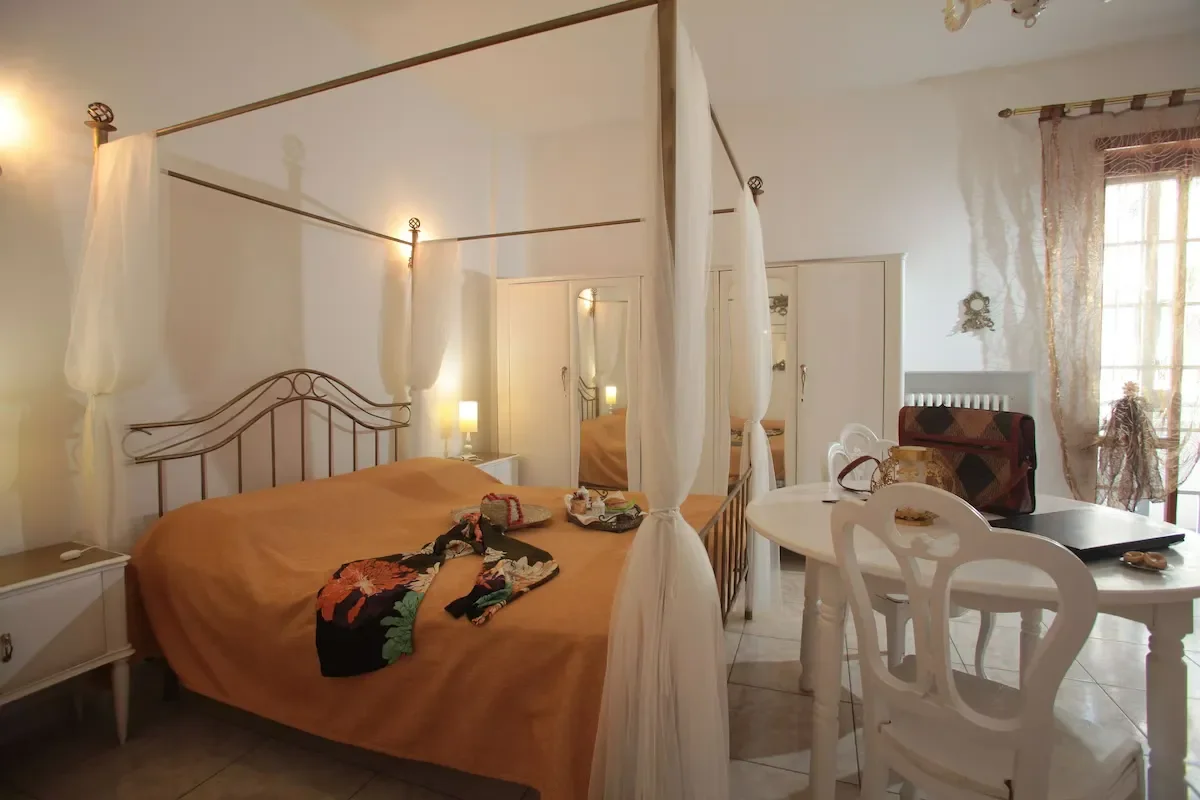
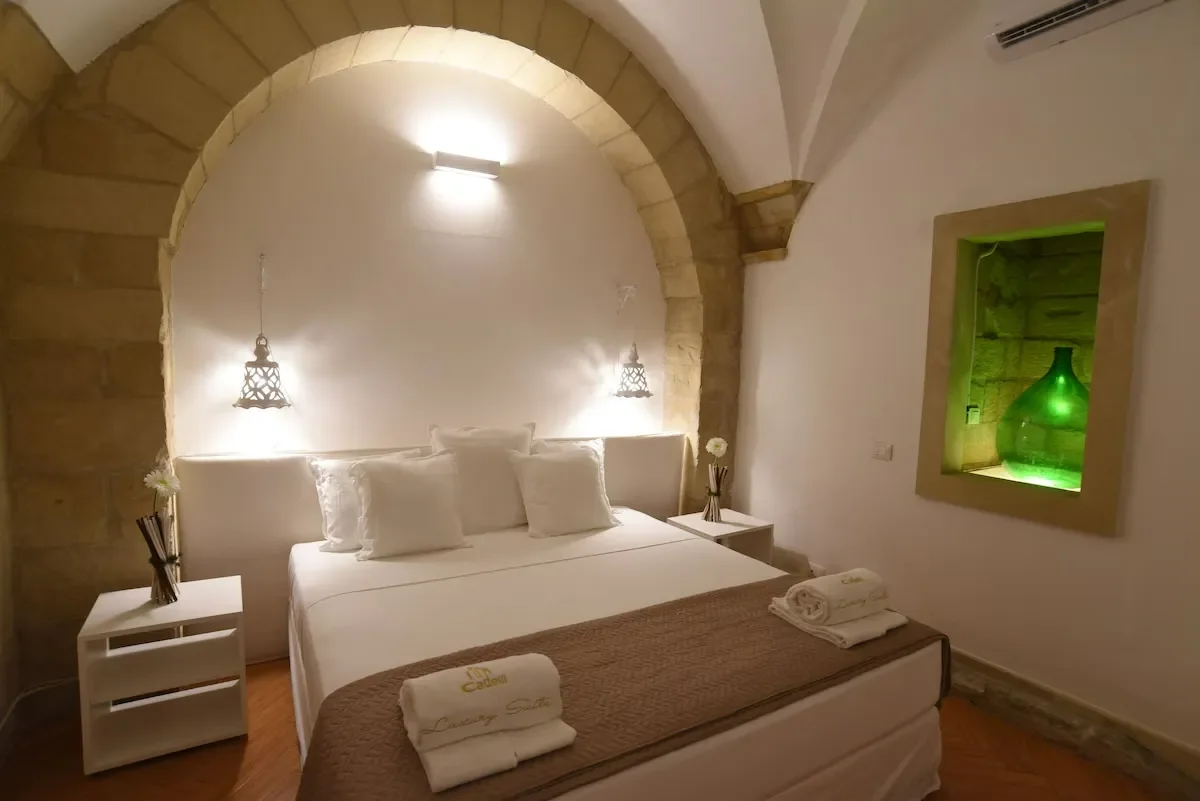
attractions tickets
All Important Things To Know About Lecce
What Lecce Is Famous For
Lecce is famous for its extraordinary Baroque architecture, carved from the region's distinctive soft golden limestone into an almost excessive density of decorative detail, a style now known simply as "Lecce Baroque" or barocco leccese. It's also known as the cultural capital of the Salento peninsula, and as a gateway to some of southern Italy's least crowded and most beautiful coastline.
Food and Culture
Salento cuisine reflects the region's position at Italy's southernmost tip, with Greek and broader Mediterranean influences distinct from the cooking further north. Pasticciotto, a shortcrust pastry filled with custard cream, is Lecce's signature breakfast pastry, best eaten warm from a local pasticceria first thing in the morning. Rustico leccese, a savory puff pastry filled with mozzarella, tomato, and béchamel, makes an excellent street food snack between sightseeing stops.
Orecchiette, the small ear-shaped pasta associated with Puglia broadly, is traditionally paired here with turnip greens (cime di rapa) rather than the tomato-based sauces more common elsewhere in Italy. The region's olive oil production is significant, and Salento's simple, vegetable-forward cooking style reflects both its agricultural abundance and a historically more modest, rural cucina povera tradition.
Culturally, Lecce and the wider Salento region carry a genuinely distinct identity within Italy — closer geographically and historically to Greece and the Balkans than to Rome or Milan, with a local dialect and even a small Griko-speaking minority (a Greek dialect with ancient roots) still present in a handful of nearby villages.
Best Time to Visit
Spring (April–June) and early autumn (September–October) offer the most comfortable weather for exploring both the city and the surrounding Salento coastline. Summer (July–August) is hot and the region's peak beach season, drawing significant domestic Italian tourism to the coast, though Lecce itself remains less crowded than more internationally famous Italian destinations even at peak times. Winter is mild and quiet, a good option for a purely architecture-and-food-focused visit without beach expectations.
Practical Tips for First-Time Visitors
Brindisi Airport, about 40 minutes away, is the most convenient airport for reaching Lecce, with connections to several major Italian and European cities; alternatively, trains connect Lecce to Bari and onward to the rest of Italy's rail network.
Rent a car for the wider Salento region, Lecce's historic center itself is entirely walkable, but the surrounding coastline and smaller towns are considerably easier to reach with your own transportation.
Visit Santa Croce and the Duomo in the evening, if possible, when the buildings' elaborate carving is dramatically floodlit, a genuinely different, more theatrical experience than a daytime visit alone.
Pace yourself in summer heat, southern Puglia gets genuinely hot in July and August, and the city's stone streets and squares offer limited shade during peak midday hours.
A Few Days That Actually Work
Three days suits most visitors well. Day one: Piazza del Duomo, Santa Croce, and a wander through the historic center, returning in the evening to see the buildings floodlit. Day two: Piazza Sant'Oronzo's Roman amphitheater, a cartapesta workshop visit, and a pasticciotto breakfast to start the day properly. Day three: a car-based day trip to the Salento coast, whether Otranto, Gallipoli, or the beaches near Santa Maria di Leuca.
Practical Tips for First-Time Visitors
Madrid-Barajas Airport is well connected internationally and links to the city center via metro, bus, or taxi — the metro is the cheapest option, while a taxi has a fixed rate to central Madrid regardless of traffic.
[Affiliate link placeholder: Madrid airport transfer booking]
Get a multi-day metro pass if you're staying more than a couple of days — Madrid's metro system is extensive, efficient, and the easiest way to move between neighborhoods without relying on taxis.
Adjust your meal times. Restaurants that look empty at 7pm aren't necessarily bad — they simply haven't hit the local dinner hour yet.
Book major museum tickets in advance, particularly the Prado and Reina Sofía, to avoid long queues during peak season.
Best Time to Visit
Spring (April–May) and autumn (September–October) offer the most comfortable temperatures for walking the city extensively. Summer gets genuinely hot, with temperatures regularly exceeding 35°C, and many locals leave the city for the coast in August, which can mean some smaller businesses close. Winter is cold but rarely extreme, and offers a quieter, locals-only version of the city, along with excellent Christmas markets and lights around December