
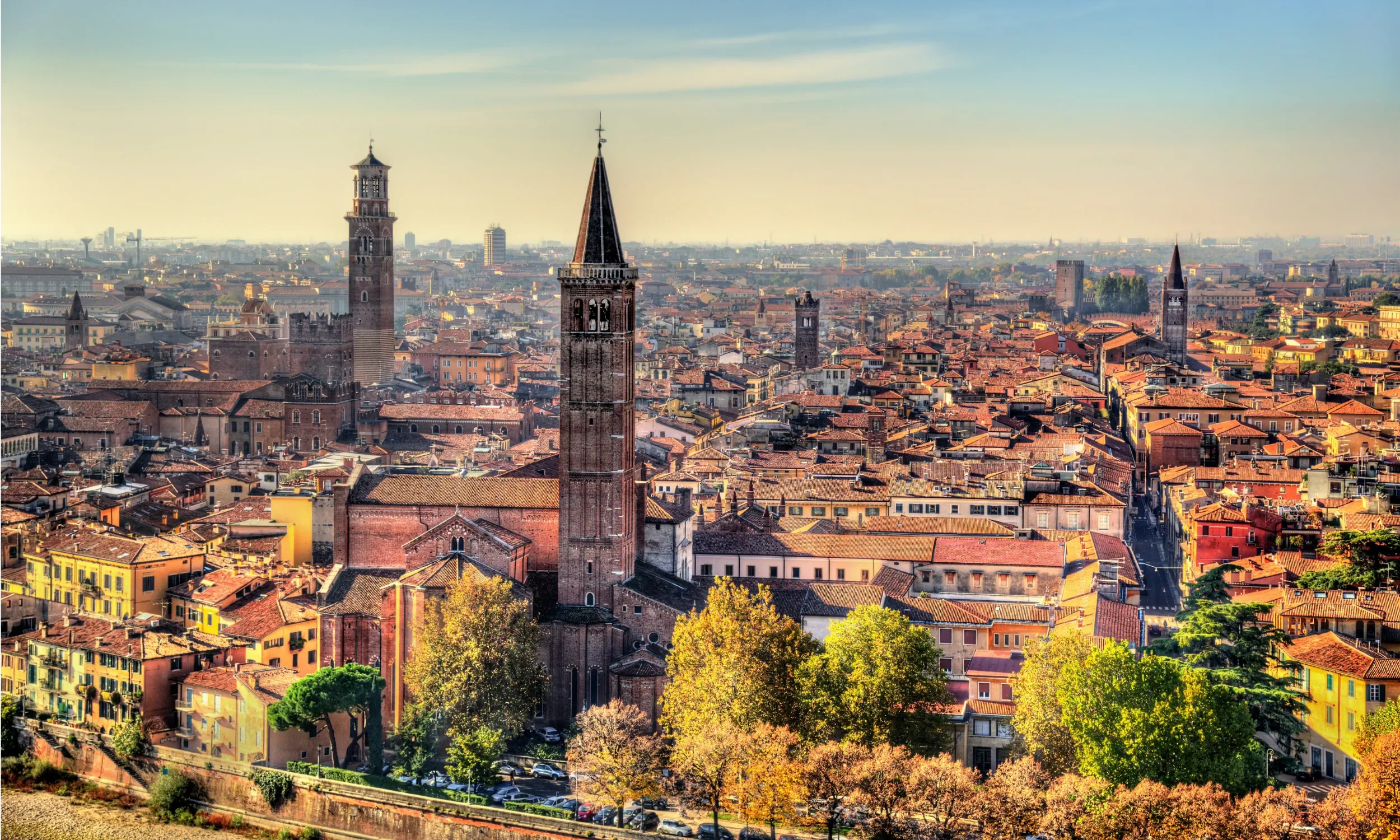
All what you need to know about Verona
vERONA
The Ultimate Guide
Plan your trip to Verona





Verona: The Complete Guide to the City of Romeo and Juliet
Verona trades on a story that never actually happened here, Romeo and Juliet is fiction, and Shakespeare likely never set foot in the city he made famous, and yet that borrowed literary fame sits comfortably alongside genuinely significant Roman history, one of the best-preserved ancient arenas in the world, and an elegant, walkable old town that draws far fewer crowds than its size and beauty probably warrant. This guide covers everything you need to plan a visit.
Understanding Verona
Verona sits in Italy's Veneto region, a manageable train ride from both Venice and Milan, and its historic center, a UNESCO World Heritage Site, curves along a bend in the Adige River. The city's history stretches back to Roman times, its arena predates the Colosseum by several decades, through the medieval and Renaissance periods under the powerful Scaliger family, whose castle and elaborate tombs remain among the city's most distinctive landmarks.
Verona's compact size makes it entirely walkable, and its position between Venice and Milan makes it a natural, easy add-on to a broader northern Italy itinerary.
things to discover In Verona
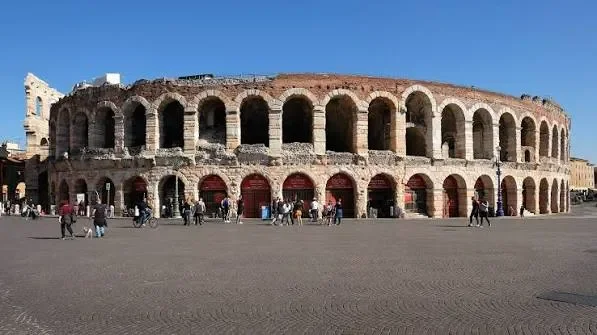
The Verona Arena
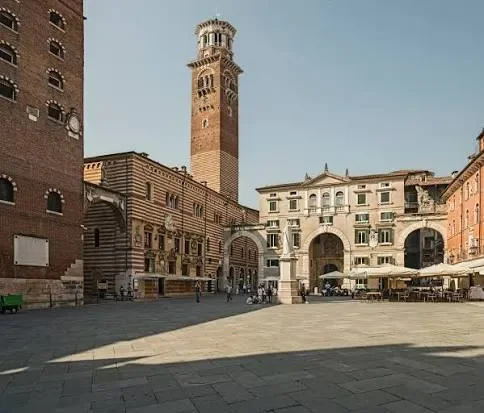
Piazza dei Signori
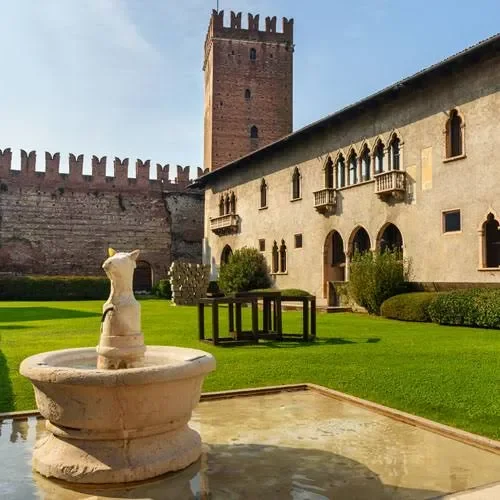
Castelvecchio
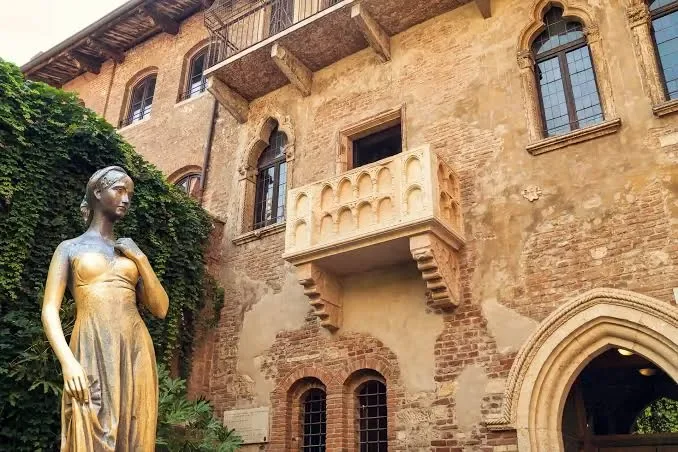
Casa di Giulietta
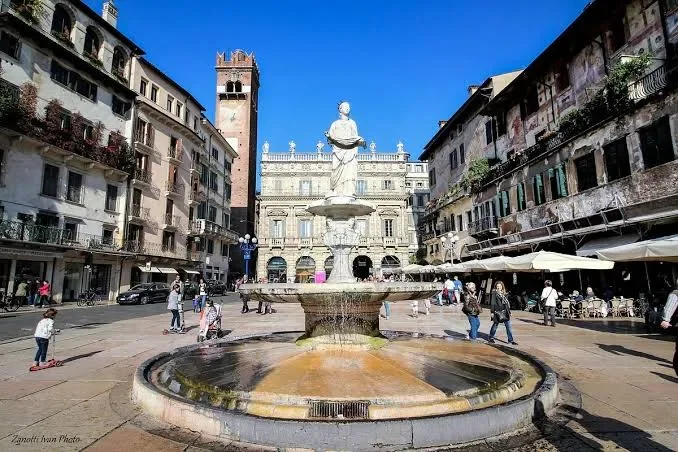
Piazza delle Erbe
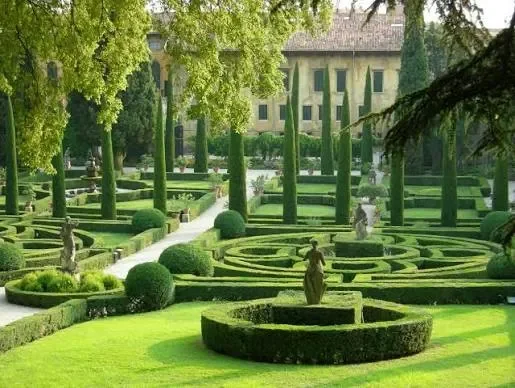
Giardino Giusti
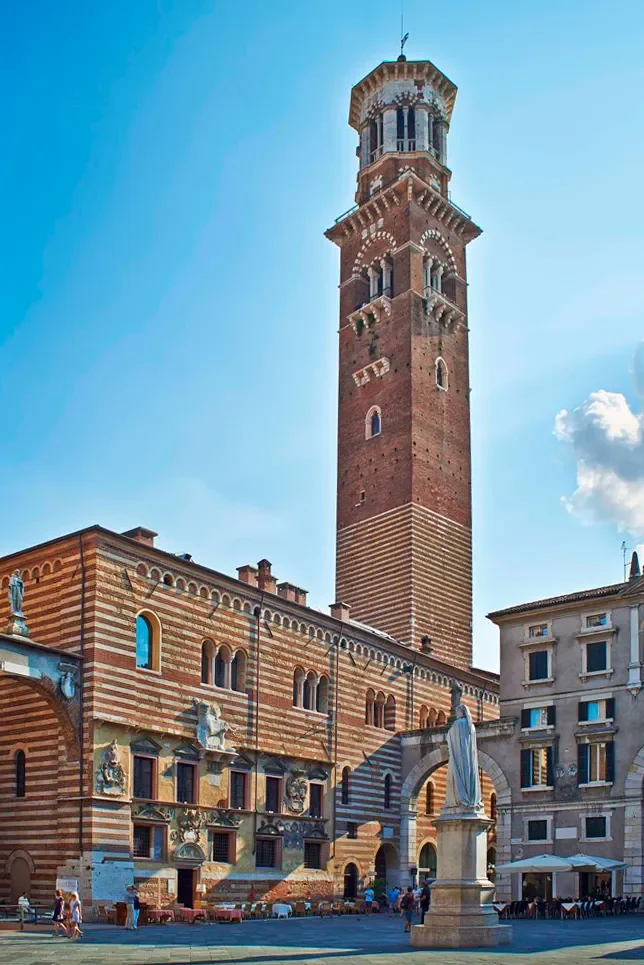
Torre dei Lamberti
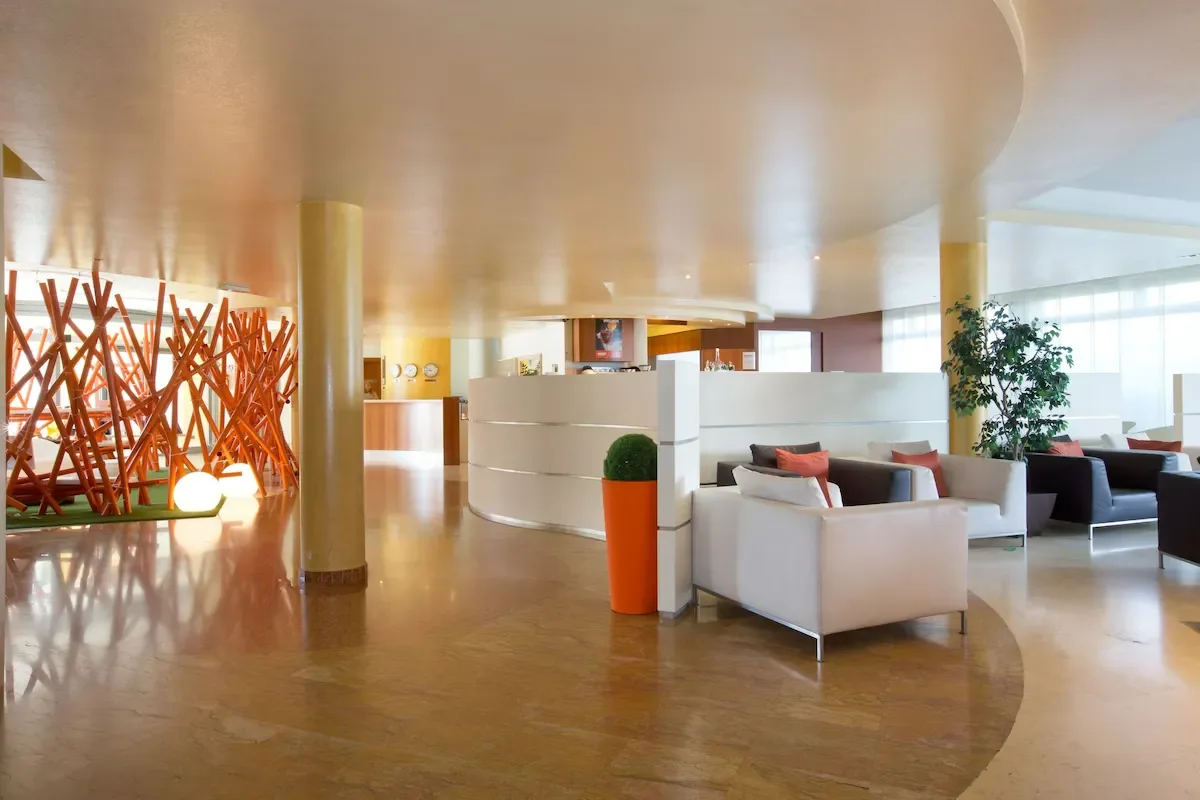
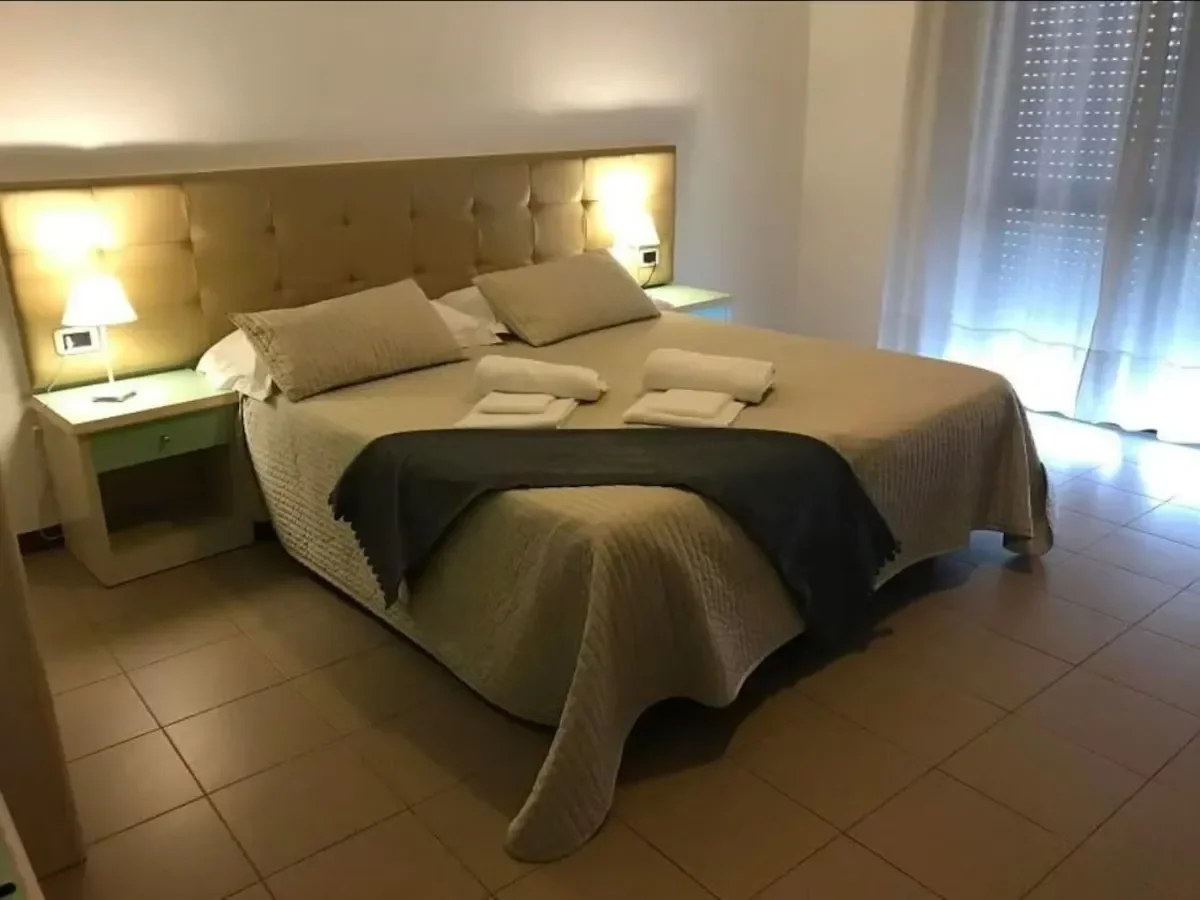
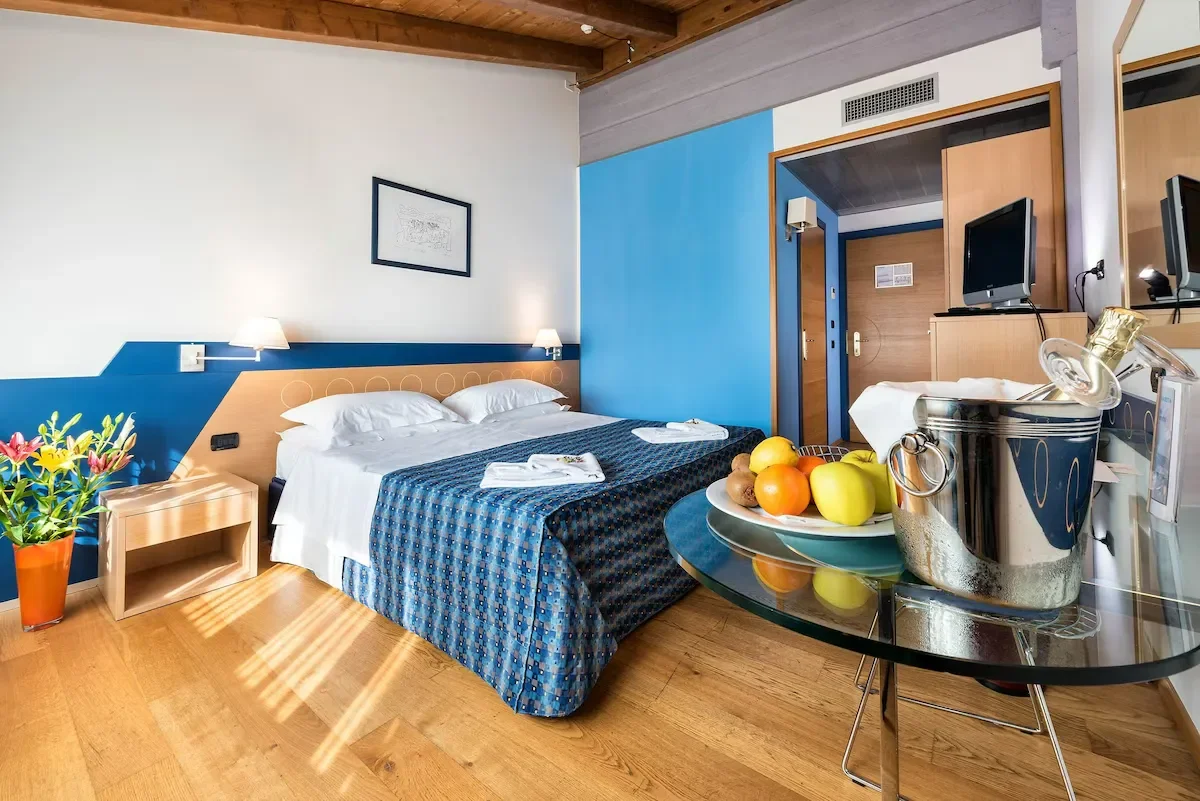
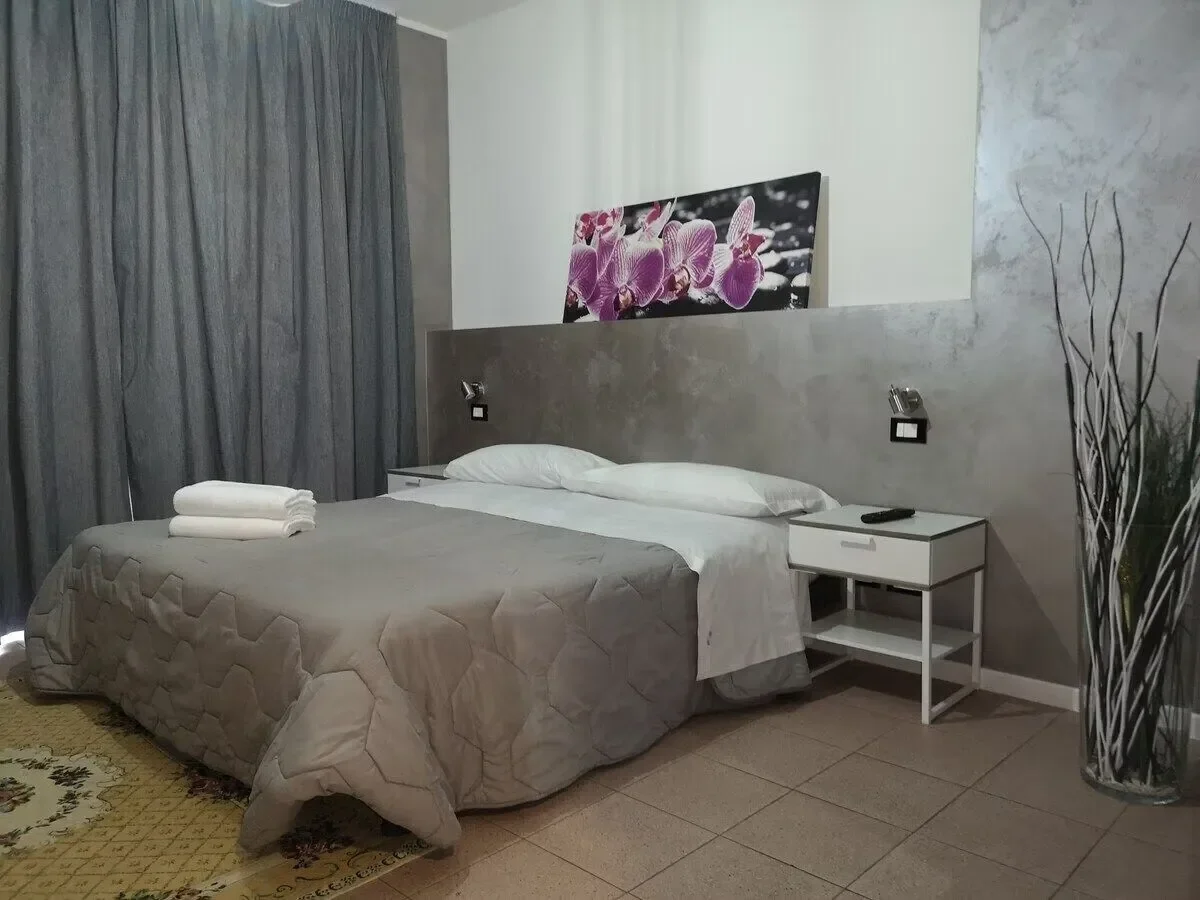
our monthly Hotels pics
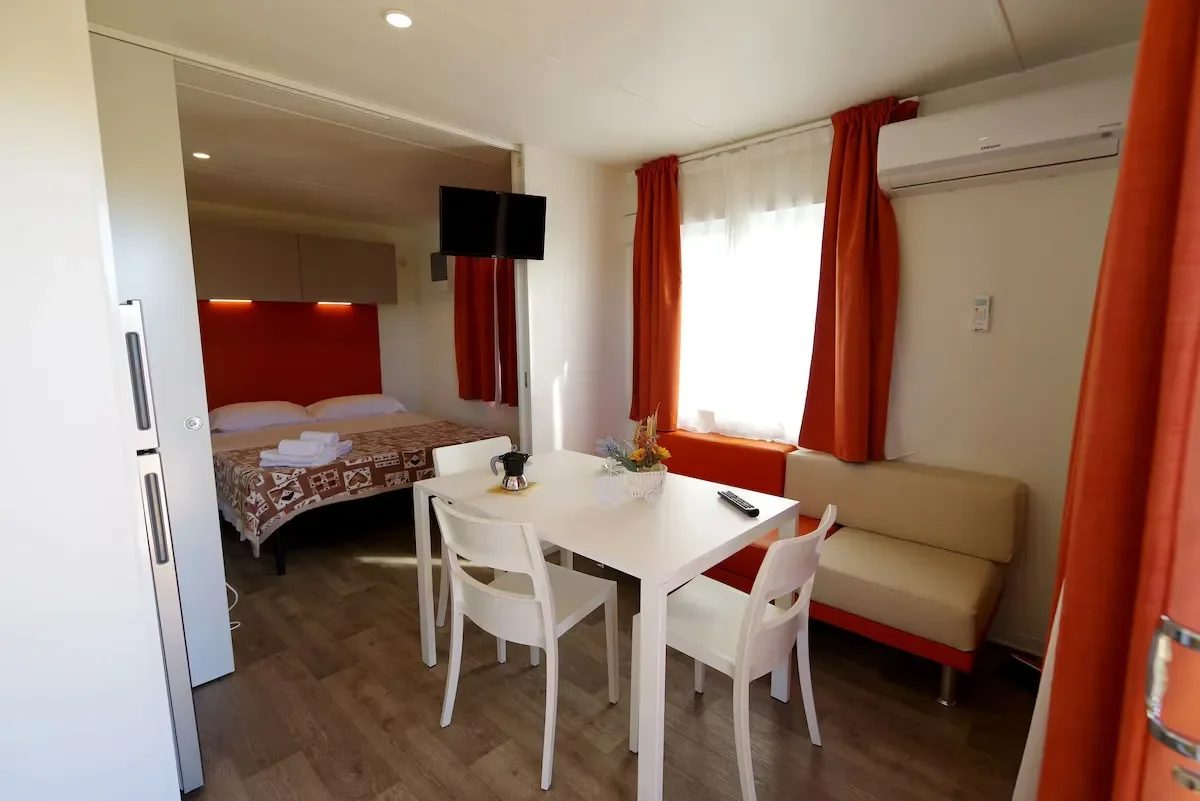
Accommodations under 80$\Night
attractions tickets
All Important Things To Know About Verona
What Verona Is Famous For
Verona is famous for its association with Shakespeare's Romeo and Juliet, its remarkably well-preserved Roman arena (which still hosts opera performances each summer), and its elegant, compact historic center. It's also known as a gateway to the Valpolicella wine region and as a convenient, popular stop on the train route between Venice and Milan.
Food and Culture
Veronese cuisine reflects its position in the Veneto region, distinct from both Venice's lagoon-and-seafood focus and Milan's richer Lombard cooking. Pastissada de caval, a slow-braised horse meat stew, is a traditional Veronese dish with genuinely old roots, though it's less commonly found on menus today than in past generations. Risotto all'Amarone, risotto cooked with the region's signature rich red wine, and pandoro, the star-shaped, butter-rich Christmas cake that originated in Verona (a close cousin to Milan's panettone), both showcase local specialties worth seeking out.
The surrounding Valpolicella wine region produces Amarone, one of Italy's most distinctive and powerful red wines, made using a partial-drying process for the grapes that concentrates their sugars and flavor,a wine tasting here offers genuine insight into a technique found in relatively few other wine regions worldwide.
Culturally, Verona carries an elegant, slightly reserved atmosphere befitting its Veneto setting, with the city's literary association drawing a steady stream of visitors specifically chasing the Romeo and Juliet connection alongside those drawn by its genuine Roman and medieval history.
Best Time to Visit
Spring (April–May) and autumn (September–October) offer comfortable weather for walking the compact old town. Summer, particularly if timed with the Arena's opera festival, is Verona's peak season, worth it for opera enthusiasts, though also the busiest and hottest time to visit. Winter is quiet and includes an atmospheric Christmas market in Piazza dei Signori, a good option for travelers prioritizing a peaceful visit over festival energy.
Practical Tips for First-Time Visitors
Verona Villafranca Airport offers limited direct flights; most visitors arrive by train, given Verona's convenient position on the rail line between Venice (about an hour and a half) and Milan (around an hour and a half in the other direction).
Book Arena opera tickets well in advance if visiting during the summer festival season (typically June through September), this is one of the most famous outdoor opera experiences in the world, and popular performances sell out.
Verona is easily done as a day trip, but an overnight stay lets you experience the city's evening atmosphere in Piazza delle Erbe without the day-tripper crowds that build during the busiest midday hours.
Wear comfortable shoes for the Arena and Torre dei Lamberti, both involve significant stairs, though the tower does offer an elevator option for those who prefer it.
A Day (or Two) That Actually Works
A single, well-planned day covers Verona's essentials: morning at the Arena and Piazza delle Erbe, a stop at Casa di Giulietta, lunch in the historic center, and an afternoon at Castelvecchio and Torre dei Lamberti, finishing with an evening in Piazza delle Erbe's café scene. With a second day, add a Valpolicella wine region day trip, or a slower exploration of Giardino Giusti and the quieter Veronetta district across the river.