
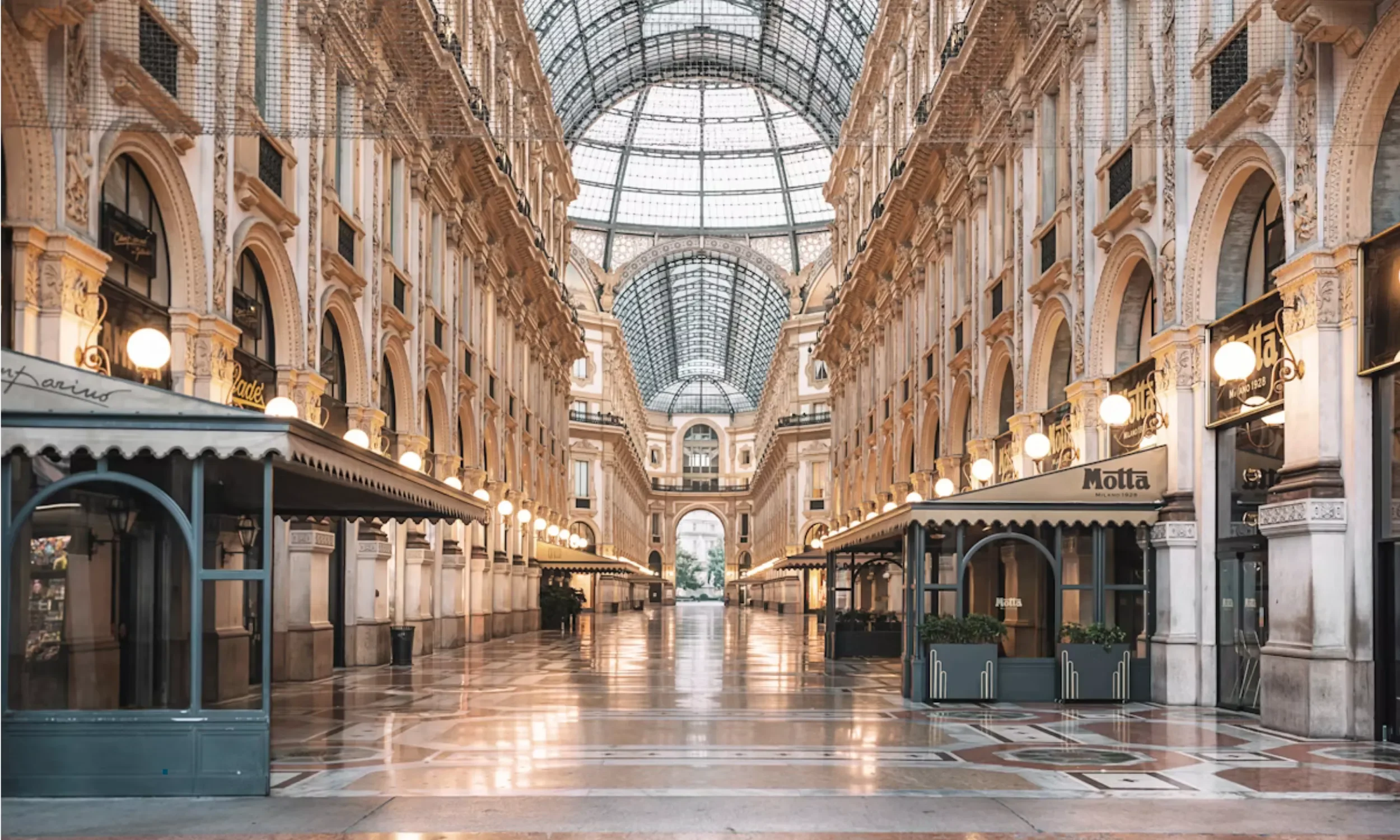
MILAN
All what you need to know about madrid
Plan your trip to Milan




Milan: The Complete Guide to Italy's Fashion and Design Capital
Milan tends to get treated as a layover on the way to somewhere else, a quick stop between the airport and Lake Como, or a night before heading south to Florence and Rome. That undersells the city considerably. This is Italy's fashion, finance, and design capital, home to one of the most extraordinary Gothic cathedrals in Europe and a genuinely different, more modern pace than the country's more postcard-famous cities. This guide covers everything you need to plan a proper visit.
Understanding Milan
Milan sits in Italy's northern Lombardy region, and its character reflects that northern position brisk, businesslike, and noticeably more modern in feel than Rome, Florence, or Venice, while still holding onto significant historical and artistic depth of its own. The city's compact historic core, centered on the Duomo, is easily walkable, with an efficient metro system connecting the surrounding districts.
Milan's identity as a global fashion and design capital isn't a recent branding exercise, it reflects a genuinely deep industrial and creative history, and the city hosts major international fashion and design events throughout the year that shape its calendar and economy.
things to discover In Rome
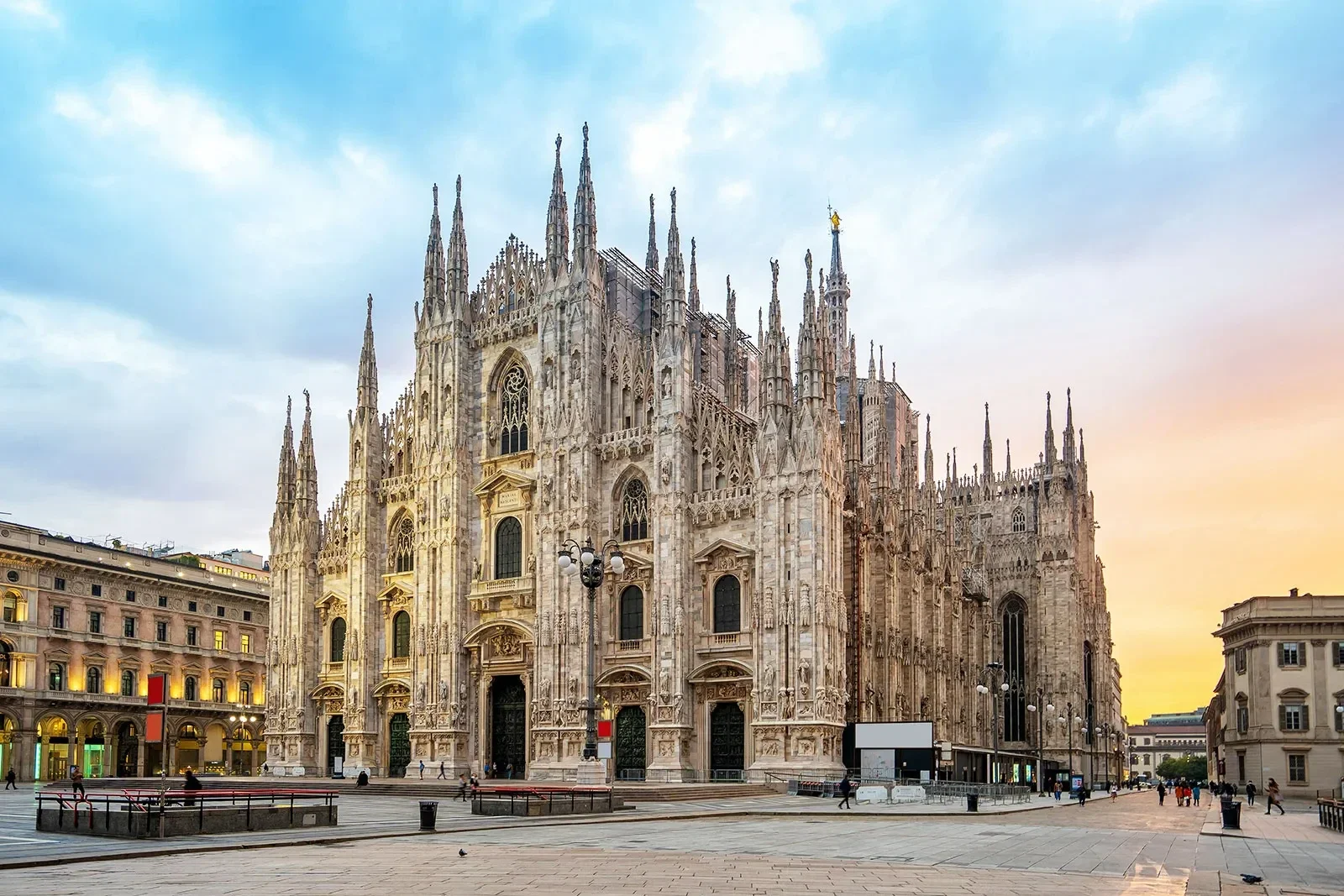
The Duomo di Milano
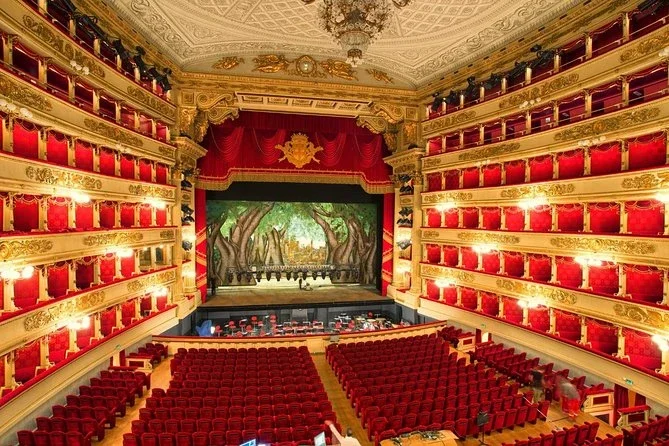
Teatro alla Scala
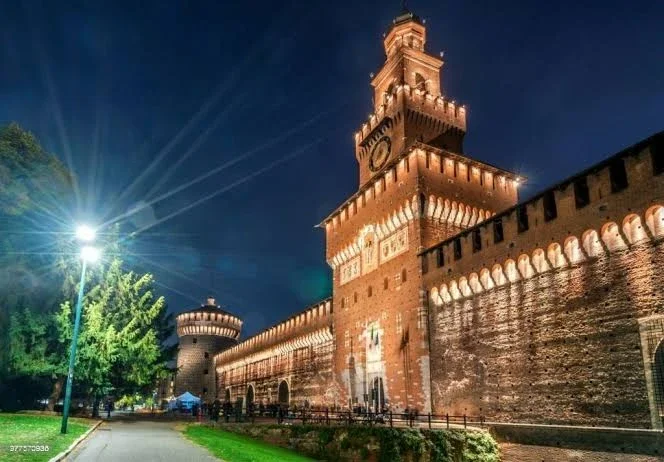
the sforza castle
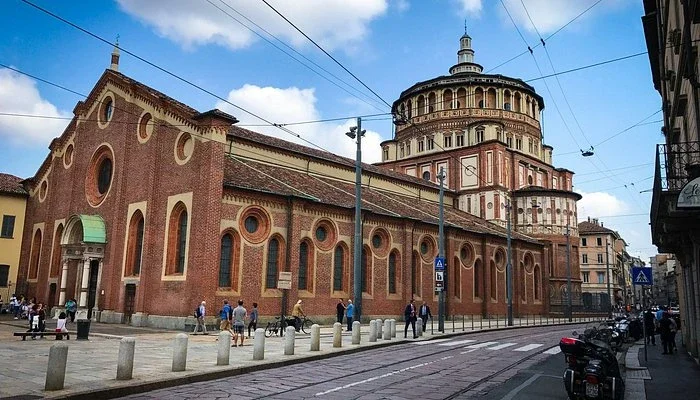
Santa Maria delle Grazie
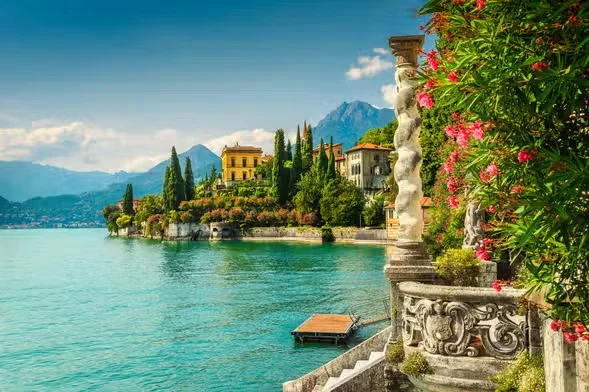
day trip to Lake Como
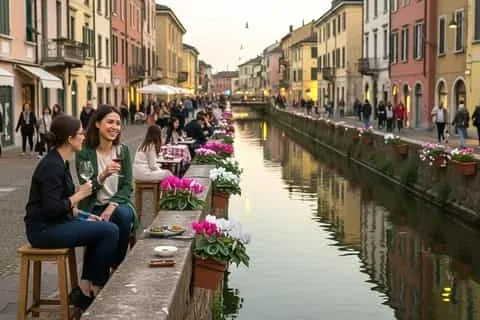
Navigli
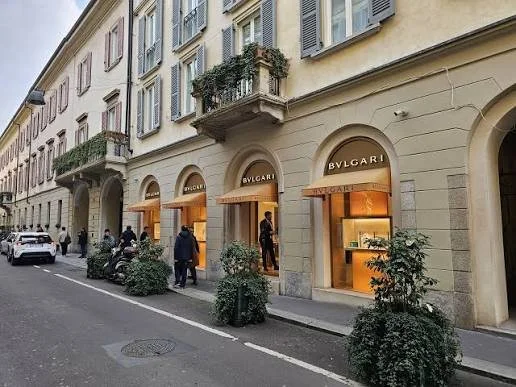
Quadrilatero della Moda
our monthly Hotels pics
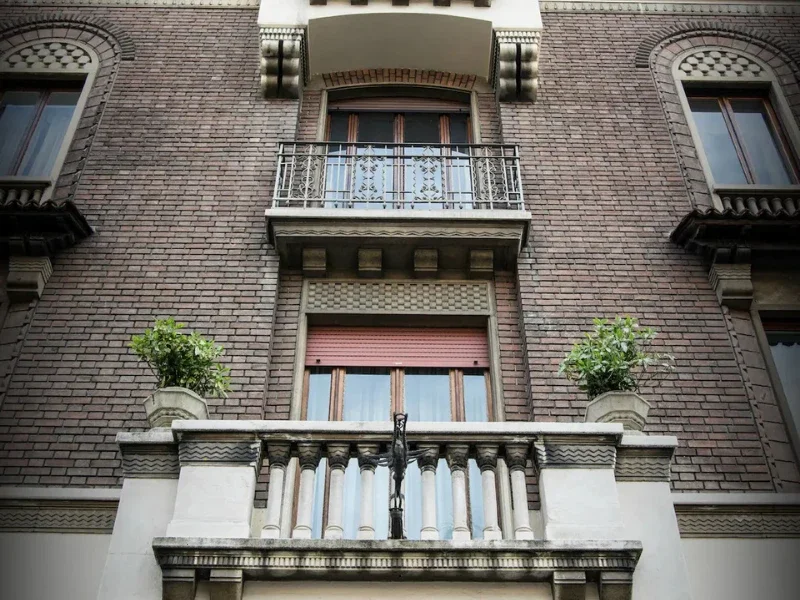
Accommodations under 80$\Night
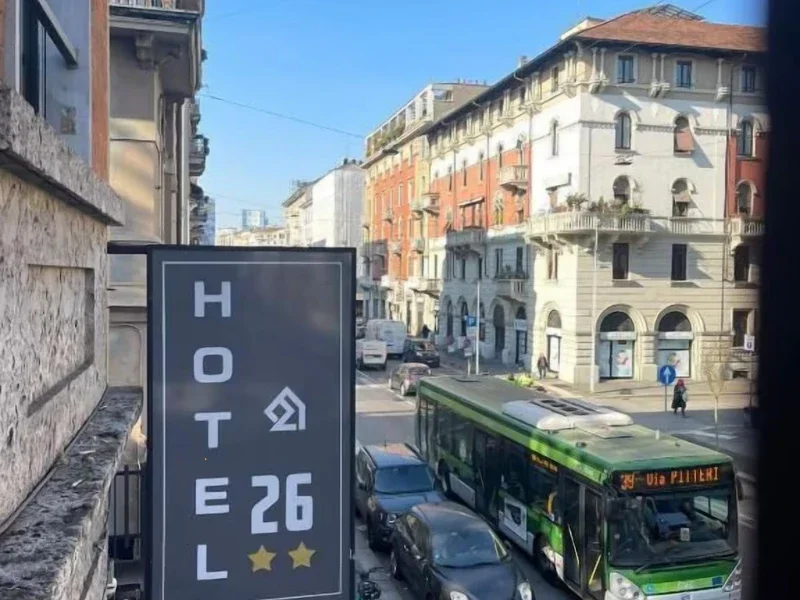
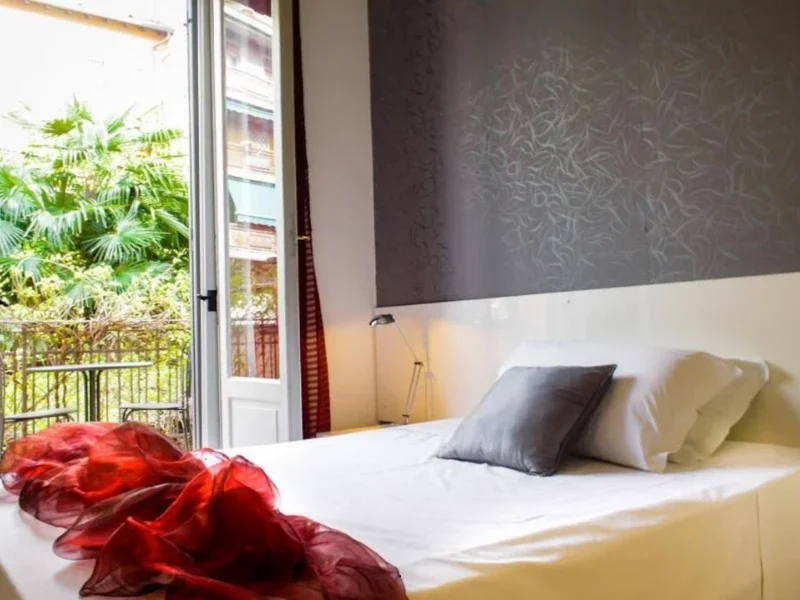
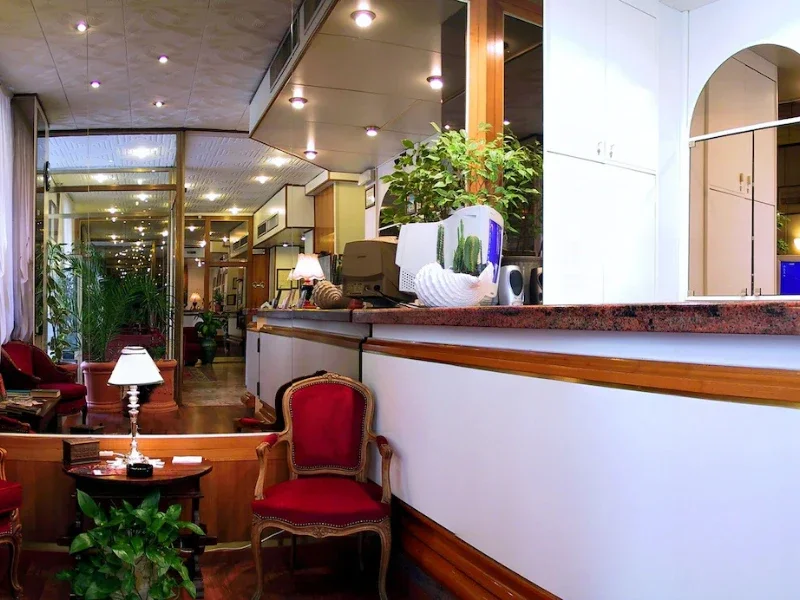
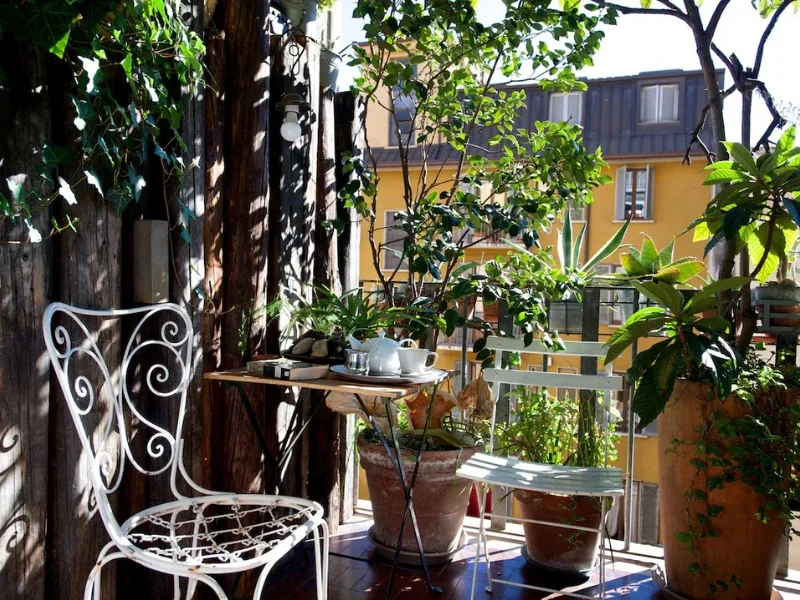
where to stay
-
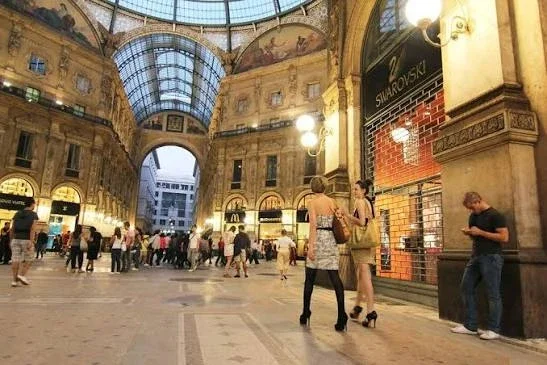
![Indoor shopping mall with high arched glass ceiling, multiple store entrances, and people walking and shopping.]()
Around the Duomo
puts you within walking distance of the cathedral, the Galleria, and La Scala, in the most central and convenient though also priciest part of the city.
-
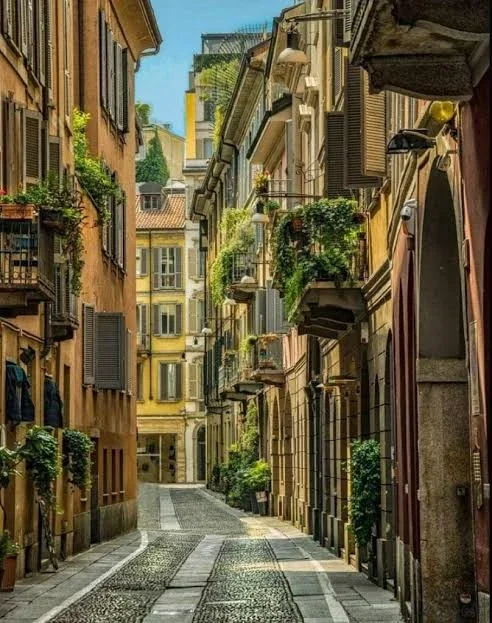
![Narrow European street with cobblestone pavement, old buildings with balconies and shutters, greenery, and a ladder against a building]()
Brera
an artsy, upscale neighborhood just north of the Duomo, offers a charming, boutique-heavy alternative with excellent restaurants and art galleries within an easy walk of the main sights.
-
![]()
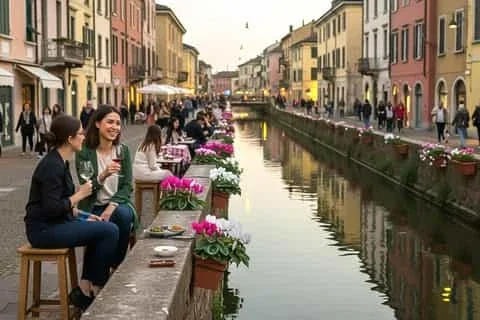
Navigli
the canal district, suits travelers prioritizing nightlife and a livelier evening scene, with a good range of mid-range accommodation and easy metro access to the center.
-
![Cityscape with modern skyscrapers, including a large glass building and a unique green rooftop building with terraces filled with trees and plants under a clear blue sky.]()
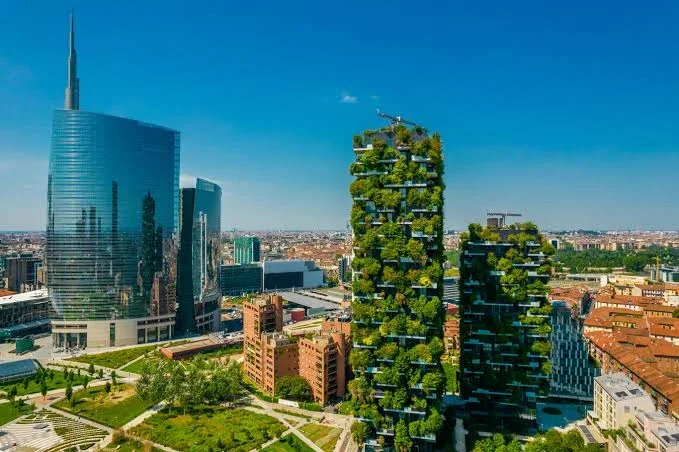
Porta Nuova
Milan's modern skyscraper district, offers contemporary hotels and a genuinely different, more architecturally modern side of the city, a short metro ride from the historic core.
attractions tickets
What Milan Is Famous For
Milan is famous as Italy's fashion and design capital, home to major international fashion weeks and a design scene that shapes global trends well beyond Italy's borders. It's also known for the Duomo's extraordinary Gothic architecture, Leonardo da Vinci's Last Supper, and its status as Italy's financial and business center, giving it a noticeably more modern, cosmopolitan character than the country's more historically postcard-famous cities.
Food and Culture
Lombard cuisine differs meaningfully from the tomato-and-olive-oil-forward cooking further south. Risotto alla Milanese, saffron-infused risotto traditionally paired with ossobuco (braised veal shank), is the city's signature dish, richer and more butter-forward than southern Italian cooking. Cotoletta alla Milanese, a breaded, pan-fried veal cutlet, and panettone, the sweet, dome-shaped Christmas bread that originated in Milan and has since spread worldwide, round out the city's most iconic culinary exports.
Aperitivo culture is arguably taken more seriously in Milan than almost anywhere else in Italy — many bars, particularly around Navigli and Brera, offer a substantial spread of snacks (sometimes verging on a full buffet) included with the price of a drink during the early evening hours, a genuinely good-value way to sample local food and drink culture at once.
Culturally, Milan carries a brisker, more businesslike pace than much of the rest of Italy, reflecting its role as the country's economic engine punctuality and efficiency are taken more seriously here than the more relaxed stereotype associated with Italy generally, though the city's aperitivo and Navigli evening culture still make plenty of room for genuine leisure.
All Important Things To Know About Milan
Best Time to Visit
Spring (April–June) and autumn (September–October) offer the most comfortable weather for exploring the city on foot. Summer can be hot and humid, and many Milanese leave the city in August, which can mean some smaller restaurants and shops close. Winter is cold but functional for sightseeing, and includes major fashion week events (worth being aware of, since they significantly affect hotel prices and availability during their specific dates).
Practical Tips for First-Time Visitors
Milan has two main airports, Malpensa (the primary international hub, further from the city) and Linate (closer, serving mostly domestic and European flights) both connect to the city center via train, bus, or taxi
Book the Last Supper well in advance, this is genuinely one of the hardest-to-get tickets in Italy given the strict visitor limits, and last-minute availability is rare, especially in peak season.
Use the metro, Milan's system is efficient, extensive, and considerably faster than walking or taxiing between the city's more spread-out districts compared to the denser historic centers of Rome or Florence.
Dress reasonably smart, particularly in the fashion district and better restaurants while not a strict requirement, Milan's fashion-capital reputation does translate into a generally more put-together everyday dress code than more casual Italian cities.
A Few Days That Actually Work
Two to three days suits most visitors. Day one: the Duomo, rooftop climb, and the Galleria, finishing with dinner in Brera. Day two: Santa Maria delle Grazie for the Last Supper (if booked), Sforza Castle, and an evening in Navigli. Day three, if you have it: a day trip to Lake Como, or a slower day exploring the Fashion District and Porta Nuova's modern architecture.