
All what you need to know about Krabi Railay
kRABI RAILAY
The Ultimate Guide
Plan your trip to Krabi Railay





Krabi & Railay Beach: The Complete Guide to Thailand's Dramatic Coastline
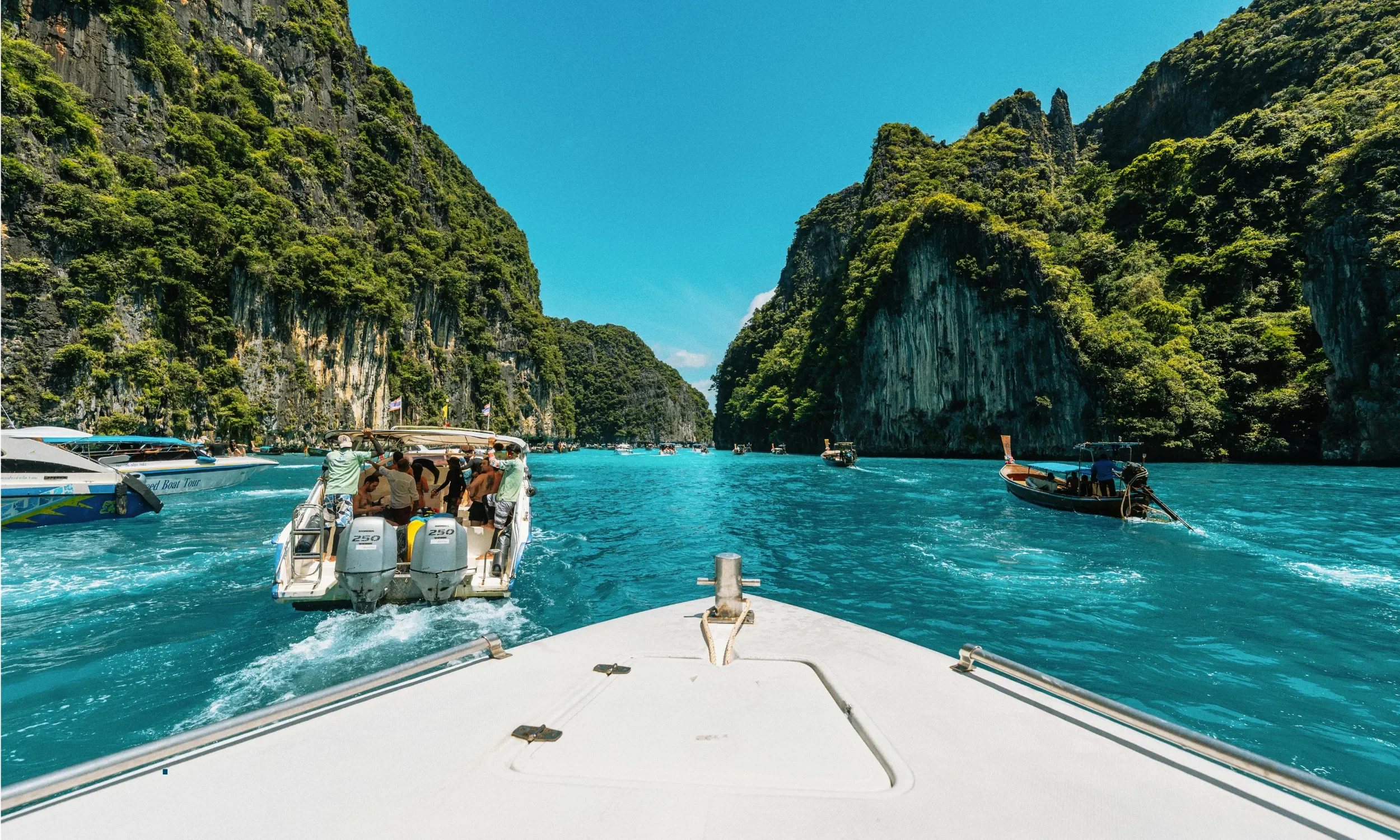
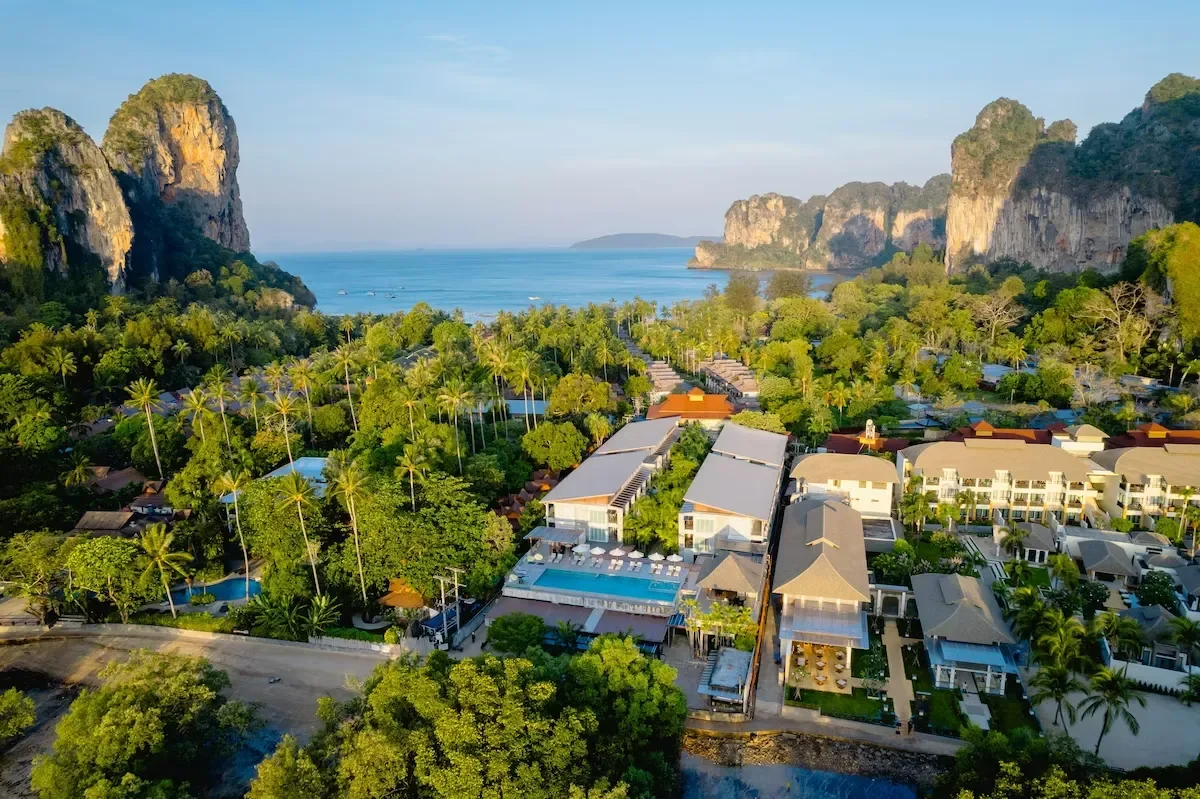
Krabi delivers the single most striking coastline in Thailand, sheer limestone karsts rising directly out of turquoise water, longtail boats threading between them, and a rock-climbing scene built around cliffs that plunge straight into the sea. This guide covers both mainland Krabi and neighboring Railay Beach, a boat-access-only peninsula that's become one of the most photographed spots in the entire country.
Understanding Krabi and Railay
Krabi Province sits on Thailand's Andaman coast, and its main mainland hub, Krabi Town, serves primarily as a transit point rather than a beach destination in itself, most visitors quickly move on to the coastal beach towns, chief among them Ao Nang, the main resort strip, and the boat-access-only peninsula of Railay, cut off from the mainland by the same dramatic limestone cliffs that make it famous.
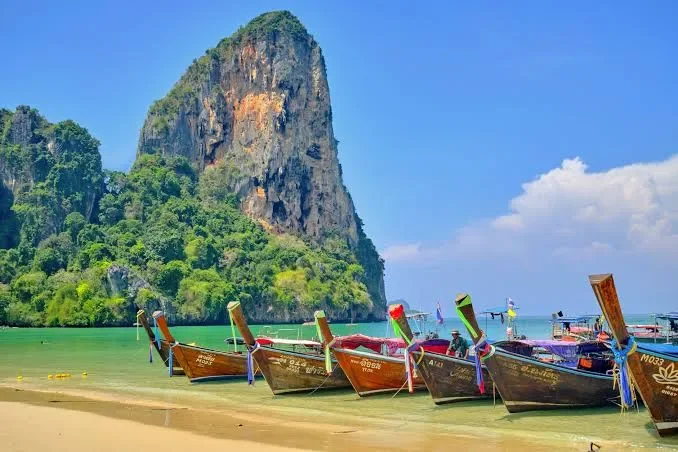
Railay itself splits into a few distinct beaches, Railay West, the more upscale, sunset-facing strip; Railay East, mangrove-lined and less scenic but home to budget accommodation and the pier; and Phra Nang Beach, widely considered one of the most beautiful beaches in Thailand.
things to discover In Krabi Railay
Railay Beach
Four Islands Tour
Emerald Pool
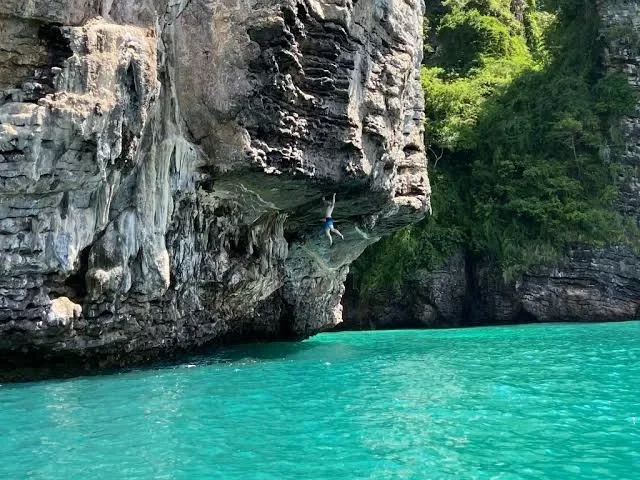
Rock climbing
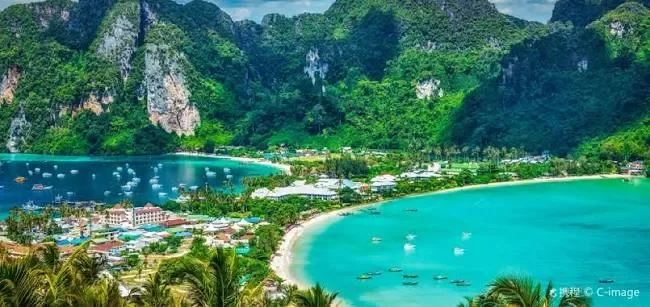
The Phi Phi Islands

Sunset viewpoints

Tiger Cave Temple
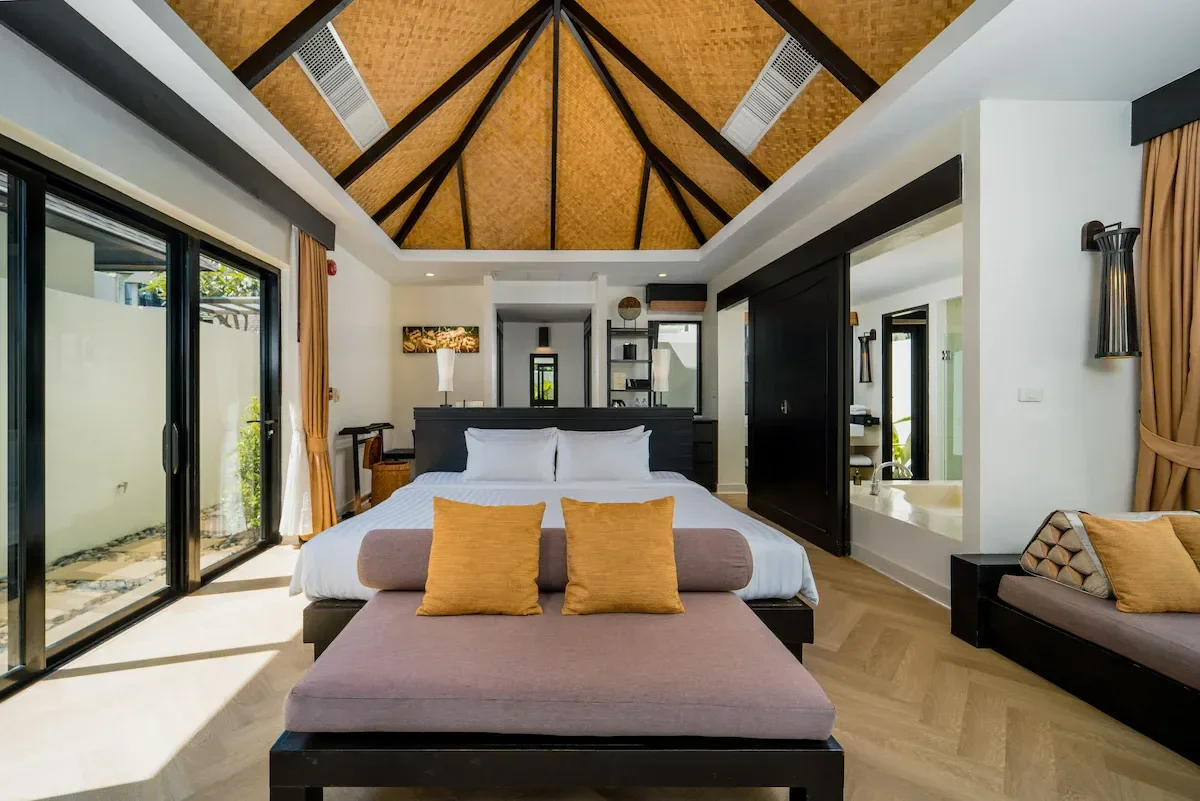
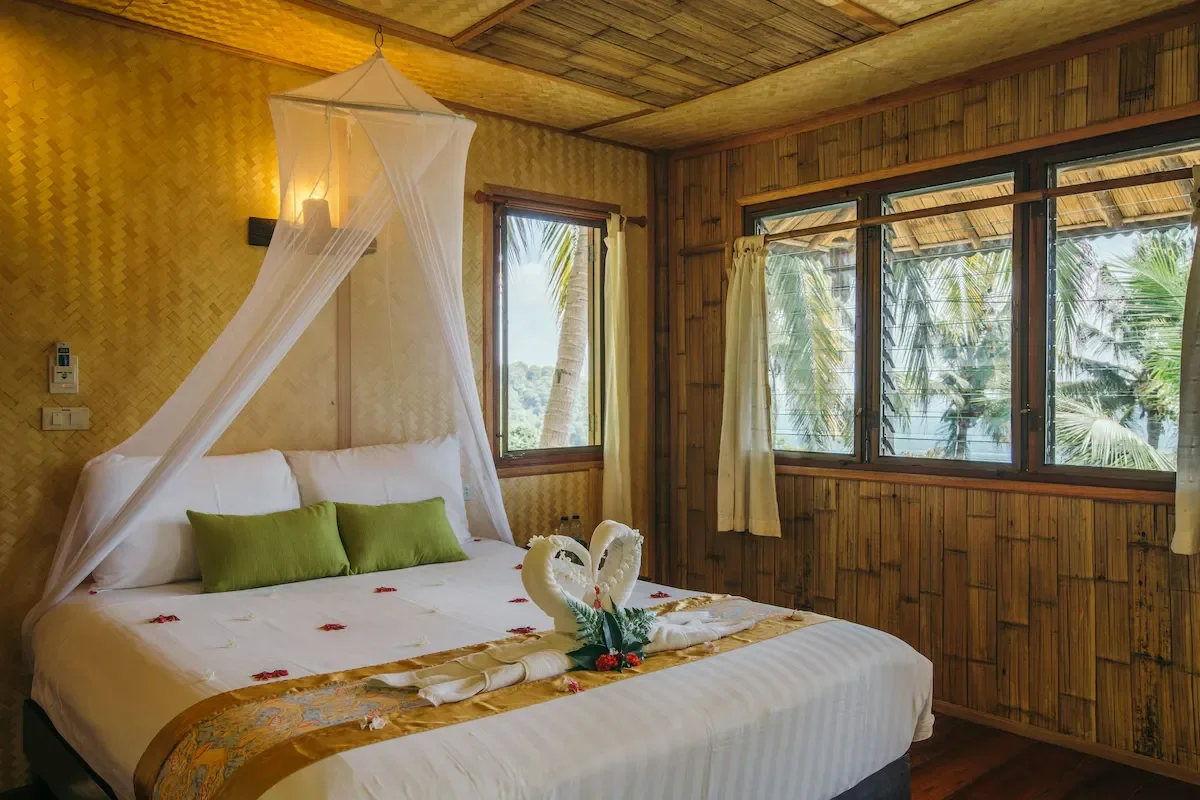
our monthly Hotels pics
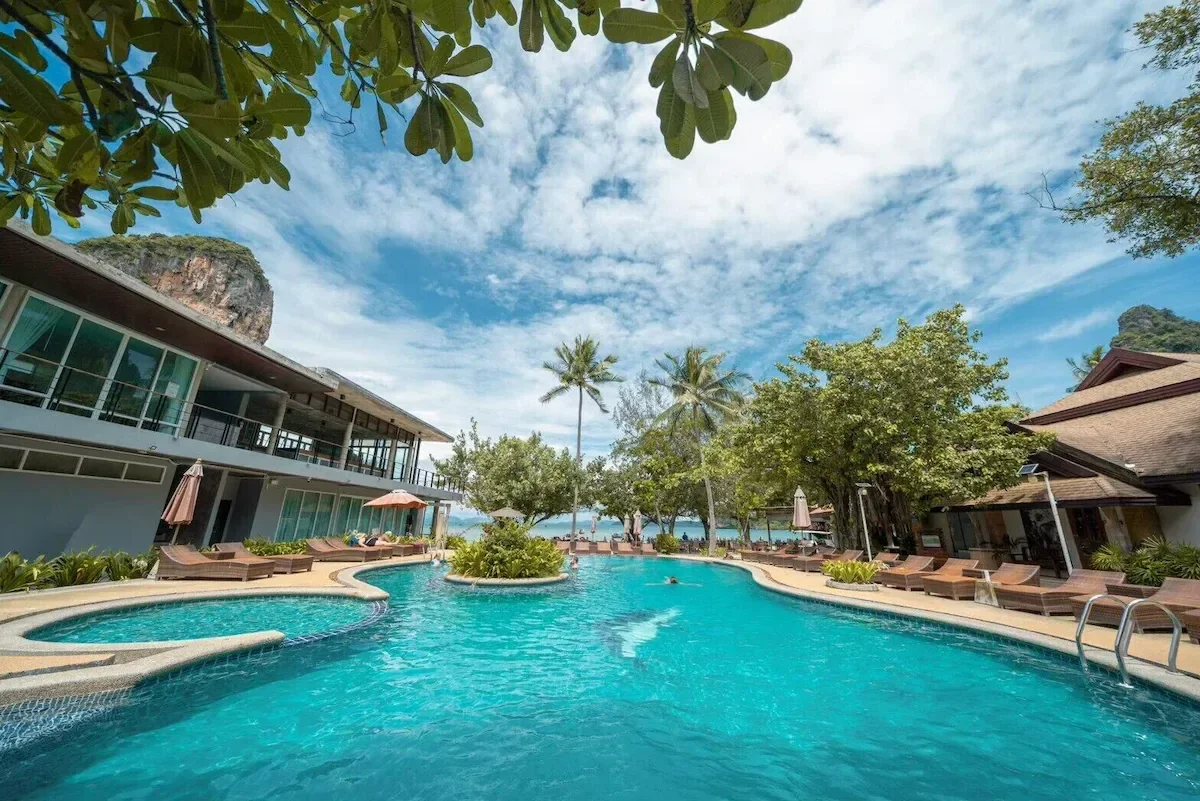
Accommodations under 80$\Night
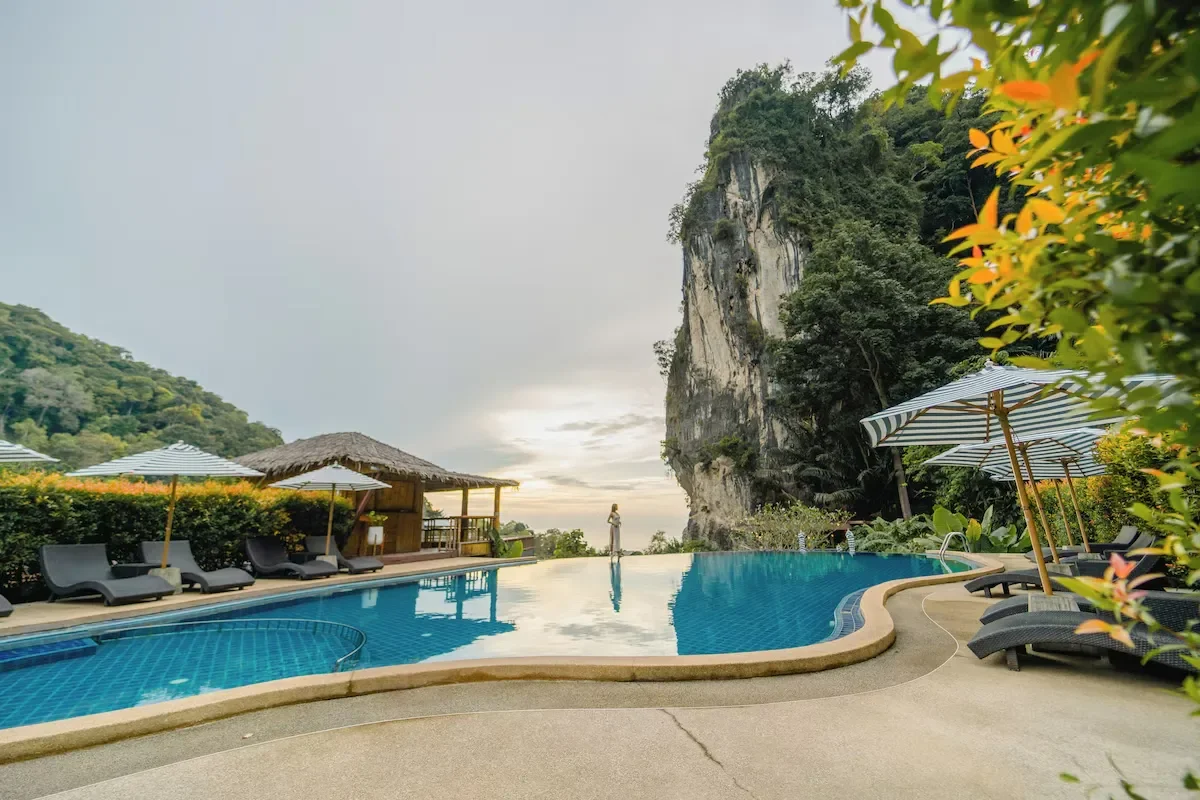
attractions tickets
All Important Things To Know About krabi railay
What Krabi and Railay Are Famous For
Krabi and Railay are famous for having some of the most dramatic limestone karst coastline anywhere in the world, sheer cliffs rising directly from turquoise water, a landscape that's made the region one of the most photographed corners of Thailand and a genuine mecca for rock climbers specifically. The area also serves as a major jumping-off point for boat trips to the Phi Phi Islands and other nearby marine destinations.
Food and Culture
Krabi's food culture reflects its southern Thai, coastal setting, fresh seafood dominates menus throughout the region, often grilled simply and served with the fiery, turmeric-forward sauces characteristic of southern Thai cooking. Gaeng Som, a sour, spicy fish curry distinct from the coconut-based curries more common further north, and Khua Kling, a intensely spiced, almost dry-fried curry typically made with minced meat, both represent the bolder, spicier flavor profile of the south.
Given the region's significant Muslim population (southern Thailand has a notable Muslim-Thai community, particularly pronounced closer to the Malaysian border), halal food options are more widely available here than in much of central or northern Thailand.
Culturally, the relationship between the region's traditional fishing communities and its now-dominant tourism economy is visible throughout Krabi, Phra Nang Cave's ongoing use as an active site for local offerings, alongside the modern resort development surrounding it, reflects a place where older traditions and newer tourism-driven realities continue to coexist.
Best Time to Visit
November through April offers the best weather for boat trips and beach time, with calm seas and minimal rainfall, the region's peak season, with correspondingly higher prices, particularly around the winter holidays. May through October brings the southwest monsoon, with rougher seas and a higher chance of boat trip disruptions, though prices drop significantly and the dramatic scenery remains just as striking between rain showers.
Practical Tips for First-Time Visitors
Krabi International Airport connects to Krabi Town and Ao Nang via taxi or shared minivan; there's no direct road to Railay, which requires a boat transfer from either Ao Nang or Krabi Town's pier.
Check the tide and weather before boat trips, longtail boat access to Railay and surrounding islands can be affected by tides and, during the monsoon season, rougher seas that may delay or cancel excursions.
Book climbing courses with a reputable, safety-certified operator, Railay's climbing scene is well-established, but standards do vary between outfitters, so checking reviews specifically for safety practices is worthwhile.
Pack reef-safe sunscreen, the region's marine environments, particularly around the more popular snorkeling spots, benefit from visitors minimizing their environmental impact.
A Few Days That Actually Work
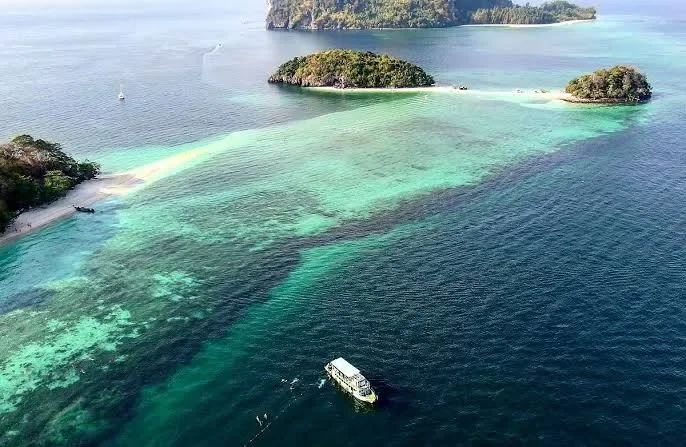
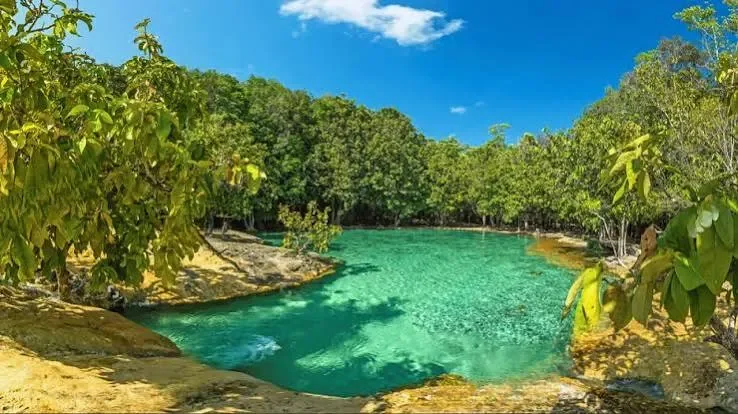
Three to four days suits most visitors. Day one: arrive, settle in, and if based in Ao Nang, take an evening boat over to Railay West for sunset. Day two: a full day in Railay beach time, Phra Nang Cave, and a climbing lesson if interested. Day three: a Four Islands or Phi Phi Islands boat tour. Day four, if you have it: Emerald Pool and Tiger Cave Temple inland, or a mangrove kayaking trip for a quieter final day.