
All what you need to know about Sukhothai
SUKHOTHAI
The Ultimate Guide
Plan your trip to Sukhothai





Sukhothai: The Complete Guide to Thailand's First Capital
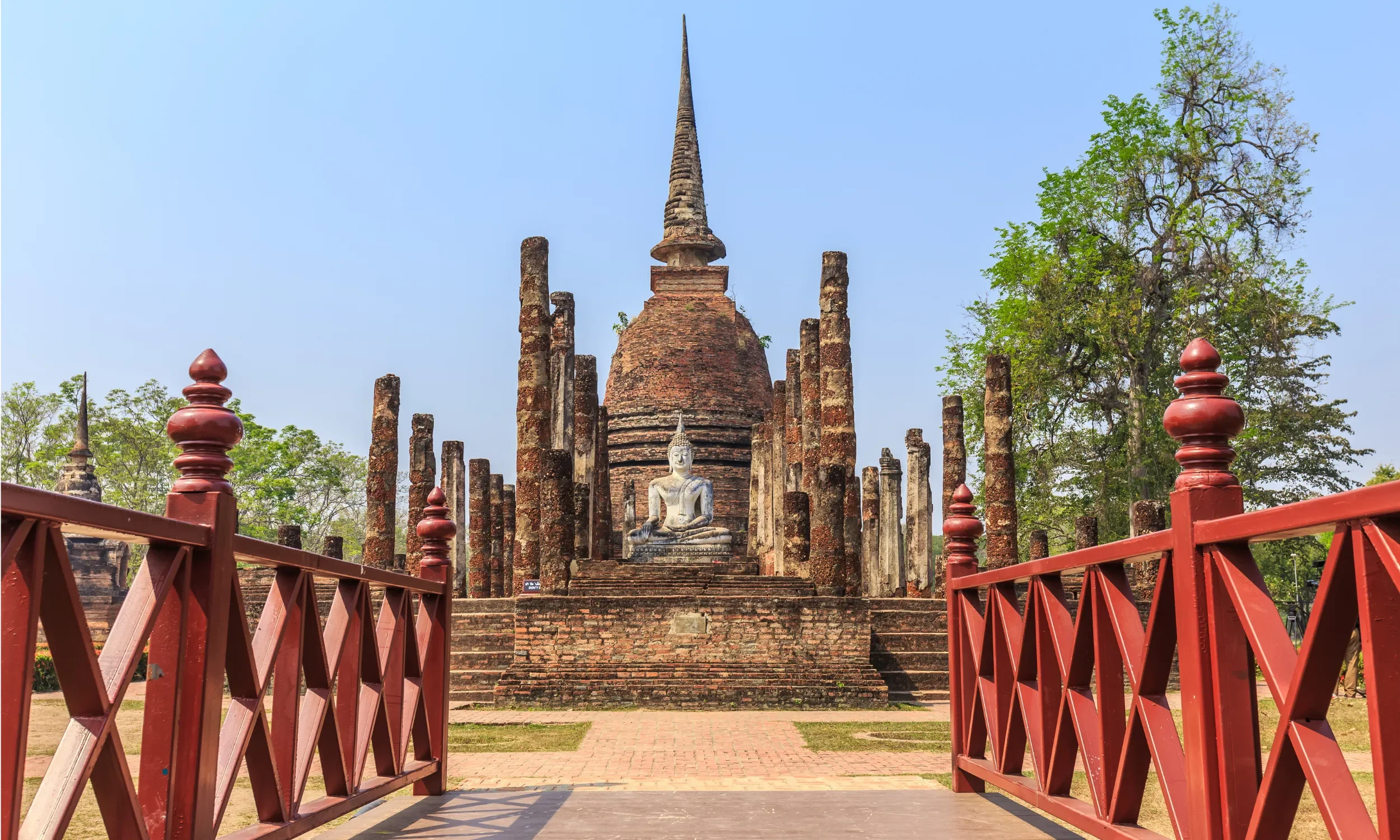
Sukhothai gets compared to Ayutthaya constantly, and it's a fair comparison, but Sukhothai's ruins are older, generally less crowded, and spread across a genuinely peaceful historical park best explored slowly by bicycle rather than rushed through on a tour bus schedule. As the first capital of a unified Thai kingdom, this is where a lot of what people now think of as classical Thai art and architecture actually originated. This guide covers everything you need to plan a visit.
Understanding Sukhothai
Sukhothai served as the capital of the Sukhothai Kingdom from the 13th to 15th centuries, considered by many historians the first genuinely independent Thai kingdom and the birthplace of the modern Thai script, reportedly developed under King Ramkhamhaeng. The kingdom eventually gave way to the rising power of Ayutthaya further south, but the artistic and architectural styles developed here, particularly the distinctive lotus-bud chedi design, went on to influence Thai Buddhist art for centuries afterward.
The modern town of Sukhothai sits a short distance from the Sukhothai Historical Park, a UNESCO World Heritage Site containing the ruins of the old capital, with a separate new town having grown up nearby to serve visitors and local residents alike.
things to discover In Sukhothai
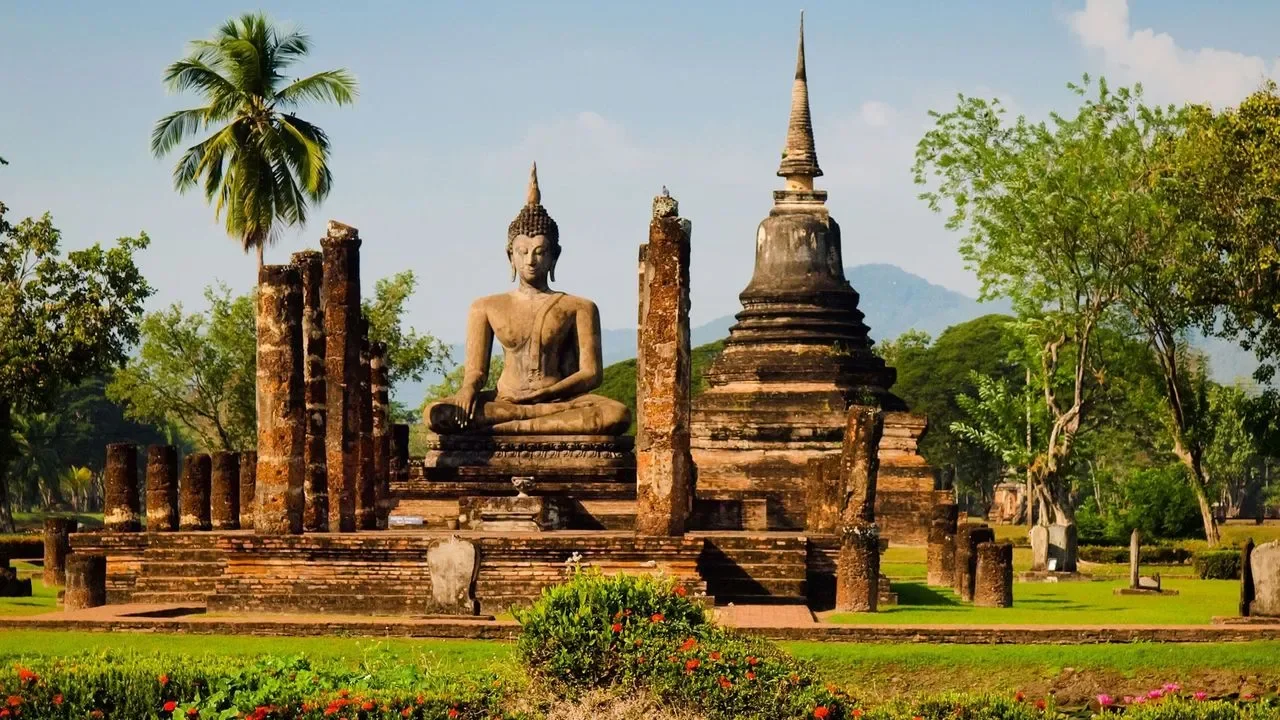
Wat Mahathat
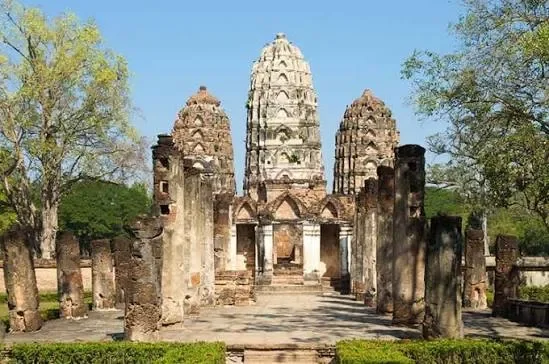
Wat Sri Sawai
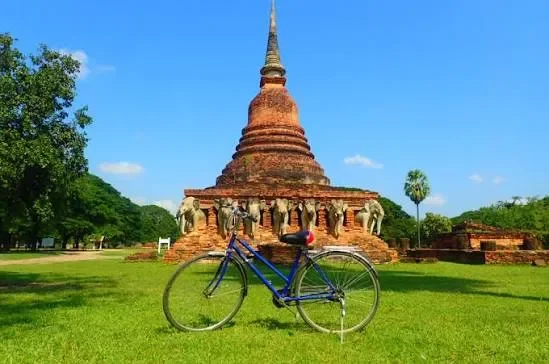
Cycling the historical park
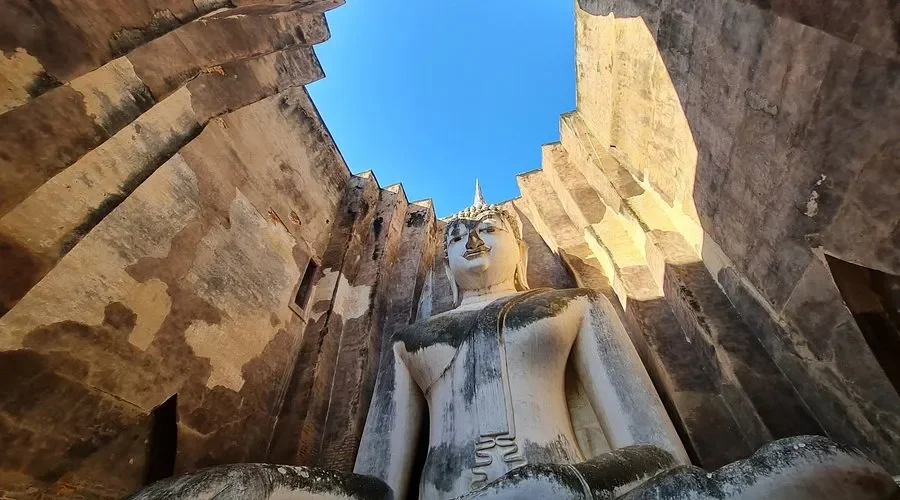
Wat Si Chum
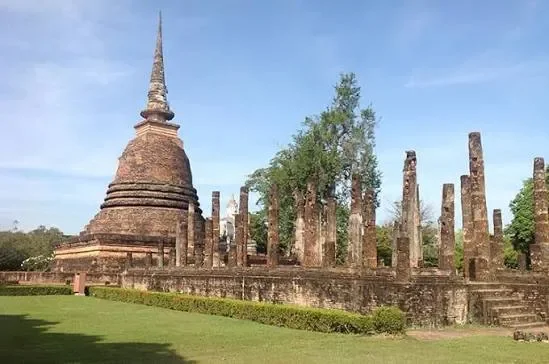
Wat Sa Si
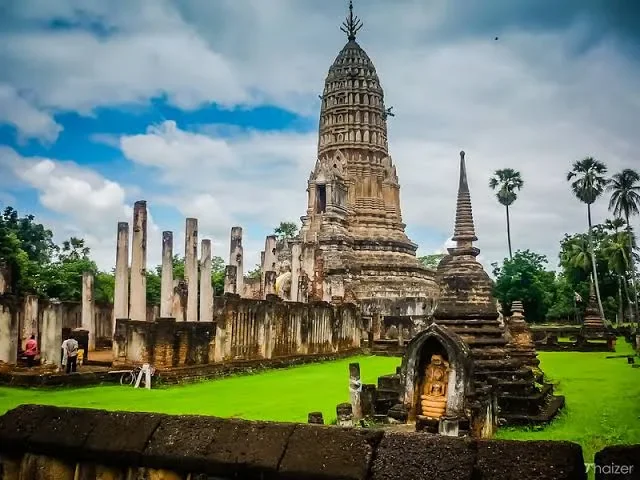
Si Satchanalai Park
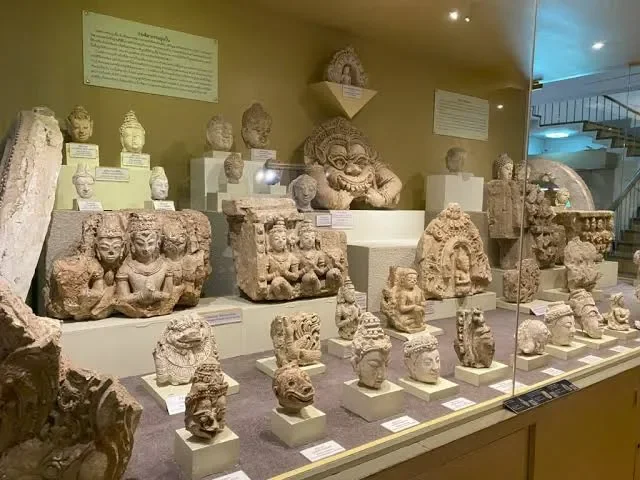
Ramkhamhaeng Museum
our monthly Hotels pics
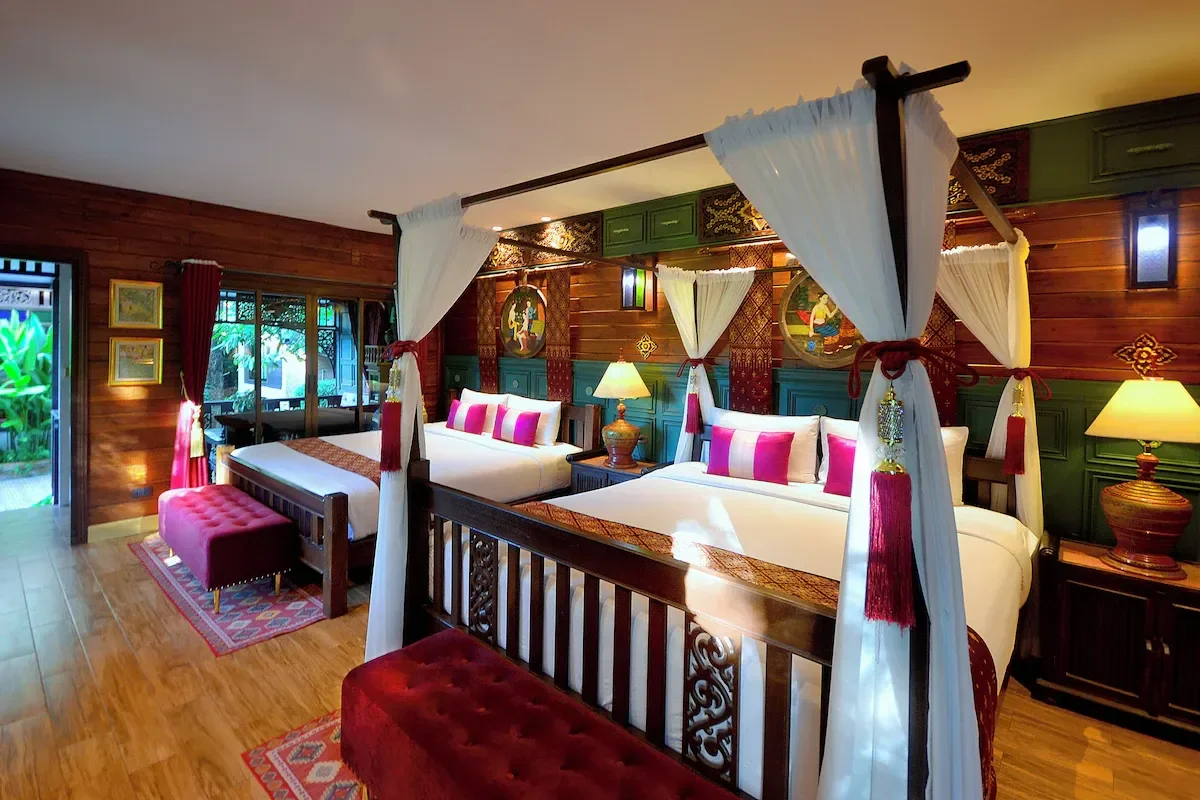
Accommodations under 80$\Night
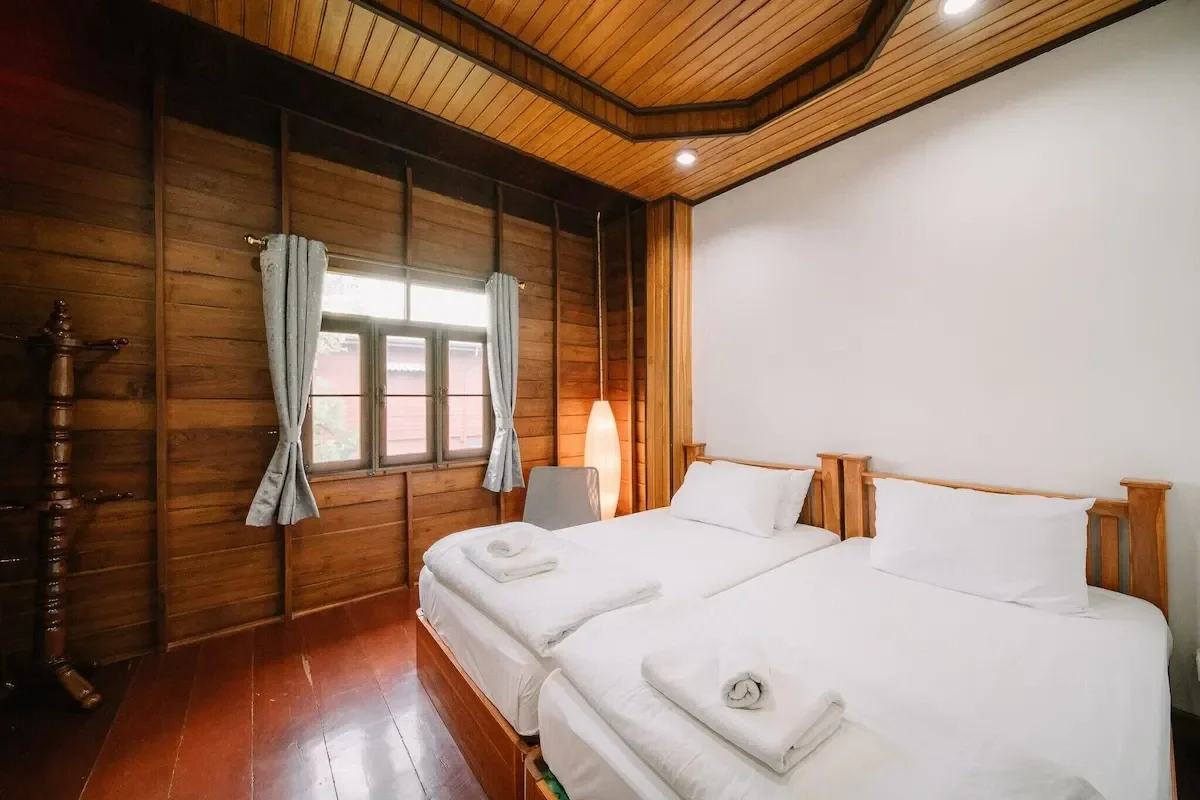
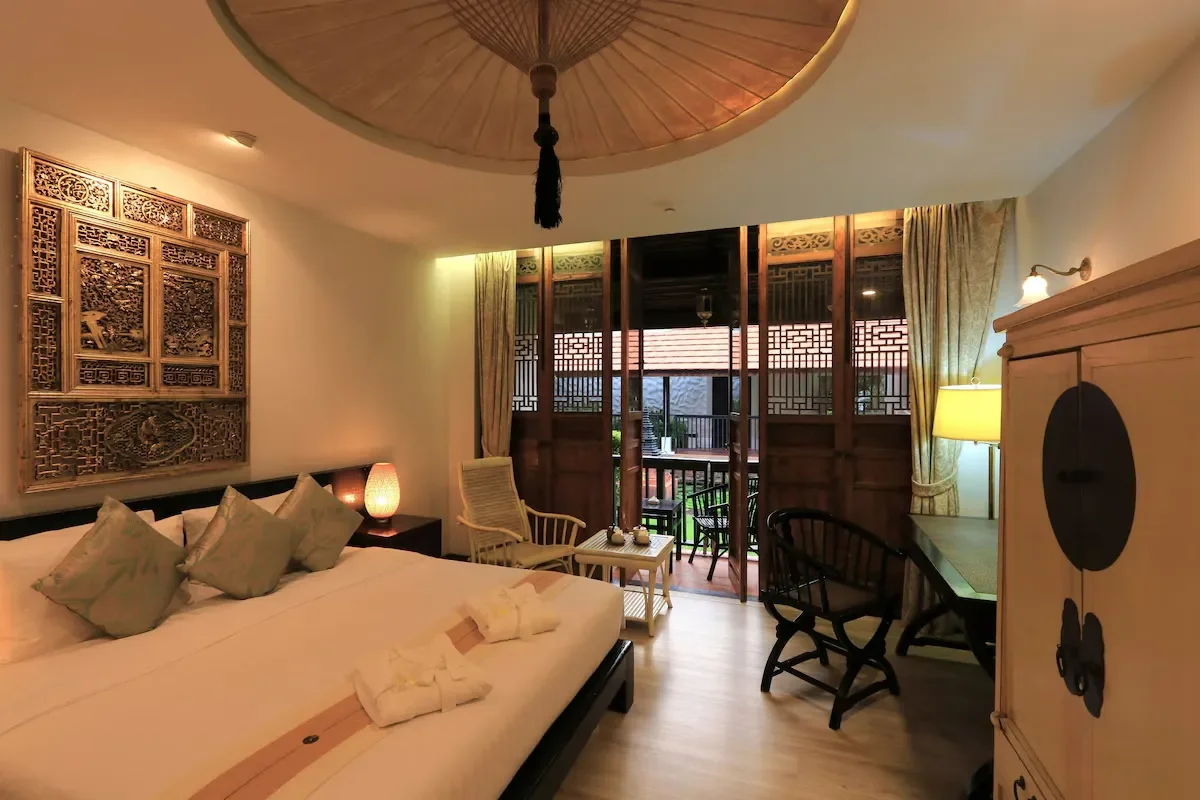
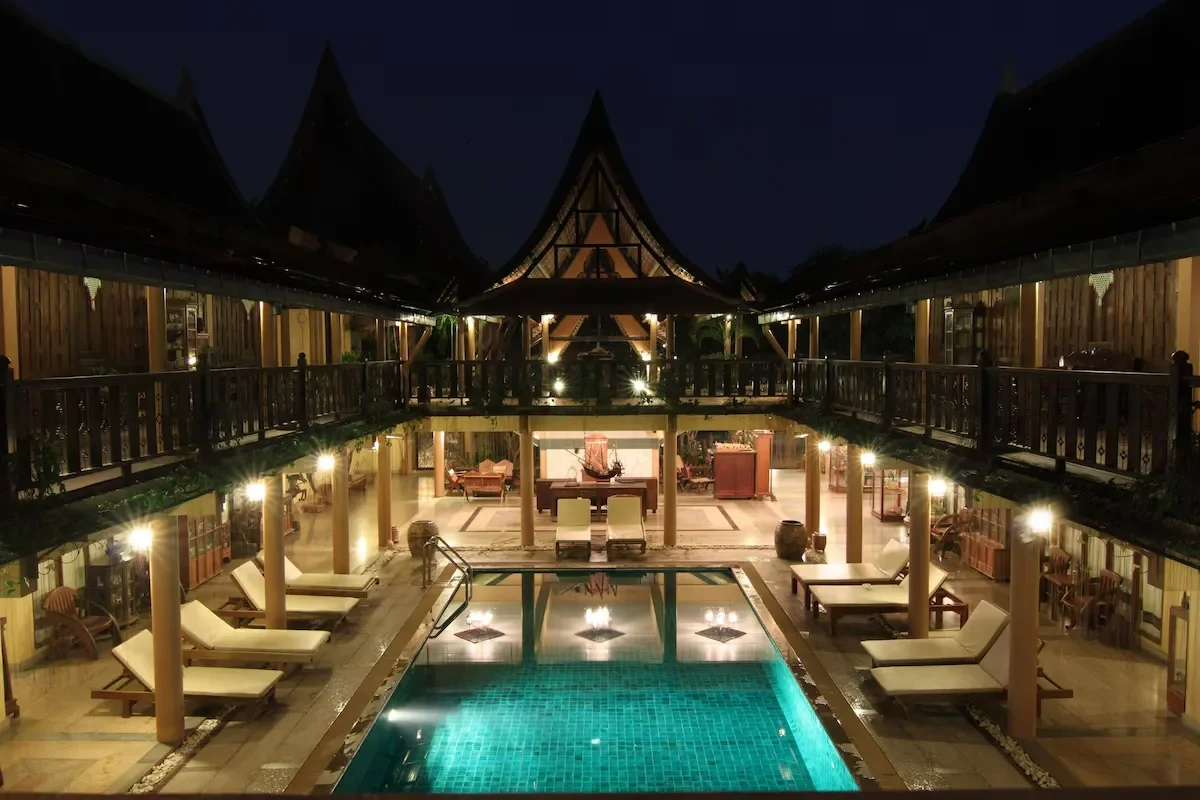
attractions tickets
All Important Things To Know About Sukhothai
What Sukhothai Is Famous For
Sukhothai is famous for being the first capital of a unified Thai kingdom and the birthplace of the modern Thai script, along with its distinctive lotus-bud chedi architectural style that went on to influence Thai Buddhist art more broadly. Its historical park offers some of the country's most significant and relative to Ayutthaya, least crowded ancient ruins, making it a favorite among travelers who want serious historical depth without the busier tour-group atmosphere found closer to Bangkok.
Food and Culture
Sukhothai's most famous culinary export is Sukhothai-style noodles (kuay teow Sukhothai), a distinct noodle soup recognizable by its slightly sweet broth and the inclusion of ground peanuts and green beans, a genuinely different flavor profile from noodle soups found elsewhere in Thailand, and worth specifically seeking out at a local restaurant in the new town.
The region's agricultural surroundings, rice fields spreading out from both the old and new towns, continue to shape local cuisine and daily life much as they did during the kingdom's historical peak, and a scooter or bicycle ride through the surrounding countryside offers a genuine sense of this continuity between historical and contemporary rural Thai life.
Culturally, Sukhothai carries real significance as a kind of national origin point in Thai historical memory, the Ramkhamhaeng inscription, associated with the development of the Thai script, remains a significant (if historically debated among some scholars) touchstone in the country's sense of its own linguistic and cultural origins.
Best Time to Visit
November through February offers the coolest, most comfortable temperatures for a day of cycling around the exposed historical park. March through May brings intense heat that makes extensive outdoor exploring considerably more difficult. June through October is the rainy season, quieter and greener, with occasional afternoon downpours that are usually brief enough not to derail a full day of sightseeing.
Practical Tips for First-Time Visitors
Sukhothai Airport, a private airport primarily served by Bangkok Airways, offers direct flights from Bangkok and Chiang Mai; alternatively, buses connect Sukhothai to both cities at a lower cost with a longer travel time.
Visit early morning or late afternoon for the most comfortable temperatures and the best light for photography, particularly at Wat Mahathat and Wat Sa Si's lakeside setting.
Rent a bicycle at the park entrance rather than relying on a car or tour bus, the flat terrain and manageable distances make this genuinely the best way to experience the site at your own pace.
Buy the zone-based entrance tickets covering the different sections of the historical park, and budget enough time to see more than just the central zone, which holds Wat Mahathat but not all of the park's significant sites.
A Day (or Two) That Actually Works
A single, well-paced day covers the central historical park well: rent a bicycle at the entrance, start at Wat Mahathat in the cooler morning hours, work through Wat Si Chum and Wat Sri Sawai, and finish at Wat Sa Si's lakeside setting as the light softens in the late afternoon. With a second day, add a trip to Si Satchanalai Historical Park for an even quieter, more remote version of the same historical experience.