
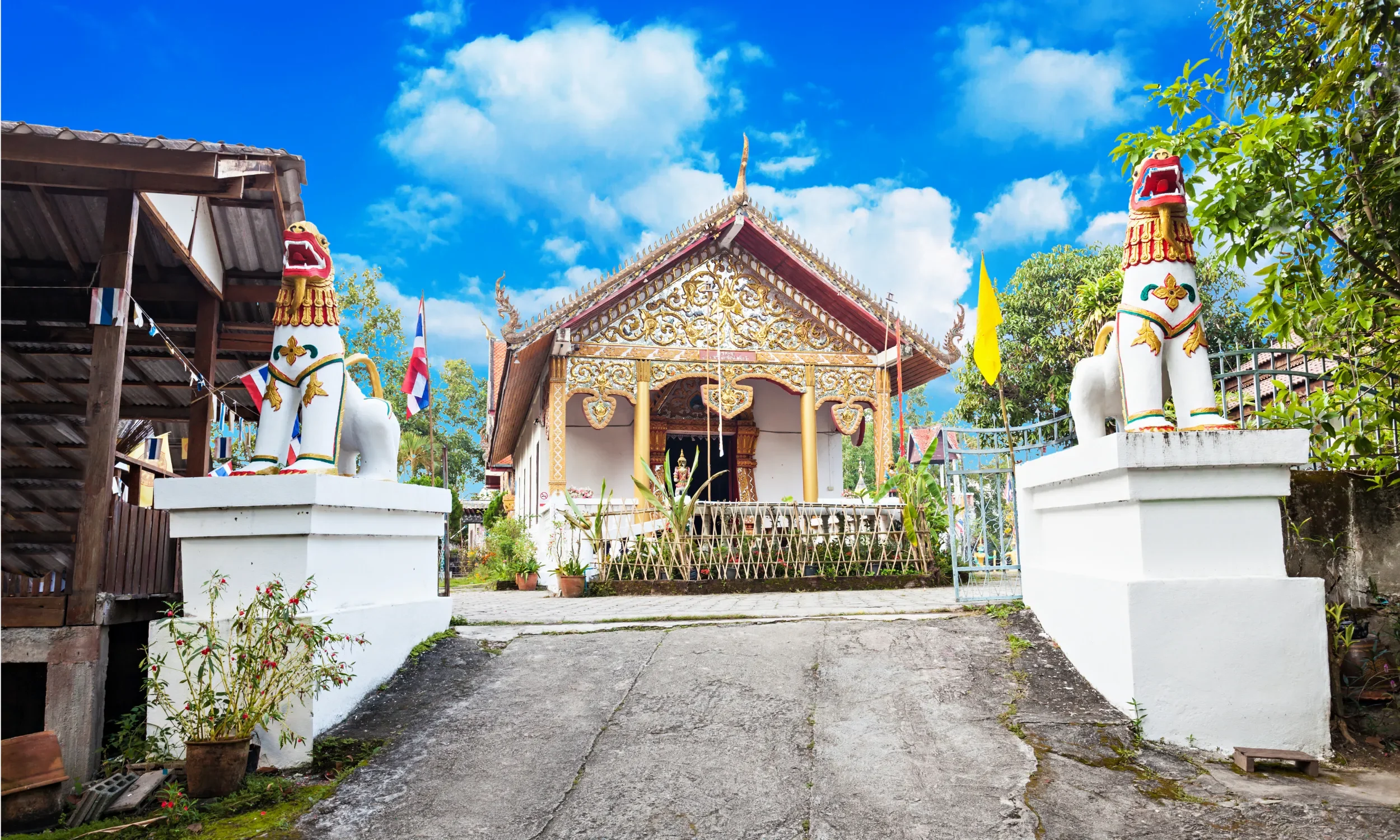
All what you need to know about Pai
pAI
The Ultimate Guide
Plan your trip to Pai





Pai: The Complete Guide to Thailand's Mountain Escape
Pai has built a devoted following among travelers almost entirely by word of mouth, a small mountain town reached via a famously winding, 762-curve road from Chiang Mai, offering waterfalls, hot springs, and a genuinely laid-back, artsy atmosphere that's kept people extending their "one night" stays into a week for years. This guide covers everything you need to plan a visit to one of northern Thailand's most quietly beloved towns.
Understanding Pai
Pai sits in a mountain valley in Thailand's Mae Hong Son Province, close to the Myanmar border, roughly a three-to-four-hour drive from Chiang Mai along a road famous (or notorious, depending on your tolerance for hairpin turns) for its constant switchbacks through forested mountains. That journey itself has become part of Pai's identity, a genuine barrier to entry that's helped the town retain a slower, more insulated character than more easily accessible destinations.
The town itself is small and walkable, centered around a compact grid of guesthouses, cafés, and a night market, with the surrounding valley holding most of the area's natural attractions.
things to discover In pai
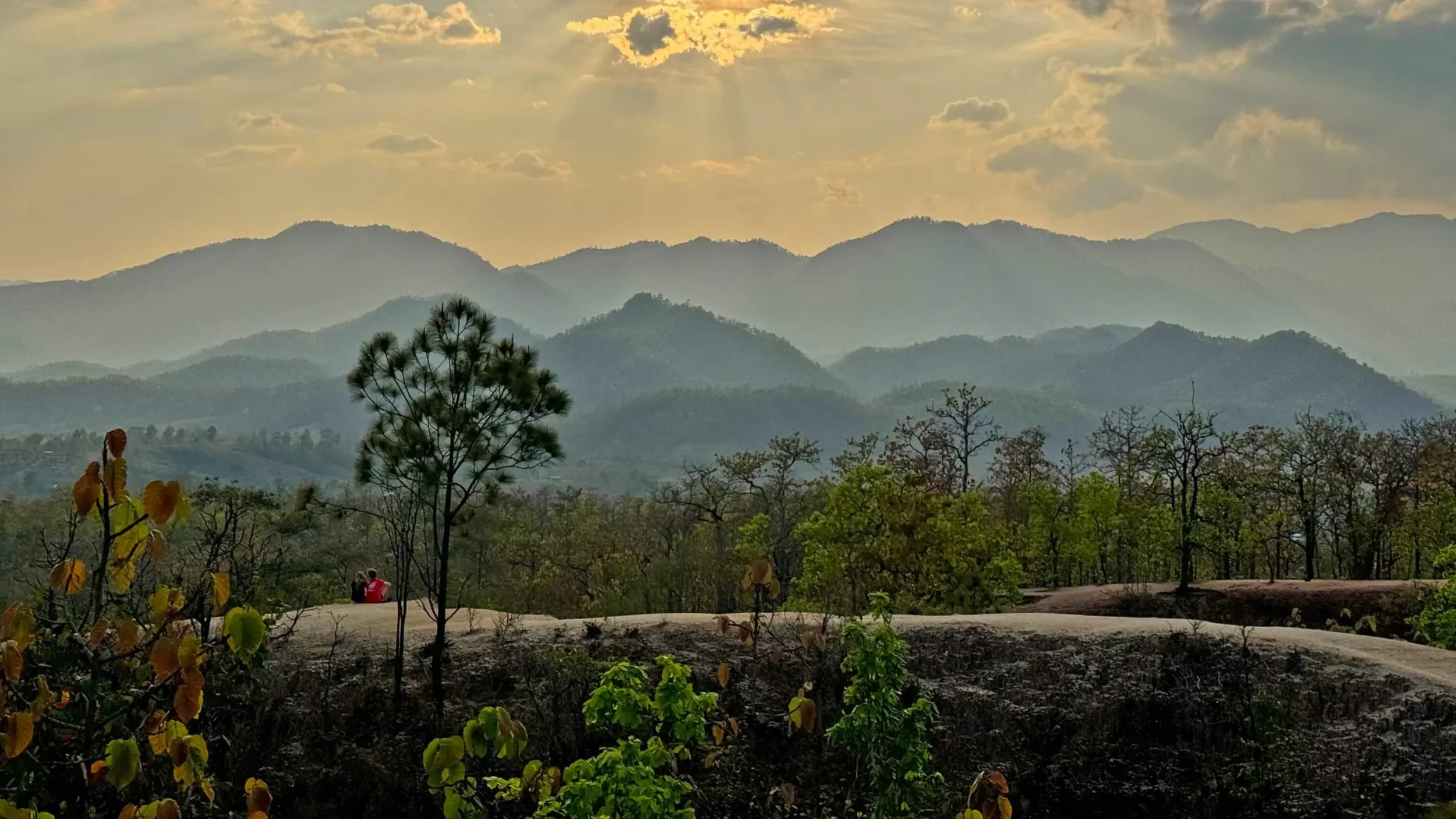
Pai Canyon
The Land Split
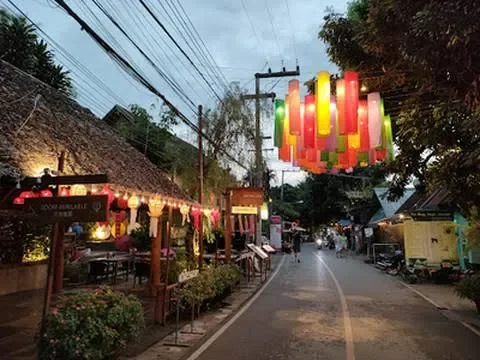
Pai Walking Street

Pai Hot Springs
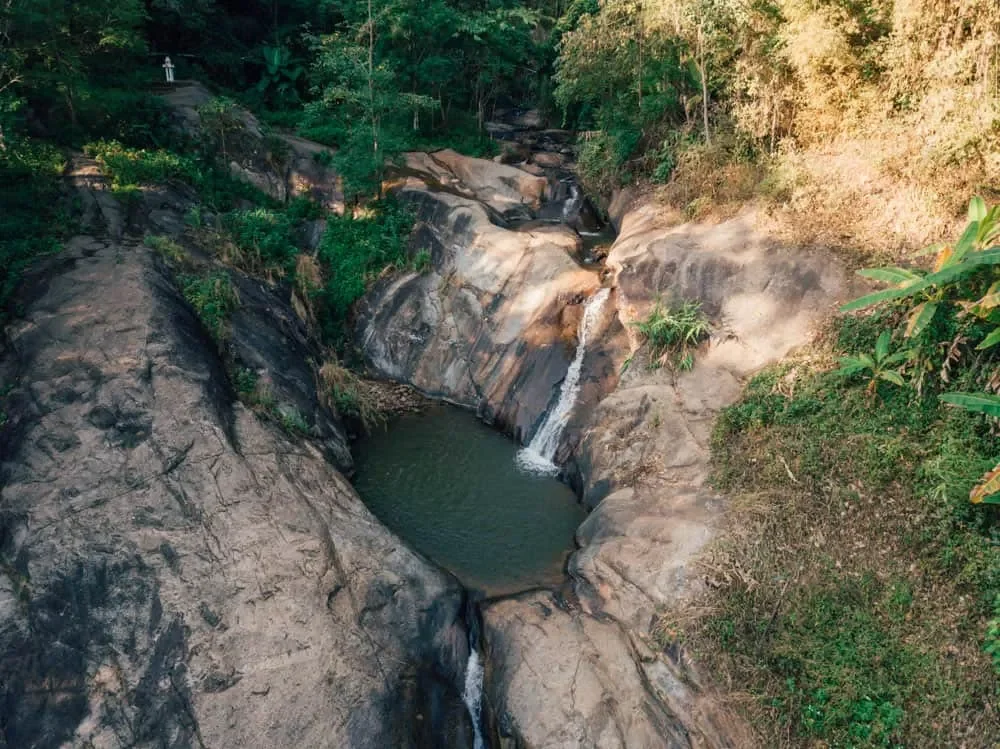
Mo Paeng Waterfall
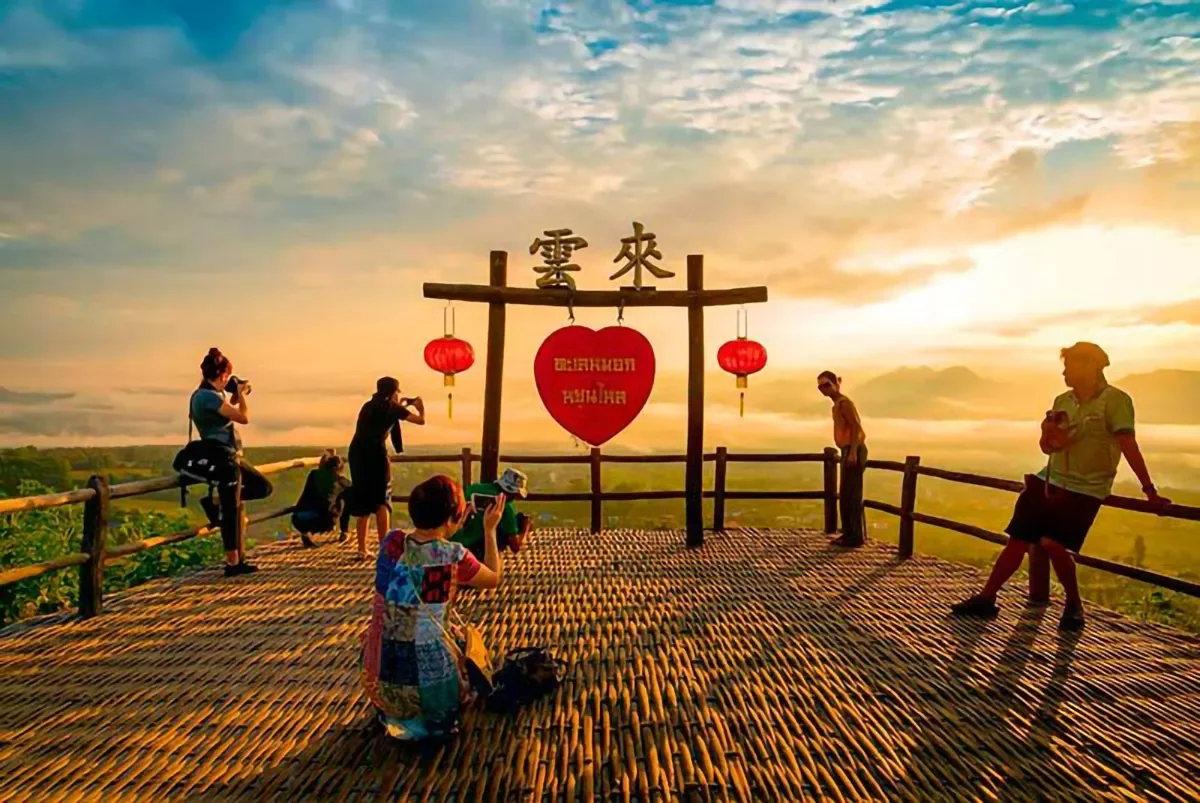
Yun Lai Viewpoint
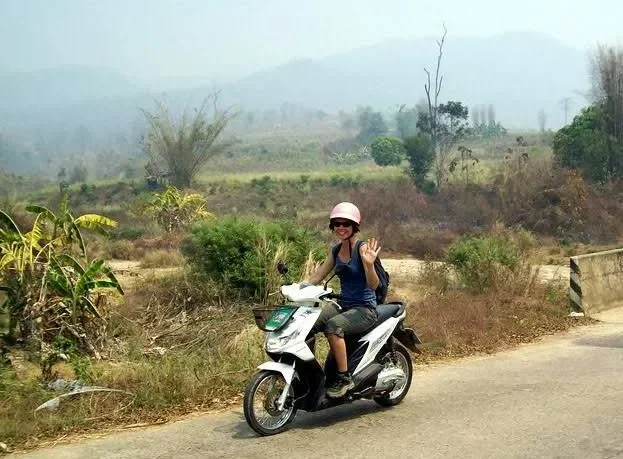
Renting a scooter
our monthly Hotels pics
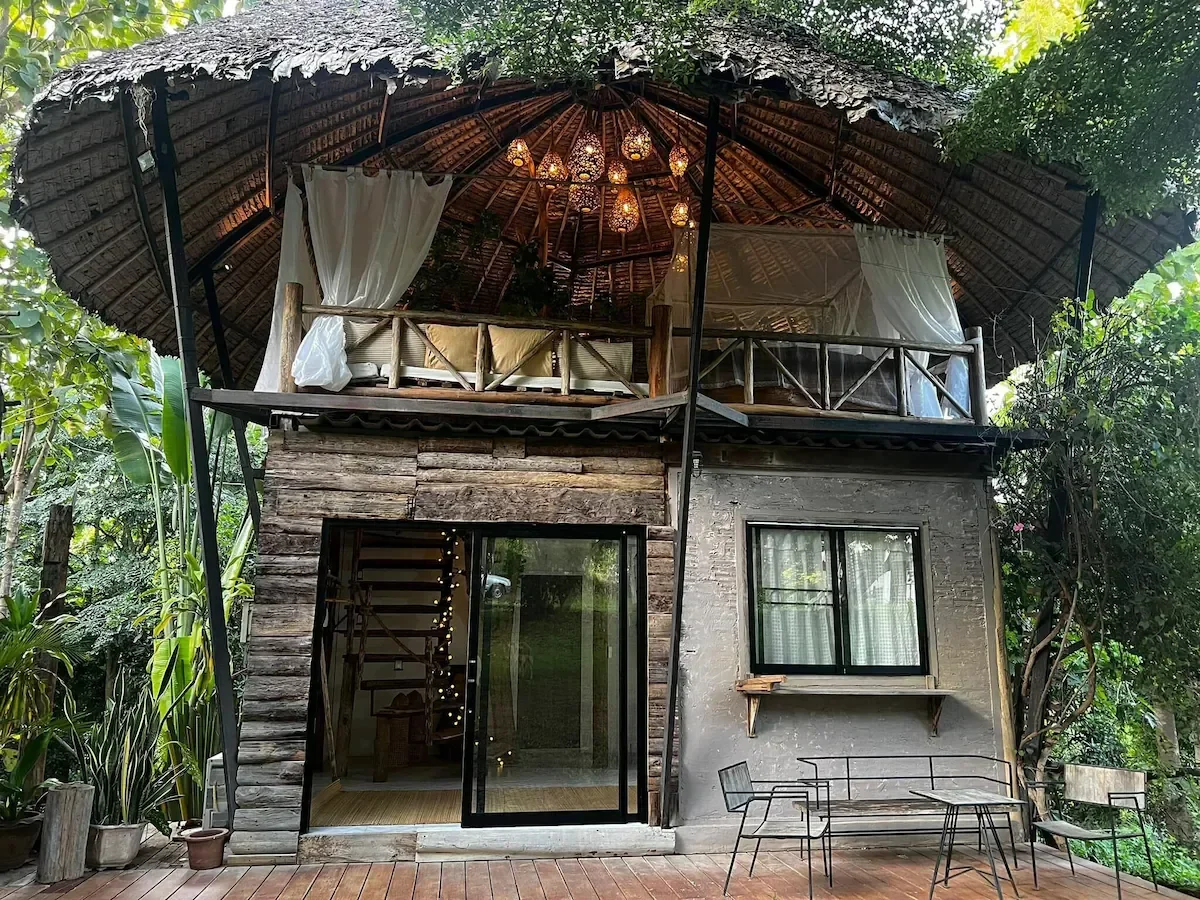
Accommodations under 80$\Night
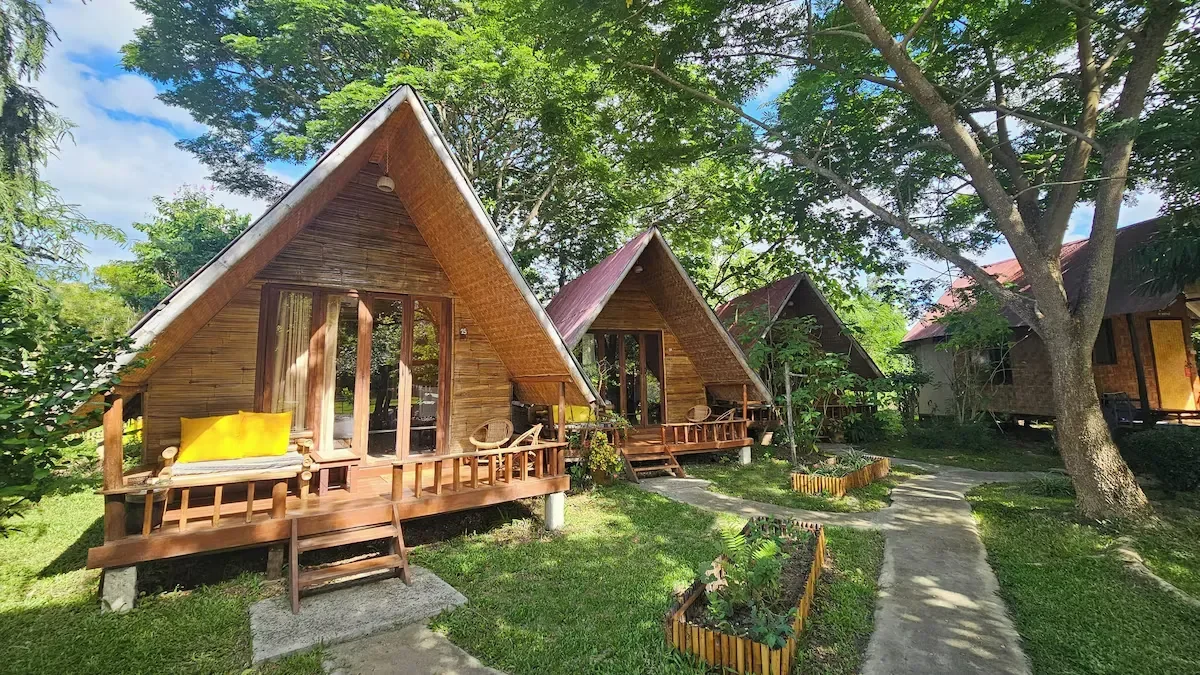
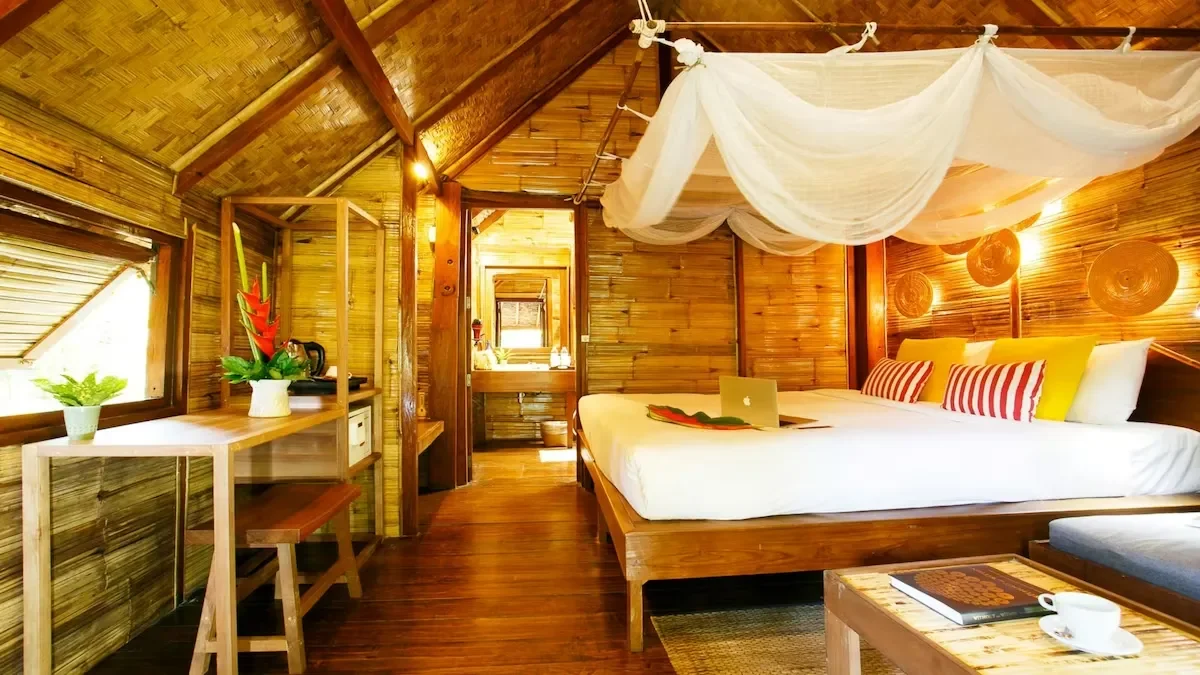
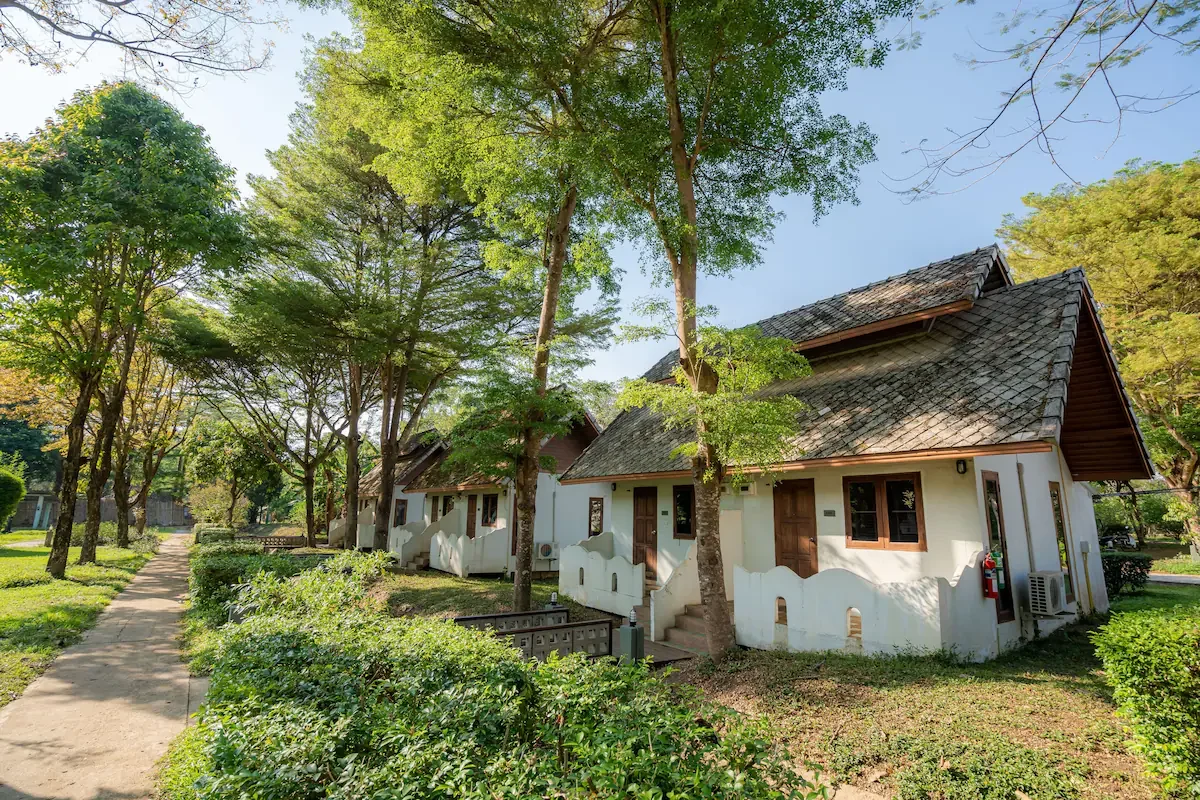
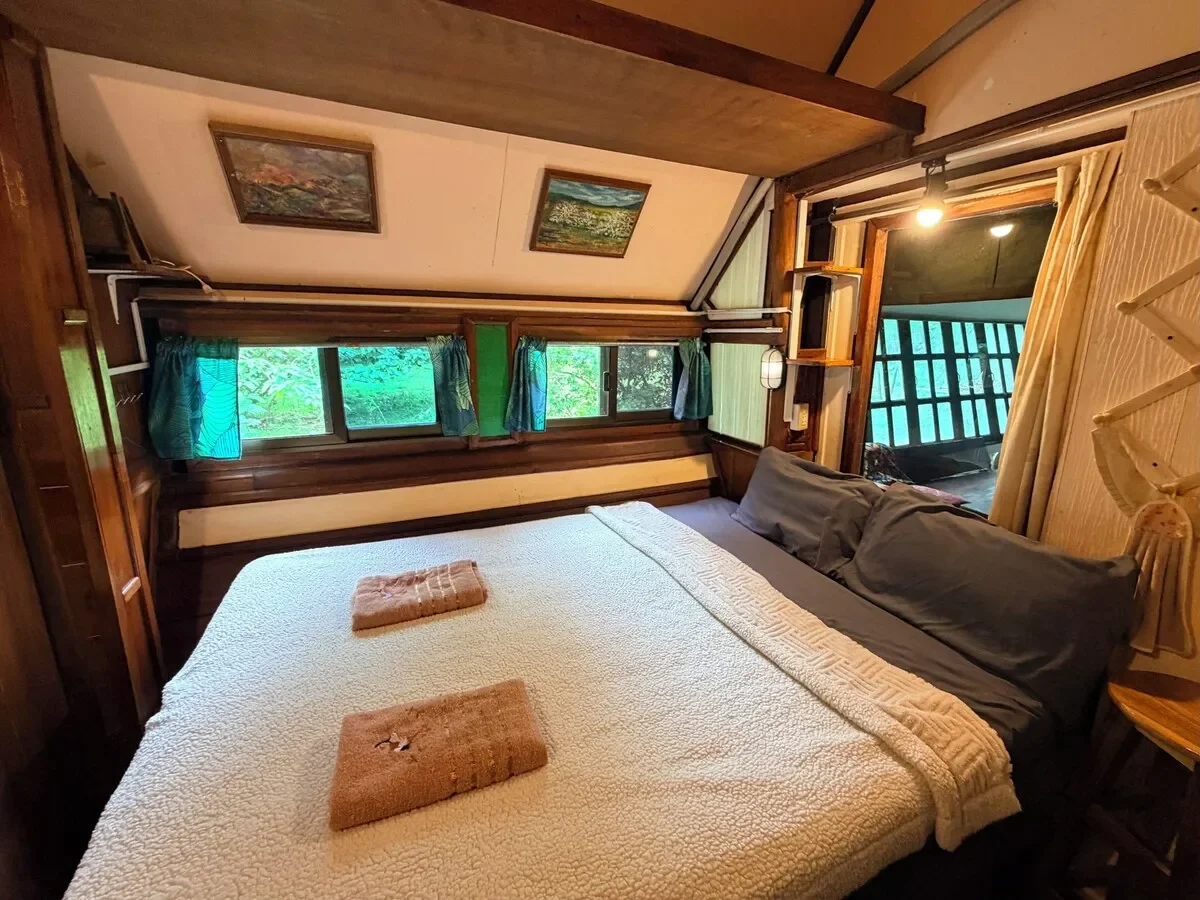
attractions tickets
All Important Things To Know About pai
What Pai Is Famous For
Pai is famous for its laid-back, bohemian atmosphere, its dramatic mountain road from Chiang Mai, and a cluster of natural attractions, waterfalls, hot springs, canyons, and viewpoints, packed into a small, walkable valley. It's become something of a rite of passage for backpackers traveling through northern Thailand, known as much for the relaxed pace of daily life here as for any single specific attraction.
Food and Culture
Pai's food scene reflects both its northern Thai roots and its large population of long-term travelers and expats, resulting in a genuinely eclectic mix, traditional northern dishes like khao soi sit alongside a surprisingly strong range of international cafés, vegetarian and vegan restaurants, and Western-style breakfast spots that have grown up around the town's backpacker economy.
The surrounding area's Yunnanese Chinese communities, descendants of Kuomintang soldiers who settled in the hills after fleeing mainland China in the mid-20th century, have also influenced local food culture, Yunnanese-style dishes and tea are available in nearby hill villages like Santichon, worth a stop if you're exploring the valley by scooter.
Culturally, Pai carries a distinctly relaxed, slow-paced atmosphere shaped by decades of backpacker and long-term traveler influence layered onto its traditional northern Thai and hill-tribe roots, a genuine hybrid identity that's part of what makes the town feel different from more purely traditional or purely touristic destinations elsewhere in the region.
Best Time to Visit
November through February offers the coolest, most comfortable weather, along with the clearest mountain views, also the peak season, so expect more visitors and higher accommodation prices. March through April can bring burning-season haze affecting visibility and air quality. May through October is the rainy season, quieter and greener, with waterfalls at their fullest, though the mountain road can feel more precarious during heavy rain.
Practical Tips for First-Time Visitors
Getting to Pai typically means a minivan or private transfer from Chiang Mai (around three to four hours along the winding mountain road), or a short flight to Pai's small local airport when seasonal service is operating.
Consider motion sickness precautions for the drive, the road's constant curves genuinely do affect some travelers, and taking medication in advance or choosing a front seat can help considerably.
Rent a scooter if you're comfortable doing so, Pai's attractions are spread across the surrounding valley, and a scooter offers far more flexibility than relying on tours or taxis for every stop.
Bring layers for cooler evenings, particularly in the winter months, when Pai's mountain elevation brings noticeably cooler nighttime temperatures than Thailand's lowland regions.
A Few Days That Actually Work
Two to three days suits most visitors, though it's genuinely common for people to extend their stay once they arrive. Day one: settle in, rent a scooter, and explore Pai Canyon for sunset. Day two: a full day touring the valley's waterfalls, hot springs, and viewpoints, finishing at the night market. Day three, if you have it: a slower day exploring Santichon village and the surrounding countryside, or simply relaxing at a riverside café, very much in keeping with Pai's overall pace.