

All what you need to know about Chiang Mai
cHIANG MAI
The Ultimate Guide
Plan your trip to Chiang Mai





Chiang Mai: The Complete Guide to Thailand's Northern Capital
Chiang Mai moves at a different pace than Bangkok, and that's precisely the point for most visitors who make their way north. This is a city of walled old-town temples, a genuinely strong arts and crafts tradition, and easy access to jungle-covered mountains, all wrapped in a noticeably slower, more laid-back atmosphere than the capital. This guide covers everything you need to plan a visit to Thailand's cultural heart of the north.
Understanding Chiang Mai
Chiang Mai served as the capital of the independent Lanna Kingdom for centuries before being absorbed into what's now Thailand, and that distinct northern Lanna heritage, its own dialect, cuisine, and architectural style, still shapes the city's identity today, separate in real ways from central Thai culture further south.
The Old City, a square area bounded by a partially preserved moat and city walls, holds the highest concentration of historic temples and forms the natural core for most visitors, while the surrounding modern city spreads outward with its own neighborhoods, markets, and a significant digital nomad and expat community.
things to discover In Chiang mai
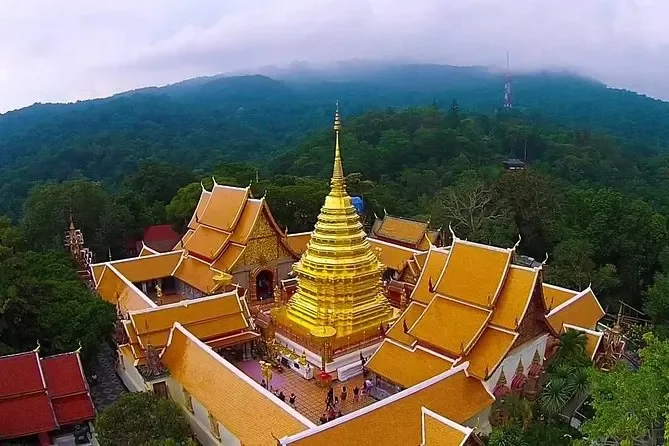
Wat Phra That Doi Suthep

ethical elephant sanctuary

Doi Inthanon National Park

day trip to Toledo
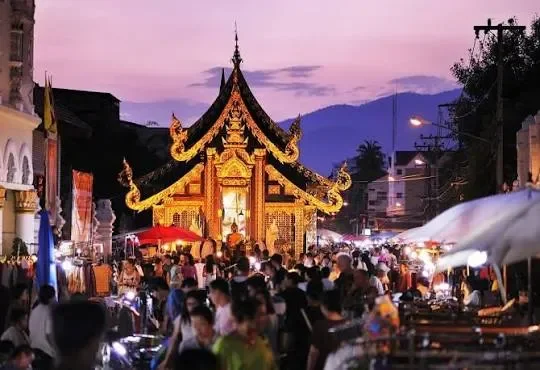
Sunday Walking Street
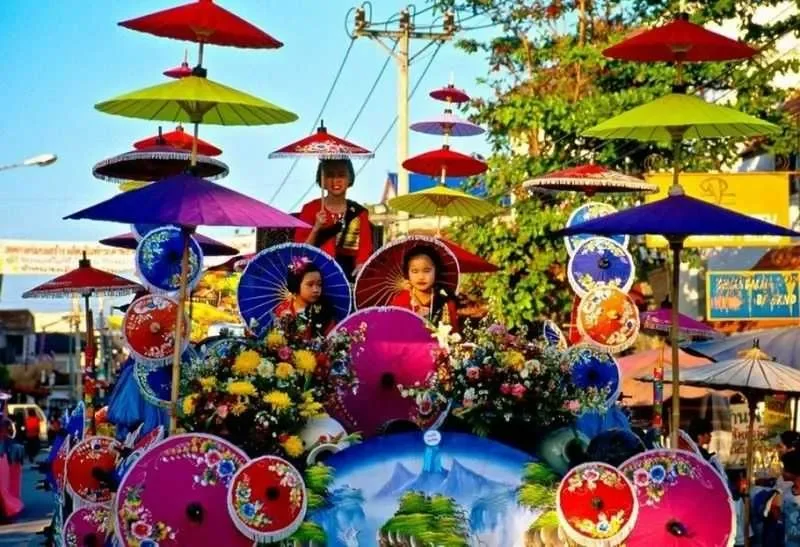
Bo Sang Umbrella Village
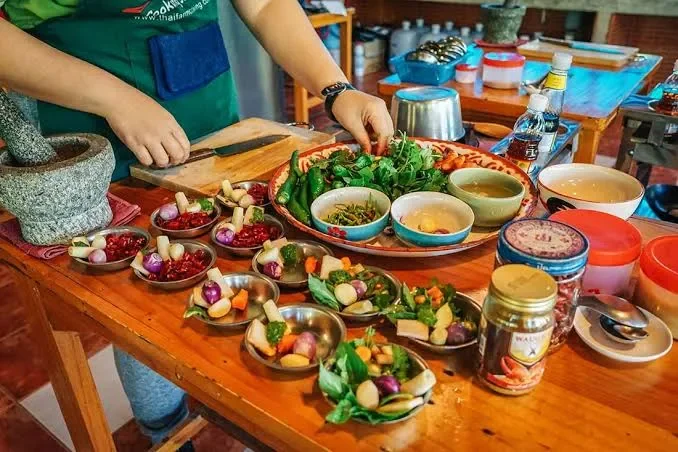
A Thai cooking class
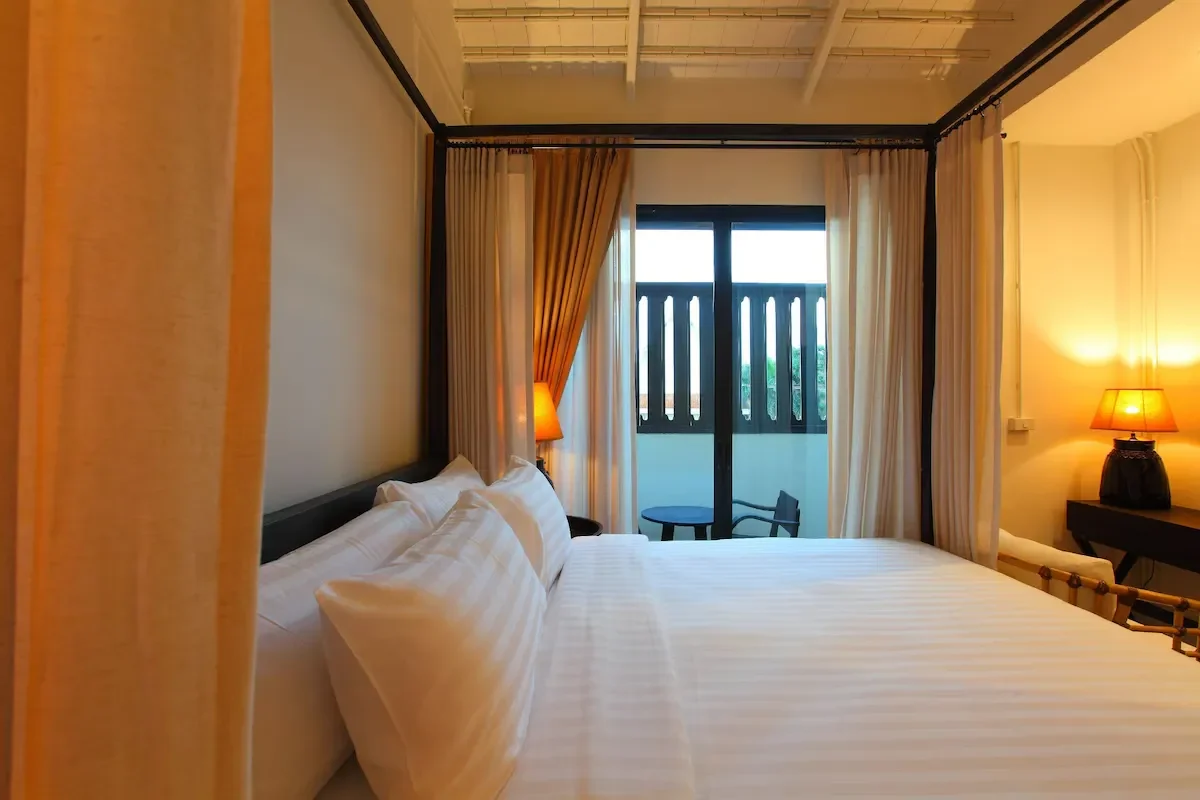
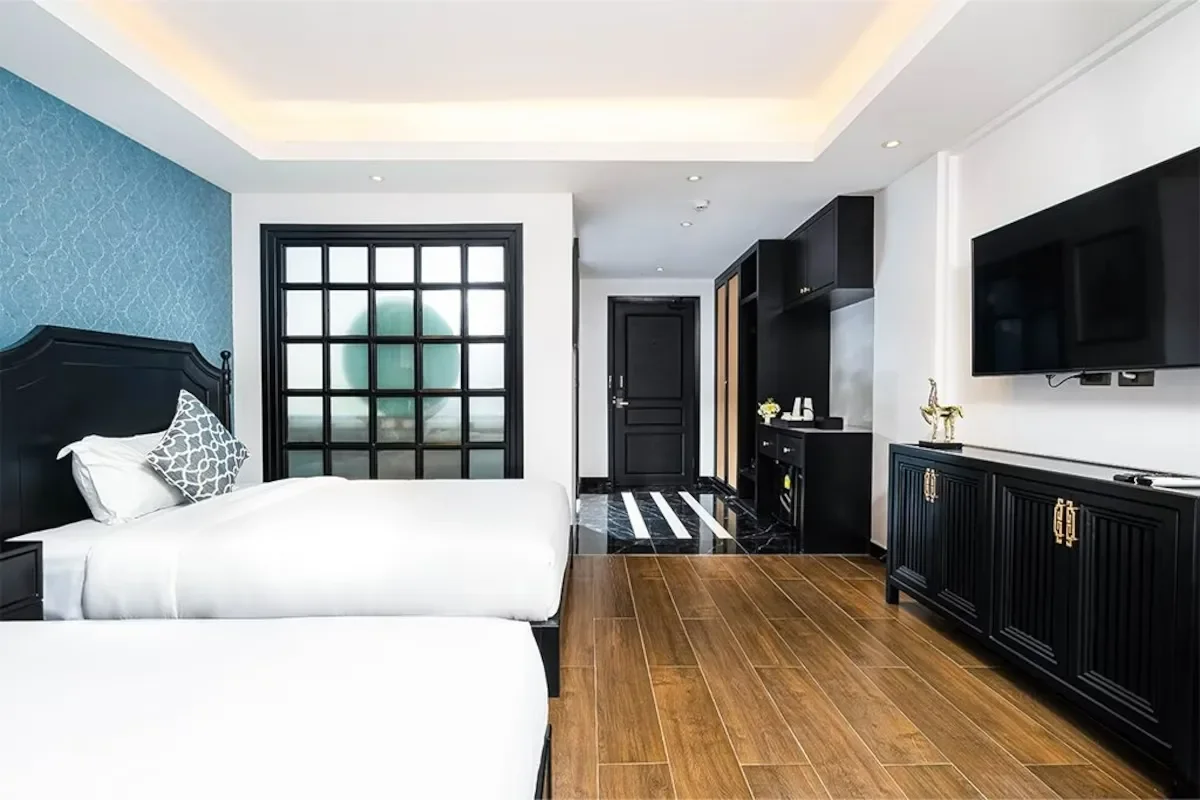
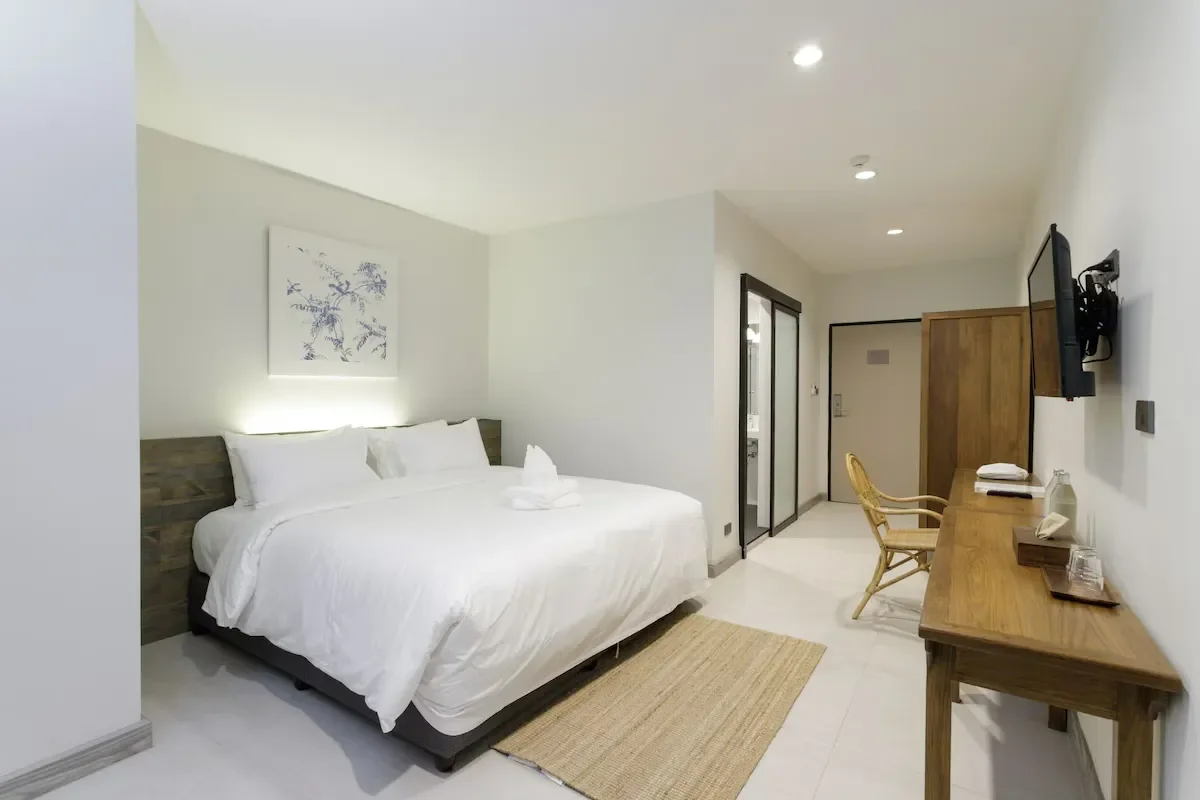
our monthly Hotels pics
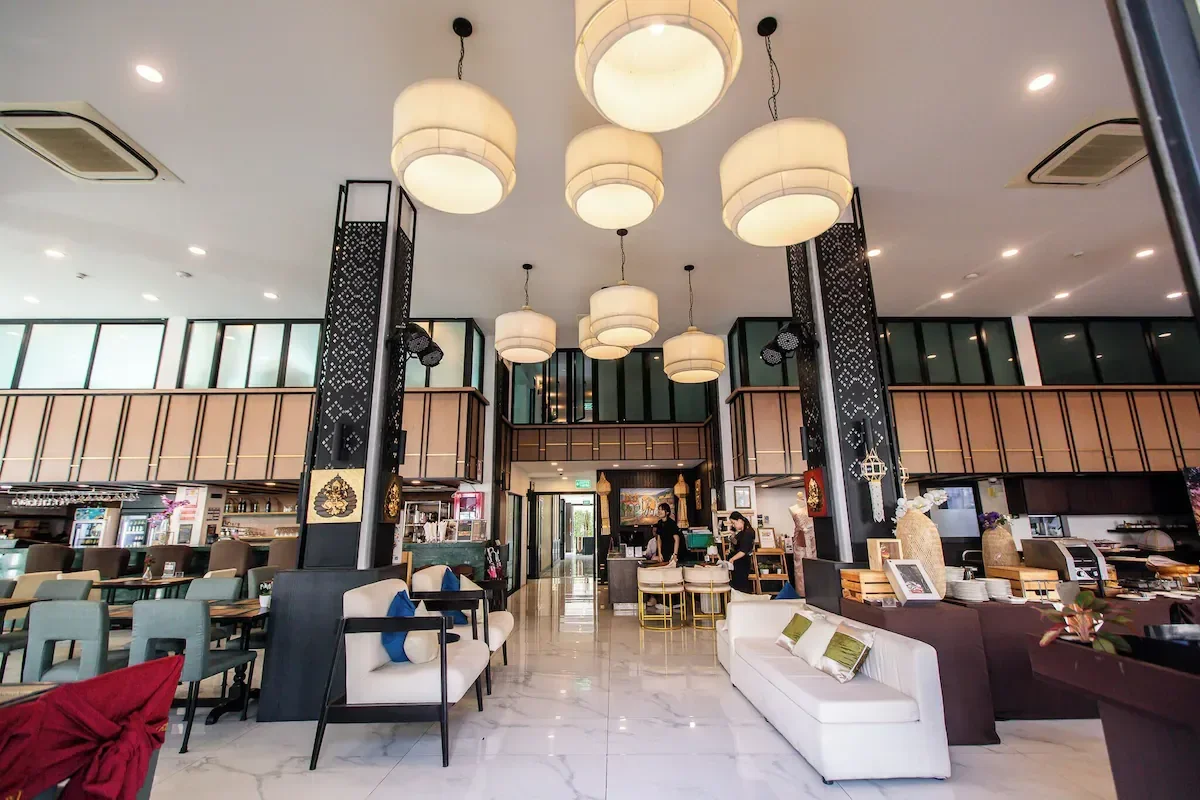
Accommodations under 80$\Night
attractions tickets
All Important Things To Know About Chiang mai
What Chiang Mai Is Famous For
Chiang Mai is famous for its dense concentration of historic Lanna-era temples, its position as a gateway to northern Thailand's mountains and hill-tribe communities, and its strong arts, crafts, and cooking-class culture. It's also known for its more relaxed, slower pace relative to Bangkok, its large digital nomad community, and depending on the season, its Yi Peng and Loy Krathong lantern festivals, among the most visually spectacular celebrations in the country.
Food and Culture
Northern Thai (Lanna) cuisine differs meaningfully from the central and southern styles most visitors know from Bangkok or the islands. Khao Soi, a rich, coconut curry noodle soup topped with crispy fried noodles, reflects Burmese and Yunnan Chinese influence and is the dish most associated with the city. Sai Ua, a herb-packed grilled sausage, and nam prik noom, a roasted green chili dip served with vegetables and sticky rice, both showcase the milder, more herbal flavor profile typical of northern cooking compared to the fierier dishes further south or northeast.
Sticky rice, rather than jasmine rice, is the staple grain here, eaten by hand and used to scoop up curries and dips, a distinctly northern and northeastern Thai custom.
Culturally, Chiang Mai carries a strong sense of Lanna identity distinct from central Thai culture, its own historic script, dialect, and architectural style remain visible and celebrated, and locals often draw a clear, proud distinction between "being from the north" and simply being Thai more broadly.
Best Time to Visit
November through February offers the most comfortable, cooler weather and coincides with the spectacular Yi Peng and Loy Krathong lantern festivals in November, arguably the single best time to visit if the timing aligns. March through May brings both heat and, in many years, burning-season haze. June through October is the rainy season, quieter and greener, with lush waterfalls and lower prices, though outdoor plans may need more flexibility around afternoon downpours.
Practical Tips for First-Time Visitors
Chiang Mai International Airport is a short distance from the Old City, with taxis, ride-hailing apps, and hotel transfers all readily available.
Visit during burning season with caution, from roughly February through April, agricultural burning in the surrounding region can cause significant air pollution; if air quality is a concern, check conditions before booking a visit during these months.
Rent a scooter or hire a driver for temples outside the Old City, Doi Suthep and other outlying sights aren't easily reached on foot, and a scooter offers flexibility for travelers comfortable navigating Thai traffic, while a hired driver is a safer option for those who aren't.
Book elephant sanctuary visits with ethical operators, research reviews specifically regarding animal welfare practices before booking, since standards vary considerably between operators.
A Few Days That Actually Work
Three to four days suits most visitors well. Day one: Old City temples, including Wat Chedi Luang, finishing at Sunday Walking Street if the timing aligns. Day two: Doi Suthep in the morning, Nimman's cafés and shops in the afternoon. Day three: an ethical elephant sanctuary or a Thai cooking class. Day four, if you have it: Doi Inthanon National Park or a hill-tribe trek into the surrounding mountains.