
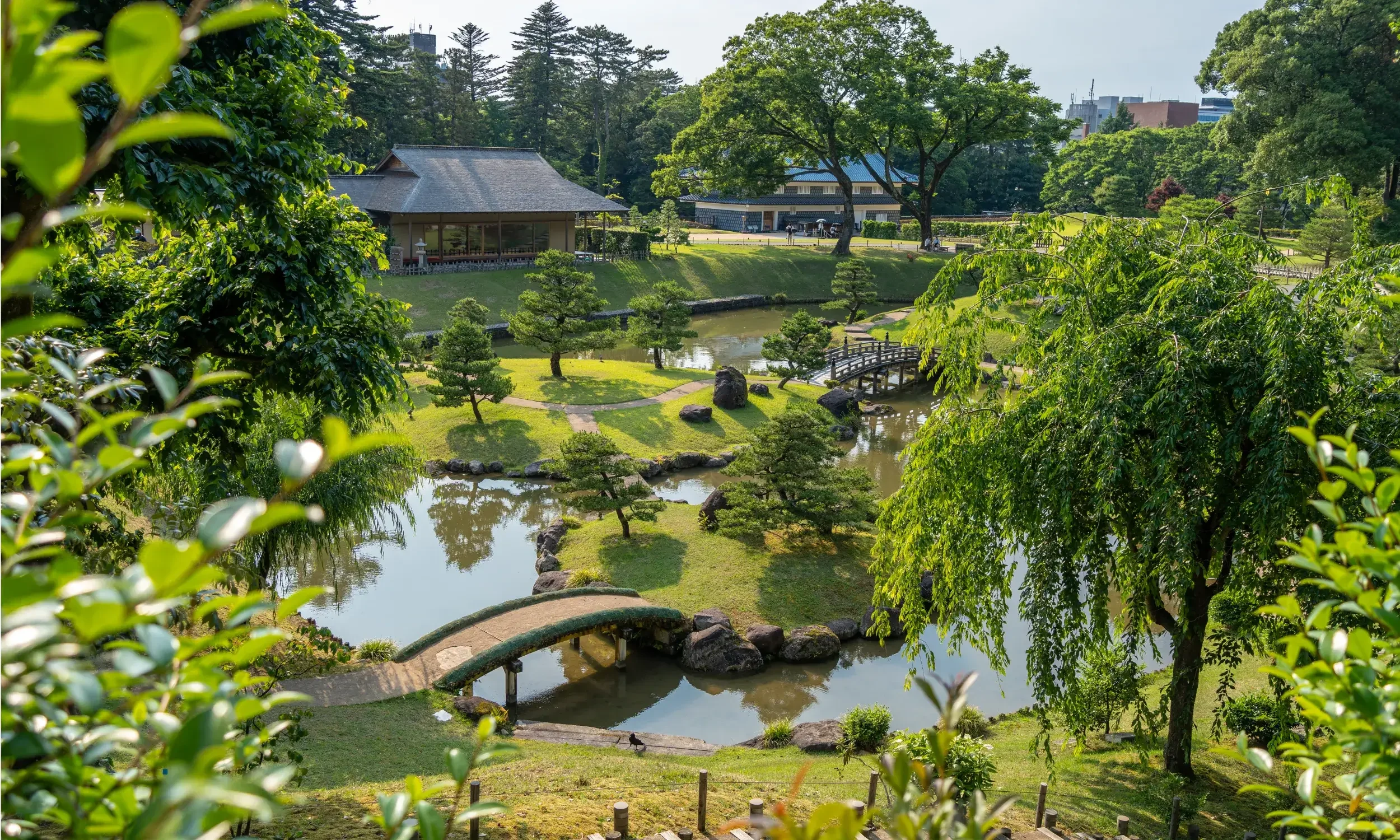
All what you need to know about Kanazawa
kANAZAWA
The Ultimate Guide
Plan your trip to Kanazawa





Kanazawa: The Complete Guide to Japan's Best-Preserved Edo City
Kanazawa escaped the bombing that reshaped so much of Japan during WWII, and the result is a city that still holds one of the country's best-preserved feudal-era districts, a garden regularly ranked among Japan's three most beautiful, and a centuries-old gold-leaf craft tradition still practiced by hand today. This guide covers everything you need to plan a visit to one of Japan's most rewarding and still relatively under-visited cities.
Understanding Kanazawa
Kanazawa sits on the Sea of Japan coast, in the Hokuriku region, and flourished for centuries as the wealthy castle town of the Maeda clan, one of feudal Japan's most powerful and culturally sophisticated ruling families. That historical wealth funded an extraordinary concentration of traditional arts and crafts, gold leaf, lacquerware, ceramics, and silk dyeing among them, many of which remain actively practiced in the city today, not merely preserved as museum displays.
The city's historic districts, remarkably intact given how much of urban Japan was rebuilt after WWII, give Kanazawa a genuinely different atmosphere from more modern Japanese cities, closer in feel to Kyoto but with noticeably fewer crowds.
things to discover In Kanazawa
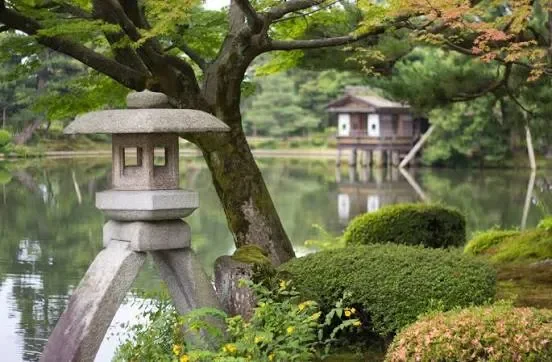
Kenroku-en Garden

Gold leaf experiences
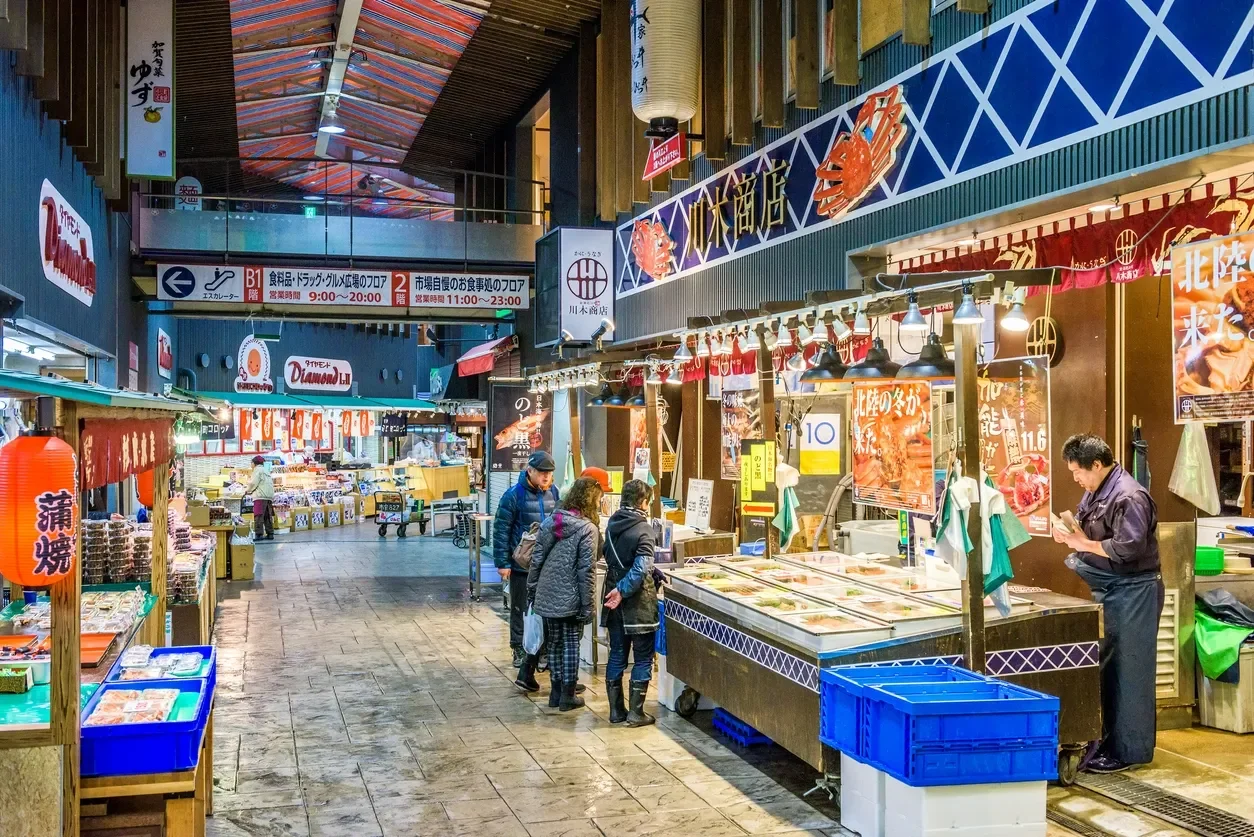
Omicho Market
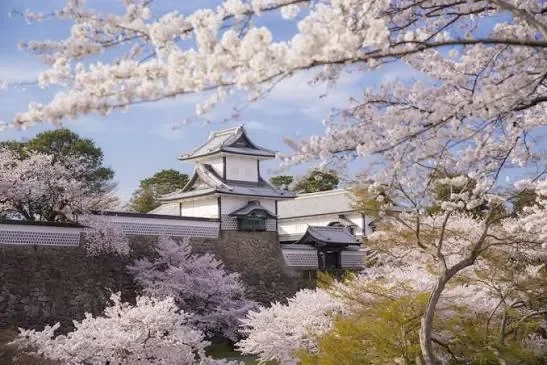
Kanazawa Castle Park
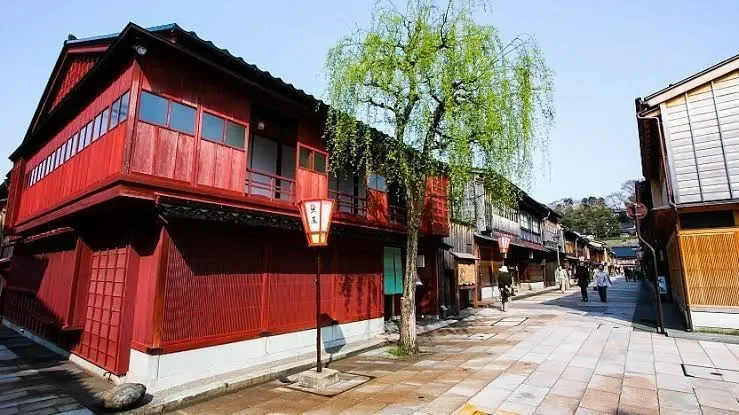
Higashi Chaya District
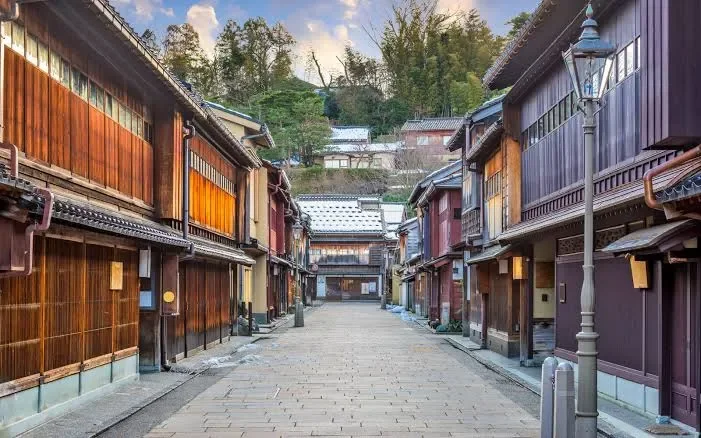
Nagamachi Samurai

21st Century Museum
our monthly Hotels pics
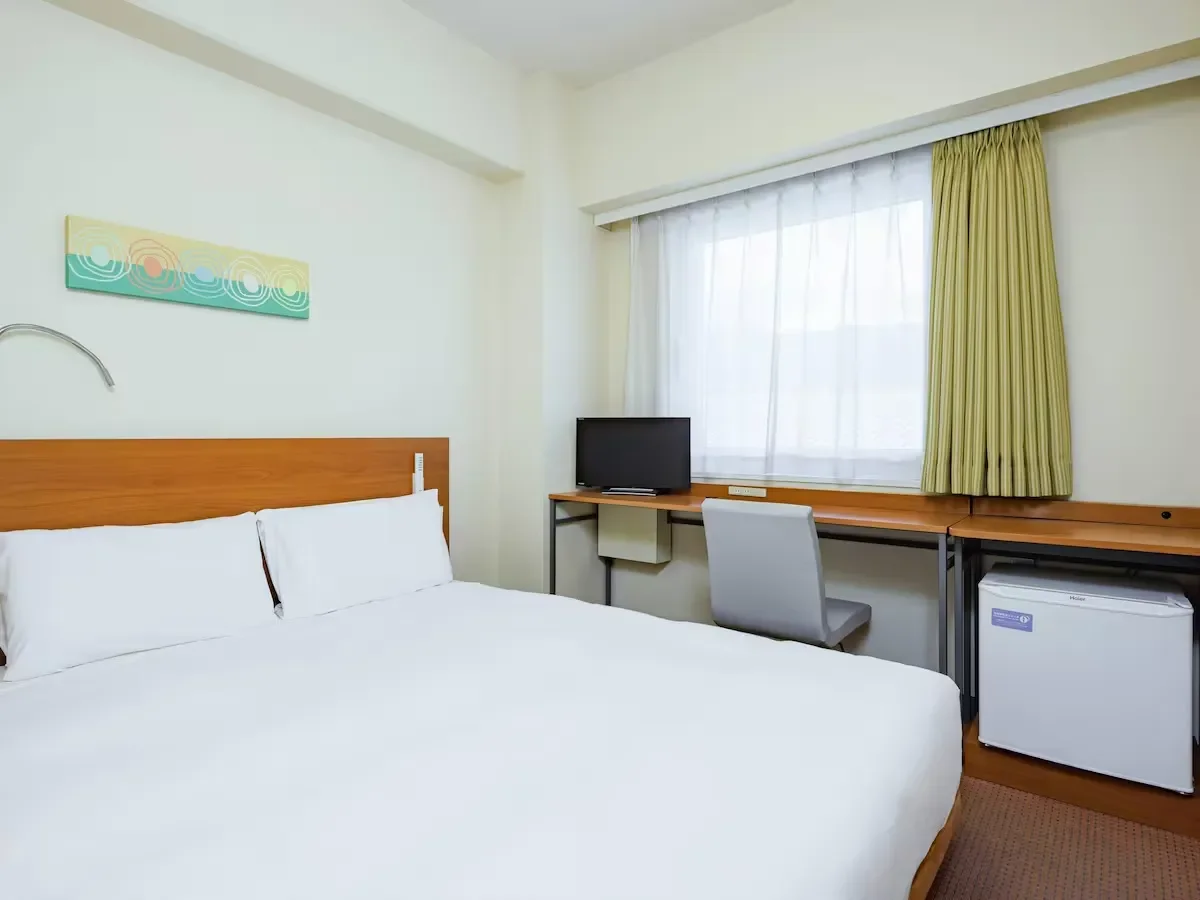
Accommodations under 80$\Night

attractions tickets
What Kanazawa Is Famous For
Kanazawa is famous for Kenroku-en, one of Japan's three most celebrated gardens, and for its remarkably well-preserved Edo-era geisha and samurai districts. It's also known as the center of Japan's gold leaf production, and increasingly recognized internationally as one of the country's best "second-tier" cultural destinations for travelers seeking Kyoto-level historic atmosphere with considerably fewer crowds.
Food and Culture
Kanazawa's coastal position on the Sea of Japan gives it access to exceptional seafood, and the city's food culture reflects both this abundance and its historical wealth as a feudal capital. Kaiten sushi here is considered a genuine cut above much of the rest of the country, given the quality of locally sourced fish, and Omicho Market's crab and seafood bowls represent some of the best value seafood dining in Japan.
Kanazawa curry, a distinctly thick, dark, intensely flavored curry served with shredded cabbage, differs noticeably from curry found elsewhere in Japan and has developed a genuine local following and identity of its own.
Culturally, Kanazawa's deep connection to traditional crafts, gold leaf, Kutani ceramics, Kaga silk dyeing, reflects centuries of patronage from the wealthy Maeda clan, who deliberately cultivated arts and culture in the city as both genuine appreciation and a strategic way to avoid appearing militarily threatening to the ruling shogunate in Edo (Tokyo), a fascinating historical footnote that shaped the city's entire cultural identity.
Best Time to Visit
Spring (April) and autumn (October–November) offer the most comfortable weather for exploring Kenroku-en and the historic districts. Summer is warm and humid, typical of much of Japan. Winter, while cold and often snowy given Kanazawa's Sea of Japan coastal position, offers a genuinely unique opportunity to see Kenroku-en's yukitsuri rope supports in active use, protecting the garden's trees from snow, a distinctly seasonal, photogenic experience.
All Important Things To Know About Kanazawa
Practical Tips for First-Time Visitors
Kanazawa is directly connected to Tokyo via Shinkansen, a journey of about two and a half hours since the line's extension in 2015, which significantly boosted the city's accessibility and profile for international visitors.
Visit Kenroku-en early morning, for the quietest experience, the garden opens early and is noticeably less crowded before mid-morning tour groups arrive.
Try the gold-leaf ice cream at least once, it's touristy, yes, but also a genuinely fun, only-in-Kanazawa experience worth the novelty.
Combine with Takayama or Shirakawa-go if traveling through the wider Hokuriku/Chubu region, Kanazawa pairs naturally with both destinations for travelers building a broader central Japan itinerary beyond the standard Tokyo-Kyoto-Osaka route.
A Few Days That Actually Work
Two to three days suits most visitors well. Day one: Kenroku-en and Kanazawa Castle Park, followed by the 21st Century Museum. Day two: Higashi Chaya District, a gold leaf workshop experience, and Omicho Market for lunch. Day three, if you have it: Nagamachi Samurai District, or a day trip to Shirakawa-go if not already covering it from Takayama.