
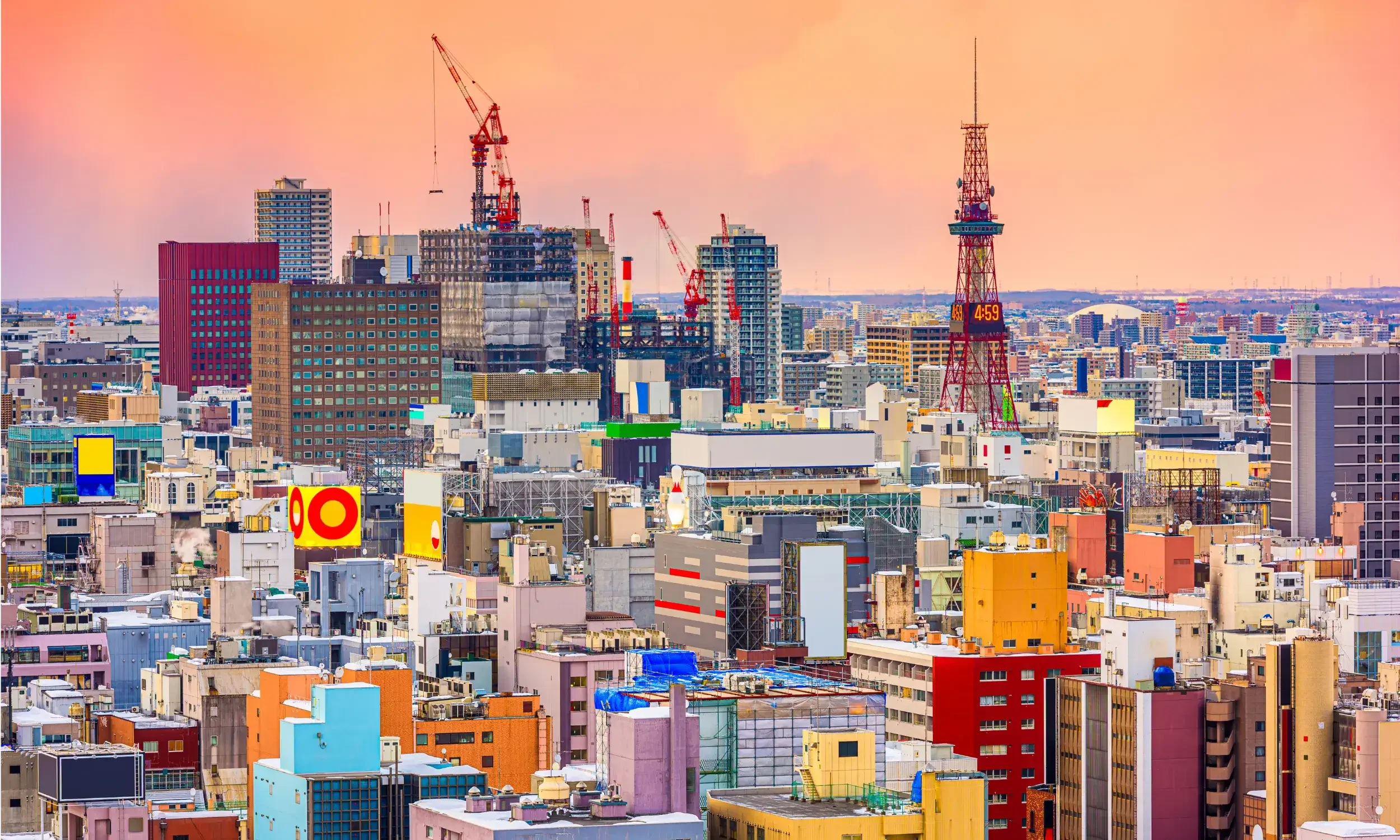
All what you need to know about Sapporo
SAPPORO
The Ultimate Guide
Plan your trip to Sapporo





Sapporo: The Complete Guide to Japan's Northern Capital
Sapporo runs on a completely different seasonal rhythm than the rest of Japan, genuine snow-country winters, a beer-and-ramen culture built for cold weather, and a laid-back, spacious feel that reflects Hokkaido's relatively recent, frontier-era development compared to the rest of the country. This guide covers everything you need to plan a visit to Japan's fifth-largest city and gateway to the northern island of Hokkaido.
Understanding Sapporo
Sapporo sits on Hokkaido, Japan's northernmost main island, and its relatively young history (the city was formally planned and developed only in the late 19th century, considerably later than Japan's ancient capitals further south) gives it a noticeably different urban layout, wide, grid-planned streets rather than the winding lanes typical of older Japanese cities.
The city's identity is deeply tied to its winters, its beer heritage (Sapporo is one of Japan's most famous beer brands, originating here), and its role as the practical base for exploring Hokkaido's broader natural attractions, from ski resorts to national parks.
things to discover In Sapporo
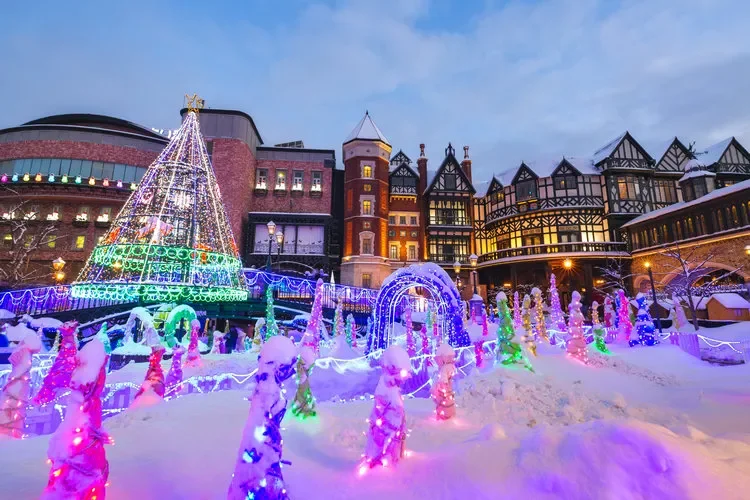
The Sapporo Snow Festival
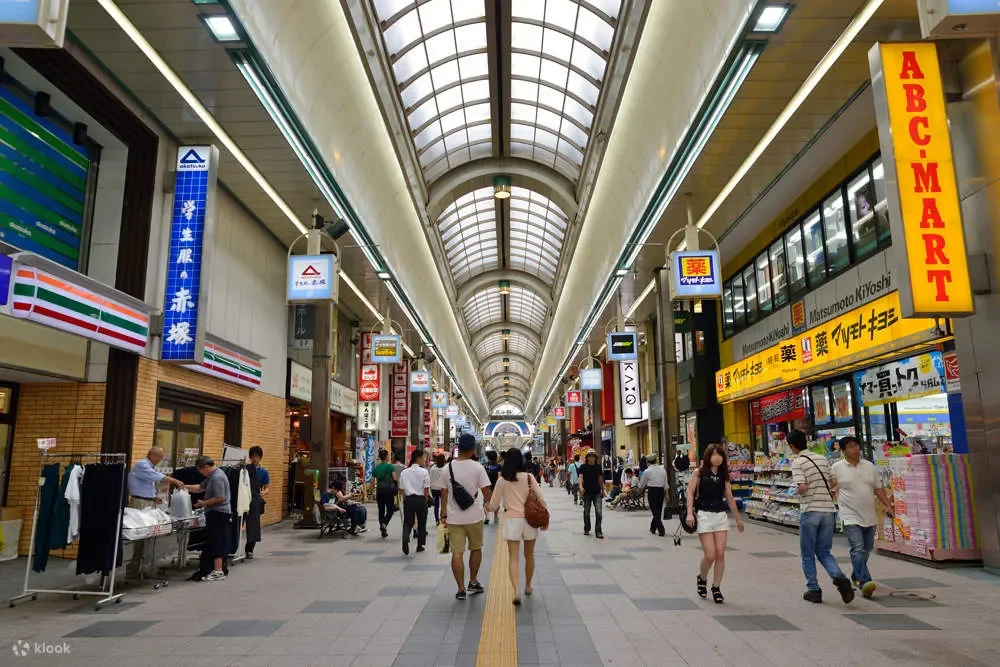
Nijo Market
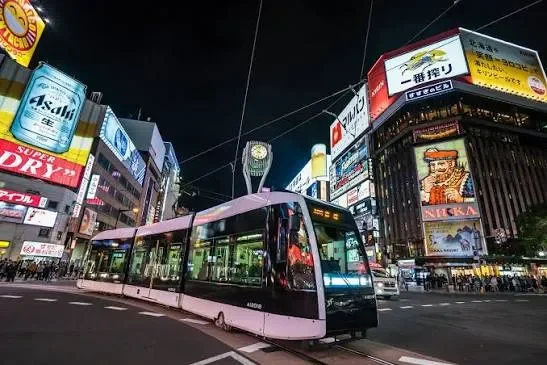
Susukino
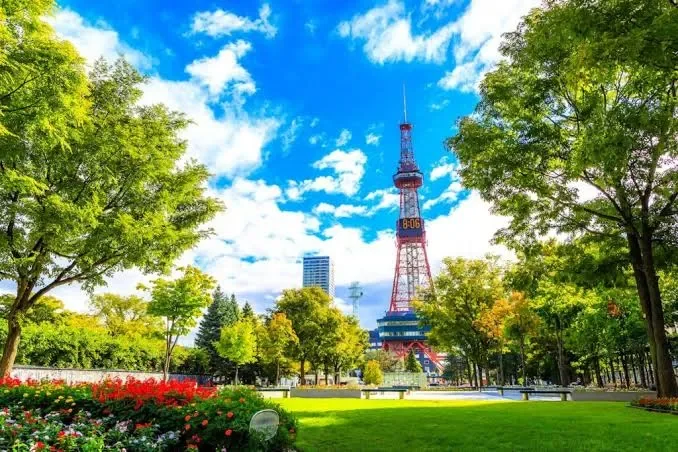
Odori Park
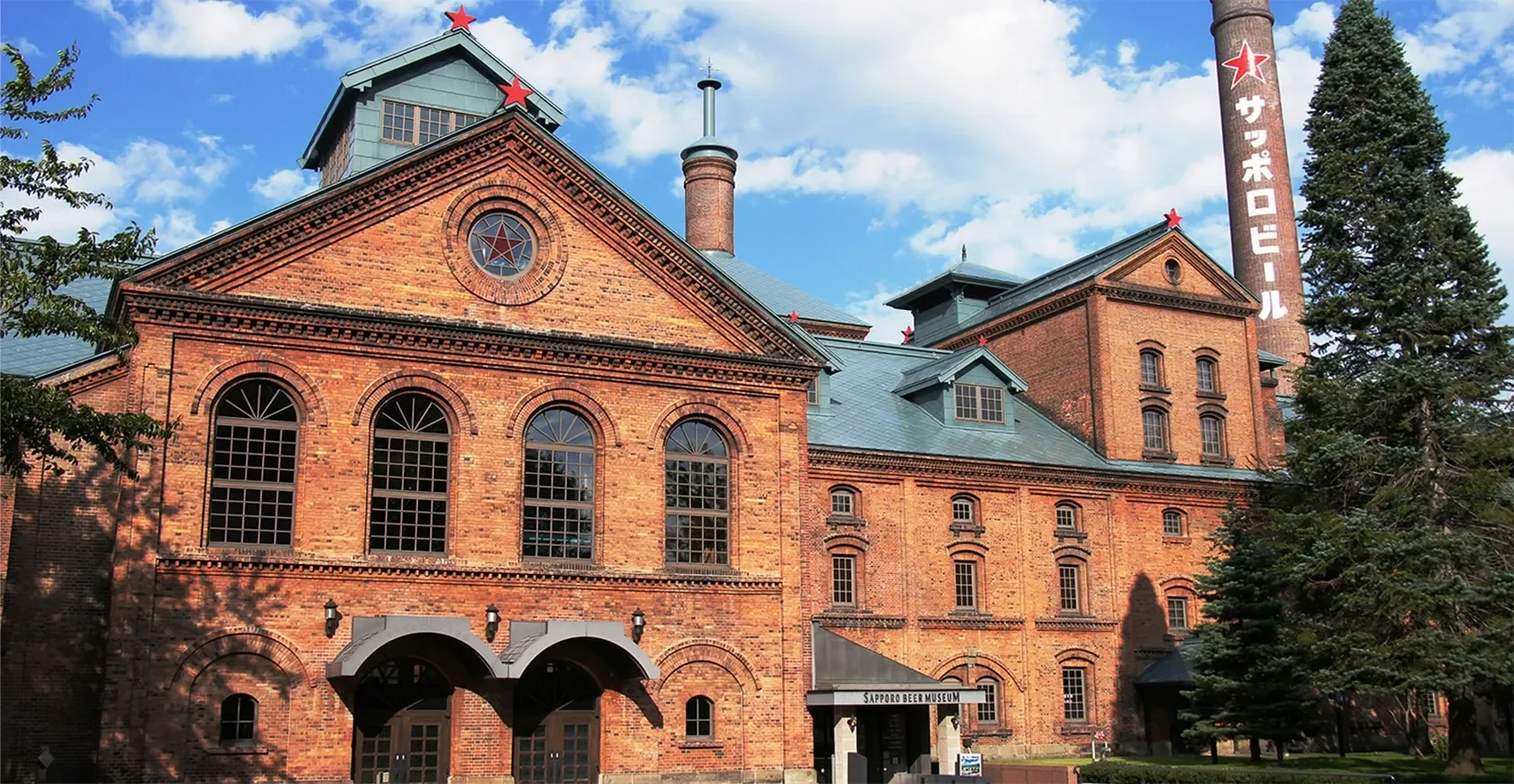
Sapporo Beer Museum
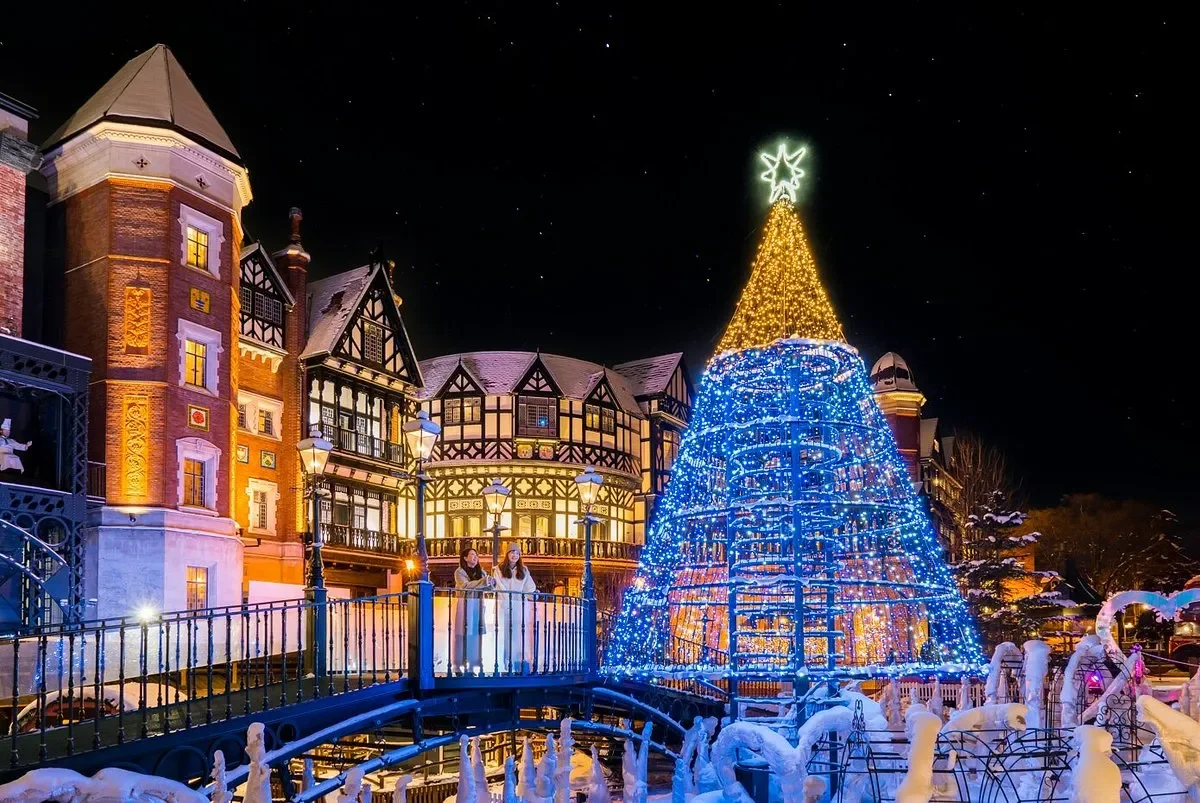
Shiroi Koibito Park
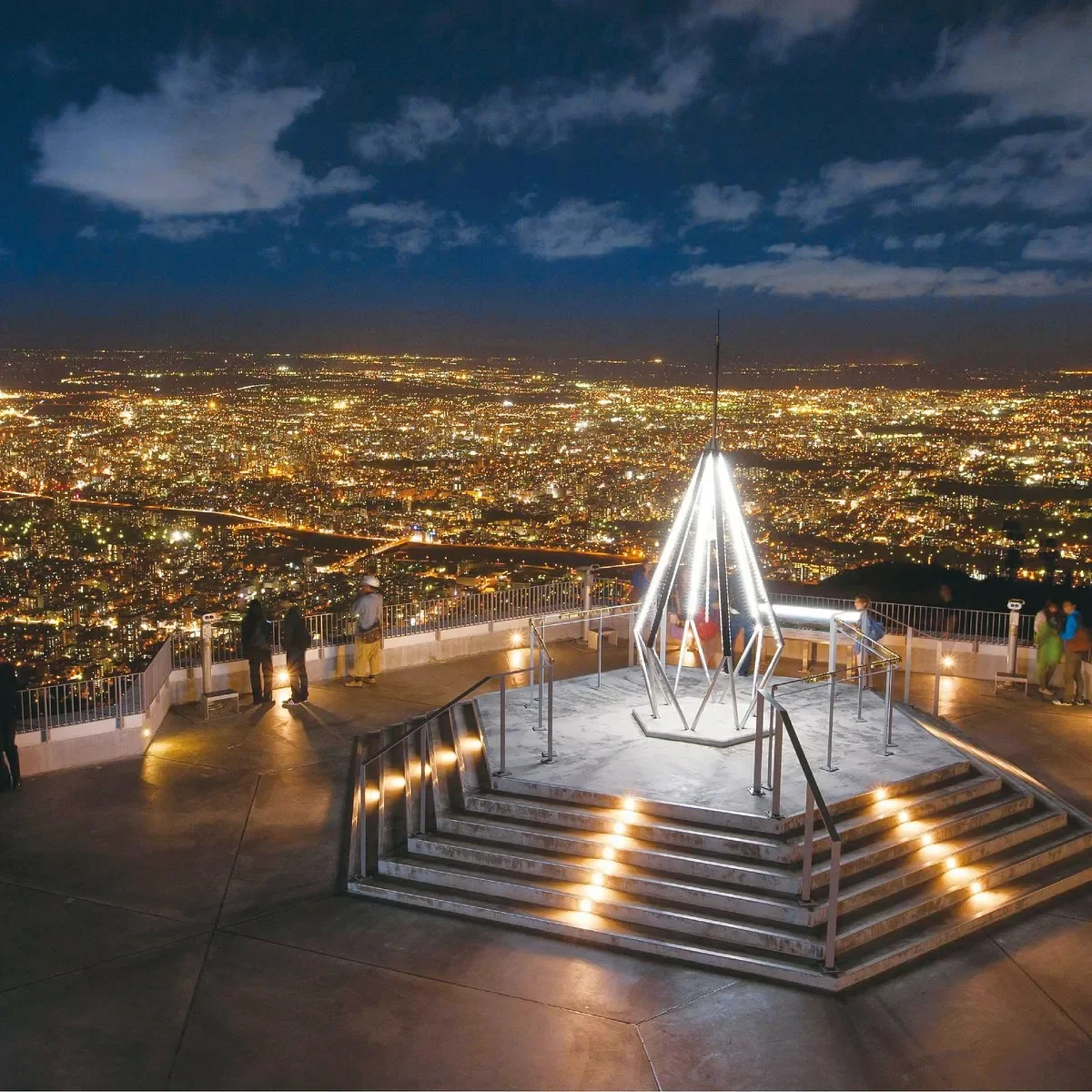
Mount Moiwa
our monthly Hotels pics
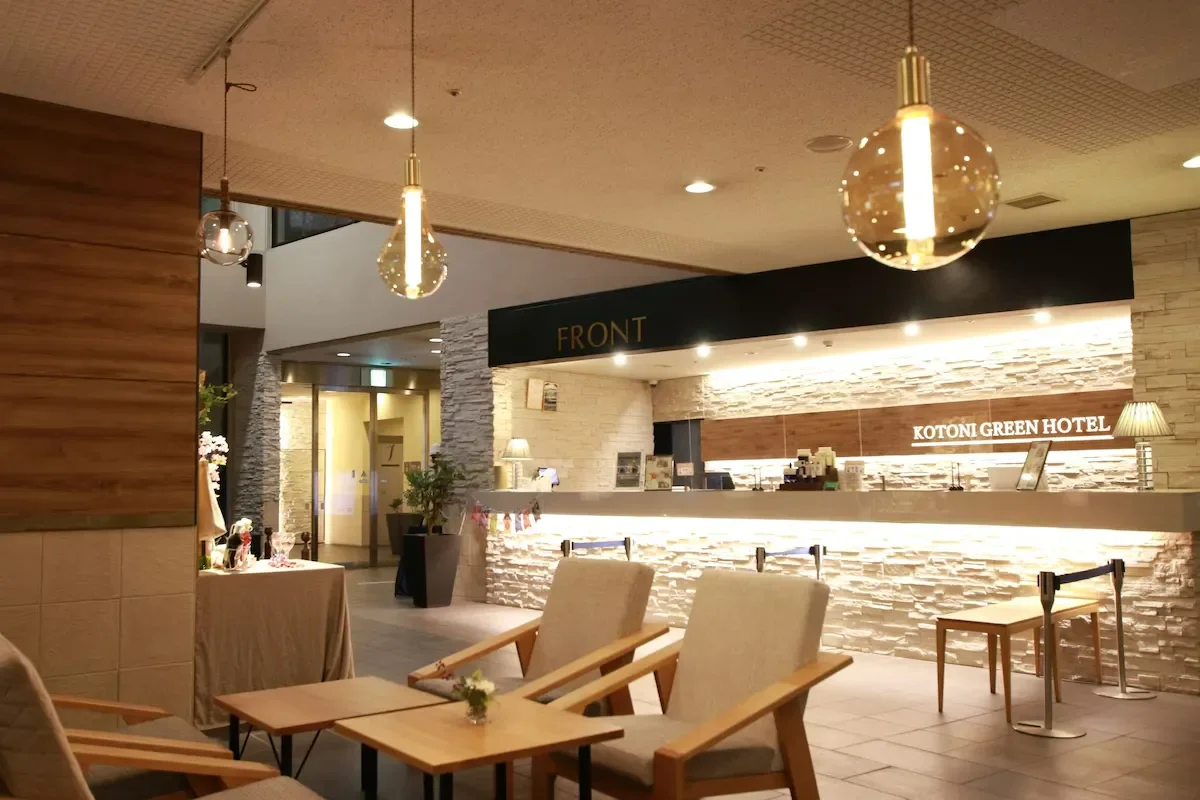
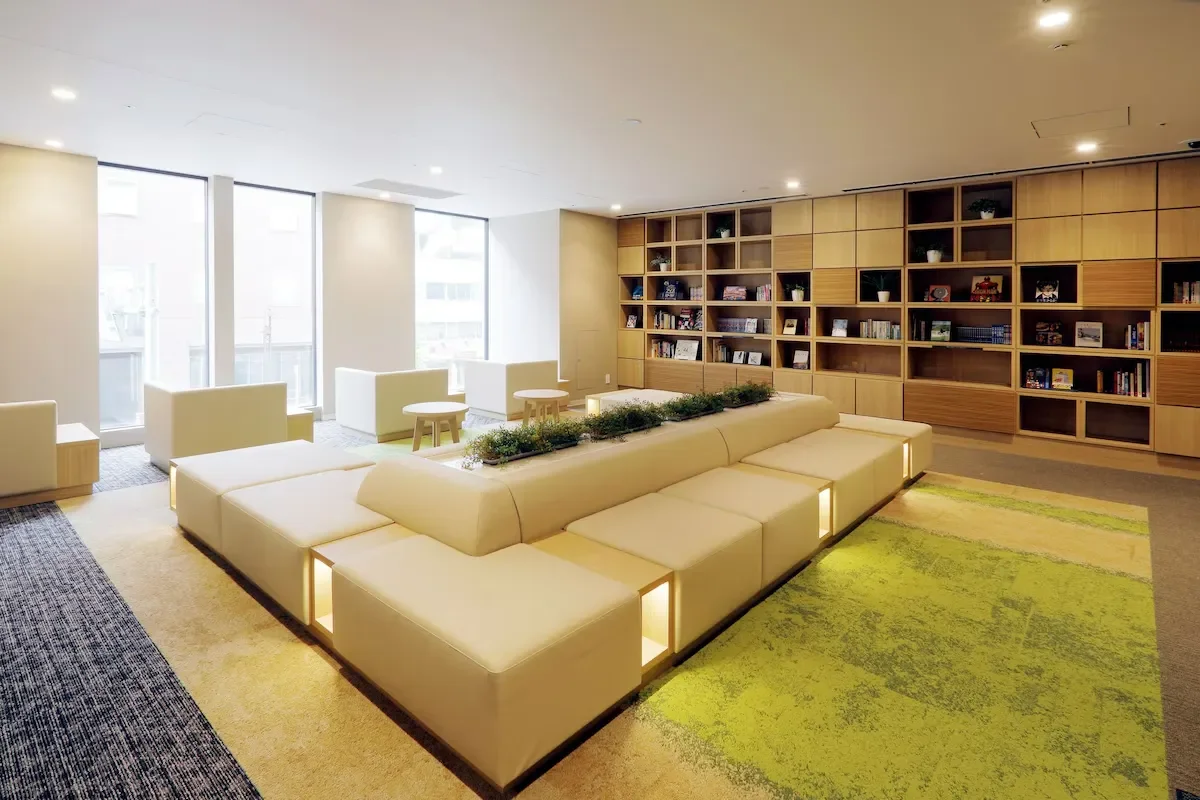
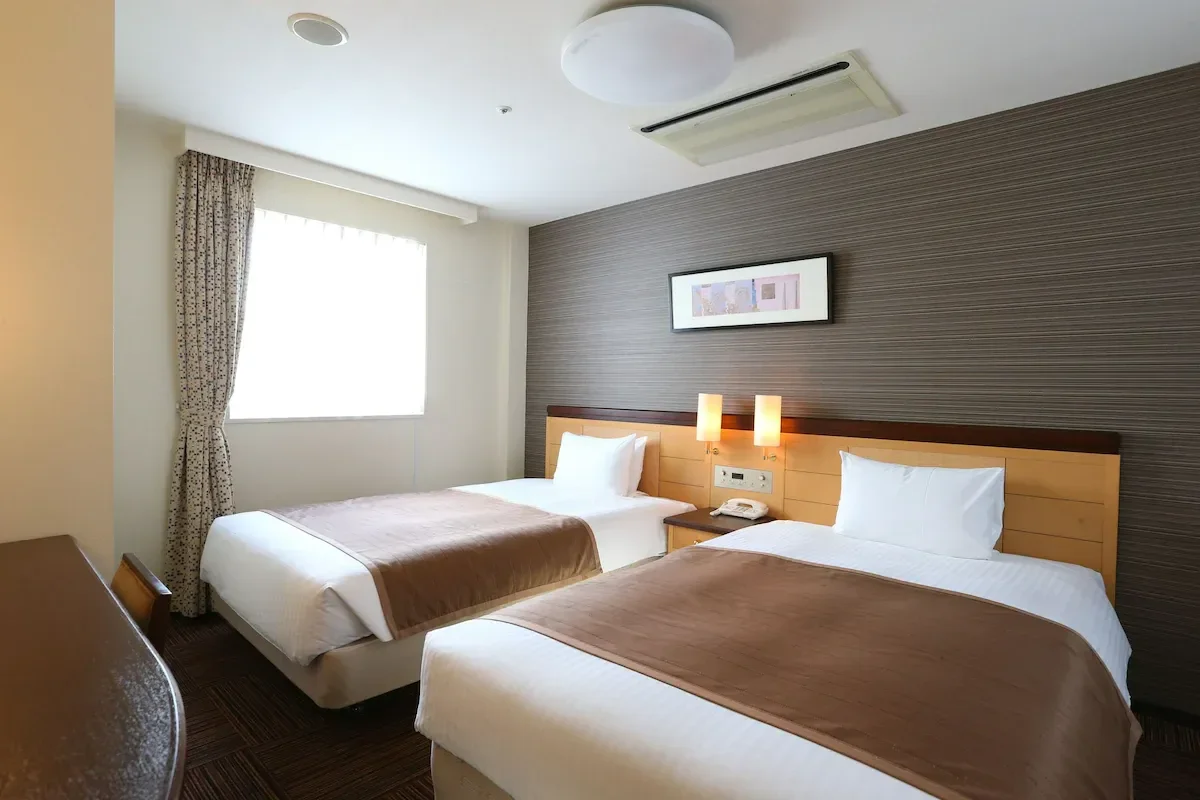
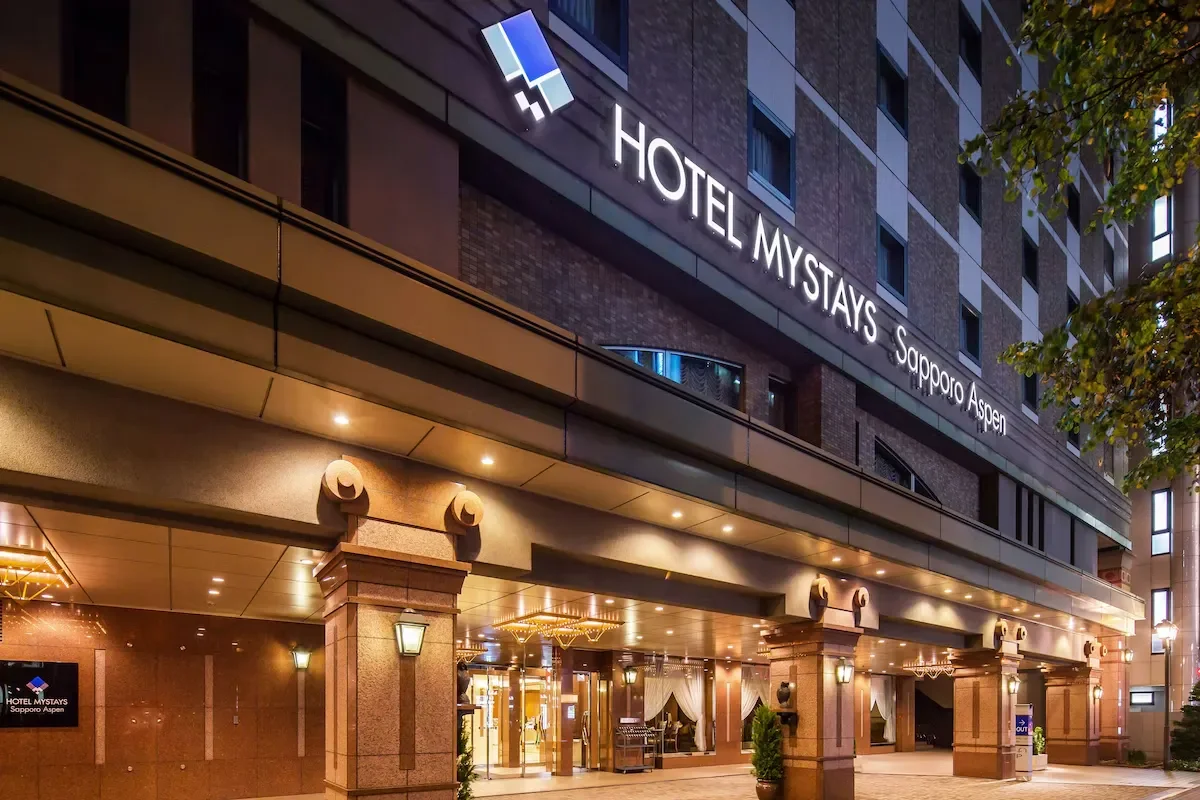
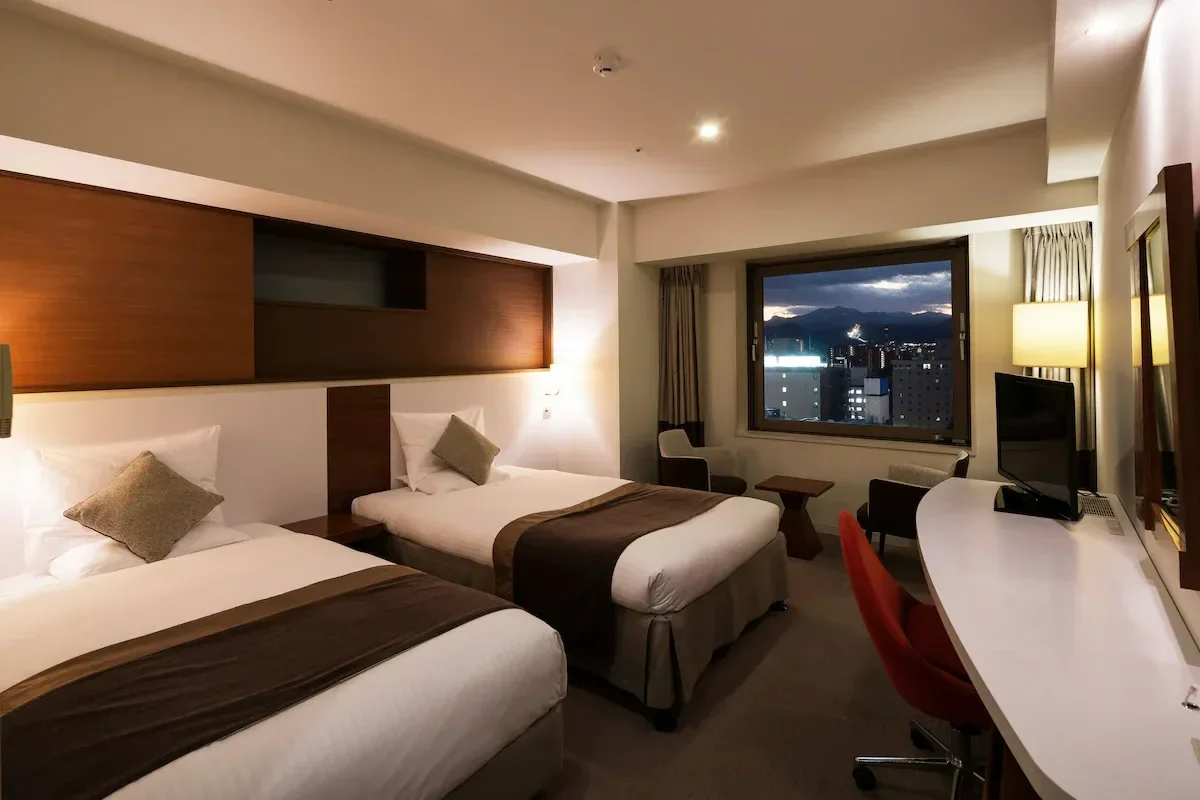
Accommodations under 80$\Night
attractions tickets
All Important Things To Know About Sapporo
What Sapporo Is Famous For
Sapporo is famous for its Snow Festival, one of the largest and most spectacular winter festivals in the world, and for its status as the birthplace of Sapporo Beer and (arguably) miso ramen. It's also known as the gateway to Hokkaido's broader natural attractions, including some of the best powder skiing on Earth, and for a noticeably more spacious, relaxed urban feel than Japan's older, denser cities further south.
Food and Culture
Hokkaido's cuisine, and Sapporo's specifically, reflects the island's cold climate, rich seafood, and dairy production. Miso ramen, believed to have originated in Sapporo, features a rich, hearty broth well suited to the region's cold winters, often topped with butter and corn, a distinctly Hokkaido variation not commonly found elsewhere in Japan in quite the same form.
Fresh seafood, particularly crab, uni, and salmon, benefits from Hokkaido's cold northern waters, and is considered among the best in the entire country, Nijo Market and the city's many seafood restaurants make sampling it genuinely essential. Hokkaido dairy, including some of Japan's best butter, cheese, and ice cream, reflects the island's significant dairy farming industry, distinct from the rest of Japan's more limited dairy tradition.
Culturally, Sapporo and Hokkaido more broadly carry a somewhat different identity from mainland Japan, shaped by the island's later, more frontier-style settlement history and its historical connection to the indigenous Ainu people, whose culture and history are increasingly represented in museums and cultural centers across the region.
Best Time to Visit
February, for the Snow Festival, is Sapporo's most famous and most crowded time to visit, offering a genuinely unique spectacle worth braving the cold and crowds for. Summer (June–August) offers Hokkaido's mildest, most comfortable weather of the year, a welcome contrast to mainland Japan's humid summers, and is popular for lavender fields and outdoor activities elsewhere on the island. Spring and autumn offer quieter, moderate weather, though winter sports enthusiasts will naturally prioritize the snow season regardless of crowds.
Practical Tips for First-Time Visitors
New Chitose Airport, Hokkaido's main gateway, connects to central Sapporo via train (around 40 minutes) or bus, with direct flights from Tokyo and other major Japanese cities as well as some international routes.
Book Snow Festival accommodation and flights very far in advance if visiting in February, this is Sapporo's single busiest week of the year by a wide margin, and prices rise significantly.
Pack seriously for winter, Sapporo's winters are genuinely cold, well beyond what many visitors from milder climates are prepared for, and proper winter clothing matters considerably more here than in most of mainland Japan.
Consider Sapporo as a Hokkaido base, particularly for combining city time with ski resort access or broader island exploration, given the city's central transit position.
A Few Days That Actually Work
Two to three days suits most visitors for the city itself. Day one: Odori Park, Sapporo TV Tower, and the Beer Museum, finishing with ramen and a night out in Susukino. Day two: Nijo Market for seafood, Mount Moiwa for evening views, and Shiroi Koibito Park if traveling with family. Day three, if you have it: a day trip toward Niseko or another Hokkaido natural attraction, depending on season and interest.