
All what you need to know about tokyo
TOKYO
Plan your trip to tokyo





Tokyo: The Complete Guide to Japan's Capital
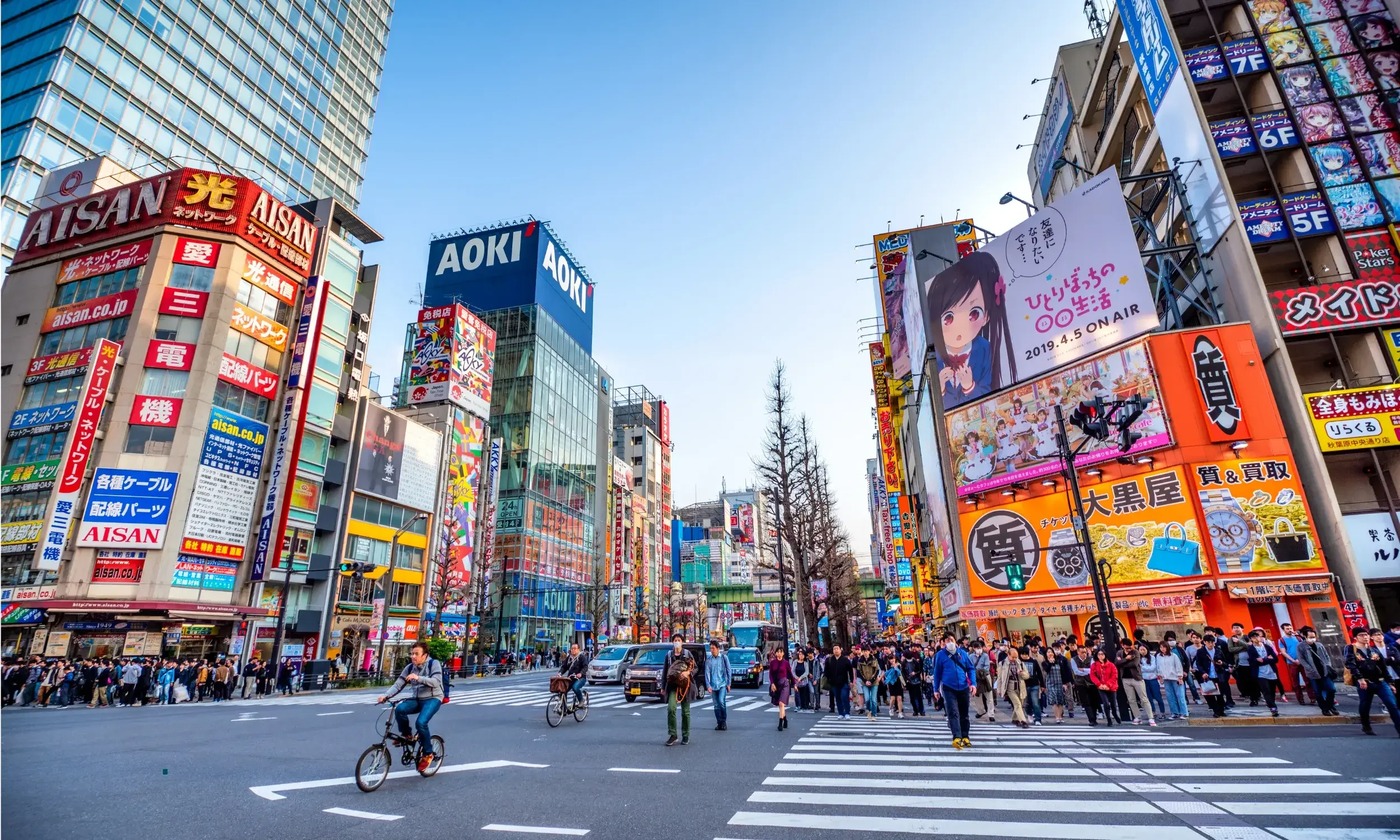
Tokyo isn't really one city, it's dozens of them stitched together, each with its own personality, connected by one of the most efficient train networks on Earth. Neon-drenched Shibuya sits a short ride from Yanaka's quiet old wooden houses; Akihabara's anime chaos is minutes from the Imperial Palace's manicured calm. This guide covers everything you need to plan a first trip to a city that consistently exceeds even well-prepared visitors' expectations.
Understanding Tokyo
Tokyo's scale is genuinely difficult to grasp before arriving. the greater metropolitan area is one of the largest urban regions in the world, though the city functions with a precision and cleanliness that makes it feel considerably more navigable than its size would suggest. Rather than a single downtown, Tokyo operates as a collection of distinct hubs, each centered on a major train station: Shibuya and Shinjuku for shopping, nightlife, and neon; Asakusa for old-town atmosphere; Akihabara for electronics and pop culture; and Ginza for upscale shopping and dining.
The city's train and subway network, while initially overwhelming, is genuinely one of the best in the world, and a Suica or Pasmo IC card makes navigating it almost effortless once loaded.
things to discover In Madrid
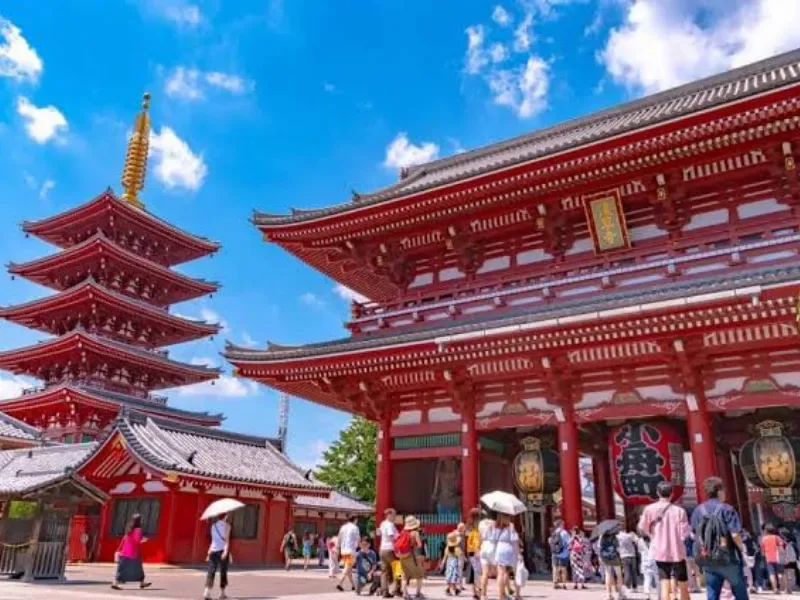
Senso-ji Temple
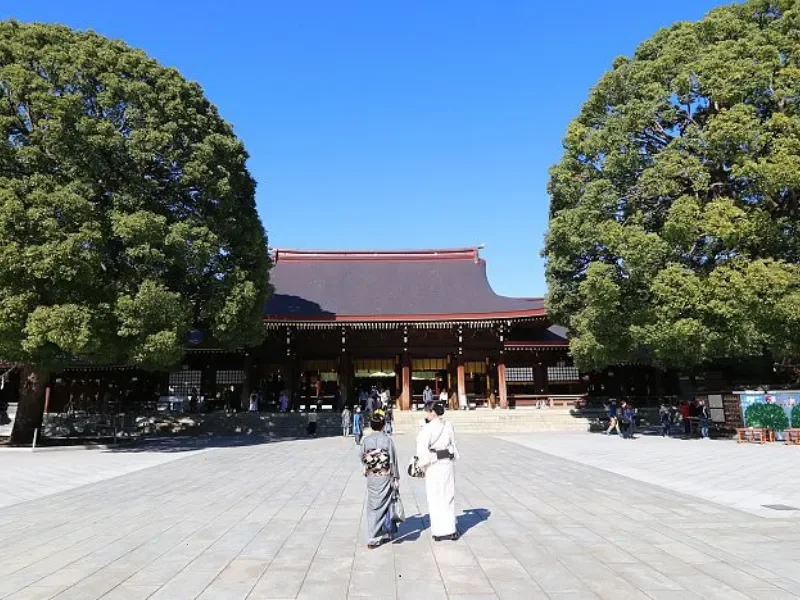
Meiji Shrine
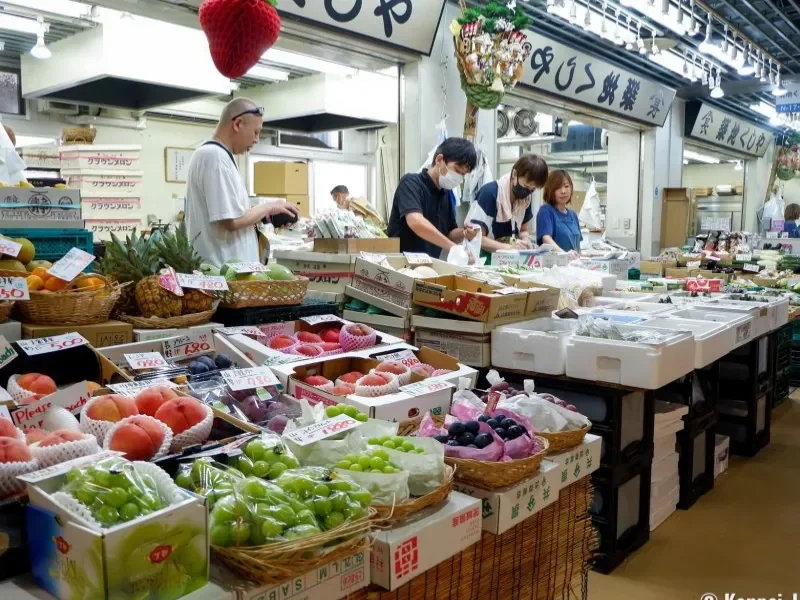
Tsukiji Outer Market
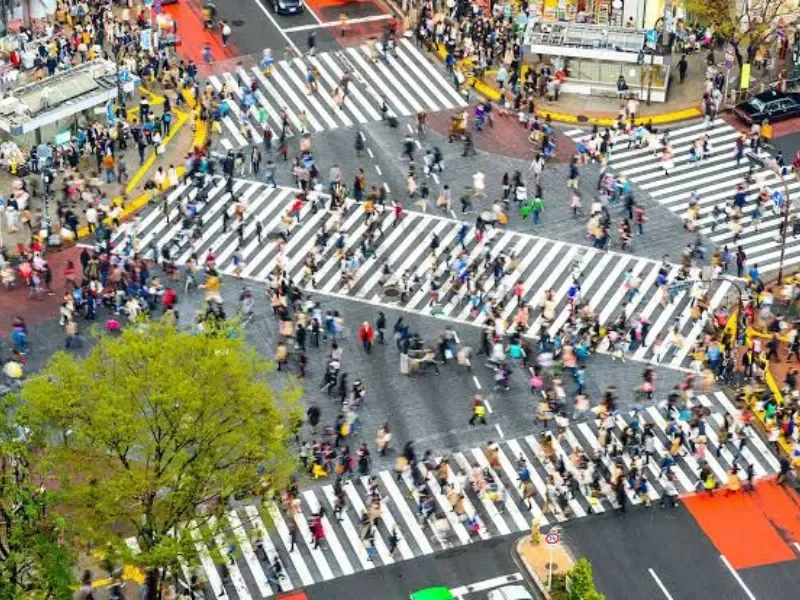
Shibuya Crossing
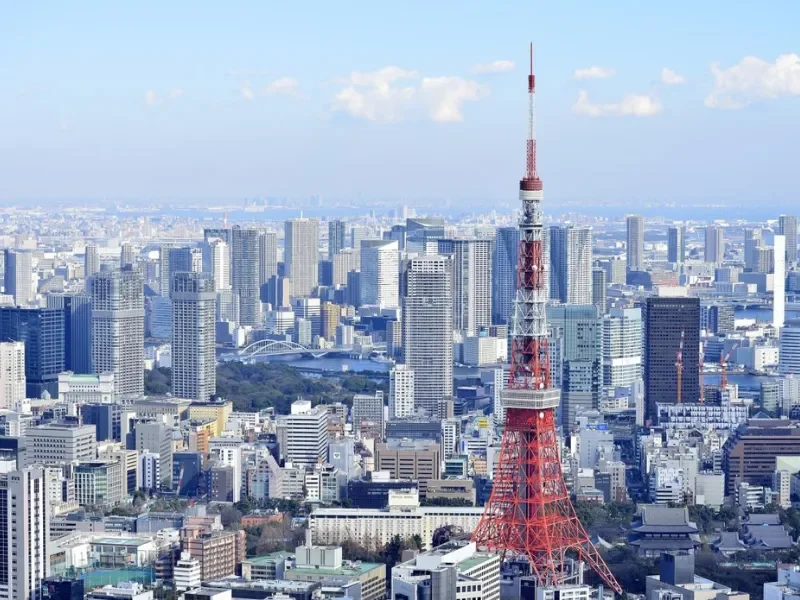
Tokyo Tower
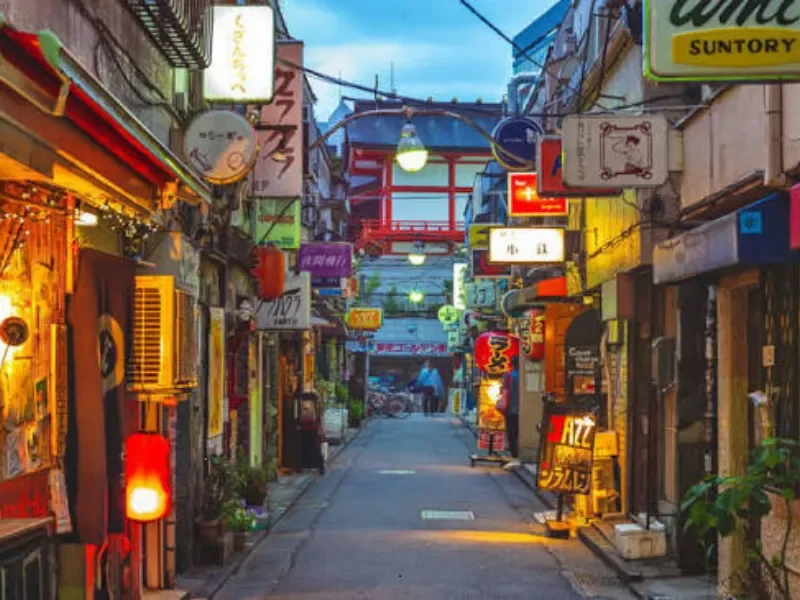
Shinjuku Golden Gai
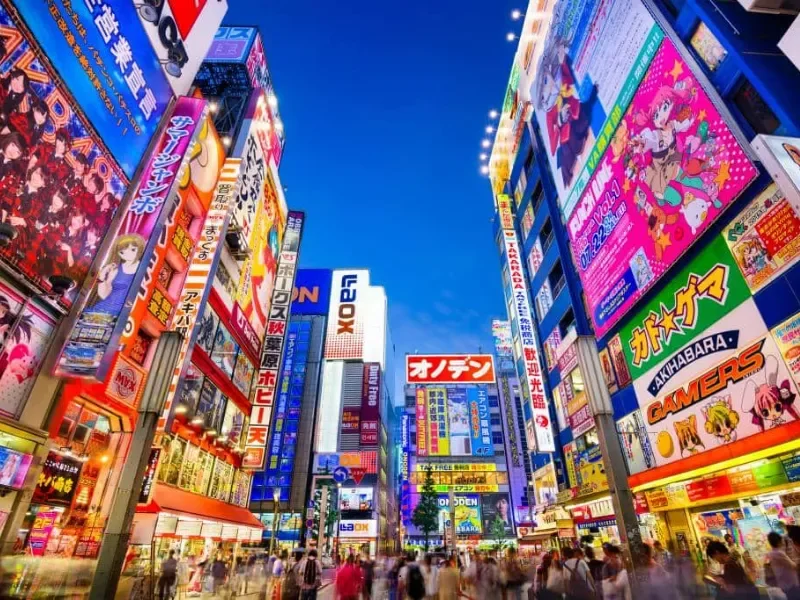
Akihabara
our monthly Hotels pics
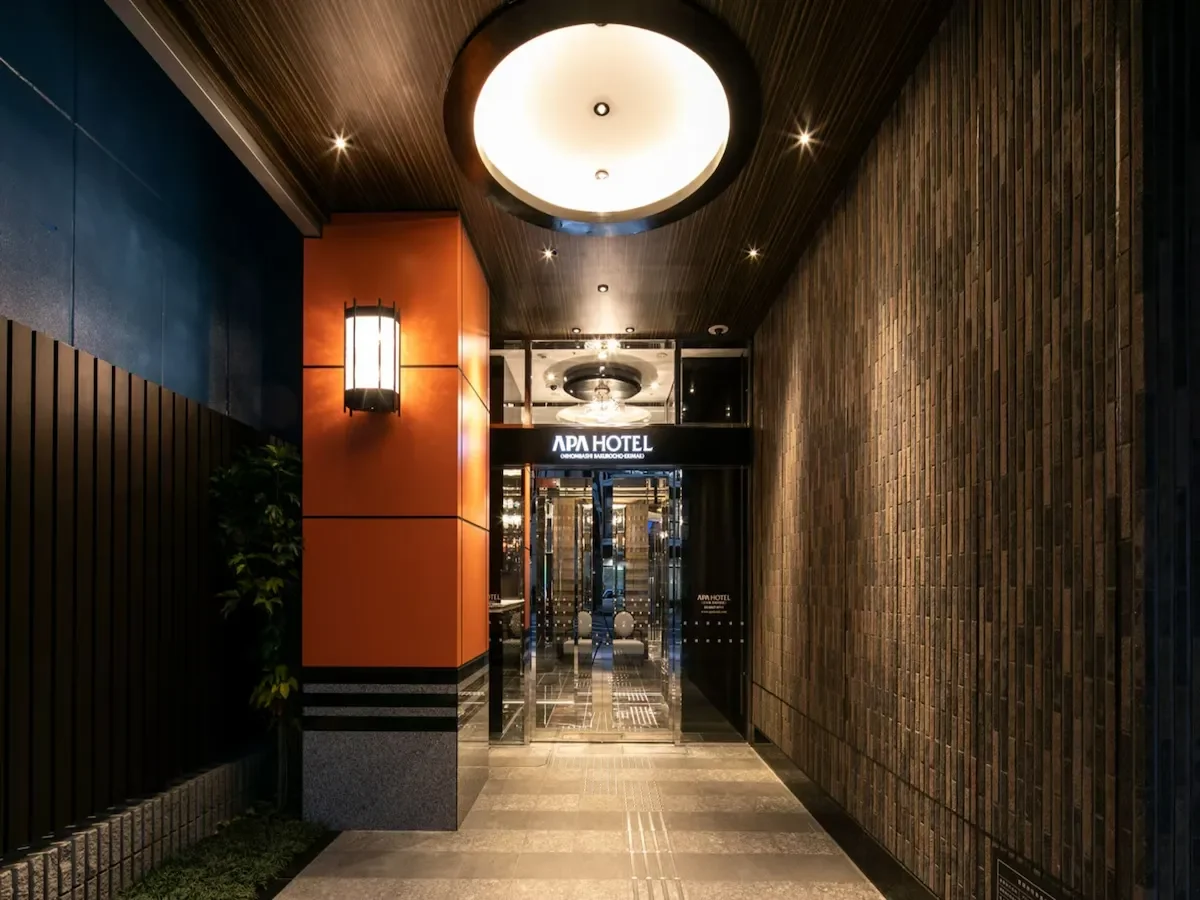
Accommodations under 80$\Night
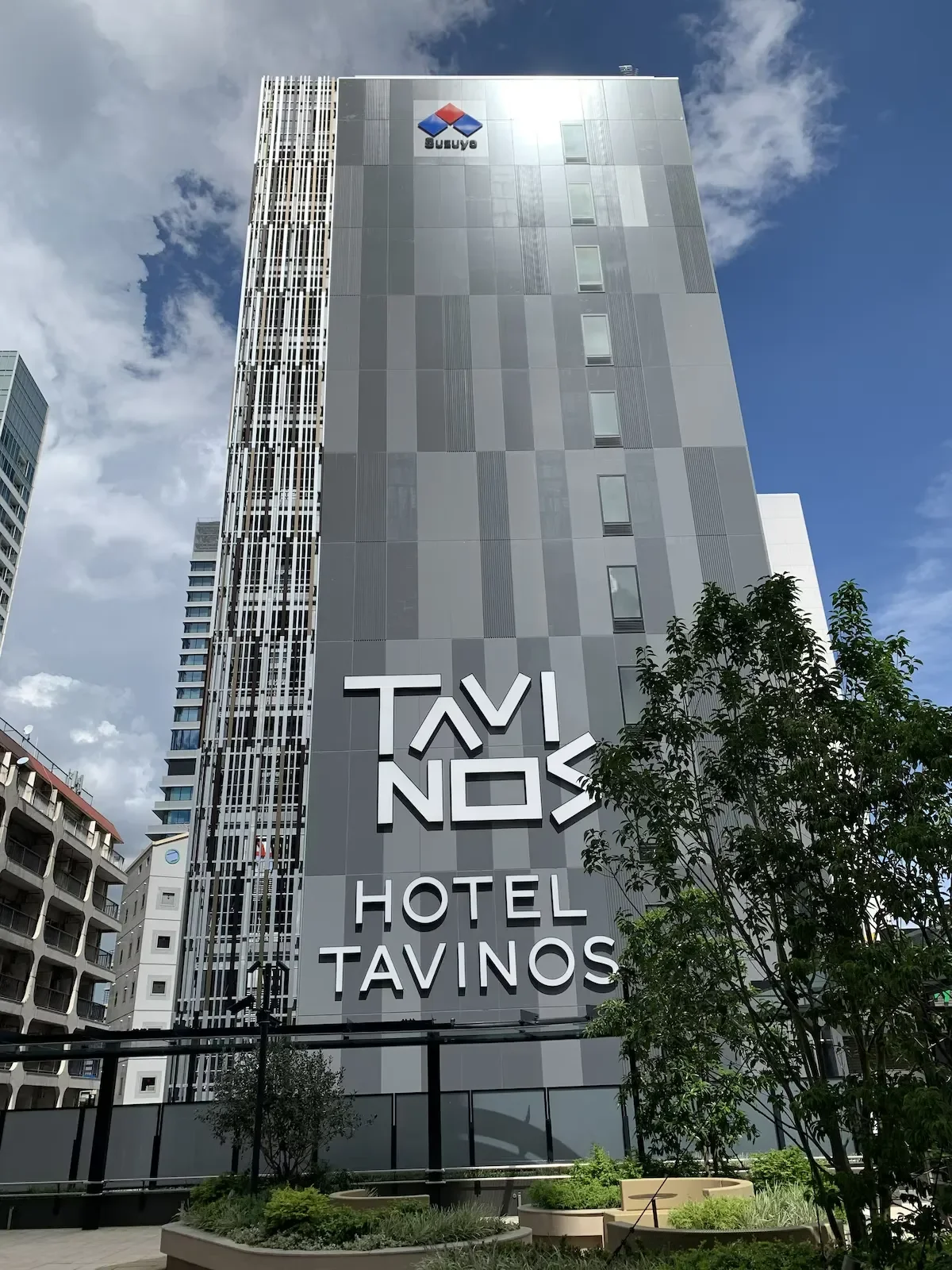
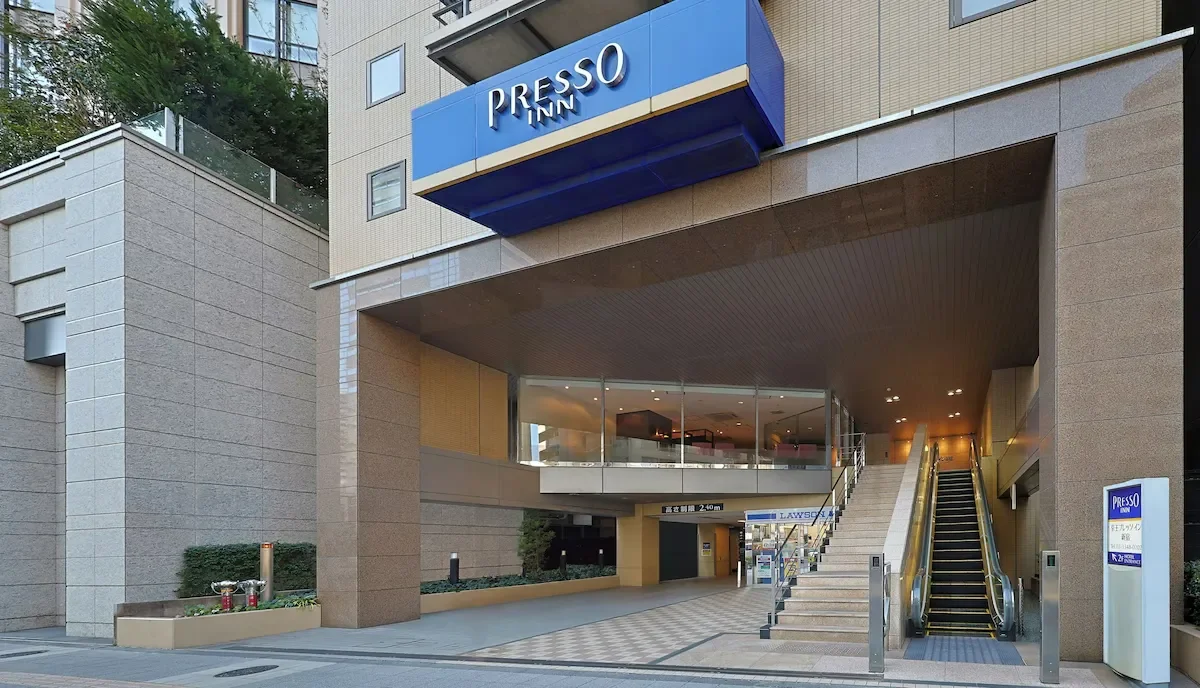
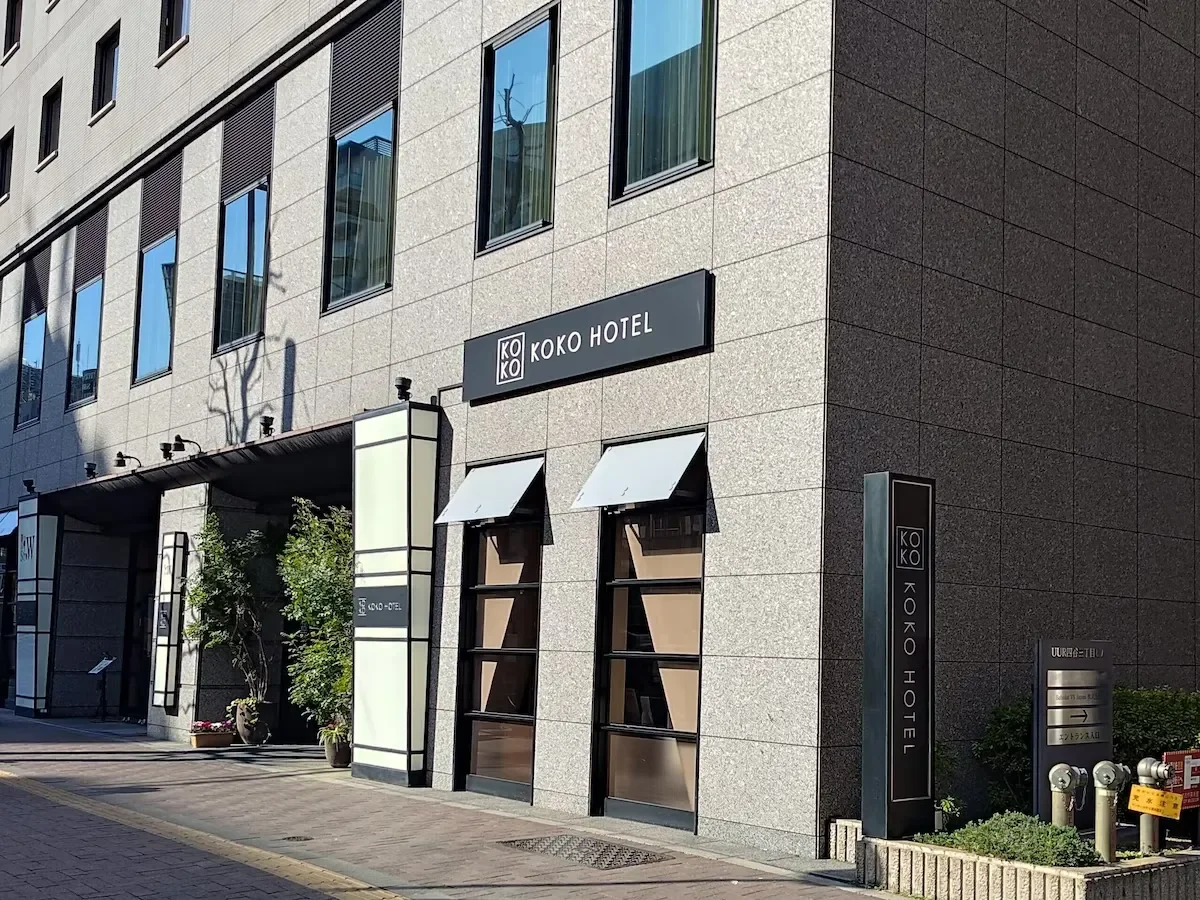

where to stay
-
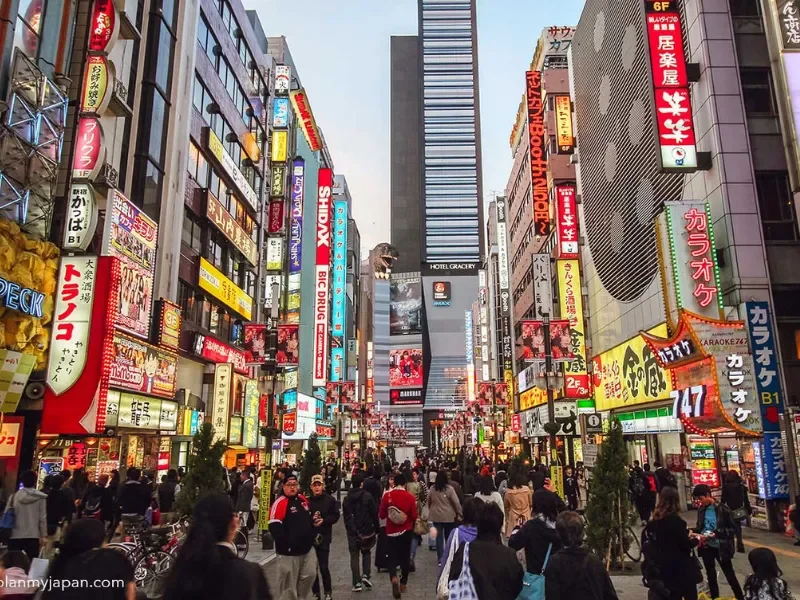
![Busy street in Tokyo at night with many neon signs and advertisements in Japanese, crowded with pedestrians.]()
Shinjuku
offers excellent transit connections, a huge range of hotels across every budget, and easy access to both nightlife and the Tokyo Metropolitan Government Building's free observation deck.
-
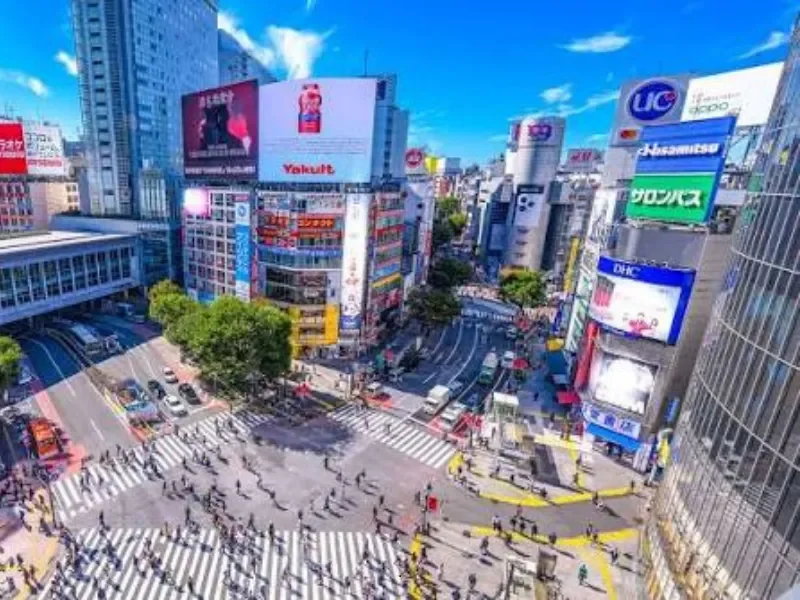
![A busy city intersection with pedestrians crossing multiple crosswalks, surrounded by tall buildings with digital billboards and advertisements, under a partly cloudy blue sky.]()
Shibuya
suits travelers prioritizing shopping, youth culture, and nightlife, with the iconic crossing and Harajuku's Takeshita Street both within easy walking distance.
-
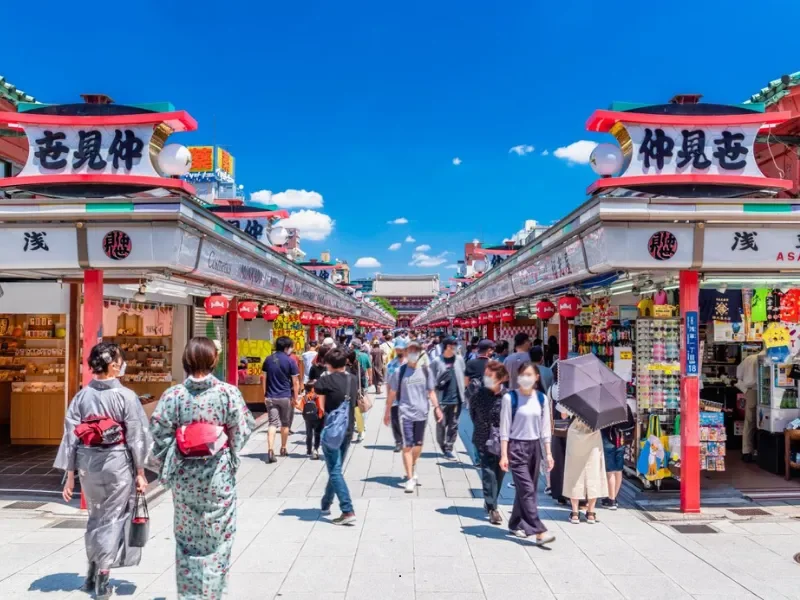
![]()
Asakusa
offers a quieter, more traditional atmosphere with easy access to Senso-ji and the Sumida River, at generally better value than the more central, modern districts.
-
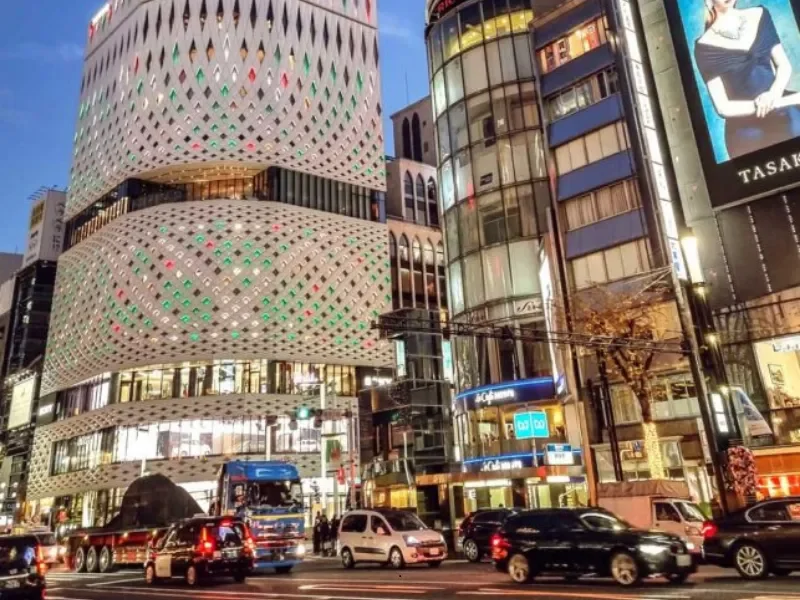
![Night city street scene showing modern high-rise buildings with digital advertisements and illuminated signs, with traffic including cars and trucks at the intersection.]()
Ginza
suits travelers wanting upscale shopping and dining within walking distance, along with proximity to the Imperial Palace and Tokyo Station's excellent rail connections.
attractions tickets
All Important Things To Know About Tokyo
What Tokyo Is Famous For
Tokyo is famous for its scale and efficiency, its contrast between ultramodern technology and preserved traditional culture, and its status as one of the world's great food cities, holding more Michelin stars than any other city on Earth. It's also known for its train network, its distinctive neighborhoods each with a strong individual identity, and a level of public safety and cleanliness that regularly surprises first-time visitors.
Food and Culture
Tokyo's food scene spans from world-class sushi counters to unbeatable convenience store snacks, and both ends of that spectrum are worth genuine attention. Tokyo-style ramen typically features a lighter shoyu (soy sauce) based broth compared to other regions, while an omakase sushi experience, where the chef selects each course, offers one of the most memorable meals many visitors will have anywhere.
Izakaya culture casual pubs serving small shared plates alongside beer and sake offers a relaxed, social way to eat and drink, particularly concentrated in areas like Shinjuku's Omoide Yokocho ("Memory Lane"), a narrow alley of tiny yakitori stalls.
Culturally, Tokyo runs on precision and consideration for others, quiet trains, orderly queues, and a strong norm around not eating while walking in public are all worth being aware of and following as a visitor, even if they feel unfamiliar at first.
Best Time to Visit
Spring (late March–April), especially during cherry blossom season, and autumn (October–November), for fall foliage, are Tokyo's most popular and most beautiful times to visit, book well ahead if traveling during either window. Summer is hot and humid, with limited outdoor comfort during peak afternoon heat. Winter is cold but generally dry and clear, with fewer crowds and excellent visibility for skyline views.
Practical Tips for First-Time Visitors
Narita and Haneda airports both connect to central Tokyo via train; Haneda is considerably closer to the city center and generally the more convenient option when flight availability allows a choice.
Get a Suica or Pasmo IC card immediately upon arrival, it covers nearly all trains, subways, and buses, and can also be used at convenience stores and vending machines throughout the trip.
Carry cash alongside cards while card and contactless payment have expanded significantly, many smaller restaurants and shops, particularly in older neighborhoods, still operate cash-only.
Book popular restaurants and experiences in advance. top sushi counters, TeamLab, and other high-demand attractions often require booking days or weeks ahead, especially during peak travel seasons.
A Few Days That Actually Work
Four to five days suits most visitors well, given Tokyo's scale. Day one: Asakusa and Senso-ji, followed by Ueno Park's museums. Day two: Shibuya Crossing, Harajuku, and Meiji Shrine, finishing in Shinjuku for dinner and Golden Gai. Day three: Akihabara and a TeamLab museum visit. Day four: Tsukiji Outer Market and Ginza. Day five, if you have it: a day trip to Nikko or Hakone for a change of pace outside the city.