
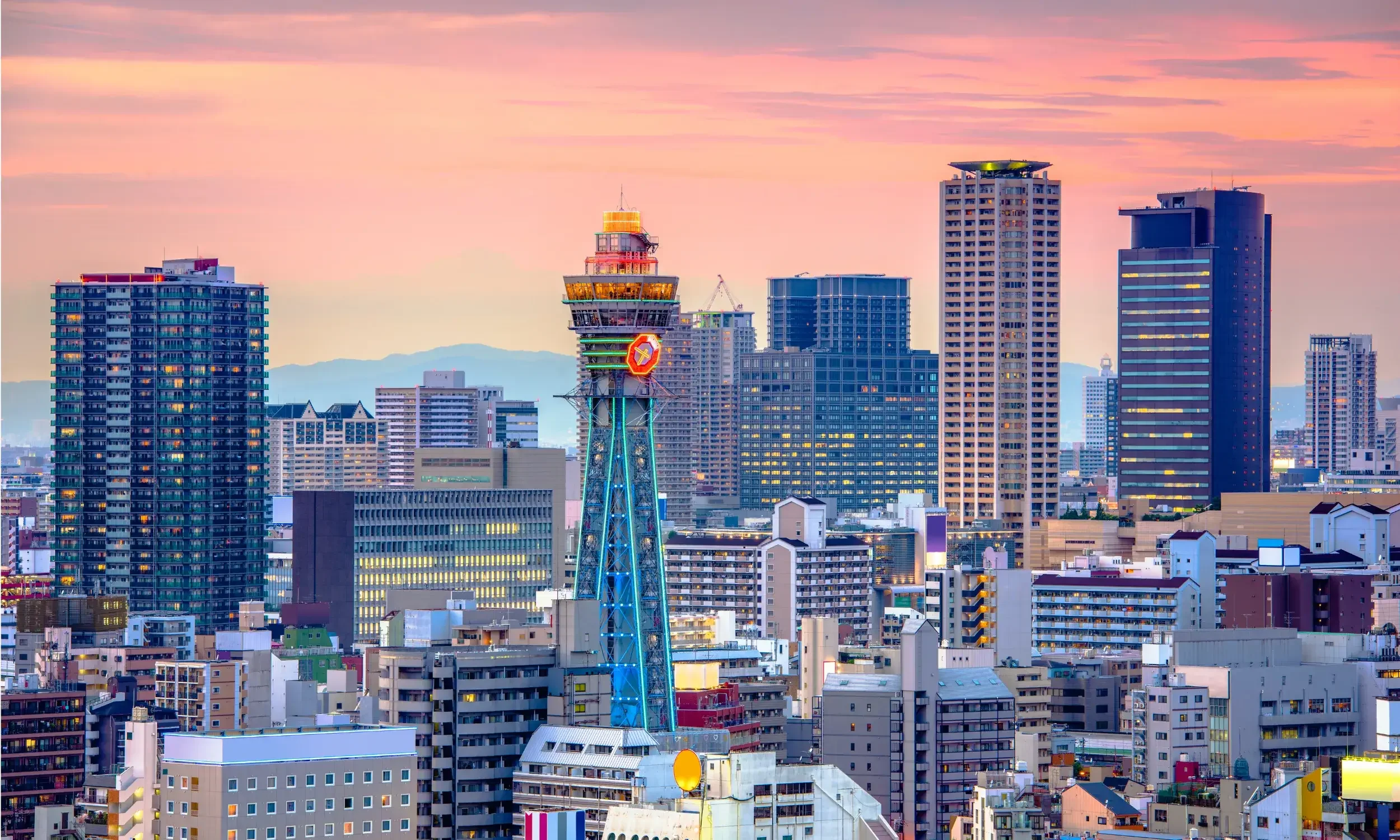
All what you need to know about Osaka
oSAKA
The Ultimate Guide
Plan your trip to Osaka





Osaka: The Complete Guide to Japan's Food Capital
Osaka wears a different personality than Tokyo or Kyoto, and it wears it proudly, louder, friendlier, less formal, and built around a food culture so central to local identity that Osakans have a phrase for it: kuidaore, roughly "eat until you drop." This guide covers everything you need to plan a first visit to Japan's unofficial food capital and its friendliest big city.
Understanding Osaka
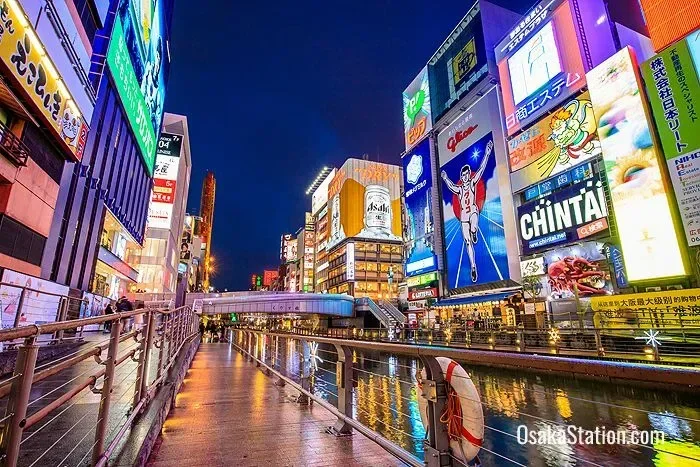
Osaka sits in the Kansai region alongside Kyoto and Nara, and has historically been Japan's commercial and merchant capital, a role that shaped its distinctly different social character from the more historically aristocratic Kyoto or bureaucratic Tokyo. The city's neighborhoods each carry their own energy: Dotonbori, the neon-lit dining and entertainment core; Namba, the surrounding shopping and nightlife district; and Umeda, the more modern, business-focused northern hub around Osaka Station.
Osaka's position also makes it a natural base for exploring the wider Kansai region, including easy day trips to both Kyoto and Nara.
things to discover In Osaka
Dotonbori
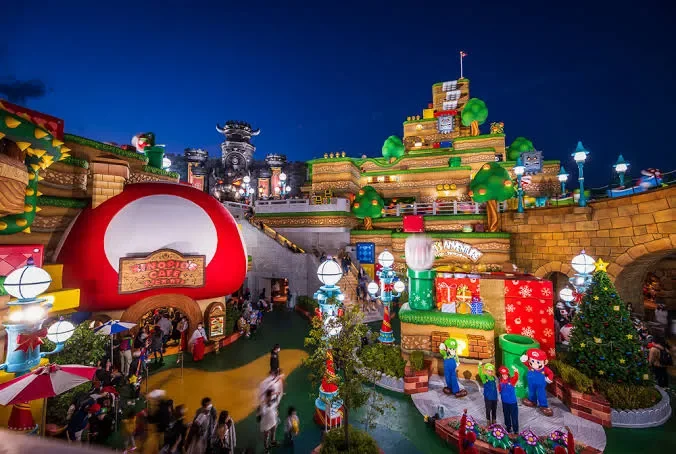
Universal Studios
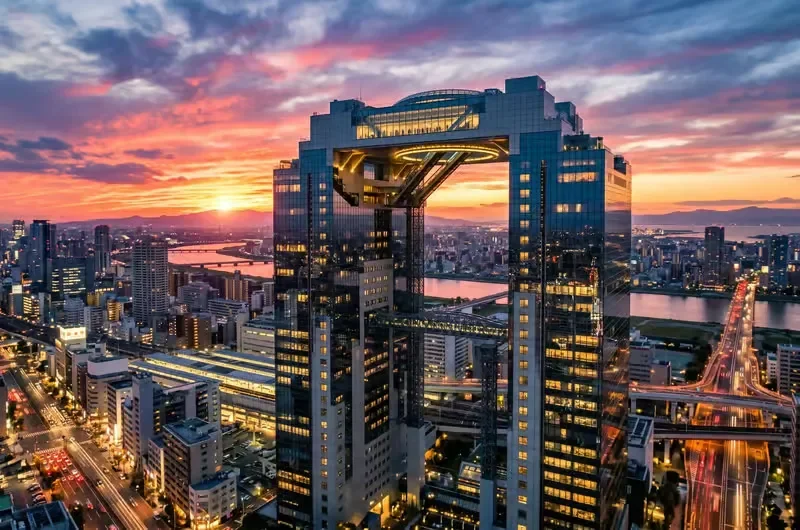
Umeda Sky Building
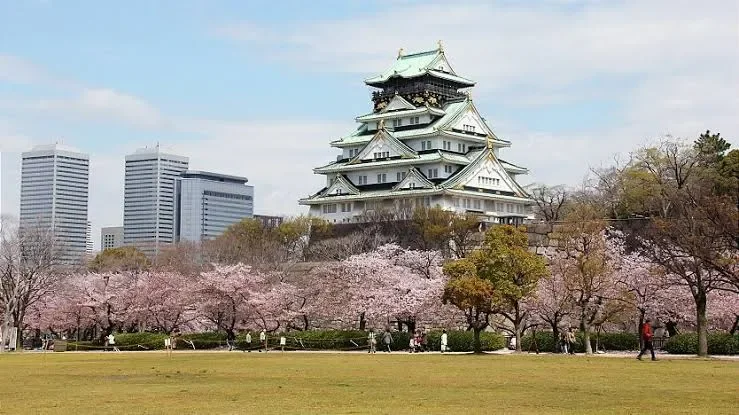
Osaka Castle
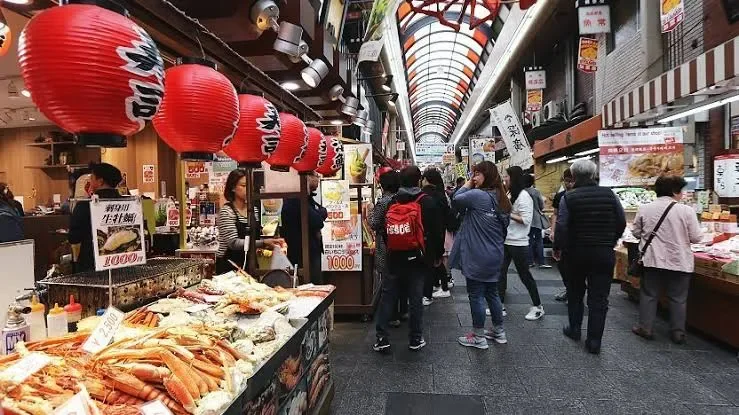
Kuromon Ichiba Market
Osaka Aquarium
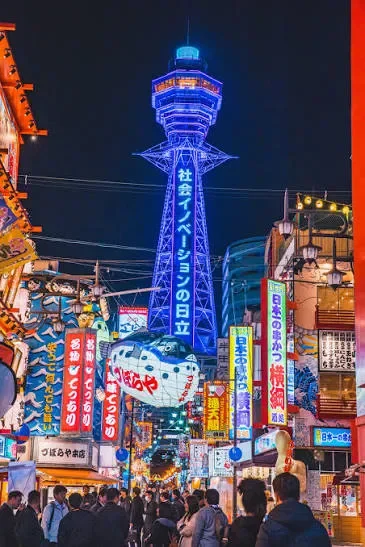
Shinsekai
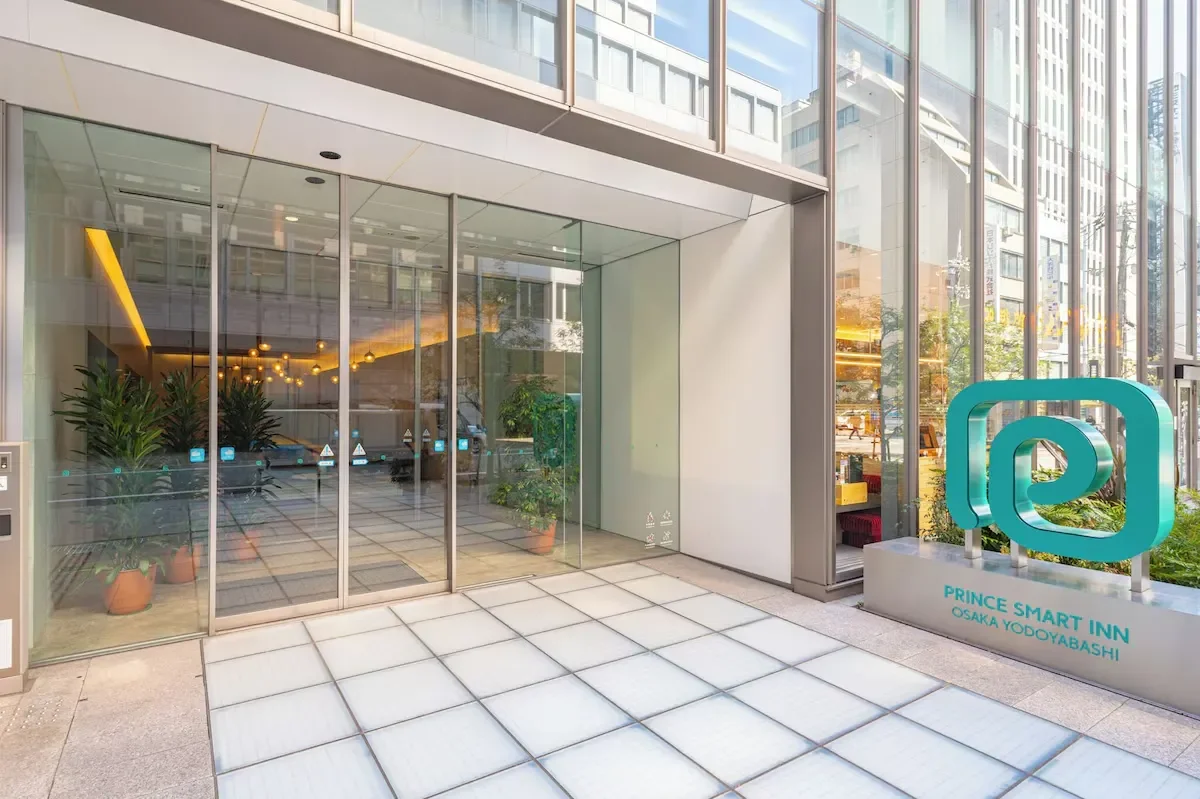
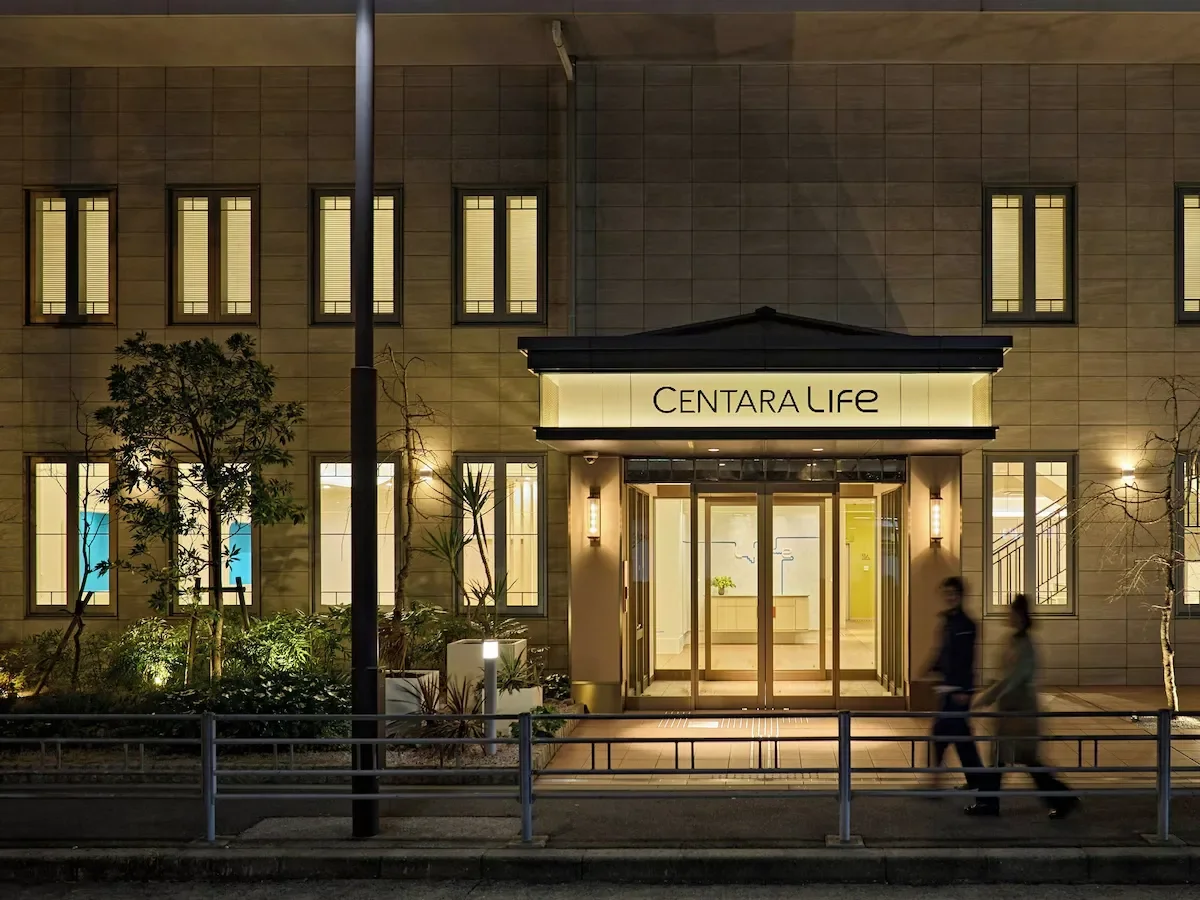
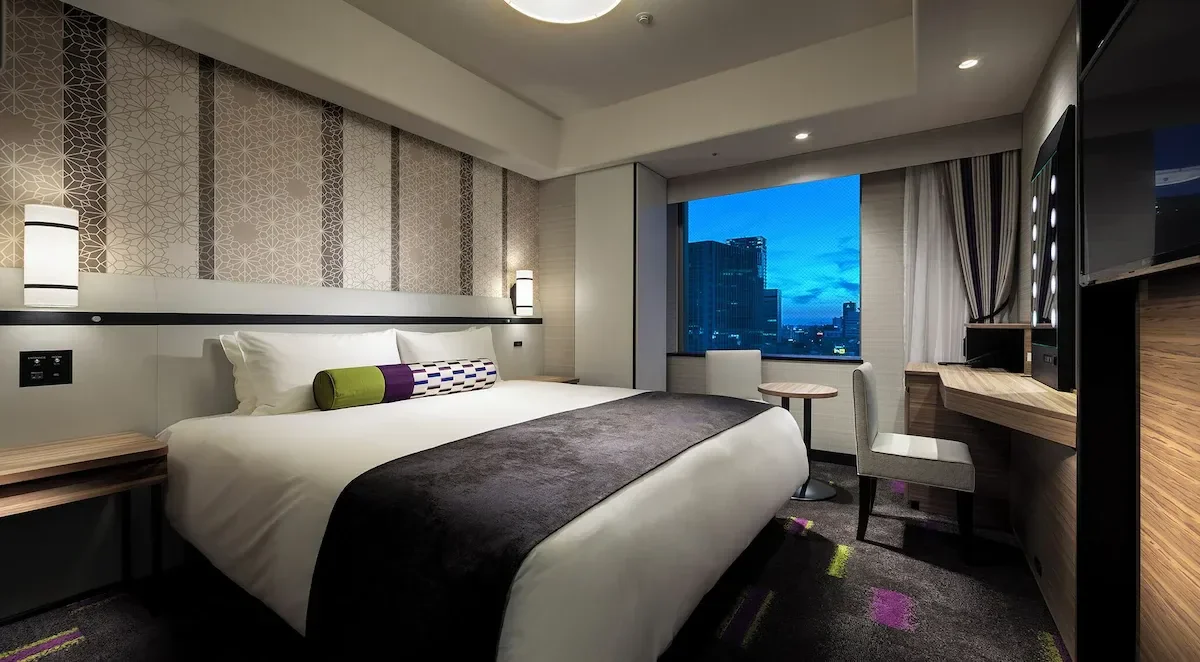
our monthly Hotels pics
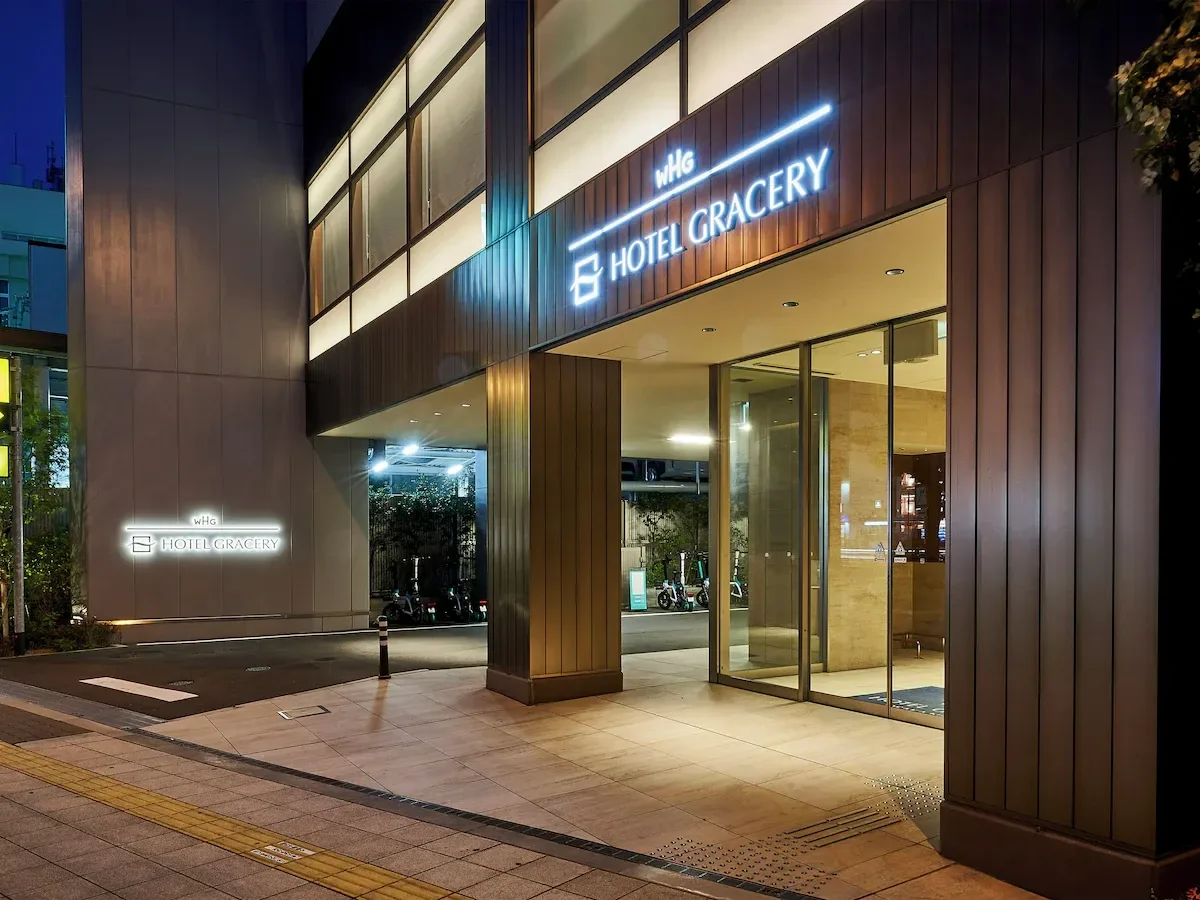
Accommodations under 80$\Night

where to stay
-
![Namba/Dotonbori]()
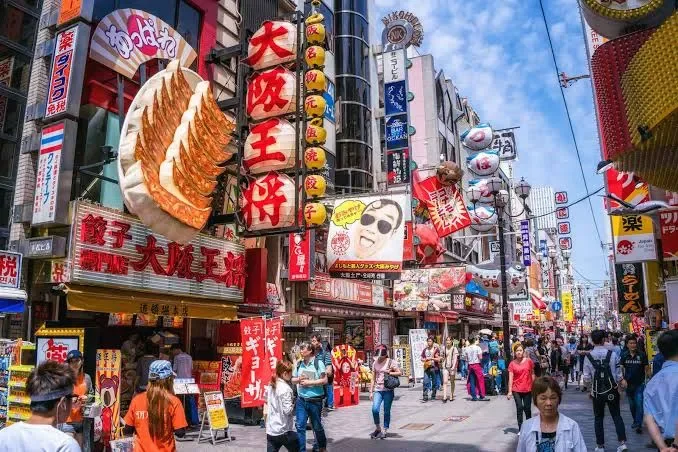
Namba/Dotonbori
in the heart of the action, puts you steps from the city's best street food and nightlife, in the most lively and, for many first-time visitors, the most memorable part of the city.
-
![Umeda]()
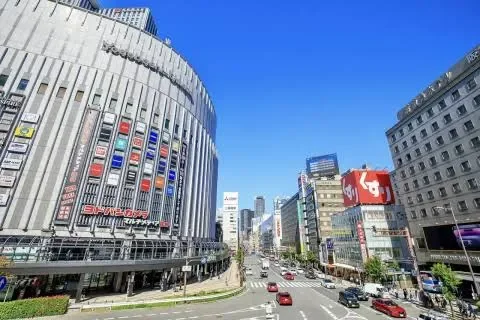
Umeda
around Osaka Station, offers a more modern, business-district feel with excellent transit connections and easy access to both Dotonbori and day trips to Kyoto or Nara.
-
![Shinsaibashi]()
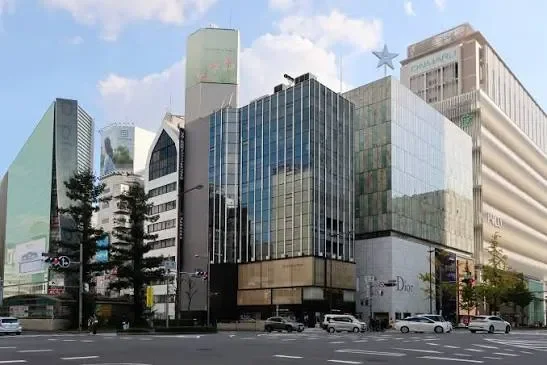
Shinsaibashi
adjacent to Dotonbori, provides excellent shopping access alongside good proximity to the main dining and nightlife district, slightly removed from its busiest, loudest core.
-
![Universal City Station]()
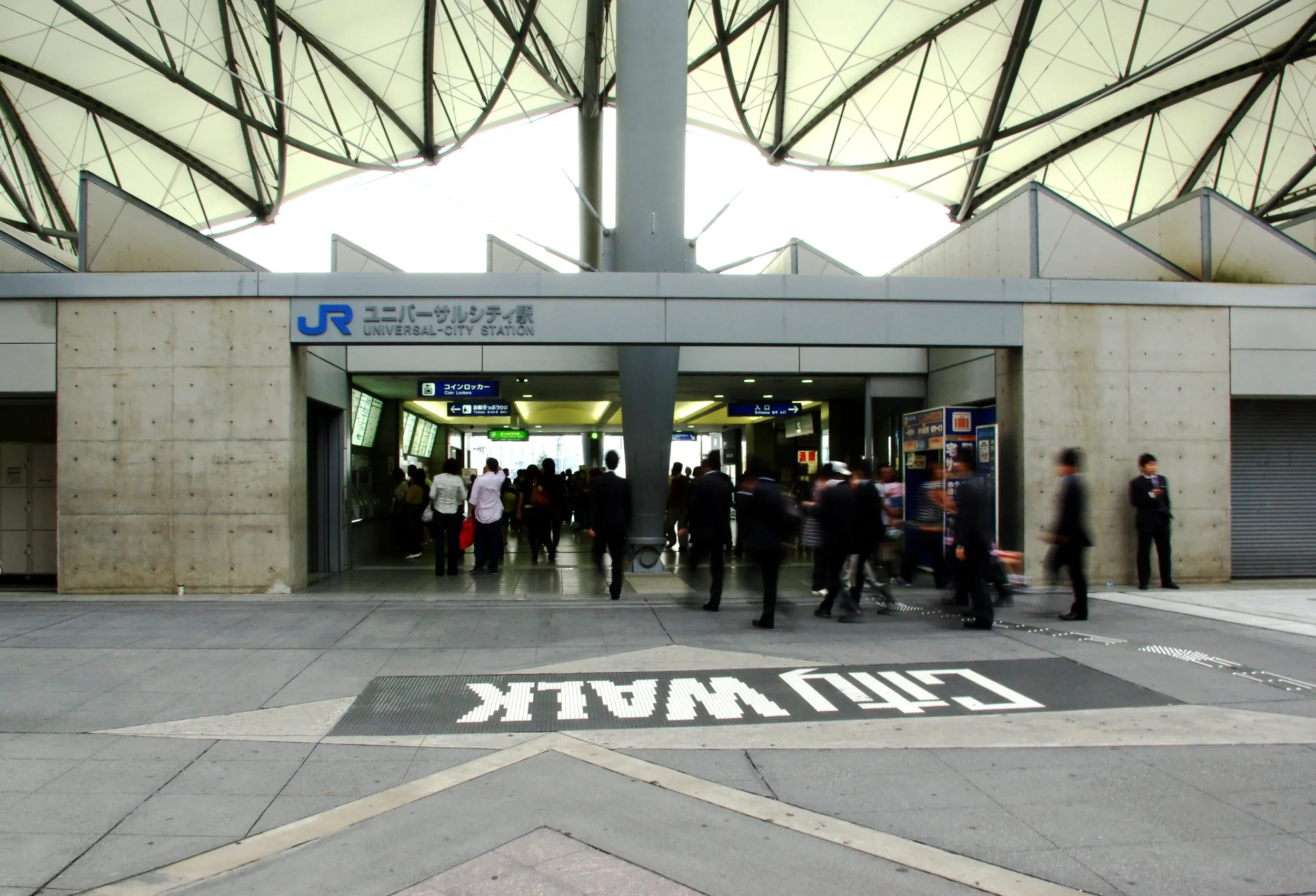
Universal City Station
For families visiting Universal Studios, hotels near Universal City Station offer the most convenient access to the park itself, at the cost of being further from the city's central dining districts.
attractions tickets
All Important Things To Know About Osaka
What Osaka Is Famous For
Osaka is famous, above nearly everything else, for its food, often considered Japan's culinary capital, home to takoyaki, okonomiyaki, and kushikatsu, alongside a citywide culture that treats eating out as a central form of entertainment and social life. It's also known for its friendlier, more informal social character relative to Tokyo, its distinctive neon-lit Dotonbori district, and Universal Studios Japan.
Food and Culture
Osaka's food identity centers on a handful of dishes it either invented or perfected. Takoyaki, ball-shaped snacks of batter and diced octopus, cooked in a special molded pan and topped with sauce, mayonnaise, and bonito flakes, is the city's signature street food. Okonomiyaki, a savory pancake mixing cabbage, batter, and a choice of fillings, cooked on a griddle (often at your own table), reflects Osaka's more hands-on, communal approach to dining.
Kushikatsu, breaded and deep-fried skewers of meat, seafood, and vegetables, particularly associated with the Shinsekai district, comes with one important local rule: no double-dipping the shared sauce, a genuinely strictly enforced point of local dining etiquette.
Culturally, Osaka carries a reputation within Japan for being warmer, funnier, and more direct than Tokyo or Kyoto, a city that values humor and hospitality in ways that show up clearly in how strangers interact, and a place where striking up a conversation with a local, even with a language barrier, is a genuinely common and welcomed occurrence.
Best Time to Visit
Spring (late March–April), for cherry blossoms at Osaka Castle, and autumn (October–November), for comfortable temperatures, are the most popular times to visit. Summer is hot and humid, though the city's indoor food halls and covered shopping arcades offer relief. Winter is cold but generally clear and dry, with fewer crowds at major attractions.
Practical Tips for First-Time Visitors
Kansai International Airport connects to central Osaka via train or bus; the Nankai Limited Express "Rapi:t" offers a fast, comfortable direct route into Namba.
Get an ICOCA IC card for easy use across trains, subways, and buses throughout the Kansai region, including day trips to Kyoto and Nara.
Try street food standing up, as locals do, much of Osaka's best food culture happens at small stalls and counters rather than sit-down restaurants, and eating on the move (though not while walking, which remains generally frowned upon) is part of the experience.
Use Osaka as a Kansai base, its central position and excellent rail connections make it a genuinely practical hub for day trips to Kyoto, Nara, and even Kobe.
A Few Days That Actually Work
Three days suits most visitors well. Day one: Dotonbori and Shinsaibashi in the evening, working through the district's street food. Day two: Osaka Castle in the morning, Kuromon Ichiba Market for lunch, Umeda Sky Building for sunset. Day three: a day trip to Nara, or Universal Studios Japan if traveling with family or theme park interest.