
nARA
All what you need to know about Nara
The Ultimate Guide
Plan your trip to Nara





Nara: The Complete Guide to Japan's First Capital
Nara holds the distinction of being Japan's first permanent capital, established in 710, and it still carries that ancient weight in its temples and monuments, while also being, somewhat famously, the place where hundreds of sacred deer wander freely among the historic buildings, bowing for crackers and generally stealing the show from architecture that predates most of Europe's great cathedrals. This guide covers everything you need to plan a visit to one of Japan's most rewarding easy day trips or short stays.
Understanding Nara
Nara sits in the Kansai region, easily reached from both Osaka and Kyoto, and served as Japan's capital for just over 70 years before the seat of power moved to Kyoto, a relatively brief period that nonetheless left behind some of the country's oldest and most significant wooden buildings and Buddhist art, several predating even Kyoto's oldest surviving structures.
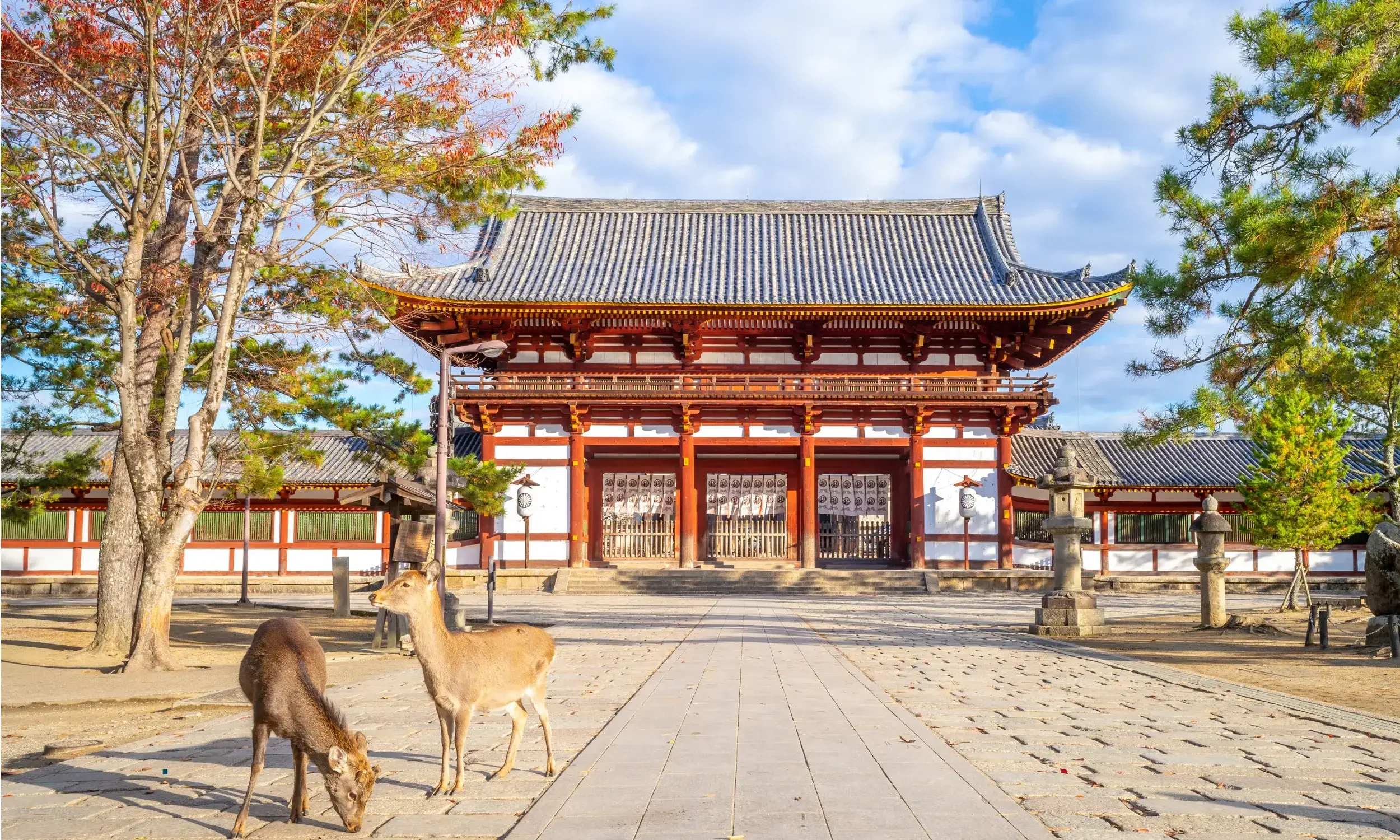
Nara Park, the sprawling green space at the city's center, connects most of the city's major sights and is also home to the free-roaming deer that have become as central to Nara's identity as its temples.
things to discover In Nara
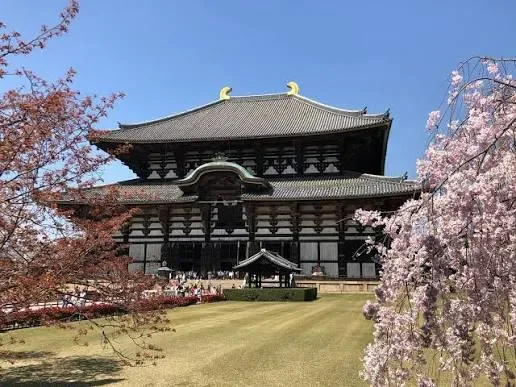
Todai-ji Temple
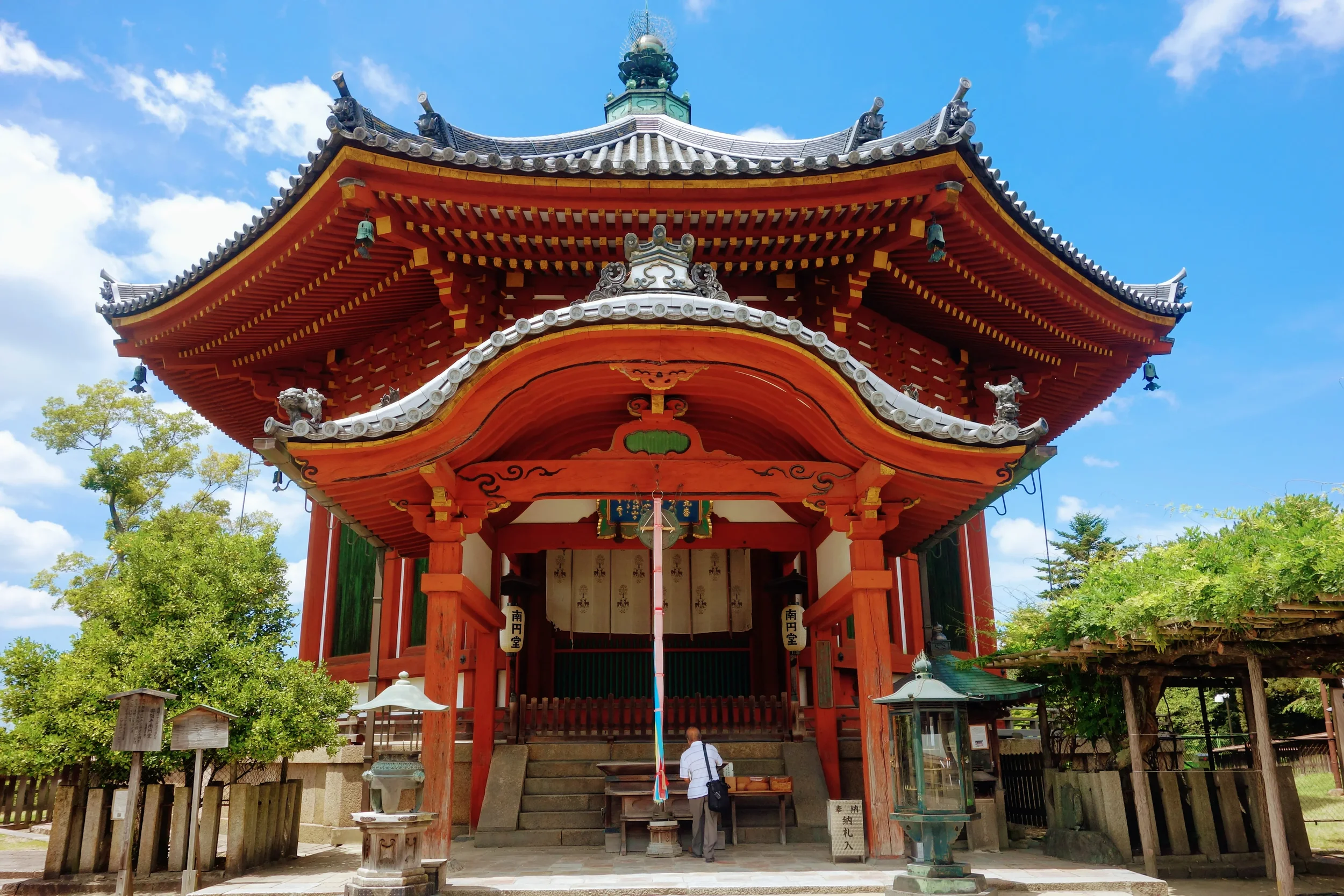
Kofuku-ji Temple
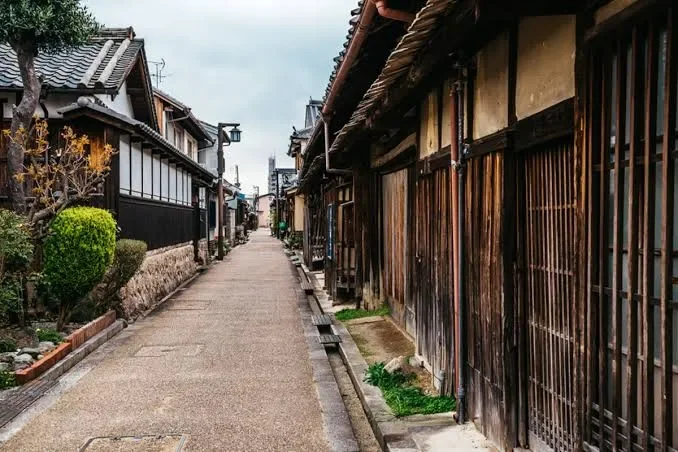
Naramachi
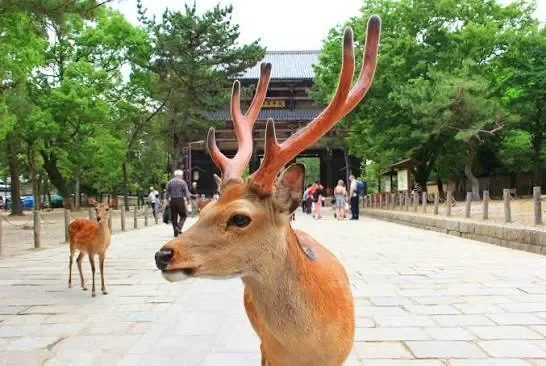
Nara Park's deer
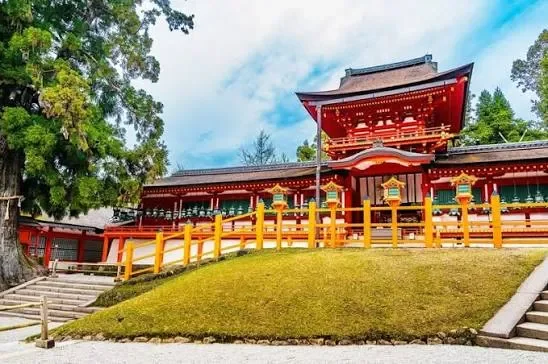
Kasuga Taisha
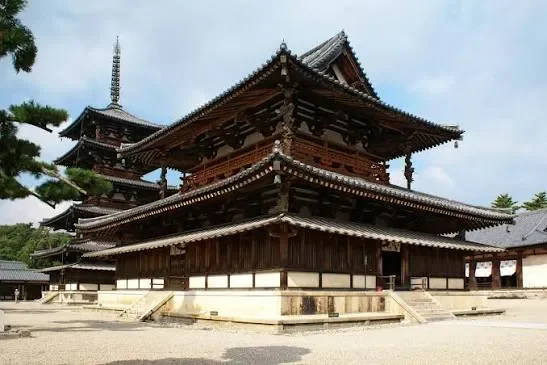
Horyu-ji Temple
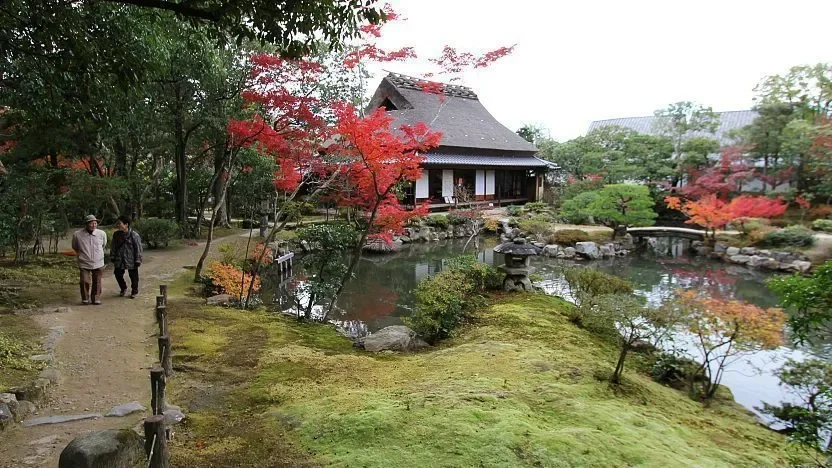
Isuien Garden
our monthly Hotels pics
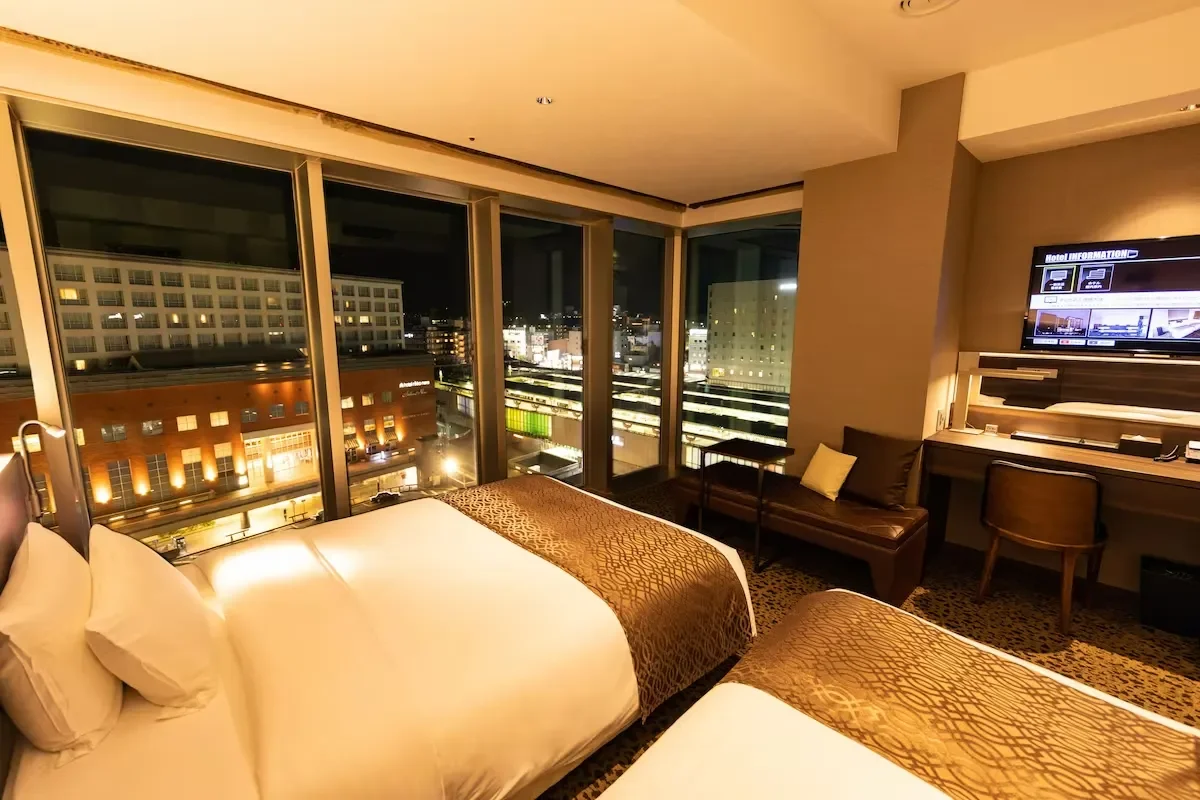
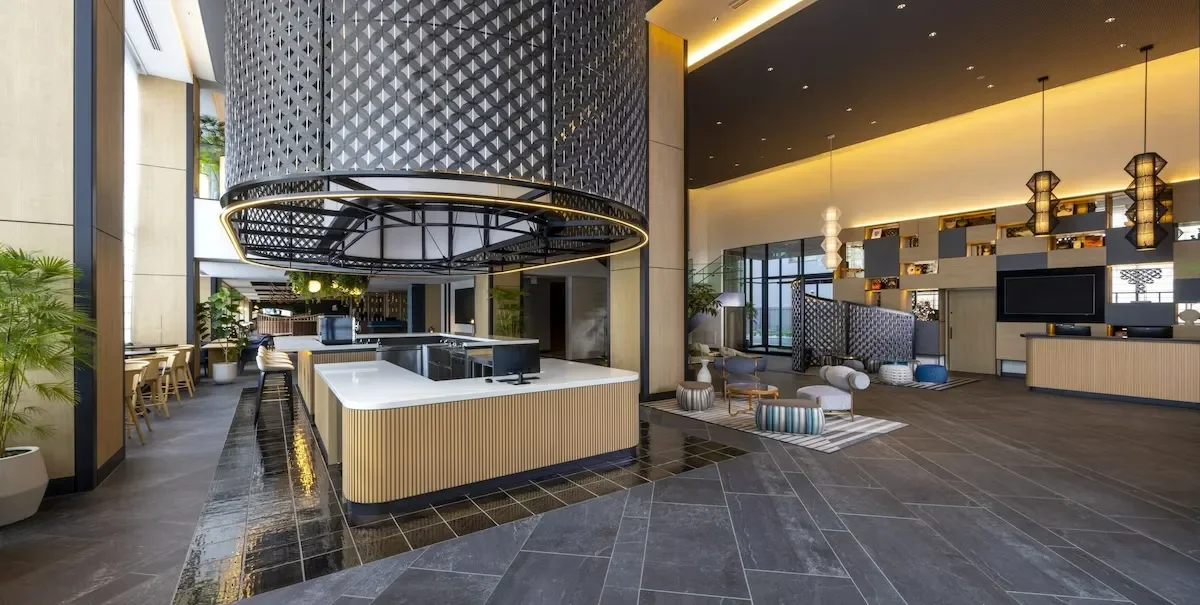
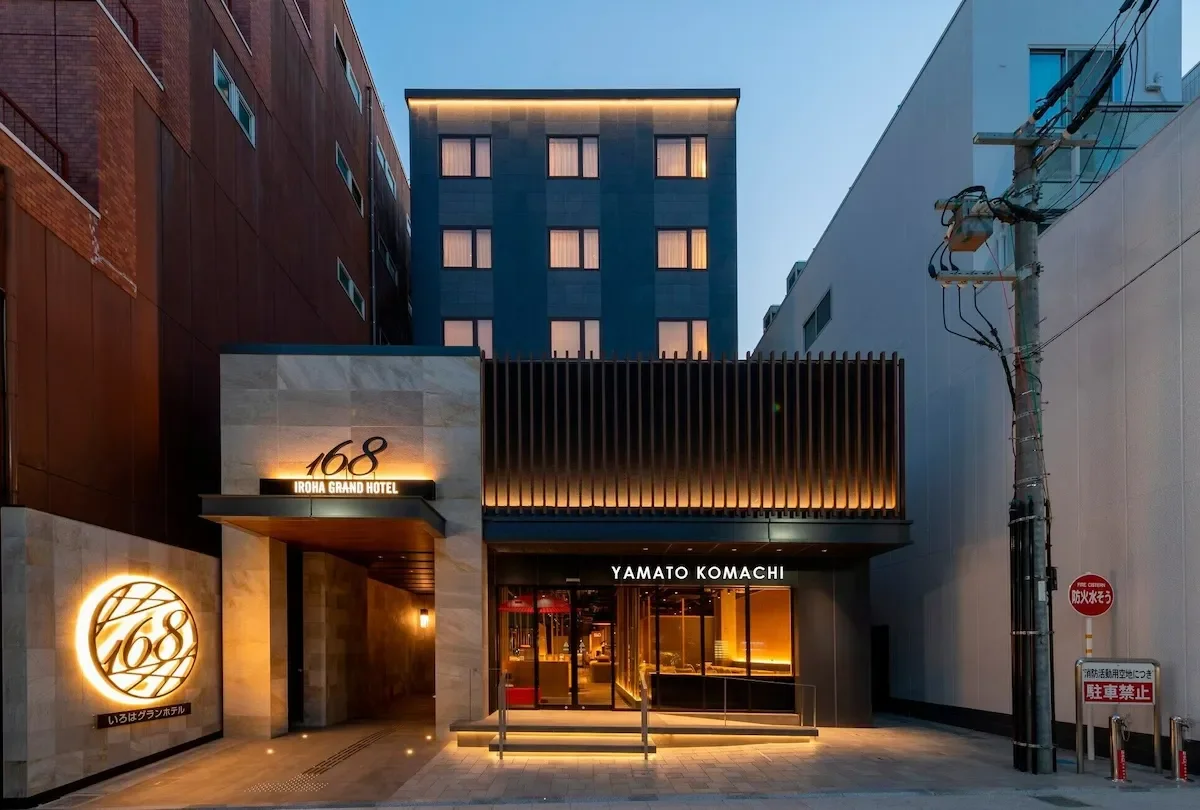
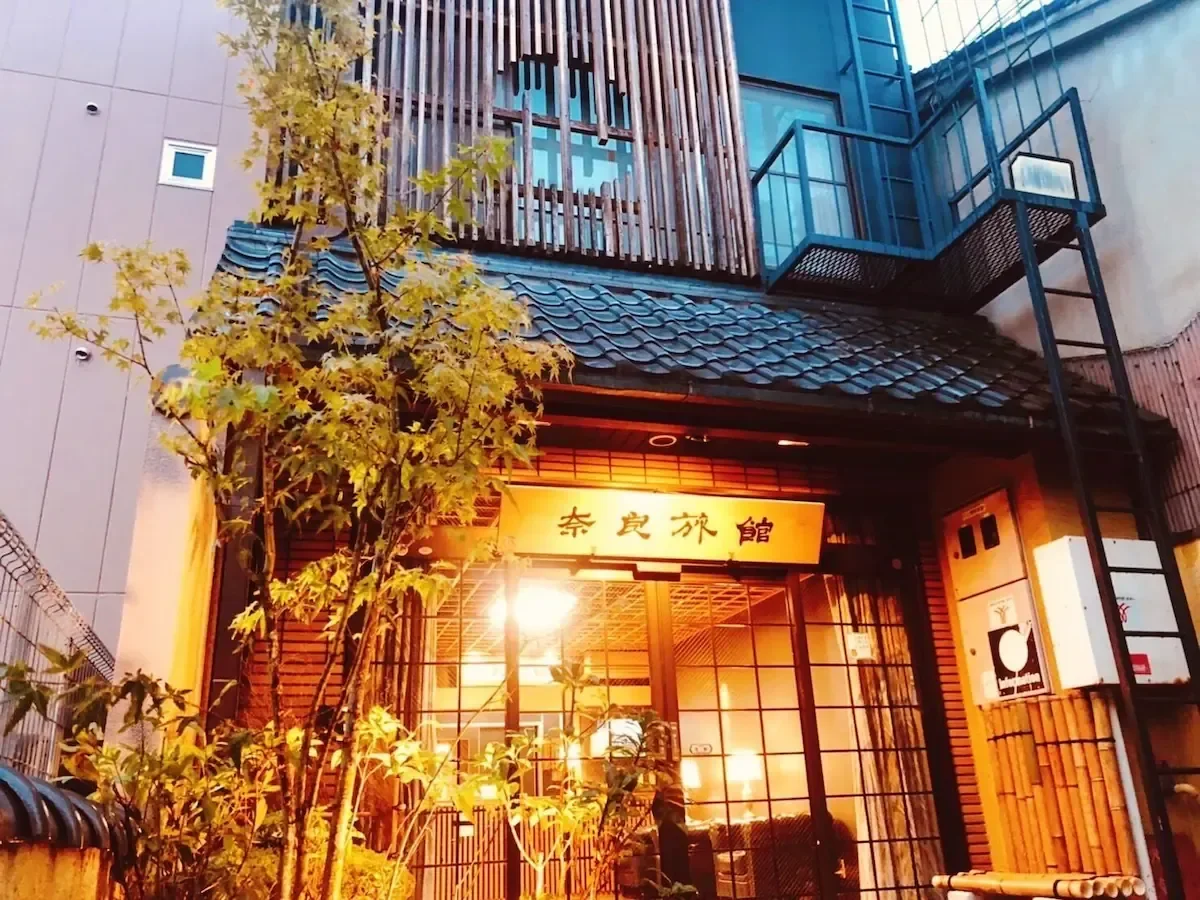
Accommodations under 80$\Night

attractions tickets
All Important Things To Know About Nara
What Nara Is Famous For
Nara is famous for its free-roaming sacred deer, which have become one of the most recognizable and photographed features of any Japanese destination, alongside Todai-ji's Great Buddha and its status as Japan's first permanent capital. The city is also known for its concentration of some of the oldest wooden buildings and Buddhist art in the country, several holding UNESCO World Heritage status.
Food and Culture
Nara's food culture, while smaller in international profile than Kyoto's or Osaka's, includes a few genuine local specialties. Kakinoha-zushi, sushi wrapped in persimmon leaves (originally for preservation purposes, now a traditional presentation), is a distinctly Nara dish worth seeking out at a local restaurant. Nara-zuke, vegetables pickled in sake lees, reflects the region's historical sake-brewing tradition and makes a distinctive, pungent souvenir for adventurous eaters.
The deer themselves carry genuine religious and cultural significance beyond their photogenic charm, in Shinto tradition, they're considered messengers of the gods, specifically connected to Kasuga Taisha's deity, and this sacred status is part of why they've been protected and allowed to roam freely for centuries rather than being treated as ordinary wildlife.
Culturally, Nara carries a quieter, more historically foundational identity than Kyoto, as Japan's first permanent capital, it represents an earlier layer of the country's Buddhist and imperial history, and several of its temples and artistic traditions directly influenced what later developed in Kyoto once the capital moved.
Best Time to Visit
Spring (April), for cherry blossoms throughout Nara Park, and autumn (November), for foliage particularly vivid around Isuien Garden and the park's wooded areas, are the most beautiful and most crowded times to visit. Summer is hot and humid, less comfortable for extensive walking. Winter is quiet and cold, with the deer's coats notably fluffier and the park considerably less crowded than peak seasons.
Practical Tips for First-Time Visitors
Getting to Nara is straightforward via train from either Osaka (about 45 minutes) or Kyoto (around 45 minutes to an hour), making it one of the easiest and most efficient day trips in the Kansai region.
Bow slightly to the deer before feeding them, many have learned to bow back in exchange for crackers, a genuinely charming, if slightly performative, local custom worth participating in.
Be cautious with paper maps, food, and loose items around the deer, while generally docile, they can be assertive (even nipping) when they smell food, and eating snacks openly in the park while carrying deer crackers can prompt more attention than some visitors expect.
Visit Todai-ji and Kasuga Taisha early to avoid both the day-tripper crowds from Osaka and Kyoto, which build significantly through the late morning and midday hours.
A Day That Actually Works
Nara is comfortably covered in a single, well-paced day: arrive early, start at Todai-ji and the Great Buddha before crowds build, spend time in Nara Park feeding and photographing the deer, walk the lantern-lined path to Kasuga Taisha, and finish the afternoon in Naramachi's quieter old streets. With a second day or more time, add Horyu-ji Temple for its exceptional architectural and historical significance.