
All what you need to know about Hiroshima
hIROSHIMA
The Ultimate Guide
Plan your trip to Hiroshima





Hiroshima: The Complete Guide to a City Rebuilt
Hiroshima carries a weight that few other travel destinations do, and it handles that weight with a clarity and openness that makes visiting genuinely essential rather than simply solemn. This is a city that was nearly destroyed in 1945 and has since rebuilt itself into a vibrant, welcoming place that asks visitors to remember without turning that remembrance into something purely mournful. This guide covers everything you need to plan a visit, including the sobering history and the lighter, equally worthwhile sides of the city and nearby Miyajima Island.
Understanding Hiroshima
Hiroshima sits on the Seto Inland Sea in western Japan, rebuilt almost entirely since the atomic bombing of August 6, 1945, which killed tens of thousands of people and reshaped the city's identity permanently around peace advocacy. The modern city functions as a normal, thriving regional hub, a genuinely pleasant place to spend time, while the Peace Memorial Park anchors its historical significance at the center of town.
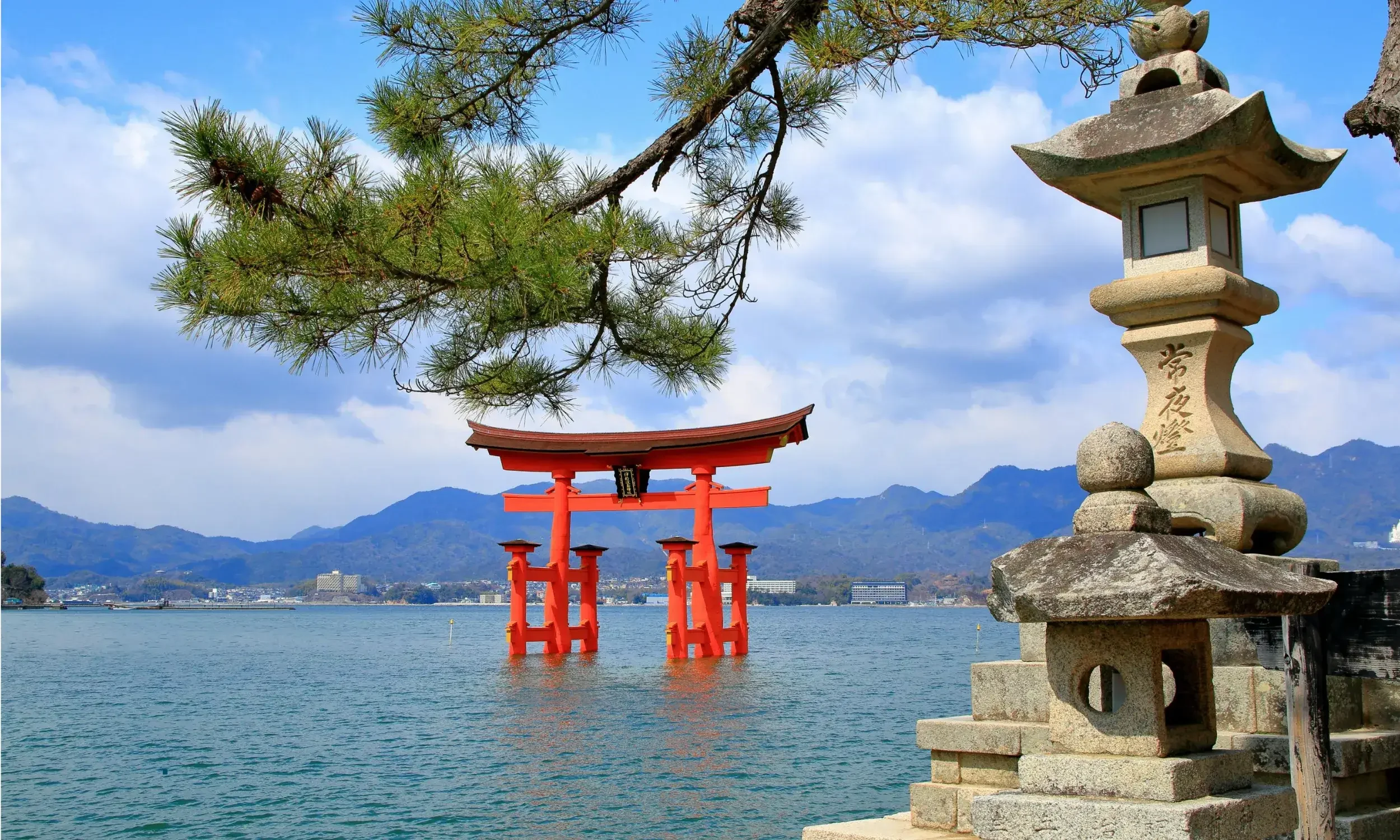
Just offshore, Miyajima Island, reachable by a short ferry, offers a completely different, more traditionally scenic side of the region, home to the famous "floating" torii gate of Itsukushima Shrine.
things to discover In Hiroshima
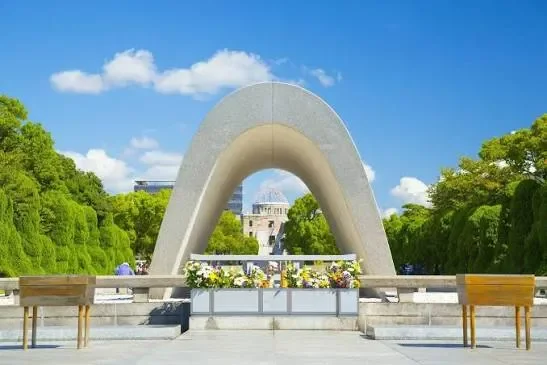
Hiroshima Peace Memorial Park
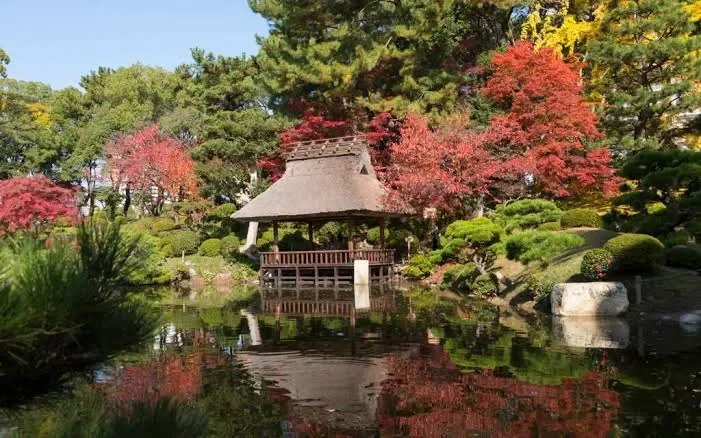
Shukkei-en Garden
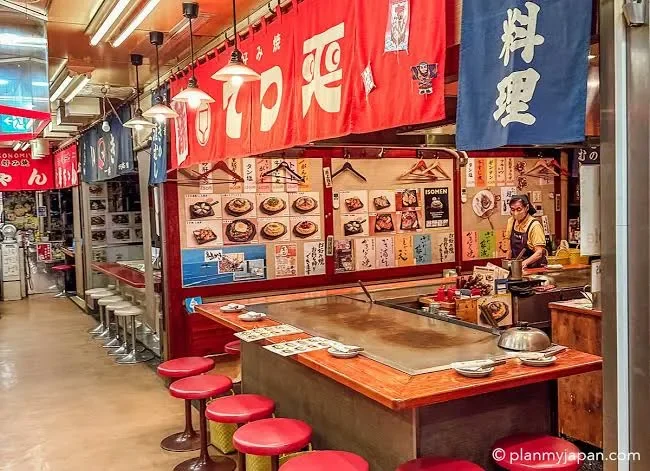
Okonomimura
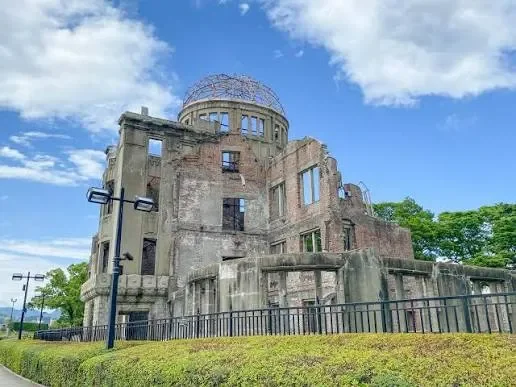
The Atomic Bomb Dome
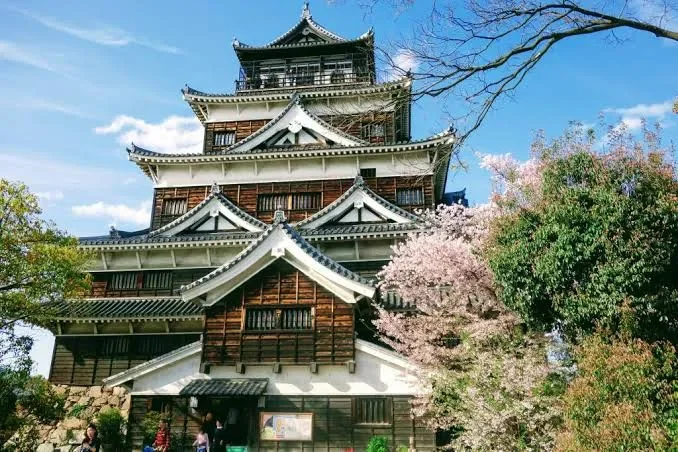
Hiroshima Castle
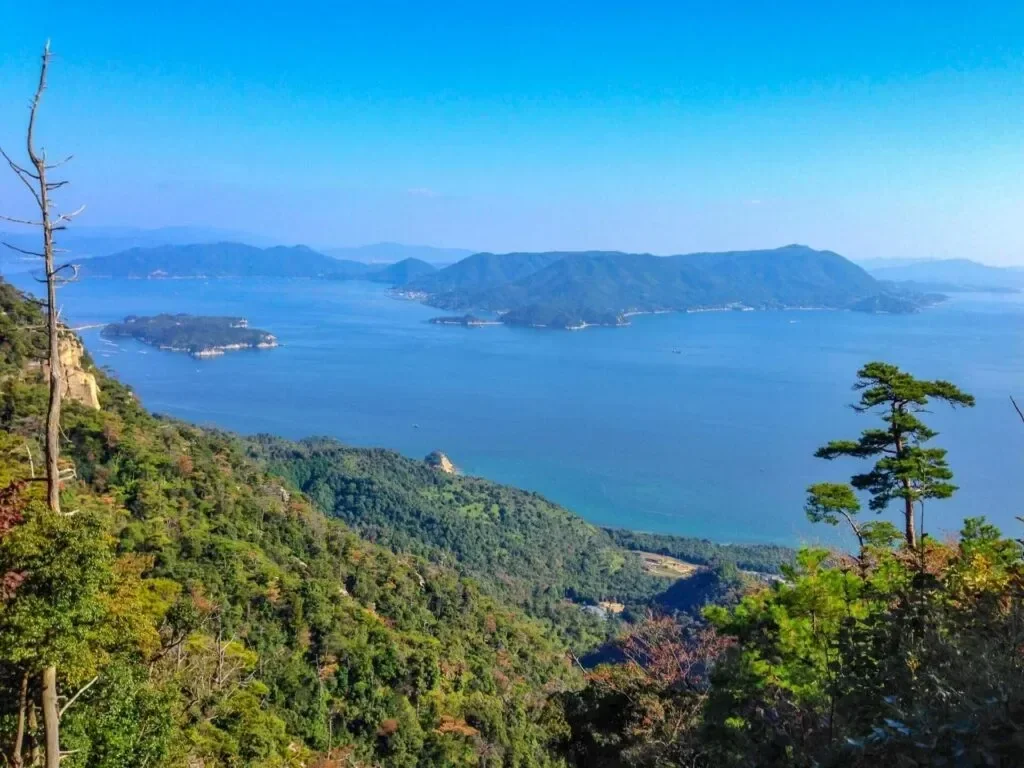
Mount Misen
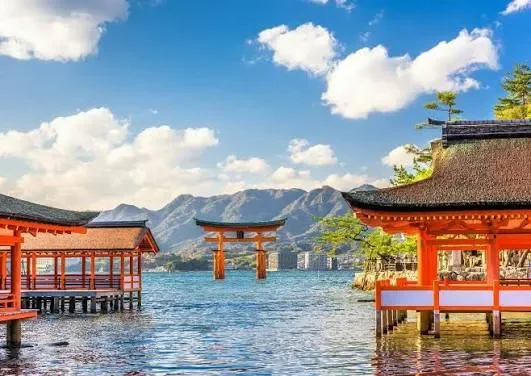
Miyajima Island
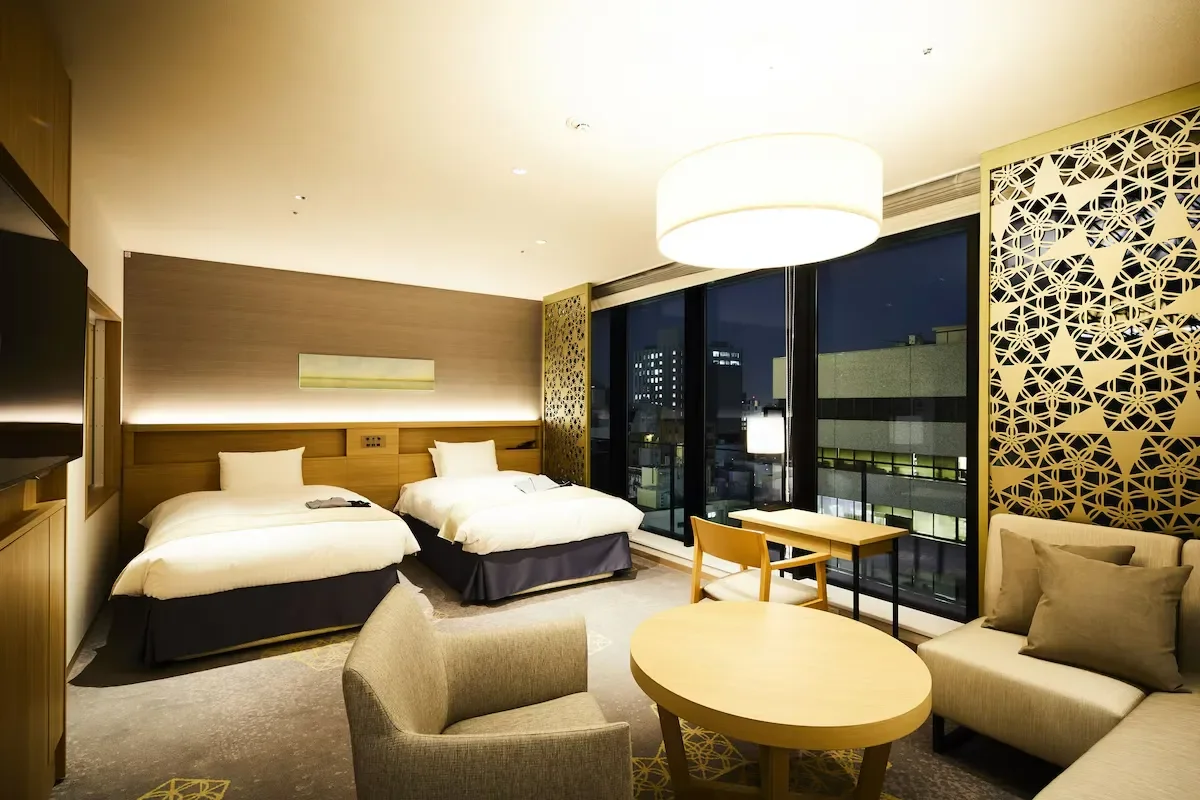
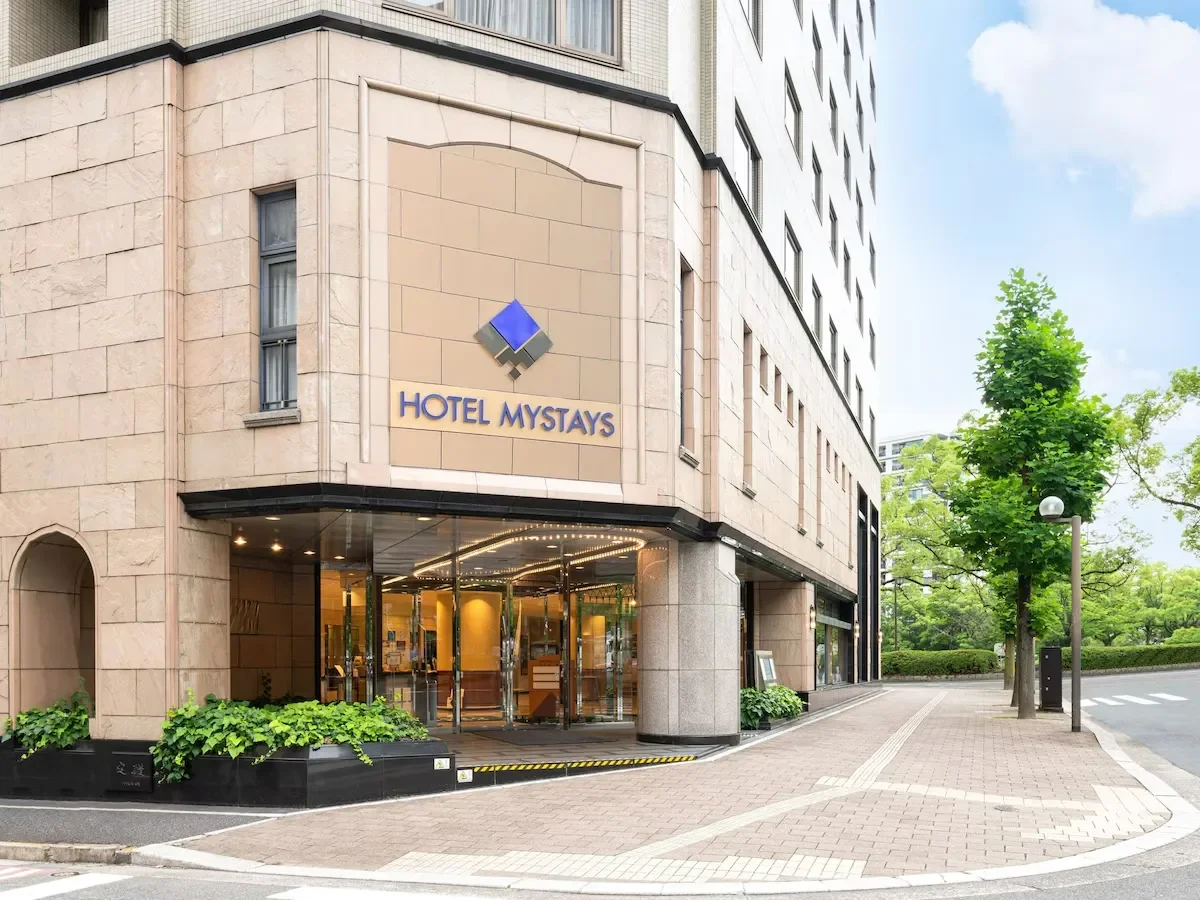
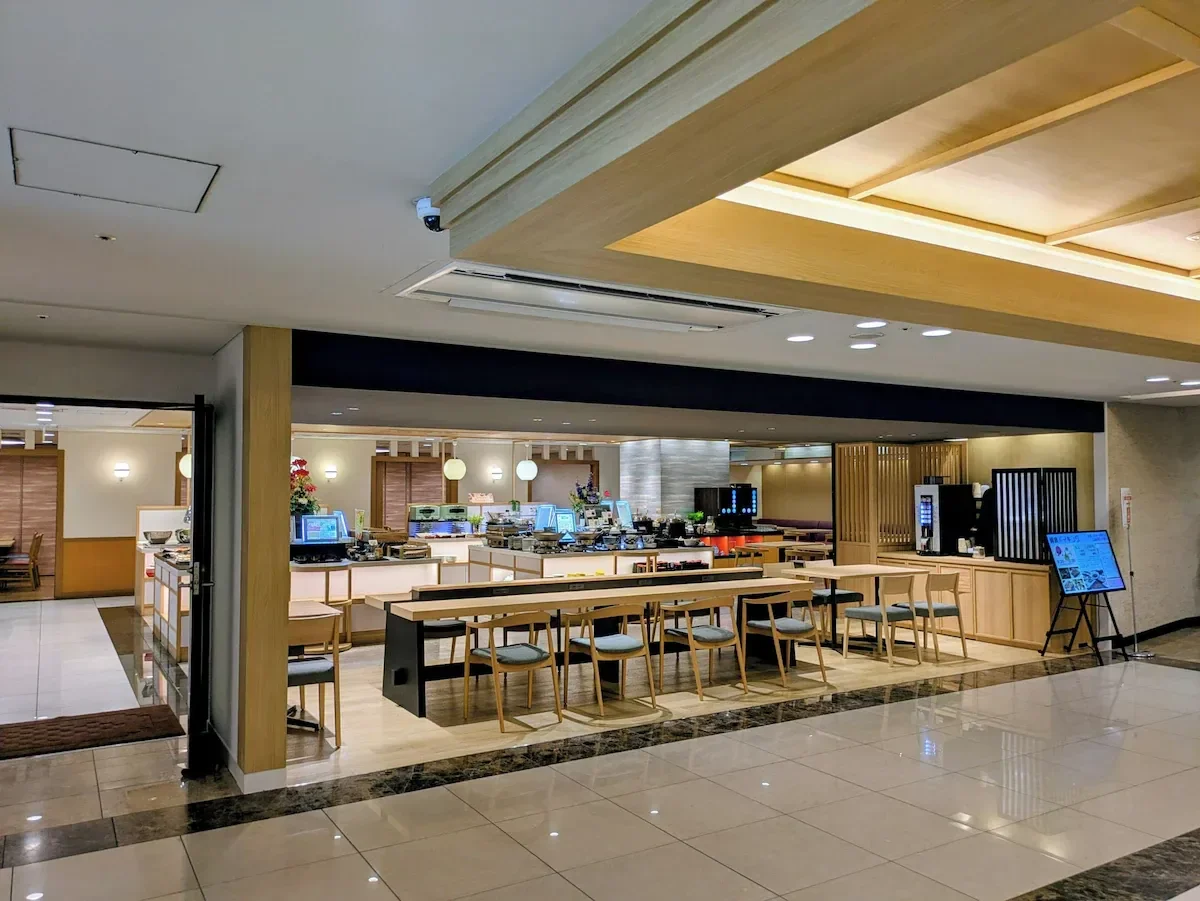
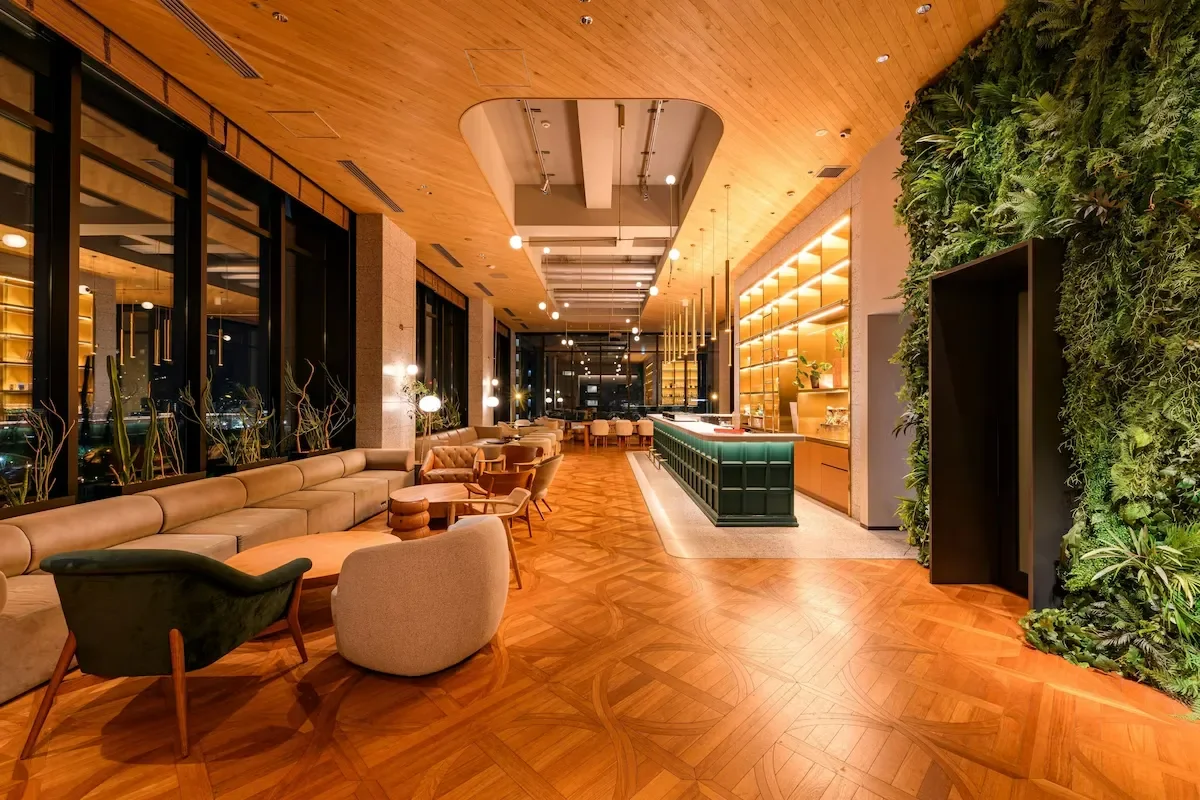
our monthly Hotels pics

Accommodations under 80$\Night
attractions tickets
All Important Things To Know About Hiroshima
What Hiroshima Is Famous For
Hiroshima is famous, first and foremost, as the site of the first atomic bomb used in warfare, and its Peace Memorial Park and Museum stand as one of the world's most significant sites for reflecting on nuclear history and advocating for peace. The wider region is also known for Miyajima Island's iconic floating torii gate, and the city itself has its own distinct, beloved version of okonomiyaki.
Food and Culture
Hiroshima-style okonomiyaki differs meaningfully from Osaka's version, rather than mixing ingredients into the batter, Hiroshima's version layers cabbage, pork, egg, and a bed of fried noodles, cooked in distinct stages on the griddle rather than combined beforehand. Locals take this distinction seriously, and trying both regional styles on a broader Japan trip offers a genuine, tasty lesson in the country's culinary regionalism.
Miyajima's oysters, farmed in the surrounding Seto Inland Sea, are considered among the best in Japan, and grilled oyster stalls are common on the island, particularly near the ferry terminal and shrine approach.
Culturally, Hiroshima's identity is inseparable from its history, but the city and its residents have deliberately built an identity around peace, resilience, and rebuilding rather than dwelling purely in grief, visitors are generally met with warmth and a genuine openness to conversation about the city's history, alongside all the everyday friendliness typical of a mid-sized Japanese city.
Best Time to Visit
Spring (March–May) and autumn (October–November) offer the most comfortable weather for exploring both the city and Miyajima Island extensively. Summer is hot and humid, though Peace Memorial Day (August 6th) draws significant reflection and ceremony if you're interested in experiencing that specific commemoration. Winter is mild by Japanese standards and considerably quieter, a good option for a more contemplative visit.
Practical Tips for First-Time Visitors
Hiroshima Airport has limited direct international connections; most visitors arrive via Shinkansen from Osaka (about 1.5 hours) or Tokyo (around 4 hours), given the city's position on Japan's main bullet train line.
Approach the Peace Memorial Museum with emotional preparation, the exhibits are direct and can be genuinely difficult, particularly sections depicting the human impact of the bombing; pacing your visit and allowing time to process afterward is worth planning for.
Time Miyajima around the tide, the torii gate's "floating" appearance only happens at high tide; check tide charts in advance if that specific image matters to your visit, since at low tide visitors can actually walk out to the gate itself.
Use the city's tram network, one of the most extensive and historic streetcar systems remaining in Japan, for easy, affordable transportation around central Hiroshima.
A Few Days That Actually Work
Two to three days suits most visitors. Day one: Peace Memorial Park, the Atomic Bomb Dome, and the Peace Memorial Museum, allowing a full morning or afternoon given the emotional weight of the content. Day two: a full day on Miyajima Island, including Itsukushima Shrine, the deer, and Mount Misen if time and weather allow. Day three, if you have it: Hiroshima Castle and Shukkei-en Garden for a slower, lighter final day, alongside a proper okonomiyaki lunch at Okonomimura.