
All what you need to know about ronda
rONDA
The Ultimate Guide
Plan your trip to Ronda




Ronda: The Complete Guide to Spain's Cliffside City
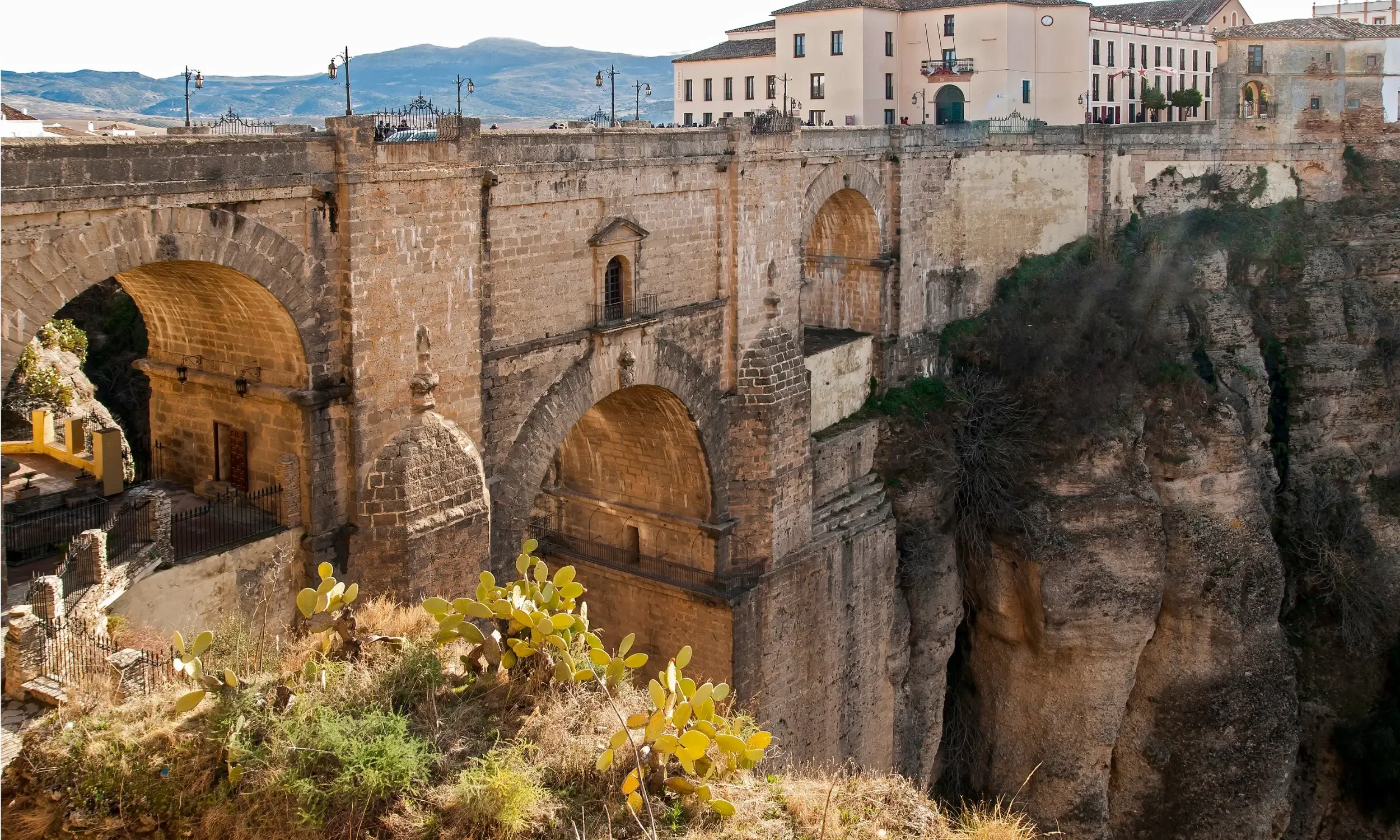
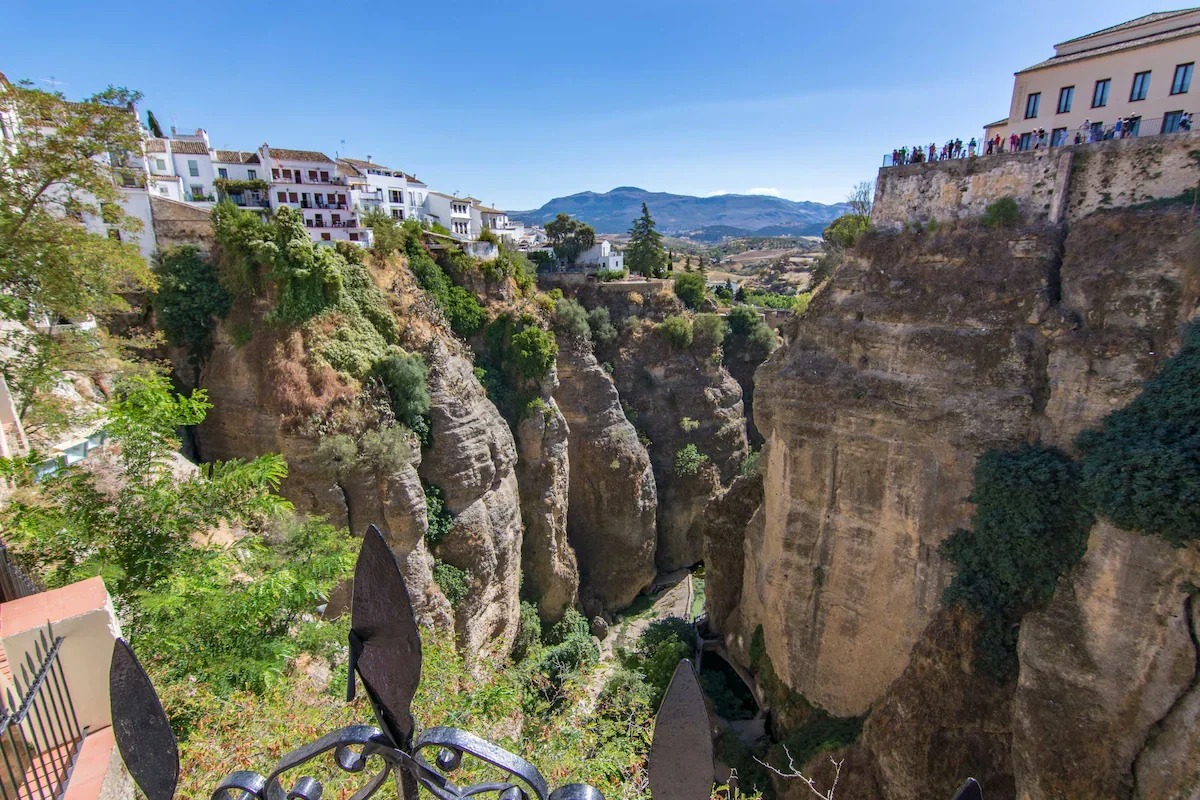
Ronda's defining feature is a 120-meter gorge splitting the town in half, crossed by a single dramatic 18th-century bridge, a view so striking it's genuinely hard to photograph badly, and one that draws visitors from nearby Málaga and the Costa del Sol on day trips, though the town deserves considerably more time than that. This guide covers everything you need to plan a proper visit to one of Andalusia's most visually spectacular towns.
Understanding Ronda
Ronda sits inland in Andalusia's mountainous interior, roughly 100 kilometers from Málaga, perched dramatically on either side of El Tajo, a deep gorge carved by the Guadalevín River. The town splits into two distinct halves: La Ciudad, the older, Moorish-era quarter on one side of the gorge, and El Mercadillo, the newer, 15th-century-and-later town on the other, connected by the Puente Nuevo (New Bridge), which, despite the name, is now over 200 years old.
Ronda's dramatic setting has drawn writers, artists, and bullfighting enthusiasts for centuries, and it holds a particular significance in the history and mythology of Spanish bullfighting.
things to discover In Ronda
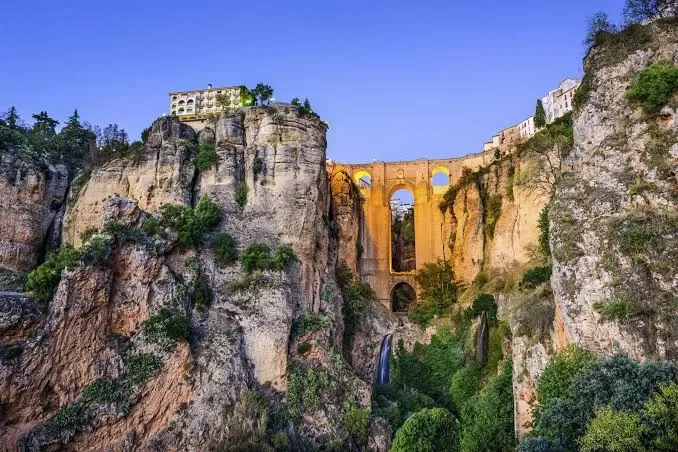
Puente Nuevo
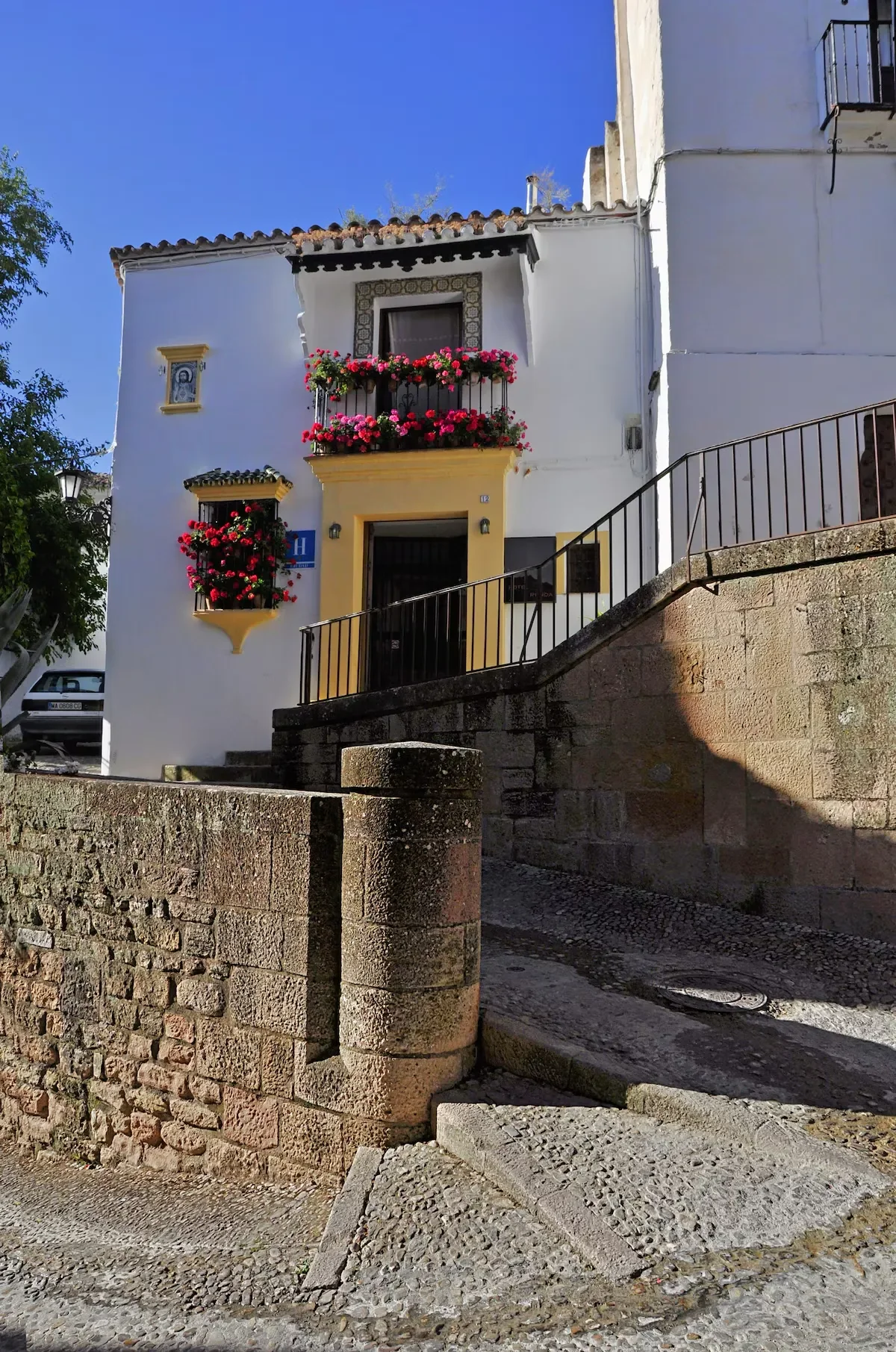
Pueblos Blancos
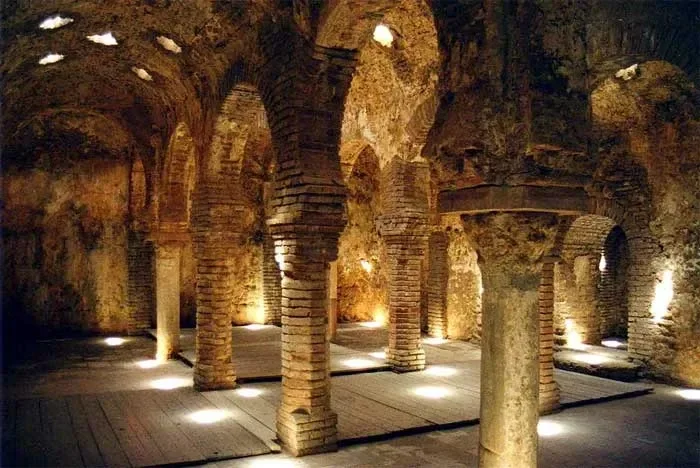
Baños Árabes
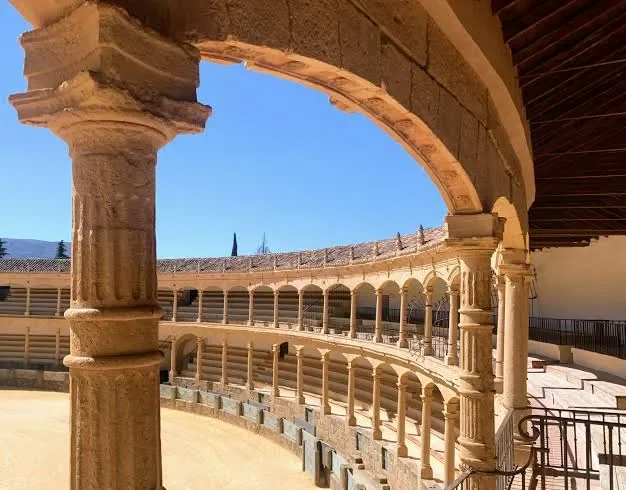
Plaza de Toros
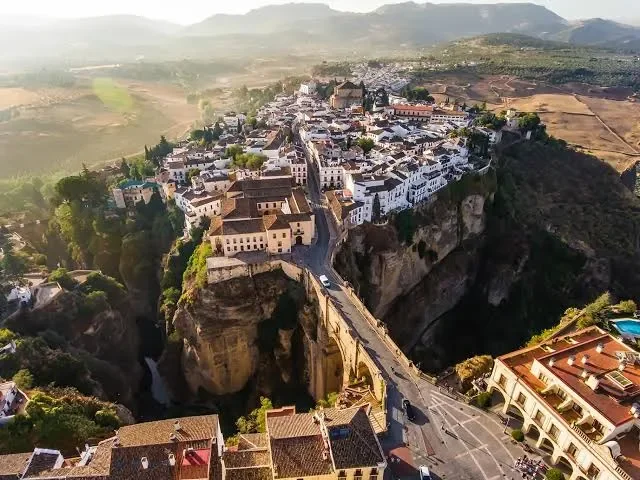
La Ciudad
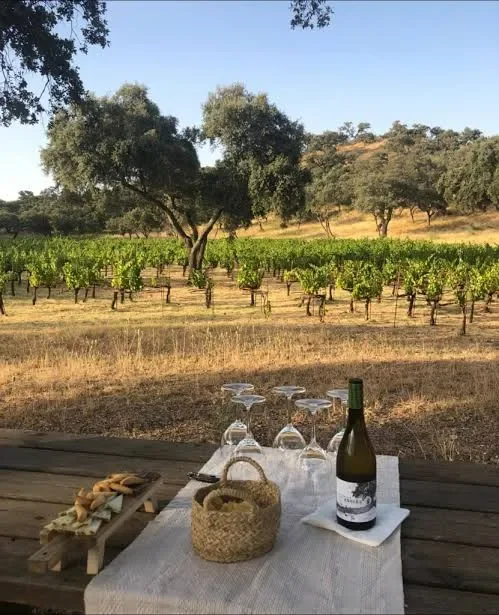
Ronda wine region
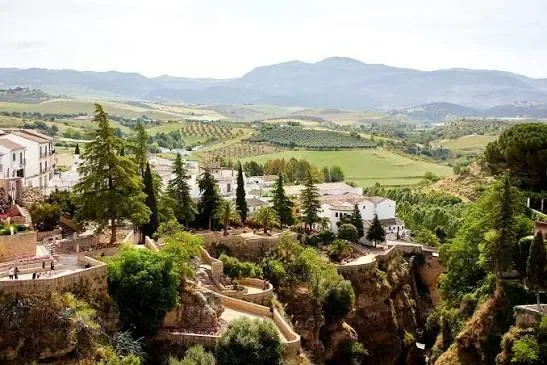
Jardines de Cuenca
our monthly Hotels pics
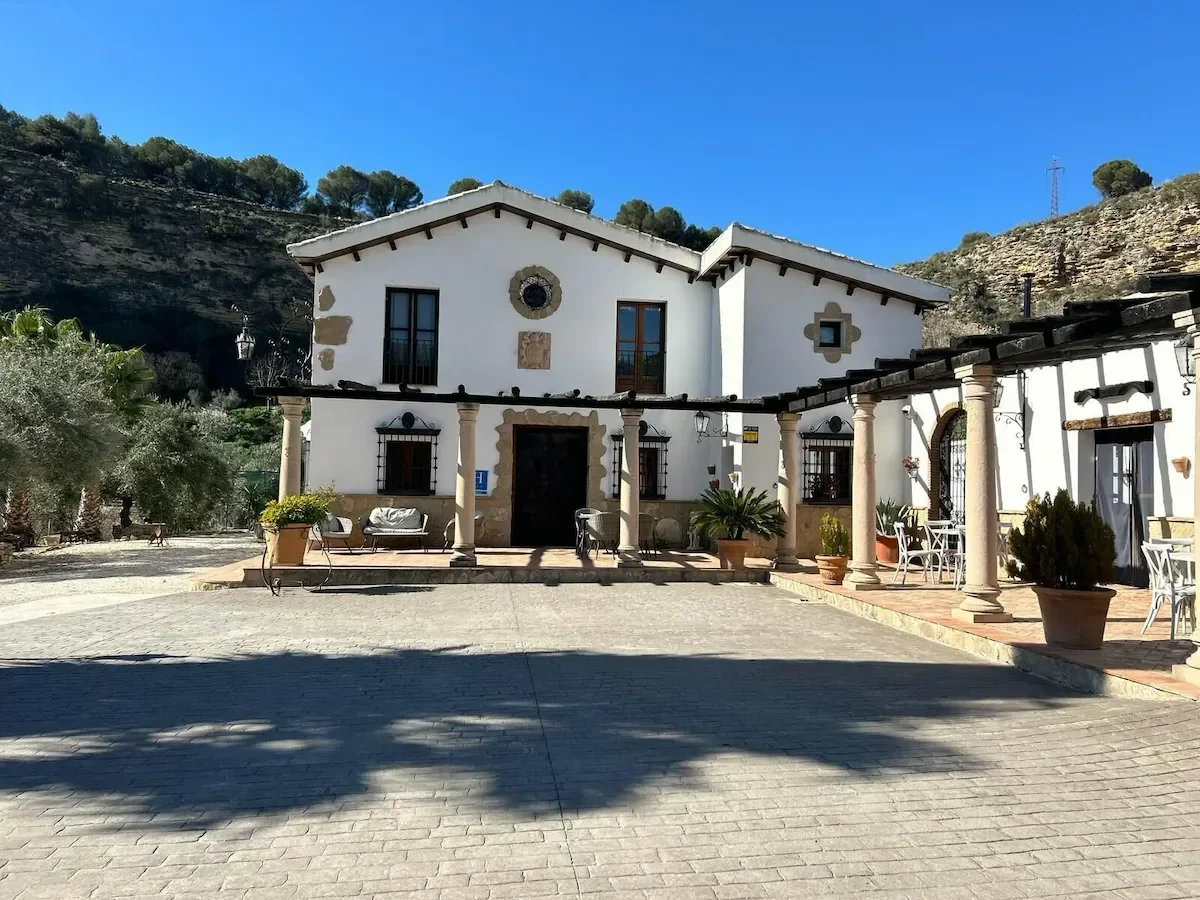
Accommodations under 80$\Night
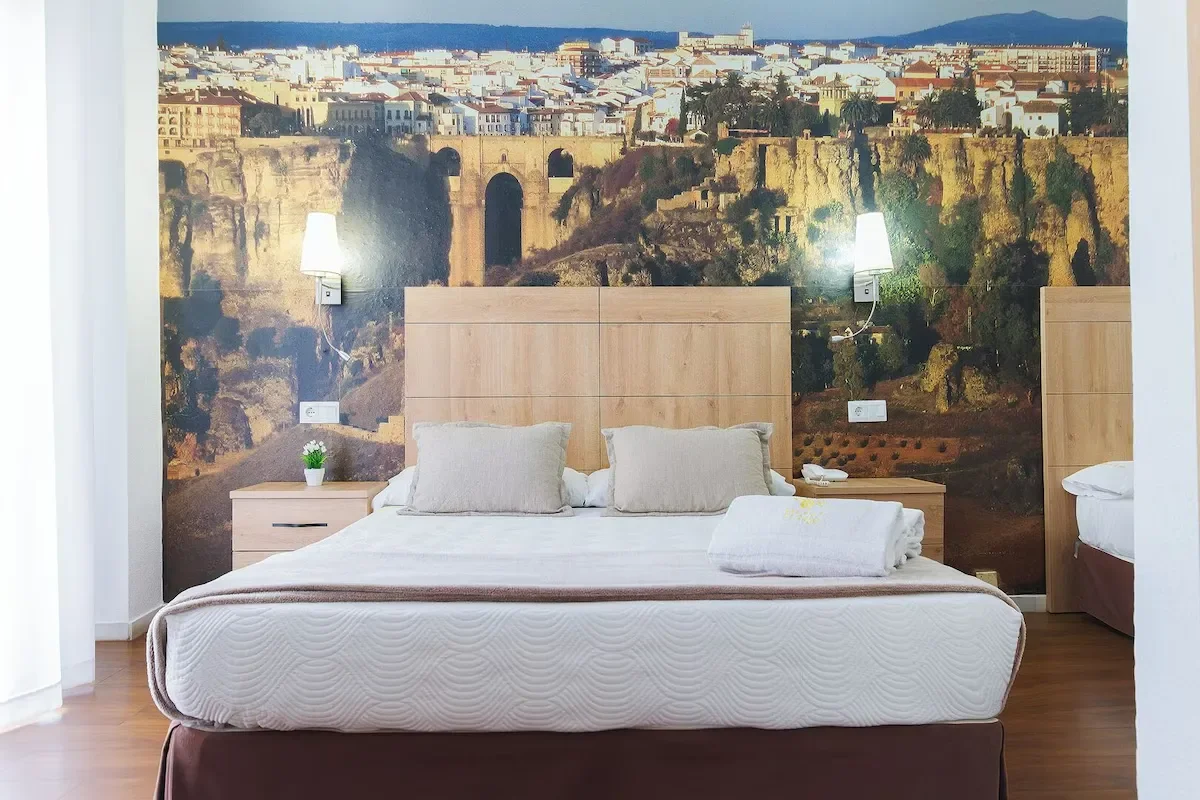
attractions tickets
All Important Things To Know About Ronda
What Ronda Is Famous For
Ronda is famous above all for its dramatic gorge-top setting and the Puente Nuevo bridge spanning it, along with its deep historical association with the origins of modern Spanish bullfighting. It's also known as a gateway to the Pueblos Blancos, Andalusia's collection of whitewashed hillside villages, and has a long history of drawing writers and artists, Ernest Hemingway and Orson Welles both wrote about and spent time in the town, and Welles's ashes are reportedly interred on a nearby estate at his own request.
Food and Culture
Ronda's mountainous, inland setting shapes a heartier food culture than Andalusia's coastal towns. Rabo de toro (oxtail stew), slow-braised until tender, carries an obvious connection to the town's bullfighting heritage and is one of the signature dishes to seek out at a traditional restaurant. Game meats, given the surrounding mountainous terrain, also feature more prominently on menus here than along the coast.
The Ronda wine region, though smaller and less internationally known than Rioja or Ribera del Duero, has developed a genuine reputation in recent decades, and several local bodegas offer tastings that pair naturally with the region's hearty, meat-forward cuisine.
Culturally, Ronda's identity is closely tied to its bullfighting heritage, and the Real Maestranza de Caballería bullring remains one of the most historically significant venues in the sport, even as attitudes toward bullfighting continue to evolve both within Spain and internationally, worth approaching with awareness of the complexity and controversy surrounding the tradition, rather than treating it as simple local color.
Best Time to Visit
Spring (April–May) and autumn (September–October) offer the most comfortable temperatures for walking and exploring the surrounding countryside. Summer gets hot, though Ronda's higher elevation makes it noticeably cooler than the Andalusian coast or interior cities like Seville during the same months. Winter is mild and quiet, offering the best chance to see the bridge and gorge without the day-tripper crowds that define the busier seasons.
Practical Tips for First-Time Visitors
Ronda has no airport of its own, most visitors arrive by train or bus from Málaga (about 2 hours) or as part of a road trip through the wider Andalusian countryside, often combining a stop here with the Pueblos Blancos or a longer Seville-to-Málaga route.
Visit as more than a day trip if you can, Ronda is a very popular half-day excursion from the Costa del Sol, meaning midday crowds around Puente Nuevo can be significant; staying overnight lets you experience the bridge and viewpoints in the quieter early morning or evening light.
Wear sturdy shoes for the gorge path, the walk down into El Tajo for the upward view of the bridge involves uneven, sometimes steep terrain.
Rent a car if you want to explore the Pueblos Blancos, public transportation between the smaller white villages is limited, and a rental car offers far more flexibility for this part of the trip.
A Day (or Two) That Actually Works
A single day covers Ronda's essentials: morning at Puente Nuevo and the gorge viewpoints, a visit to the bullring and its museum, lunch featuring rabo de toro at a traditional restaurant, and an afternoon wander through La Ciudad's quieter streets. With a second day, rent a car and explore the surrounding Pueblos Blancos, particularly Setenil de las Bodegas and Grazalema, both offering a genuinely different, equally striking side of this mountainous corner of Andalusia.