
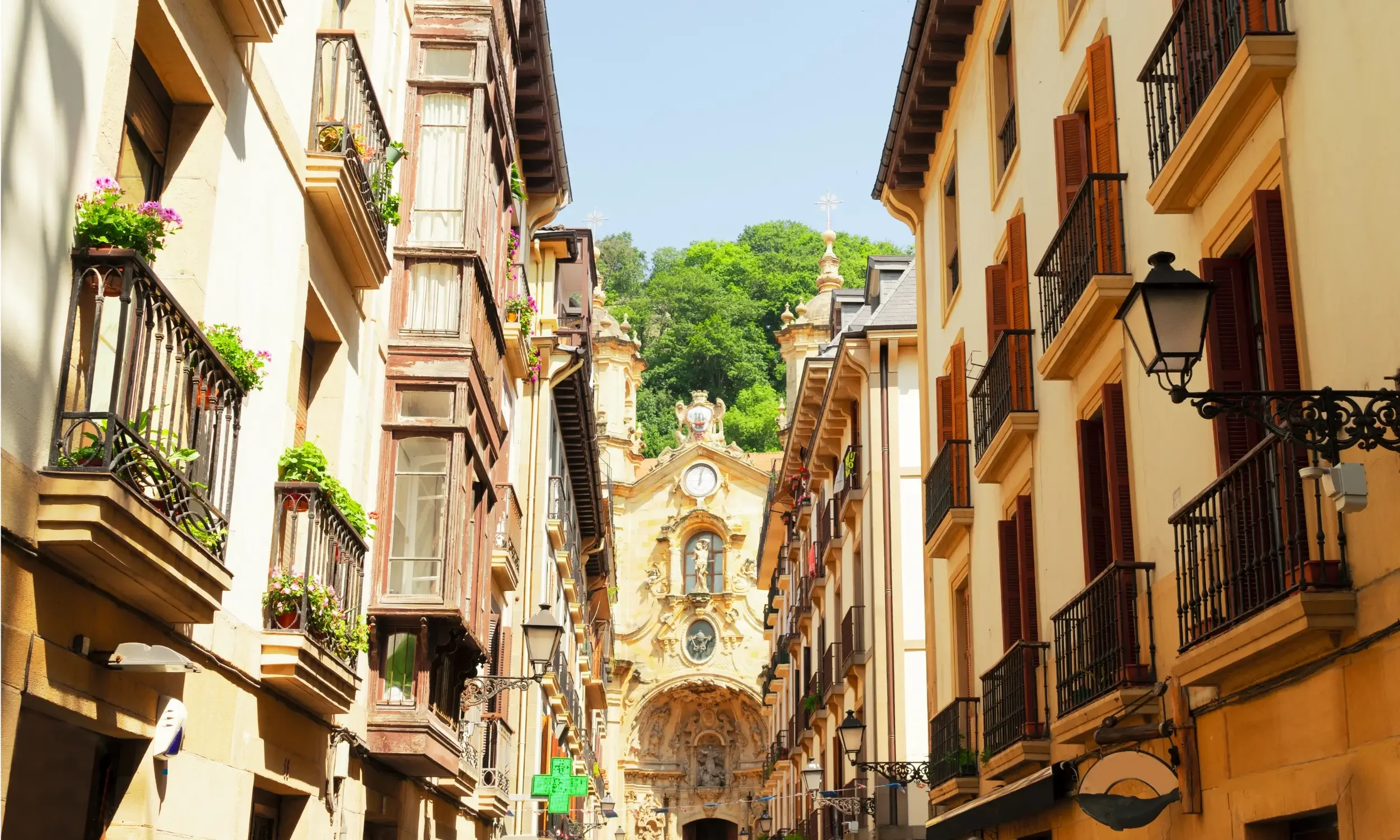
All what you need to know about San Sebastian
sAN SEBASTİAN
The Ultimate Guide
Plan your trip to San San sebastian





San Sebastián: The Complete Guide to Spain's Culinary Capital
San Sebastián might have the best food-per-capita of any city in the world, and it doesn't hide that fact this small Basque coastal city holds an extraordinary concentration of Michelin-starred restaurants alongside an equally legendary pintxos bar scene, all wrapped around one of the most beautiful urban beaches in Europe. This guide covers everything you need to plan a visit to what might be Spain's most quietly extraordinary city.
Understanding San Sebastián
San Sebastián (known locally as Donostia in Basque) sits in Spain's Basque Country, a region with its own language, culture, and history distinct from the rest of the country, Basque (Euskara) is not a Romance language and isn't related to Spanish at all, a fact that surprises many first-time visitors and reflects just how genuinely separate Basque cultural identity remains.
The city curves around La Concha Bay, one of Europe's most celebrated urban beaches, with the old town (Parte Vieja) tucked at one end, packed with pintxos bars, and the more elegant, Belle Époque-era city center spreading along the seafront.
things to discover In San Sebastian
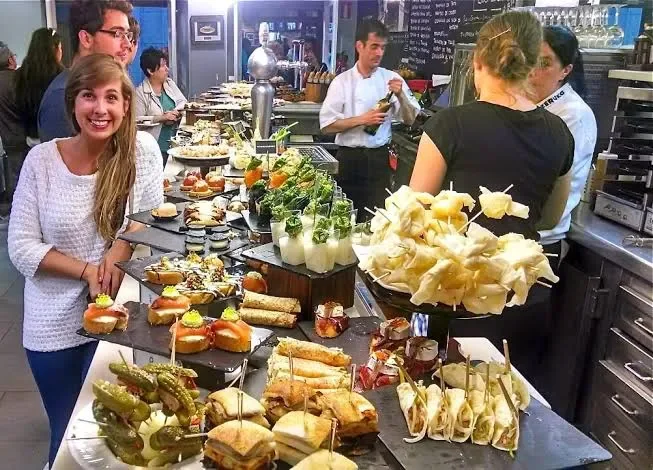
A pintxos crawl through Parte Vieja
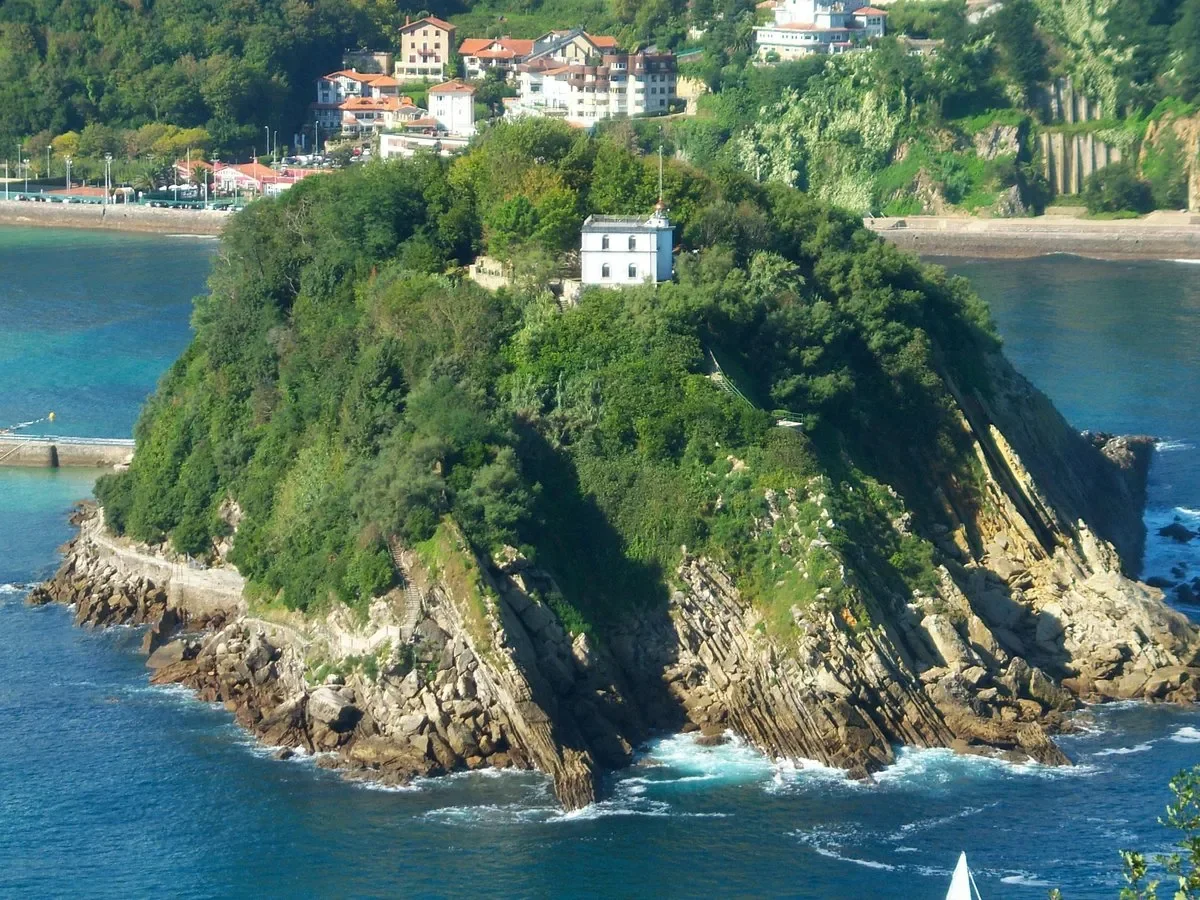
Monte Urgull
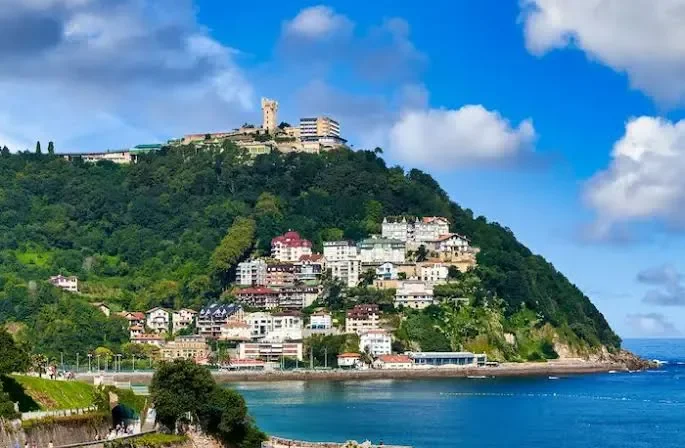
Monte Igueldo
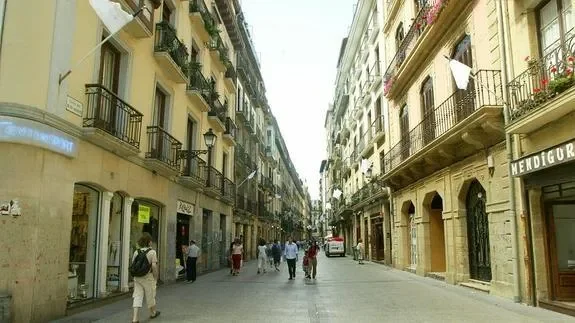
Calle 31 de Agosto
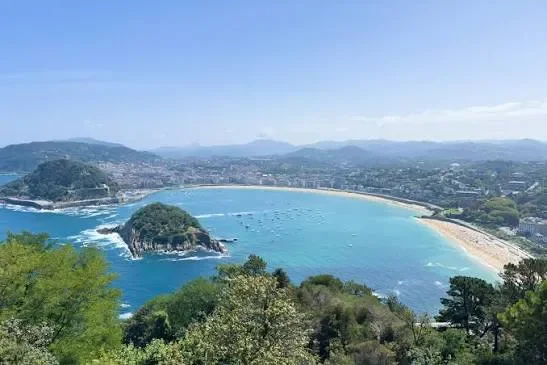
La Concha Beach
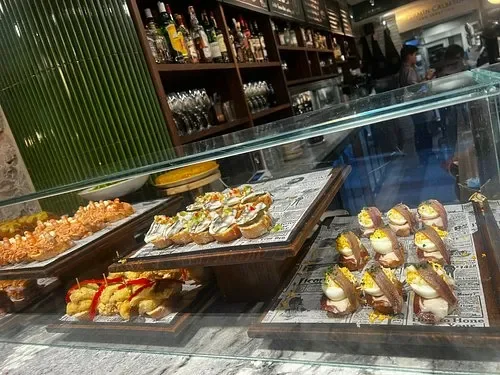
Fermín Calbetón
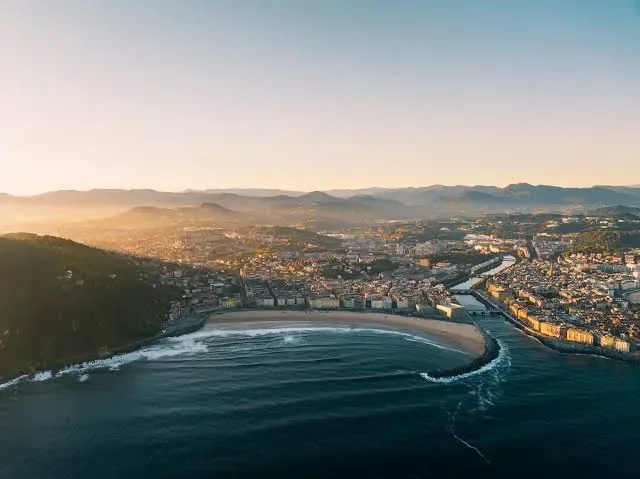
Zurriola Beach
our monthly Hotels pics
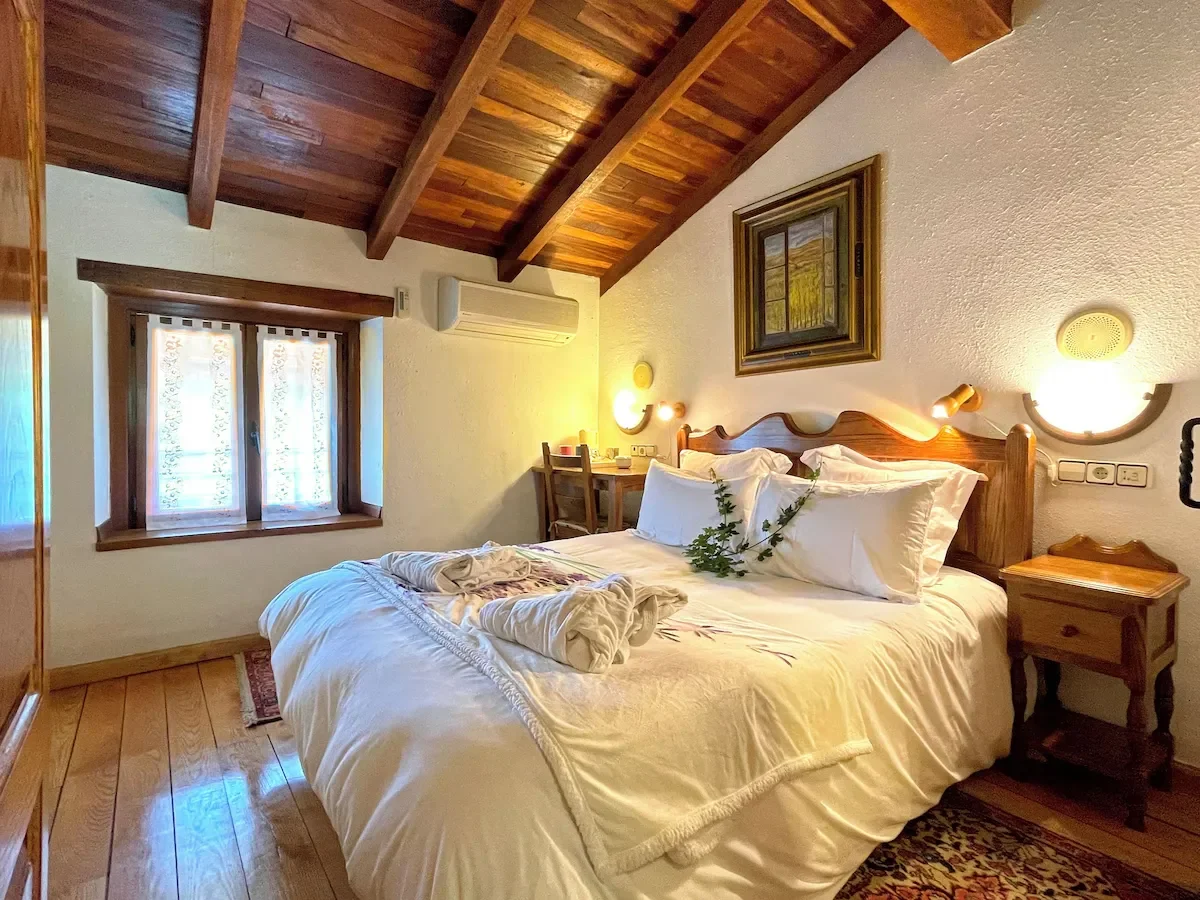
Accommodations under 100$\Night
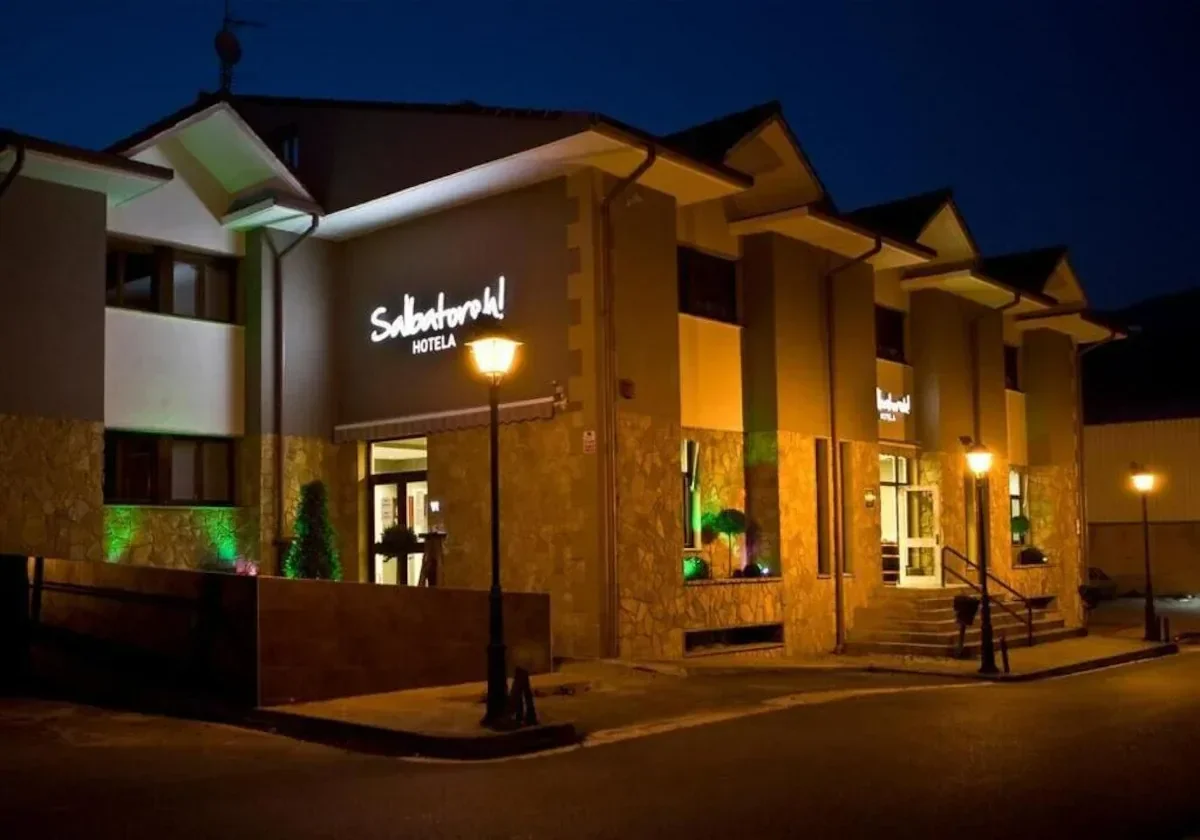
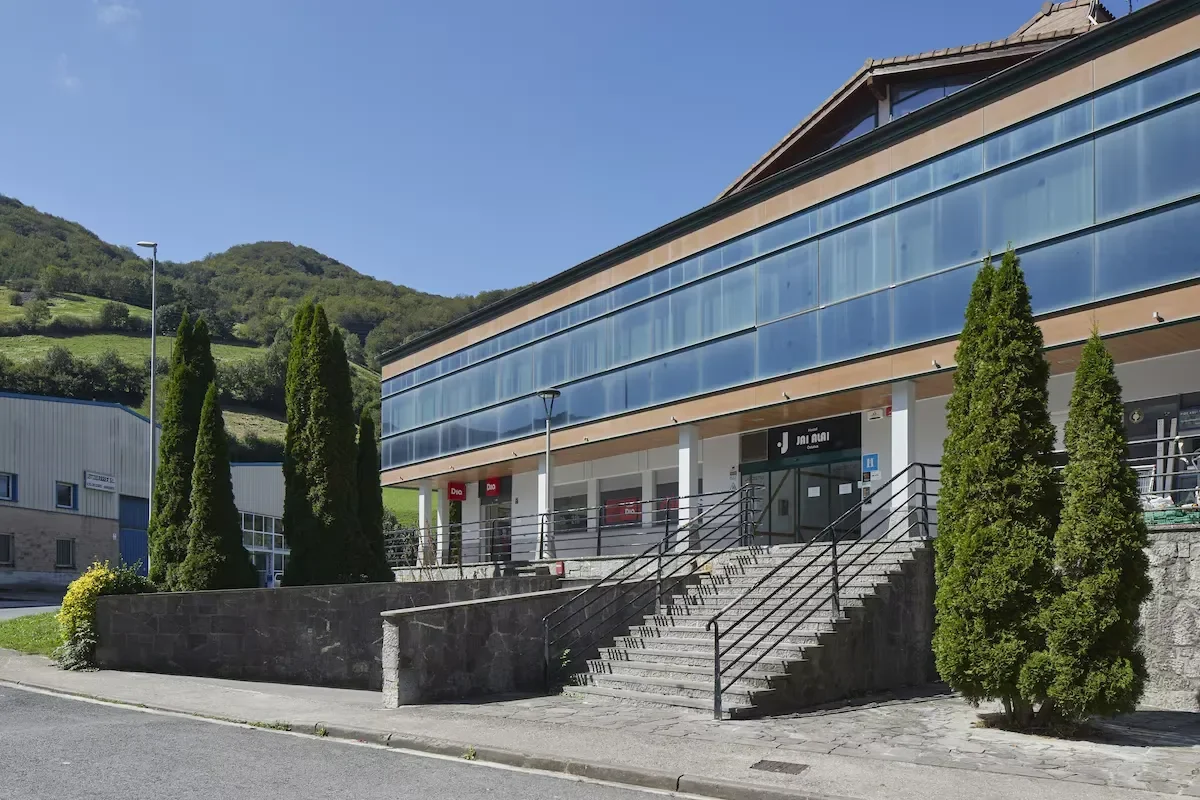
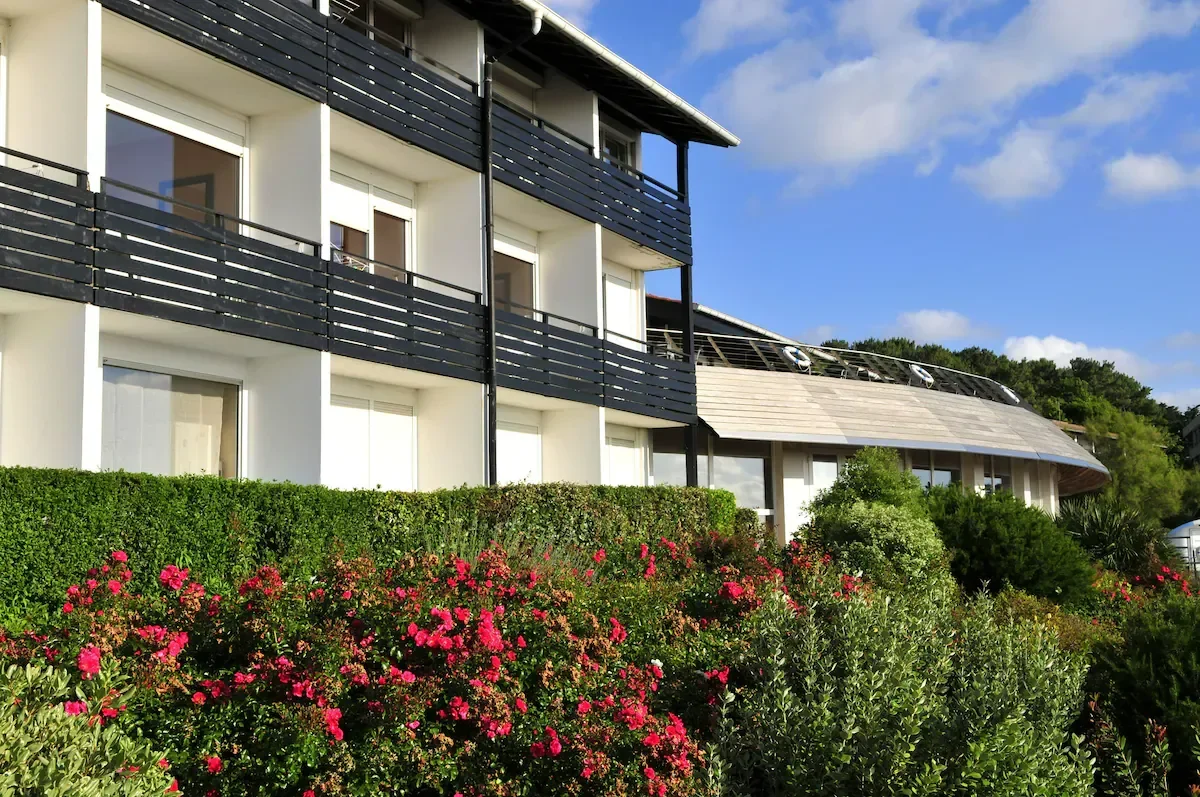
attractions tickets
All Important Things To Know About San Sebastian
What San Sebastián Is Famous For
San Sebastián is famous, above nearly everything else, for its food, the highest concentration of Michelin stars per capita of any city in the world, alongside a pintxos bar culture considered by many to be the best in the entire country. It's also known for La Concha Beach's beauty, its distinct Basque cultural identity, and the San Sebastián International Film Festival, one of the most prestigious film festivals in Europe, held each September.
Food and Culture
Pintxos are the defining food experience here, distinct from tapas both in form (typically served on a slice of bread, displayed on the bar rather than ordered from a menu) and in the surrounding culture, you're expected to keep track of what you've eaten at each bar and settle up on trust when you leave, an honor-system approach that's a genuine point of local pride.
Txakoli, a slightly effervescent, high-acid white wine produced in the Basque Country, is the classic pintxos pairing, traditionally poured from a height to aerate it. Idiazábal, a smoked sheep's milk cheese from the Basque mountains, and bacalao (salt cod), prepared in numerous traditional preparations, both reflect the region's distinct culinary identity, separate from the olive-oil-and-tomato-forward cooking found further south in Spain.
Basque culture runs deep and distinct here, the language, the strong tradition of gastronomic societies (private culinary clubs, historically male-only, where members cook and dine together), and a regional identity that predates the Spanish state itself all shape daily life in ways worth being genuinely curious about as a visitor, rather than assuming this is simply "Spain with good food."
Best Time to Visit
June and September offer the best combination of warm, swimmable weather and manageable crowds, avoiding both the rainier spring months and the peak-summer crowds of July and August. Summer (July–August) brings the best beach weather but also the highest prices and busiest restaurants. The film festival in September brings a particular energy and celebrity presence to the city, worth experiencing if the timing works, though it also raises prices and demand for accommodation.
Practical Tips for First-Time Visitors
San Sebastián Airport has limited direct international connections; many visitors fly into Bilbao Airport, about an hour away, and take a bus or transfer onward, or arrive by train from Madrid or Barcelona.
Budget more than you might expect for food, this is one of the more expensive Spanish cities for dining, particularly if you're chasing Michelin-starred experiences, though a proper pintxos crawl remains one of the better value ways to eat extremely well without a fine-dining budget.
Learn basic pintxos bar etiquette: grab what looks good from the counter, keep your napkin and toothpicks as a rough tally for the bill, and don't linger too long at any single bar if it's crowded, the culture is built around moving between several spots in one evening.
Book top restaurants well in advance, the city's best-known kitchens require reservations weeks or even months ahead, particularly for dinner service.
A Few Days That Actually Work
Two to three days suits most visitors, given the city's relatively compact size, though food lovers could easily justify a longer stay. Day one: La Concha Beach in the morning, Monte Urgull hike in the afternoon, and a proper pintxos crawl through Parte Vieja in the evening. Day two: Monte Igueldo funicular for the panoramic view, Zurriola Beach if you want to try surfing, and a splurge dinner at one of the city's celebrated restaurants. Day three, if you have it: a day trip to Bilbao for the Guggenheim, or a wine-focused excursion to Getaria or the Rioja Alavesa region.