
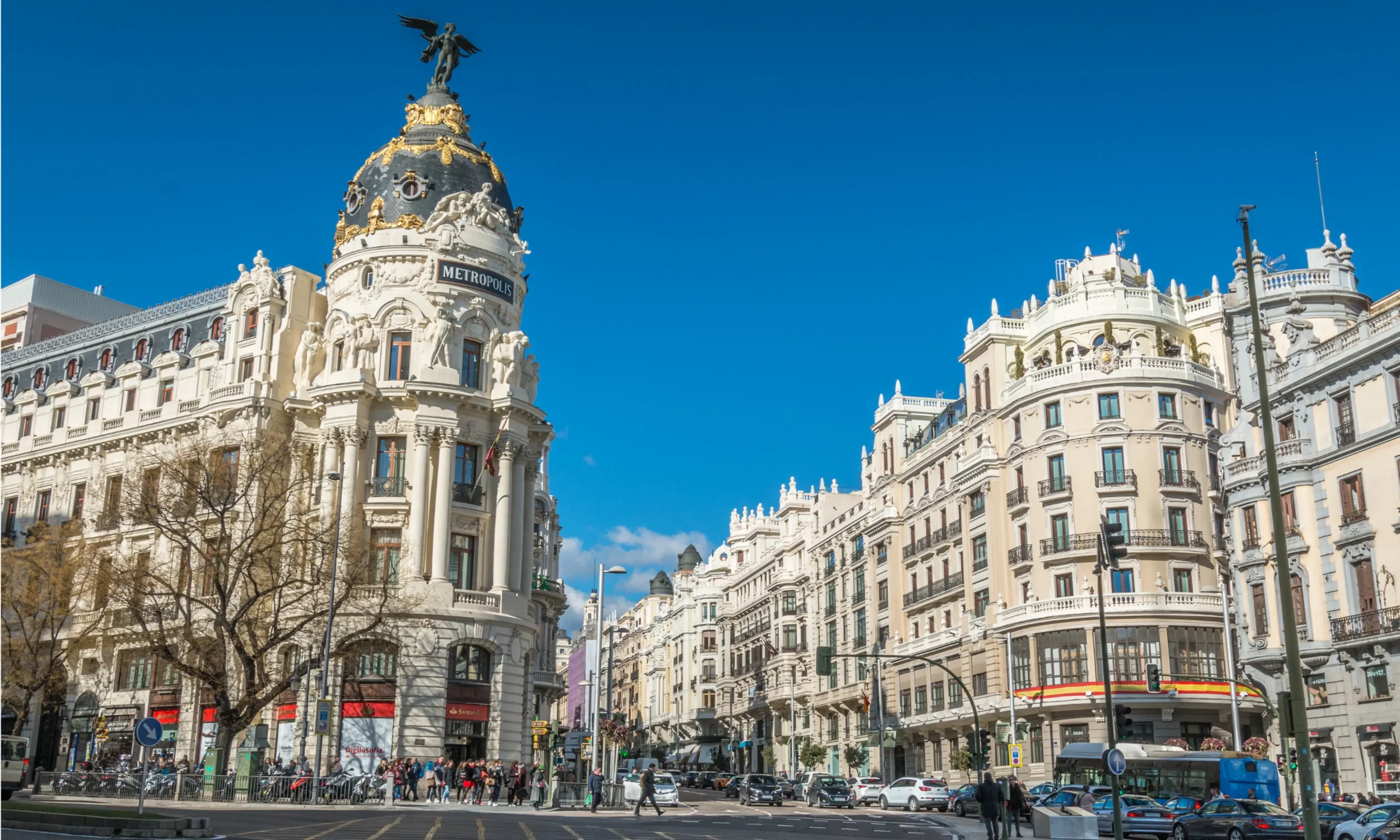
All what you need to know about madrid
mADRID
Plan your trip to Madrid





Madrid: The Complete Guide to Spain's Capital
Madrid doesn't have a beach, doesn't have Gaudí, and doesn't have the instant postcard appeal of some of its Spanish rivals, and somehow that's exactly why people who live here love it so fiercely. This is a city built for living rather than sightseeing, where world-class art museums sit a short walk from tapas bars that don't close until sunrise, and where the definition of a good night out starts well after most European cities have gone to bed. This guide covers everything you need for a first visit to Spain's capital.
Understanding Madrid
Madrid sits almost exactly in the geographic center of Spain, on a high, dry plateau, which gives it a genuinely continental climate scorching summers, cold winters, and very little of the coastal breeze that softens cities like Barcelona or Valencia. As the national capital, it's also the country's political and financial center, though that formal identity coexists easily with a city that takes its leisure time extremely seriously.
The city's core neighborhoods each have a distinct personality: Sol and Centro hold the main tourist landmarks, Salamanca is upscale and residential, Malasaña and Chueca carry the alternative, LGBTQ-friendly, and nightlife-forward energy, and La Latina is where you'll find some of the best traditional tapas bars, especially around Sunday's El Rastro flea market.
things to discover In Madrid
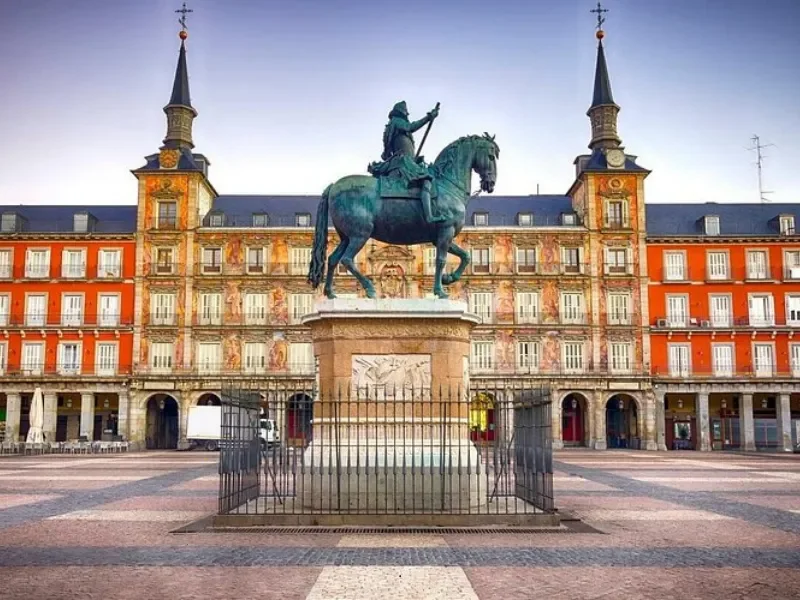
Plaza Mayor
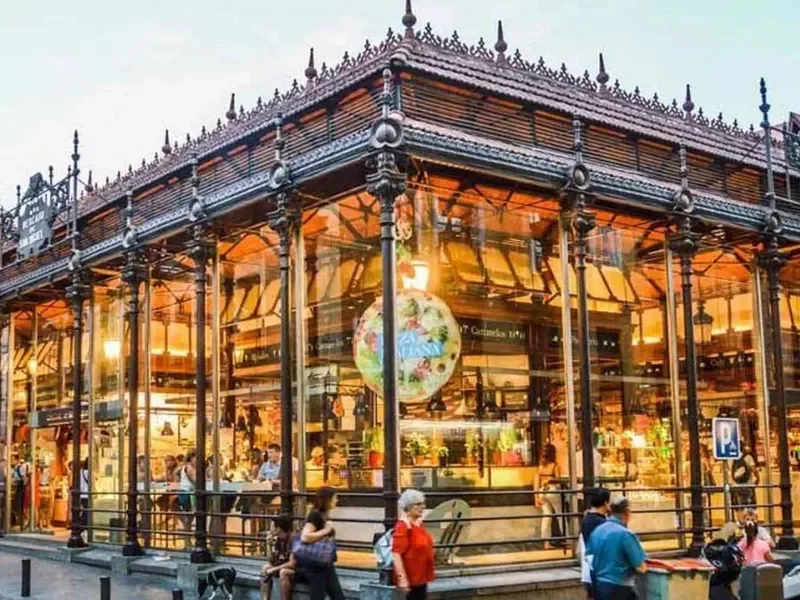
Mercado de San Miguel
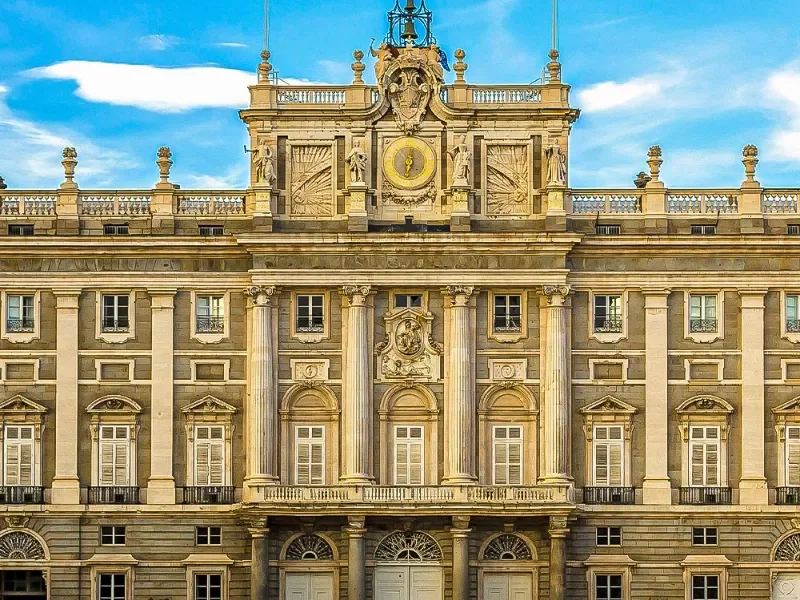
Palacio Real
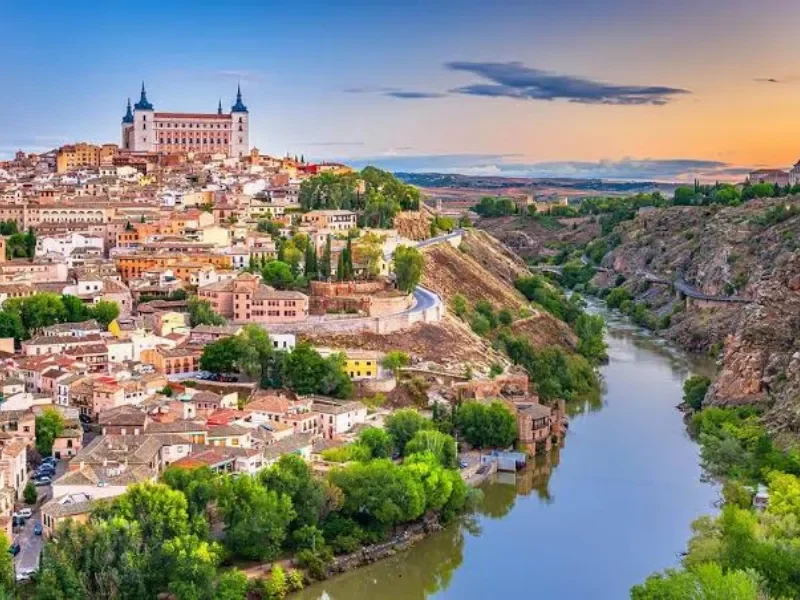
day trip to Toledo
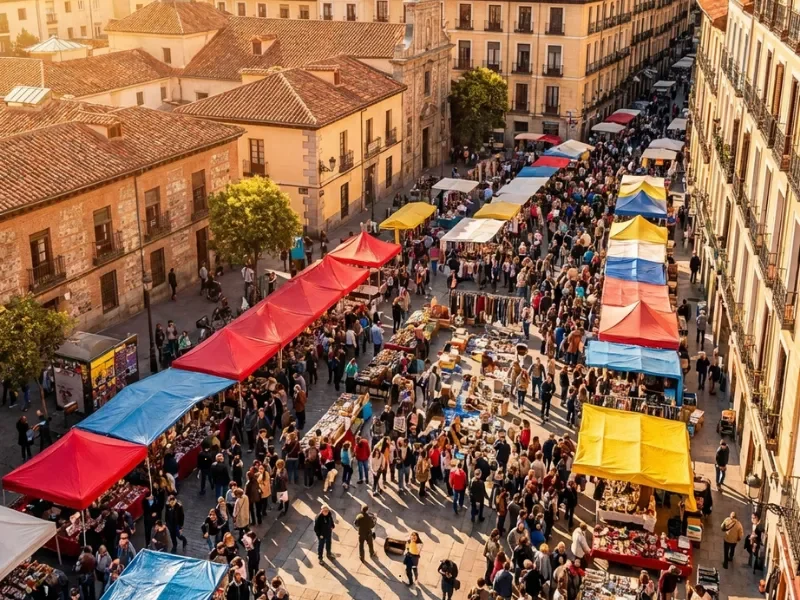
El Rastro
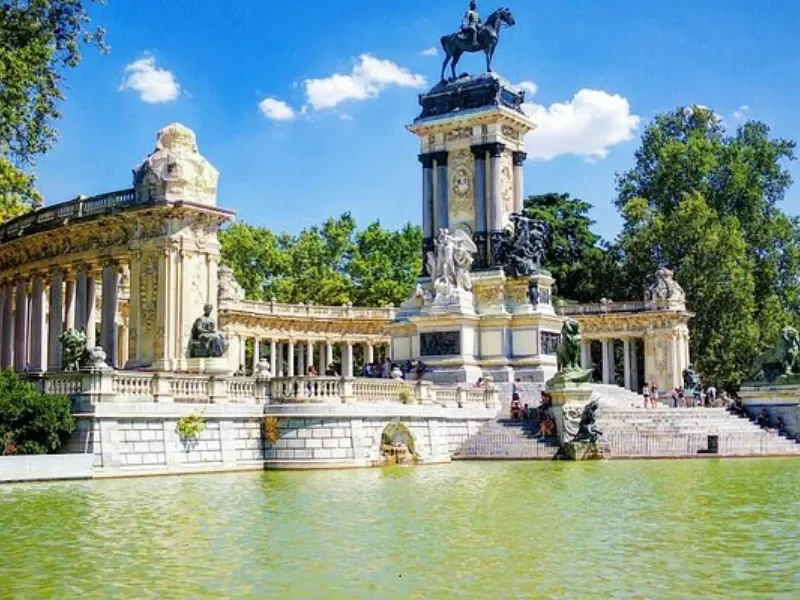
El Retiro Park
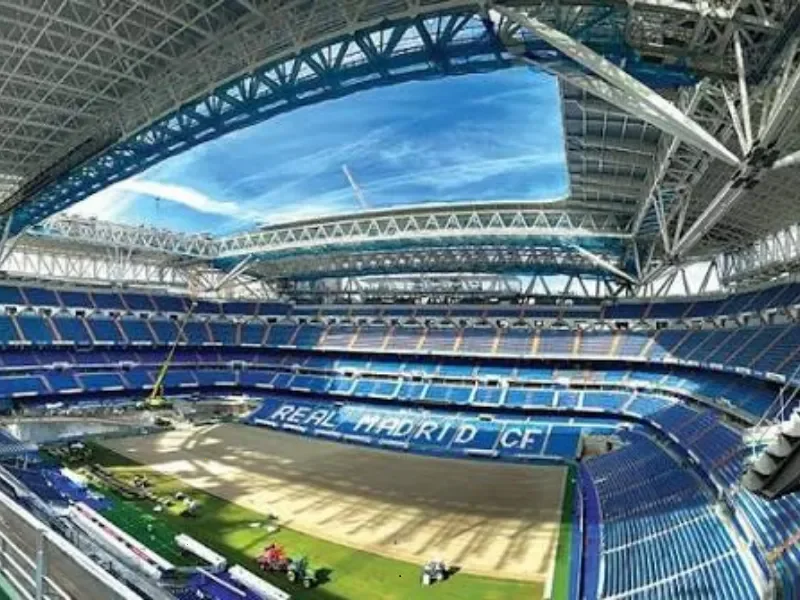
Santiago Bernabéu Stadium
our monthly Hotels pics
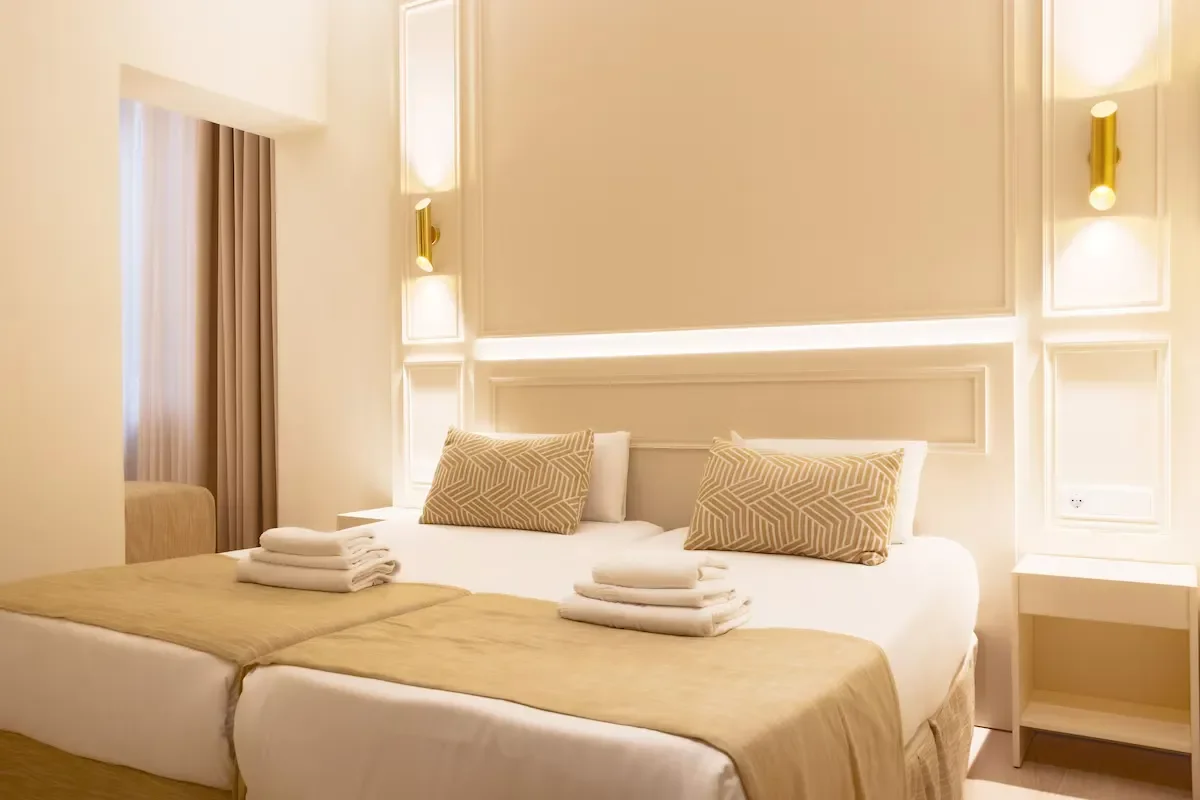
Accommodations under 80$\Night
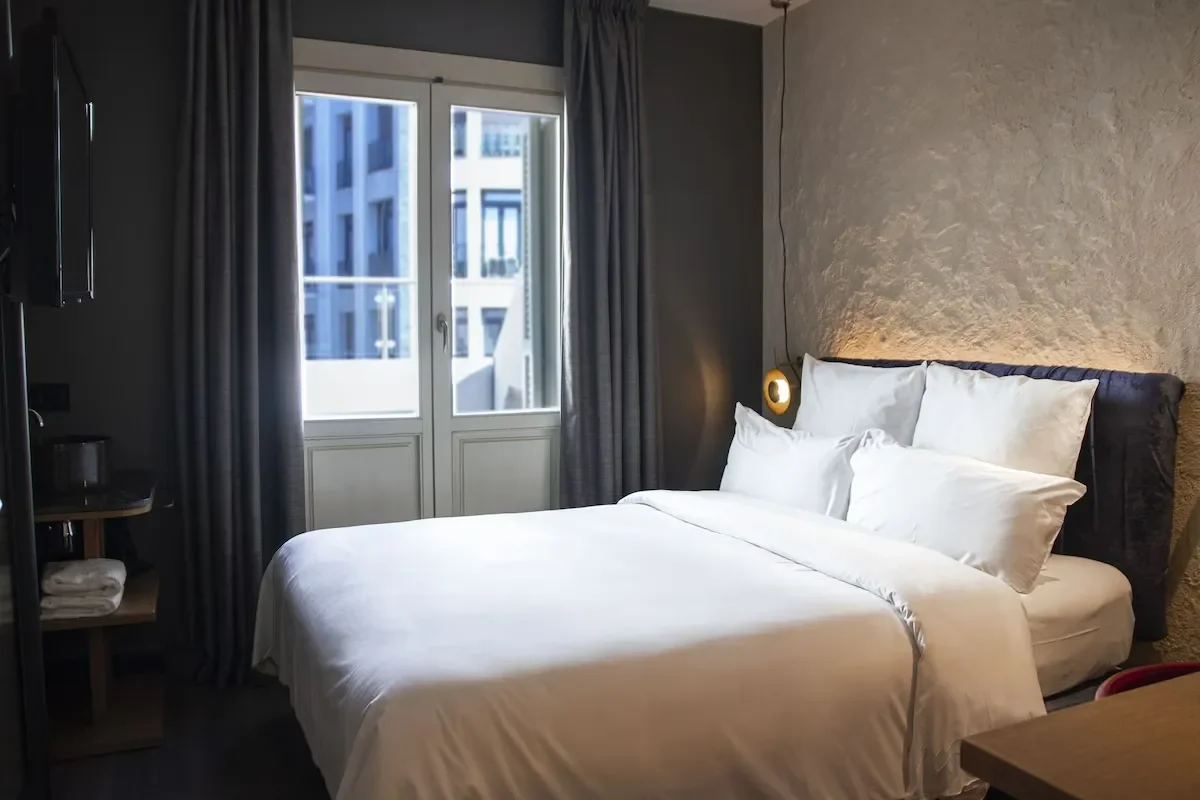
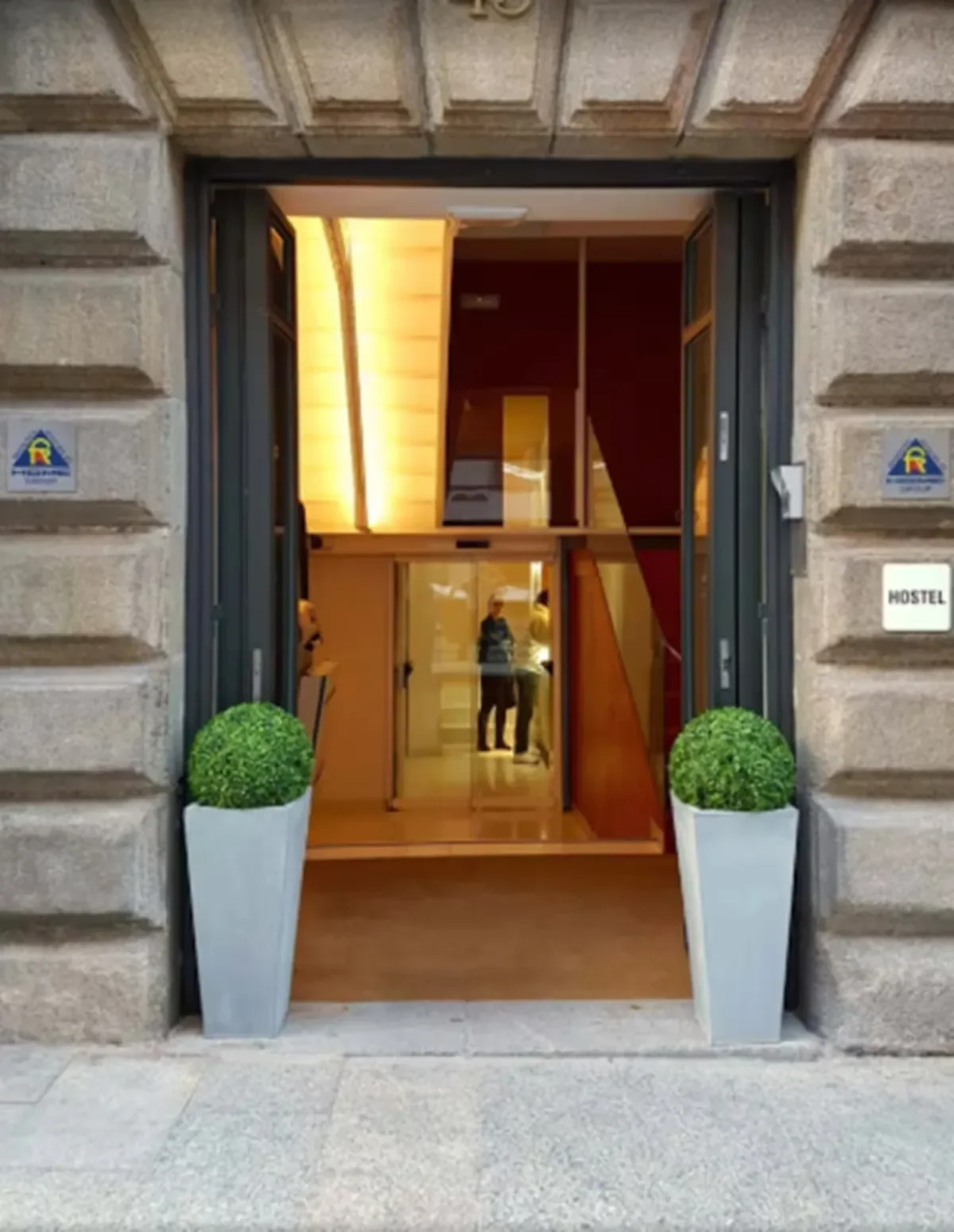
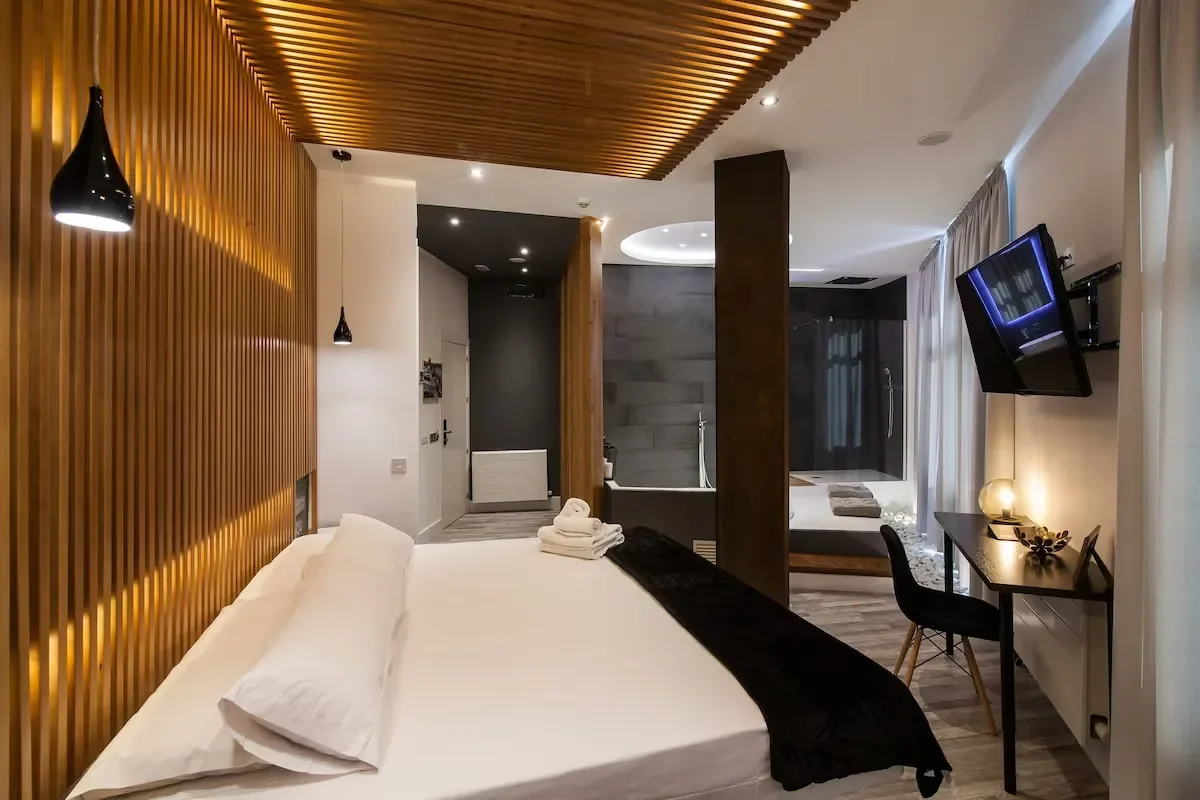
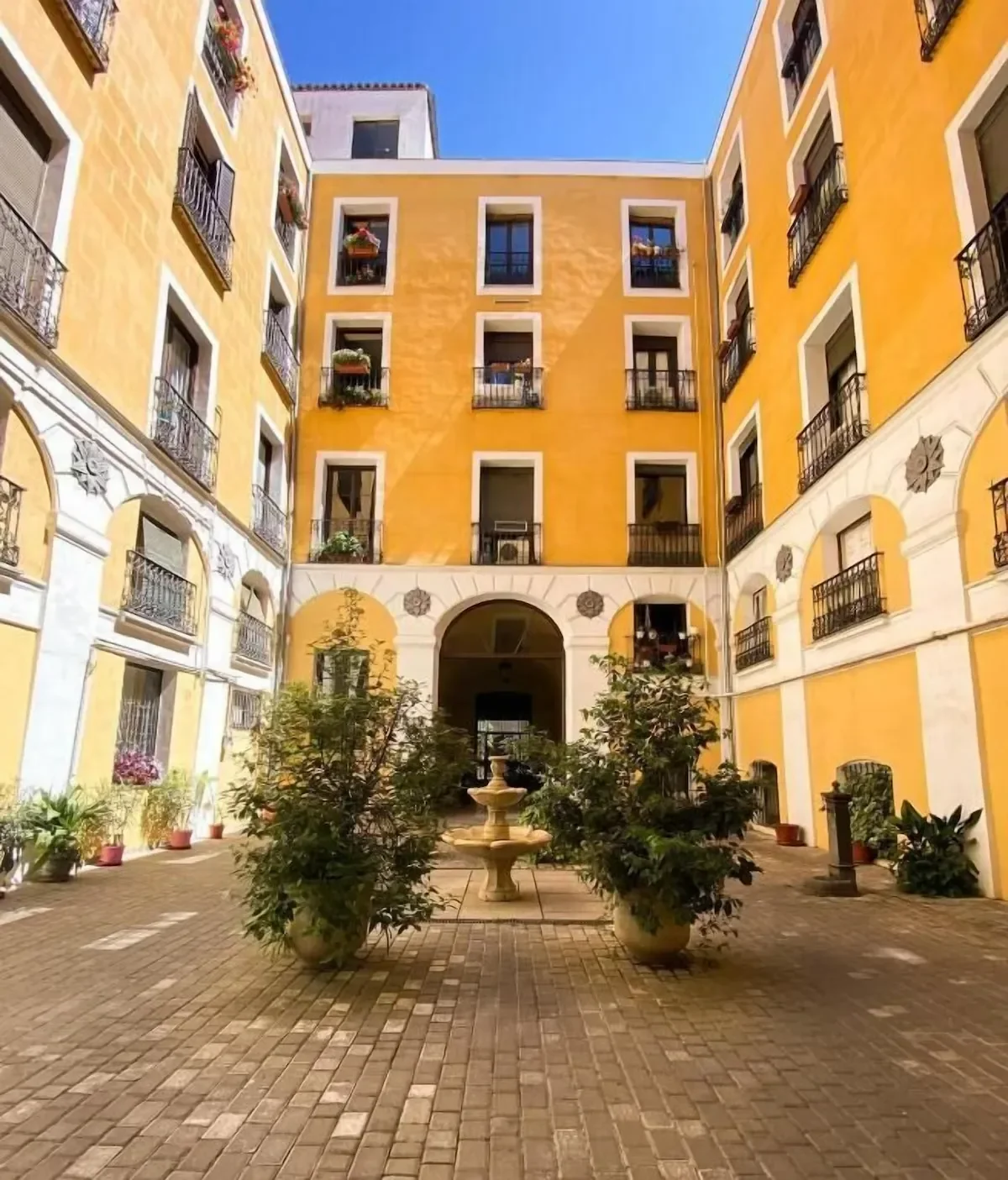
where to stay
-
![City square with historic building, clock tower, and people walking, some under umbrellas.]()
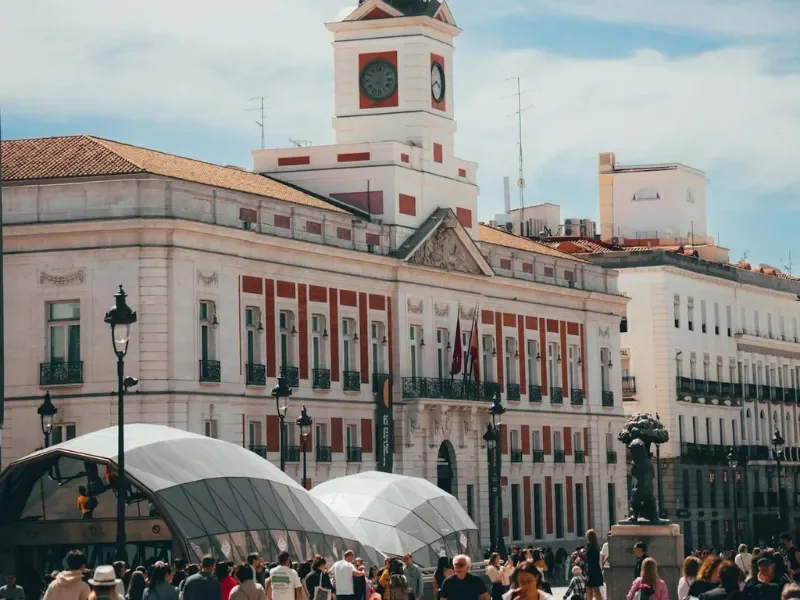
Sol and Centro
put you within walking distance of nearly everything — Plaza Mayor, the Royal Palace, and the museum triangle — making it the natural first-time-visitor choice, though it can be noisy at night given the concentration of bars and nightlife nearby.
-
![Street scene in an urban city with pedestrians, vehicles, and trees lining the sidewalk, with classic European-style buildings in the background.]()
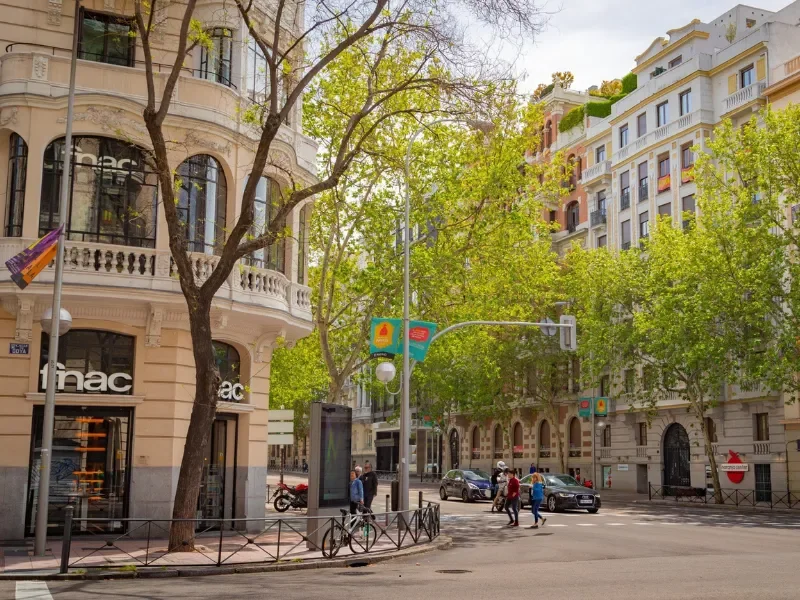
Salamanca
offers a quieter, more upscale base, with excellent shopping and dining, at the cost of being slightly further from the main historical sights.
-
![]()
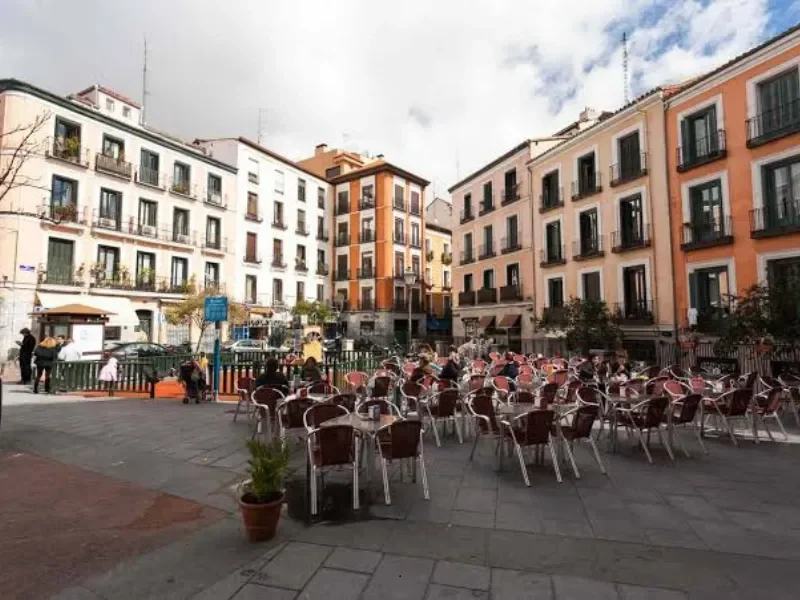
Malasaña and Chueca
suit travelers prioritizing nightlife and a younger, more alternative atmosphere, with boutique hotels and a dense concentration of bars and restaurants within a compact area.
-
![Colorful umbrellas in the foreground with a historic cathedral featuring a large silver dome and three smaller spires in the background, cityscape with buildings and hills under a cloudy sky.]()
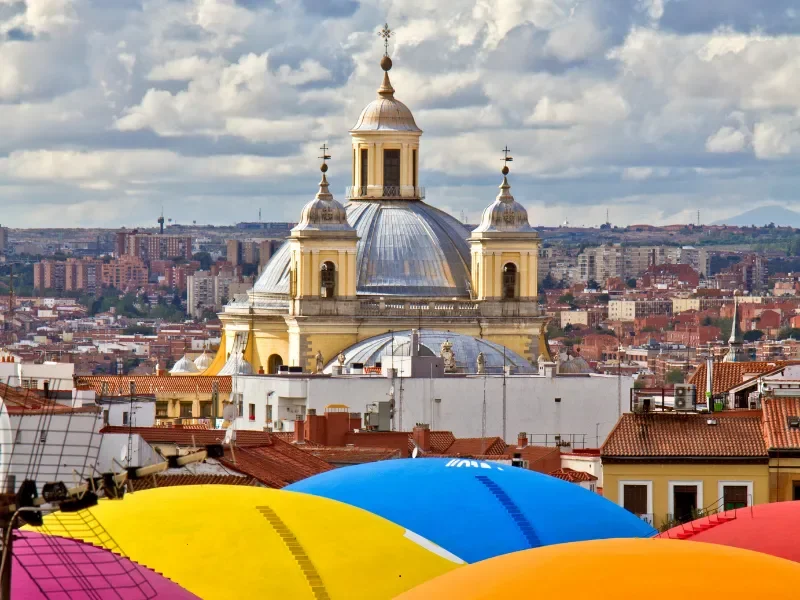
La Latina
works well for travelers who want to be close to the classic tapas scene and Sunday's El Rastro market, with a more traditional, less polished feel than Salamanca or Centro.
attractions tickets
All Important Things To Know About Madrid
What Madrid Is Famous For
Madrid is famous for its concentration of world-class art museums, its grand royal architecture, and increasingly its nightlife, which is genuinely among the latest-running and most intense of any major European capital. It's also the home of Real Madrid, one of the most successful football clubs in the world, and functions as the political and economic heart of the country, giving it a cosmopolitan, international energy distinct from the more regionally rooted identities of cities like Barcelona or Seville.
Food and Culture
Madrid's food culture borrows generously from across Spain's regions, given its role as the national capital, but has its own specialties too. Cocido madrileño, a hearty chickpea-based stew with meat and vegetables, traditionally served in multiple courses, is the definitive Madrid comfort dish, especially in winter. Bocadillo de calamares, a simple fried squid sandwich, is a beloved local street food, best eaten standing at a bar near Plaza Mayor.
Tortilla española, the classic potato and egg omelet, is available everywhere, though locals will happily argue for hours about whether it should include onion. For something sweeter, churros con chocolate at a proper chocolatería is a Madrid institution, particularly late at night after a long evening out.
Madrid's tapas culture is less about free bites (as in Andalusia) and more about ordering deliberately as you move between bars, a proper tapas crawl through La Latina or Malasaña, one drink and one dish per stop, is as much a social ritual as a meal.
Culturally, Madrid runs late. Dinner rarely starts before 9pm, bars stay busy well past midnight, and clubs often don't reach full swing until 2 or 3am. This isn't a niche subculture, it's the mainstream rhythm of the city, and adjusting your own schedule to it, even for a few days, changes the whole experience of visiting.
Practical Tips for First-Time Visitors
Madrid-Barajas Airport is well connected internationally and links to the city center via metro, bus, or taxi the metro is the cheapest option, while a taxi has a fixed rate to central Madrid regardless of traffic.
Get a multi-day metro pass if you're staying more than a couple of days, Madrid's metro system is extensive, efficient, and the easiest way to move between neighborhoods without relying on taxis.
Adjust your meal times. Restaurants that look empty at 7pm aren't necessarily bad they simply haven't hit the local dinner hour yet.
Book major museum tickets in advance, particularly the Prado and Reina Sofía, to avoid long queues during peak season.
Best Time to Visit
Spring (April–May) and autumn (September–October) offer the most comfortable temperatures for walking the city extensively. Summer gets genuinely hot, with temperatures regularly exceeding 35°C, and many locals leave the city for the coast in August, which can mean some smaller businesses close. Winter is cold but rarely extreme, and offers a quieter, locals-only version of the city, along with excellent Christmas markets and lights around December.
A Few Days That Actually Work
Three days covers the essentials well. Day one: the museum triangle in the morning, Retiro Park in the afternoon, and a tapas crawl through La Latina in the evening. Day two: Plaza Mayor, the Royal Palace, and Mercado de San Miguel, finishing with dinner and nightlife in Malasaña. Day three: a day trip to Toledo, or a slower day exploring Salamanca's shopping streets and Chueca's café scene.