
All what you need to know about madrid
BARCELONA
Plan your trip to Barcelona



Barcelona: The Complete Guide to Gaudí's City
Barcelona has a way of making other cities feel a little unimaginative by comparison. This is a place where the architecture genuinely looks like nowhere else on earth, where a beach and a world-class art museum are a twenty-minute walk apart, and where the local identity is so distinct, Catalan, not simply Spanish that it shapes everything from the language on street signs to the food on your plate. This guide covers everything a first-time visitor needs to plan a trip here.
Understanding Barcelona
Barcelona is the capital of Catalonia, an autonomous region with its own language (Catalan), its own historical identity, and a strong sense of distinctiveness from the rest of Spain worth understanding before you arrive, since it shapes a lot of what you'll see and hear, from bilingual signage to the occasional independence flag hanging from a balcony.
The city sits directly on the Mediterranean, giving it a genuine beach-city identity that Madrid simply doesn't have, while also holding one of the most architecturally significant urban cores in Europe, largely thanks to one architect: Antoni Gaudí, whose work defines the city's silhouette more than any other single figure has shaped any other major European capital.
things to discover In Madrid
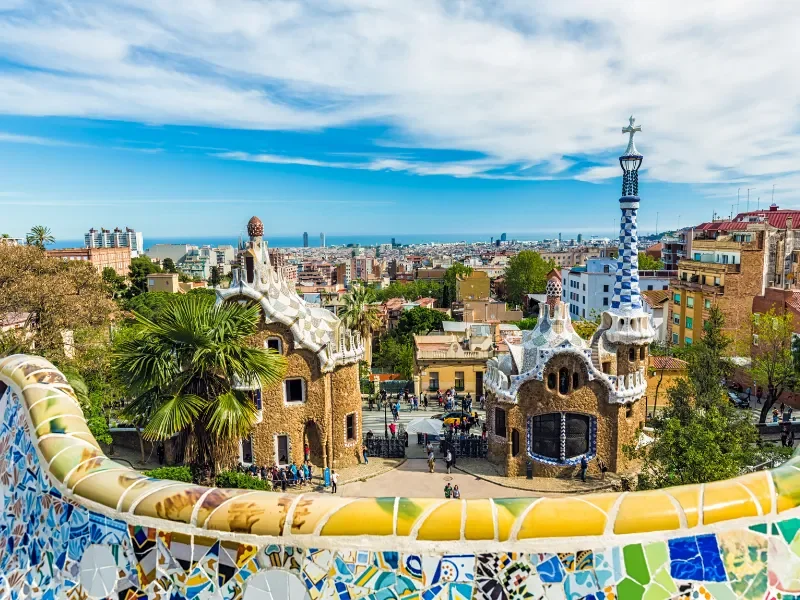
Park Güell
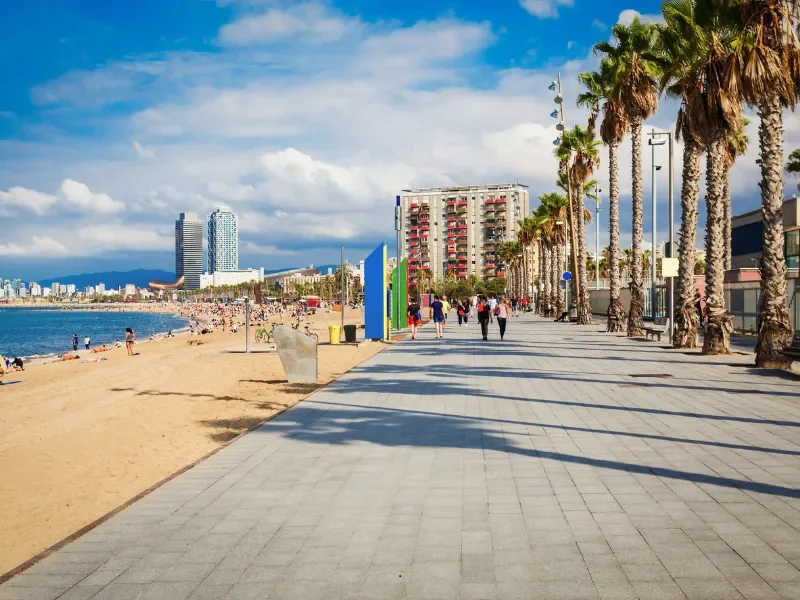
Barceloneta Beach
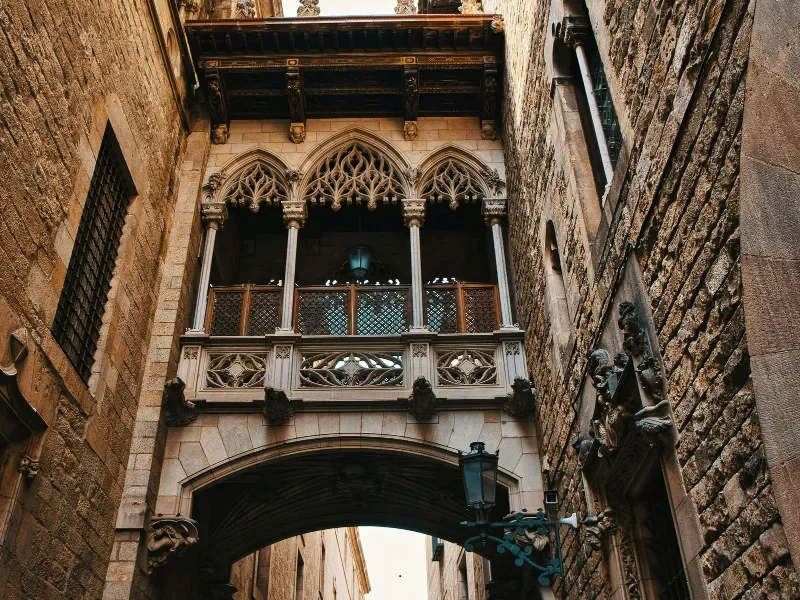
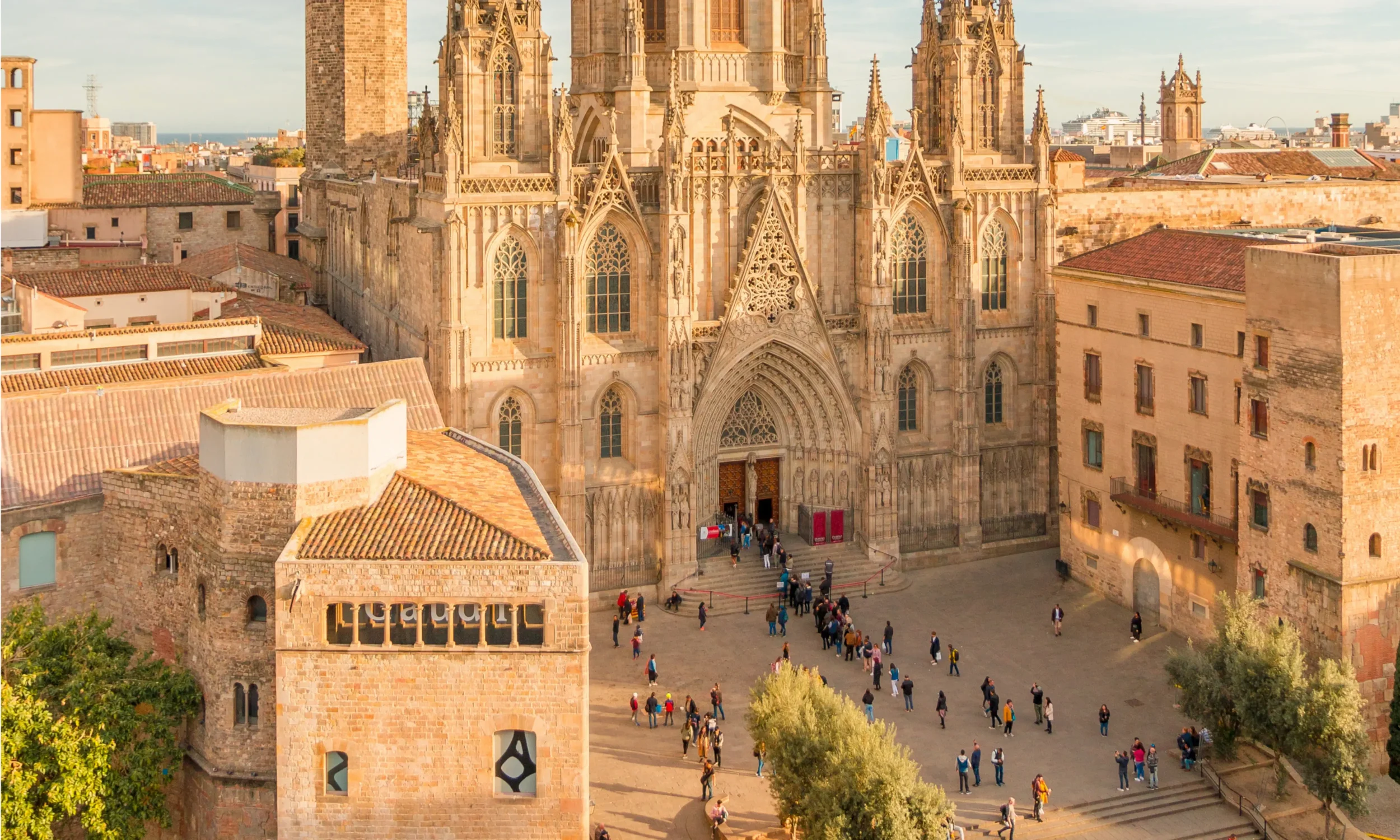
The gothic quarter
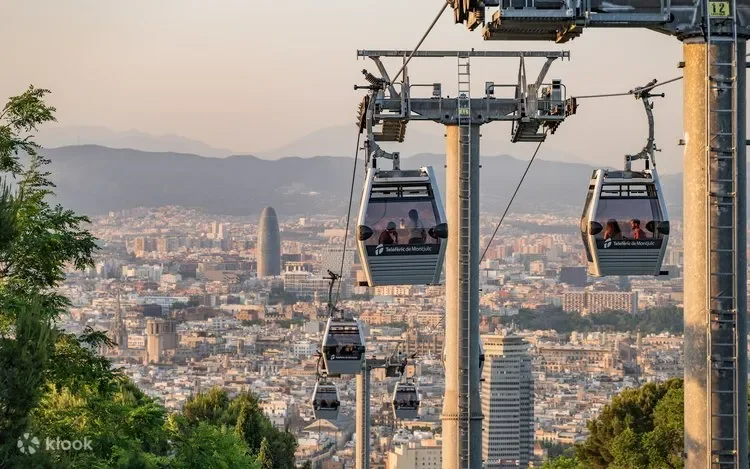
Montjuïc
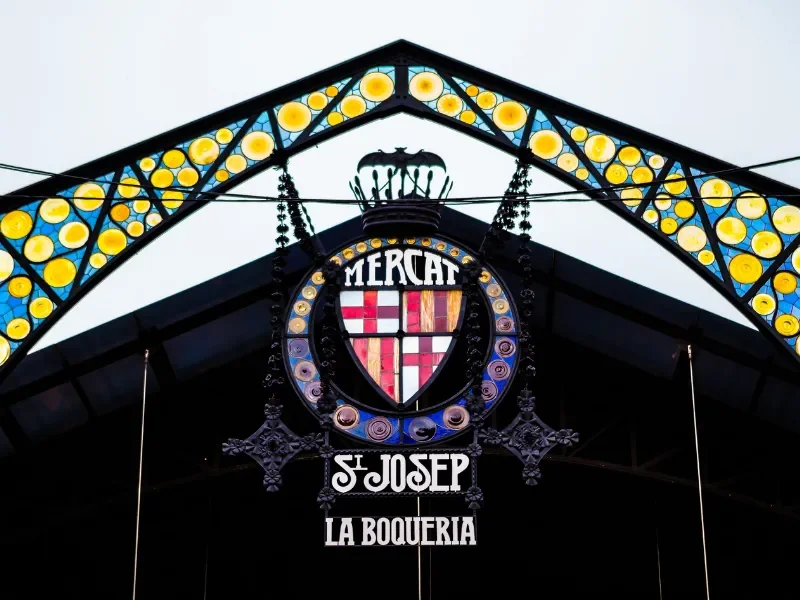
La boqueria
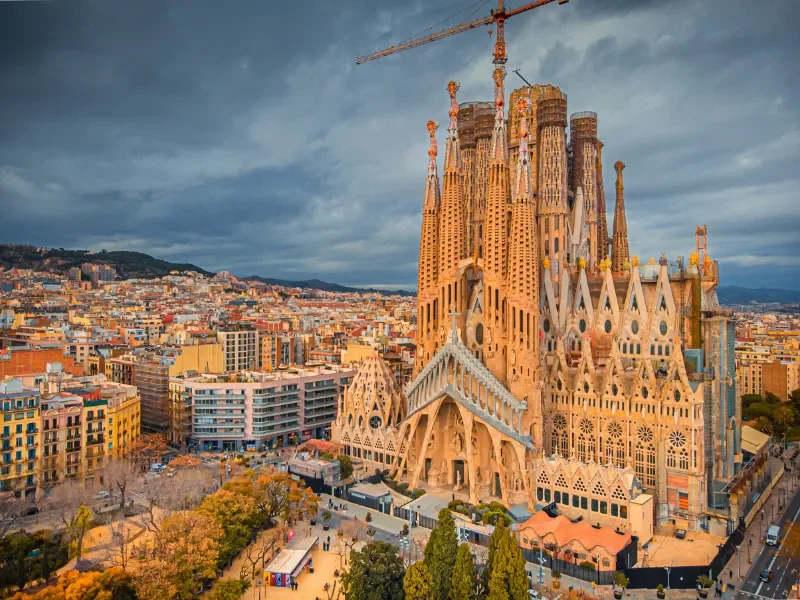
El Retiro Park
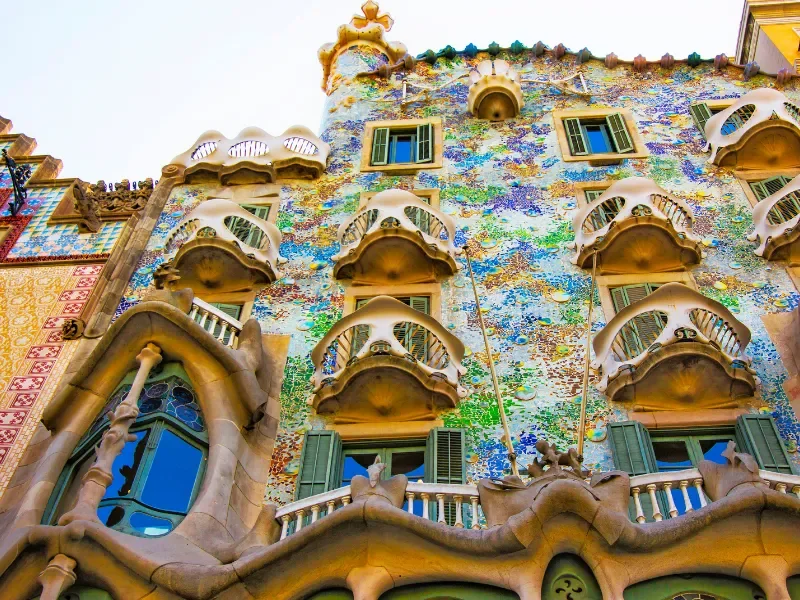
Casa batlló
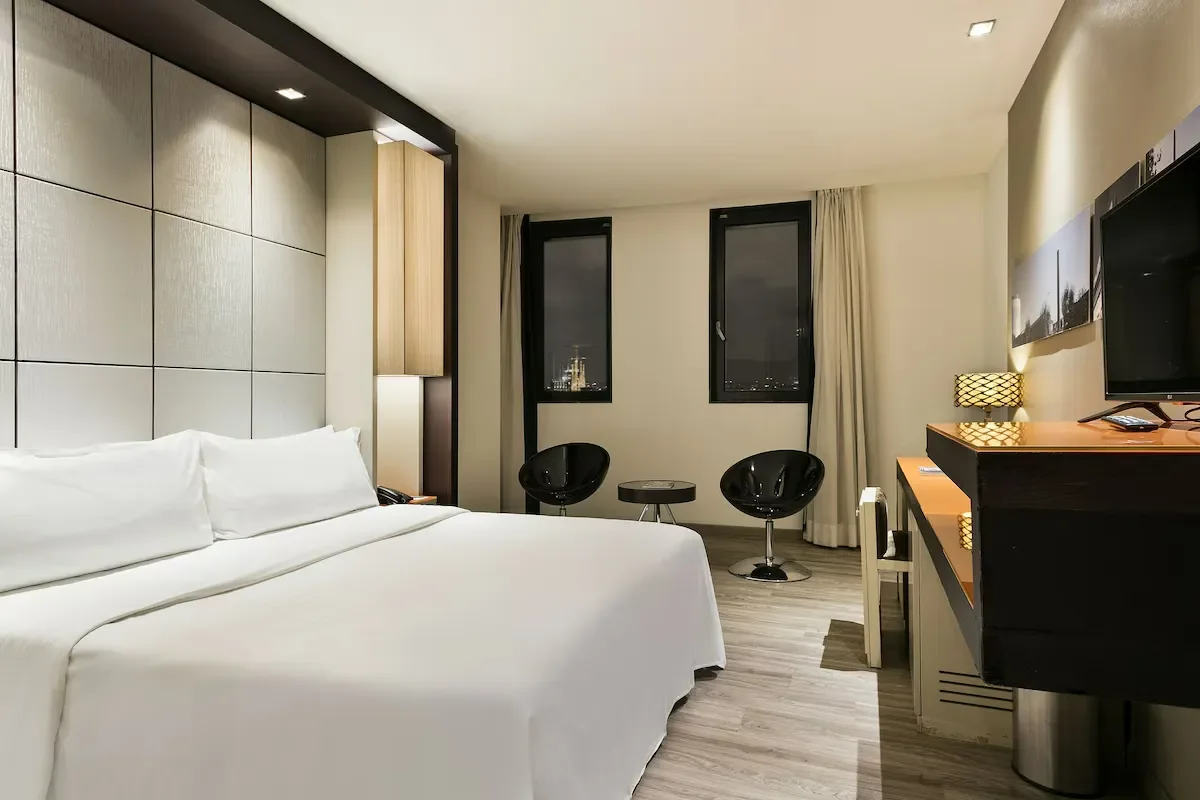
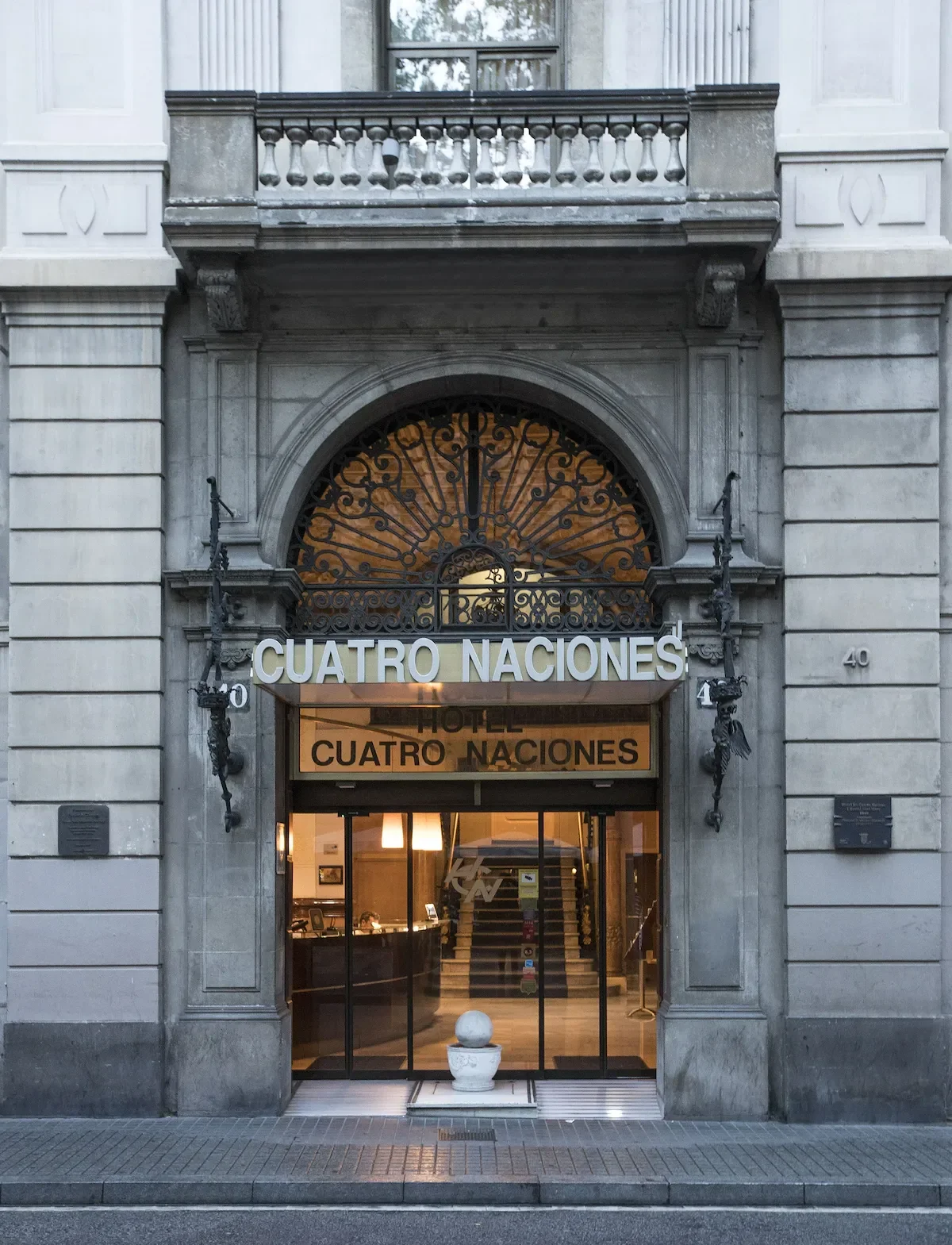
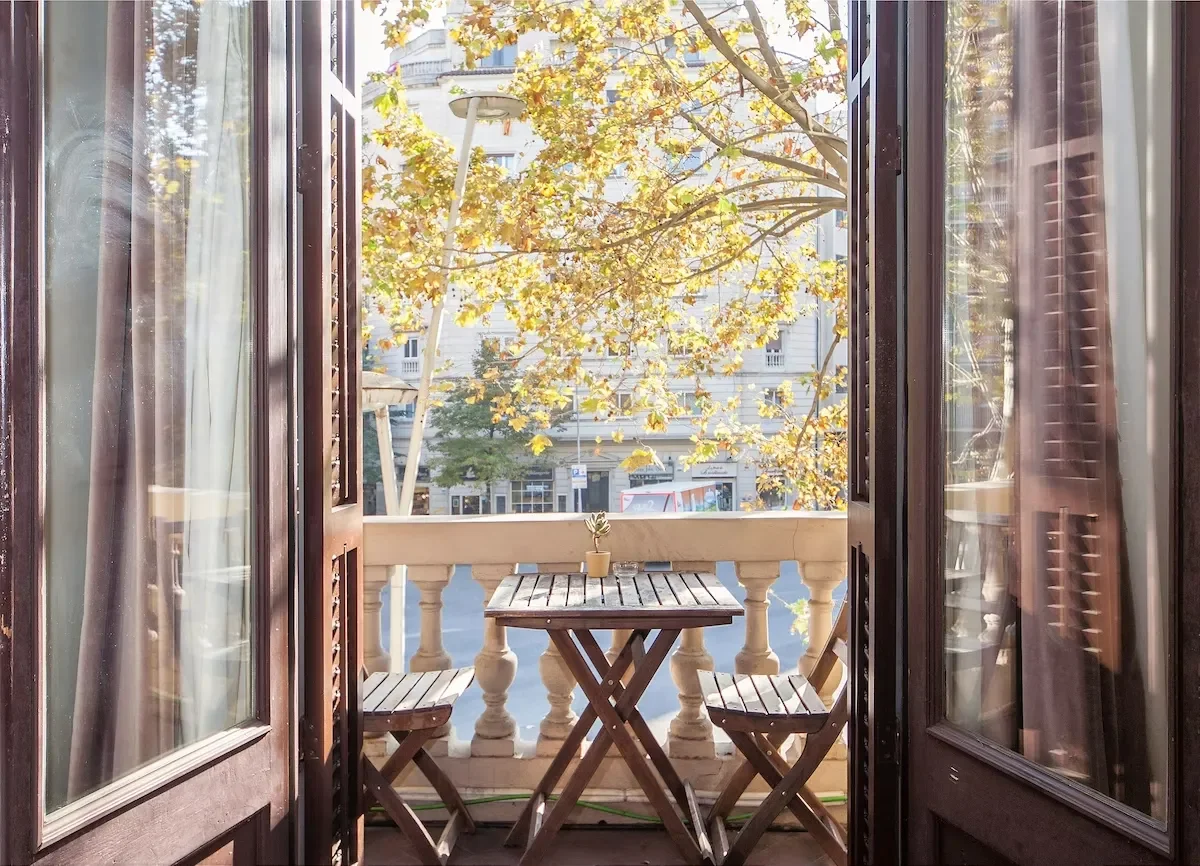
our monthly Hotels pics
Accommodations under 200$\Night
where to stay
-
![A large Gothic cathedral with intricate stone details and tall spires, situated on a city street with trees and pedestrians.]()
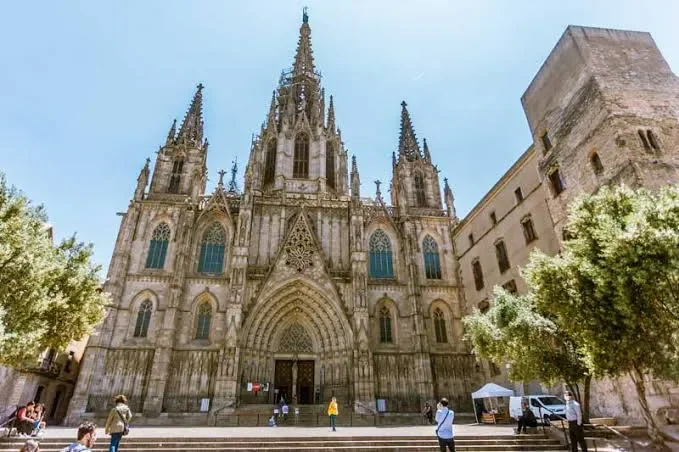
The Gothic Quarter and Born
put you in the historic heart of the city, walking distance to major sights and excellent tapas bars, though rooms can be small and streets noisy given the density of nightlife nearby.
-
![Aerial view of a dense urban city block with red-tiled roofs, grid-like streets, and a large building with a cross-shaped roof at the intersection.]()
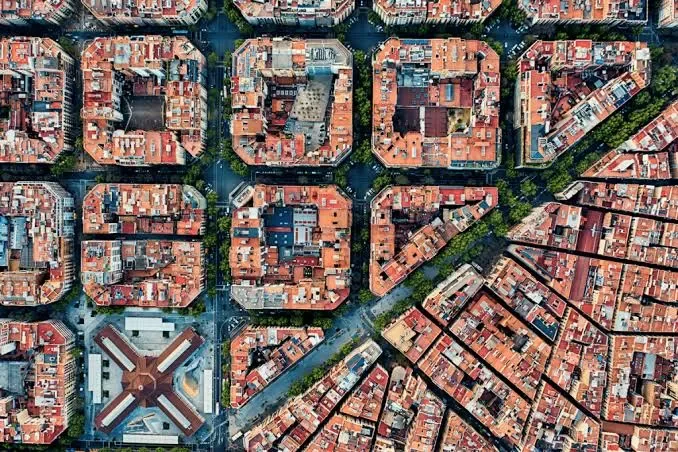
Eixample
the elegant grid-planned district home to Casa Batlló and La Pedrera, offers wider streets, more modern hotels, and easy access to both the old town and Gràcia, making it a strong all-around base.
-
![]()
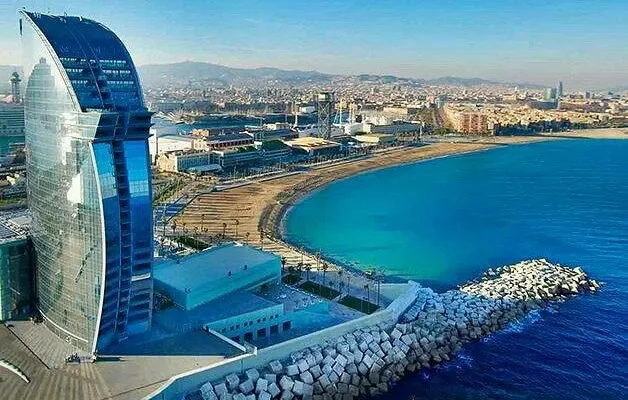
Barceloneta
suits travelers prioritizing beach access, with a more relaxed, seaside neighborhood feel, though it's slightly further from the Gaudí landmarks in the north of the city.
-
![Pedestrian street in a city with buildings and trees, showing people walking and shopping on a sunny day.]()
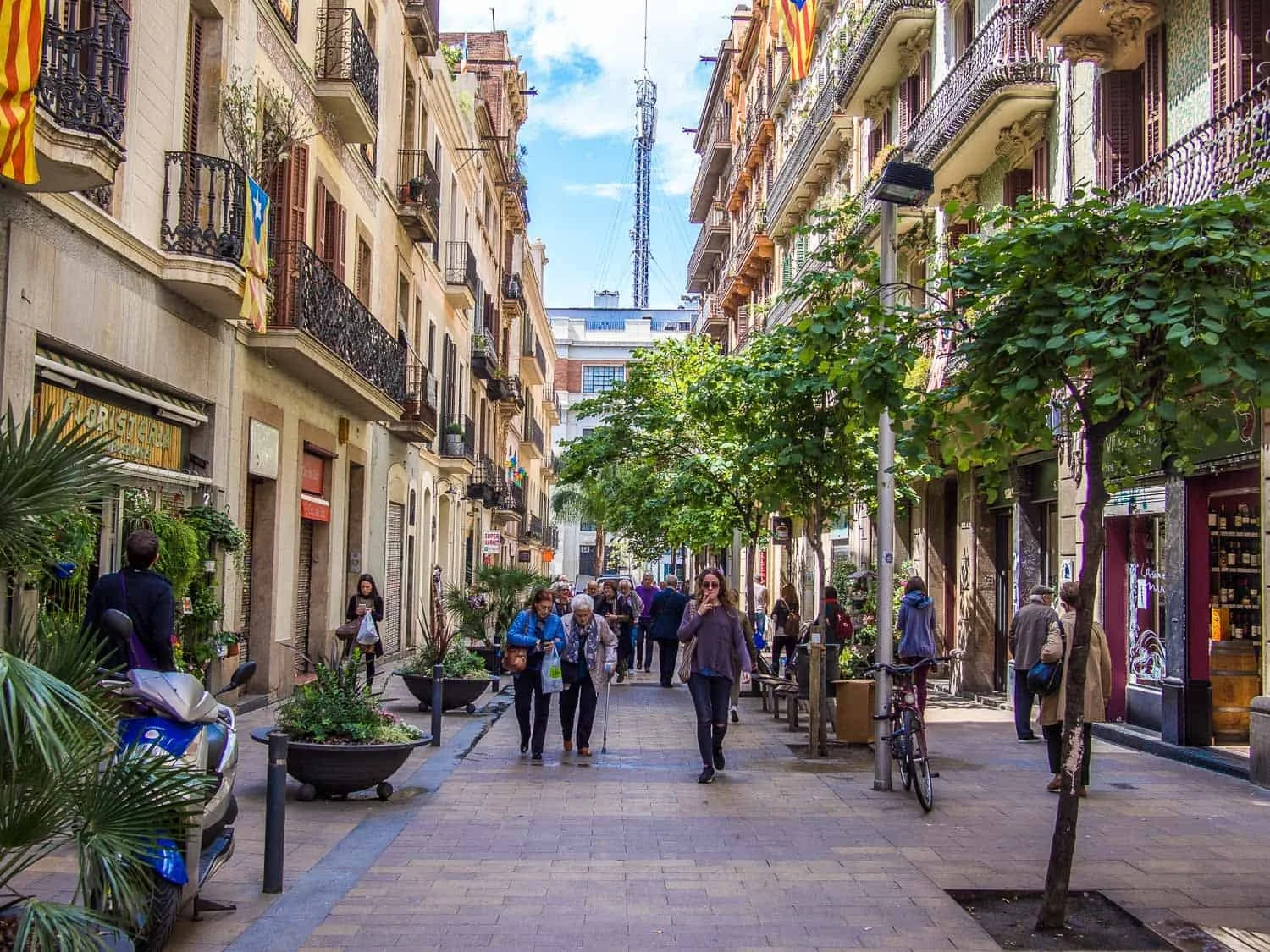
Gràcia
a former separate village now absorbed into the city, offers a leafy, local, less touristy base with excellent small restaurants and plazas that feel genuinely lived-in rather than designed for visitors.
attractions tickets
All Important Things To Know About barcelona
What Barcelona Is Famous For
Barcelona is famous above all for Gaudí's architecture, particularly the Sagrada Família, alongside its combination of beach and city life, its distinct Catalan culture and language, and an internationally renowned food scene that ranges from humble tapas bars to some of the most inventive fine dining in the world. It's also known for FC Barcelona, one of football's most storied clubs, and for a design and creative culture that continues to draw artists, architects, and entrepreneurs from around the world.
Food and Culture
Catalan cuisine has its own identity distinct from the rest of Spain. Pa amb tomàquet, bread rubbed with ripe tomato, olive oil, and salt appears at nearly every meal as an unassuming but essential staple. Fideuà, a noodle-based dish similar to paella but using short pasta instead of rice, is a Catalan coastal specialty worth trying at least once. Crema catalana, similar to crème brûlée but flavored with citrus and cinnamon, is the region's answer to the classic French dessert, and predates it by several centuries according to most Catalan accounts.
Seafood plays a major role given the coastal setting look for suquet de peix, a Catalan fish stew, and fresh grilled seafood along the harbor in Barceloneta.
Culturally, Catalan identity runs deep and is worth being sensitive to Catalan, not Spanish, is the first language for many locals, street signage is often bilingual or Catalan-only, and expressions of regional pride, including the estelada independence flag seen on some balconies, reflect a genuine and long-running political and cultural movement rather than mere local color.
Best Time to Visit
Spring (April–June) and early autumn (September–October) offer the best combination of pleasant weather and manageable crowds. Summer brings hot, humid weather and the largest crowds, particularly at the beach and major Gaudí sites, along with the highest prices. Winter is mild by Northern European standards and considerably quieter, making it a good option for a museum-and-architecture-focused visit without beach expectations.
Practical Tips for First-Time Visitors
Barcelona–El Prat Airport connects to the city center via the Aerobus, metro, or taxi, all reasonably efficient the Aerobus is generally the most straightforward option for visitors staying centrally.
Watch for pickpockets, particularly on La Rambla, in crowded metro stations, and at major sights — Barcelona has a well-documented reputation for petty theft targeting distracted tourists, so keep bags zipped and in front of you in dense crowds.
Book Sagrada Família and Park Güell tickets well in advance, both are timed-entry and regularly sell out days or weeks ahead, especially in peak season.
Learn a few Catalan phrases alongside Spanish ones a simple "gràcies" (thank you) tends to be met with genuine warmth.
A Few Days That Actually Work
Three to four days works well. Day one: Sagrada Família in the morning, Eixample's Gaudí buildings in the afternoon, dinner in Gràcia. Day two: Gothic Quarter and Born in the morning, La Boqueria and Barceloneta beach in the afternoon. Day three: Park Güell and Montjuïc, with the Picasso Museum or MNAC depending on your art preferences. Day four, if you have it: a day trip to Montserrat for a change of pace from the city.