
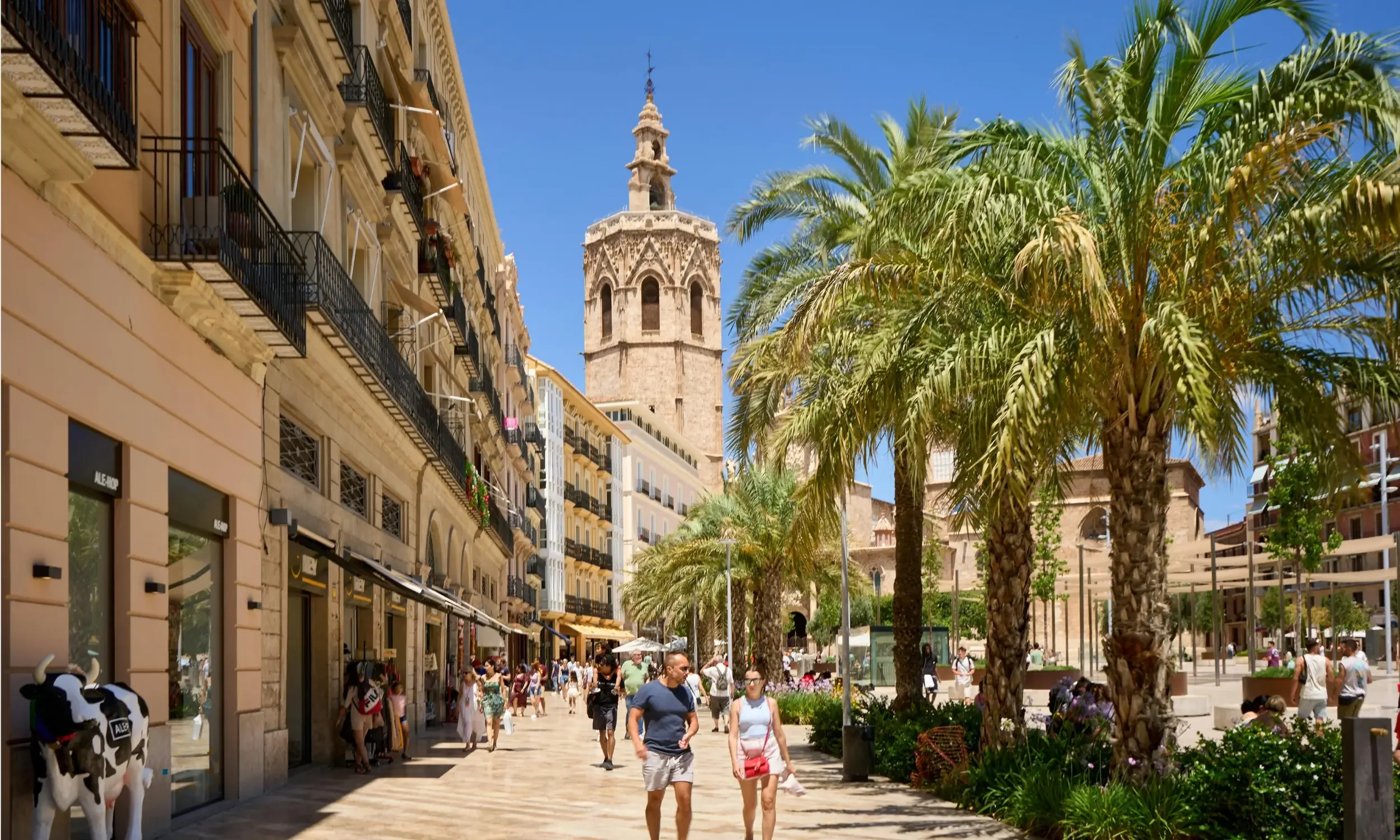
All what you need to know about Valencia
vALENCIA
The Ultimate Guide
Plan your trip to Valencia





Valencia: The Complete Guide to Spain's Third City
Valencia tends to get overshadowed by Madrid and Barcelona in most people's mental map of Spain, and that's a genuine oversight, this is the birthplace of paella, home to one of the most striking pieces of modern architecture in Europe, and a city that manages to feel both historic and forward-looking without the crowds or prices of its more famous rivals. This guide covers everything you need to plan a first visit to Spain's third-largest city.
Understanding Valencia
Valencia sits on Spain's eastern Mediterranean coast, roughly halfway between Barcelona and Alicante, and blends a well-preserved historic core with a genuinely ambitious modern identity, most visibly expressed through the futuristic City of Arts and Sciences complex built along a repurposed riverbed running through the city.
The historic center, Ciutat Vella, holds most of the city's traditional sights, while the surrounding districts each offer their own distinct character, from the beachfront neighborhoods to the modern architectural complex on the city's southern edge.
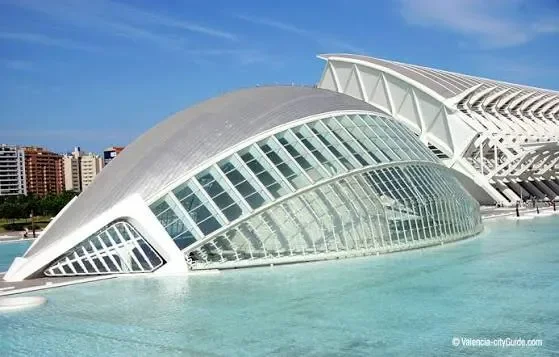
things to discover In Valencia
The City of Arts and Sciences
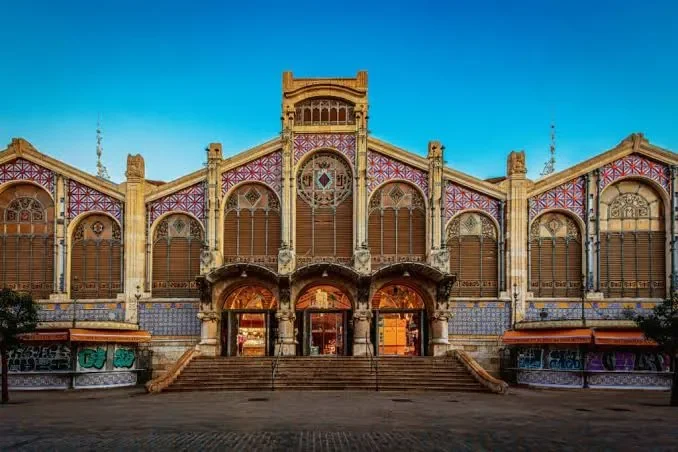
Mercado Central
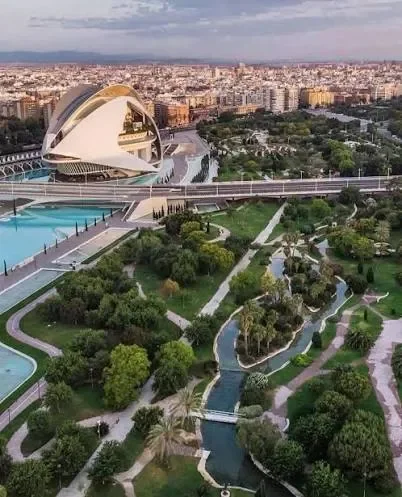
Turia Gardens
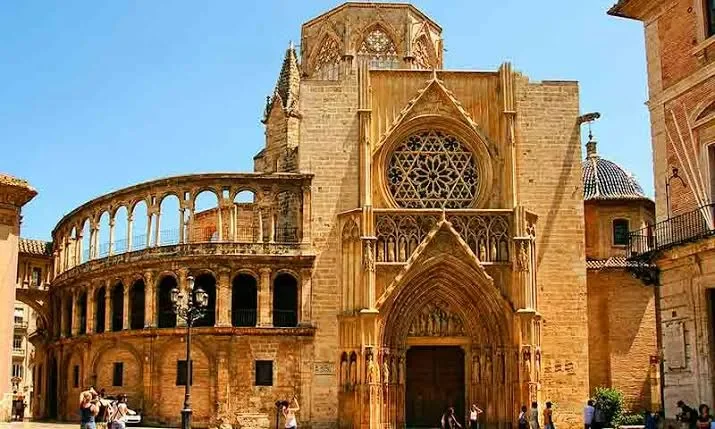
Valencia Cathedral
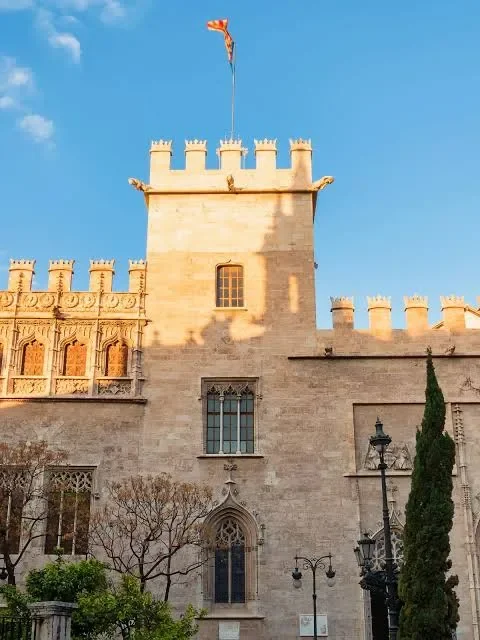
La Lonja de la Seda
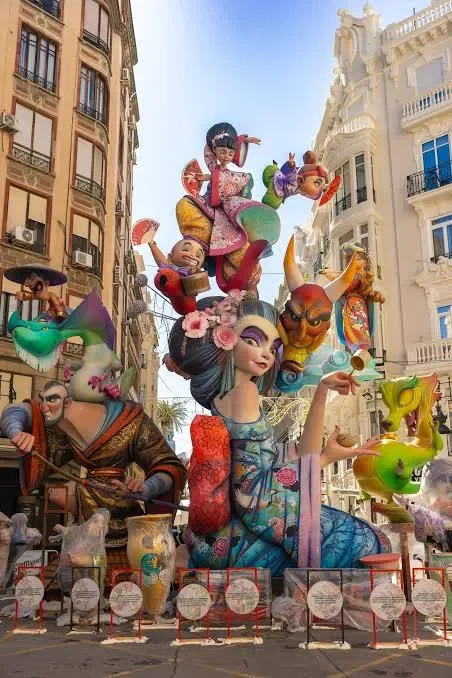
Las Fallas
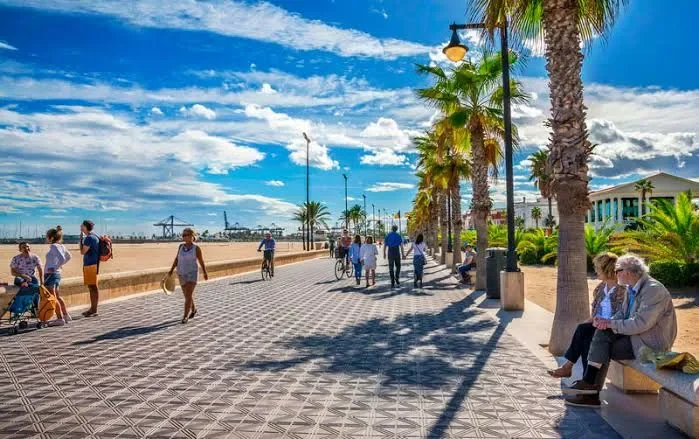
Malvarrosa Beach
our monthly Hotels pics
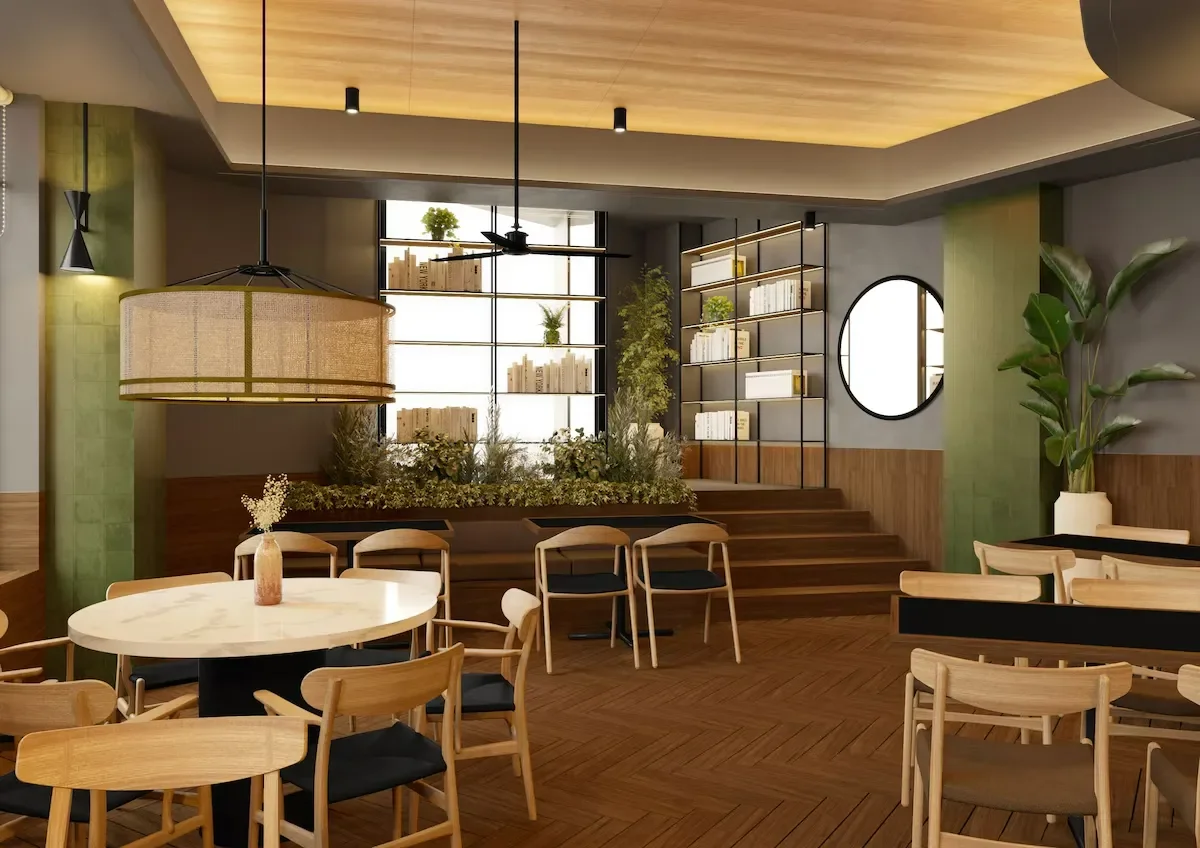
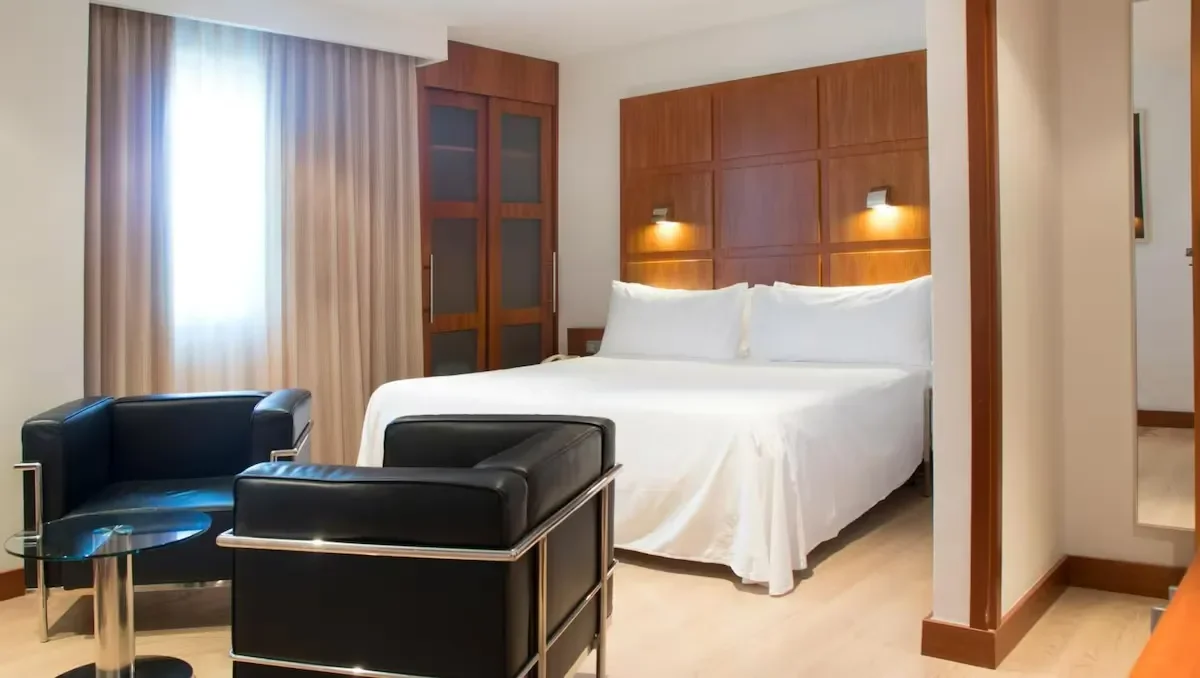
Accommodations under 80$\Night
attractions tickets
All Important Things To Know About Valencia
What Valencia Is Famous For
Valencia is famous, first and foremost, as the birthplace of paella, and food-focused travelers treat a visit here as something close to a pilgrimage. It's also known for the City of Arts and Sciences' striking modern architecture, the Las Fallas festival, one of Europe's largest urban parks built along a former riverbed, and a generally more relaxed, less expensive alternative to Barcelona for travelers wanting a Mediterranean Spanish city experience.
Food and Culture
Paella valenciana, the original version of Spain's most famous dish, traditionally includes chicken, rabbit, green beans, and sometimes snails, not the mixed seafood version served throughout much of the rest of the country and abroad. Traditionally eaten at lunch rather than dinner, and traditionally cooked outdoors over an open flame, the dish reflects the agricultural character of the surrounding Valencian countryside rather than a purely coastal identity.
Horchata, a sweet, milky drink made from tiger nuts (chufa) rather than dairy, is a distinctly Valencian specialty, traditionally served alongside fartons, long, soft pastries designed specifically for dipping, the pairing is a genuine local institution, best experienced at one of the city's traditional horchaterías rather than a generic café.
Agua de Valencia, a cocktail combining cava, orange juice, and vodka or gin, was invented in the city and remains a popular way to start an evening out, particularly in Ruzafa's bar scene.
Culturally, Valencia carries its own regional identity and language (Valencian, closely related to Catalan), alongside a food culture deeply tied to the fertile agricultural plain (huerta) surrounding the city, which has supplied the rice, vegetables, and produce behind much of the region's traditional cooking for centuries.
Best Time to Visit
March, if you can align your trip with Las Fallas, offers an unforgettable festival experience, though accommodation books up and prices rise accordingly. Spring (April–May) and autumn (September–October) otherwise offer the most comfortable weather for a standard visit. Summer is hot and busy at the beaches, but Valencia's crowds remain considerably more manageable than Barcelona's during the same months. Winter is mild and quiet, a good option for budget-conscious travelers focused on architecture and food over beach time.
Practical Tips for First-Time Visitors
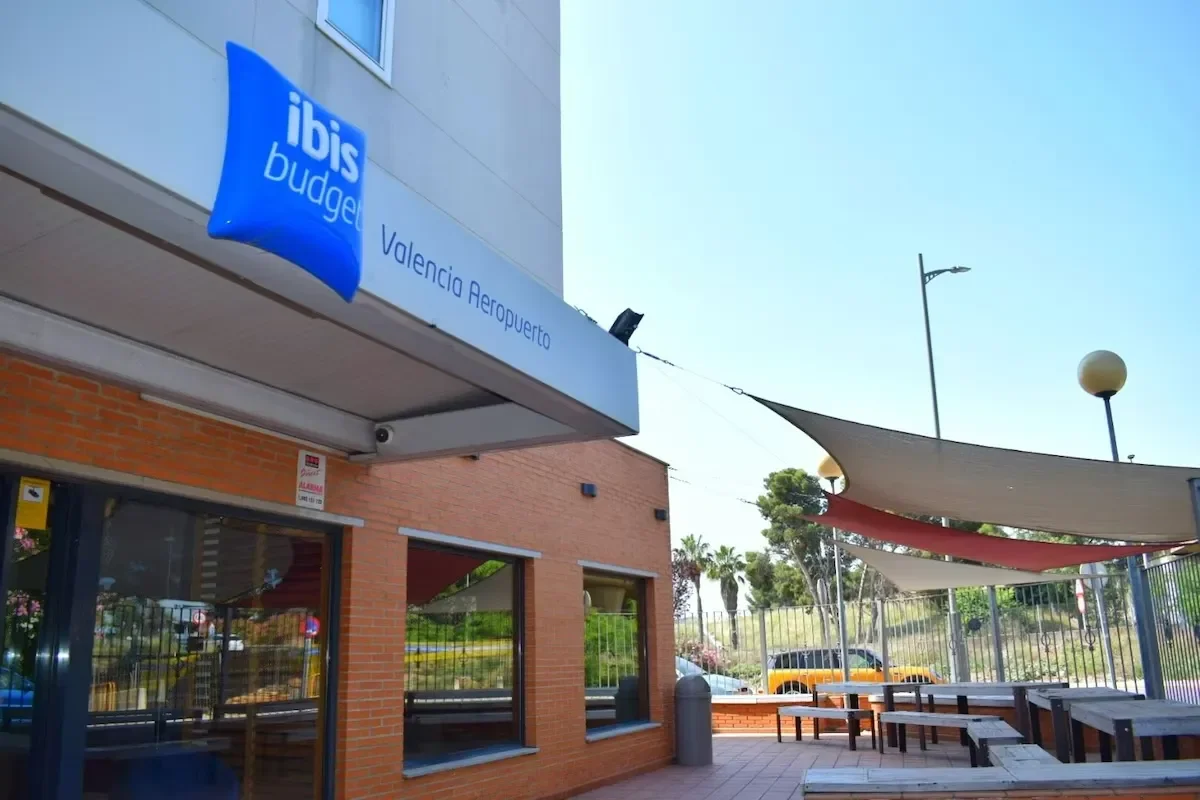
Valencia Airport connects to the city center via metro, making it one of the more straightforward and affordable airport transfers among Spain's major cities.
Rent a bike to cover the Turia Gardens efficiently, the park runs the length of the city and is genuinely easier to appreciate on two wheels than on foot alone.
Eat paella at lunch, not dinner, if you want the traditionally authentic experience, and be wary of restaurants directly on the most touristy squares advertising "paella for two" with photos out front better versions are usually found slightly off the main tourist paths.
Book City of Arts and Sciences tickets in advance, particularly the Oceanogràfic aquarium, which can involve long queues without a pre-purchased ticket during peak season.
A Few Days That Actually Work
Three days suits most visitors well. Day one: old town Cathedral, La Lonja, Mercado Central, with dinner in Ruzafa. Day two: a full day at the City of Arts and Sciences, including the Oceanogràfic aquarium if traveling with kids. Day three: Turia Gardens by bike in the morning, Malvarrosa Beach and a proper lunch-time paella in the afternoon.