
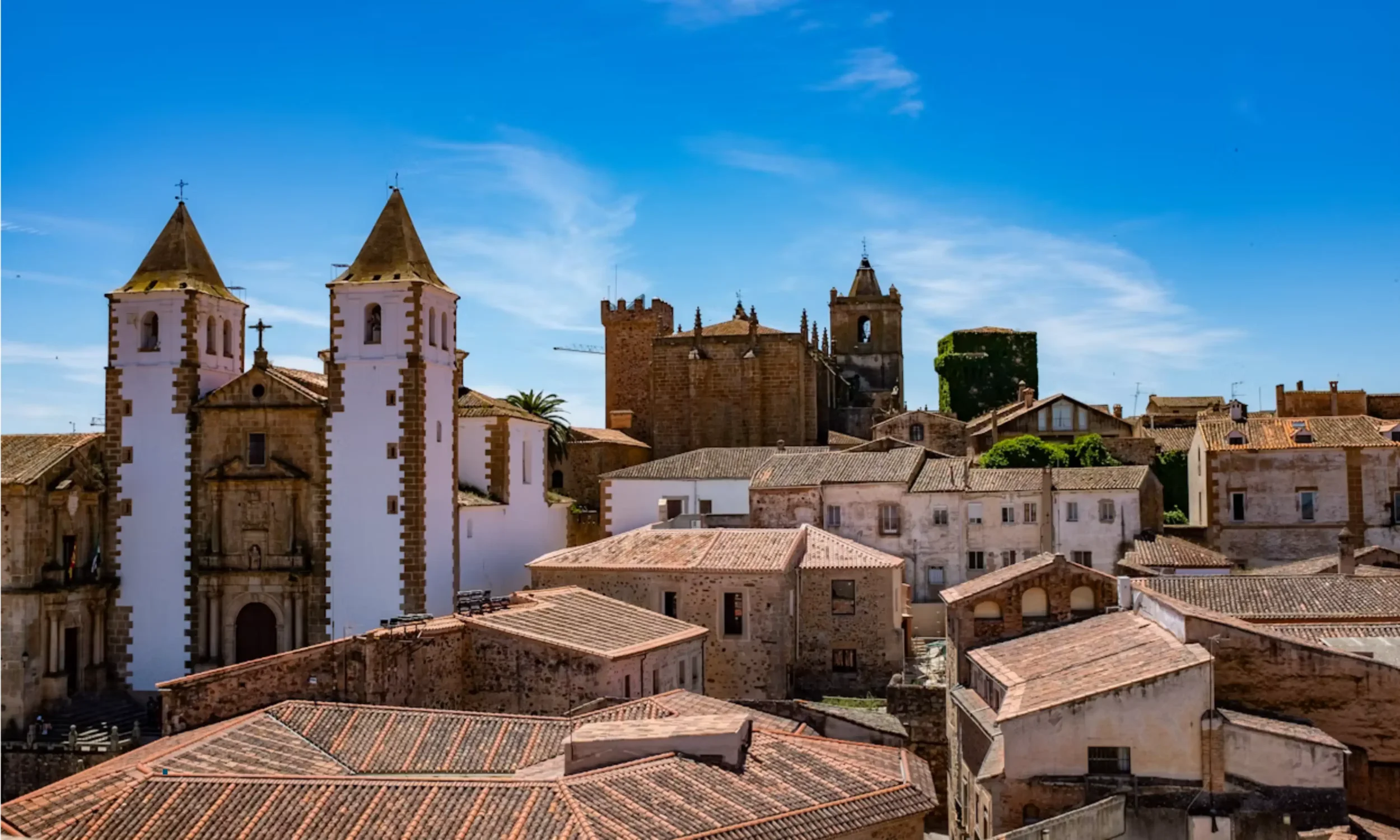
All what you need to know about Caceres
cACERES
The Ultimate Guide
Plan your trip to Caceres





Cáceres: The Complete Guide to Spain's Best-Kept Secret
Cáceres is the kind of place that leaves visitors quietly annoyed nobody told them about it sooner. This is a stunningly preserved medieval and Renaissance old town in western Spain's Extremadura region, with golden stone walls, storks nesting on ancient towers, and almost none of the crowds you'd find at a comparably beautiful town elsewhere in the country. This guide covers everything you need to plan a visit to one of Spain's most underrated destinations.
Understanding Cáceres
Cáceres sits in Extremadura, a rural, historically overlooked region in western Spain near the Portuguese border, an area that produced a disproportionate number of conquistadors during the Age of Exploration, whose wealth flowed back into building the grand mansions that still define the old town today.
The Ciudad Monumental, the walled old city, was designated a UNESCO World Heritage Site in 1986, largely for how completely its medieval and Renaissance layers survived intact, undisturbed by the kind of modern development that reshaped so many other historic Spanish towns.
things to discover In Caceres
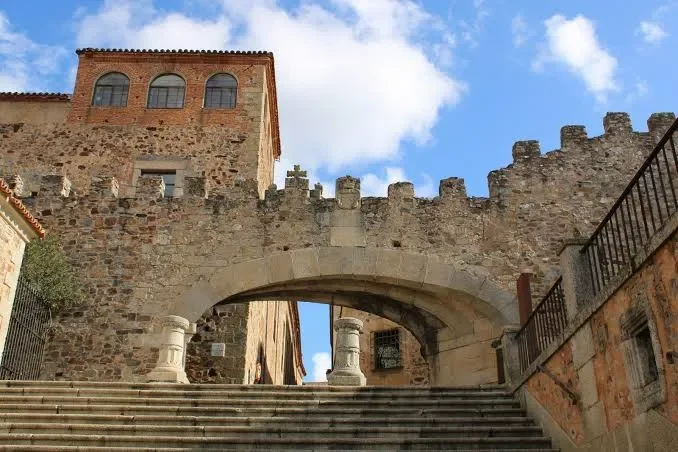
Wander the Ciudad Monumental
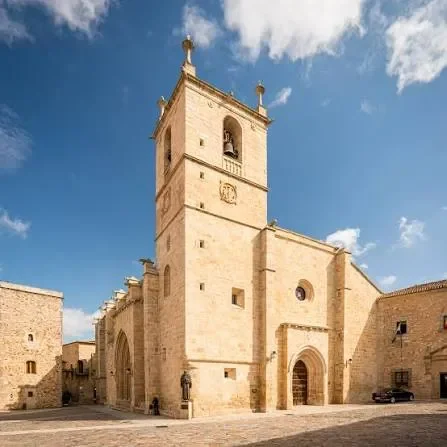
Concatedral de Santa María
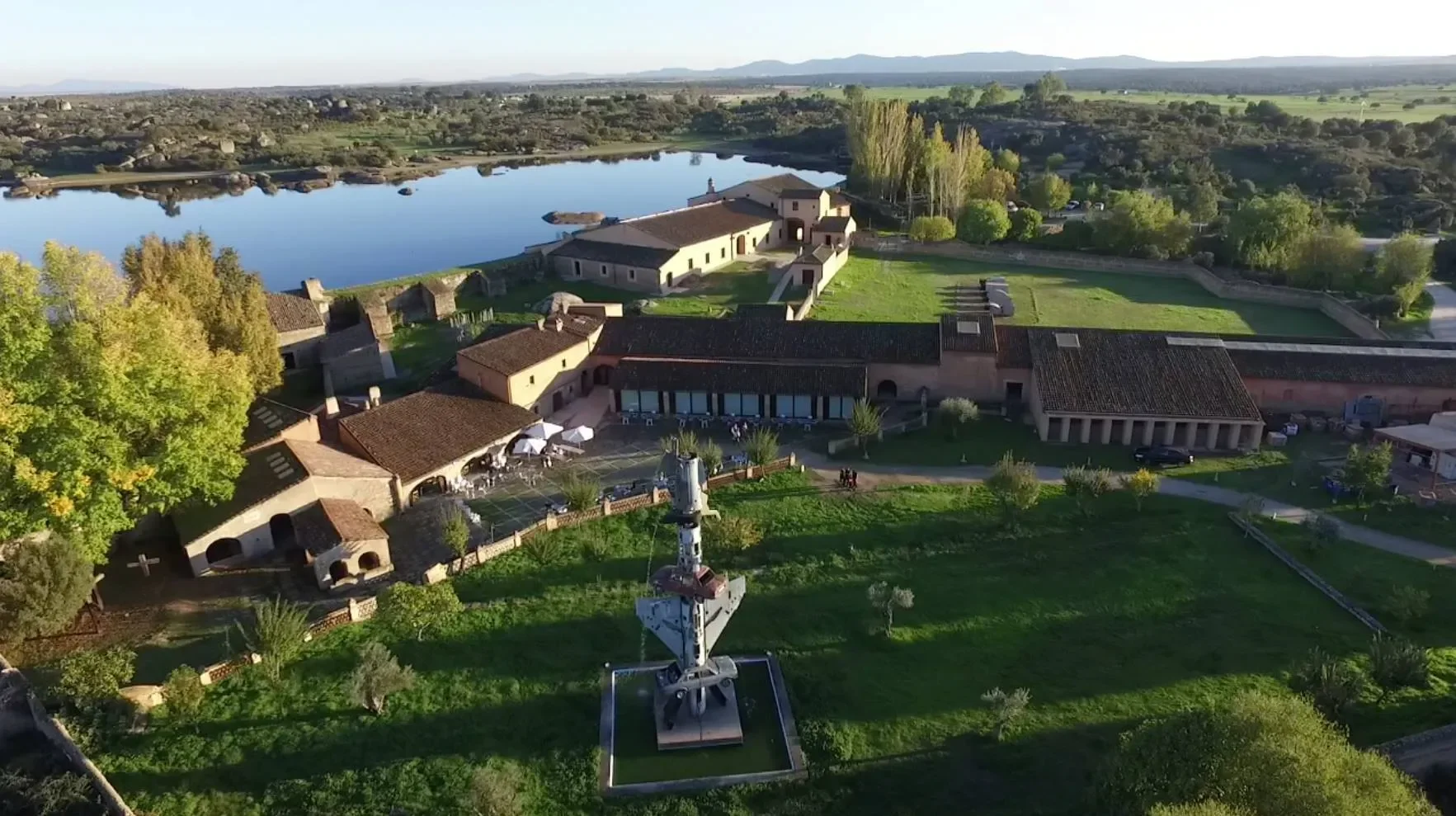
Museo Vostell Malpartida
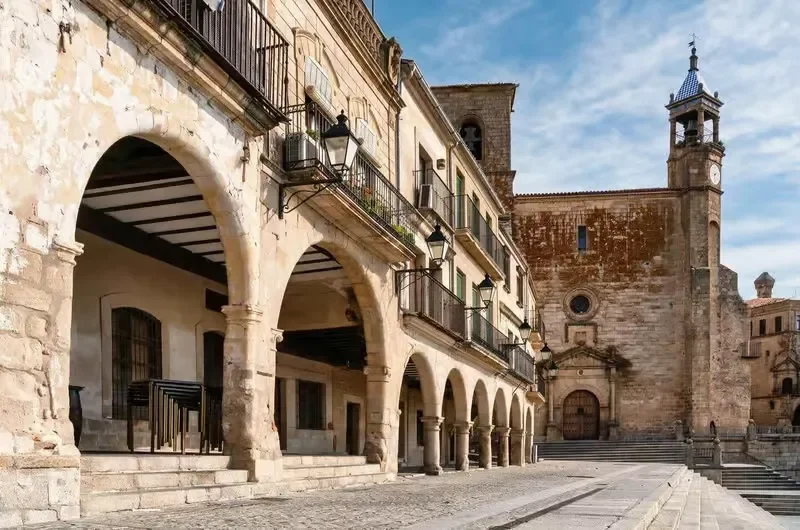
Plaza Mayor
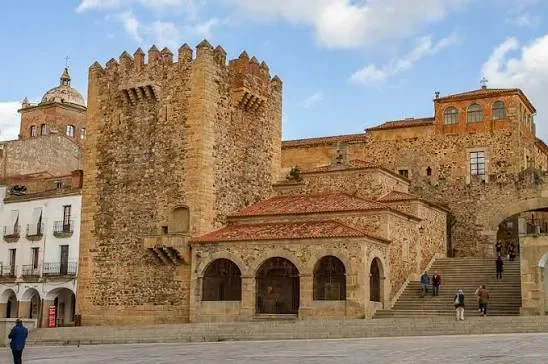
Torre de Bujaco
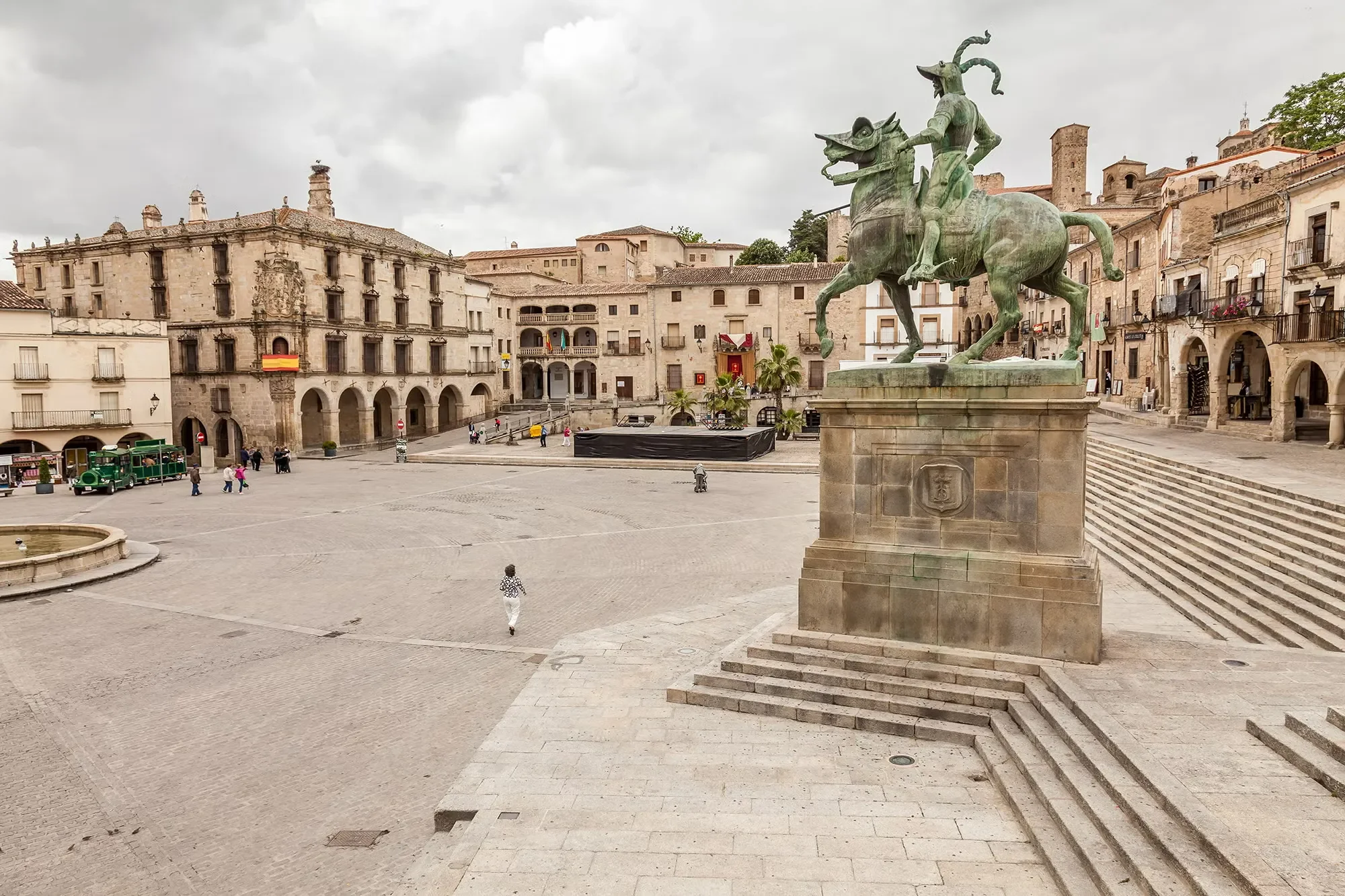
Trujillo
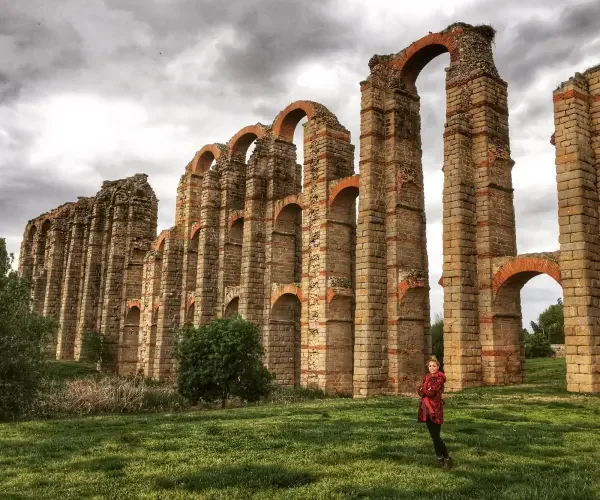
Mérida
our monthly Hotels pics

Accommodations under 80$\Night



attractions tickets
All Important Things To Know About caceres
What Cáceres Is Famous For
Cáceres is famous for being one of the best-preserved medieval and Renaissance urban centers in Europe, largely untouched by modern development, and for its striking golden sandstone architecture built with wealth brought back by Extremaduran conquistadors from the Americas. Its UNESCO World Heritage status reflects this preservation, and the city has increasingly become a filming location for period productions specifically because so little of its historic core has changed.
Food and Culture
Extremaduran cuisine is hearty, rustic, and closely tied to the region's agricultural and pastoral traditions. Jamón ibérico from the nearby Dehesa de Extremadura region where black Iberian pigs roam oak forests eating acorns, is considered among the finest in the entire country, and a proper jamón tasting here rivals anything found in more famous regions further south.
Torta del Casar, a soft, intensely flavored sheep's milk cheese made using traditional methods, is a distinctly Extremaduran product worth seeking out, typically served slightly warmed with bread. Migas extremeñas, fried breadcrumbs traditionally cooked with chorizo, garlic, and peppers, reflects the region's rural, resourceful culinary roots a hearty dish originally designed to make use of stale bread.
Culturally, Cáceres and the wider Extremadura region carry a quieter, less internationally known identity than Spain's more famous regions, shaped by a long history of rural life and emigration, many locals will note, with a mix of pride and mild exasperation, that their region remains one of Spain's best-kept secrets despite holding some of its most significant historical sites.
Best Time to Visit
Spring (March–May) offers the most comfortable temperatures alongside the best stork-watching, and coincides with several local festivals. Autumn (September–October) is similarly pleasant. Summer in Extremadura can be genuinely brutal, with temperatures regularly exceeding 40°C best avoided for extensive outdoor walking. Winter is mild and quiet, offering a peaceful, uncrowded version of the city for travelers prioritizing comfortable sightseeing over festival energy.
Practical Tips for First-Time Visitors
Cáceres has no major airport of its own, most visitors arrive by train or bus from Madrid (around 3–4 hours) or drive in as part of a broader Extremadura road trip, sometimes combined with a Seville or Lisbon itinerary given the region's location between them.
Wear comfortable shoes for cobblestones, the old town's medieval streets are uneven and, in places, steep, though the compact size means you won't need to walk far to see most of what matters.
Visit in spring for the storks, nesting season brings the city's most distinctive visual feature to its most active and photogenic state.
Set aside at least one full day, even though the old town itself is compact, the appeal here is in slow wandering and soaking in the atmosphere, not rushing through a checklist.
A Day (or Two) That Actually Works
A single, unhurried day covers Cáceres well: morning exploring the Ciudad Monumental, a climb up Torre de Bujaco and the Concatedral rooftop for views, a long lunch featuring the region's jamón and torta del Casar, and an evening wander back through the old walls as the light turns golden against the stone. With a second day, add a trip to Trujillo or Mérida to round out a fuller picture of Extremadura's historical depth.