
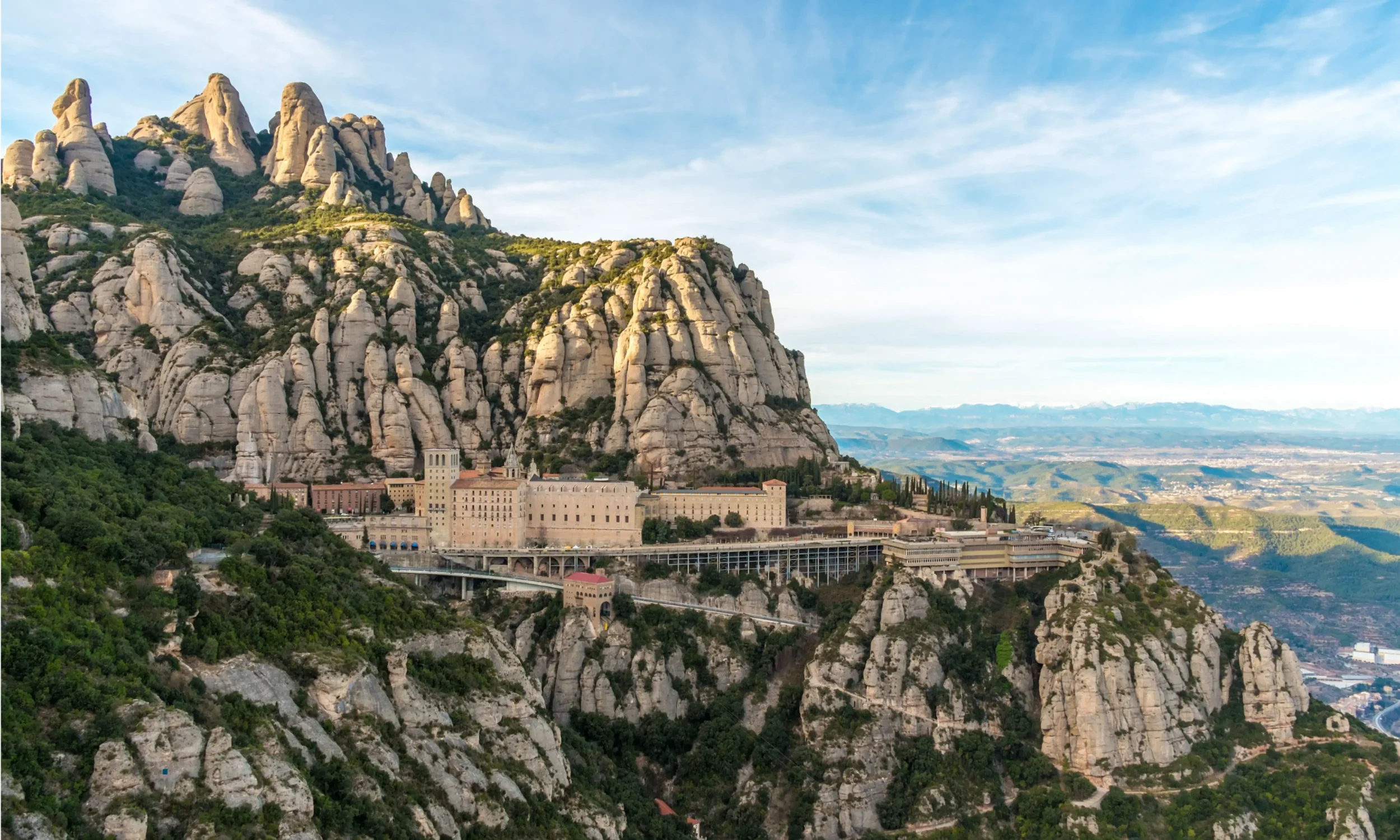
All what you need to know about Granada
GRANADA
The Ultimate Guide
Plan your trip to Granada





Granada: The Complete Guide to the City of the Alhambra
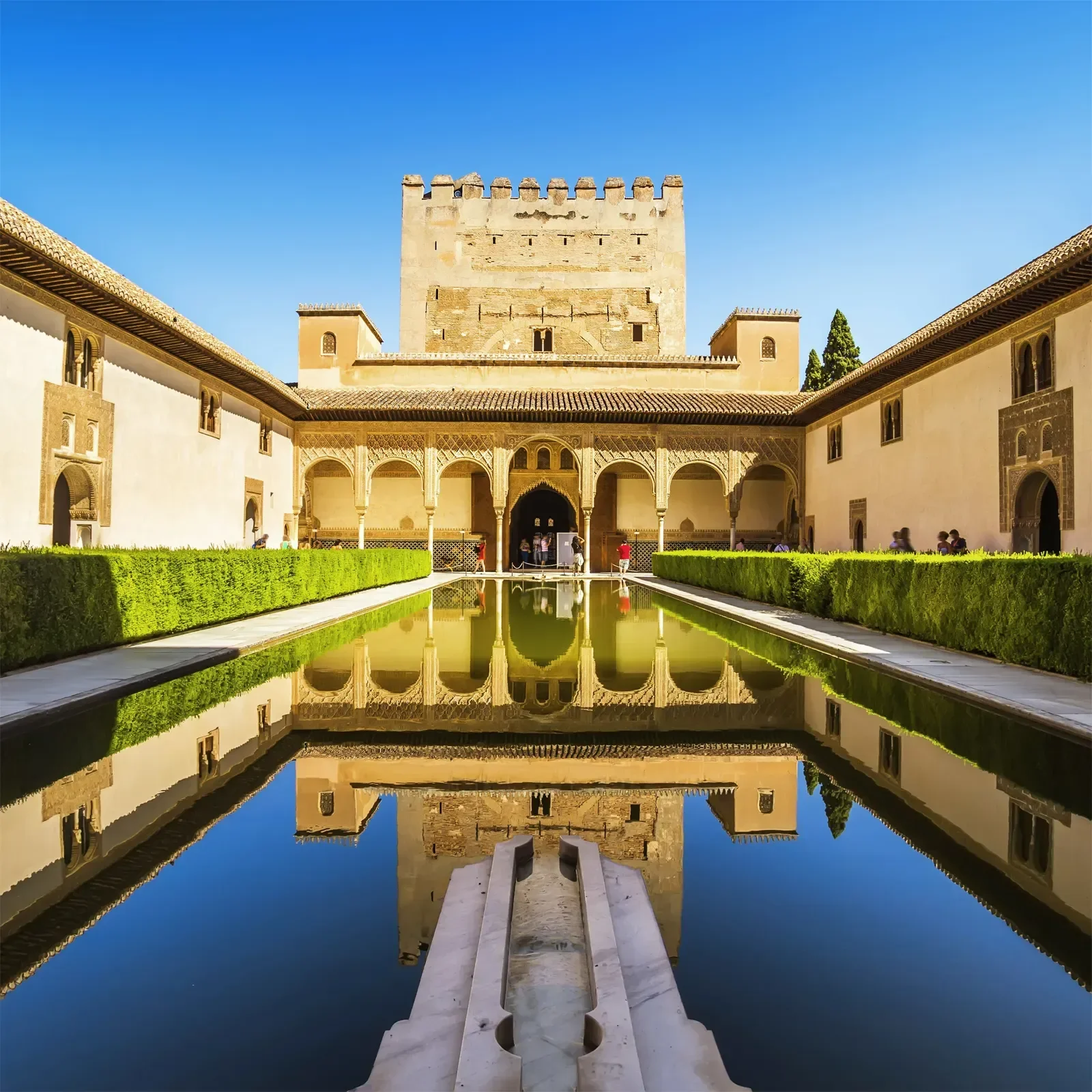
Granada is a city built almost entirely in the shadow of one extraordinary building, and remarkably, it earns that shadow. The Alhambra, a Moorish palace and fortress complex spread across a hilltop overlooking the city, is one of the greatest surviving works of Islamic architecture anywhere in the world, and it alone justifies a visit. But Granada is more than its most famous landmark: a city of steep, whitewashed streets, some of the last genuinely free tapas culture left in Spain, and a snow-capped mountain range visible from its rooftops on a clear day. This guide covers everything you need to plan a first visit.
Understanding Granada
Granada sits at the foot of the Sierra Nevada mountains in Andalusia, and was the final stronghold of Moorish rule in Spain, falling to the Catholic Monarchs in 1492, the same year Columbus set sail, in one of those historical coincidences that shaped the whole subsequent direction of Spanish and world history. That layered Moorish-and-Christian history is written directly into the city's architecture and street layout, nowhere more dramatically than at the Alhambra itself.
The old town spreads across several distinct hillside neighborhoods, each with its own character, connected by steep, narrow streets that reward slow, unhurried exploring on foot.
things to discover In Granada
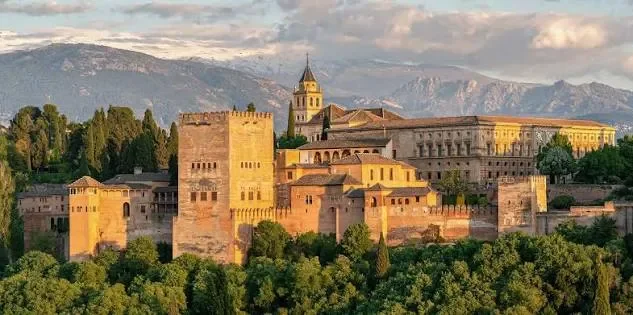
The Alhambra
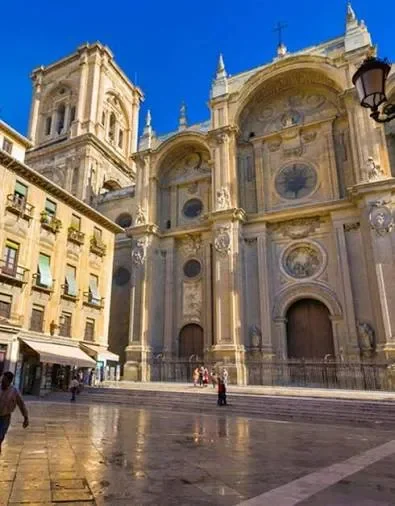
Granada Cathedral
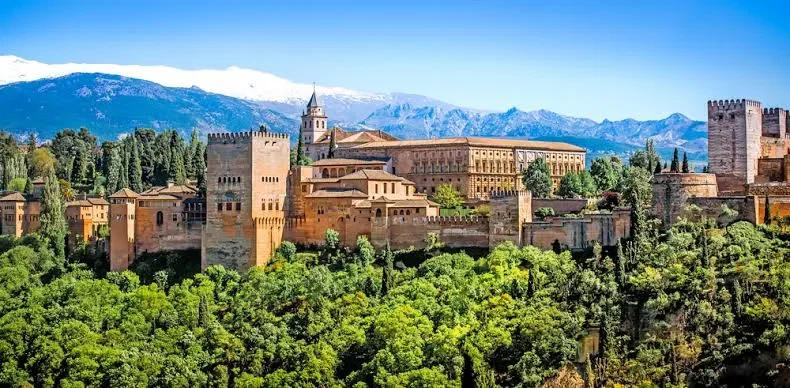
Sierra Nevada
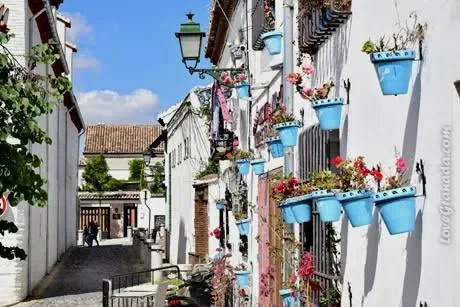
The Albaicín
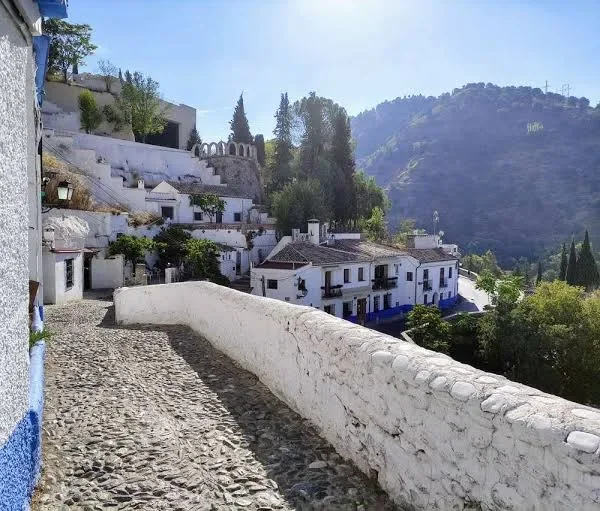
Sacromonte
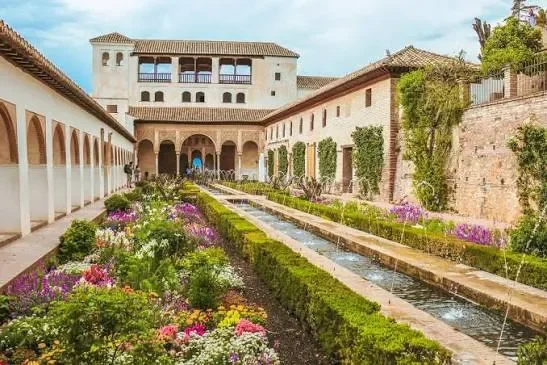
Generalife gardens
Mirador de San Nicolás
our monthly Hotels pics
Accommodations under 80$\Night




attractions tickets
What Granada Is Famous For
Granada is famous above all for the Alhambra, widely considered one of the finest surviving examples of Islamic architecture anywhere in the world, and for its layered Moorish-Christian history more broadly. It's also known for its exceptionally well-preserved free tapas tradition, its Sacromonte flamenco culture, and its unusual geography, a city close enough to both the Mediterranean coast and a major ski resort that, on the right day, both are theoretically reachable within the same afternoon.
Food and Culture
Granada's tapas tradition is the city's real culinary calling card, genuinely free small dishes served automatically with drinks, a custom that's largely vanished elsewhere in Spain but remains a point of local pride here. Popular tapas include habas con jamón (broad beans with cured ham), remojón granadino (a citrus and salted cod salad), and simple fried fish, all best experienced by hopping between several bars rather than settling into just one.
Piononos, a small, syrup-soaked sponge cake dessert originating in nearby Santa Fe, are a distinctly Granada sweet worth seeking out at a local bakery. The city's Moorish heritage also shows up in its food culture through teterías, traditional tea houses, particularly concentrated along Calle Calderería Nueva near the Albaicín, serving Moroccan-influenced mint tea and pastries in ornately decorated interiors.
Culturally, Granada carries a noticeably bohemian, youthful energy thanks to its large university population, alongside its deeper Moorish and flamenco heritage, a combination that gives the city a livelier, more affordable nightlife scene than some of Andalusia's more purely historical towns.
Best Time to Visit
Spring (April–May) and autumn (September–October) offer the most comfortable weather for extensive walking and Alhambra visits. Summer is hot, particularly by midday, though evenings remain pleasant for the city's active tapas and flamenco scene. Winter, uniquely among major Spanish cities, offers the option to combine sightseeing with skiing in the nearby Sierra Nevada, a genuinely unusual pairing for a European city break.
All Important Things To Know About Granada
Practical Tips for First-Time Visitors
Book Alhambra tickets as far in advance as possible, this is the single most important piece of practical advice for visiting Granada. Tickets are capped daily and regularly sell out weeks ahead during peak season, and there is no reliable way to simply show up and get in.
Granada Airport is smaller than Madrid or Barcelona's, with fewer direct international connections, many visitors arrive via a connecting flight through Madrid, or overland by bus or train from other Andalusian cities like Seville or Málaga.
Wear comfortable shoes for steep, cobbled streets, particularly in the Albaicín and around the Alhambra, where the terrain is genuinely hilly by Spanish city standards.
Take advantage of the free tapas by pacing your drink orders, the tapas served often improve or vary as you continue ordering at the same bar, and this remains one of the best value dining experiences in the country.
A Few Days That Actually Work
Two to three days works well for most visitors. Day one: a full half-day at the Alhambra, followed by an evening wander through the Albaicín, finishing at Mirador de San Nicolás for sunset. Day two: Cathedral and Royal Chapel in the morning, an afternoon tapas crawl through Centro or Realejo, and a Sacromonte flamenco show in the evening. Day three, if you have it: a day trip into the Sierra Nevada, or a slower-paced day exploring the teterías and shops around Calle Calderería Nueva.