
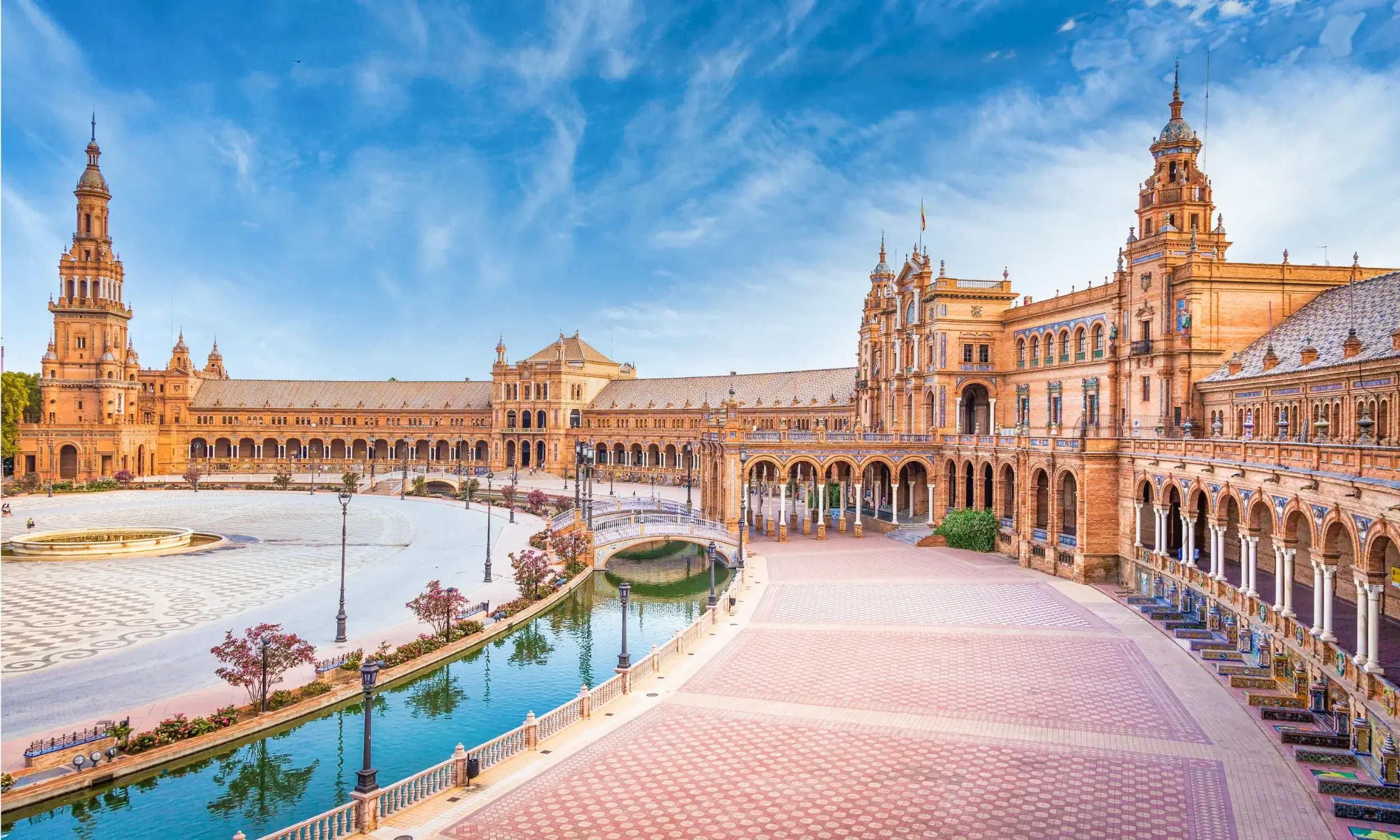
All what you need to know about Seville
sEVILLE
The Ultimate Guide
Plan your trip to Seville





Seville: The Complete Guide to Andalusia's Beating Heart
Seville is where a lot of people's idea of "Spain" actually comes from, whether they realize it or not flamenco, orange trees lining the streets, a cathedral so vast it feels almost absurd, and a heat that makes the whole city move at a slower, more deliberate pace for half the year. This is Andalusia's capital and cultural anchor, and it delivers on nearly every romantic notion of southern Spain while still being a genuine, lived-in city rather than a theme-park version of itself. This guide covers everything you need for a first visit.
Understanding Seville
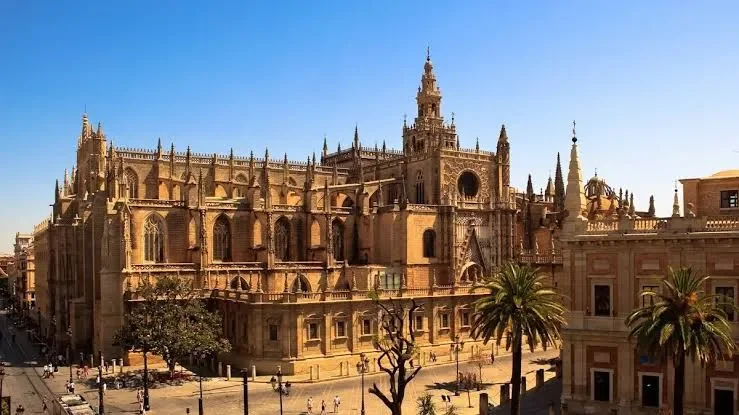
Seville sits inland on the Guadalquivir River in southern Spain, and its history reflects centuries of Moorish, Christian, and Jewish influence layered directly on top of each other, a legacy visible in the city's architecture, particularly the extraordinary blend of styles found in its cathedral and the Real Alcázar palace complex.
The city's compact historic core, Santa Cruz, is easily walkable, while neighborhoods like Triana, across the river, offer a more local, flamenco-rooted alternative to the tourist-dense center.
things to discover In Seville
Seville Cathedral
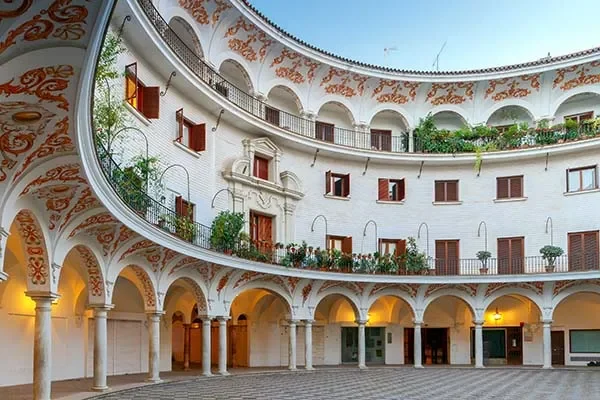
Santa Cruz
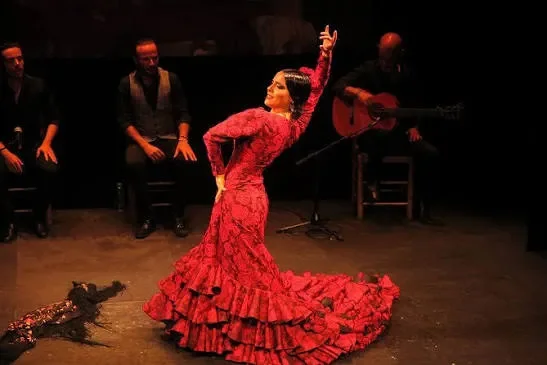
Flamenco
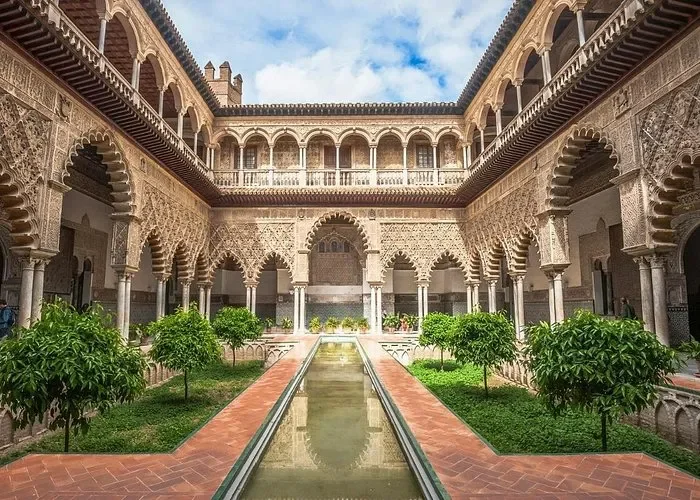
Real Alcázar
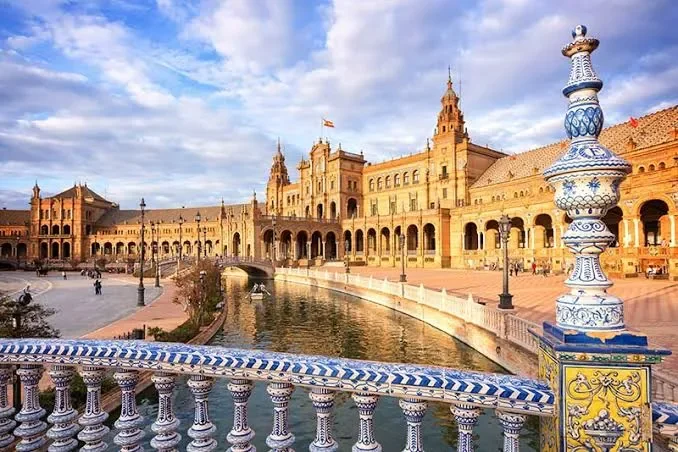
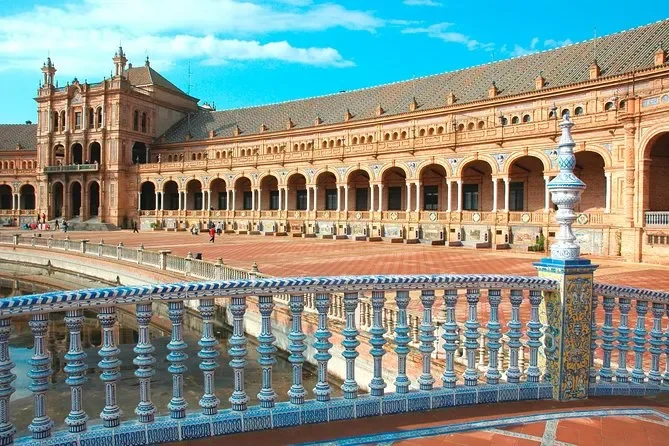
Plaza de España
Córdoba
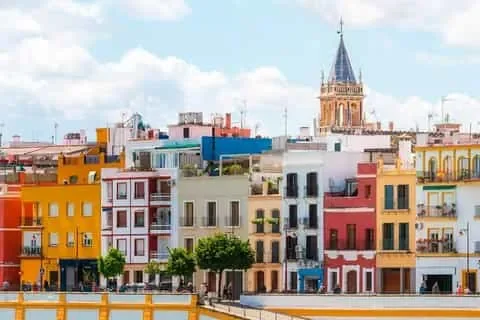
Triana
our monthly Hotels pics
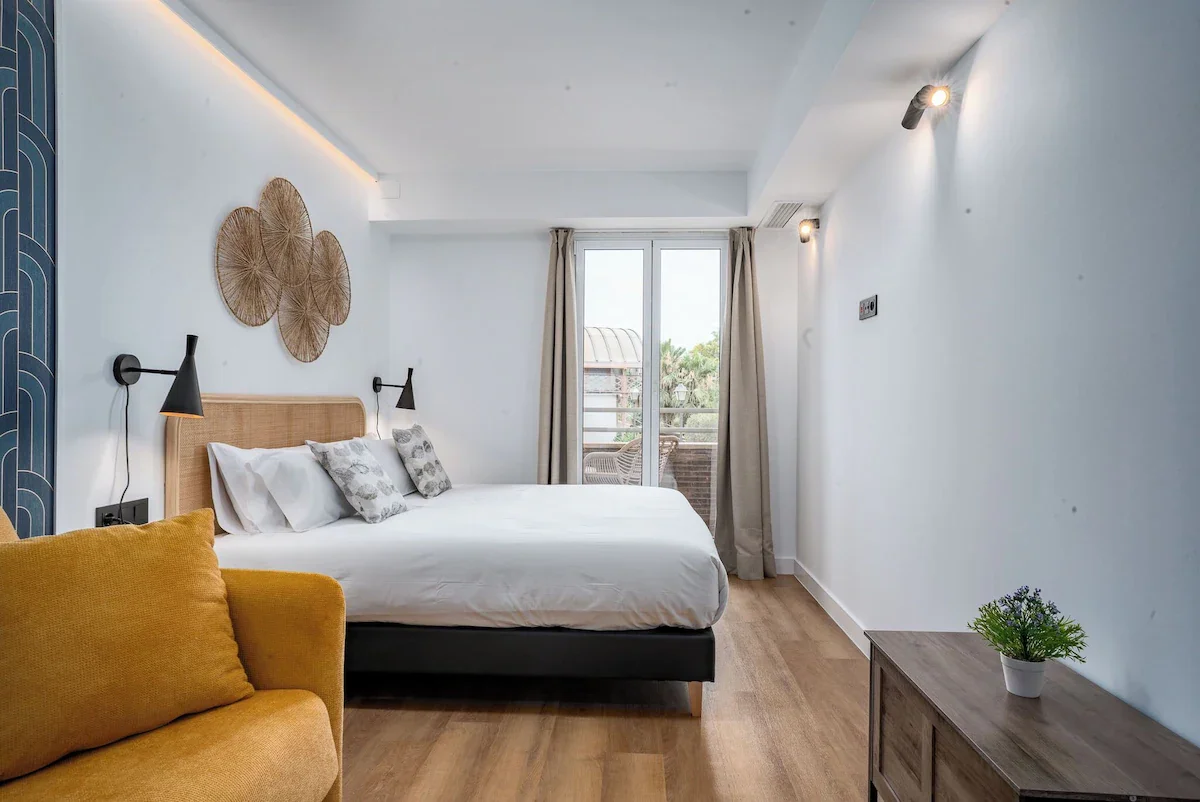
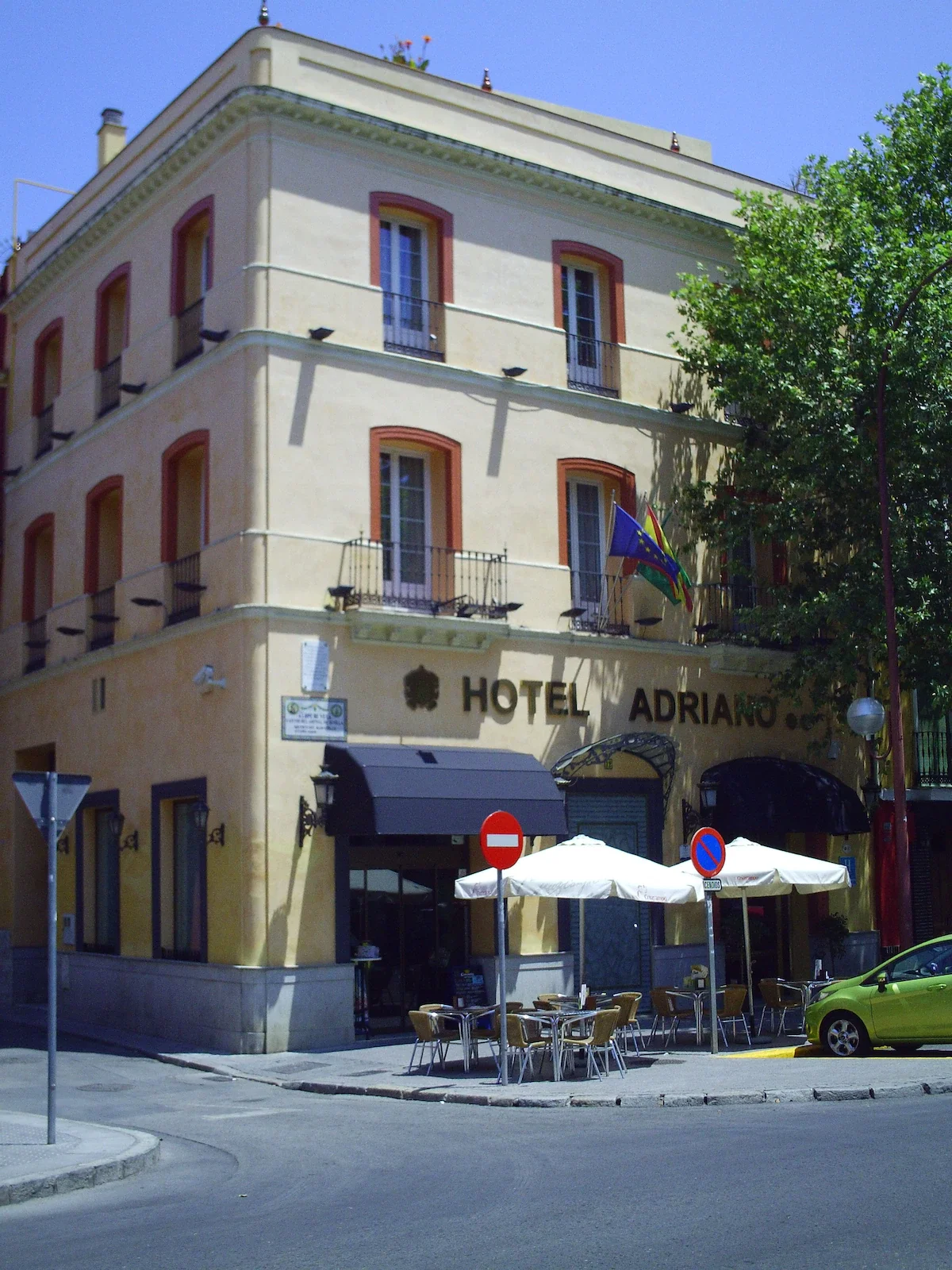
Accommodations under 80$\Night
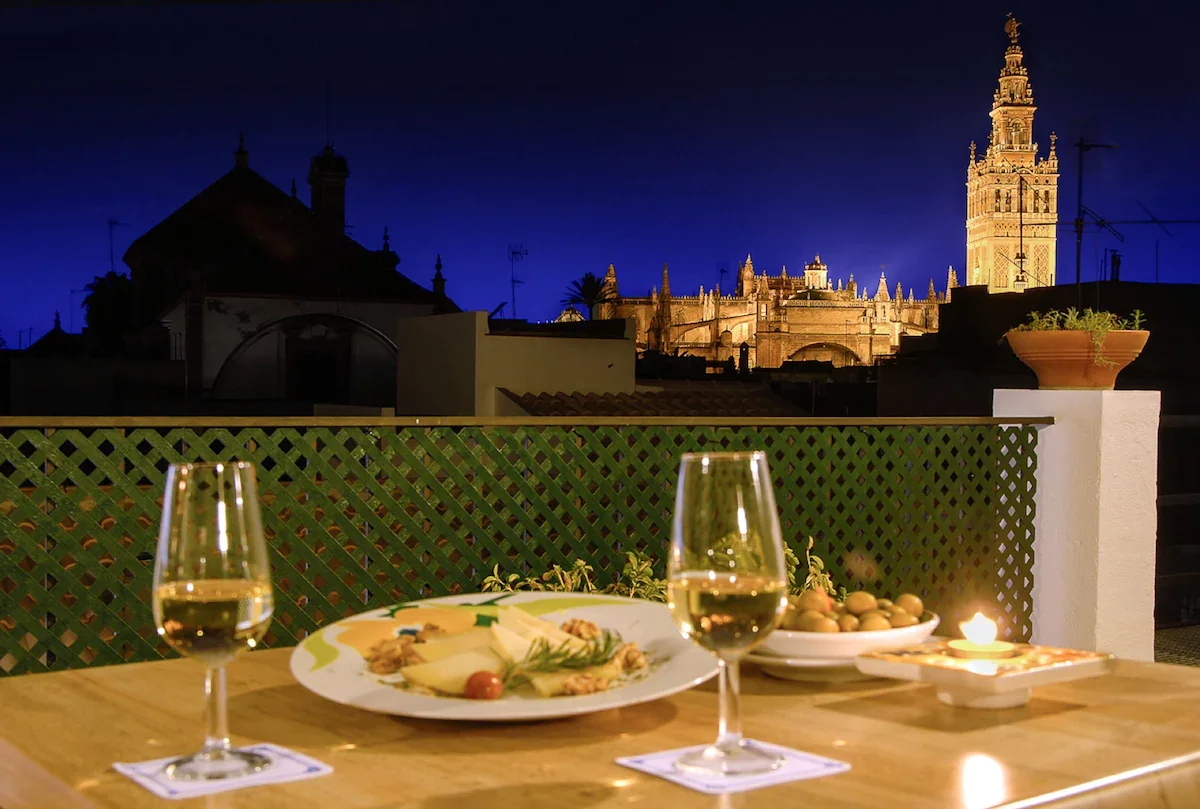
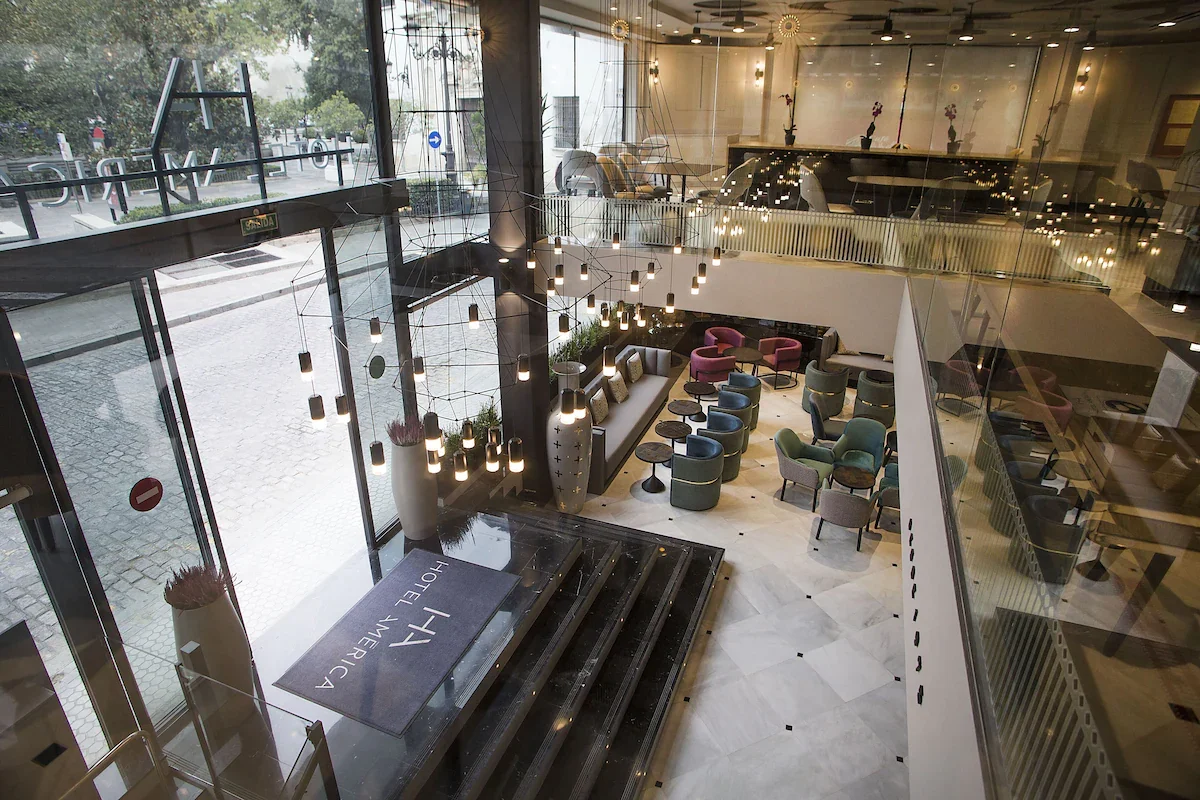
attractions tickets
All Important Things To Know About Seville
What Seville Is Famous For
Seville is famous for its extraordinary concentration of Moorish and Gothic architecture, its deep flamenco tradition, and its role as the cultural capital of Andalusia. It's also known for Semana Santa (Holy Week), one of the most elaborate religious processions in the world, and the Feria de Abril, a massive spring fair featuring flamenco dresses, horse-drawn carriages, and dancing that runs for a full week each year.
Food and Culture
Seville is one of the best places in Spain to experience genuine free tapas culture order a drink at a traditional bar and you'll often be served a small dish alongside it, no extra charge, a custom that's sadly disappeared from much of the rest of the country. Espinacas con garbanzos (spinach with chickpeas), a dish with roots tracing back to the city's Moorish period, and salmorejo, the thick, chilled tomato soup similar to gazpacho but richer, are both Seville staples, especially welcome given the city's punishing summer heat.
Cola de toro (oxtail stew), slow-cooked until falling-apart tender, is a heartier, more traditional dish worth seeking out at an old-school restaurant rather than a tourist-facing one. And no visit is complete without trying fino or manzanilla sherry, produced in the nearby Jerez region dry, chilled, and traditionally paired with tapas rather than sipped alone.
Culturally, Seville moves at a pace dictated by its climate, expect an afternoon lull as temperatures peak, followed by a city that comes back to life in the evening, with dinner rarely starting before 9 or 10pm in summer. Flamenco isn't performed here as a tourist spectacle first, it's a genuine cultural inheritance, particularly in Triana, and treating it with that respect makes for a much better experience than approaching it as a checklist item.
Practical Tips for First-Time Visitors
Seville Airport connects to the city center via bus or taxi; there's no metro line directly to the airport, so factor in a slightly longer transfer than in cities like Madrid or Barcelona.
Avoid visiting in peak summer if you can help it, July and August regularly see temperatures exceed 40°C, making extensive outdoor sightseeing genuinely difficult during midday hours.
Book the Alcázar and Cathedral well in advance, especially during Semana Santa or Feria de Abril, when the city's normal rhythms are entirely reshaped around the festivities and accommodation books up months ahead.
Wear comfortable shoes for cobblestones, and carry water if visiting in the warmer months, shade is limited in some of the old town's more open plazas.
Best Time to Visit
Spring (March–May), particularly around Semana Santa and Feria de Abril, is the most atmospheric time to visit, though also the busiest and most expensive. Autumn (September–October) offers similarly pleasant weather with fewer crowds. Summer is brutally hot and best avoided for extensive walking tours, though evenings remain lively. Winter is mild and quiet, a good option for budget-conscious travelers prioritizing comfortable sightseeing over festival atmosphere.
A Few Days That Actually Work
Three days suits most visitors. Day one: Cathedral, Giralda, and Santa Cruz's winding streets. Day two: Real Alcázar in the morning, Plaza de España and Metropol Parasol in the afternoon, a proper flamenco show in the evening. Day three: cross the river to Triana for tapas and ceramics, or take a day trip to Córdoba if you have the extra time.