Best Hotels with Bosphorus Views in Istanbul (And How to Spot a Fake One)
“Bosphorus view” is the most abused phrase in Istanbul hotel listings, and I say that as someone who has stood in a lot of rooms with a lot of disappointed friends.
Here is the spectrum it covers. At one end: a floor-to-ceiling window in Ortaköy where the strait fills your entire field of vision and container ships slide past at breakfast. At the other end: a fourth-floor room in Sultanahmet where, if you open the window, lean out to the left, and look past the neighboring building’s air conditioning unit, there is a triangle of water roughly the size of a postcard.
Both are advertised identically.
The waking-up-to-the-Bosphorus thing is genuinely worth planning your trip around, it’s one of the great hotel experiences anywhere, and Istanbul is the only city on earth that offers it. But you have to book deliberately. Here’s how.
The short answer
Best neighbourhood for a real Bosphorus view: Ortaköy and Kuruçeşme, right on the water, under the bridge, with the view unobstructed.
Best value: the Asian side, Üsküdar, Kuzguncuk and Çengelköy. You look back at the European skyline, which is the better view, and pay considerably less for it.
Best for luxury: Beşiktaş and the Bosphorus strip, where the historic palace hotels and international five-stars sit directly on the water.
Best compromise for sightseeing: Karaköy and Cihangir, hillside views over the Golden Horn and the mouth of the Bosphorus, plus you can walk to things.
Where the “view” is usually oversold: Sultanahmet. Some rooftops genuinely see the Marmara and the Bosphorus mouth, but most “sea view” rooms here are partial at best.
First: know which water you’re being sold
Istanbul has three bodies of water and hotel listings use them interchangeably. They are not the same.
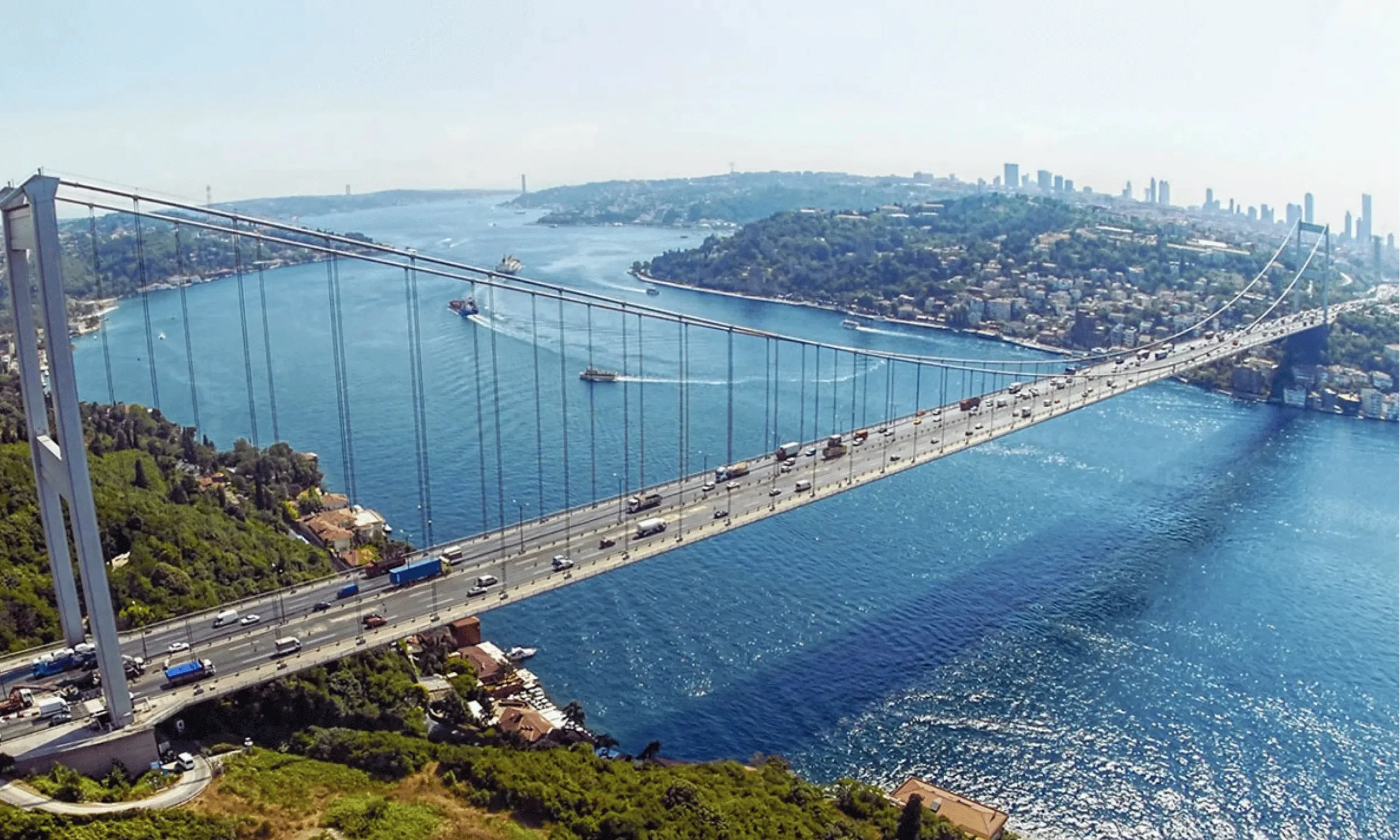
The Bosphorus is the strait itself, the busy blue channel between Europe and Asia, with the bridges, the palaces, the wooden mansions and the constant ship traffic. This is the view you’re imagining. It runs roughly from Beşiktaş north to the Black Sea.
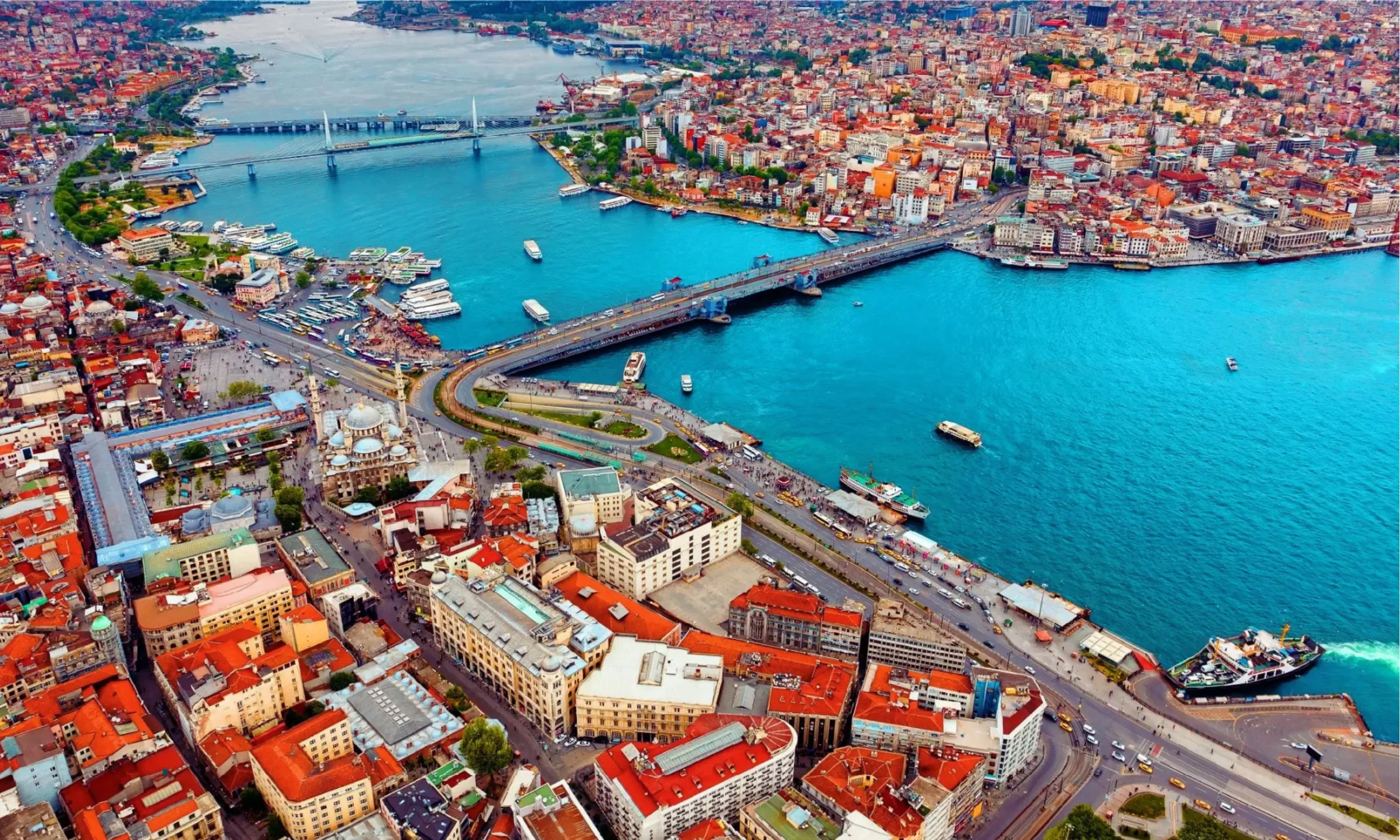
The Golden Horn is the inlet that splits the European side, running inland from the Galata Bridge. Beautiful, calmer, historic, but a different view. Hotels in Balat, Fener and parts of Karaköy overlook this.
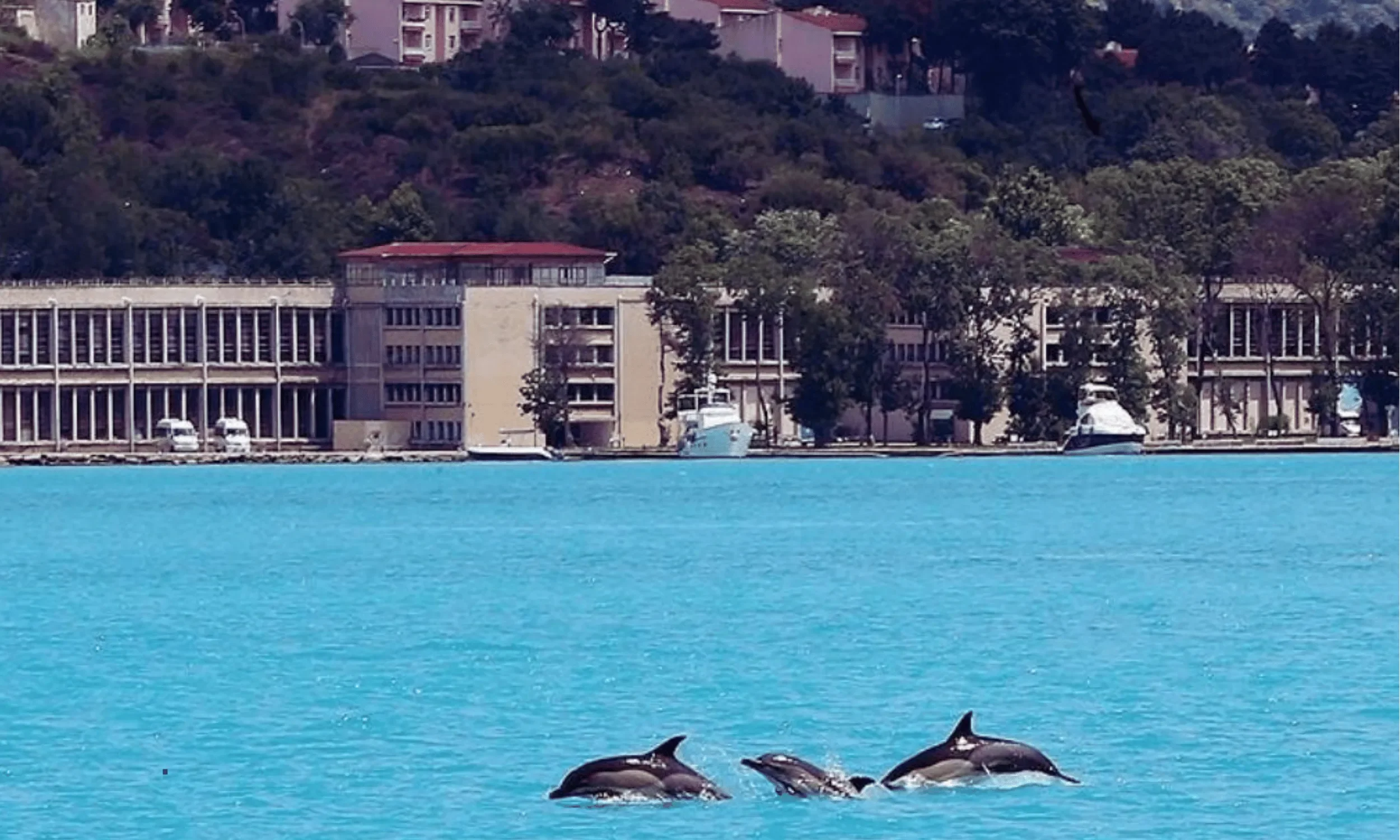
The Sea of Marmara is the open sea to the south. Hotels in Sultanahmet, Cankurtaran and along the southern coast look onto this. Lovely, particularly at sunset, with the Princes’ Islands on the horizon, but again, not the Bosphorus.
None of these is worse. But if you’ve booked a hotel because you want to see ships passing under the Bosphorus Bridge and you end up looking at the Marmara, you’ll feel misled. Check the map pin and the compass direction, not the adjective.
How to tell a real view from a marketing one
Six checks, in order of how much time they’ll save you.
1. Look at the map, not the listing. Find the hotel on a satellite map. Is there water directly in front of it, or are there three buildings in the way? This takes ninety seconds and catches most of the fakes.
2. Read the room name precisely. Hotels are careful with language because they have to be. “Bosphorus view” means the view exists. “Partial Bosphorus view” means you’ll see some. “Bosphorus side” means the room faces that direction and nothing more. “Sea view” could be any of the three waters.
3. Check whether the view is the room or the terrace. Many Istanbul hotels, particularly in Sultanahmet and Karaköy, have a spectacular rooftop and completely ordinary rooms. That’s fine, and often better value, but know which you’re buying. A shared terrace you’ll use twice a day beats a room view you’ll glance at.
4. Scroll the traveller photos. Not the hotel’s photos, the ones guests upload in reviews. Hotel photographers use wide lenses and stand in the one corner where the view works.
5. Search the reviews for the word “view.” Most booking sites let you search review text. If a hotel oversells its views, three people will have said so.
6. Email and ask which room number. Small hotels will tell you honestly, and often assign you a good one if you’ve bothered to ask. This works far more often than people expect.
Neighbourhood by neighbourhood
Ortaköy and Kuruçeşme the postcard
This is the stretch of European shore directly under and just north of the first Bosphorus bridge. Ortaköy’s little waterfront square, with its ornate mosque framed against the bridge, is one of the most photographed spots in Turkey, and for once the photographs are honest.
Hotels here are right on the water. The views are unobstructed, you get the bridge lit up at night, and the ship traffic passes close enough to see the crews. The neighbourhood itself is pleasant, waterfront cafés, the famous kumpir stalls, weekend markets.
The trade-off: you’re twenty-five to forty minutes from Sultanahmet depending on traffic, and there’s no metro. You’ll be taking taxis or the bus along a road that jams badly. Beautiful base, poor sightseeing base.
Best for: couples, second visits, anyone prioritising the setting over the schedule.
Beşiktaş: luxury and convenience
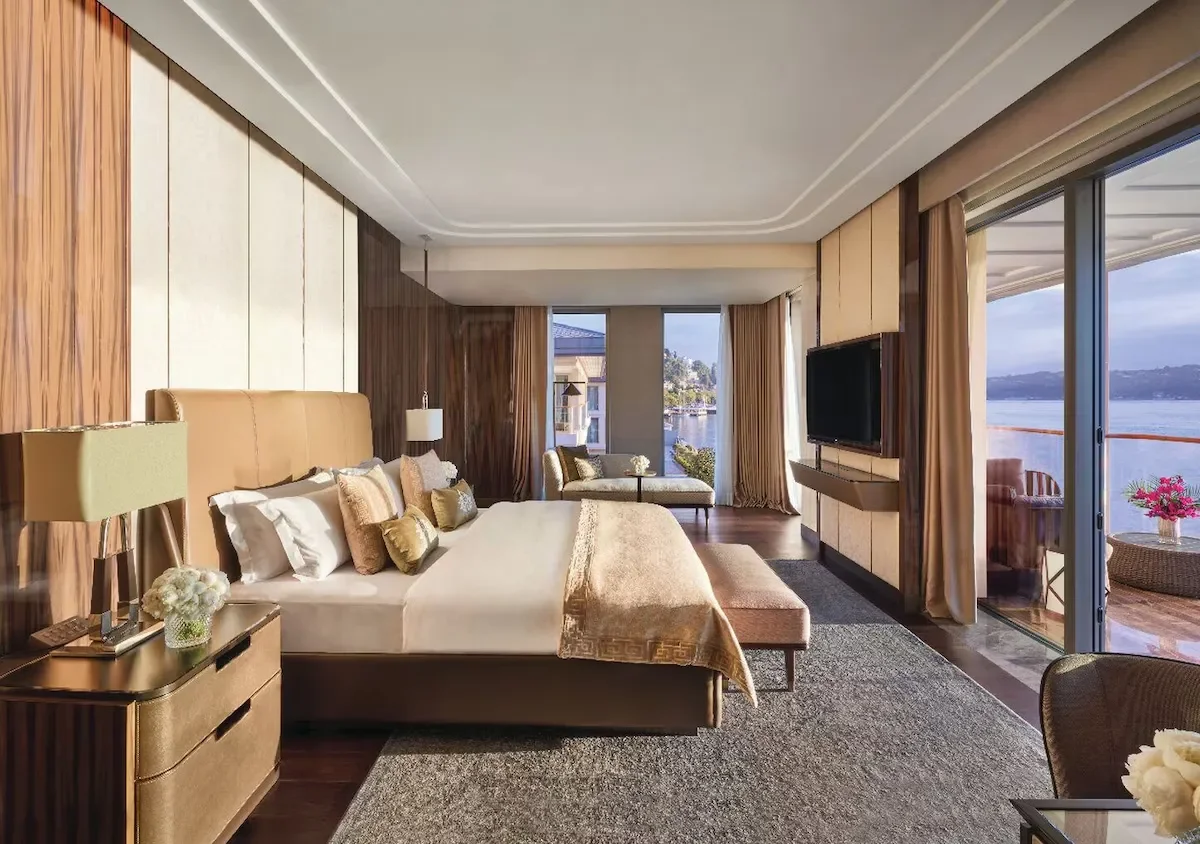
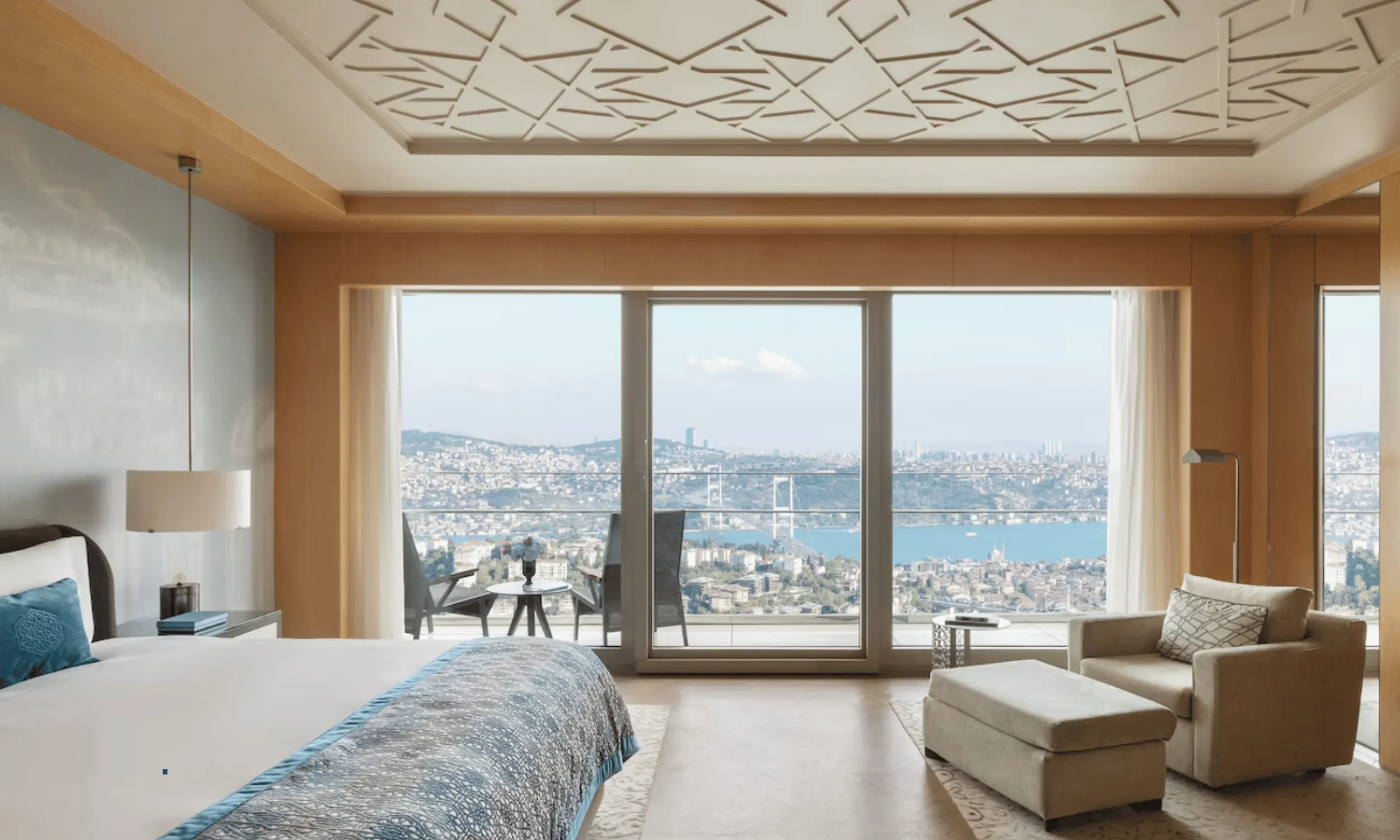
Just south of Ortaköy, Beşiktaş is where several of Istanbul’s grandest waterfront hotels sit, including a couple in genuinely historic palace buildings. This is the top of the market, and at the top of the market the views are real, full-height windows, private terraces, the strait directly in front of you.
Beşiktaş also has the best transport of any Bosphorus-front neighbourhood: ferries to the Asian side, buses along the shore, and a walkable centre with a proper local market and good fish restaurants.
The trade-off: price. And it’s still not walkable to the old city.
Best for: travellers with budget who want both the view and some practicality.
The Asian side: Üsküdar, Kuzguncuk, Çengelköy
This is my value recommendation, and I’ll defend it.
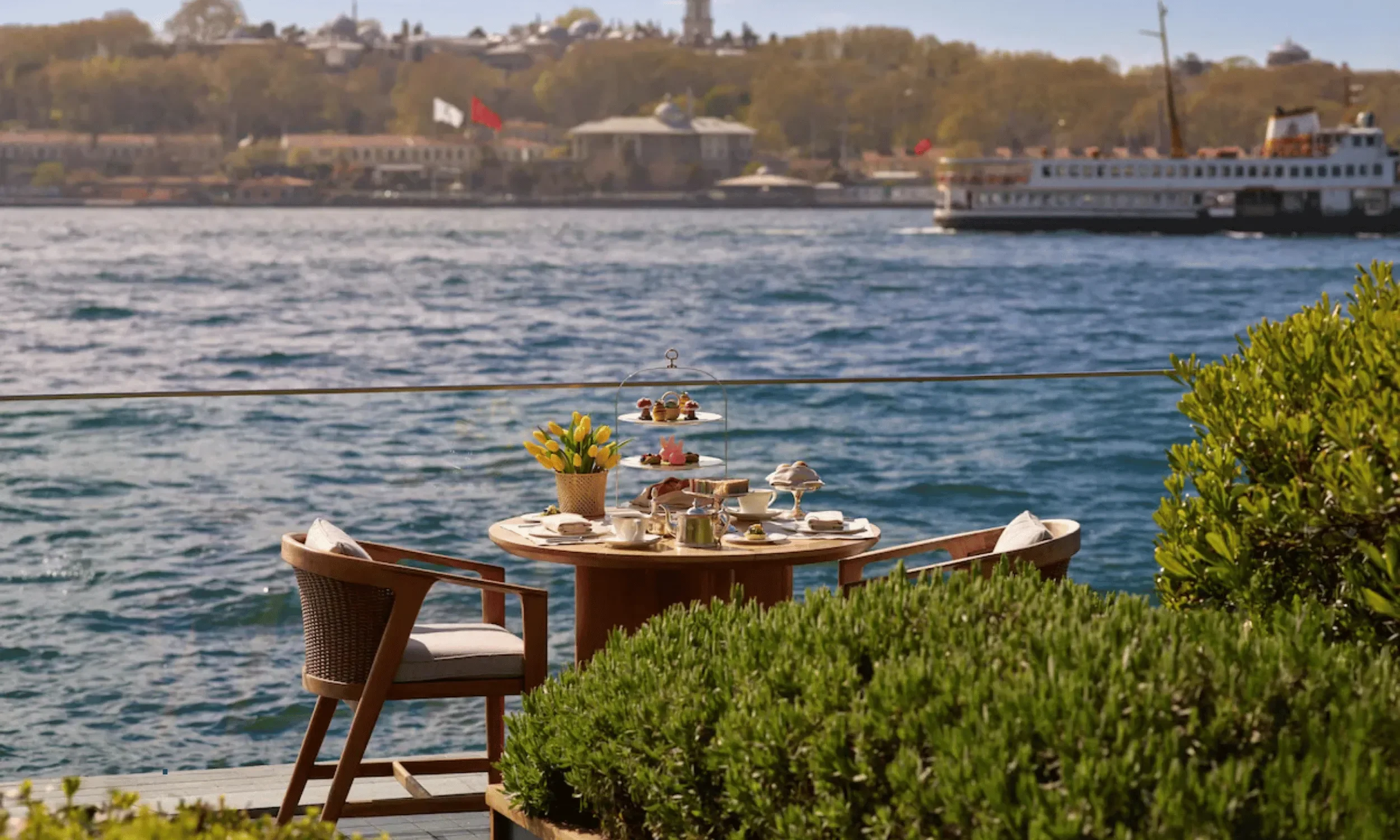
From the Asian shore you look back at the European skyline, the minarets, Topkapı, the Galata Tower, the whole silhouette that appears on every Istanbul postcard. That’s a better view than the one Europeans pay a premium for, because they’re looking at the Asian side, which is lovely but less dramatic.
Prices are meaningfully lower. Kuzguncuk in particular is one of the prettiest neighbourhoods in the city, a single main street of coloured wooden houses, an old synagogue, a church and a mosque within a hundred metres of each other, and almost no tourists. Çengelköy has the waterfront tea gardens where Istanbul actually goes on a Sunday.
The trade-off: you’re on the other continent. Every trip to the historic sights involves a ferry or the Marmaray. The ferry is a genuine pleasure, twenty minutes, tea on the deck, gulls following the boat, but it’s still a journey.
Best for: repeat visitors, longer stays, anyone who wants the view and the neighbourhood without the price.
Karaköy, Galata and Cihangir: the hillside view
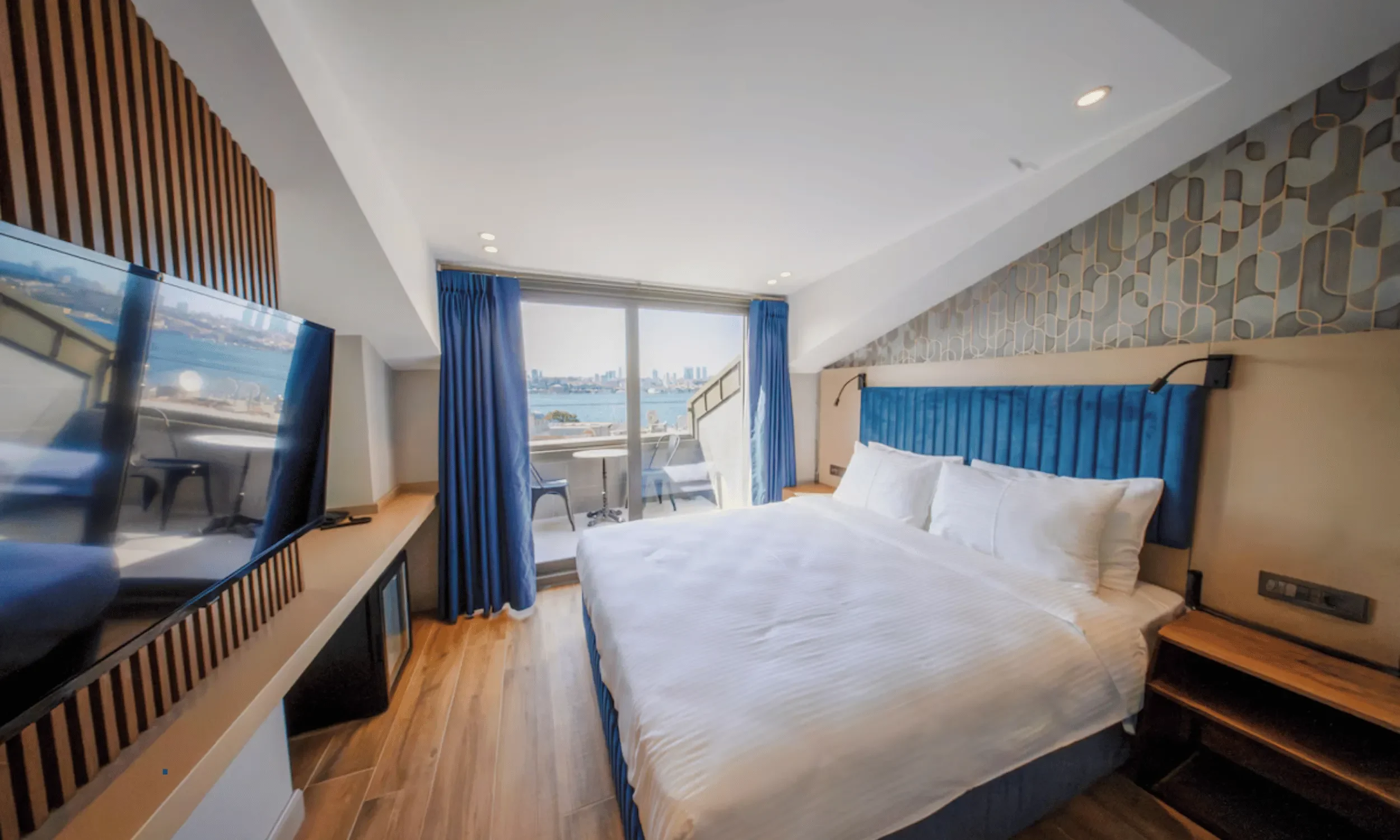
These neighbourhoods climb steeply up from the water at the mouth of the Bosphorus. You’re not on the waterfront, but you’re above it, which produces a different and in some ways better view: the Golden Horn, the old city skyline across the water, ships coming up the strait, and the whole thing spread out below you.
The great advantage here is that you can actually walk places. Karaköy has the best coffee and some of the best restaurants in the city. The Galata Bridge takes you into the old town on foot in fifteen minutes. There’s a tram and a metro.
The trade-off: the hills are severe, and “view” here almost always means a rooftop terrace rather than a room window.
Best for: first-timers who want views and convenience, probably the best all-round compromise on this list.
Sultanahmet: manage your expectations
Some Sultanahmet rooftops have genuinely lovely views over the Sea of Marmara towards the Princes’ Islands, and a few high ones catch the mouth of the Bosphorus with ships queuing to enter. That’s a real and beautiful thing.
But a “Bosphorus view” room in Sultanahmet is usually a partial view of the Marmara. If the view is your priority, this isn’t your neighbourhood. If sightseeing is your priority and the view is a bonus, book a hotel with a good rooftop terrace and be pleased with it.
check the list here
What you’ll actually be looking at
A view is more interesting when you know what’s in it. Depending on where you book, here’s what fills the window.
From Ortaköy and Kuruçeşme: the first Bosphorus bridge directly overhead, Ortaköy Mosque at the waterline, the Asian shore opposite with Beylerbeyi Palace, and a constant procession of tankers, ferries and fishing boats. At night the bridge changes colour.
From Beşiktaş: Dolmabahçe Palace along the shore, the Maiden’s Tower to the south, ferries crossing constantly between continents, and the wide mouth of the Bosphorus opening towards the Marmara.
From Üsküdar and the lower Asian side: the money shot, the entire historic peninsula silhouette across the water. Hagia Sophia, the Blue Mosque, Süleymaniye and Topkapı, all in a row, backlit at sunset. This is the view on the postcards, and you can only get it from Asia.
From Kuzguncuk and Çengelköy: the European hills, the bridge, and the wooden yalı mansions immediately below you along your own shore.
From Karaköy and Galata rooftops: the Golden Horn, the Galata Bridge with its fishermen, the old city skyline across the water, and ships turning into the Bosphorus.
From Sultanahmet rooftops: the Sea of Marmara, the Princes’ Islands on the horizon on a clear day, and the queue of cargo ships waiting to enter the strait, which sounds industrial and is actually rather beautiful at dusk.
Check the list here
Hotels versus apartments
Worth considering, because Istanbul has a large short-let market and for water views it often beats hotels on value.
Apartments win on: space, price per square metre, balconies (far more common than in hotels), and the ability to sit outside with a coffee in the morning without leaving the building. In Kuzguncuk, Çengelköy and Balat especially, you can rent a whole flat with a water view for the price of a mid-range hotel room.
Hotels win on: breakfast, which in Turkey is a genuine event and not to be underestimated; reception staff who’ll book you a taxi and tell you which ferry to take; daily cleaning; and reliability, a hotel with three hundred reviews is a known quantity in a way a new listing isn’t.
My rule: for stays of three nights or fewer, take the hotel and the breakfast. For a week or more, take the apartment with the balcony.
One warning on apartments: check the floor and whether there’s a lift. Istanbul’s waterfront neighbourhoods are built on hills and a fifth-floor walk-up in Kuzguncuk is a commitment. Also confirm the building’s actual position, not just the neighbourhood, “Bosphorus view apartment” in a listing can mean the same postcard-sized triangle of water as any hotel.
Budget guide
Budget: look on the Asian side, Üsküdar and Kadıköy have small guesthouses and apartments with real water views at a fraction of European-side prices. Also consider Balat and Fener for Golden Horn views in a beautiful, rapidly improving neighbourhood.
Mid-range: Karaköy and Cihangir rooftops give you the most view per lira on the European side. Also look at Beşiktaş slightly back from the water, one street inland cuts the price sharply and many upper floors still see the strait.
High-end: the Bosphorus strip from Beşiktaş north through Ortaköy and Kuruçeşme. This is where the palace hotels and the serious international properties are, and where the view is guaranteed rather than hoped for.
A note on timing: waterfront rooms are the first to sell out in Istanbul, particularly for April–June and September–October. If a Bosphorus view is the point of your trip, book two months out.
Small things that make a big difference
Ask for a high floor. Ships, trees and the coastal road all obstruct ground-level views. Two floors up changes everything.
Check for a balcony. Looking at the Bosphorus through glass is nice. Sitting outside above it with a coffee at seven in the morning is the actual experience you’re paying for.
Consider which direction. North-facing rooms on the European side get the bridge and the sunrise over Asia. West-facing rooms on the Asian side get sunset behind the old city silhouette, which is the more spectacular of the two.
Windows that open. Sounds obvious. Many modern hotels seal them. Half the pleasure of a Bosphorus room is the sound, the ships, the gulls, the ferry horns, the call to prayer crossing the water.
Book two nights minimum in a view room. One night and you’ll spend it asleep and then checking out. The morning is when the view earns its price.
Frequently asked questions
Which area of Istanbul has the best Bosphorus views?
Ortaköy and Kuruçeşme on the European side for the classic bridge-and-water view; Üsküdar, Kuzguncuk and Çengelköy on the Asian side for the old city skyline, at lower prices.
Are Bosphorus view hotels expensive?
On the European waterfront, yes. On the Asian side and in the hillside neighbourhoods, a genuine water view is affordable at mid-range prices.
Can you get a Bosphorus view in Sultanahmet?
Rarely a full one. Sultanahmet mostly overlooks the Sea of Marmara. Some high rooftops catch the mouth of the Bosphorus.
Is it worth staying on the Asian side of Istanbul?
For views and value, genuinely yes, you look back at the famous skyline. The trade-off is a ferry ride to the historic sights, which most people end up enjoying anyway.
What’s the difference between Bosphorus view and sea view?
“Bosphorus view” should mean the strait itself. “Sea view” is vaguer and often means the Sea of Marmara or the Golden Horn. Check the map before booking.
When should I book for a Bosphorus view room?
Six to eight weeks ahead for spring and autumn. These rooms sell out first.
at last
The best money I’ve seen visitors spend in Istanbul is the upgrade to a room facing the water. Not because of the room, because of the mornings. Coffee on a balcony at seven, the light coming up over Asia, the first ferries crossing, the tankers heading for the Black Sea, gulls going past at eye level, and the call to prayer starting on one shore and answering from the other.
Read next: where to stay in Sultanahmet, Istanbul Airport to City Centre
Travelling with children? A Bosphorus window is the best free entertainment in Istanbul for a small person — ferries, tankers, gulls, all day. My Istanbul Coloring Book for Kids turns that window into something they can name and draw while you have a slow coffee.
This article contains affiliate links. Booking through them costs you nothing extra and helps keep this site going.