Best Hamams in Istanbul to Visit in September (2026 Local Guide)
September is, without much competition, the best month to have your first or fifth Turkish bath experience in Istanbul. The summer crowds have thinned, the punishing August heat has broken, and the hot marble rooms of the city's historic hamams feel like a warm welcome rather than an ordeal. If you've been searching for the best hamams in Istanbul to visit in September, this guide walks through exactly which ones to book, what to expect, what it costs, and how to time your visit around the city's early-autumn weather.
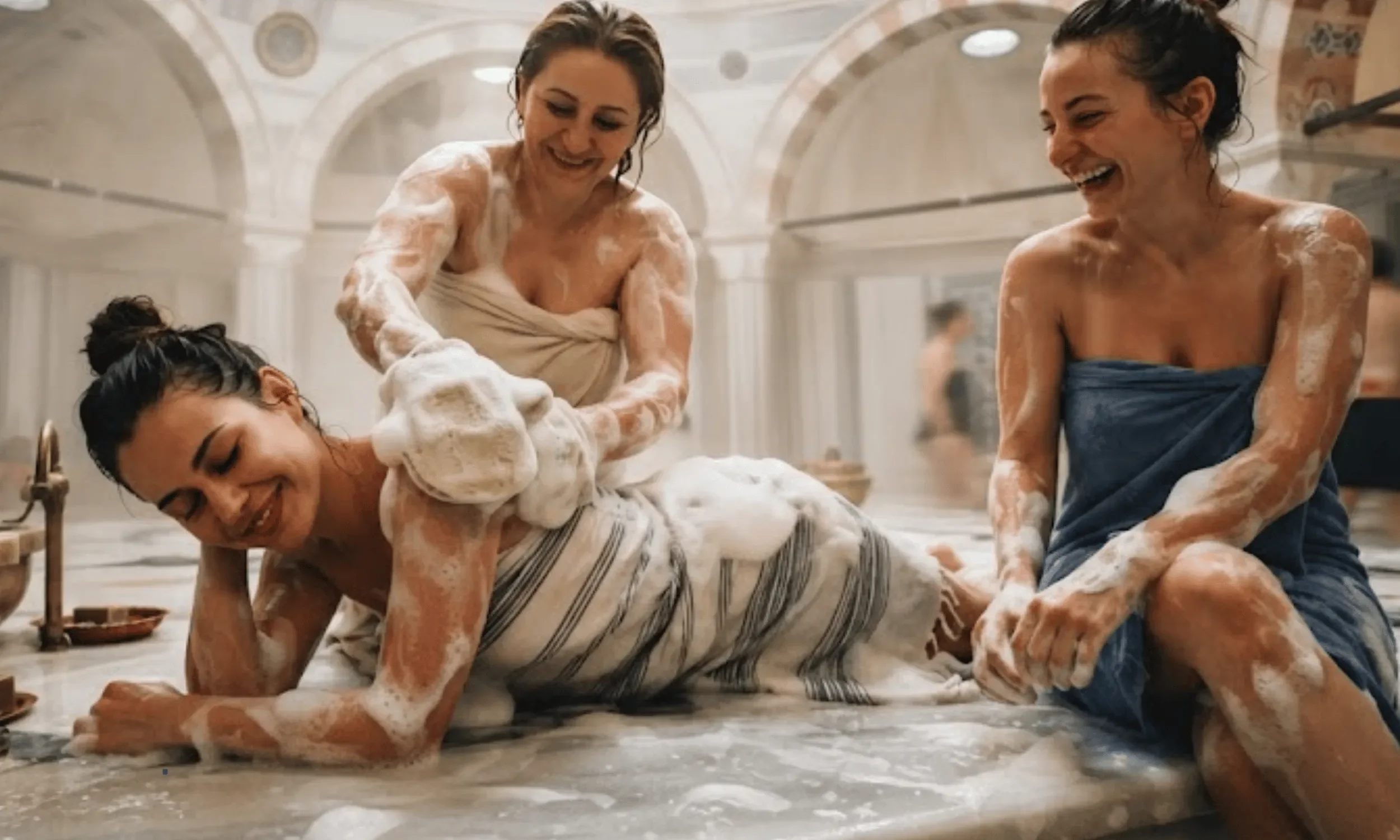
I get the same question from readers every September: "Is it too hot for a hamam, or is it finally the right time?" The honest answer is that September is close to ideal. Daytime temperatures in Istanbul settle into the mid-20s Celsius, the Bosphorus breeze picks up in the evenings, and the historic hamams, many of them four and five centuries old, stop feeling like saunas layered on top of a hot city and start feeling like exactly what they were designed to be: a restorative ritual.
Here's everything you need to plan a September hamam visit, hamam by hamam.
Why September Is the Best Month for a Turkish Bath in Istanbul
Istanbul's hamam culture is a year-round tradition, but the month you visit changes the experience more than people expect.
In July and August, walking into a marble steam room when it's already 32°C outside is a genuine test of endurance, and many visitors rush the sweating stage as a result, which undercuts the whole ritual. In the depths of winter, a hamam is magical for a different reason: stepping out of the cold and into heated marble feels transformative, but the crowds around the most famous hamams: Çemberlitaş, Cağaloğlu, Kılıç Ali Paşa, swell with visitors escaping the chill, and booking ahead becomes essential.
September sits in the sweet spot between these two extremes. A few reasons it consistently ranks as the best time to visit Istanbul hamams:
Comfortable ambient heat: You're not fighting the outside temperature just to get into the hot room, so the sweating stage feels indulgent rather than punishing.
Shoulder-season crowds: School holidays end across Europe in late August, and the cruise-ship crowds that flood Sultanahmet in summer start to taper off. Historic hamams that are elbow-to-elbow in July have breathing room by mid-September.
Better light: The famous domed skylights of hamams like Çemberlitaş and Cağaloğlu let shafts of daylight into the steam September's clearer, lower-angle light through these small glass "stars" is genuinely more photogenic than the flat white light of a summer afternoon.
Ideal for post-sightseeing recovery: September is peak walking-tour season in Istanbul, and a Turkish bath is the single best way to recover from a day spent climbing the hills of Sultanahmet, Galata, and Beyoğlu.
The Short Answer: Best Hamams in Istanbul for September
If you only read one section, read this one.
Best overall for a September visit:Çemberlitaş Hamamı, a 1584 Mimar Sinan building near Sultanahmet, well set up for international visitors, and noticeably calmer in September than during peak summer.
Best historic architecture:Cağaloğlu Hamamı, dating from 1741, widely considered the most beautiful hamam in the city, and priced to match.
Best for a calm, spa-like atmosphere:Kılıç Ali Paşa Hamamı in Karaköy, a seven-year restoration, strict scheduled sessions, and the most tranquil of the well-known hamams.
Best for a special occasion:Ayasofya Hürrem Sultan Hamamı, sitting directly between Hagia Sophia and the Blue Mosque, the most opulent option in the city.
Best value: neighbourhood hamams in Kadıköy, Üsküdar, Fatih, and Beşiktaş, a fraction of tourist prices, no English spoken, and a genuinely local hour on the marble.
Skip: hotel spa "Turkish bath" treatments. They're a warm-room massage, not a hamam.
What a Hamam Actually Is (For First-Timers)
Before comparing which hamam to book, it helps to understand what you're booking. The Turkish bath tradition descends from the Roman bath, adapted centuries ago into something built around running water rather than a shared pool, bathing in still water was historically considered unclean. That's why a hamam has no bath at all. You wash under running water, poured over yourself from a basin, inside a heated marble room.
Every classical hamam is built around three connected spaces:
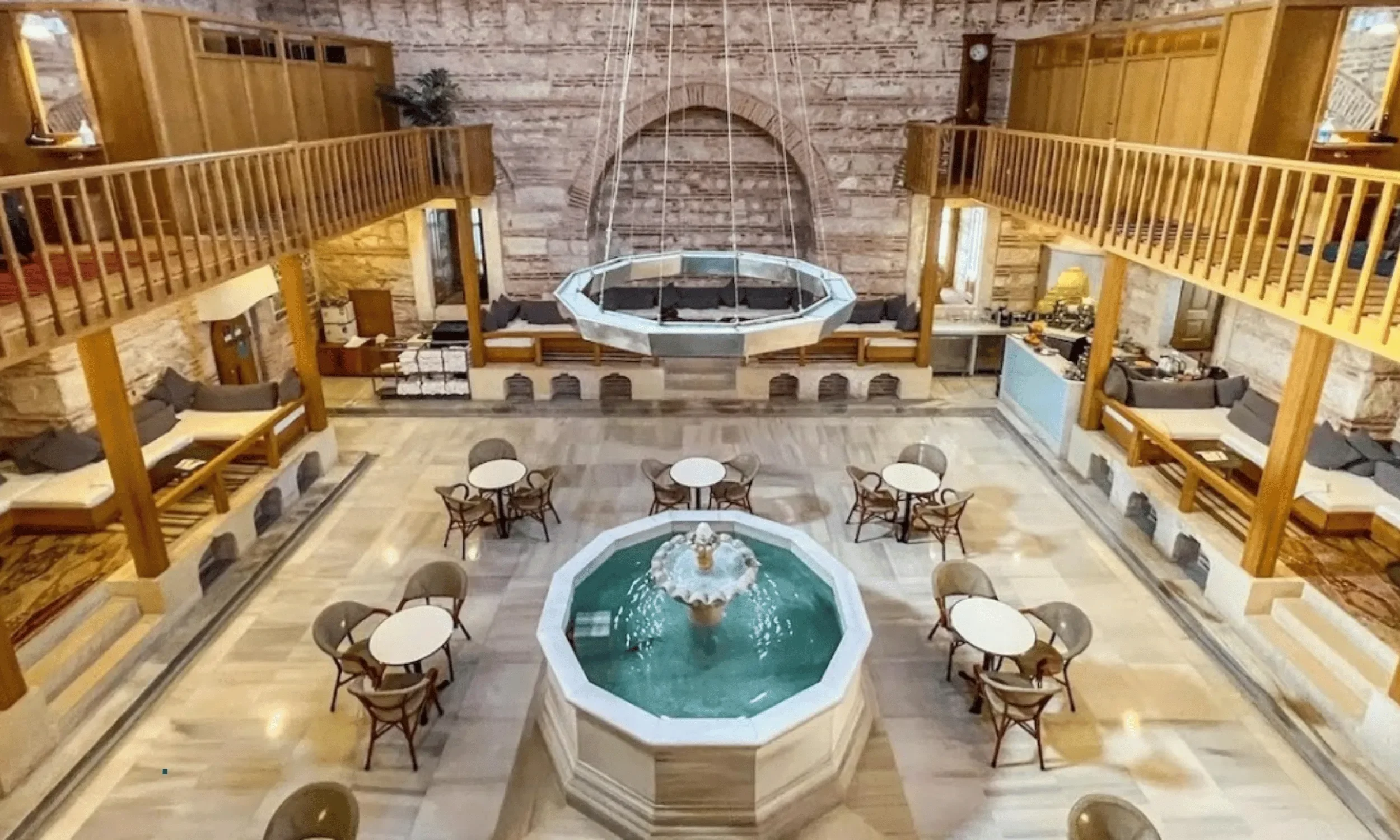
The camekân: the entrance hall, typically a domed room with a fountain and wooden changing cubicles. You undress here, and return here afterward to rest.
The soğukluk, a warm intermediate room and the toilets, acting as a buffer between temperatures.
The hararet, the main hot room, a marble chamber under a domed ceiling pierced with small glass skylights. At its centre sits the göbek taşı, the heated "belly stone" platform where you lie down to sweat before the scrub.
The building itself is heated from below the floor, the same method the Romans used two thousand years ago.
For anyone booking their first Turkish bath in Istanbul early-autumn, here's the sequence, start to finish:
1. Arrival and choosing a package. You'll be shown a price list: self-service, traditional (scrub and foam wash), or luxury (adding an oil massage). Choose before you undress.
2. Changing. You're given a peştemal; a thin checked cotton wrap and sandals, and you lock away your own clothes in a private cubicle.
3. The hot room. You enter the hararet, pour warm water over yourself from a basin, then lie on the heated marble platform.
4. Sweating. Fifteen to twenty minutes on the marble, letting your skin soften. Don't rush this part, it's the whole point of the ritual.
5. The kese scrub. An attendant scrubs you firmly with a coarse mitt. It's surprisingly satisfying rather than painful.
6. The foam wash. A cloth bag filled with soap and air produces a cloud of foam, and you're washed head to toe.
7. Rinsing with warm water, hair included.
8. Massage, if you've booked it usually firm, Turkish-style, on the marble.
9. The cooling room. Back in the camekân, wrapped in dry towels with a glass of tea. This closing rest is essential don't skip it.
The whole experience runs 60 to 90 minutes depending on the package.
Best Hamams options in Istanbul to Visit in September, Compared
Çemberlitaş Hamamı: the best first-timer hamam for a September trip
Built in 1584 by Mimar Sinan, the greatest of the Ottoman architects, and commissioned by Nurbanu Sultan, Çemberlitaş sits two minutes from the Çemberlitaş tram stop, within easy walking distance of the Grand Bazaar and Sultanahmet.
In September specifically, this is the hamam I recommend most. It has separate, original men's and women's sections, staff experienced with international visitors, clear English-language pricing, and a genuinely beautiful hararet with a wide dome and sixteen surrounding columns. Because September traffic is noticeably lighter than the July–August peak, you're far more likely to get an unhurried session rather than being processed through on a conveyor belt.
2026 prices: self-service from around 1,200 TL; the traditional package (kese and foam wash) around €68; luxury packages with oil massage around €88.
Best time to go in September: early morning on a weekday, before the tour groups arrive.
Cağaloğlu Hamamı: the most beautiful hamam in Istanbul
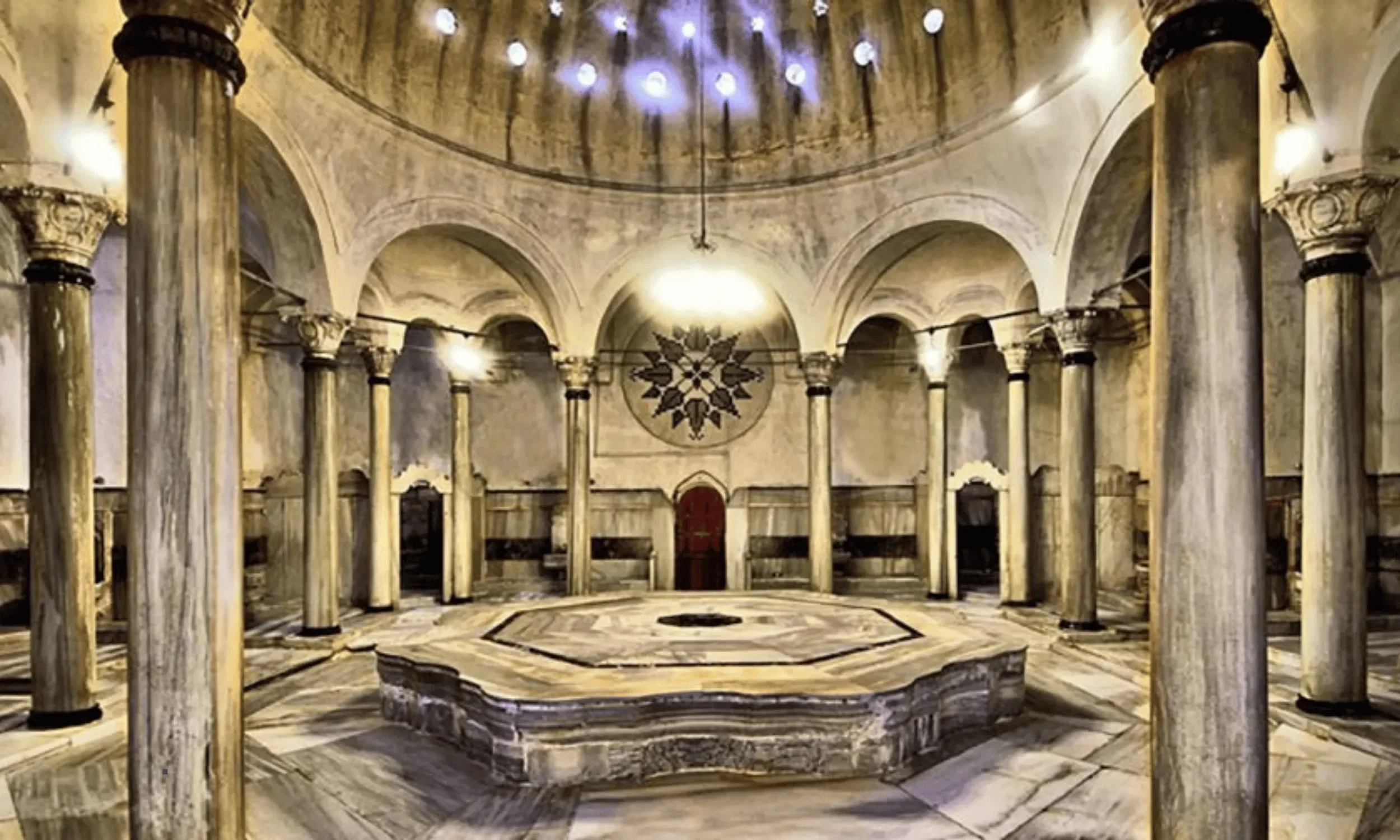
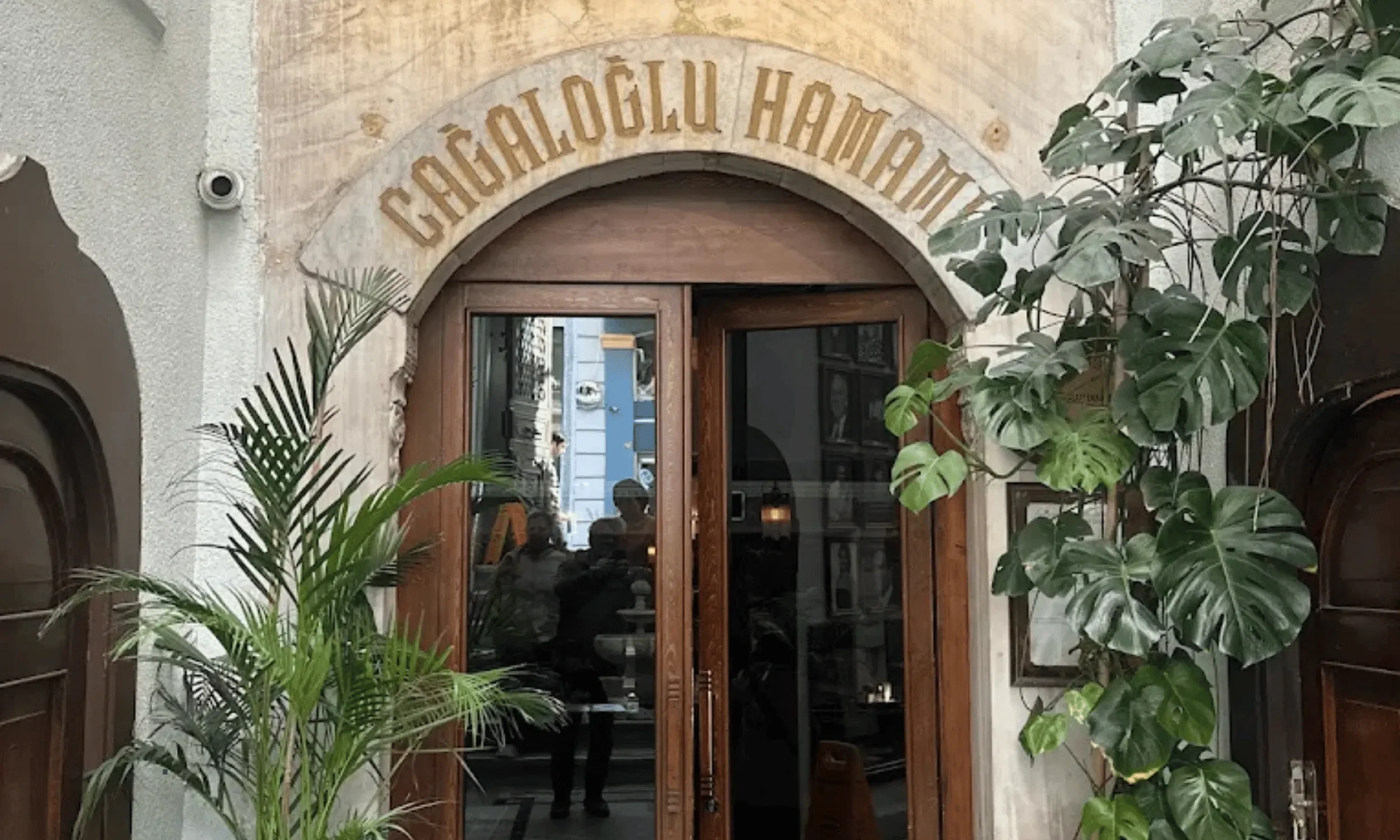
Dating from 1741, Cağaloğlu was the last great hamam built in the Ottoman Empire before construction of new ones was banned. Kaiser Wilhelm bathed here, and so did Omar Sharif, it regularly appears on lists of buildings worth seeing before you die, and the architecture earns the reputation.
September light does this building particular favours: the lower, warmer angle of early-autumn sun through the domed skylights makes the steam and stonework genuinely dramatic.
2026 prices: base entry around €90, rising through packages, the Ottoman Luxury service around €220, with top-end rituals running into the hundreds of euros.
Verdict: you're paying for the room, and the room is worth it if a splurge experience fits your September Istanbul itinerary. For a comparable hamam ritual at a lower price, Çemberlitaş remains the smarter choice.
Kılıç Ali Paşa Hamamı: the calmest hamam experience in September
Another Sinan-designed building, located in Karaköy, restored over seven years and reopened as something between a historic hamam and a modern spa. It's the most tranquil of the well-known hamams, and September's quieter tourist flow suits its calmer atmosphere particularly well.
It runs on strict scheduled sessions, alternating by gender through the day, so booking ahead is essential, check the current September timetable before planning your day around it.
Best for: travellers who want the historic hamam experience without the noise, and don't mind paying a premium for the restoration and service.
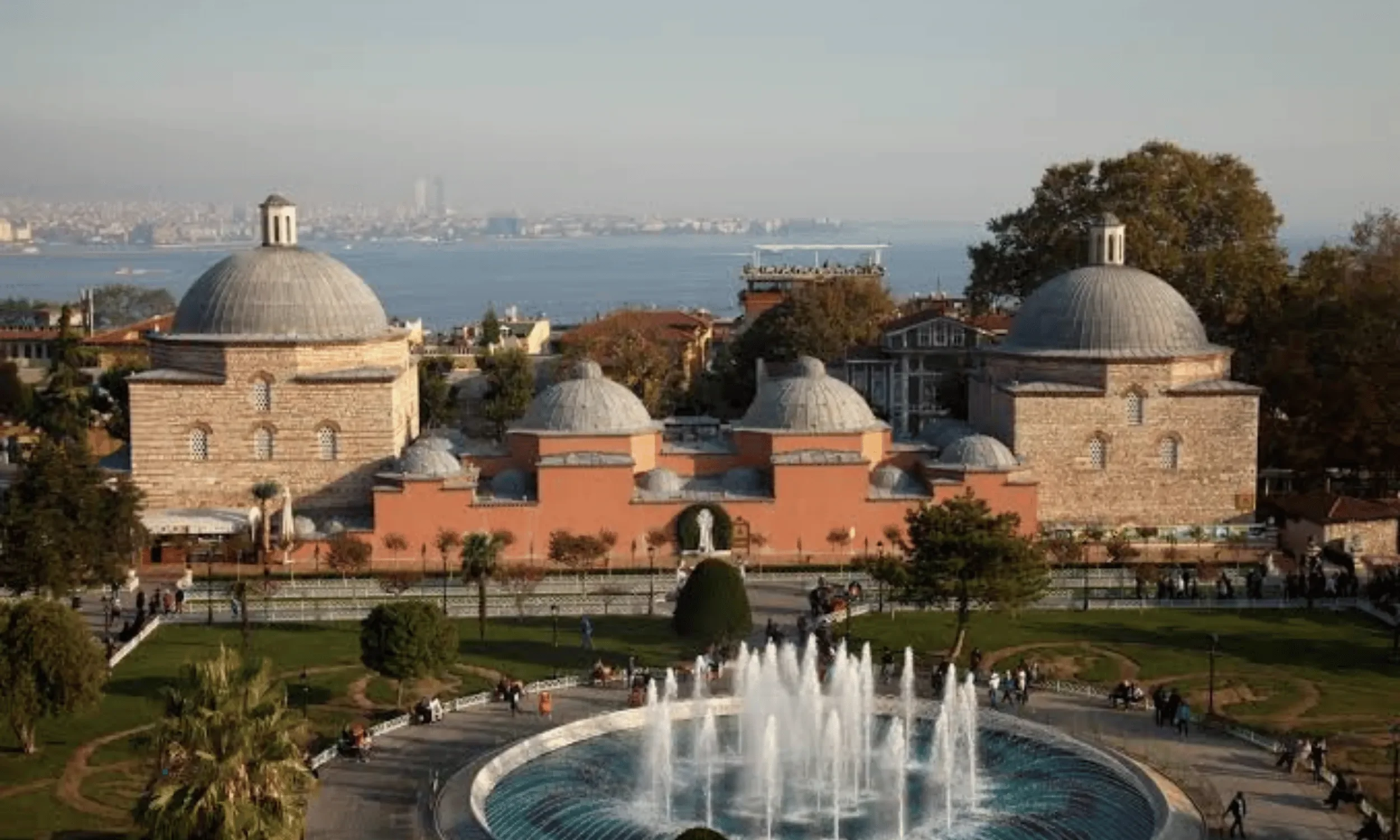
Ayasofya Hürrem Sultan Hamamı: the grandest hamam near Hagia Sophia
Built by Sinan in the 1550s for Hürrem Sultan (Roxelana), this hamam sits directly between Hagia Sophia and the Blue Mosque, arguably the single most historic location of any hamam in the city. It's also the most opulent and the most expensive, aimed at the luxury end of the market.
Best for: a genuine occasion during a September trip, an anniversary, a honeymoon stop, or simply a splurge day between the two most famous monuments in Istanbul.
Neighbourhood Hamams: the most authentic and affordable option
Every Istanbul district runs working hamams used by locals rather than visitors, at a fraction of the price charged near Sultanahmet. There's no English spoken, no marketing, and no package menu, just an entry fee, a modest kese charge, and a shared marble room.
Where to look in September: Kadıköy, Üsküdar, Fatih, and Beşiktaş all have working neighbourhood hamams. Ask your hotel or a local resident for the nearest semt hamamı.
Facilities are basic and nobody will explain the ritual to you, but if you've read this guide, you already know the sequence.
Istanbul Hamam Prices in September 2026
Type Typical September 2026 Price What's Included Neighbourhood hamam Low, a fraction of tourist prices Entry, basic kese scrub, no frills Historic hamam, self-service ~1,200 TL / €55 Entry, peştemal, use of the rooms Historic hamam, traditional €65–90 Kese scrub, foam wash, rinse Historic hamam, luxury €90–220 Adds oil massage, clay, extended ritual Premium ritual packages €280–400 Full Ottoman-style ceremony, private areas
Prices vary between hamams and should be confirmed before booking. Tipping your attendant directly ten to fifteen percent of the treatment price is customary and expected.
Hamam Etiquette: What Nobody Tells You in Advance
- Keep your voice low but don't whisper, a hamam isn't silent, but it isn't loud either.
- Phones stay in the locker. No photography inside the hot room; ask first if you'd like a photo in the entrance hall.
- Fill your bowl at the basin and pour the water over yourself, don't sit directly in the basin.
- Rinse the marble where you sat or lay before moving on.
- Slippers stay on while walking; the heated marble floors are slipperier than they look.
- Let the attendant lead the choreography doesn't require shared language.
- Say "yavaş" (slower, gentler) if the kese scrub feels too vigorous. Nobody will be offended.
Planning Your September Hamam Visit: Practical Tips
Time of day: Early morning remains the calmest slot even in September, when the marble is at its freshest and the historic hamams haven't filled up yet. Evenings are atmospheric but busier.
Day of the week: Weekdays are consistently quieter than weekends at the major hamams, and September weekdays in particular see far fewer visitors than the July–August rush.
Where in your trip to schedule it: Toward the end of your stay. After several days of walking Istanbul's hills Sultanahmet, Galata, the Grand Bazaar, a hamam is genuinely restorative in a way it isn't on day one.
What to bring: Nothing, technically everything is provided. Bring spare underwear if you'd rather keep it on (most foreign visitors do, and it's completely normal), and leave glasses in your locker.
What to avoid: Don't shave immediately beforehand, don't go on a full stomach, and don't skip the closing rest in the cooling room, it's half the experience.
Frequently Asked Questions
What are the best hamams in Istanbul to visit in September? Çemberlitaş Hamamı is the strongest overall choice for a September visit, historic, central, and noticeably calmer than during peak summer months. Cağaloğlu suits travellers prioritising architecture, Kılıç Ali Paşa suits those wanting a quieter, more spa-like atmosphere, and Ayasofya Hürrem Sultan Hamamı suits a special-occasion splurge.
Is September a good time for a Turkish bath in Istanbul? Yes, arguably the best time. The outside temperature is comfortable enough that the hot room doesn't feel punishing, and visitor numbers are noticeably lower than during the July–August peak.
How much does a hamam cost in Istanbul in September? Self-service at a historic hamam starts around 1,200 TL (roughly €55). Traditional packages with scrub and foam wash run €65–90. Luxury rituals cost considerably more. Neighbourhood hamams cost a fraction of these prices.
Do I need to book a hamam in advance in September? For Kılıç Ali Paşa and Ayasofya Hürrem Sultan Hamamı, yes, both run scheduled sessions. Çemberlitaş and Cağaloğlu are generally easier to visit without advance booking in September, though early morning or weekday visits are still recommended.
What should I wear to a hamam? You're given a peştemal (cotton wrap) and sandals. Most foreign visitors keep their underwear on underneath, which is entirely normal.
Are hamams in Istanbul mixed gender? Traditional hamams are separated into men's and women's sections, or run alternating hours by gender. Some restored hamams offer private rooms that couples can book together.
The Last Word
If you're building a September Istanbul itinerary and wondering where a hamam fits, the answer is: near the end, on a weekday morning, at Çemberlitaş if it's your first visit or Kılıç Ali Paşa if you want something quieter. September gives you the best version of this four-hundred-year-old ritual, comfortable heat, thinner crowds, and the kind of clear early-autumn light that makes the domed ceilings and steam genuinely beautiful rather than simply hot.
There's a moment, lying on heated marble under a centuries-old dome, watching September light fall through small glass skylights, when the whole ritual makes sense. It's one of the best reasons to visit Istanbul this time of year.
Read next: my 3-day Istanbul itinerary, the Istanbul street food guide, and where to stay in Sultanahmet .