Getting Around Istanbul: The İstanbulkart and Transport Guide
Istanbul's transport system is one of the best-run things in the city, and for the first two days almost nobody understands it. That's not a criticism of the system, it's that a city split by a strait and threaded with hills, ferries, funiculars, two separate airport rail lines and a metro network that's still being extended doesn't reduce to a single subway map the way London or Paris does.
Here's the version that would have saved me a week of confusion when I first moved here: one card, four vehicle types you'll actually use, and the handful of routes that cover almost everything a visitor needs.
Get an İstanbulkart on day one here's why
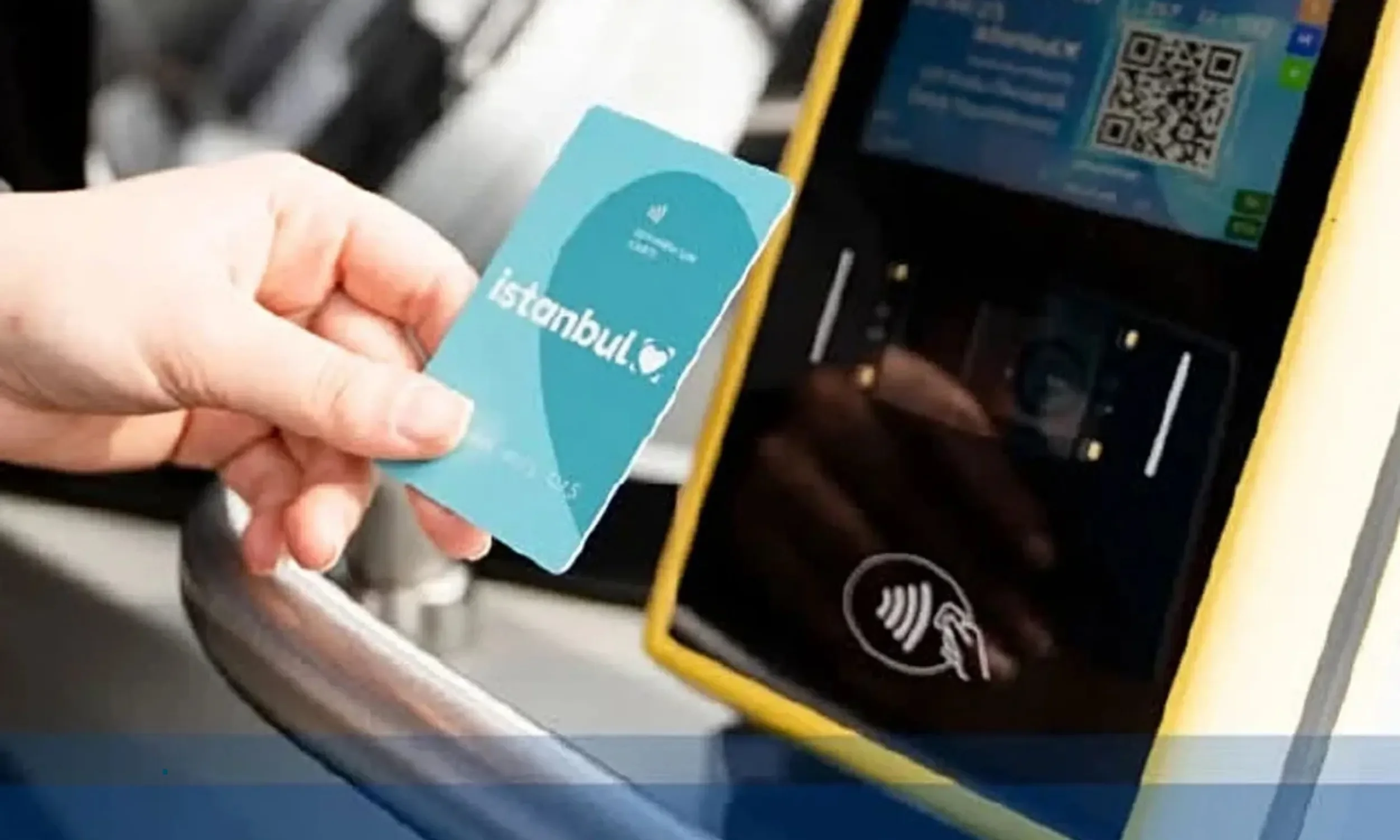
The İstanbulkart is a rechargeable smart card that works on every form of public transport in the city: metro, tram, bus, funicular, Marmaray and every ferry line. You tap it on entry (and, on the Marmaray and some ferries, on exit too) and the fare is deducted automatically. Paper single-ride tickets exist but cost more per ride and are more hassle to buy, there's no real reason to use them.
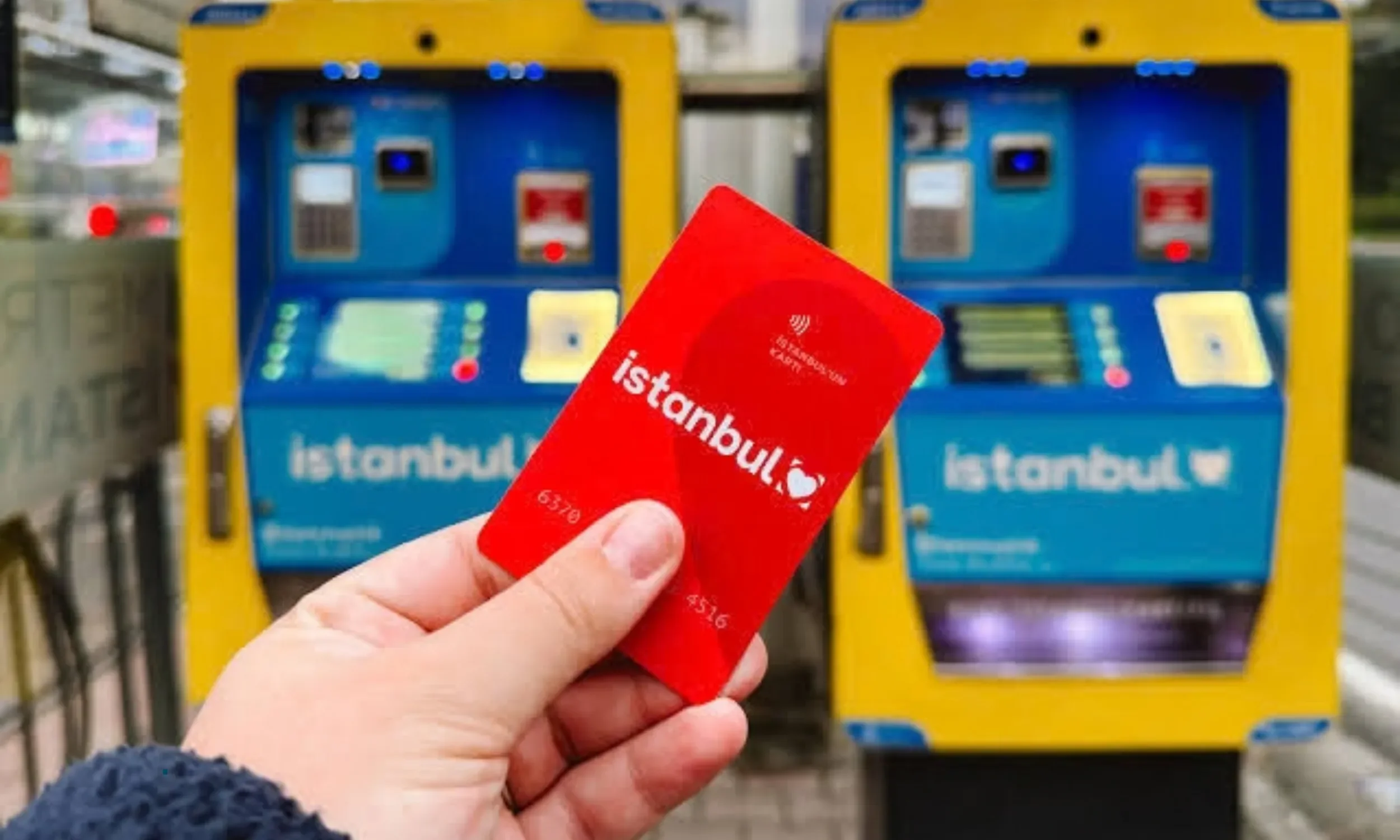
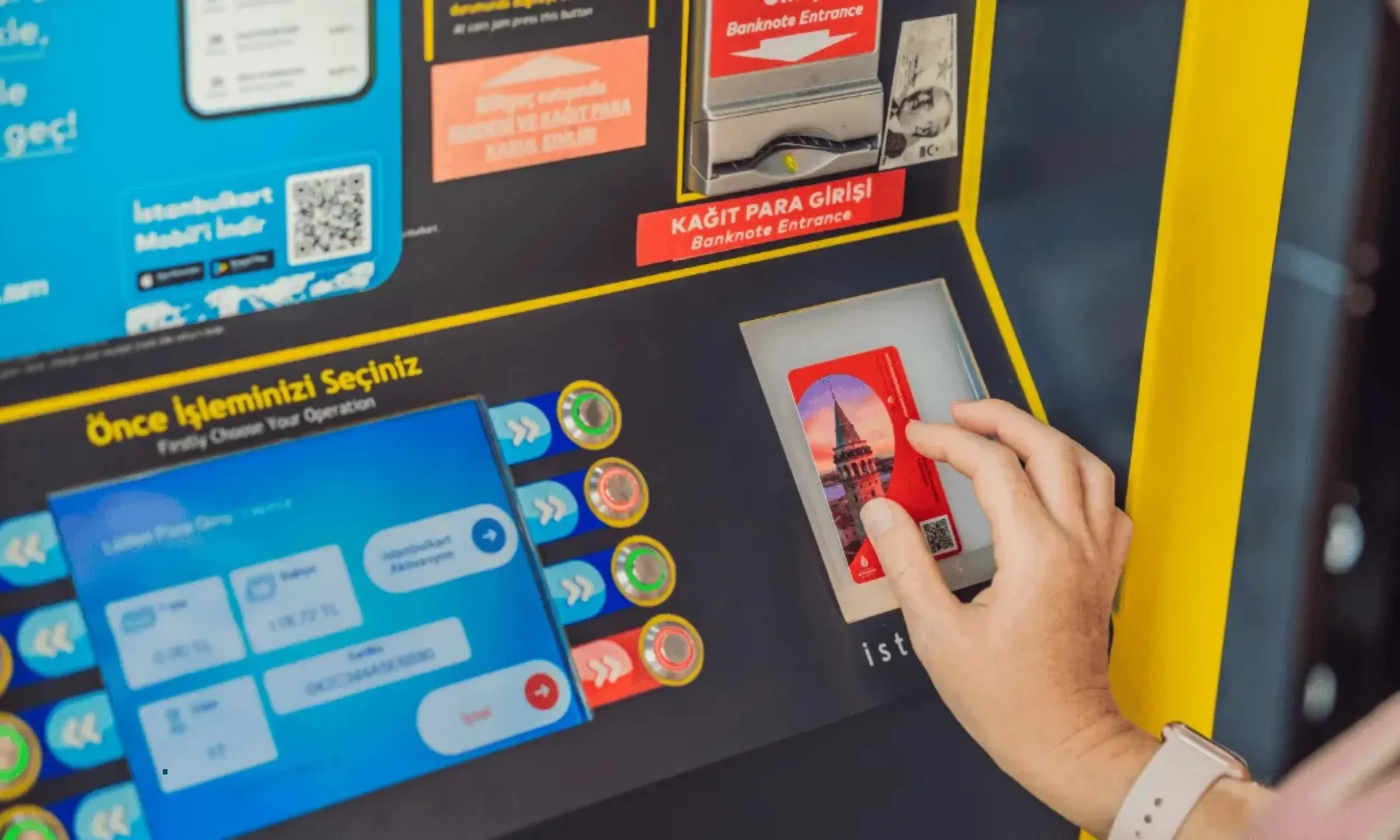
Where to buy one: yellow machines at every metro and tram station, ferry terminals, and some kiosks. They take cash and card. You'll also see people selling them informally near tourist sites, stick to the official machines.
What it costs, 2026 prices:
The card itself (refundable deposit is no longer separated out, you're buying the card)140 TL (~$3.40)Single ride: metro / tram / bus / funicular 46 TL (~$0.87)City ferry (e.g. Eminönü–Kadıköy)from 45.59 TL (~$0.95)Marmaray (under-Bosphorus rail)34–74.70 TL depending on distanceMetrobüs (the cross-city express bus)30–62 TL depending on distanceM11 metro, Istanbul Airport → Gayrettepe38.49 TL
Transfer discount, and why it matters: the İstanbulkart gives you a discount on each transfer within a two-hour window, so a metro-to-tram journey costs less than two separate full fares. This is the single most useful thing to know about the system don't tap out and back in for a new trip if you're continuing a journey, tap through and let the discount apply.
One card, several people. You don't need one each. A single İstanbulkart can be tapped multiple times in a row for a group, tap once per person as you go through the gate. Buy one, share it, top it up as needed.
Topping up: the same yellow machines, cash or card, at any station. Balance shows on the small screen when you tap.
The four types of transport you'll actually use
Metro and tram the backbone
The metro (M-numbered lines) and the tram (T1, the one visitors use most) cover the core sightseeing routes. The T1 tram is the single most useful line for a first-time visitor: it runs from Kabataş through Karaköy, across the Galata Bridge, through Eminönü and Sultanahmet, all the way out past the city walls. If your hotel is anywhere near this line, you can reach most of the headline sights without ever needing a taxi.
The metro network is genuinely extensive and growing new lines and extensions have opened steadily over the past few years, which is good news for coverage and mildly annoying for anyone using an out-of-date map. Use the official İBB (Istanbul municipality) transport app or Google Maps for live routing rather than a printed map, since both update with new lines faster than paper does.
Ferries: the best value experience in the city, not just a way to cross
I say this in nearly everything I write about Istanbul because it's true: the public ferry is the best thing about getting around this city, and it costs less than a coffee. You cross between Europe and Asia with the skyline behind you, tea sold from a cart on deck, for the same price as a bus ride.
Routes you'll actually use:
Eminönü ↔ Kadıköy: the classic old-city-to-Asian-side crossing, about 20 minutes
Karaköy ↔ Kadıköy or Üsküdar: same idea from further along the Golden Horn
Beşiktaş ↔ Üsküdar: short, frequent, useful if you're staying near Dolmabahçe
Kabataş ↔ Kadıköy or Üsküdar: useful if you're near the funicular up to Taksim
The catch: ferries stop earlier than the metro, generally somewhere in the 21:00–midnight range depending on the route and day, and they're the first thing affected by bad weather or the poyraz wind. Don't plan a late-night crossing around a ferry, check the timetable or default to the Marmaray instead. If you're staying on the Asian side, our guide to staying in Kadıköy has more detail on realistic commute times.
Marmaray : the one that works regardless of weather
The Marmaray is a rail line that runs under the Bosphorus itself, connecting the European and Asian sides in about twelve minutes, far later into the night than the ferries and unaffected by wind or rain. It's less scenic, you're underground but it's the reliable option when the ferry isn't running, or when you need to be somewhere on a schedule rather than at a pleasant pace.
Funiculars : the hill solved
Istanbul is built on hills and the funiculars exist specifically to solve the ones that matter to visitors. The short Tünel funicular connects Karaköy to Beyoğlu near Istiklal Caddesi, a genuinely steep climb that this line turns into a 90-second ride. The Kabataş–Taksim funicular does something similar, linking the ferry terminal at Kabataş to Taksim Square. Both take the İstanbulkart.
Airport transport
M11 metro from Istanbul Airport (IST): the cheapest way in, at 38.49 TL, running to Gayrettepe where you change onto the M2 line toward Taksim or the wider network. About 30 minutes to Gayrettepe, longer once you factor the change and onward journey. Genuinely good value, mildly annoying with a lot of luggage because of the changes involved.
Havaist shuttle buses: run direct routes from IST to Taksim, Sultanahmet and other central points without changes, for more than the metro but less than a taxi. Slower than the metro in good traffic, better than the metro if you have heavy bags and want to sit down the whole way.
Sabiha Gökçen (SAW), the second airport: the M4 metro line runs from Kadıköy directly to Sabiha Gökçen with no changes, in roughly 45–50 minutes, a genuinely strong option if you're staying on the Asian side. From the old city or Taksim, it's a longer combined journey or a taxi.
Taxis: metered and reasonable per kilometre by European standards, but Istanbul traffic can turn a short distance into a long ride, and the meter keeps running. Use a ride-hailing app rather than hailing on the street to avoid the fare conversation entirely. For the full cost comparison across every airport transport option, see what a trip to Istanbul actually costs.
Buses and the Metrobüs
The ordinary bus network is extensive but genuinely hard for a short-term visitor to use well, routes aren't always intuitive and stop announcements aren't consistently in English. Most visitors don't need it; the metro, tram and ferry cover the tourist core.
The Metrobüs is different: a dedicated-lane express bus that runs the length of the city and crosses the Bosphorus Bridge, useful mainly if you're going somewhere the metro doesn't yet reach. It takes the İstanbulkart like everything else.
A realistic day's transport, priced
Say you're doing a day that covers Sultanahmet in the morning, a ferry to Kadıköy for lunch, and back to Beyoğlu for the evening:
Tram to Sultanahmet: 42 TL
Ferry Eminönü → Kadıköy: ~46 TL
Ferry Kadıköy → Karaköy: ~46 TL
Tünel funicular up to Beyoğlu: 42 TL
Total: around 176 TL, or roughly $3.60 per person for a full day of city-crossing, skyline views included. This is the number that makes people stop worrying about "how much will getting around cost" it's a rounding error next to almost everything else on a trip here.
Mistakes I see visitors make
Buying a new ticket for every single ride instead of an İstanbulkart. More expensive per ride and slower at every gate.
Not knowing the transfer discount exists, and treating every leg of a journey as a fresh fare when a connected trip within the window costs less.
Planning a midnight ferry. They stop early. Check the timetable or use the Marmaray.
Assuming the whole city is walkable because the old city is. Sultanahmet is compact and walkable. Getting from Sultanahmet to Beşiktaş, Kadıköy or the airport is not a walking distance, and Istanbul's hills make "it's only 2km" a more serious undertaking than it sounds.
Relying on a downloaded offline map from before this year. The metro network has genuinely expanded recently use a live app.
Quick answers
Do I need an İstanbulkart if I'm only here two days? Yes, it's cheaper per ride than paper tickets from the first journey, and buying a fresh ticket at every gate wastes time you don't have on a short trip.
Can one İstanbulkart cover a group? Yes, tap it once per person.
Is the metro or the ferry better for Kadıköy? The ferry, if you have time and decent weather, it's the same price bracket, more scenic, and genuinely one of the best things about visiting this city. Use the Marmaray if you're pressed for time or it's raining.
How do I get from the airport without hassle? M11 metro if you're comfortable with one change and don't have much luggage; Havaist if you want a direct seat; a ride-hailing taxi if you want door to door and don't mind the cost.
Buy one İstanbulkart per group on your first day, top it up generously, and default to ferries whenever a route allows it they're the cheapest and best experience the city's transport system offers, not just a functional way to cross the water. Everything else in this guide is detail on top of that one decision.
Also check: Where to Stay in Sultanahmet