Türkiye is one of the best countries in the world for a food-first trip. Start in Istanbul with a two-continent food tour, a slow Turkish breakfast, street food in Kadıköy and a home cooking class. Then travel for the ingredients themselves: saffron in Safranbolu during the autumn harvest, pistachios in Gaziantep, isot pepper in Şanlıurfa, tea on the Black Sea coast and olive oil in Ayvalık. If you only have time for one experience, book the two-continent tour on your first morning in Istanbul.
This is what travel researchers now call biteseeing: picking a destination for what you'll eat there, not only for the landmarks you'll see. New GetYourGuide research found that 79% of travelers would travel for regional food, ahead of cultural sightseeing, and 57% would travel for a single ingredient. Food experience bookings on the platform grew 47% year on year, compared with 16% for cultural and historical sites. check the source for more details
Türkiye is built for this kind of trip. Below are eight food experiences worth building your Istanbul days around, then five ingredients worth traveling across the country for, with when to go and how to get there from Istanbul.
Whenever someone asks me what to eat first in Istanbul, I always recommend a full Turkish breakfast at a rooftop restaurant with a beautiful view of the Bosphorus. But first, grab a simit from a street cart because It’s my favorite.
1. A two-continent food tour: Spice Bazaar to Kadıköy
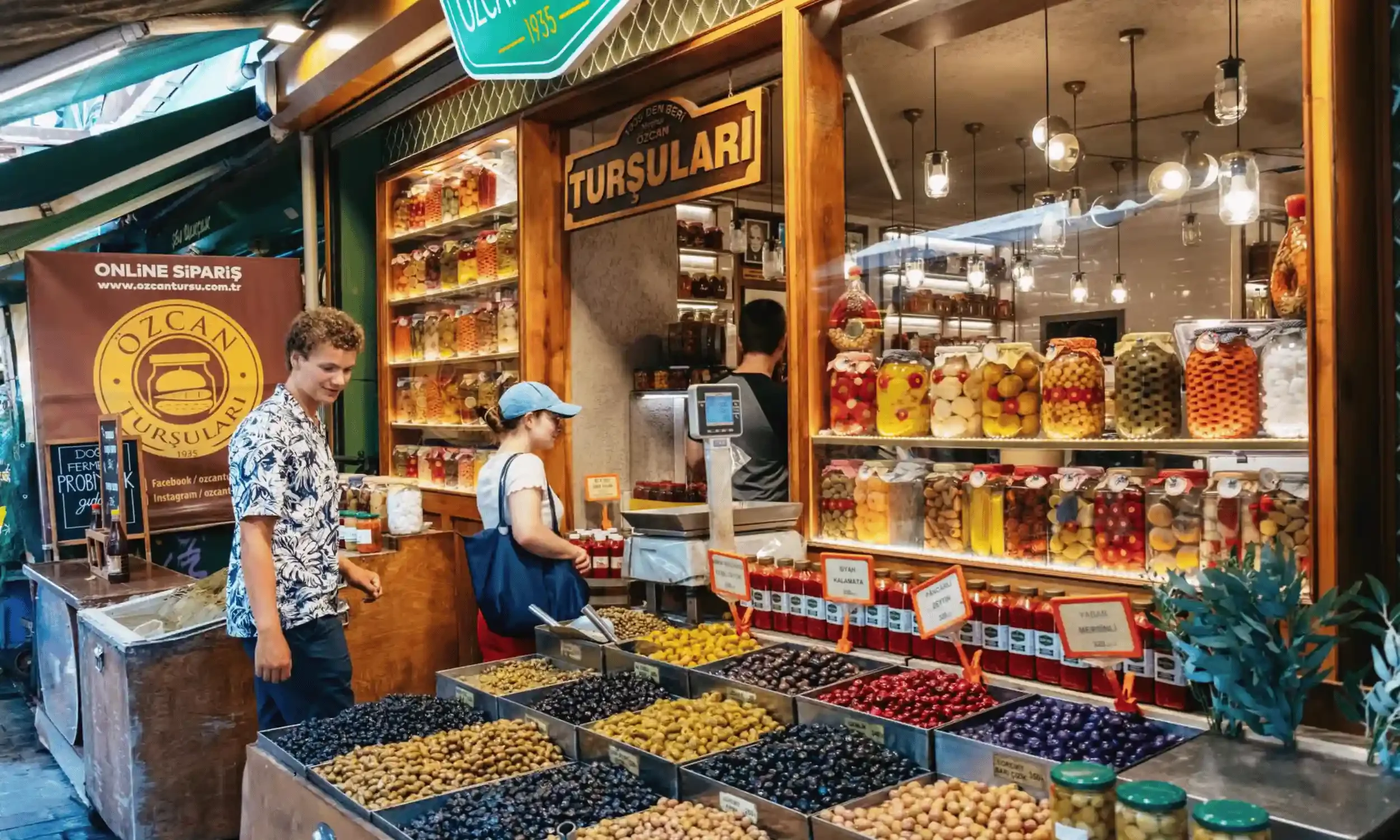
This is the classic Istanbul food tour, and it's the best first-day activity in the city. Most versions start with breakfast near the Spice Bazaar in Eminönü, taste their way through the market lanes, then take the public ferry across the Bosphorus to Kadıköy and Moda on the Asian side.
How long: about 5 to 6 hours, and it replaces breakfast and lunch.
What you'll taste: usually 20 or more tastings across 8 or so stops, such as simit, börek, Turkish delight, pide, meze, baklava, Turkish tea and coffee.
Group size: the better tours cap groups at around 10 people.
Good to know: vegetarian versions exist, but vegan options can be thin at some stops, so say so when you book.
Check Istanbul two-continent food tour Here
2. Street food in Kadıköy after dark
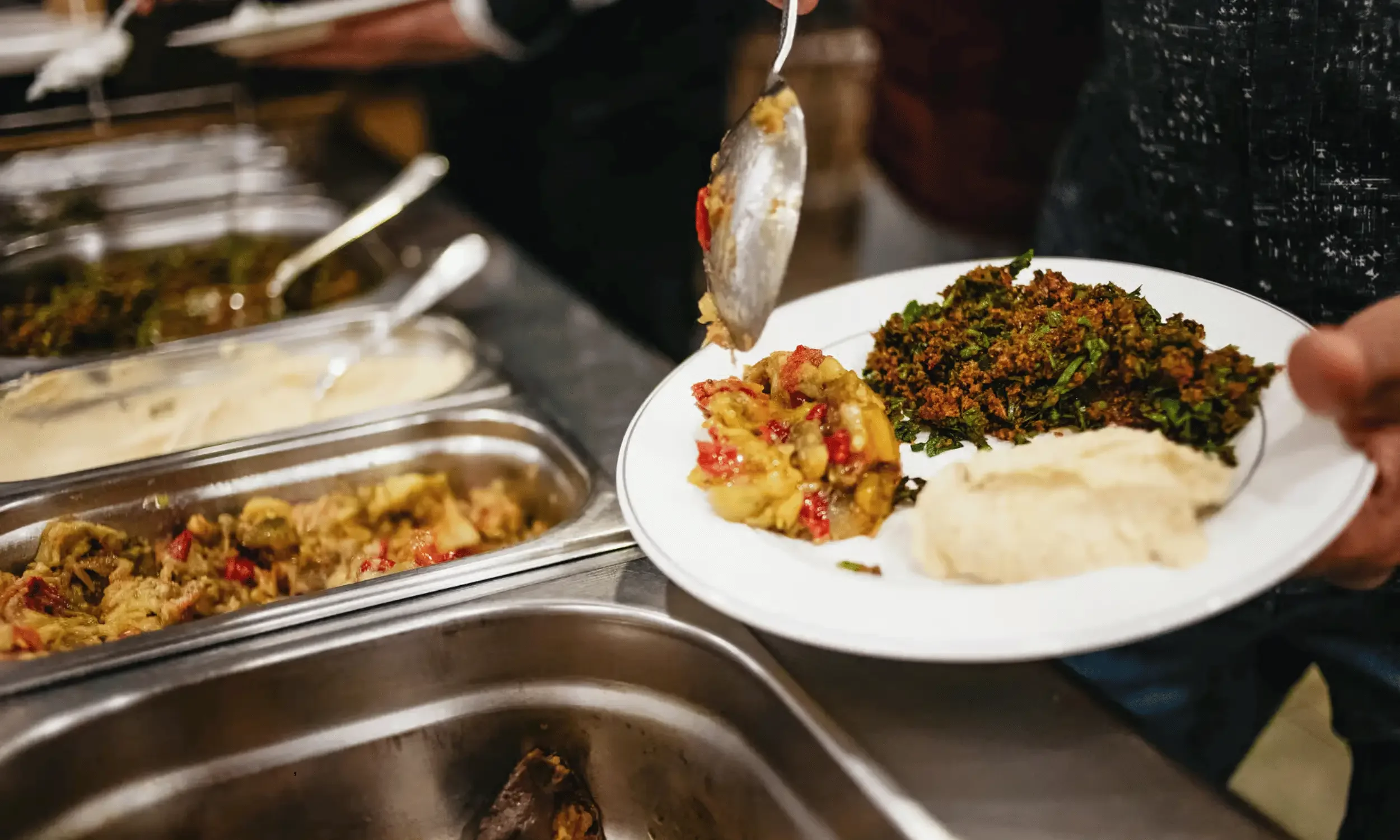
Kadıköy is where many Istanbul locals actually eat, and most visitors never cross the water to see it. The market streets around the ferry terminal are full of fish stalls, pickle shops, börek bakeries, meze counters and dessert shops.
An evening street food tour is shorter than the two-continent tour, usually 2.5 to 3 hours. It works well on a day when you've already done the Old City. If you go on your own, walk from the ferry terminal into the market streets, then up toward Moda for the waterfront.
For An Evening Food Tour with Ferry to Kadıköy Start Here
3. A proper Turkish breakfast (kahvaltı)
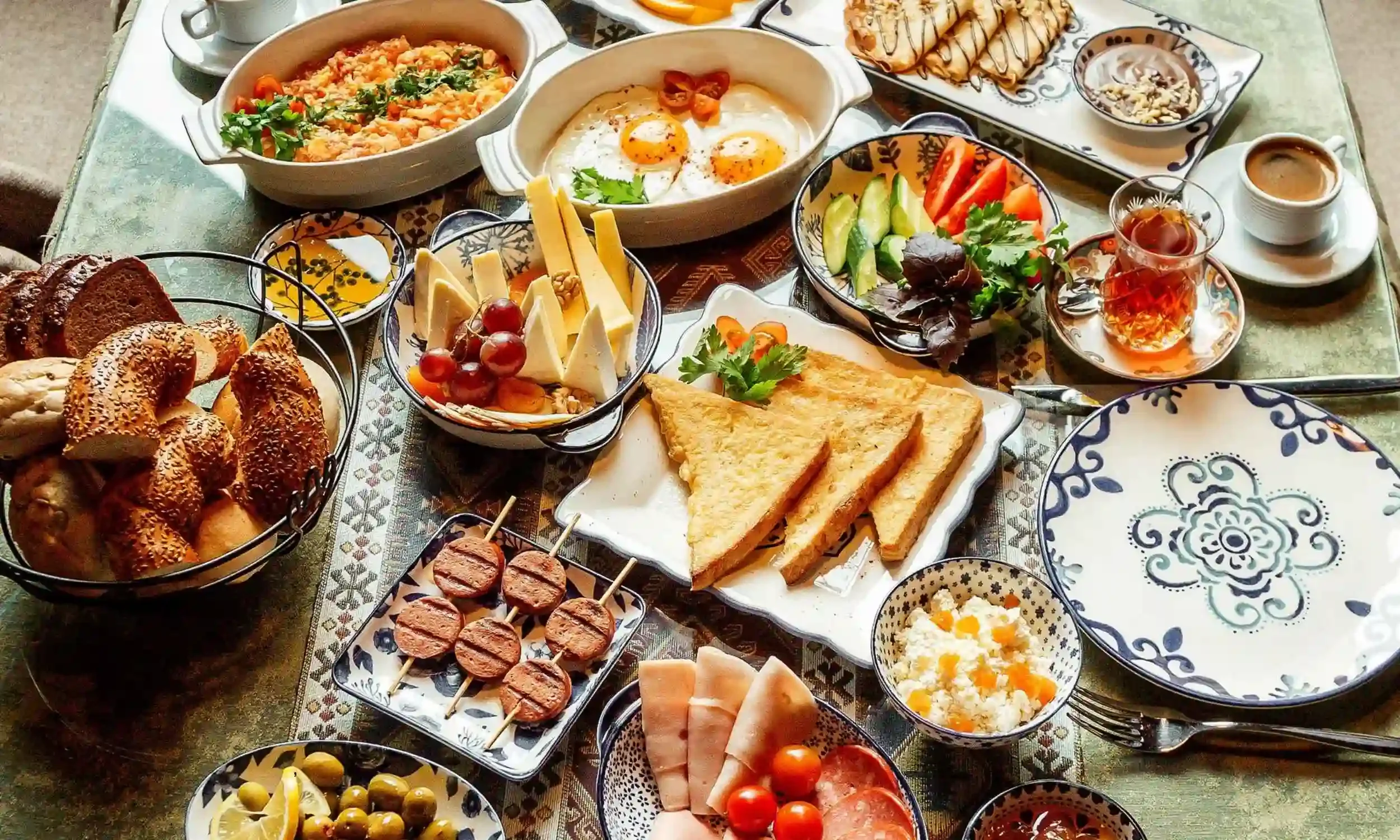
Turkish breakfast is a meal you plan around, not a quick bite before sightseeing. A serpme kahvaltı (spread breakfast) covers the table in small plates: white cheese and aged cheeses, olives, tomatoes and cucumbers, honey with kaymak (thick clotted cream), jams, menemen (eggs scrambled with tomatoes and peppers), sucuk (spiced sausage), fresh bread and simit, and endless glasses of tea.
When: late morning, and at its best on weekends when Istanbul families go out for breakfast.
Where: the breakfast cafes in Beşiktaş, around the street locals call Kahvaltıcılar Sokağı (Breakfast Street), are a good place to start.
Tip: a spread is priced for two or more people. Order one spread for two and add extra plates if you want.
4. Tasting your way through the Spice Bazaar
The Spice Bazaar (Mısır Çarşısı) in Eminönü has traded spices since the Ottoman era, and it's still the best place to taste what makes Turkish food taste Turkish: sumac, smoky isot pepper from Urfa, dried apricots and figs, and lokum (Turkish delight).
What to buy: whole spices and pul biber (red pepper flakes), which travel well in a suitcase.
What to skip: pre-mixed "love tea" and spice blends sold under novelty names. They're made for tourists and priced that way.
Local tip: some of the best-value shops are in the streets just outside the bazaar, where locals do their shopping.
5. Turkish coffee, made the traditional way
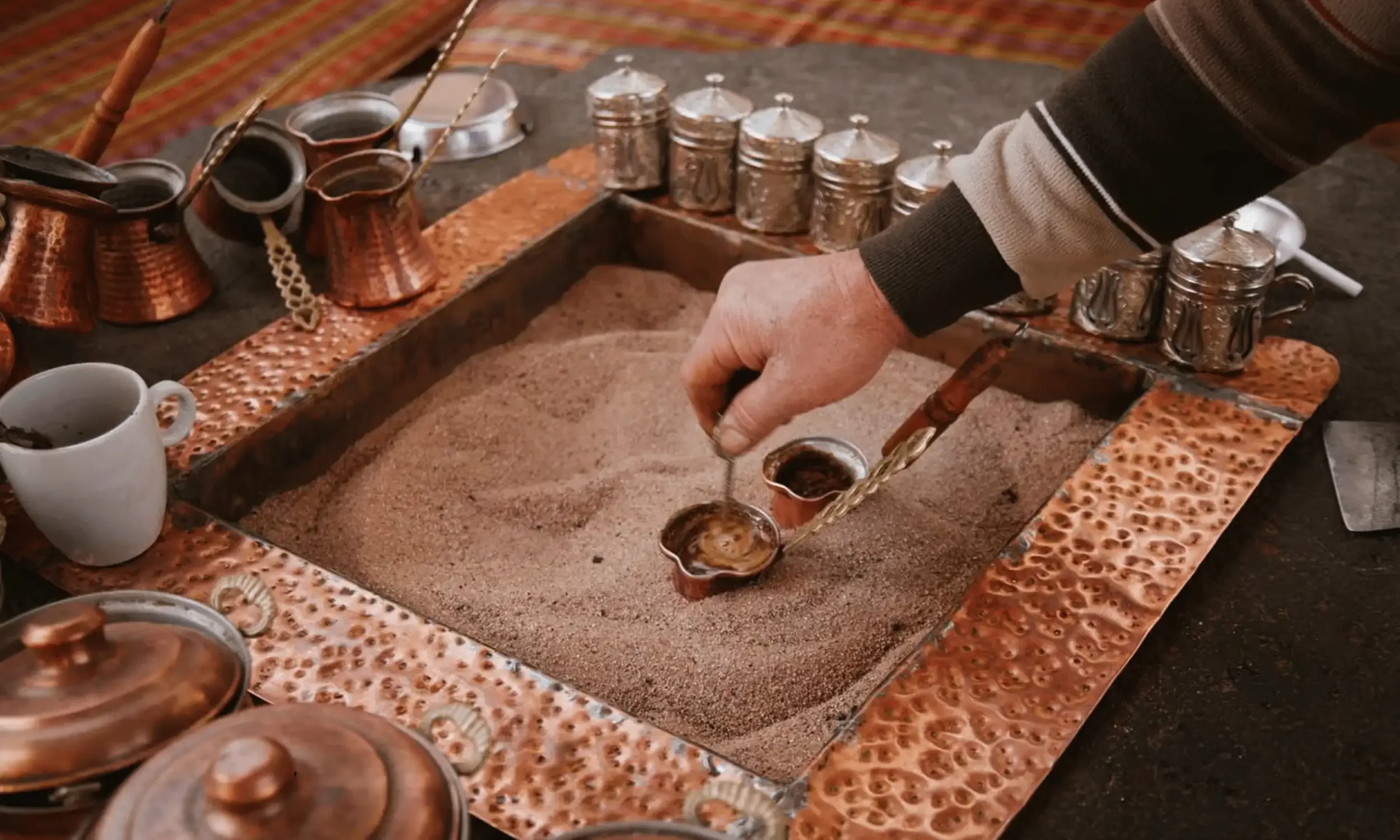
Turkish coffee culture is on UNESCO's list of the Intangible Cultural Heritage of Humanity, and Istanbul is the place to learn it properly. The coffee is ground very fine, brewed slowly in a small copper pot called a cezve, and served unfiltered with a glass of water and often a piece of lokum.
A coffee workshop teaches you to brew it yourself, and many end with a reading of your coffee grounds, a tradition called fal. For a simple version, buy freshly ground coffee near the Spice Bazaar and brew it at home with a cezve.
Take A look At this Turkish coffee workshop in Istanbul
6. A home cooking class
A cooking class is the experience most travelers say they still remember years later. The best ones start at a neighborhood market, then move into a home kitchen. You cook four to six dishes, such as stuffed vegetables (dolma), lentil soup, meze and a dessert, then sit down to eat what you made.
How long: 3 to 5 hours, depending on whether a market visit is included.
Price: roughly €90 to $110 per person for small-group classes.
Choose: a class in a real home over a hotel kitchen, and one with a market visit if you have the time.
7. Baklava and the Antep pistachio
If there's one ingredient worth flying to Türkiye for, it's the pistachio from Gaziantep in southeastern Türkiye, known as Antep fıstığı. It's smaller and greener than the pistachios most US and UK travelers know, with a richer flavor, and it's the heart of real Turkish baklava.
In Istanbul, eat baklava fresh at a specialist baklava shop, not from a gift box. Look for fıstıklı baklava (pistachio baklava) and şöbiyet, a triangle-shaped version with cream inside. Locals eat it in the morning or early afternoon, when the trays are fresh.
8. Meze, the Bosphorus and an evening on the water
The Istanbul evening revolves around meze: small plates such as haydari (thick yogurt with herbs), ezme (spicy tomato salad), stuffed vine leaves, fried calamari and fresh fish, shared slowly with rakı, the anise spirit. The traditional setting is a meyhane (tavern), but the most memorable setting is the Bosphorus itself, lit up at night between two continents.
For a cheaper waterside bite, try a balık ekmek (grilled fish sandwich) by the water in Eminönü.
Beyond Istanbul: ingredients worth traveling across Türkiye for
More than half of travelers would travel for a single ingredient, and Türkiye has several worth the journey. Each is tied to one town or region and one season, so time your trip to the harvest.
| Ingredient | Where | Best time | From Istanbul |
|---|---|---|---|
| Saffron | Safranbolu (Karabük) | Mid-October to mid-November | About 4.5 hours by car, or fly to Kastamonu |
| Pistachio | Gaziantep | Late summer harvest; baklava all year | Short domestic flight |
| Isot pepper | Şanlıurfa | Late summer, when peppers dry in the sun | Short domestic flight |
| Black tea | Rize, Black Sea coast | Late spring to early autumn | Flight to Rize–Artvin |
| Olive oil | Ayvalık, North Aegean | Late autumn olive harvest | Flight to Edremit, or about 7 hours by road |
Saffron in Safranbolu
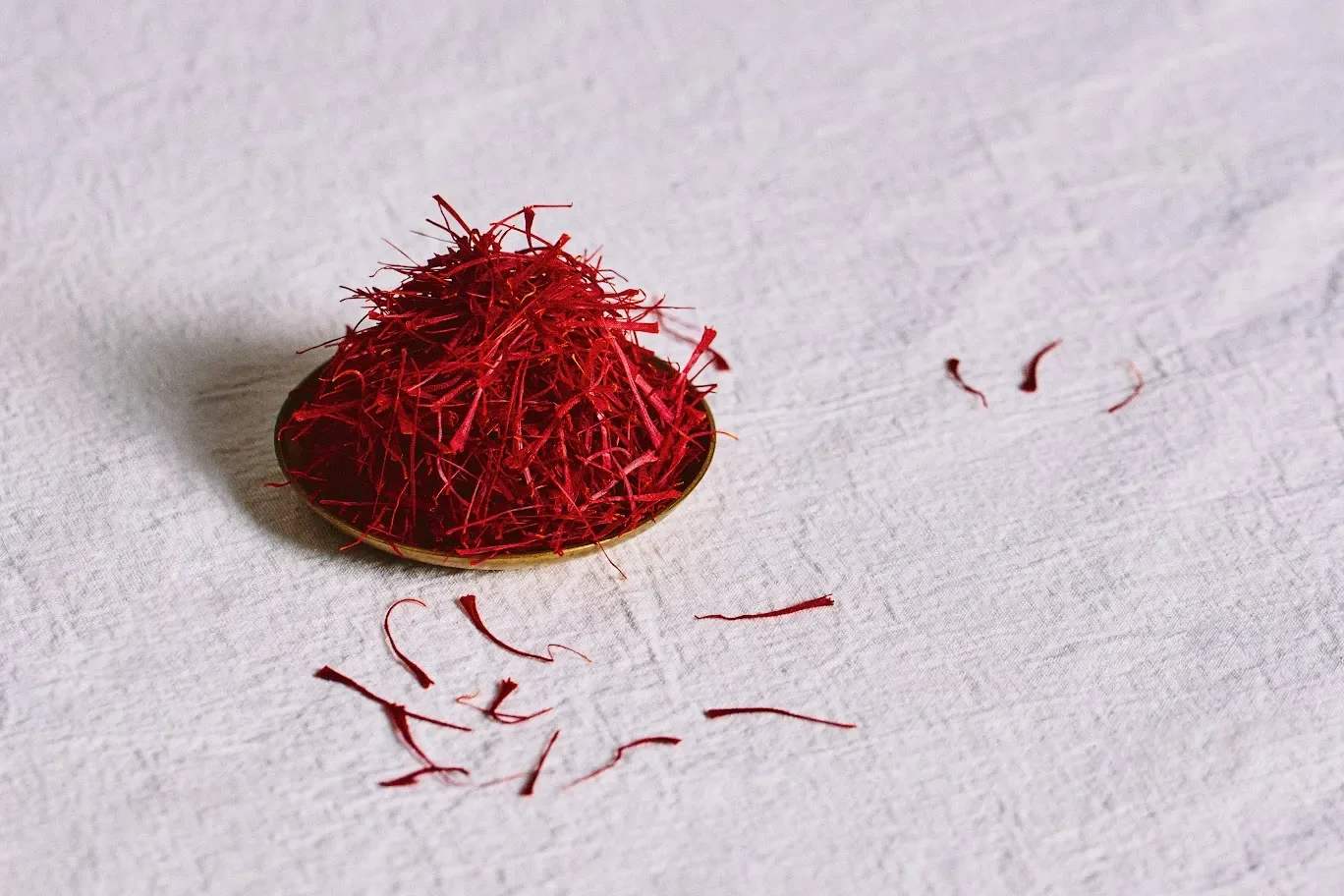
Safranbolu is named after the spice. It's a hill town in northern Türkiye of timber-framed Ottoman mansions, added to the UNESCO World Heritage List in 1994. In autumn, the fields around it turn purple with saffron crocus flowers.
When to go: the harvest begins in October and continues until the end of November. Peak season, when the town also holds its saffron festival, runs from about October 15 to November 15.
What you'll see: the flowers are picked by hand in the early morning, while they're still in bud. Each flower gives only three red threads, so it takes about 80,000 flowers to make half a kilo of saffron.
Where to go: the saffron fields are in villages around Safranbolu, including Davutobası, where farmers explain how the plant is grown. Some producers sell directly to visitors at their fields.
What to buy: pure saffron, plus saffron soap, perfume and other products in the Yemenciler Bazaar. Safranbolu delight (lokum) and kıtırı are also popular.
Buying tip: Safranbolu saffron is registered with a geographical indication by the European Commission, so look for producers who sell the registered product.
Getting there: Safranbolu is about 400 km from Istanbul, roughly 4.5 hours by private car. Buses take 5 to 8 hours. The nearest airport is Kastamonu, about 90 km away, with flights from Istanbul.
How long to stay: the old town is compact enough to explore in a full day, but one night in a restored Ottoman mansion is worth it. Two-day tours from Istanbul often combine Safranbolu with Amasra on the Black Sea.
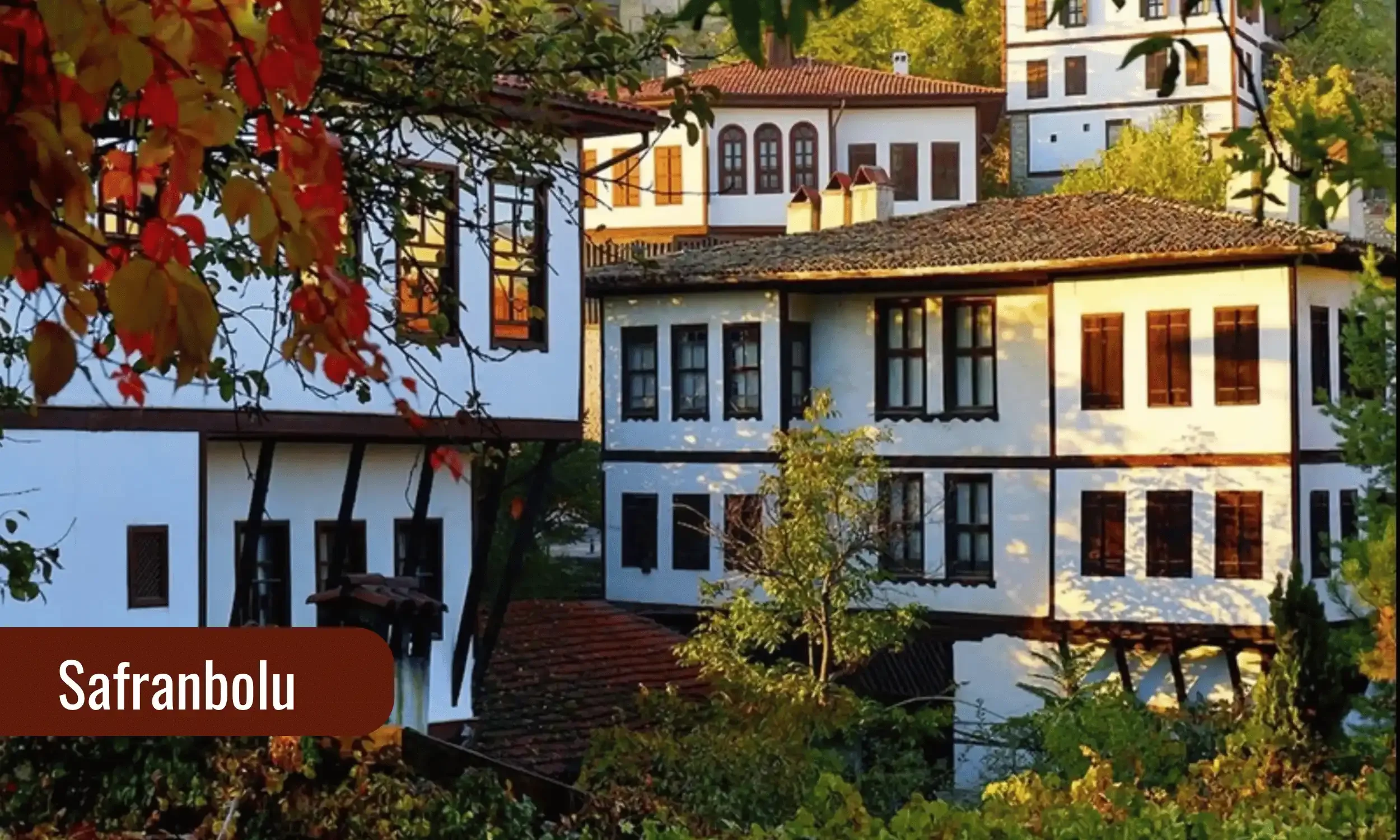
Full-Day Safranbolu Tour with Expert Local Guide
Pistachios in Gaziantep
Gaziantep is where the Antep pistachio grows, and where Turkish baklava is made at its best. It's also known for kebabs, lahmacun and a deep breakfast culture. Plan at least two days around a market visit, a baklava workshop and long meals. Gaziantep is a UNESCO Creative City of Gastronomy.
Isot pepper in Şanlıurfa
Isot is the dark, smoky, slightly sweet chili flake you'll see on tables across Türkiye. It comes from Şanlıurfa, where peppers are dried in the sun, then rested until they turn almost black. Pair a visit with Göbekli Tepe, one of the oldest known monumental sites in the world, just outside the city.
Black tea in Rize
Turkish tea is grown on steep green slopes above the Black Sea around Rize. Visit during the picking season to see the terraces worked by hand, and drink tea where it's grown. Combine it with the highland plateaus (yayla) of the eastern Black Sea.
Olive oil in Ayvalık
The North Aegean coast around Ayvalık is olive country, with old stone olive oil factories, many now turned into hotels and restaurants. Visit during the late-autumn harvest for olive oil tastings, then eat Ayvalık's Aegean meze of wild greens and seafood.
How to plan a biteseeing trip to Istanbul
Book the two-continent tour first. Do it on day one or two. You'll learn what to order for the rest of the trip.
Split your days by side. Spend food-heavy days in Eminönü and Kadıköy, and pair them with Old City sightseeing.
Eat on Istanbul time. Breakfast is late and long, lunch is light, and dinner starts around 8 pm.
Use the ferries. The public ferry between Eminönü and Kadıköy takes about 20 minutes. It's the cheapest Bosphorus view in the city. Pay with an Istanbulkart.
Tip about 10% at sit-down restaurants if service isn't included.
Tell tours about dietary needs when you book, not on the day.
Stay central Karaköy, Galata or Sultanahmet keep the ferries within walking distance.
For a full itinerary, pair this guide with our Istanbul travel guide and our guide to Turkish hamams.
Frequently asked questions
What is biteseeing?
Biteseeing means choosing where you travel and how you spend your days for the food, not only the landmarks. GetYourGuide research found 79% of travelers would travel for regional food, and food experience bookings grew 47% year on year.
What is the best food tour in Istanbul?
For a first visit, a two-continent tour is the best choice. It starts at the Spice Bazaar, crosses the Bosphorus by ferry and ends in Kadıköy and Moda. It takes 5 to 6 hours and replaces breakfast and lunch.
Is Kadıköy worth visiting for food?
Yes. Kadıköy, on the Asian side, is where many locals shop and eat, and its market streets are among the best places for street food in Istanbul. The public ferry from Eminönü takes about 20 minutes.
What food should I not miss in Istanbul?
Don't miss a full Turkish breakfast, simit, börek, meze, fresh pistachio baklava, Turkish coffee and a fish sandwich by the water in Eminönü.
Are Istanbul food tours good for vegetarians?
Most tours offer a vegetarian option if you ask when you book. Vegan options are more limited, so check the listing before you pay.
How much should I tip in Istanbul restaurants?
Around 10% is normal at sit-down restaurants when service isn't included. On food tours, tipping the guide is customary and usually not included in the price.
When is the saffron harvest in Safranbolu?
The saffron harvest in Safranbolu begins in October and runs until the end of November. The busiest weeks, with the saffron festival, are from about mid-October to mid-November.
Can you visit Safranbolu from Istanbul?
Yes. Safranbolu is about 400 km from Istanbul, roughly 4.5 hours by car or 5 to 8 hours by bus. You can also fly to Kastamonu, about 90 km away. Plan at least one night, or join a two-day tour that adds Amasra.