
Turkey's Off-Season Travel: When to Go and Where to Explore
Turkey, straddling two continents and blessed with diverse landscapes ranging from Mediterranean beaches to snow-capped mountains, has long been a favorite destination for travelers worldwide. While summer sees millions flocking to its coastal resorts and historic sites, savvy travelers are discovering that Turkey's off-season offers unique advantages that make it an equally compelling time to visit.
Understanding Turkey's Travel Seasons
Turkey does indeed have a distinct off-season, though it varies considerably by region due to the country's diverse climate zones. Generally, the off-season spans from November through March, with shoulder seasons in April-May and September-October offering transitional weather and fewer crowds. However, this timeline shifts dramatically depending on where you plan to visit.
The peak summer months of June through August bring sweltering heat to many regions, particularly along the Mediterranean and Aegean coasts, where temperatures regularly exceed 35°C (95°F). Cities like Istanbul, Cappadocia, and Ephesus become packed with tour groups, cruise ship passengers, and independent travelers, leading to inflated prices, long queues at major attractions, and a general sense of overcrowding that can detract from the experience.
Winter, by contrast, transforms Turkey into a quieter, more intimate destination. While some coastal resorts do indeed close their doors during the coldest months, many of Turkey's most fascinating destinations remain open year-round and offer experiences that are simply unavailable during peak season.
The Benefits of Off-Season Travel in Turkey
Visiting Turkey during the off-season comes with several distinct advantages. First and foremost is the dramatic reduction in crowds. Walking through the ancient ruins of Ephesus or exploring the underground cities of Cappadocia without jostling through masses of tourists allows for a more contemplative, immersive experience. You'll have space to photograph iconic sites without strangers in every frame and time to genuinely absorb the historical significance of what you're seeing.
Price reductions represent another compelling reason to visit during quieter months. Hotel rates can drop by 40-60% compared to summer peak, while flight prices from Europe often become remarkably affordable. Restaurants and tour operators, eager for business during slower periods, frequently offer discounts or throw in extras that wouldn't be available during high season.
The weather, while cooler, often provides more comfortable conditions for sightseeing and outdoor activities. Spring and autumn shoulder seasons offer particularly pleasant temperatures, while even winter can be surprisingly mild in southern coastal regions and major western cities.
Perhaps most valuable is the opportunity to experience authentic Turkish life. During peak tourist season, many areas become so visitor-focused that local culture gets obscured. In the off-season, you'll interact more with residents going about their daily lives, dine in restaurants frequented by locals rather than tourist traps, and gain insights into contemporary Turkish society that remain hidden when visitor numbers peak.
Istanbul: A Year-Round Urban Adventure
Istanbul thrives in every season, making it an ideal off-season destination. Winter temperatures rarely drop below freezing, hovering instead between 5-12°C (41-54°F), which is perfectly manageable with appropriate clothing. The city's covered attractions—the Hagia Sophia, Topkapi Palace, the Basilica Cistern, and countless museums—provide refuge from occasional rain while offering world-class cultural experiences.
November through March offers the opportunity to explore Istanbul's Grand Bazaar and Spice Market without the overwhelming summer crowds. You'll have space to browse the 4,000+ shops at your own pace, engage in genuine conversation with shopkeepers, and negotiate prices without feeling rushed. The city's magnificent mosques, from the Blue Mosque to Süleymaniye, reveal their spiritual atmosphere more profoundly when they're not packed with tour groups.
Winter is also an excellent time to indulge in Istanbul's legendary food scene. Cozy up in traditional meyhanes (taverns) for meze and raki, savor steaming bowls of Turkish lentil soup in neighborhood cafes, or try seasonal specialties like salep (a warm, orchid-root-based drink) and roasted chestnuts from street vendors. The cooler weather makes lingering in tea gardens and cafes even more appealing, and you'll find locals rather than tourists occupying most seats.
The shoulder months of April-May and September-October offer arguably the best weather for exploring Istanbul, with temperatures ranging from 15-25°C (59-77°F) and lower humidity than summer. Spring brings blooming tulips to parks throughout the city, while autumn bathes the Bosphorus in golden light.
Cappadocia: Winter Wonderland of Fairy Chimneys

Cappadocia ranks among Turkey's most surreal landscapes, and winter transforms this already otherworldly region into something truly magical. From December through February, snow occasionally blankets the fairy chimneys, creating postcard-perfect scenes that few summer visitors ever witness. While temperatures can drop below freezing at night, daytime temperatures often reach 5-10°C (41-50°F), making exploration entirely feasible with proper layering.
The famous hot air balloon flights operate year-round, weather permitting, and winter flights offer extraordinary views of snow-dusted valleys and rock formations. Flight cancellations due to wind are slightly more common in winter, but when flights do operate, you'll share the sky with fewer balloons and enjoy ethereal morning light unique to the season.
Cappadocia's cave hotels become particularly appealing in winter, offering cozy sanctuaries carved into rock with modern heating systems. Curling up by a fireplace in a room that's been sheltering travelers for centuries creates an unforgettable experience. Many hotels offer significant discounts during low season, making luxury accommodations accessible to budget-conscious travelers.
The region's underground cities, such as Derinkuyu and Kaymaklı, maintain constant temperatures year-round, making them comfortable to explore regardless of weather. Walking through these multi-level subterranean complexes where early Christians sheltered from persecution feels even more atmospheric when you emerge to find snow falling outside.
Winter also allows for unique activities like snowshoeing through the valleys, exploring without summer's heat-induced exhaustion, and enjoying hot Turkish tea at viewpoints without sharing the space with dozens of others. The local restaurants serve hearty regional specialties like testi kebabı (pottery kebab) and mantı (Turkish dumplings) that taste even better in cold weather.
The Turkish Riviera in Winter: A Different Kind of Paradise
The Mediterranean coast of Turkey, known as the Turquoise Coast or Turkish Riviera, undergoes a dramatic transformation in winter. While beach clubs and many resort hotels close from November through March, this period reveals aspects of coastal life that remain invisible during tourist season.
Cities like Antalya, Kaş, and Fethiye maintain mild winter temperatures, typically ranging from 10-18°C (50-64°F), making them pleasant bases for exploration. Swimming becomes less appealing, but hiking, archaeological site visits, and cultural experiences improve dramatically without oppressive heat and crowds.
Antalya's old town, Kaleiçi, becomes a haven for those seeking authentic Mediterranean life. Wander cobblestone streets, explore Ottoman-era architecture, and visit museums without summer's overwhelming crowds. The nearby ancient ruins of Perge, Aspendos, and Termessos become almost private playgrounds, allowing you to imagine their Roman-era glory without modern distractions.
The Lycian Way, Turkey's premier long-distance hiking trail stretching along the coast, becomes accessible to hikers who can't tolerate summer's heat. The trail passes through pine forests, ancient ruins, and coastal villages, offering spectacular views without the dehydration risk that makes summer hiking dangerous. Winter also eliminates concerns about forest fire closures that sometimes affect the trail during hot months.
Smaller coastal towns like Kaş transform from tourist hotspots to quiet fishing villages where you can observe daily life, chat with shopkeepers who have time to talk, and enjoy fresh seafood in waterfront restaurants filled with locals rather than package tourists. While some businesses close, enough remain open to support travelers, and those that operate often provide more personalized service and attention.
Pamukkale and the Aegean Interior
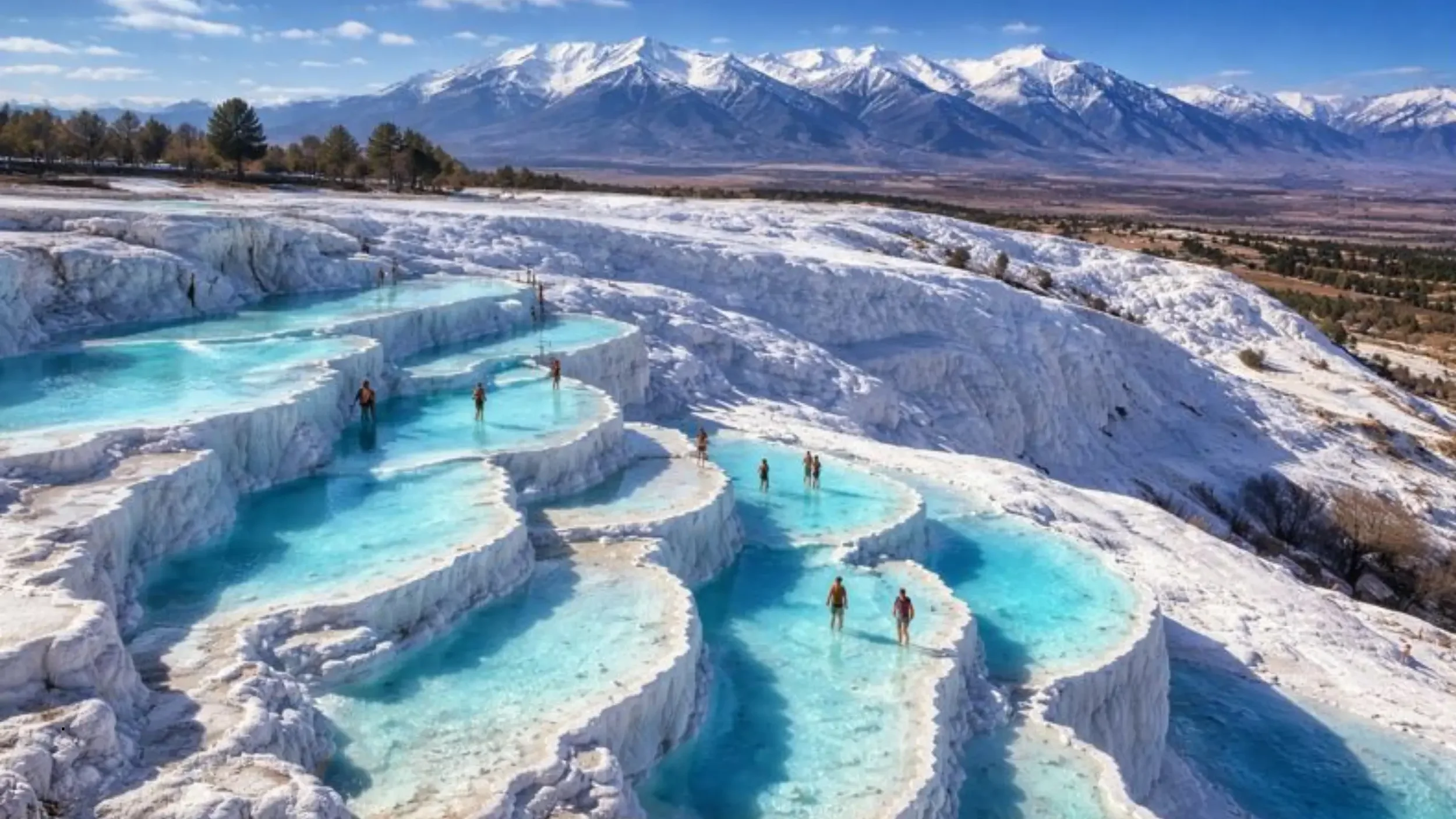
Pamukkale's famous white travertine terraces and thermal pools remain open year-round, and winter visits offer distinct advantages. The brilliant white calcium deposits contrast beautifully with occasional snow on surrounding mountains, creating stunning photographic opportunities. More importantly, you can walk the terraces without navigating around hundreds of other visitors, and the thermal pools maintain their warm temperatures regardless of air temperature, making a winter soak particularly luxurious.
The ancient city of Hierapolis, located atop the travertines, becomes almost meditative in winter solitude. Exploring its well-preserved theater, necropolis, and archaeological museum without summer's crowds allows for deeper appreciation of the site's historical significance.
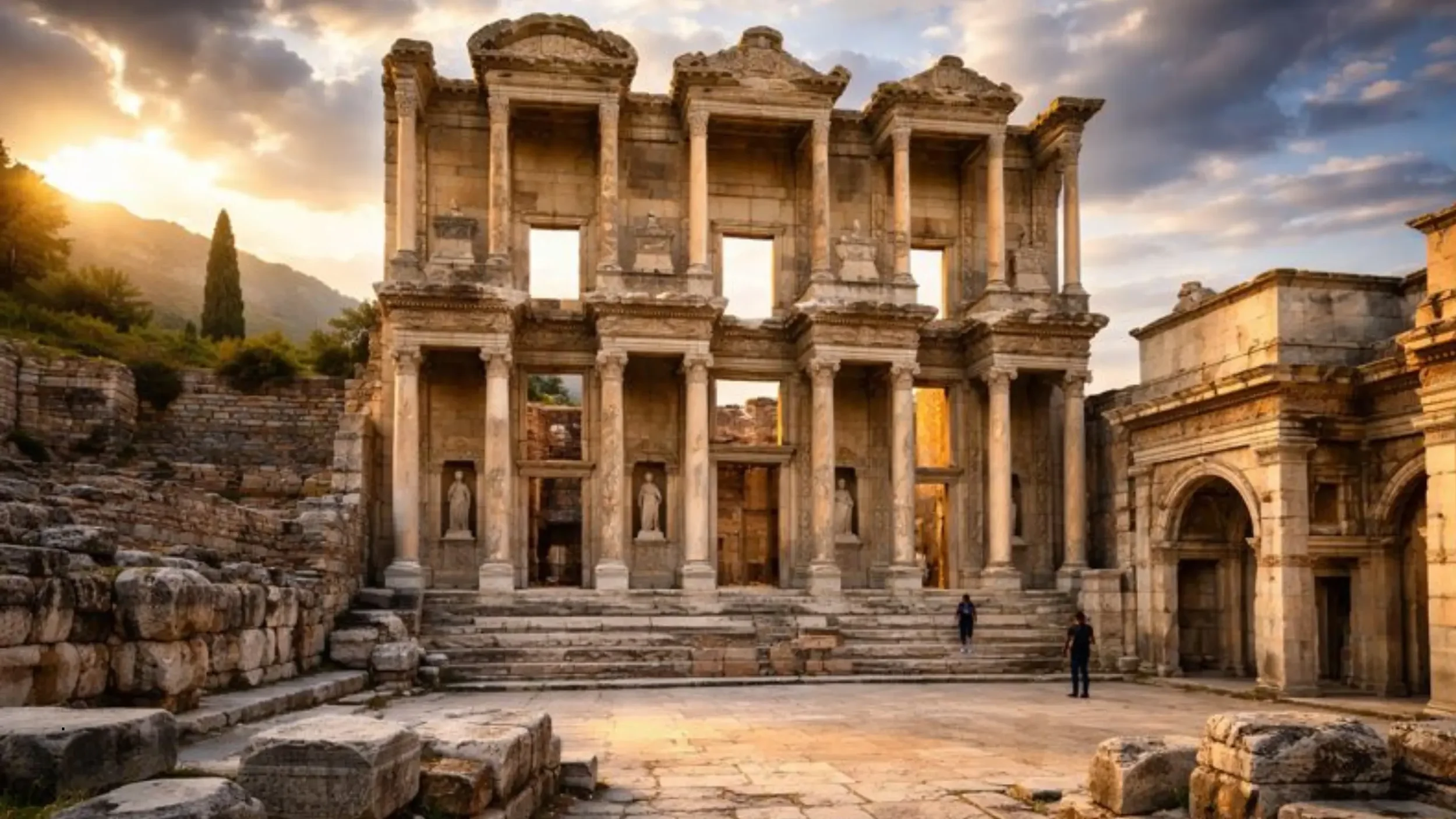
Nearby Ephesus, one of the world's best-preserved ancient cities, benefits tremendously from off-season visits. Summer temperatures often exceed 40°C (104°F), making extended exploration exhausting and potentially dangerous. Winter and shoulder season temperatures between 10-20°C (50-68°F) allow you to spend hours wandering the marble streets, examining the Library of Celsus, and imagining life in this once-great metropolis without heat exhaustion or crowd navigation.
The charming town of Şirince, a short drive from Ephesus, showcases Turkish village life beautifully in autumn and winter when fruit wines are being produced and local restaurants serve seasonal dishes to neighbors rather than tour buses.
Practical Considerations for Off-Season Travel
While Turkey's off-season offers numerous advantages, travelers should plan accordingly. Pack layers rather than relying on a single heavy coat, as temperatures fluctuate throughout the day and vary significantly between indoor heated spaces and outdoor exploration. Rain gear proves essential, particularly in coastal regions and Istanbul, where winter brings increased precipitation.
Transportation networks operate year-round, though some bus routes may reduce frequency during low season. Domestic flights connect major cities consistently, and Turkey's excellent intercity bus system continues operating, often with more comfortable, less crowded coaches.
Research specific accommodations before booking, as some hotels in resort areas do close completely for winter renovation. However, this mainly affects all-inclusive beach resorts rather than city hotels, boutique properties, or guesthouses in cultural destinations.
Conclusion
Turkey absolutely has an off-season, and it presents opportunities that rival or exceed those available during peak summer months. From Istanbul's cultural richness to Cappadocia's snow-dusted landscapes, from Mediterranean towns returned to local life to ancient ruins explored in solitude, off-season Turkey reveals layers of experience that remain hidden beneath summer's crowds and heat. The combination of lower prices, comfortable temperatures, and authentic cultural encounters makes a compelling case that Turkey's off-season might actually be its best season for discerning travelers.