
The Complete Guide to Accessible Travel: Breaking Down Barriers and Opening Up the World
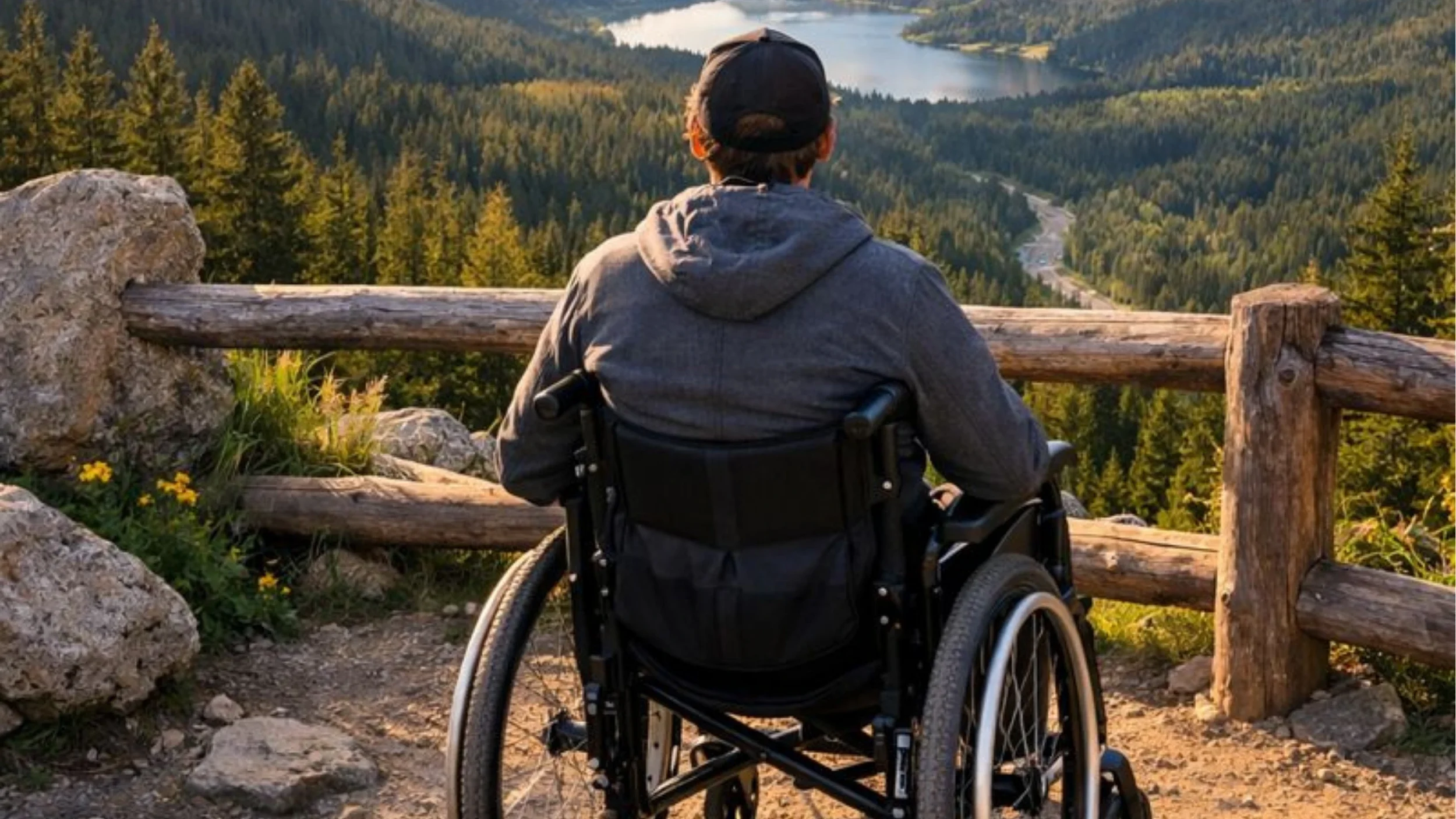
Travel should be a right, not a privilege reserved for the able-bodied. Yet for the more than one billion people worldwide living with disabilities, the dream of exploring new destinations often feels frustratingly out of reach. From inaccessible transportation to hotels without proper facilities, the barriers can seem insurmountable. But the landscape of accessible travel is changing, and it's changing fast.
Today's travelers with disabilities are refusing to let physical challenges dictate their adventures. They're summiting mountains in adaptive wheelchairs, diving coral reefs with specialized equipment, and navigating cities with increasingly sophisticated accessibility resources. The travel industry is finally catching up, driven by both ethical imperatives and the recognition that accessible travel represents a massive market opportunity worth hundreds of billions of dollars annually.
This comprehensive guide explores the current state of accessible travel, offering practical advice for travelers with disabilities, highlighting destinations leading the way in accessibility, and showcasing the innovative solutions making the world more navigable for everyone.
Understanding Accessible Travel Needs
Accessible travel isn't a one-size-fits-all concept. Disabilities encompass a vast spectrum of needs, from wheelchair users requiring ramps and wide doorways to travelers with visual impairments needing audio guides and tactile indicators, to those with invisible disabilities like chronic pain or anxiety disorders who may need quiet spaces and flexible itineraries.
The key categories of accessibility needs in travel include mobility impairments, which require wheelchair-accessible transportation, accommodations, and attractions; visual impairments, necessitating braille signage, audio descriptions, and tactile maps; hearing impairments, which benefit from visual alert systems, captioning, and sign language interpretation; cognitive and developmental disabilities, which may require clear signage, structured environments, and sensory-friendly spaces; and chronic illnesses or invisible disabilities, which might need medical facilities access, rest areas, and understanding from service providers.
Understanding these diverse needs is the first step toward creating truly inclusive travel experiences that allow everyone to explore the world on their own terms.
Planning Your Accessible Trip: Research and Preparation
Successful accessible travel begins long before you pack your bags. Thorough research and meticulous planning can mean the difference between a frustrating experience and the adventure of a lifetime.
Start by choosing your destination wisely. Some countries and cities have made accessibility a priority, investing in infrastructure and training that makes travel significantly easier. Northern European countries like Sweden, Denmark, and the Netherlands consistently rank among the most accessible, with comprehensive wheelchair access, well-maintained sidewalks, and accessible public transportation. The United States, while inconsistent, has strong accessibility laws and many destinations with excellent facilities. Australia has made significant strides in recent years, particularly in major cities like Sydney and Melbourne.
Once you've selected a destination, dive deep into accessibility research. Generic travel websites often provide inadequate accessibility information, so seek out specialized resources. Websites like Accessible Travel Hub, Wheelmap.org, and Access Earth offer crowd-sourced accessibility reviews from travelers with disabilities who understand what information matters most. Connect with disability travel communities on social media platforms where experienced travelers share candid insights about destinations, accommodations, and potential challenges.
When booking accommodations, never rely solely on a hotel's claim of being "accessible." Contact properties directly and ask specific questions about room features, doorway widths, bathroom configurations, and the availability of equipment like shower chairs or visual alert systems. Request detailed photos or video walkthroughs of accessible rooms. Many hotels have only one or two accessible rooms that may not meet your specific needs, so be persistent in gathering information.
Transportation planning requires equal attention. Research accessible options at your destination, from airport transfers to local public transportation. Many cities now offer accessible taxi services or ride-sharing with wheelchair-accessible vehicles, but availability varies widely. Some travelers prefer to rent adaptive vehicles, though this option isn't available everywhere and often requires advance booking.
Consider purchasing comprehensive travel insurance that covers disability-related needs, including coverage for mobility equipment damage, medical emergencies, and trip cancellations related to health conditions. Review the fine print carefully, as some policies contain exclusions for pre-existing conditions.
Navigating Air Travel with Disabilities
Air travel presents some of the most significant challenges for travelers with disabilities, but knowing your rights and planning strategically can smooth the journey considerably.
In the United States, the Air Carrier Access Act prohibits discrimination and requires airlines to accommodate passengers with disabilities. Airlines must provide assistance with boarding, stowing mobility devices, and navigating the airport. They cannot require advance notice of a disability, though providing notice 48 hours before departure ensures that appropriate accommodations are ready. Similar protections exist in the European Union, Canada, Australia, and many other countries, though specific requirements vary.
When booking flights, call the airline directly rather than booking through third-party sites. Inform them of your specific needs, including wheelchair assistance, priority boarding, onboard wheelchair access, or any special seating requirements. Request bulkhead seats if you need extra legroom or space for a service animal. If you use a wheelchair, ask about their procedures for handling mobility devices, as different airlines have different policies and varying track records for careful handling.
Arrive at the airport with extra time. While you want to minimize unnecessary waiting, rushing through security and to your gate adds stress and increases the likelihood of problems. Most airports offer assistance programs that can help you navigate from check-in through security to your gate. These services are typically free, though requesting them when booking ensures availability.
Traveling with medical equipment or medications requires documentation. Carry a letter from your doctor explaining your condition and the necessity of any equipment or medications you're bringing. This documentation helps when going through security and can be crucial if you need medical assistance abroad. Keep medications in their original packaging when possible, and carry more than you think you'll need in case of travel delays.
For wheelchair users, the question of whether to gate-check your personal wheelchair or use an airline wheelchair is personal and depends on your specific situation. Gate-checking keeps your chair with you longer and returns it more quickly upon arrival, but any time your mobility device leaves your control, there's a risk of damage. Some travelers bring a less expensive manual wheelchair for travel while keeping their primary power chair at home. Others invest in heavy-duty travel cases to protect their equipment.
Accessible Accommodations: What to Look For and Where to Find Them
Finding truly accessible accommodations is perhaps the most critical element of accessible travel, yet it's also one of the most challenging. The term "accessible" means vastly different things to different properties and may not meet your specific needs.
When evaluating hotels, look beyond the basic "accessible room" designation. Key features to inquire about include door widths throughout the room, not just the entrance; bathroom layout, including whether there's a roll-in shower, grab bars, and adequate turning space for wheelchairs; bed height and whether furniture can be rearranged to improve accessibility; and the availability of accessibility equipment like shower benches, raised toilet seats, or visual alert systems for fire alarms and doorbells.
Chain hotels often provide more consistent accessibility than independent properties, as they must meet brand standards and comply with regulations in multiple jurisdictions. Marriott, Hilton, and Hyatt have made particular efforts to improve accessibility across their properties, though quality still varies by location and property age.
Vacation rentals present both opportunities and challenges. They offer more space, kitchen facilities for special dietary needs, and sometimes better accessibility features than hotels. However, accessibility information is often limited, and there's more variability in quality. Airbnb has added accessibility filters to its search function, allowing you to search specifically for features like step-free access, wide doorways, or accessible bathrooms. Always communicate directly with hosts about your specific needs and request photos or videos of accessibility features before booking.
Some destinations have embraced accessible tourism by certifying accommodations that meet specific accessibility standards. Portugal's Accessible Portugal certification program, for example, provides detailed accessibility assessments of participating properties. Similar programs exist in parts of Spain, Italy, and other European countries.
For travelers who need extensive accessibility features or specialized equipment, some companies focus specifically on accessible travel and can arrange accommodations that meet exacting standards. While these services cost more than booking independently, they provide peace of mind and reduce the risk of arriving at a destination only to find that your accommodation is inadequate.
Destinations Leading the Way in Accessibility
While accessibility challenges exist everywhere, some destinations have distinguished themselves through commitment to inclusive tourism.
Barcelona, Spain has invested heavily in accessibility, with over 90 percent of buses equipped with ramps or lifts, extensive beach accessibility programs including amphibious wheelchairs and trained staff to assist swimmers, and many museums and attractions offering sensory-friendly programs and accessible tours. The city's flat terrain and wide sidewalks also make it naturally more navigable than many European destinations.
Singapore has earned recognition as one of Asia's most accessible cities. Nearly all public transportation is wheelchair accessible, major attractions provide excellent accessibility features, and the compact city-state's well-maintained infrastructure makes navigation relatively straightforward. The government's inclusive society agenda has driven consistent improvements across the tourism sector.
Berlin, Germany offers impressive accessibility across public transportation, attractions, and accommodations. The city's history of rebuilding after World War II meant that many structures were designed or retrofitted with modern accessibility standards. The Berlin WelcomeCard includes a specific guide to accessible attractions and transportation options.
Sydney, Australia has made accessibility a priority, with accessible beaches featuring beach wheelchairs and matting systems, excellent public transportation accessibility, and many attractions designed with universal access in mind. The city's temperate climate and outdoor lifestyle make it particularly appealing for travelers who want to experience nature alongside urban attractions.
National parks in the United States increasingly offer accessible trails, overlooks, and facilities. Parks like Yosemite, Yellowstone, and the Grand Canyon provide accessibility information on their websites and ranger-led programs specifically designed for visitors with disabilities. Many parks now feature all-terrain wheelchairs available for loan, allowing visitors to experience trails that would otherwise be inaccessible.
Japan, preparing for the Olympics, significantly upgraded accessibility in Tokyo and other major cities. While language barriers and some cultural differences around disability can present challenges, the country's efficient public transportation, clean and well-maintained facilities, and culture of service make it increasingly accessible. Many hotels and attractions now provide multilingual accessibility information.
Adaptive Adventures: Accessible Activities and Experiences
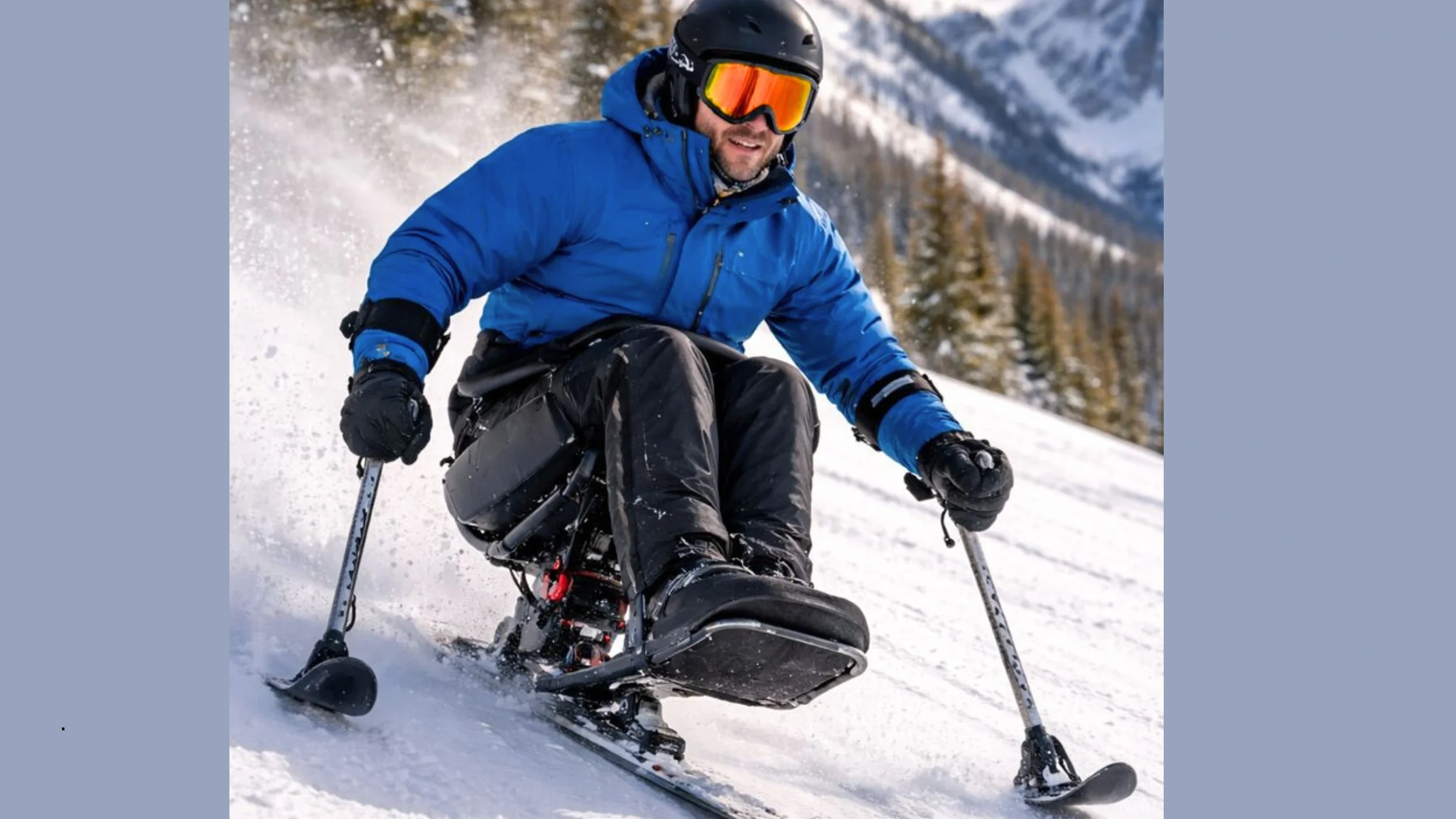
Gone are the days when travelers with disabilities were limited to observing from the sidelines. Today's adaptive equipment and innovative programs enable participation in activities from scuba diving to skiing to mountain climbing.
Water sports have become increasingly accessible through organizations offering adaptive programs. Scuba diving programs like the Handicapped Scuba Association certify divers with various disabilities and work with dive operators worldwide to ensure accessibility. Adaptive surfing programs operate in coastal communities globally, using specialized boards and trained instructors to help riders of all abilities catch waves. Kayaking and canoeing programs utilize stabilized boats and adapted paddles to make these activities accessible.
Winter sports see continuous innovation in adaptive equipment. Sit-skis and mono-skis enable people with mobility impairments to navigate slopes, while guide programs help visually impaired skiers experience the thrill of downhill skiing. Many major ski resorts now have adaptive ski schools with specialized instructors and equipment rental.
Adventure travel increasingly accommodates diverse abilities. Companies like Wheel the World specialize in accessible adventure travel, offering trips to destinations like Machu Picchu, Patagonia, and Easter Island with adaptive equipment and trained guides. Rock climbing gyms and outdoor climbing areas provide adaptive equipment and instruction, enabling climbers with various disabilities to participate in this challenging sport.
Cultural experiences often prove more accessible than adventurous activities, but quality varies. The best museums and cultural attractions provide multiple ways to engage with exhibits, including tactile elements for visually impaired visitors, audio descriptions, quiet spaces for those with sensory sensitivities, and staff trained in disability awareness. Some museums offer specific programs for visitors with different disabilities, from touch tours to sensory-friendly hours.
Food tours and cooking classes can be excellent accessible activities, though it's important to communicate about specific needs in advance. Many food tour operators can accommodate mobility devices and dietary restrictions, while cooking classes can be adapted for participants with various abilities.
Technology Transforming Accessible Travel
Technology continues to revolutionize accessible travel, providing tools that help travelers navigate destinations, communicate needs, and access information.
Navigation apps designed for accessibility offer features like wheelchair-accessible route planning, information about obstacles like stairs or steep inclines, and real-time updates about accessibility features of businesses and attractions. Apps like Access Earth, Wheelmap, and Google Maps' accessibility features help travelers identify accessible routes and locations.
Translation apps enable travelers with hearing impairments to communicate more easily, translating spoken language to text in real-time. Apps can also translate between sign languages or provide visual communication tools for travelers who are non-verbal.
Assistive technology for visually impaired travelers has advanced dramatically, with apps that describe surroundings using artificial intelligence, read text aloud from photos of signs or menus, and help identify currency and navigate public transportation. Wearable devices provide haptic feedback to alert users to obstacles or navigation instructions.
Social media and online communities provide valuable real-time information sharing. Travelers with disabilities share reviews, photos, and advice about accessibility in destinations worldwide. These peer recommendations often prove more reliable than official accessibility claims.
Booking platforms increasingly incorporate accessibility filters and information, though quality remains inconsistent. The most useful platforms allow searching by specific accessibility features and include user-generated accessibility reviews from travelers with lived experience.
Advocacy and the Future of Accessible Travel
The future of accessible travel looks promising, driven by advocacy, regulation, and growing recognition that accessibility benefits everyone.
Disability rights activists continue pushing for stronger accessibility requirements in tourism. Organizations advocate for universal design principles in new construction and major renovations, ensuring that accessibility is built in from the beginning rather than retrofitted inadequately. They push for standardized accessibility certifications that provide reliable information to travelers, addressing the current situation where "accessible" can mean vastly different things.
The business case for accessible travel strengthens as the industry recognizes this significant market. Travelers with disabilities and their companions represent enormous spending power, and destinations that successfully attract these travelers gain competitive advantages. This economic reality increasingly drives accessibility improvements beyond what regulation alone might achieve.
Universal design principles benefit all travelers, not just those with disabilities. Ramps help parents with strollers and travelers with wheeled luggage, clear signage aids everyone navigating unfamiliar environments, and accessible transportation benefits elderly travelers and those temporarily injured. As this understanding spreads, resistance to accessibility improvements diminishes.
Climate change considerations intersect with accessibility as destinations rebuild after disasters or upgrade infrastructure for climate resilience. These moments provide opportunities to incorporate accessibility from the ground up, creating destinations that serve everyone better.
The next generation of travelers with disabilities refuses to accept limitations, sharing their adventures on social media and inspiring others while simultaneously holding the travel industry accountable for inadequate accessibility. This visibility drives change, demonstrating that travelers with disabilities seek the same diverse experiences as everyone else.
The Journey Toward Truly Inclusive Travel
Accessible travel has progressed enormously, yet significant challenges remain. Travelers with disabilities still face unnecessary barriers, inconsistent information, and sometimes outright discrimination. But the momentum toward inclusion continues building, powered by advocacy, technology, and travelers who refuse to stay home.
For travelers with disabilities, the key lies in thorough research, clear communication about needs, flexibility when things don't go as planned, and connection with communities of experienced accessible travelers who generously share knowledge. The journey may require more planning than it should, but the rewards of travel remain as profound for people with disabilities as for anyone else.
For the travel industry, the path forward requires moving beyond minimum legal compliance toward genuine inclusion, listening to travelers with disabilities about what accessibility truly means, investing in staff training and infrastructure improvements, and recognizing that accessible travel isn't a niche market but rather a fundamental aspect of serving all customers with dignity and respect.
Travel expands horizons, builds understanding, and creates memories that last a lifetime. These transformative experiences belong to everyone, regardless of ability. As barriers continue falling and innovations emerge, the world becomes increasingly navigable for all travelers. The journey toward truly inclusive travel continues, destination by destination, one improvement at a time, until the day when accessible travel is simply called travel.