
Northern Lights Guide 2026: Best Places to See the Aurora Borealis and When to Visit
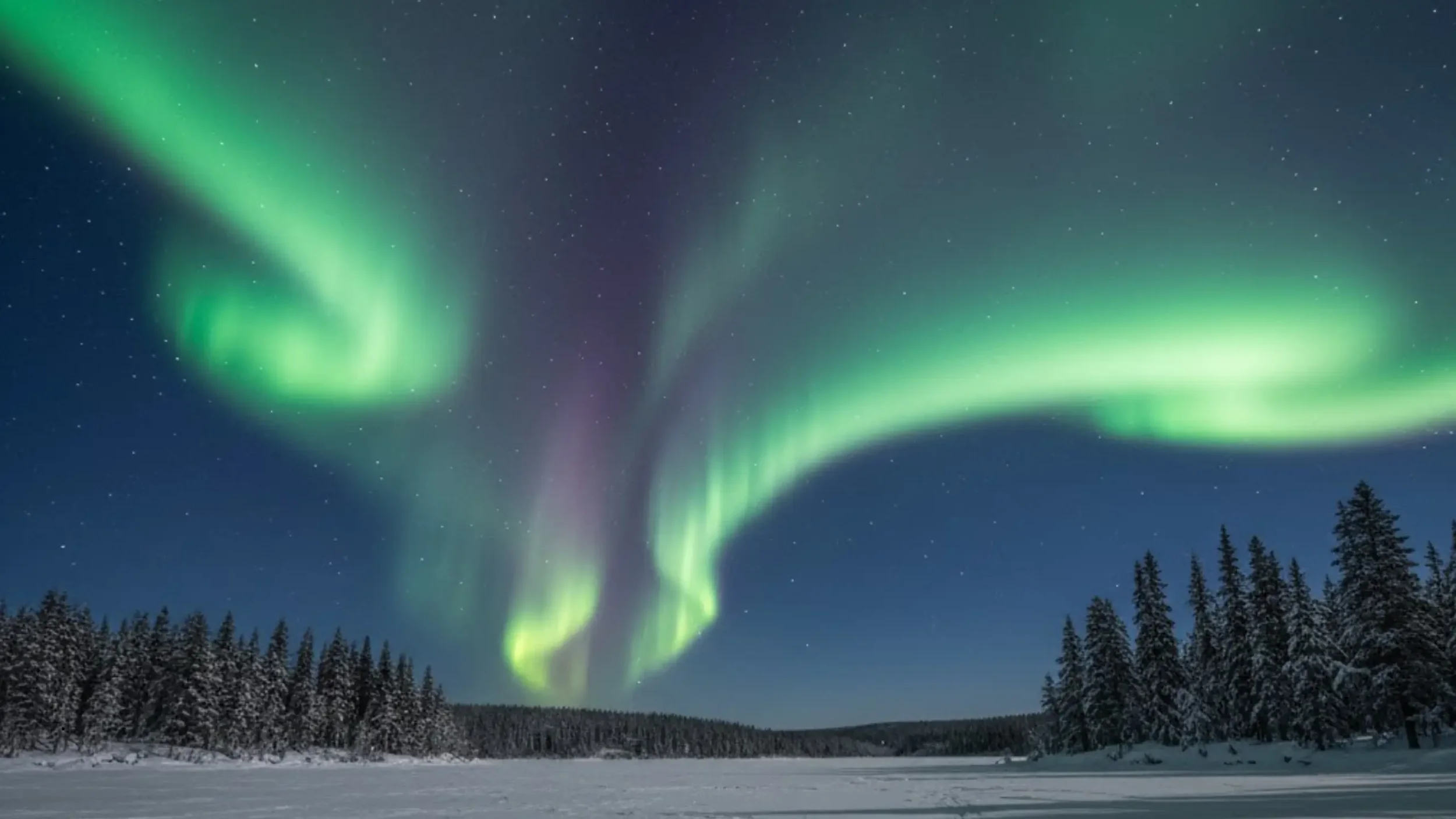
Few natural phenomena capture the human imagination quite like the aurora borealis, or northern lights. Dancing across the night sky in ribbons of green, purple, and pink, the northern lights have inspired myths, legends, and countless pilgrimages to the far reaches of our planet. For those willing to venture into the cold darkness of Arctic and sub-Arctic regions, the reward is a celestial display that feels almost otherworldly—a reminder of the dynamic forces that shape our planet and its relationship with the sun.
Understanding the Aurora Borealis
Before embarking on an aurora-hunting expedition, it helps to understand what creates this magnificent light show. The northern lights occur when charged particles from the sun collide with gases in Earth's atmosphere. Solar wind carries these particles toward our planet, where they're drawn toward the magnetic poles. When they interact with oxygen and nitrogen molecules in the upper atmosphere, they release energy in the form of light. Oxygen produces the characteristic green and occasionally red hues, while nitrogen contributes blues and purples.
This cosmic dance occurs roughly 60 to 200 miles above Earth's surface, in a region called the auroral oval that encircles the magnetic poles. The intensity and frequency of auroral displays correlate with solar activity, which follows an approximate 11-year cycle. While auroras can theoretically occur year-round, several factors must align for optimal viewing: clear dark skies, proximity to the auroral zone, and sufficient geomagnetic activity.
When to Visit: Timing Your Aurora Adventure
The best time to see the northern lights depends on balancing several factors. The aurora season generally runs from late August through early April, with peak viewing occurring during the darkest months from September through March. Many experts consider the equinox periods—late September to early October and late February to early March—particularly promising due to increased geomagnetic activity during these times.
Winter months offer the longest periods of darkness, providing more opportunities to witness auroras. In the heart of winter, locations within the Arctic Circle experience polar night, with minimal or no daylight for weeks or months. However, this extended darkness comes with extreme cold and challenging travel conditions. September and March offer a compelling compromise: reasonably dark nights without the brutal temperatures of deep winter, though you'll have fewer hours of darkness to work with.
Weather patterns also influence timing decisions. Early autumn and late winter typically see clearer skies in many northern regions, while midwinter can bring persistent cloud cover and storms. Your specific destination will have its own weather patterns to consider.
Regarding solar activity, we're currently in Solar Cycle 25, which is expected to peak around 2024-2025. This suggests favorable conditions for aurora viewing in the coming years, though spectacular displays can occur at any point in the solar cycle during periods of heightened activity.
Prime Destinations for Northern Lights Viewing
Norway
Norway ranks among the most accessible and rewarding aurora destinations. The city of Tromsø, located 350 kilometers north of the Arctic Circle, has earned its reputation as the "Gateway to the Arctic" and serves as a hub for northern lights tourism. The region offers excellent infrastructure, numerous tour operators, and the added benefit of being warmed by the Gulf Stream, making it somewhat milder than comparable latitudes elsewhere.
The Lofoten Islands present a particularly stunning backdrop for aurora photography, with dramatic peaks and fishing villages creating unforgettable foreground elements. Further north, the North Cape (Nordkapp) and the town of Alta offer even darker skies and claim some of the highest aurora observation frequencies in the world.
Iceland
Iceland's position just south of the Arctic Circle makes it one of the southernmost reliable aurora destinations. The entire country sits within the auroral zone, meaning you can potentially see the lights from anywhere with sufficiently dark skies, including near the capital Reykjavik during strong displays.
Popular aurora-hunting areas include the Þingvellir National Park, the Jökulsárlón glacier lagoon, and the remote Westfjords. Iceland's appeal extends beyond the auroras themselves—the country's dramatic landscapes of glaciers, waterfalls, and volcanic features provide spectacular settings for aurora photography and make the trip worthwhile even if the lights don't cooperate.
Sweden and Finland
Swedish Lapland, particularly the area around Abisko National Park, boasts remarkably clear skies due to a microclimate effect. The Aurora Sky Station, accessible by chairlift, offers a dedicated viewing platform away from light pollution. The nearby town of Kiruna serves as a base for aurora tours and winter activities.
Finland's aurora destinations center on Lapland, with Rovaniemi (home to the official Santa Claus Village) and the far northern regions near Utsjoki offering excellent viewing opportunities. The area around Lake Inari provides pristine wilderness settings, while glass igloos and aurora cabins have become increasingly popular accommodations designed specifically for comfortable aurora viewing.
Canada
Canada's vast northern territories encompass enormous stretches of the auroral zone. Yellowknife in the Northwest Territories sits directly beneath the auroral oval and claims one of the world's highest aurora sighting rates visitors on a three-night stay have approximately a 95% chance of seeing the lights under clear skies.
Whitehorse in Yukon Territory offers another accessible Canadian option, with the added attractions of spectacular mountain scenery and outdoor winter activities. Churchill, Manitoba, combines aurora viewing with the possibility of polar bear sightings during certain seasons, though timing these activities together requires careful planning.
Alaska
Fairbanks, Alaska, positioned in the heart of the auroral zone, provides perhaps the most accessible aurora destination for North American travelers. The city experiences frequent auroral activity and has developed substantial infrastructure supporting aurora tourism, from tour companies to dedicated viewing facilities like the Geophysical Institute's aurora forecasting service.
The remote Brooks Range and Gates of the Arctic National Park offer wilderness aurora experiences for adventurous travelers, while the trans-Alaska pipeline road provides access to areas north of Fairbanks with even darker skies.
Greenland and Svalbard
For truly adventurous travelers, Greenland and Svalbard offer remote arctic experiences with excellent aurora potential. These destinations require more planning and higher budgets but provide unique settings with minimal light pollution and opportunities to combine aurora viewing with arctic wildlife encounters and extreme landscape photography.
Maximizing Your Chances
Successfully witnessing the northern lights requires patience, flexibility, and realistic expectations. Even in prime locations during peak season, clouds, insufficient solar activity, or bright moonlight can obscure the display. Seasoned aurora hunters recommend staying in your chosen location for at least three to four nights to improve your odds of encountering clear skies and active auroras.
Monitor aurora forecasts through resources like the NOAA Space Weather Prediction Center or specialized apps that provide alerts when geomagnetic activity increases. The KP index, which measures geomagnetic activity on a scale of 0 to 9, helps predict aurora intensity and how far south they might be visible. For locations well within the auroral zone, displays are possible even with relatively low KP values.
Get as far from artificial light as possible. Even small amounts of light pollution can diminish the visibility and photographic quality of auroras. Many tour operators offer guided excursions to dark sky locations and can adjust plans based on weather and aurora forecasts.
Dress appropriately for extended periods in extreme cold. Aurora viewing often means standing relatively still in sub-zero temperatures for hours. Layered clothing, insulated boots, hand warmers, and thermoses of hot beverages make the experience more comfortable and allow you to stay out longer when the lights appear.
Conclusion
Witnessing the northern lights ranks among Earth's most profound natural experiences. While success requires venturing to remote locations during the dark and cold months, and involves an element of chance, the effort invested amplifies the magic when those ethereal curtains of light finally appear overhead. Whether you choose the accessibility of Tromsø, the dramatic landscapes of Iceland, the wilderness of Canada's north, or the adventure of Greenland, the aurora borealis awaits those willing to chase it into the Arctic night. The memories of standing beneath that cosmic light show, watching colors pulse and dance across the sky, will remain long after you've returned to warmer latitudes.