20 Traditional Turkish Foods You Must Try
Turkey is one of the world's great food destinations. Shaped by centuries of Ottoman culinary tradition, Mediterranean ingredients, and vibrant regional diversity, Turkish cuisine offers something remarkable at every meal, from smoky street-side kebabs to flaky pastries dripping with honey. Whether you're planning a trip to Istanbul, the Aegean coast, or southeastern Anatolia, this guide covers the 20 best Turkish foods you absolutely cannot leave without tasting.
What Is Turkish Food Known For?
Turkish cuisine is celebrated for its bold spices, fresh produce, slow-cooked meats, and extraordinary variety of bread and pastry. It draws from Central Asian, Middle Eastern, Balkan, and Mediterranean traditions, the result of an empire that once stretched across three continents. Meals are deeply social, often starting with meze spreads and ending with tea or coffee. Turkey is also one of the few countries where breakfast is considered an event worth savoring for hours.
20 Best Turkish Foods to Try on Your Trip
1. Kebap (Kebab): Turkey's Most Famous Dish
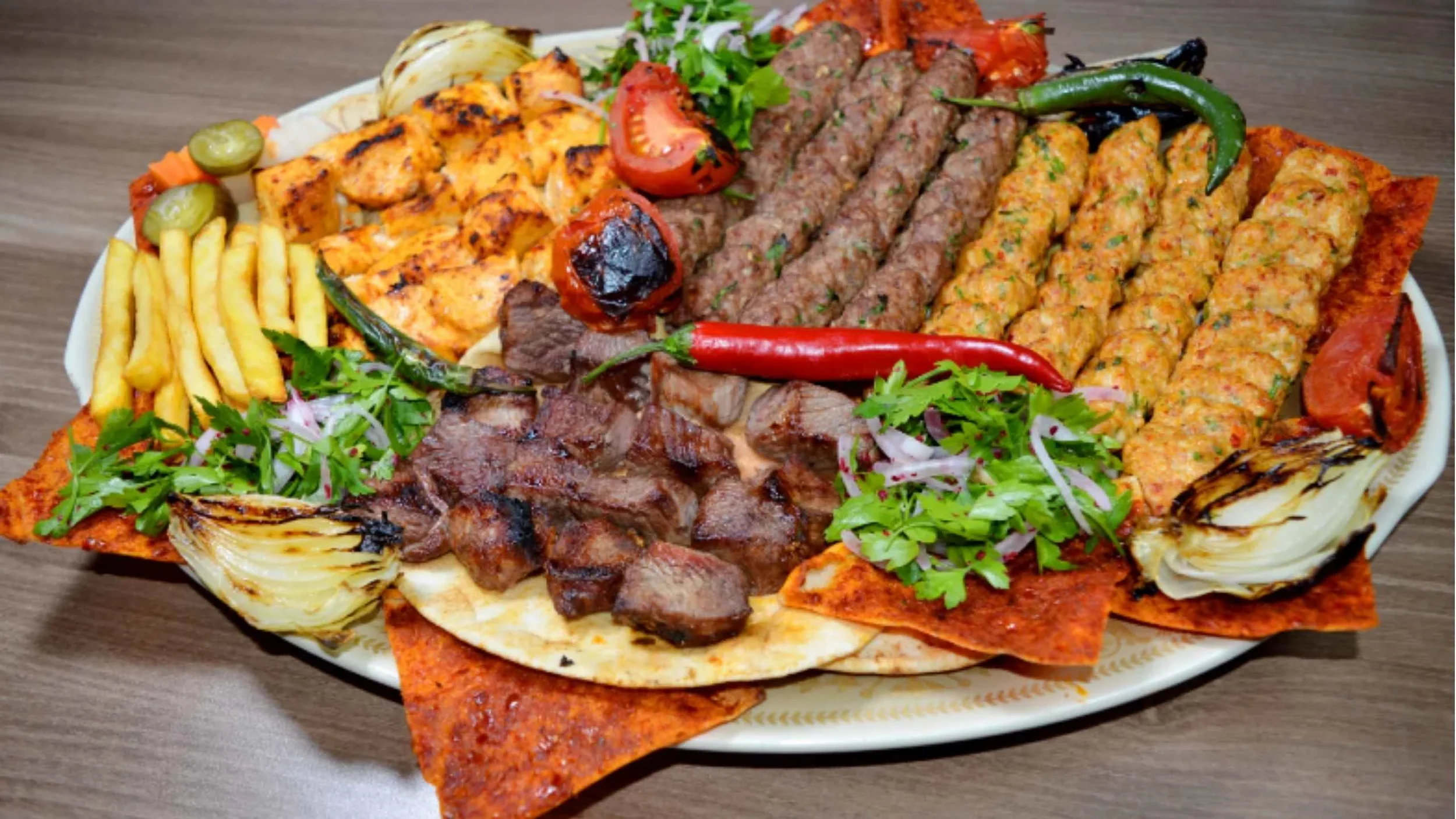
No list of Turkish food is complete without kebab. But "kebab" in Turkey is nothing like the late-night takeaway you might know from home. Turkey has dozens of regional kebab styles, each with its own technique and flavor profile.
Adana Kebap — spicy minced lamb on a wide skewer, named after the southern city of Adana
Urfa Kebap — milder version of Adana, from the neighboring city of Şanlıurfa
İskender Kebap — thin slices of döner over flatbread, drenched in tomato sauce and melted butter, topped with yogurt
Şiş Kebap — cubed marinated lamb or chicken grilled on a skewer
Where to try it: Bursa for İskender, Adana or Gaziantep for regional varieties, or any traditional Turkish restaurant.
2. Meze: Small Plates, Big Flavors
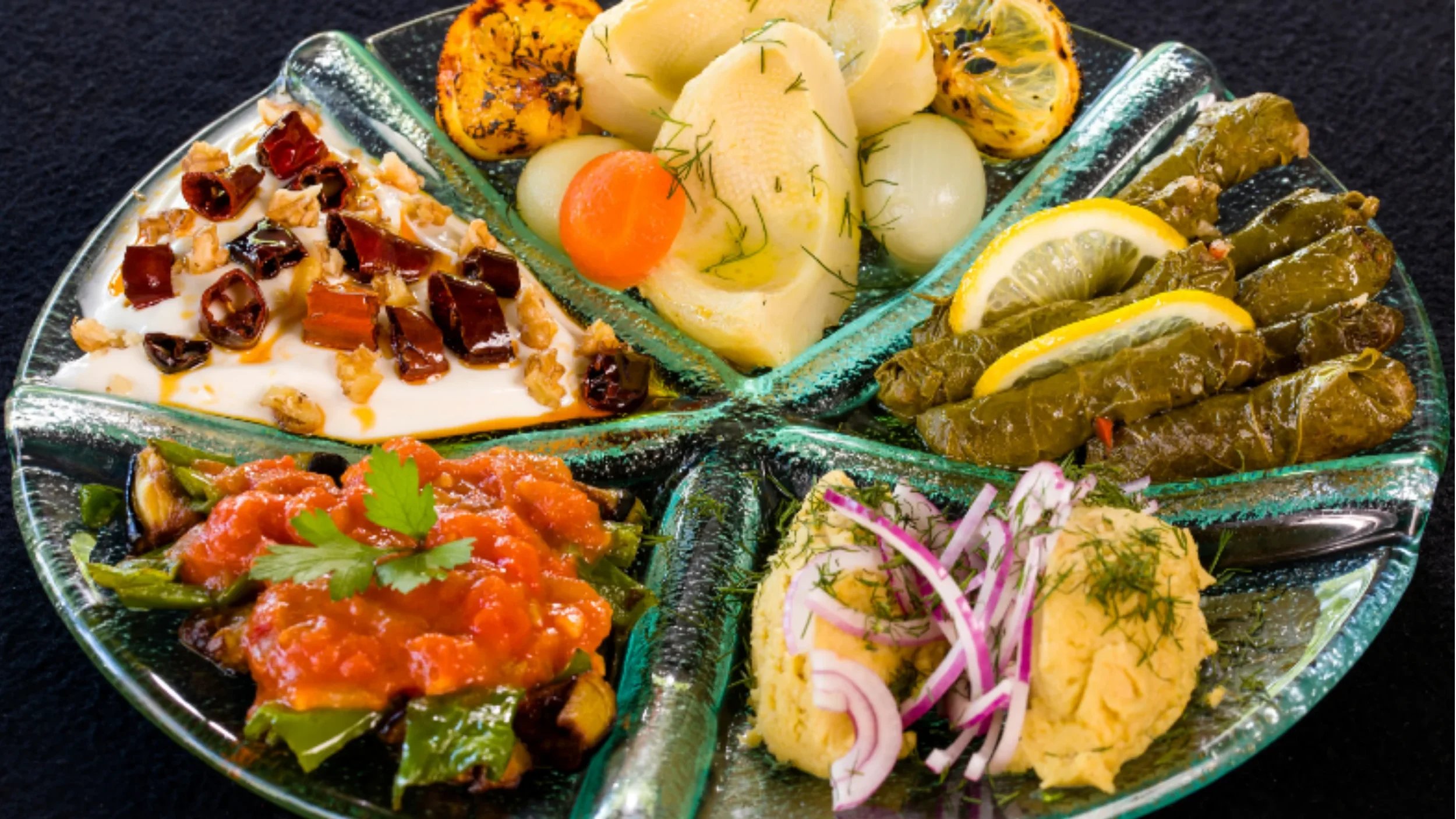
Meze are appetizer-style small plates served at the beginning of a meal, typically alongside rakı (Turkey's anise-flavored spirit) or wine. A proper meze spread might include:
Hummus and smoky baba ganoush
Yaprak sarma (stuffed grape leaves with rice and herbs)
Ezme (spicy tomato and walnut paste)
Haydari (thick yogurt with garlic and dill)
Cacık (cucumber yogurt dip, similar to tzatziki)
Mezes are typically shared and eaten slowly, meze culture is about conversation as much as food. Look for meyhane (traditional taverns) in Istanbul's Beyoğlu or Karaköy neighborhoods for the full experience.
3. Menemen: The Ultimate Turkish Breakfast
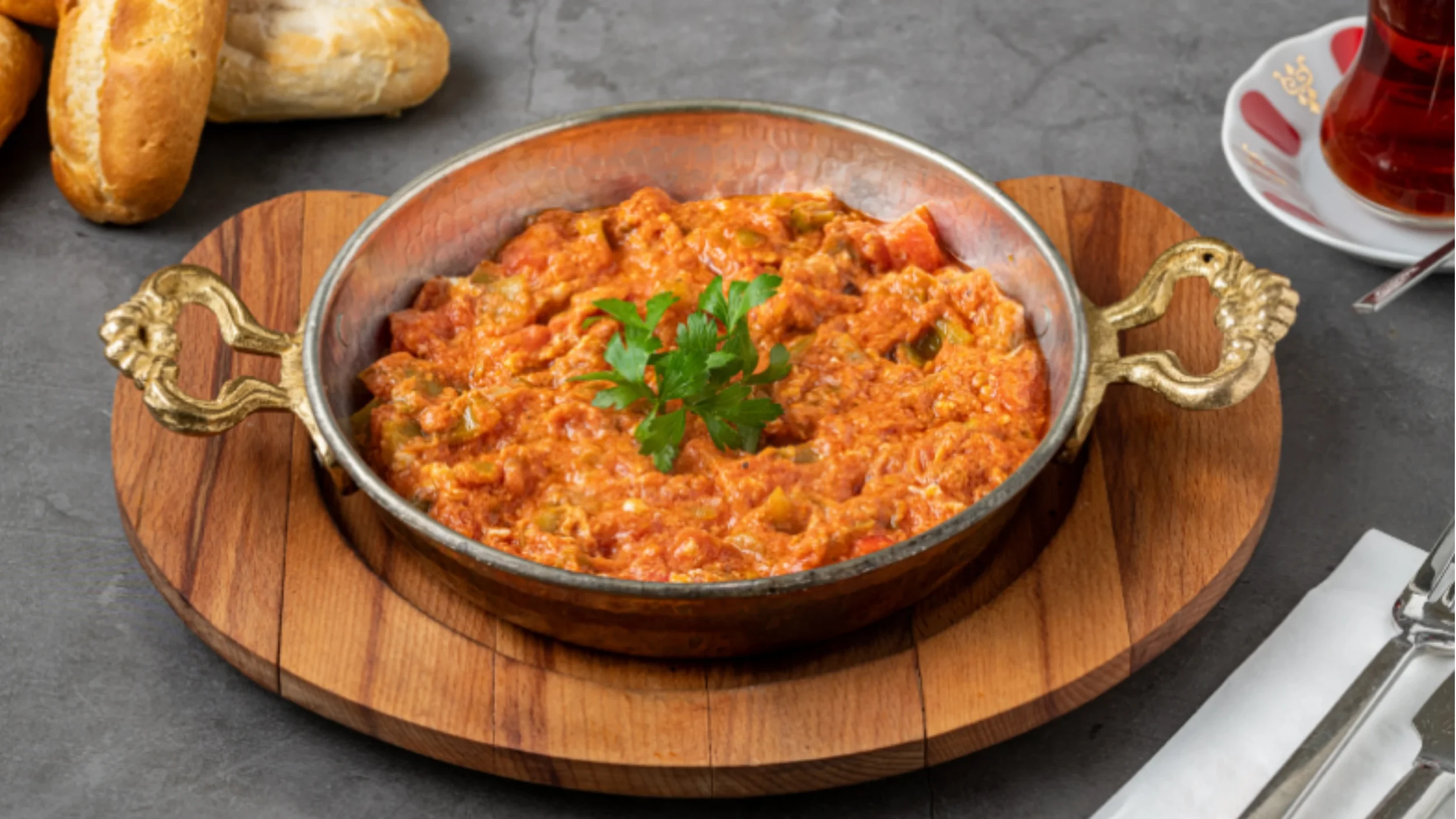
Menemen is Turkey's beloved scrambled egg dish: eggs cooked soft with tomatoes, green peppers, and olive oil, served directly in the pan with thick, crusty bread for dipping. It's warming, simple, and deeply satisfying — especially on a cold morning in Istanbul.
Some versions include crumbled white cheese or sucuk (Turkish sausage). Order it at any Turkish kahvaltı (breakfast) spot. The debate between "with onions" and "without onions" is a national controversy in Turkey that Turks take very seriously.
Best enjoyed: At a traditional breakfast house (kahvaltıcı) in Istanbul's Karaköy or Cihangir neighborhoods.
4. Lahmacun: Turkish Street Food Classic
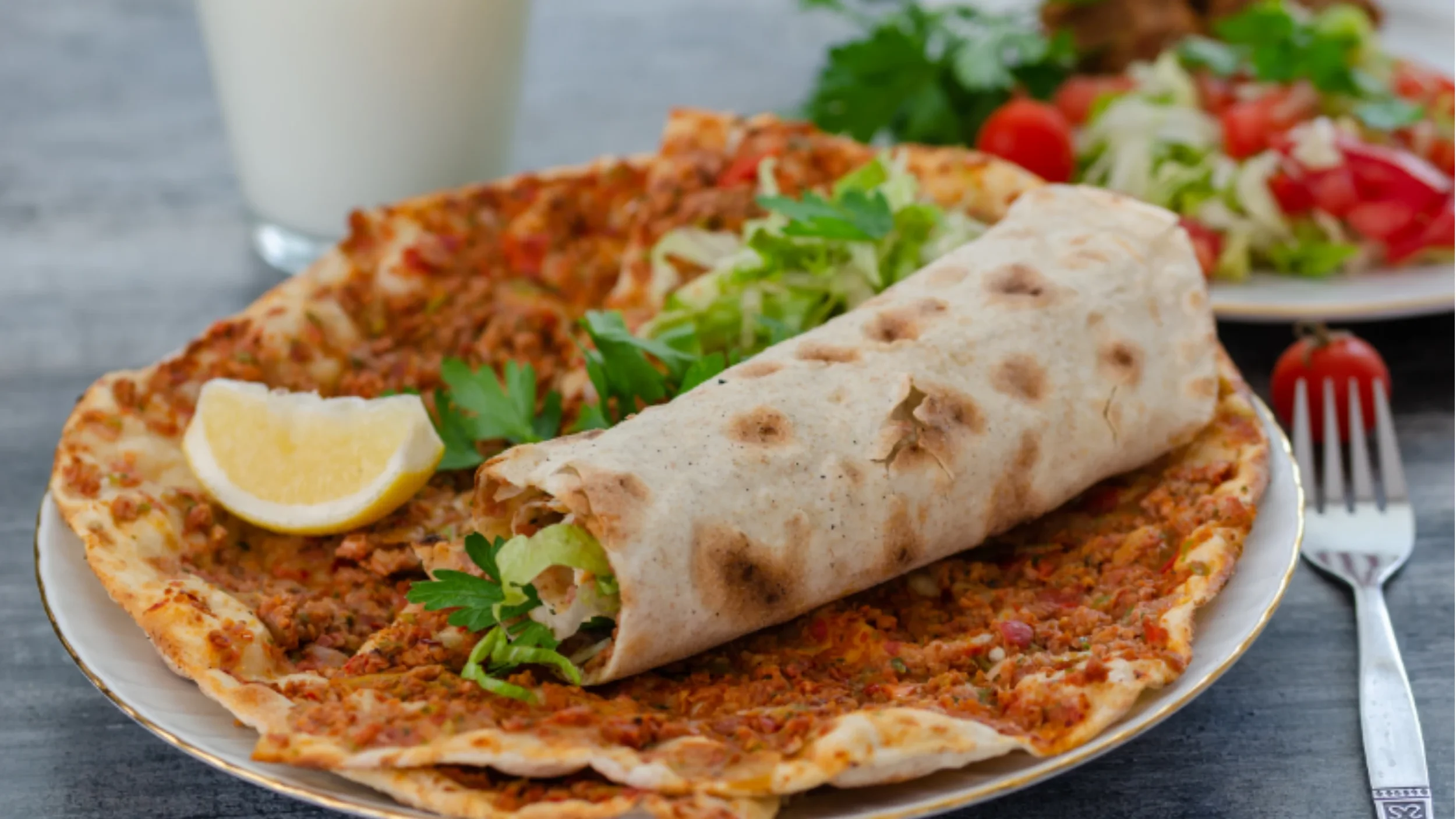
Often called "Turkish pizza," lahmacun is a thin, crispy flatbread topped with a finely minced mixture of lamb or beef, tomatoes, onions, garlic, and spices, then baked in a wood-fired oven.
The traditional way to eat it: squeeze fresh lemon juice over the top, add a handful of fresh parsley and sliced onions, roll it up, and eat it like a wrap. It's one of the best cheap eats in Turkey; you'll often find lahmacun stalls near busy markets or bazaars.
Cost: Usually 70–100 Turkish lira (under $3 USD) per piece.
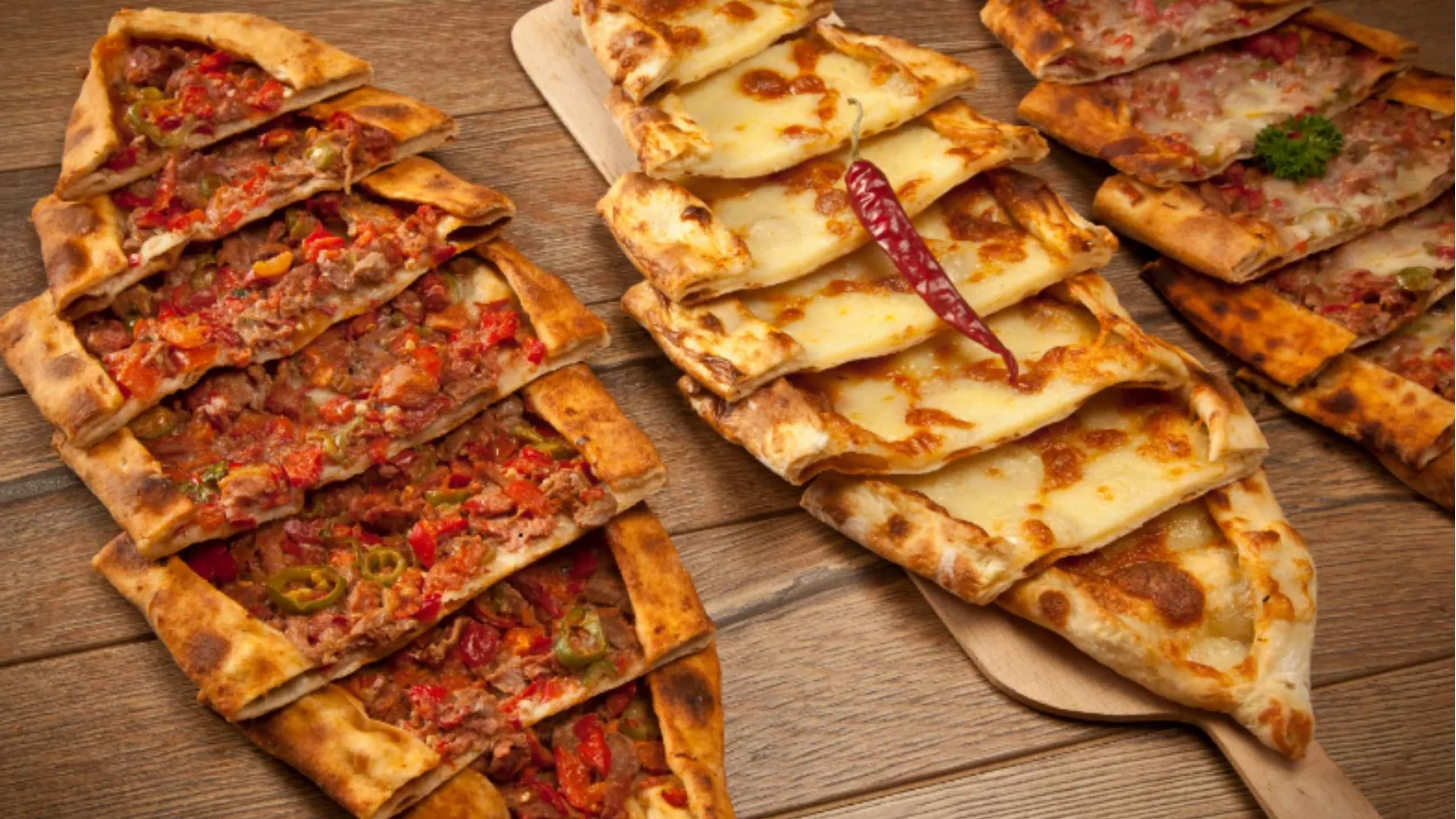
5. Pide: Turkish Flatbread You'll Crave Forever
Pide is a boat-shaped flatbread baked in a stone or wood-fired oven. The dough is soft and slightly charred at the edges, folded up along the sides to hold the toppings. Popular fillings include:
Kaşarlı (melted yellow cheese)
Kıymalı (spiced ground meat)
Sucuklu (Turkish sausage)
Yumurtalı (egg cracked into the center)
Pide is often confused with pizza, but the dough, technique, and flavor are entirely different. Seek out a pideci (pide restaurant) rather than a pizza place to get the real thing.
6. Mantı: Turkish Dumplings Worth the Wait
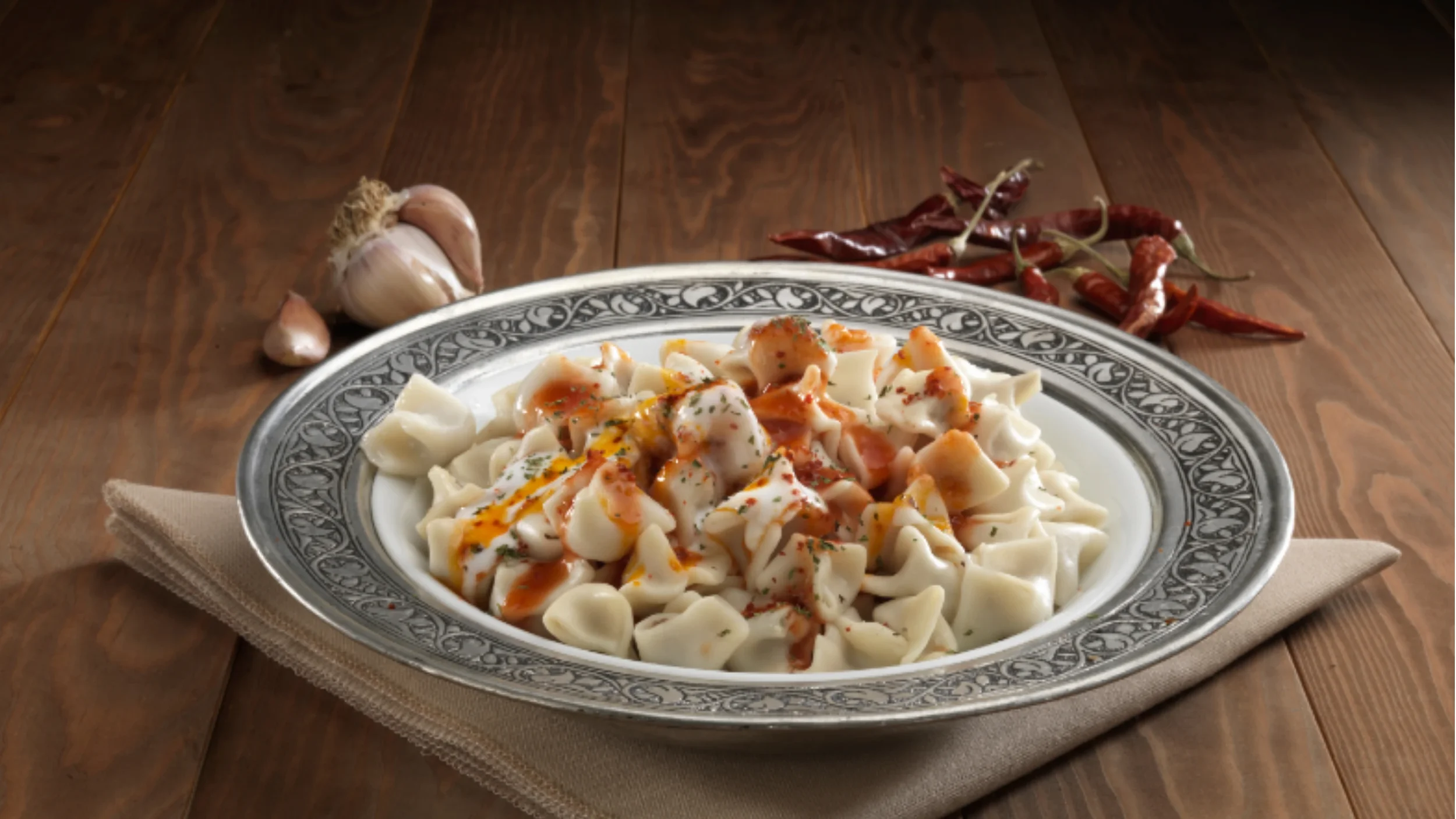
Mantı are tiny dumplings stuffed with spiced minced lamb or beef, similar to Italian ravioli but much smaller — traditional homemade mantı are no bigger than a fingernail. They're served with a generous pour of garlic yogurt and drizzled with butter infused with dried mint and red pepper flakes.
Making mantı by hand is an art form in Turkey, and good ones take hours to prepare. The city of Kayseri is considered the mantı capital of Turkey. If you see "Kayseri mantısı" on a menu, order it immediately.
7. Dolma & Sarma: Stuffed Everything
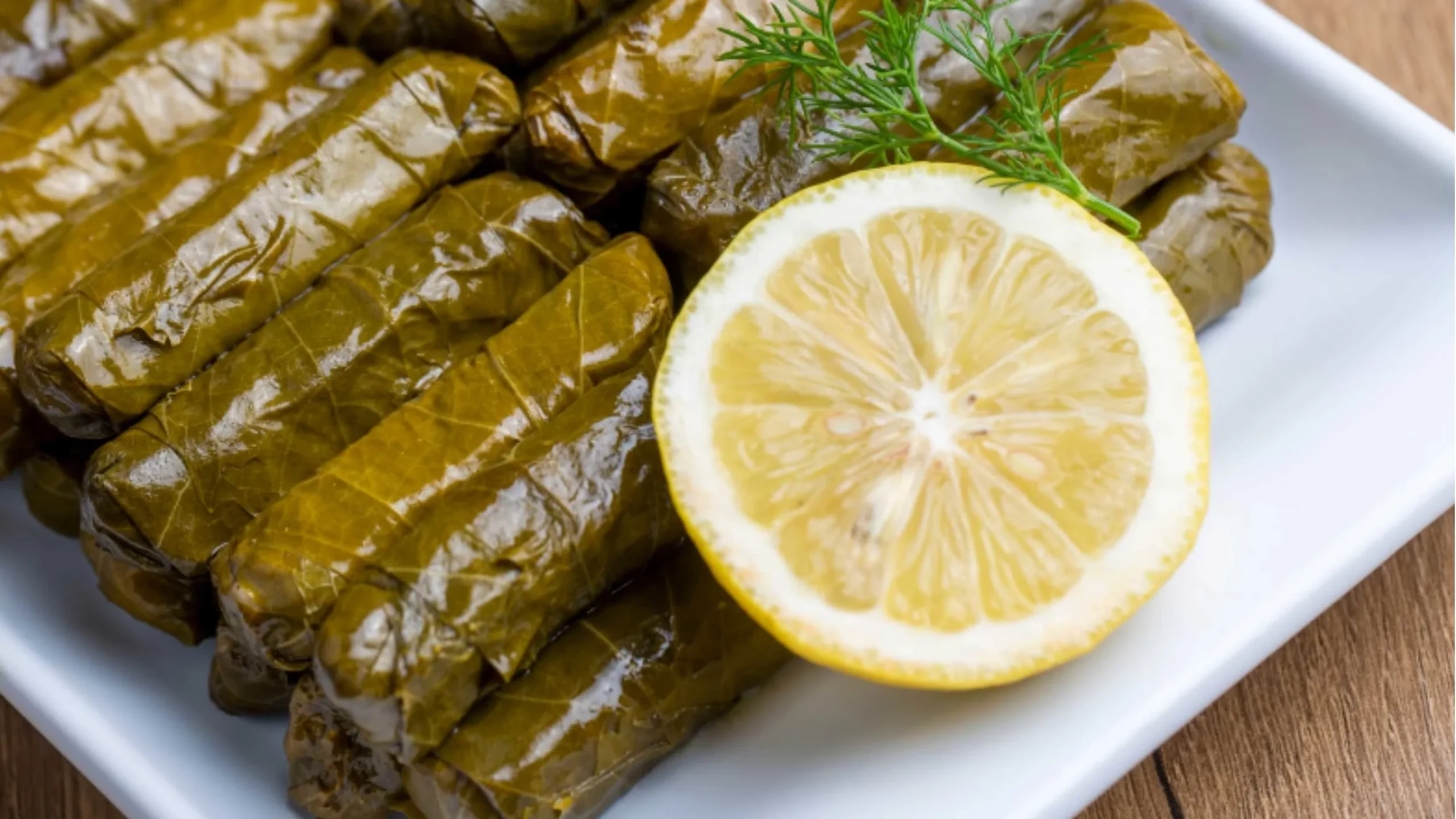
In Turkish cuisine, dolma refers to stuffed vegetables (peppers, zucchini, tomatoes, eggplant), while sarma refers to stuffed and rolled leaves (grape, cabbage, or chard). Both are filled with a mixture of rice, pine nuts, currants, herbs, and sometimes minced meat.
The vegetarian version made with olive oil and served cold is called "zeytinyağlı" and is particularly popular during spring. Turkish grandmothers are legendary for their dolma; the skill is passed down as a point of family pride.
8. Çorba (Soup): A Meal in Itself
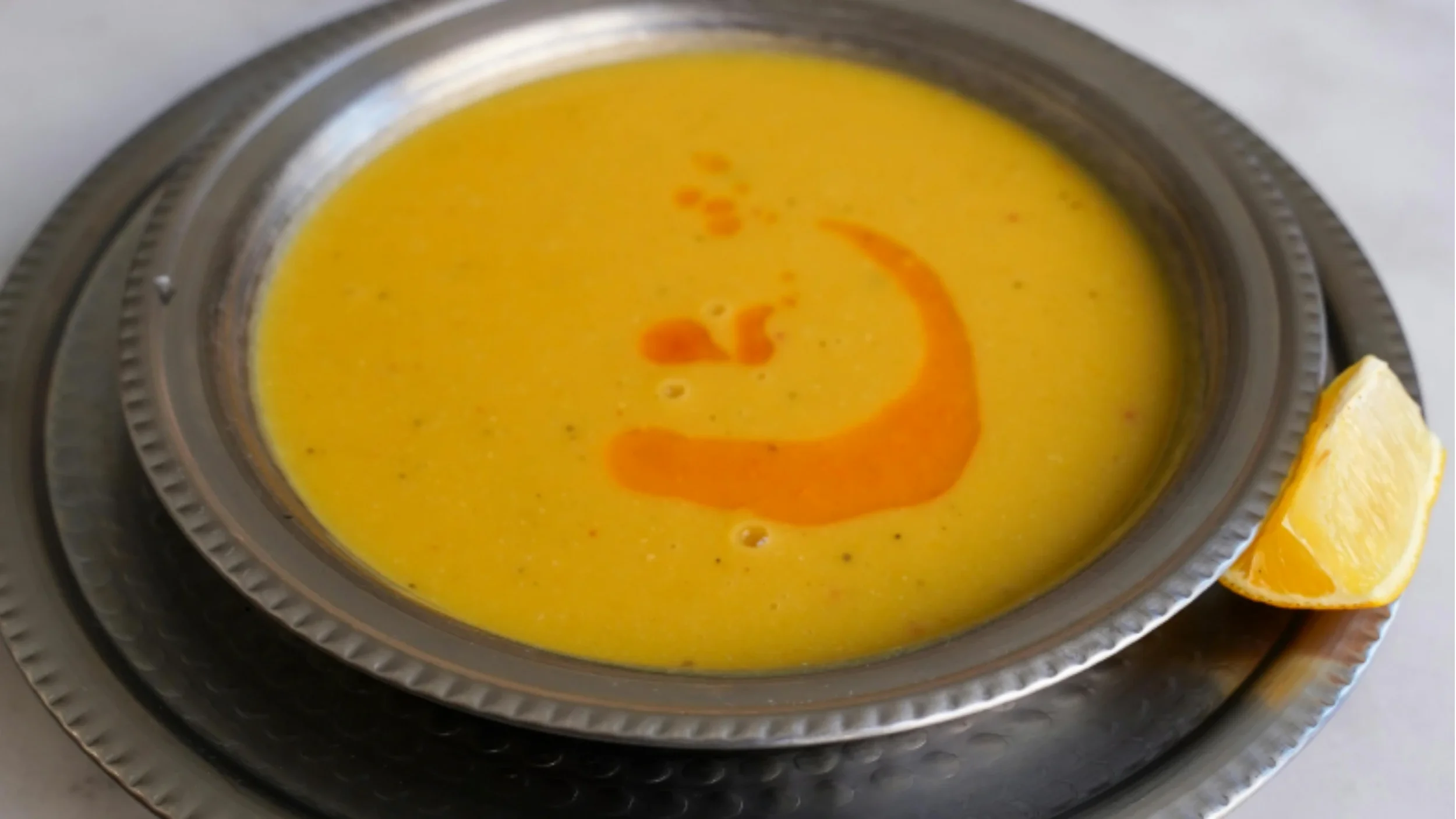
Turkish soup culture runs deep. Soup isn't just a starter; it's a full meal, a late-night remedy after a long night out, and a staple comfort food. The most beloved varieties:
Mercimek çorbası: red lentil soup with cumin and a squeeze of lemon (Turkey's most popular soup)
Ezogelin çorbası: red lentil, bulgur, and tomato
İşkembe çorbası: tripe soup, traditionally eaten in the early hours of the morning
Toyga çorbası: yogurt-based soup with chickpeas and mint
Look for a çorbacı, a restaurant that specializes exclusively in soup, for the best versions.
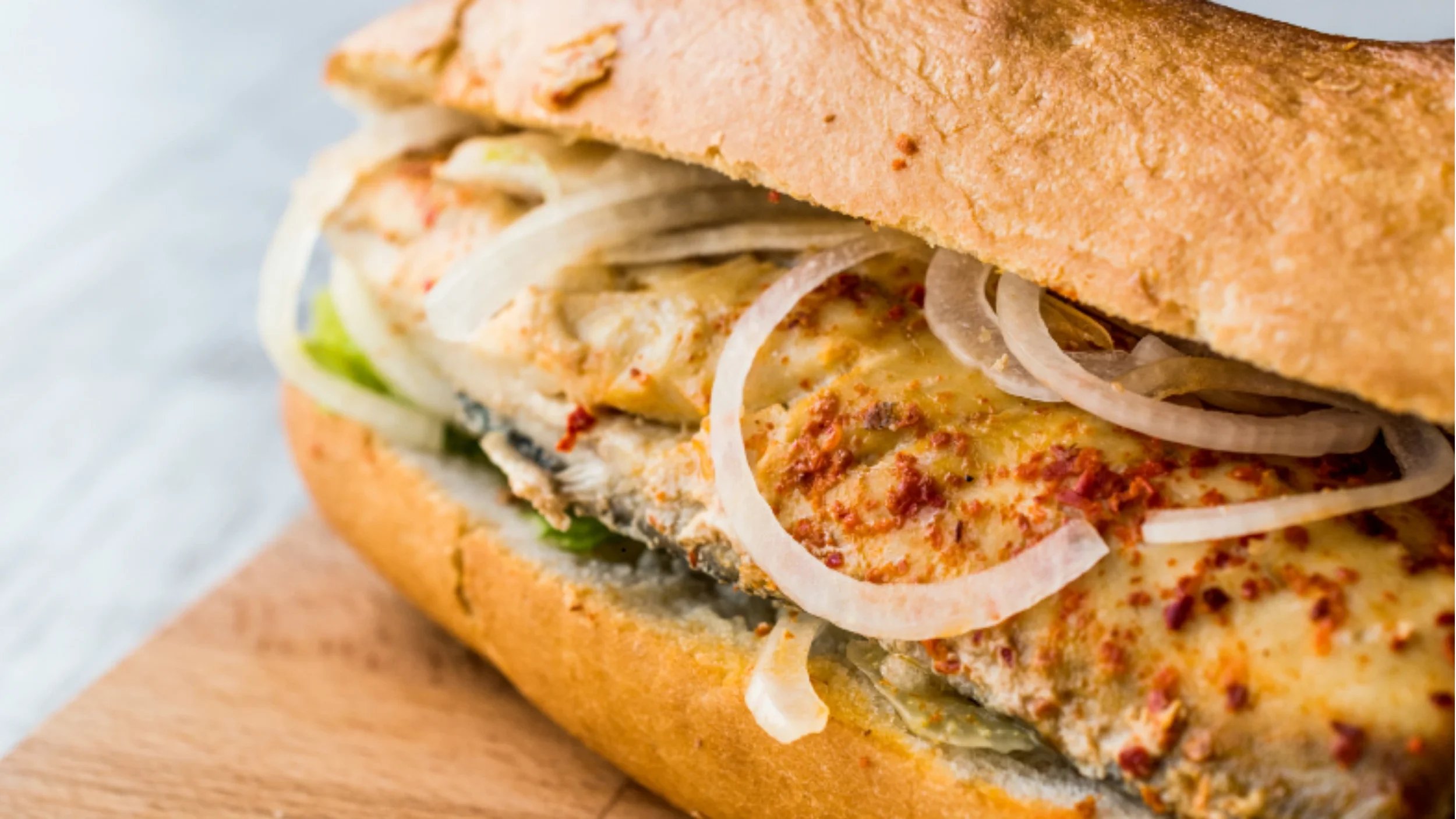
9. Balık Ekmek: Istanbul's Iconic Fish Sandwich
Balık ekmek (literally "fish bread") is one of Istanbul's most beloved street foods: a grilled or fried fish fillet tucked inside a half-loaf of crusty bread with onions, lettuce, and a squeeze of lemon. Simple, fresh, and utterly satisfying.
The most famous spot is under and around the Galata Bridge in Eminönü, where vendors have been grilling fish on moored boats for decades. Pair it with a glass of şalgam (fermented turnip juice) or ayran for the full experience.
Price: Around 80–120 Turkish lira ($2–3 USD) per sandwich.
10. Midye Dolma: Stuffed Mussels on the Street
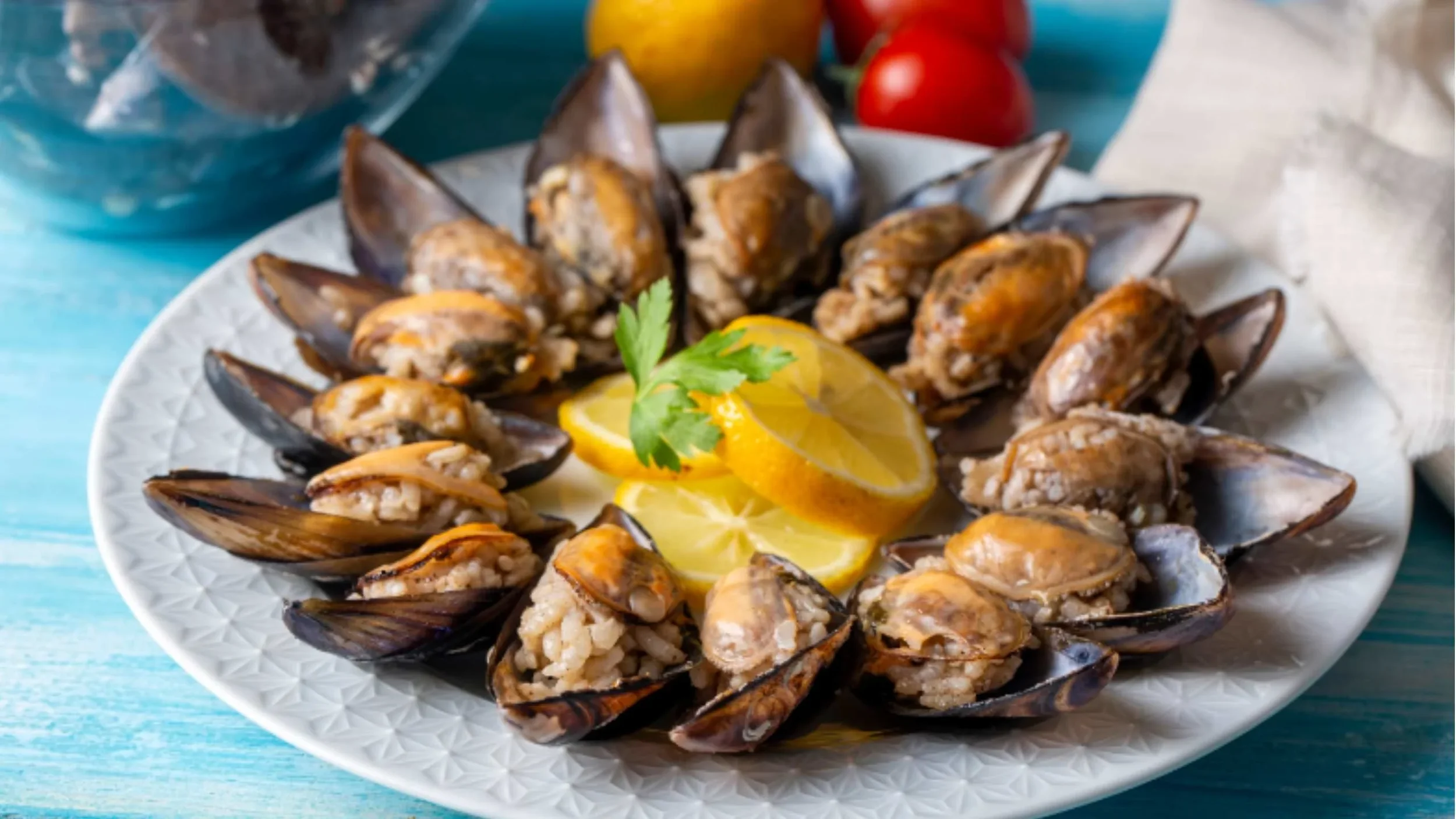
Midye dolma are mussels stuffed with spiced rice, currants, and pine nuts, served on the half shell with a squeeze of lemon. They're sold from carts and trays across Istanbul and Izmir, particularly in busy nightlife areas.
The unspoken rule: if one mussel is good, you keep eating. The vendor adds up how many shells are in your pile and charges accordingly, usually around 10–20 lira each. It's an experience as much as a snack.
Where to find them: İstiklal Avenue, Beşiktaş, and the waterfront in Izmir.
11. Kumpir: The Loaded Baked Potato
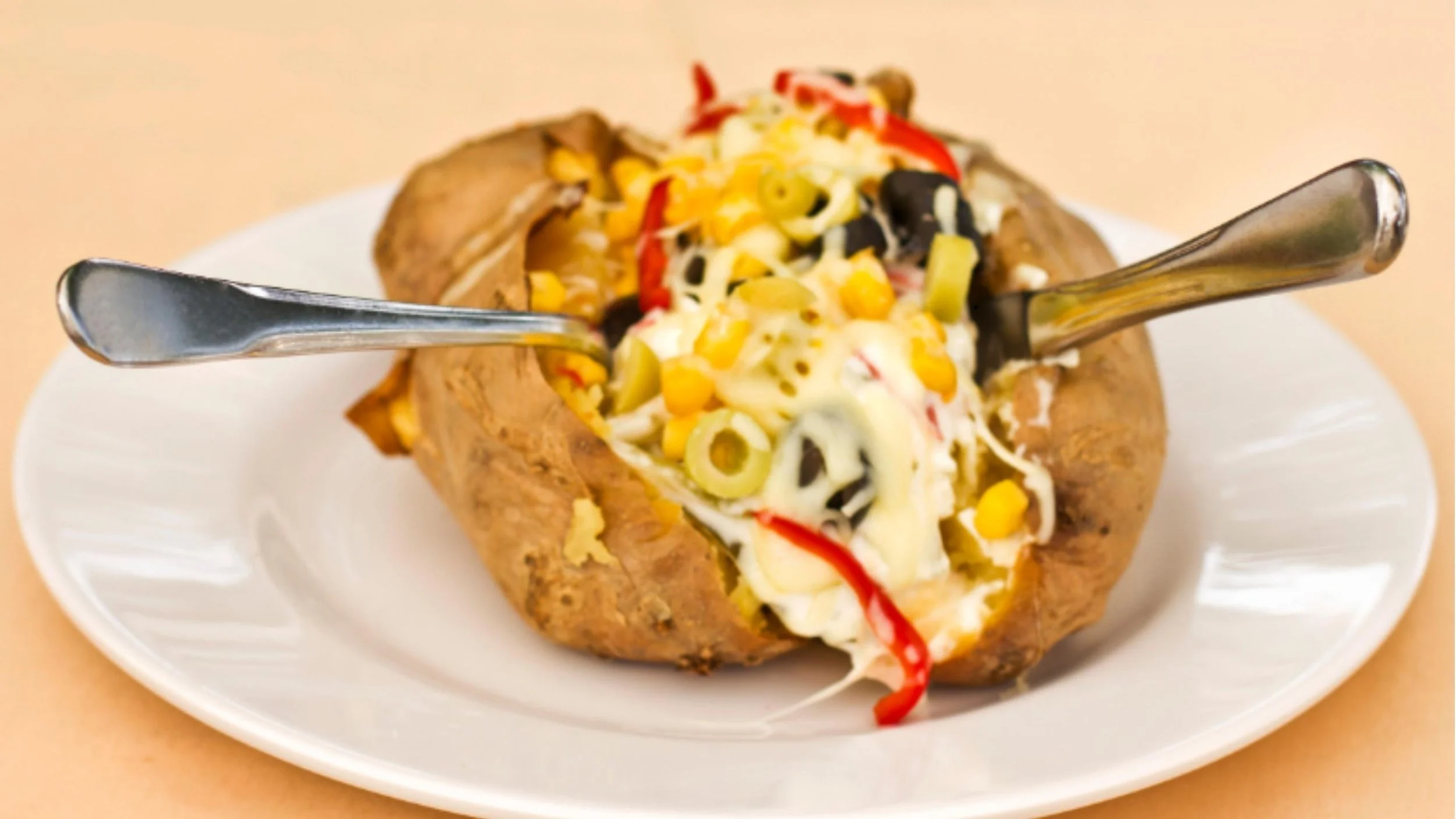
Kumpir takes a baked potato and transforms it into something extraordinary. The potato is split open, mixed with butter and cheese until creamy, then piled high with your choice of toppings: olives, corn, pickles, coleslaw, sautéed mushrooms, Russian salad, and more.
Ortaköy, a charming waterfront neighborhood in Istanbul, is the undisputed kumpir capital of Turkey. On weekends, the narrow street leading to the Bosphorus waterfront is lined with kumpir vendors, the line is worth it.
12. Gözleme: Fresh Flatbread from the Griddle
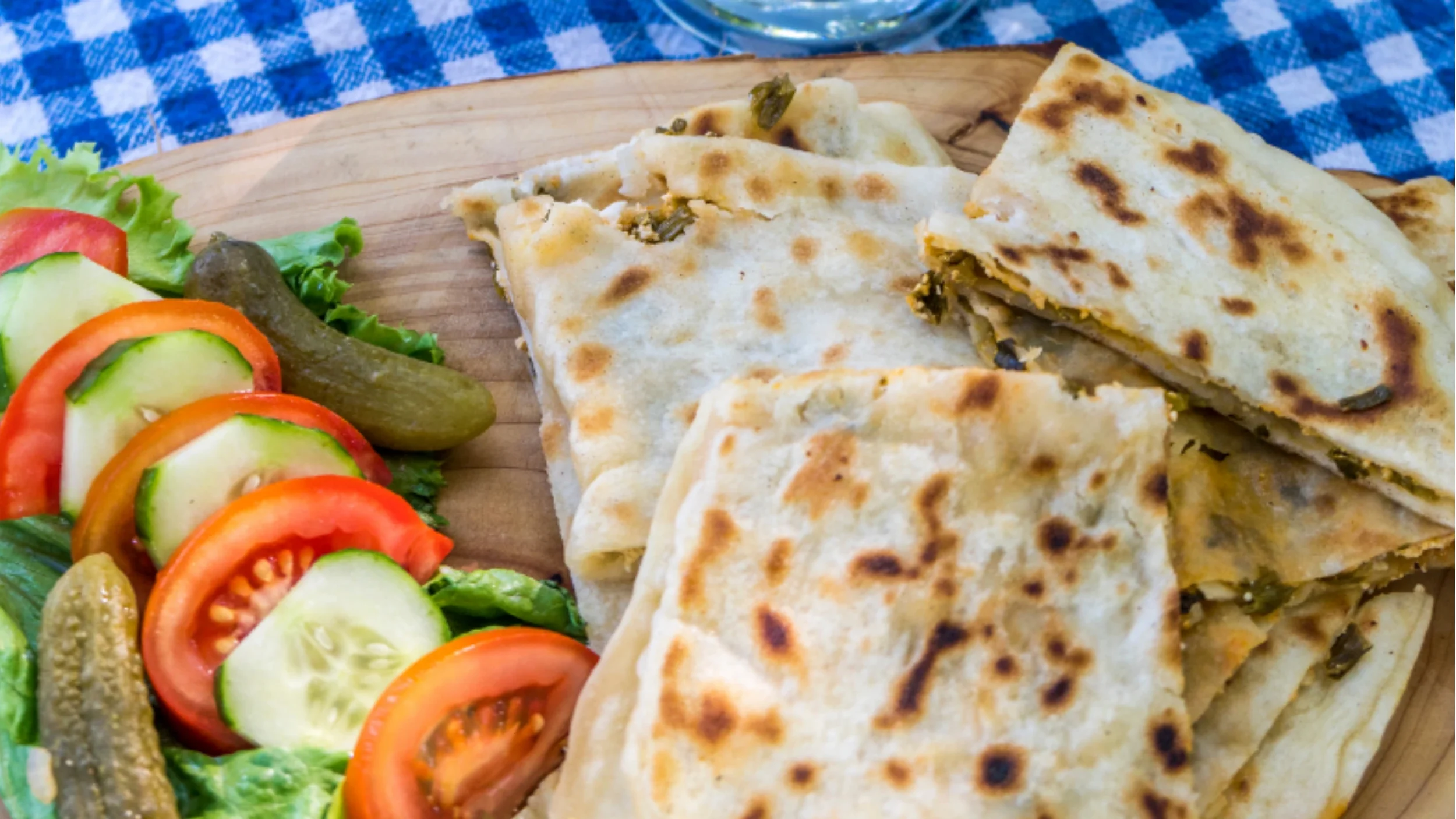
Gözleme is a thin, unleavened flatbread folded around savory fillings and cooked on a large circular griddle (sac). Common fillings include:
Spinach and white cheese (the classic)
Potato and cheese
Minced meat and onions
Mixed herbs
In rural areas and at village markets, you'll often see older women rolling the dough by hand and cooking it fresh. Gözleme is particularly beloved as a breakfast or snack. It's also a great vegetarian-friendly option.
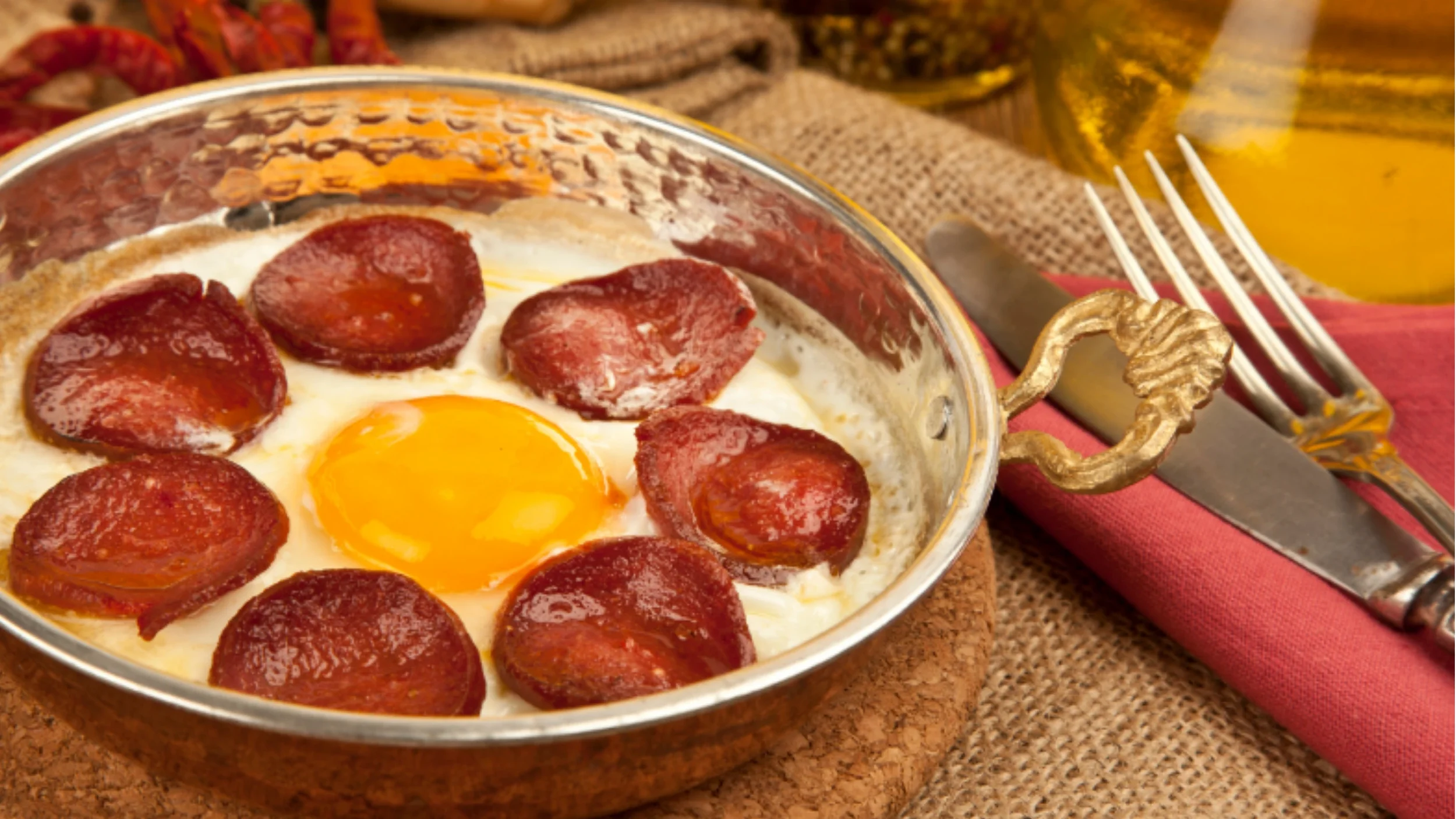
13. Sucuklu Yumurta: Eggs with Turkish Sausage
Sucuk is a dried, spiced Turkish beef sausage seasoned with garlic, cumin, and red pepper. When fried in a pan, it releases deep red-orange oils that flavor everything it touches. Sucuklu yumurta, sucuk with fried eggs, is one of the centerpieces of a Turkish breakfast spread.
You'll find it in almost every Turkish breakfast restaurant. Look for sucuk also in börek, pide, and sandwiches throughout the country.
14. Börek: Flaky Pastry, Endless Varieties
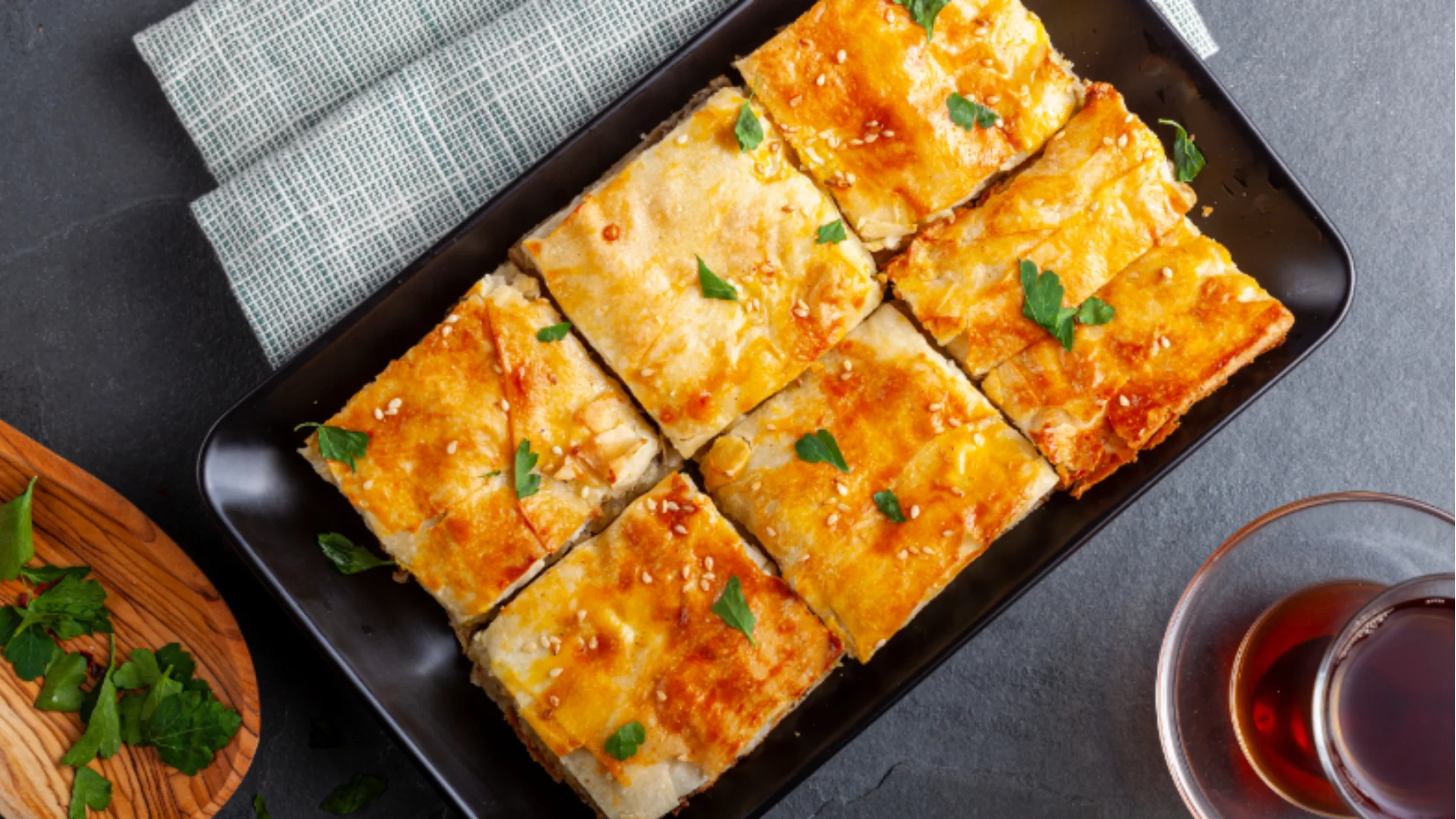
Börek is a family of savory pastries made from thin yufka dough (similar to phyllo), filled and baked or fried until crisp and golden. Every region of Turkey has its own börek tradition:
Su böreği: layered like lasagna with white cheese and parsley, boiled then baked
Sigara böreği: cigar-shaped rolls stuffed with cheese or meat, fried until crispy
Ispanaklı börek: spinach and white cheese filling
Kol böreği: rolled into a large spiral and baked
Börek pairs perfectly with Turkish tea. Find the best versions at a börekçi (börek shop) in the morning when everything is fresh from the oven.
15. Köfte: Turkish Meatballs Done Right
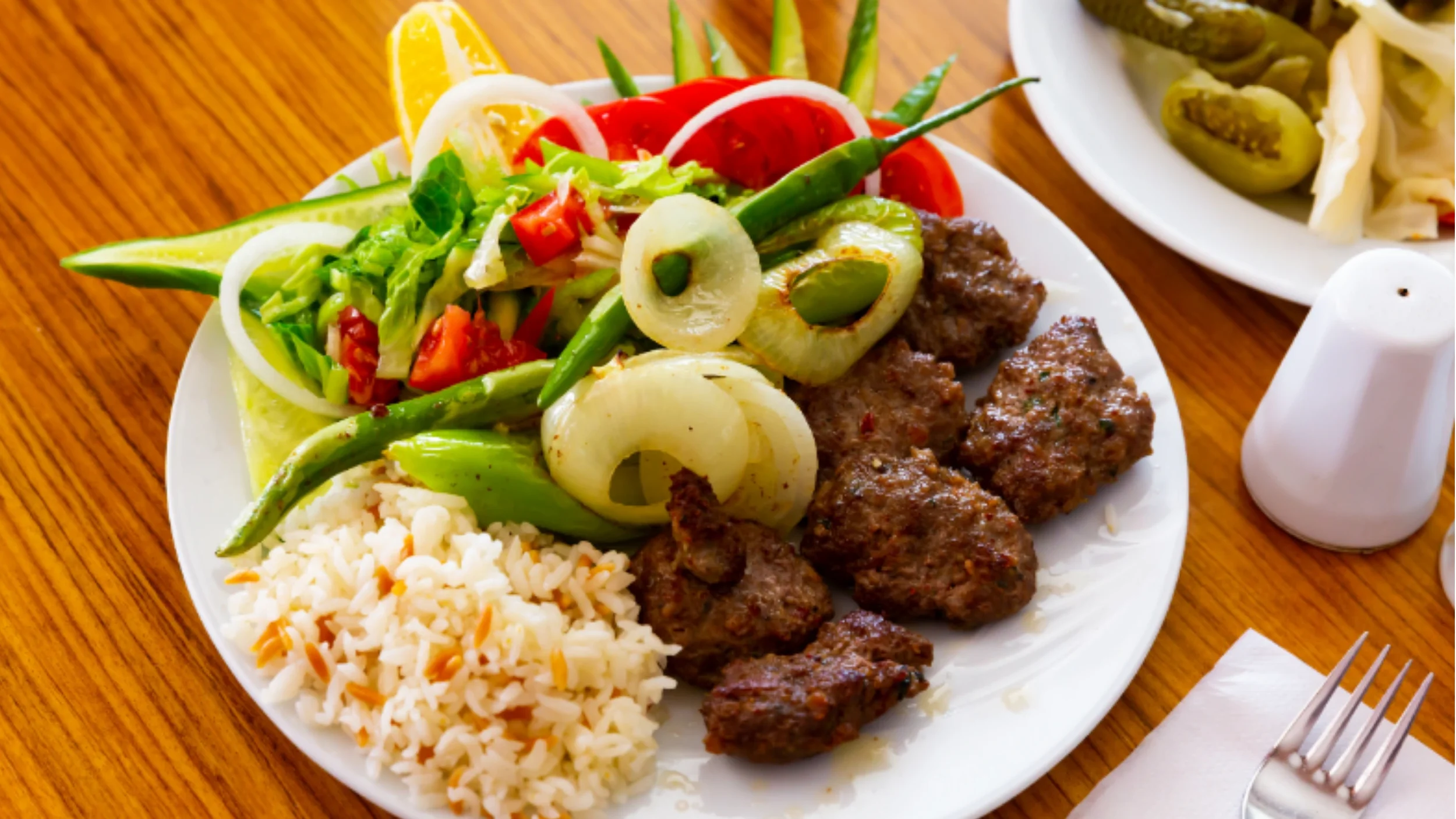
Köfte are seasoned ground meat patties or balls, grilled, fried, or simmered, depending on the regional style. Each city has its signature version:
İnegöl köfte: mild, compact cylinders without onion
Tekirdağ köfte: slightly spicier with a looser texture
İzmir köfte: cooked in tomato sauce with potatoes
Kadınbudu köfte: "lady's thigh" köfte, larger and pan-fried with rice mixed in
Köfte is served with bread, rice, roasted peppers, and a simple salad. It's one of the most universally loved foods in Turkish cuisine.
16. Baklava: The King of Turkish Desserts
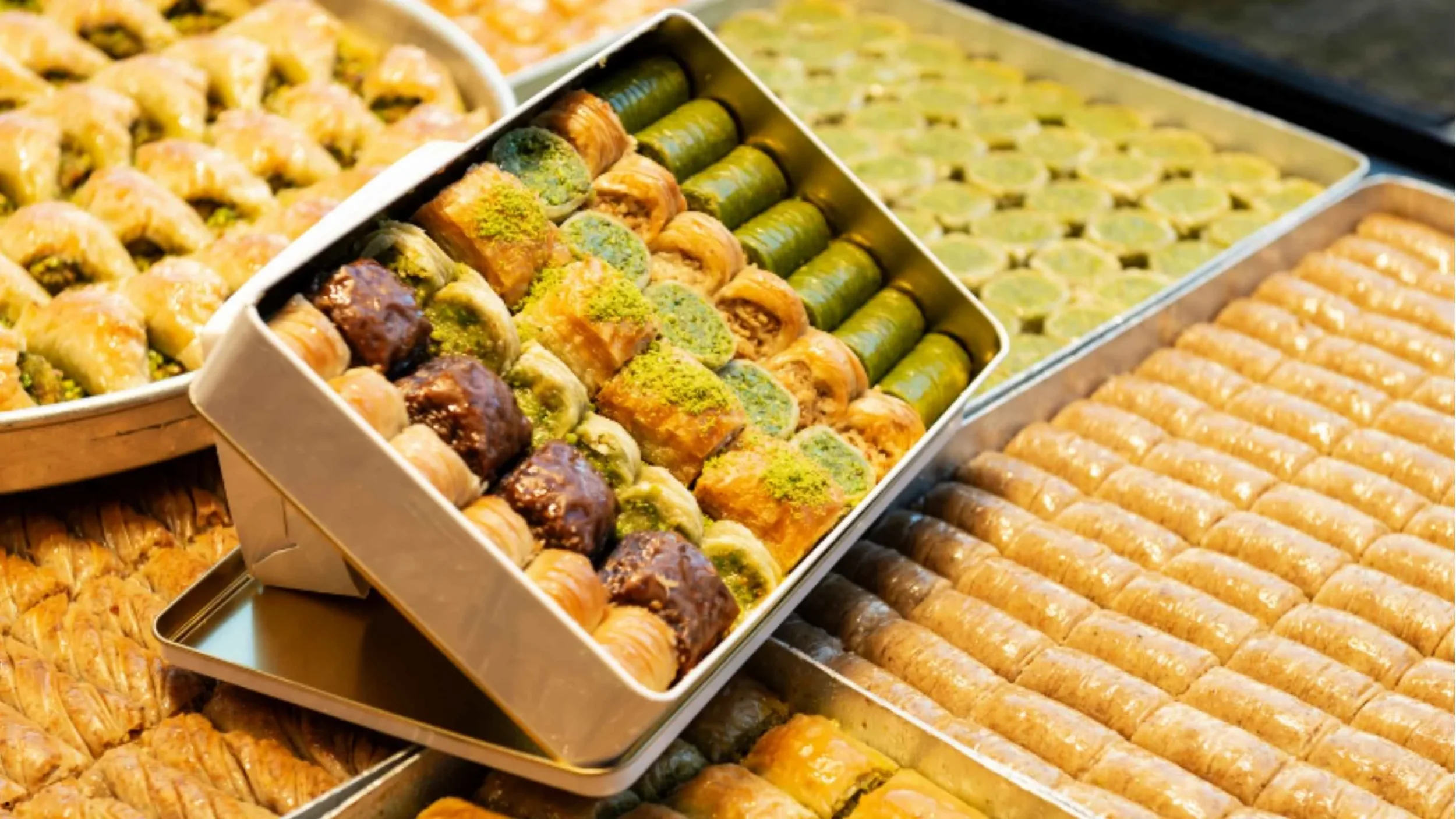
Baklava needs no introduction, but Turkey's version will likely ruin all other versions for you. Dozens of paper-thin layers of filo pastry are filled with ground pistachios (or walnuts), soaked in a light sugar syrup, and cut into diamonds or squares.
Gaziantep is Turkey's baklava capital, and the city's pistachio baklava has Protected Geographical Indication status in the EU. The difference between Gaziantep baklava and everything else is striking: less sweet, more nutty, unbelievably delicate.
Look for reputable brands like Güllüoğlu or Karaköy Güllüoğlu in Istanbul.
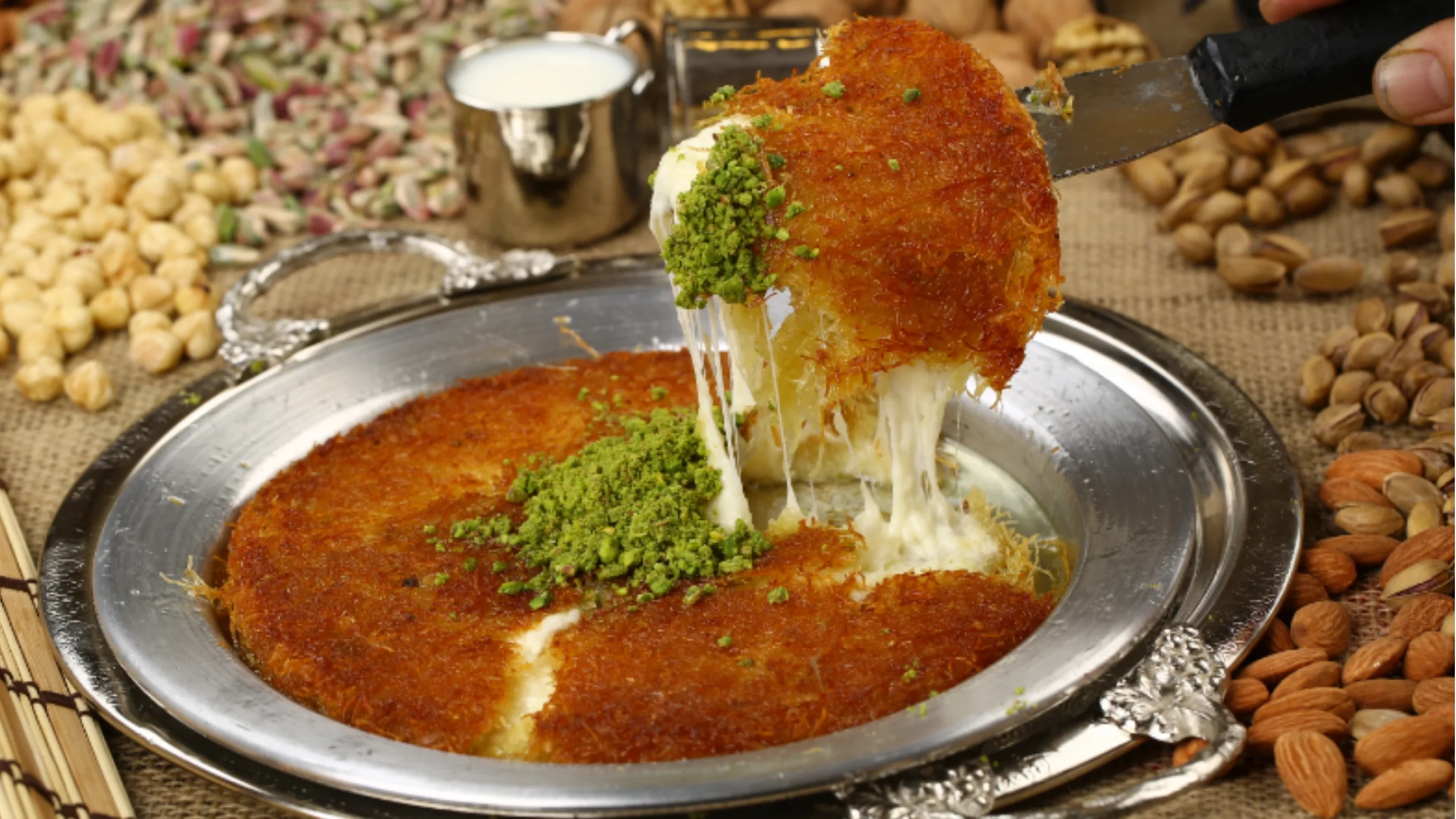
17. Künefe: Warm Cheese Dessert with Syrup
Künefe is a dessert that surprises most first-timers: it's made with shredded wheat pastry (kadayıf) layered with soft, unsalted cheese, baked until golden and crispy on the outside, then drenched in syrup and topped with crushed pistachios. It's served warm, and the contrast of crispy pastry, melted cheese, sweet syrup, and salty undertones is extraordinary.
Künefe is particularly popular in Hatay (Antakya) and the Aegean coast. If you order it, eat it immediately; it doesn't travel well.
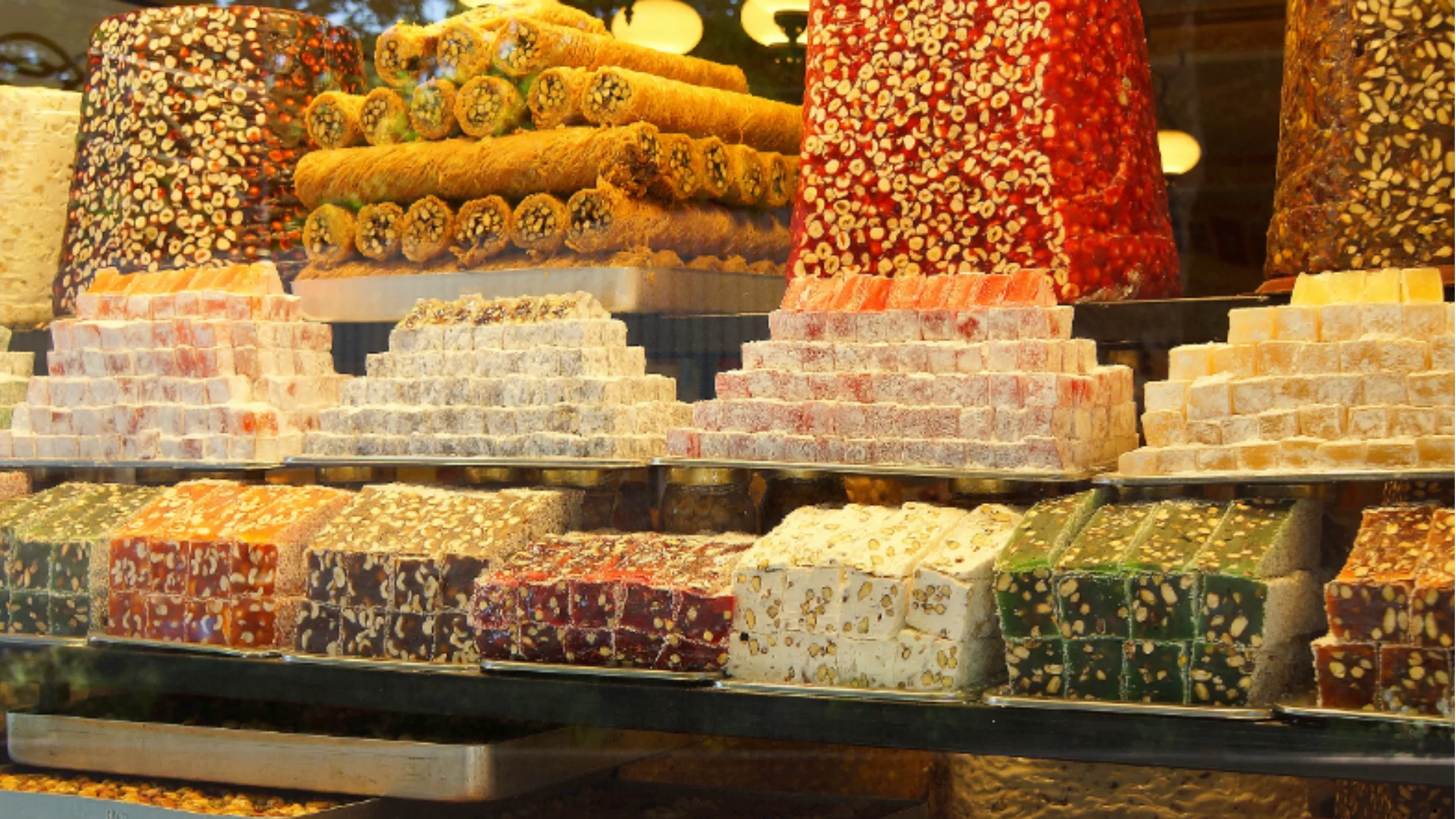
18. Lokum: Turkish Delight (the Real Thing)
Turkish delight bears little resemblance to the packaged varieties sold as souvenirs in airport shops. The real thing, lokum, is made fresh with starch, sugar, and natural flavorings: rose water, lemon, pomegranate, mastic, or pistachio.
Istanbul's most famous lokum shop, Hacı Bekir (founded in 1777), is still operating in Karaköy. It's worth visiting even just to see the traditional display. Lokum also makes an excellent gift, look for varieties with whole pistachios or dusted in powdered sugar.
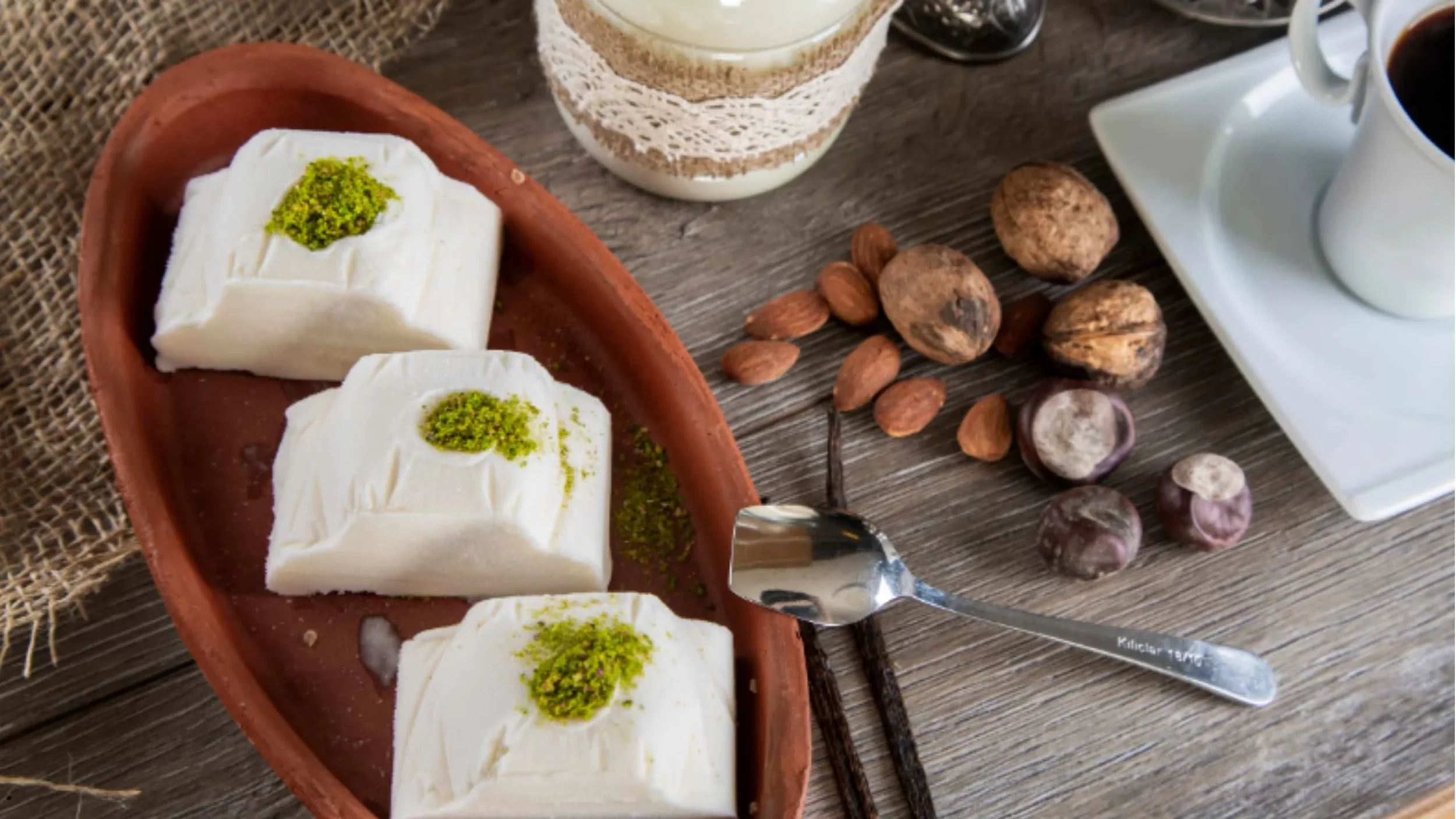
19. Dondurma: Stretchy Turkish Ice Cream
Turkish ice cream (dondurma) is made with salep, a flour made from wild orchid tubers, which gives it an extraordinarily thick, stretchy, chewy texture. It doesn't melt quickly and can be stretched like taffy.
Ice cream vendors (dondurma satıcısı) are famous for performing tricks: spinning, swapping cones, pretending to hand it over and pulling it back, teasing customers before finally delivering the scoop. It's part performance, part dessert.
Popular flavors include mastic (damla sakızı), rose, and chocolate. Find it on İstiklal Avenue or at the famous Maraş region, where the tradition originated.
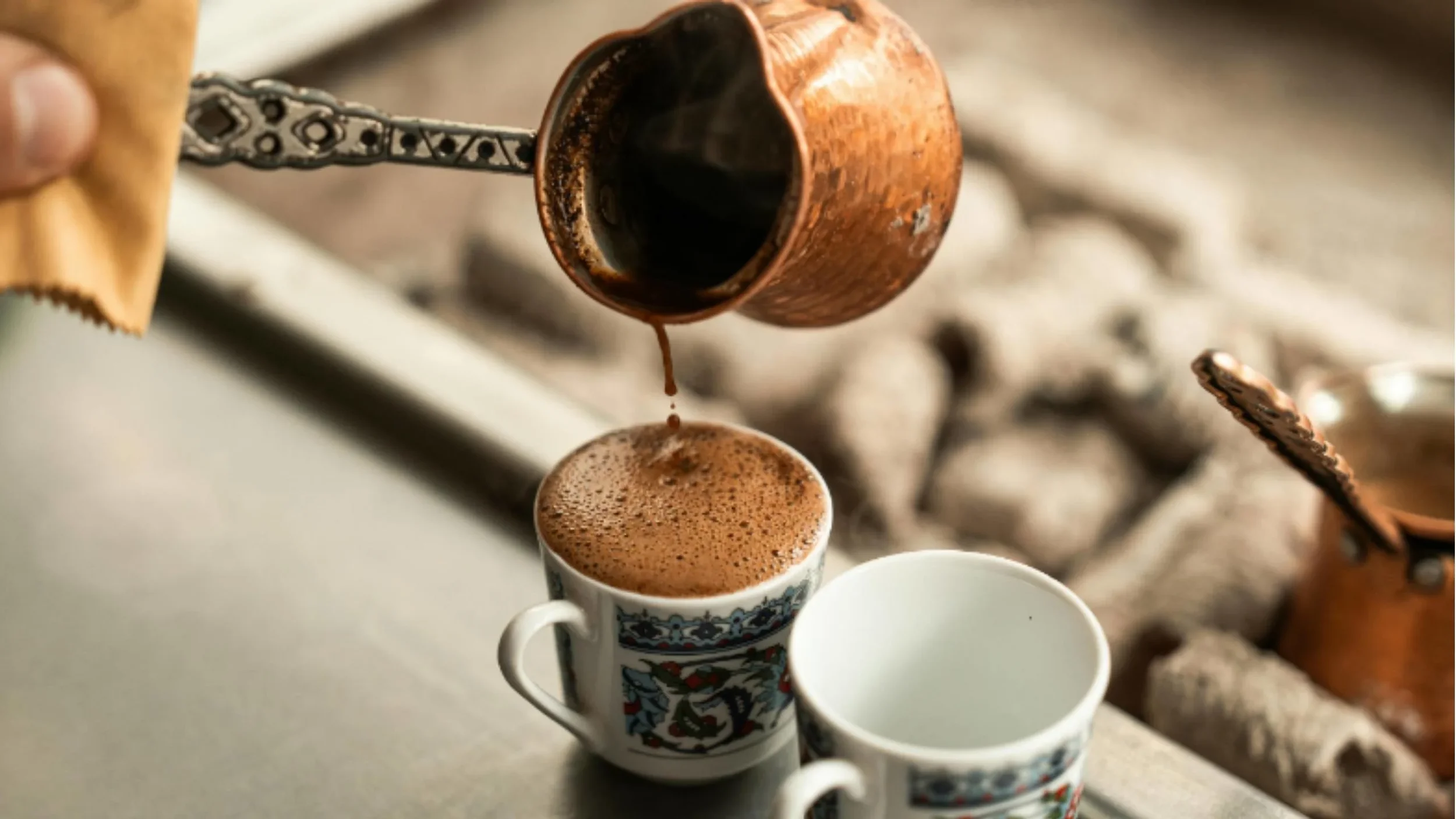
20. Turkish Tea & Turkish Coffee: Essential to Every Visit
No meal in Turkey ends without one of these two:
Turkish Tea (çay): Served in small tulip-shaped glasses, strong, and always black (never with milk). Turkey is one of the world's largest tea consumers. You'll be offered tea everywhere, in shops, at bazaars, in homes. It's an act of hospitality.
Turkish Coffee (Türk kahvesi): Finely ground coffee simmered in a small copper pot (cezve) and served in a small cup with the grounds still at the bottom. Wait for the grounds to settle before drinking. Turkish coffee is thick, rich, and unfiltered. It's also traditionally used for fortune telling, the cup is turned upside down, the grounds are read, and your future is revealed.
Practical Tips for Eating in Turkey
Breakfast is a big deal. Turkish kahvaltı (breakfast) is a spread of cheeses, olives, eggs, tomatoes, cucumbers, honey, clotted cream, jams, and bread. Budget at least an hour. In Istanbul, head to Karaköy, Van Kahvaltı Evi, or Çengelköy for exceptional spreads.
Street food is generally safe. Look for busy stalls with high turnover — fresh food, hot food.
Lunch is often the best-value meal. Many restaurants offer fixed-price lunch menus (öğle yemeği) that include soup, a main, and sometimes dessert for a fraction of dinner prices.
Vegetarians can eat very well. Zeytinyağlı dishes (olive oil preparations), lentil soups, gözleme, meze, and dolma offer plenty of meat-free options.
Learn a few words. "Lütfen" (please), "teşekkür ederim" (thank you), and "çok lezzetli" (very delicious) will make every dining experience warmer.
Planning Your Trip to Türkiye?
Turkish food is best experienced with a local guide who knows where to go. At Wayfind Trip, we build custom Turkey itineraries that include the best regional food experiences, from Gaziantep's baklava trail to Istanbul's street food neighborhoods.