
Hidden Istanbul: 10 Things to Do Beyond the Tourist Trail
Everyone knows the Hagia Sophia. Fewer people know about the Ottoman cistern with light installations tucked two blocks from it. Istanbul is one of those rare cities where the second layer, the neighborhoods, the ferries, the meyhanes, is often more rewarding than the top layer. This guide is for travelers who want to experience Istanbul the way residents do: slowly, curiously, and off the postcard.
Why You Should Go Beyond the Landmarks
Istanbul's most famous sites, the Hagia Sophia, the Blue Mosque, and the Grand Bazaar, are famous for good reason. But they're also crowded, rushed, and increasingly tourist-facing in a way that can feel distant from real city life. The Istanbul that locals actually inhabit sits in the backstreets of Balat, on the upper deck of the Bosphorus ferry, and in the late-night meyhanes of Arnavutköy.
These ten experiences won't replace the classics; they'll deepen them.
1. Wander the Backstreets of Balat and Fener
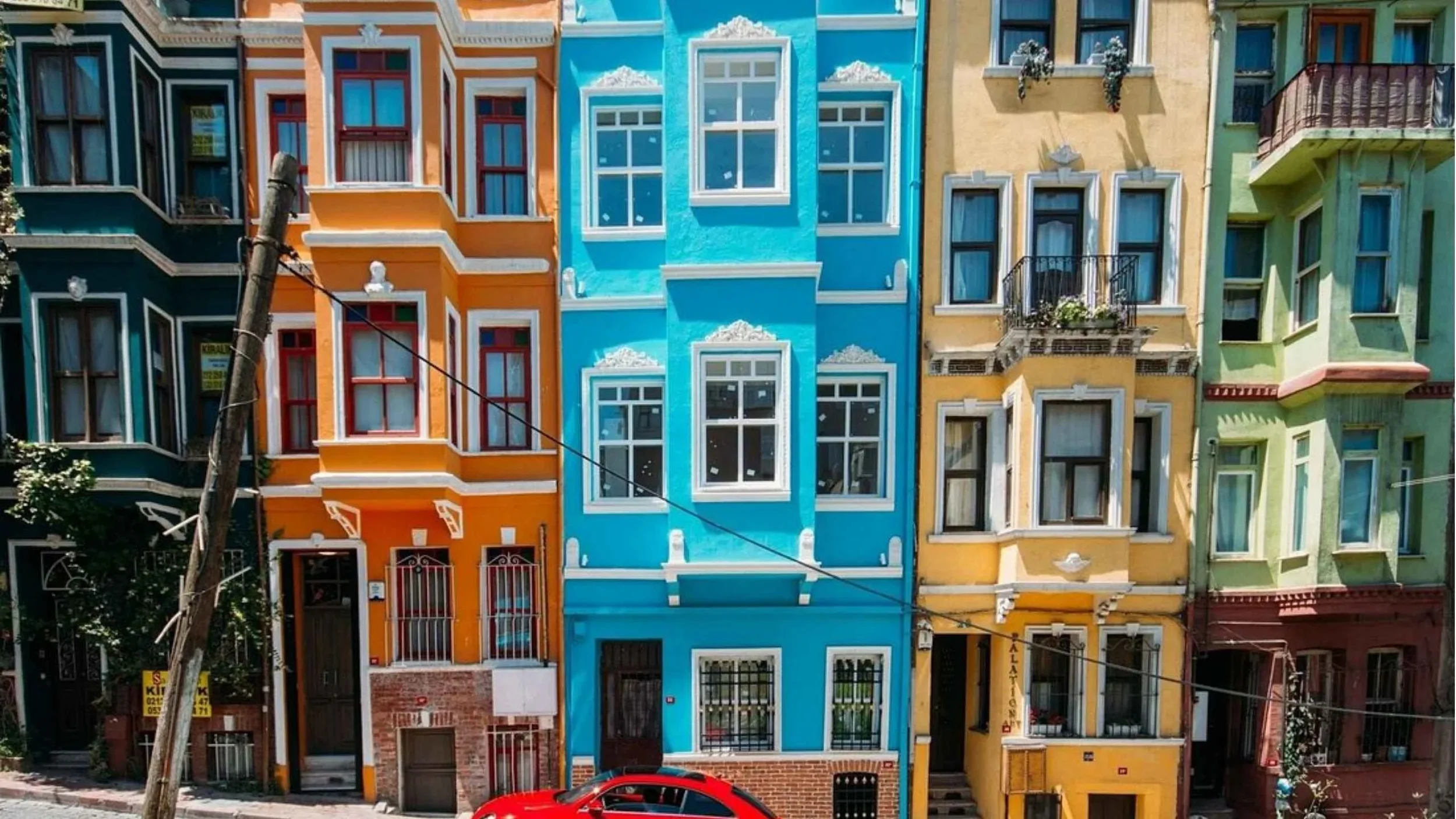
Balat and Fener are two of Istanbul's oldest and most visually striking neighborhoods, tucked along the southern shore of the Golden Horn on the European side. For centuries, they were home to Istanbul's Jewish, Greek, and Armenian communities, and you can still see the layering of these cultures in the architecture: Byzantine churches standing alongside Ottoman-era synagogues, pastel-painted wooden houses leaning over cobblestone streets.
Today, the area attracts artists, photographers, and slow travelers, but it hasn't been overrun yet. You'll find antique dealers who've been in the same shop for decades, tiny bakeries selling fresh simit and börek, and small Orthodox churches that are almost always unlocked and almost always empty.
What to look for: The Greek Orthodox Patriarchate (Fener), the Ahrida Synagogue (one of Istanbul's oldest), and the colorful staircases painted by residents.
How to get there: Take the tram to Eminönü and walk north along the Golden Horn, or take a taxi directly to Balat.
2. Sip Tea at Pierre Loti Hill, Eyüp
Eyüp is one of the most sacred neighborhoods in Istanbul, home to the tomb of Eyüp Sultan, a companion of the Prophet Muhammad, and a site of pilgrimage for Muslims from across the world. Most tourists who venture here stop at the mosque and leave. They're missing the best part.
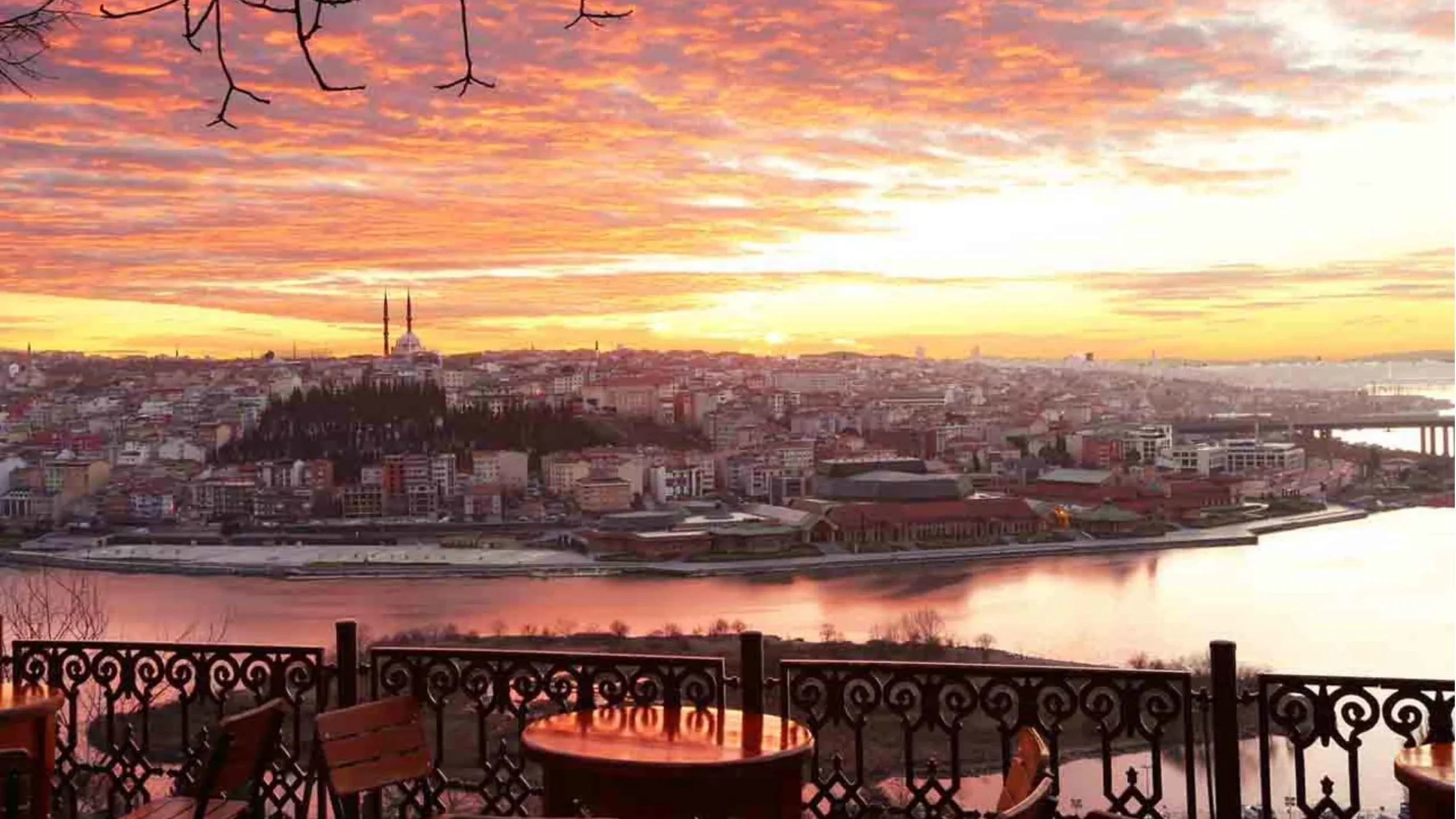
A cable car (teleferik) climbs from the street level up to Pierre Loti Hill, named after the French novelist who lived here in the late 19th century and wrote about his love of Istanbul and the Golden Horn. At the top, there's a café where you can sit with a glass of çay and watch the view unfold: the Golden Horn stretching toward the Bosphorus, minarets piercing the skyline, and the city glittering below.
The cemetery paths leading down the hill are lined with centuries-old Ottoman gravestones, moss-covered and leaning, shaded by cypress trees. It's hauntingly beautiful, especially at dusk.
Best time to visit: Late afternoon, to catch the sunset over the Golden Horn.
3. Explore Kadıköy's Street Art Scene
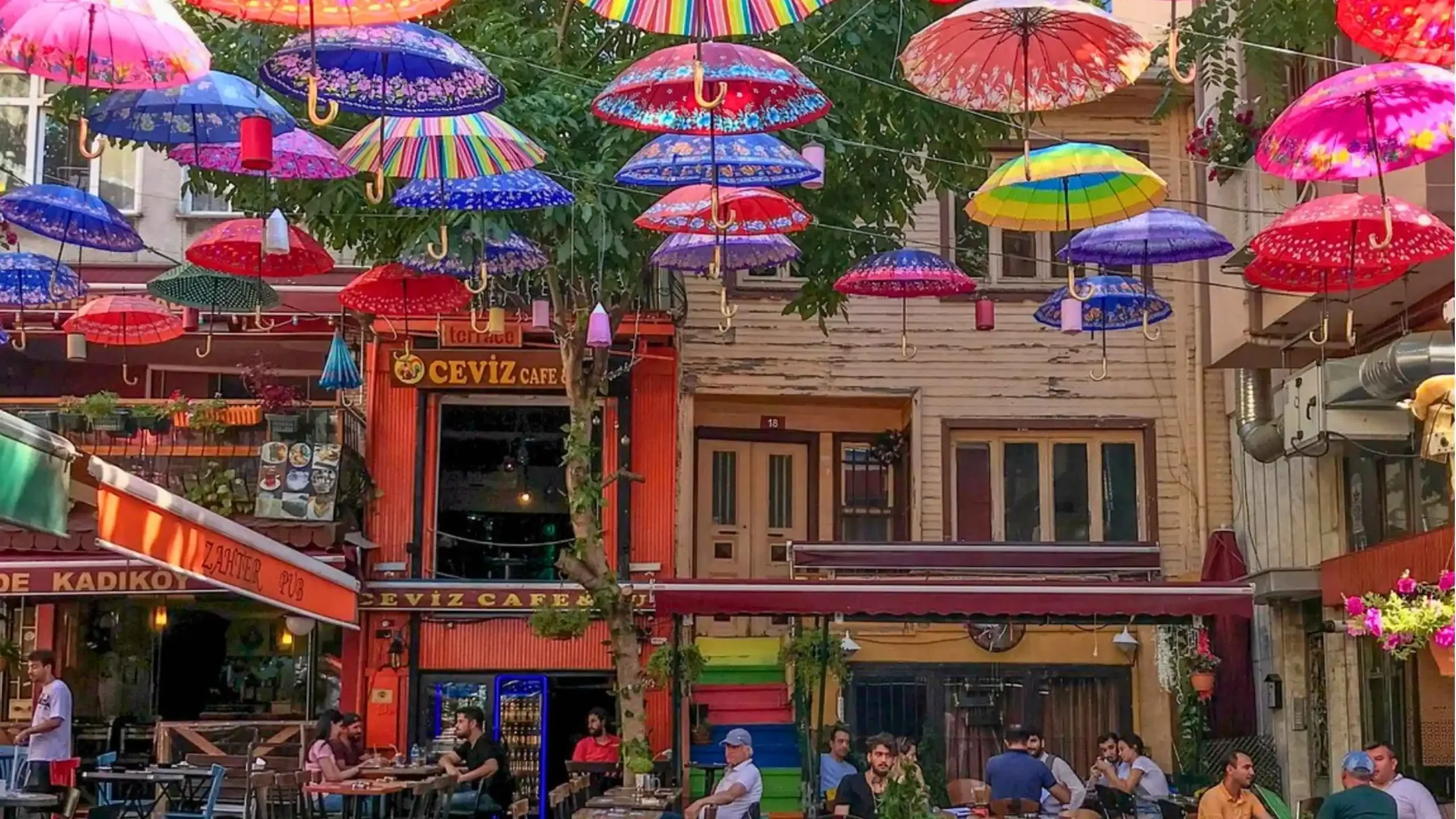
Cross to the Asian side of Istanbul and you'll find Kadıköy, the city's most energetic, youthful, and creative neighborhood. While the European side has the grand historical monuments, Kadıköy has the art, the music venues, the independent cafés, and the walls covered in murals.
The street art here isn't concentrated in one spot; it's everywhere. Turn down a side street near the Moda tramway, and you'll find a full building facade painted with a portrait. Walk through the Yeldeğirmeni quarter, sometimes called Istanbul's street art district, and entire blocks become outdoor galleries. The murals change regularly, so even if you've visited before, there's likely something new.
Kadıköy is also excellent for food: the covered market (Kadıköy Çarşısı) is one of the best places in Istanbul to eat well for very little money.
Don't miss: The Yeldeğirmeni neighborhood for the highest concentration of murals, and the Kadıköy fish market for a late lunch.
Getting there: Ferry from Eminönü or Beşiktaş (around 15 minutes, stunning views included).
4. Visit the Museum of Innocence
The Museum of Innocence in Çukurcuma is unlike any museum you've visited. It was conceived by Nobel Prize-winning Turkish novelist Orhan Pamuk as a companion to his novel of the same name, a melancholy love story set in 1970s Istanbul. But you don't need to have read the book to be moved by it.
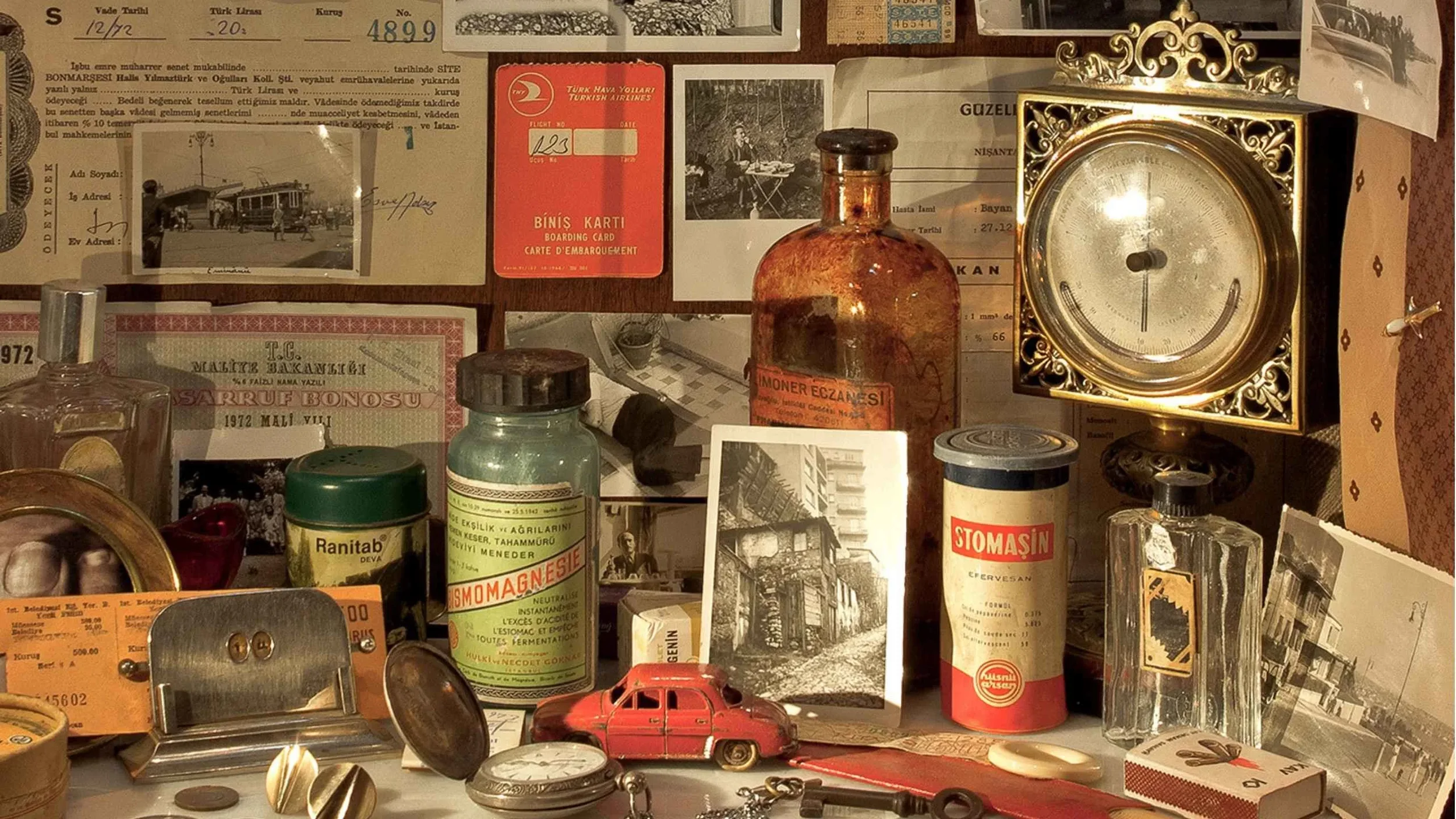
The museum is housed in a red wooden building on a quiet street in one of Istanbul's most atmospheric antiques districts. Inside, 83 glass-fronted display cases hold the everyday objects mentioned in the novel: earrings, perfume bottles, cigarette butts, lottery tickets, photographs, and teacups. Each case is a chapter from the book, but also a time capsule of middle-class Istanbul life across several decades.
It's an intimate, quietly emotional experience. Pamuk designed it himself, and his presence is felt in every corner. Allow at least 90 minutes.
Practical info: Located in Çukurcuma, a neighborhood also worth exploring for its antique shops and art galleries. Closed Mondays.
5. Dine in a Meyhane in Arnavutköy
Arnavutköy is a Bosphorus waterfront neighborhood that somehow still feels like a village, wooden yalıs (waterside mansions) painted in faded pastels, fishing boats moored at the quay, cats asleep on every ledge. It sits between the more famous Beşiktaş and Bebek, and most tourists drive straight past it.
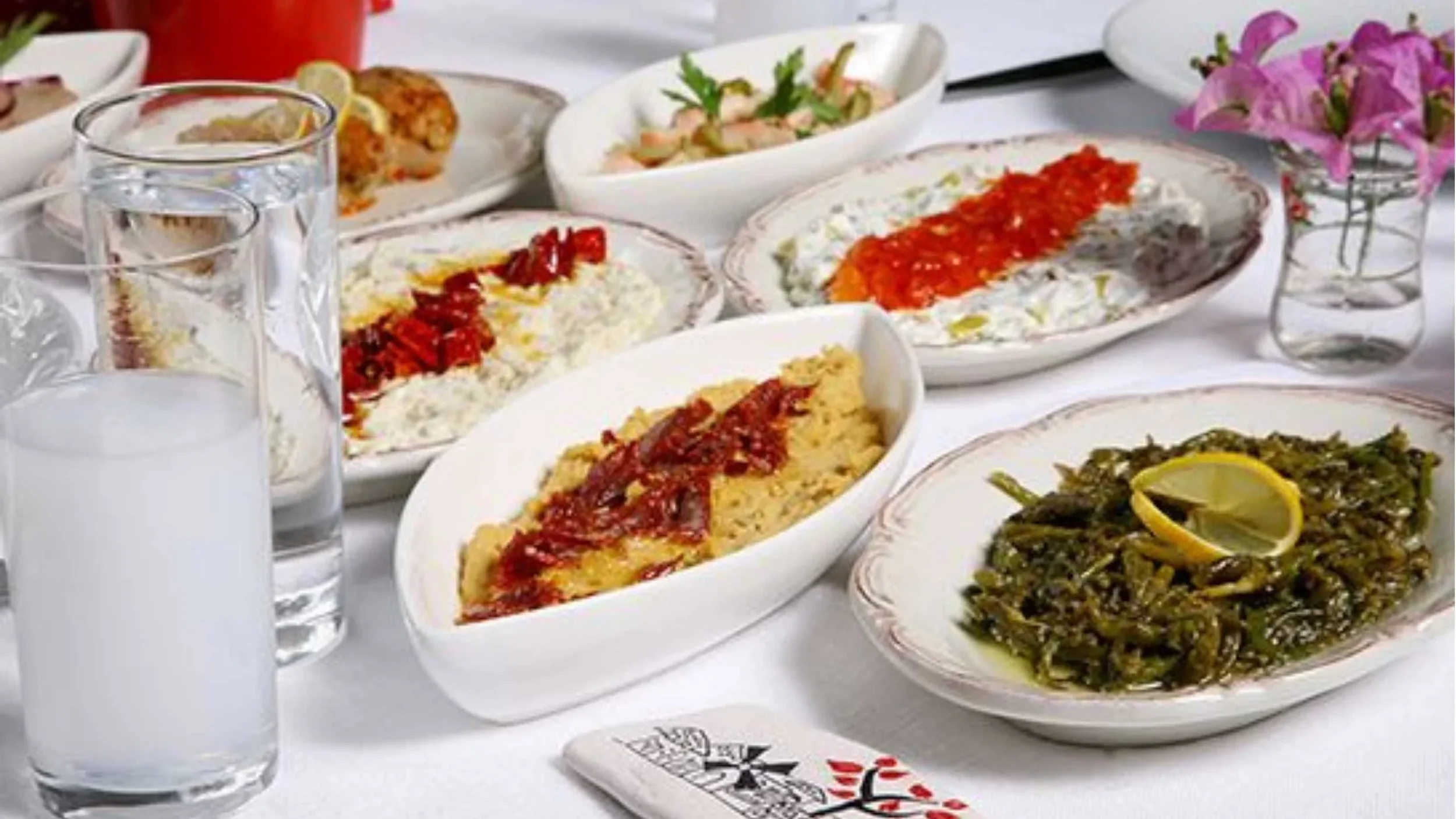
This is where you come for the authentic meyhane experience. A meyhane is a traditional Turkish tavern — think long shared tables, endless small plates of meze arriving one after another, bottles of rakı, live fasıl music, and meals that stretch for three or four hours. It's a ritual, not just a dinner.
The meyhanes in Arnavutköy cater to locals rather than tourists, which means better food, fairer prices, and a genuinely convivial atmosphere. Order the cold meze first (stuffed mussels, fried calamari, tarama, sea bass carpaccio), then move on to grilled fish or meat.
Tip: Go on a weekday evening when it's less crowded. Make a reservation — the best places fill up fast.
6. Discover Istanbul's Lesser-Known Byzantine Cisterns
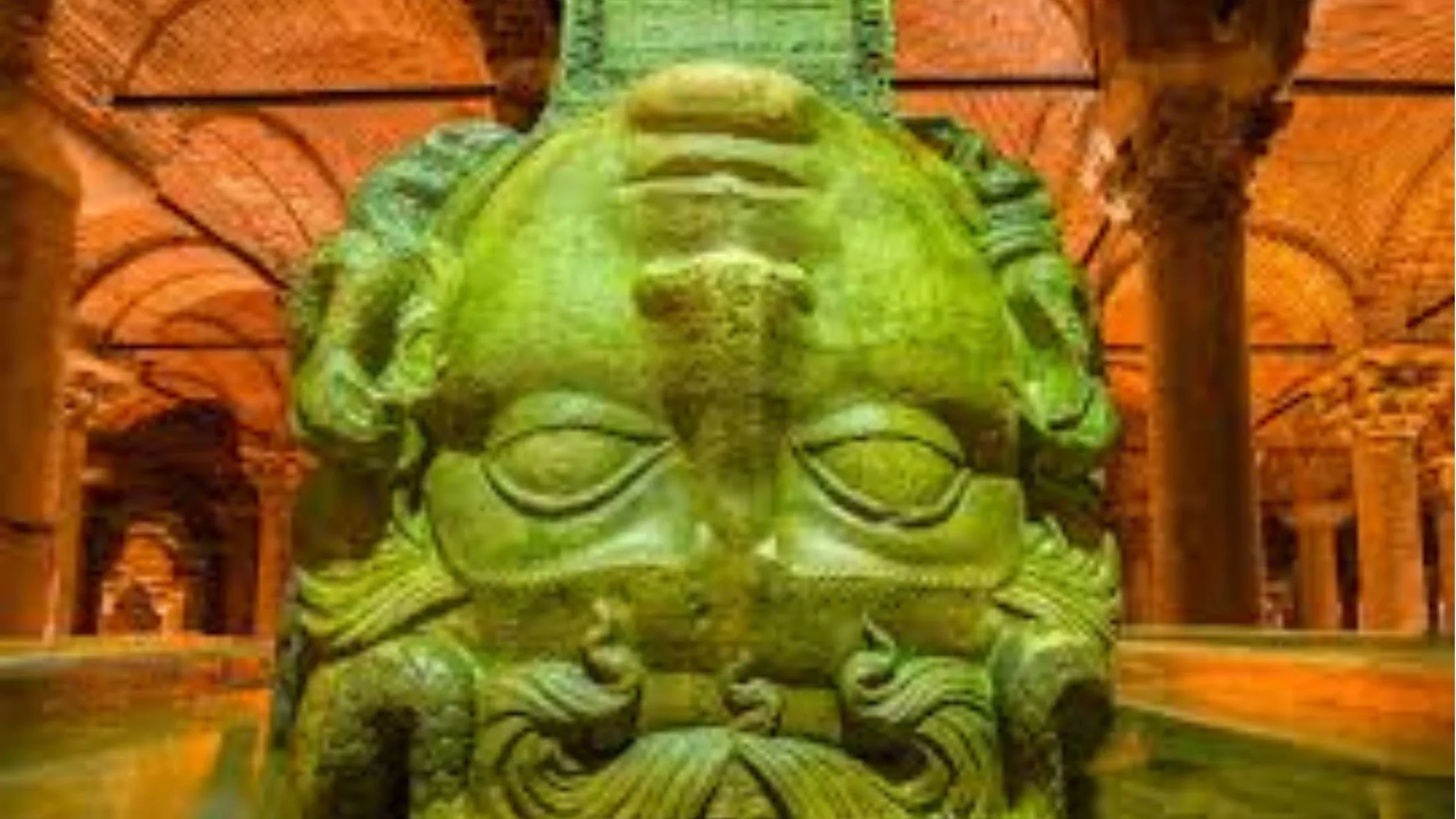
Everyone visits the Basilica Cistern (Yerebatan Sarnıcı), and it's worth seeing. But Istanbul has dozens of ancient underground cisterns built during the Byzantine era, and most of them receive a fraction of the visitors. Two are particularly worth seeking out:
Şerefiye Cistern, located a short walk from the Basilica Cistern, was rediscovered and restored only recently. It features original Byzantine columns and a contemporary light installation that transforms the underground space into something otherworldly. Far less crowded than its famous neighbor.
Binbirdirek Cistern, one of the oldest and largest cisterns in Istanbul, dates to the 4th century. The name means "A Thousand and One Columns." It's partly used as an event space, but you can visit during the day. The columns are extraordinarily well-preserved.
Why it matters: These cisterns supplied water to the Byzantine city for centuries. Standing inside them, you're standing in one of the oldest surviving pieces of urban infrastructure on earth.
7. Ride the Ferry Without a Destination
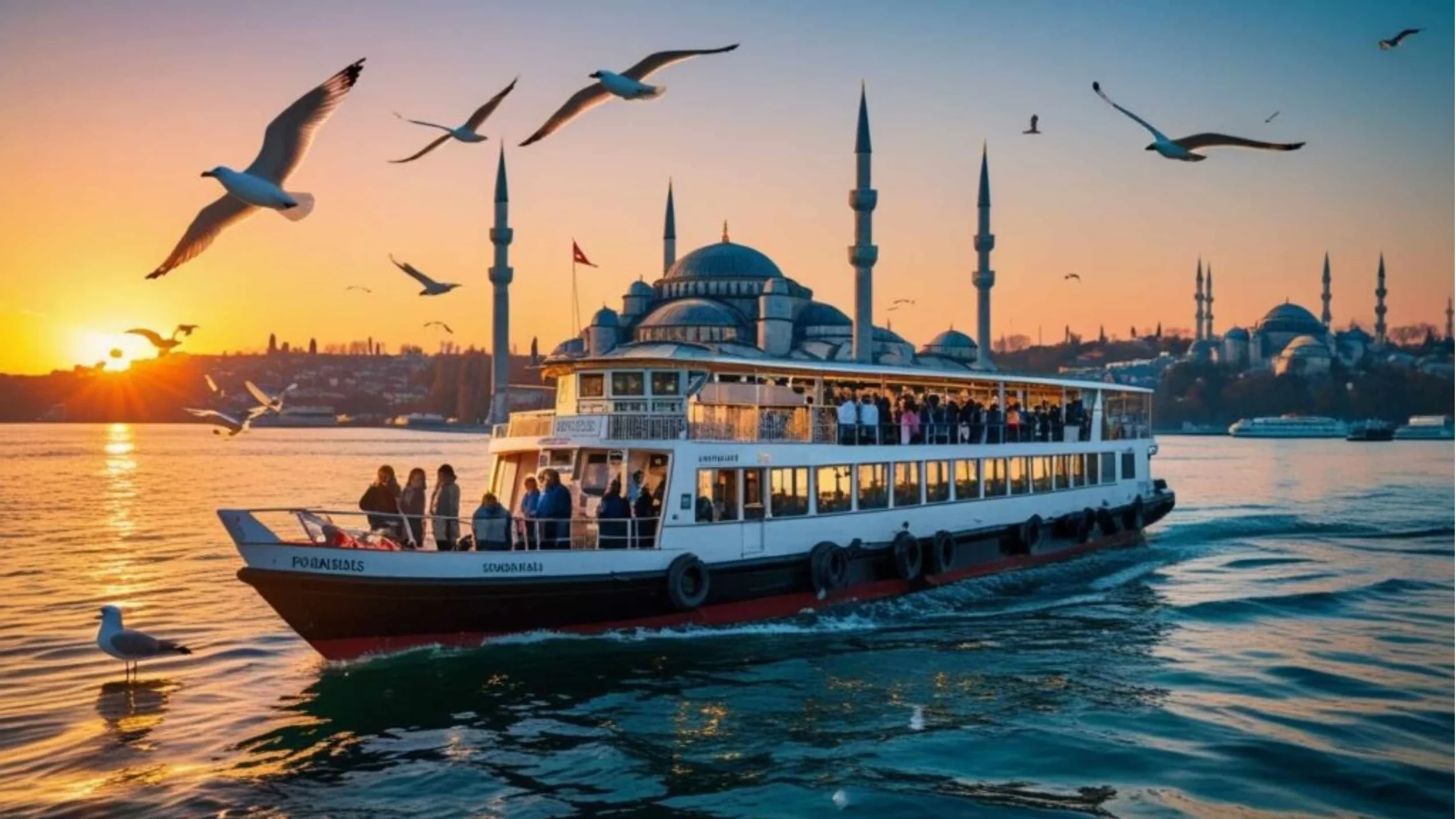
This might be the single best thing you can do in Istanbul, and it costs almost nothing. The Istanbul ferry network (İDO and Şehir Hatları) connects the European and Asian shores across the Bosphorus and the Golden Horn, and locals use it daily as public transport.
Buy a token or load an İstanbulkart, board any ferry, and go wherever it's going. Find a seat on the upper outdoor deck. Buy a glass of tea from the small café inside (always served in tulip-shaped glasses). Feed simit crumbs to the seagulls that trail the boat. Watch the skyline shift as minarets, bridges, and hills come in and out of view.
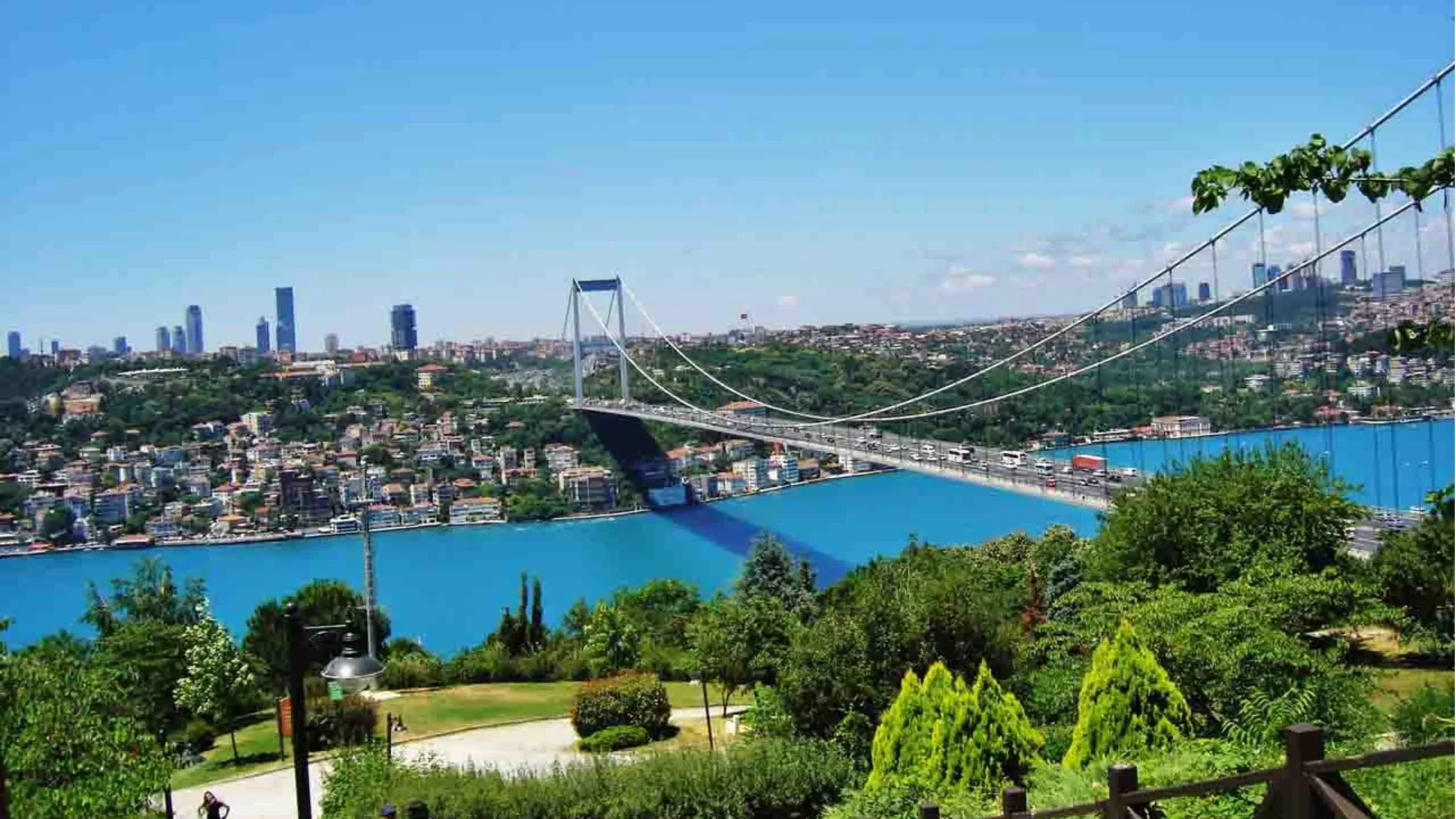
The most scenic routes: Eminönü to Üsküdar (short, crosses directly under the Bosphorus Bridge), Eminönü to Kadıköy (longer, passes through the heart of the strait), and the Princes' Islands ferry from Kabataş (a 90-minute journey to the car-free islands off the Asian coast).
Cost: Around 20–25 Turkish lira (under $1 USD) per journey.
8. Escape to Yıldız Park
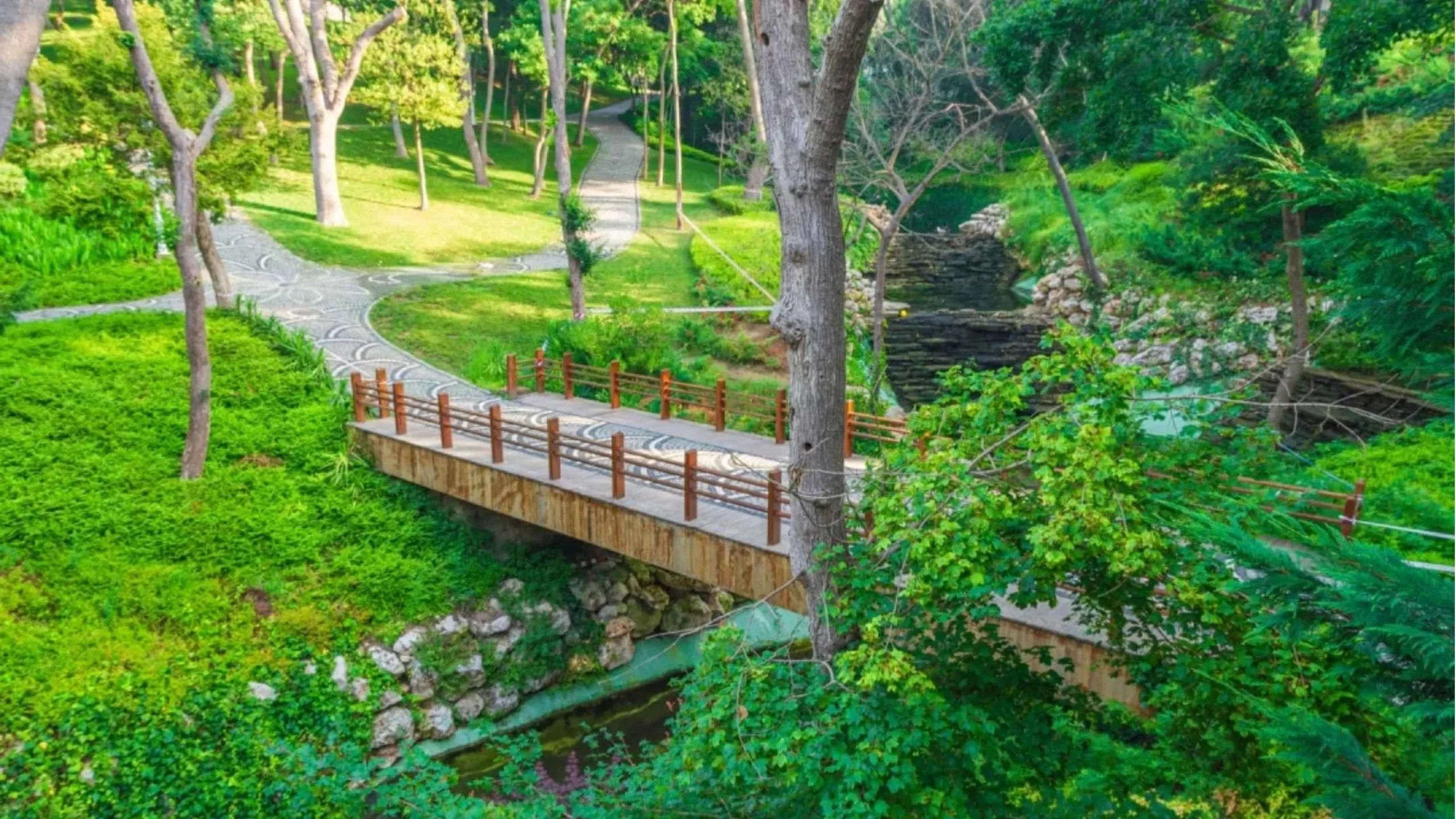
While tourists queue at Gülhane Park in Sultanahmet, Istanbul residents with an afternoon to spare come to Yıldız. This sprawling, hillside park in Beşiktaş sits behind the Çırağan Palace and was once part of the imperial palace grounds, which means it's full of Ottoman-era pavilions, woodland paths, lily ponds, and greenhouses that have been here for over a century.
It's a proper park: wild enough in places to feel like a forest, with clearings for picnics and secluded paths where you can walk for an hour without seeing more than a handful of people. In spring, the magnolias and cherry trees bloom across the hillside. In autumn, the maple leaves turn the whole park amber and gold.
Inside the park: The Malta Pavilion and Çadır Pavilion are both original Ottoman structures now used as cafés, stop at either for tea with a view.
Getting there: Walk uphill from Beşiktaş square, or take a taxi to the Yıldız Park entrance.
9. Shop at a Local Istanbul Market
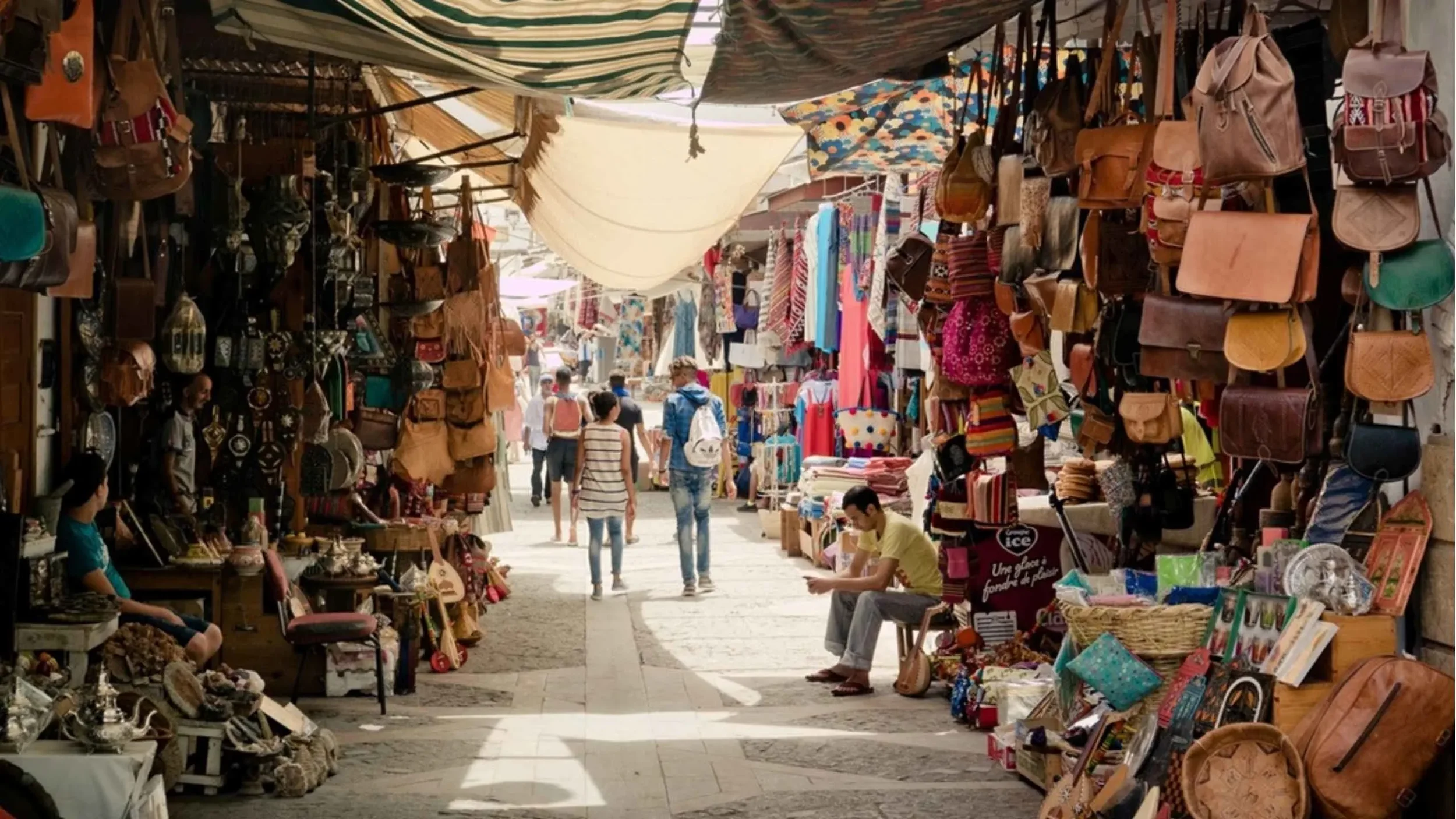
The Grand Bazaar is one of the world's great markets, but it's also one of the world's most tourist-oriented ones, and navigating a thousand stalls of leather bags and evil eye magnets can quickly feel exhausting. For a more authentic experience, find one of Istanbul's neighborhood markets.
Kadıköy Tuesday Market (Salı Pazarı): An enormous weekly market on the Asian side, where locals shop for fresh produce, household goods, textiles, and cheap clothing. Arrive in the morning when it's at its most lively.
Beşiktaş Saturday Market: Smaller and more manageable than the Kadıköy market, tucked into the streets around Beşiktaş square. Great for olives, cheese, fresh vegetables, and affordable antiques.
Çarşamba Pazarı (Fatih): The largest and most traditional weekly market in Istanbul, held every Wednesday in the conservative Fatih district. Unlike the others, this one draws almost no tourists and gives you a very different window into Istanbul life.
Tips: Bring cash. Don't feel pressured to buy. The produce vendors appreciate a "teşekkürler" (thank you) even if you're just looking.
10. Watch the Sunset from Çamlıca Hill
Istanbul sprawls across seven hills on the European side and faces another set of hills on the Asian side, which means the city is full of spectacular viewpoints. The best of all is Büyük Çamlıca Hill on the Asian shore, the highest point in the entire city.
From the top, on a clear day, you can see both the Bosphorus and the Sea of Marmara simultaneously. The European skyline, with the Hagia Sophia, the Blue Mosque, and the Topkapı Palace silhouetted against the horizon, spreads out in front of you. It's the moment Istanbul's size and beauty finally click into place.
There's a large park at the summit with a café, tea gardens, and a recently completed mosque (one of Istanbul's newest and largest). Come an hour before sunset, find a spot on one of the benches or the grass, and watch the light change.
Getting there: Taxi or rideshare from Üsküdar (about 10 minutes). Uber and BiTaksi both work reliably in Istanbul.
How to Get the Most Out of Hidden Istanbul
Give yourself more time than you think you need. Istanbul rewards slow travel. A neighborhood that looks small on a map will absorb an entire afternoon once you start walking its backstreets.
Use ferries instead of taxis when crossing the Bosphorus. They're cheaper, more scenic, and less prone to Istanbul's legendary traffic.
Eat where the locals eat. Look for restaurants without English menus out front, with plastic chairs, hand-written daily specials, and tables full of local families.
Learn a little Turkish. "Merhaba" (hello), "teşekkür ederim" (thank you), and "çok güzel" (very beautiful) open more doors than any guidebook.
Visit in shoulder season. April–May and September–October offer Istanbul at its most beautiful and most manageable — warm weather, fewer crowds, and the city going about its daily life at a natural pace.
Planning a Trip to Istanbul?
Istanbul is one of the most rewarding cities in the world to explore — but it's also vast, complex, and easy to get wrong without local guidance. At Wayfind Trip, we build custom Istanbul and Turkey itineraries based on who you are, how you travel, and what you actually want to experience — not what every other tour offers.
