The Panama Canal: The Waterway That Changed the World
A friendly journey through one of humanity's greatest achievements
Imagine you're a ship captain in the early 1900s. You need to sail from New York to San Francisco. Your only option? A brutal, months-long voyage all the way around the southern tip of South America, battling the ferocious storms of Cape Horn, adding nearly 13,000 extra miles to your journey. Now imagine someone cuts a shortcut right through the middle of a continent and hands it to you. That's exactly what the Panama Canal is, and honestly, it might be the most audacious thing human beings have ever built.
So grab a coffee, because this is one heck of a story.
A Dream That Took Centuries
People had been dreaming about a canal through Central America for a very long time. We're talking as far back as the 1500s, when the Spanish explorer Vasco Núñez de Balboa first crossed the narrow Isthmus of Panama on foot and realized just how tantalizingly close the two oceans really were. The strip of land separating the Atlantic from the Pacific at Panama is only about 50 miles wide. Fifty miles! For hundreds of years, explorers, merchants, and kings looked at that slim stretch of jungle and thought, if only.
But dreaming and doing are two very different things, and Panama was not going to make it easy.
The French Try First, And Pay a Terrible Price
Fast forward to the 1880s. France, riding high on the success of the Suez Canal (completed in 1869), decided to take on Panama. The man behind the effort was Ferdinand de Lesseps, the same engineering celebrity who had triumphantly cut through Egypt. He was confident, charismatic, and, as it turned out, dangerously overconfident.
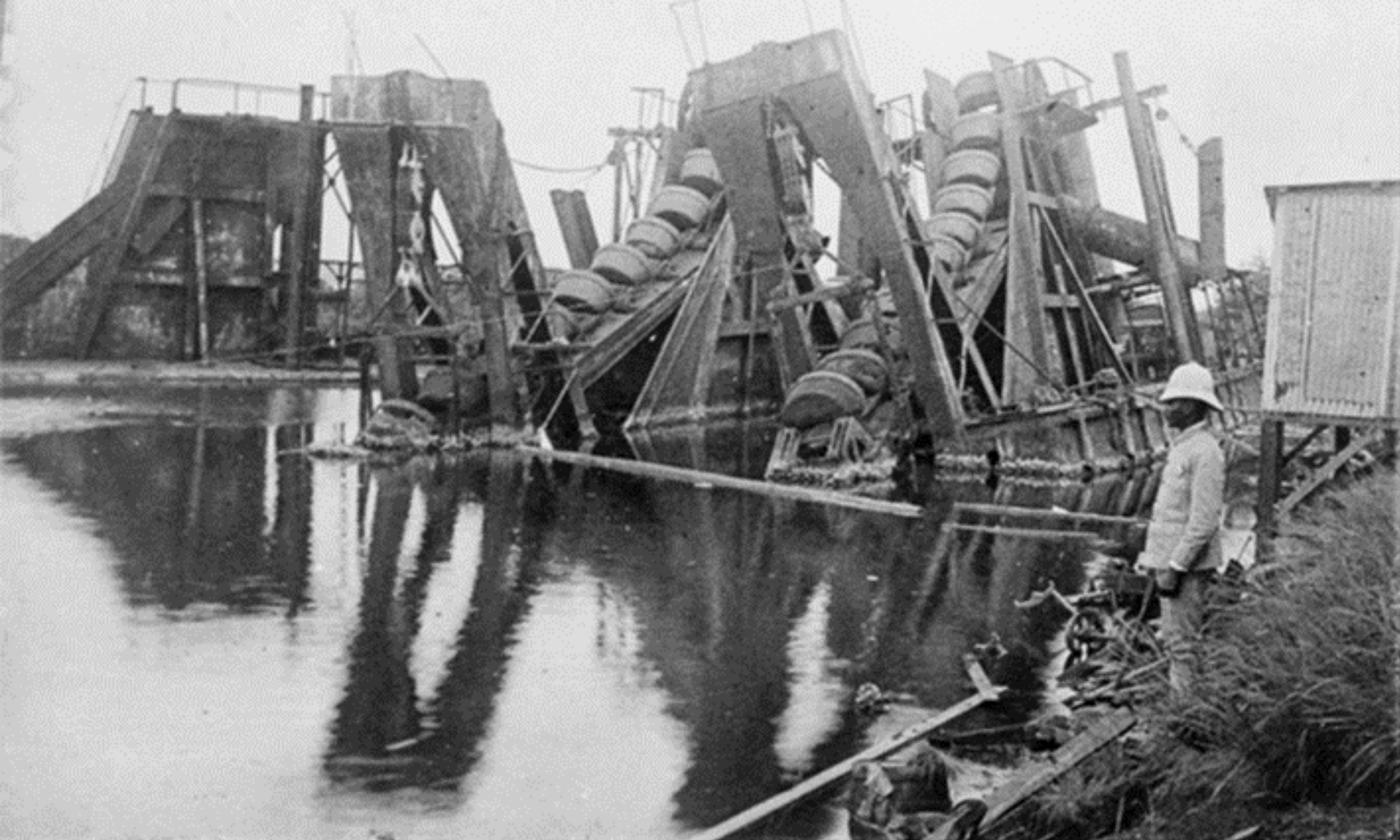
The French plan was to dig a sea-level canal, similar to Suez. The problem? Panama is not Egypt. It's a dense, mountainous jungle teeming with yellow fever mosquitoes and malaria. Workers died by the thousands, some estimates suggest over 20,000 lives were lost during the French attempt, mostly to disease. The jungle seemed to swallow men whole. Machinery rusted. Money ran out. By 1889, the French project had collapsed in financial and human catastrophe, leaving behind little more than rusting equipment and heartbreak.
But the dream refused to die.
America Steps In With Science on Its Side
In 1904, the United States took over the project under President Theodore Roosevelt, who famously declared he was going to "make the dirt fly." And boy, did they ever.
But before a single shovel hit the ground in earnest, the Americans did something smart: they tackled the disease problem first. A brilliant Army physician named Dr. William Gorgas led a massive public health campaign to eliminate the mosquitoes responsible for yellow fever and malaria. It was painstaking, unglamorous work, draining standing water, fumigating buildings, screening windows, but it worked. Within two years, yellow fever was essentially eliminated from the Canal Zone. That single achievement may have been the most important victory of the entire construction effort.
With the health crisis under control, chief engineer John Stevens redesigned the project. Rather than attempting a sea-level canal, he proposed a lock-based system, essentially a giant water elevator that would lift ships up over the mountains and back down on the other side. It was a brilliant solution to a seemingly impossible problem.
Then came the digging.
The Big Dig
At its peak, the Panama Canal construction employed around 40,000 workers from dozens of countries, the United States, Panama, Barbados, Jamaica, Spain, and many more. It was one of the most diverse workforces ever assembled for a single project, though it operated under deeply unequal conditions, with workers segregated by race in pay scales and housing.
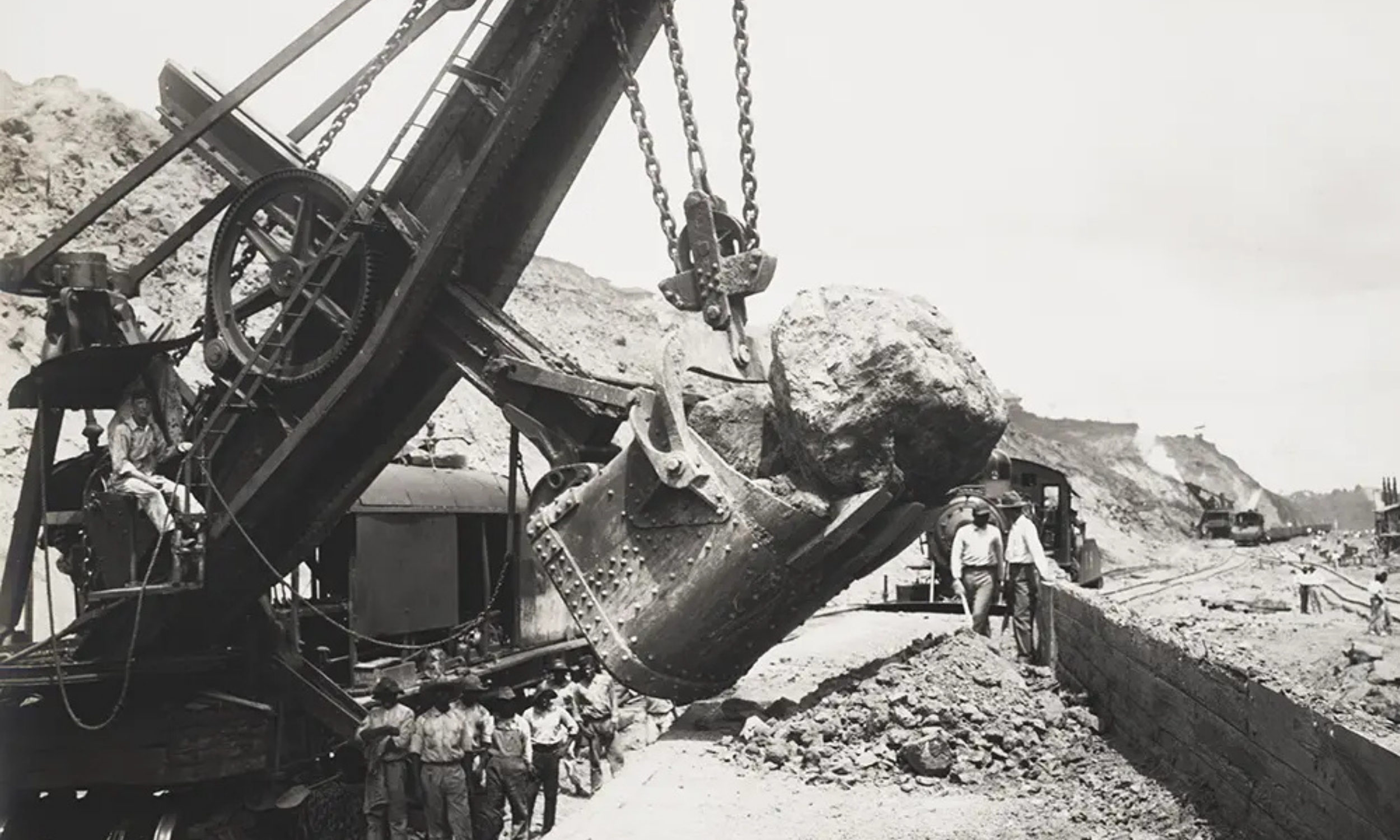
The most challenging section was the Culebra Cut (later renamed the Gaillard Cut), a nine-mile slash through the solid rock of the Continental Divide. Workers endured landslides that undid weeks of work overnight, equipment breakdowns, and relentless tropical heat. Over 100 steam shovels chomped through the earth day and night. At one point, nearly a million pounds of dynamite were being used per month. The sheer scale of it is almost impossible to picture.
The engineers also had to contend with the Chagres River, a wild and unpredictable waterway that could flood catastrophically during rainy season. Their solution was elegant: dam it. The Gatun Dam, when completed, created Gatun Lake, at the time the largest artificial lake in the world, which became an essential part of the canal's water system.
After a decade of extraordinary effort, the canal was complete. On August 15, 1914, the SS Ancon made the first official transit from the Atlantic to the Pacific. The world had been permanently reshaped.
How It Actually Works (And It's Wonderfully Clever)
Here's the part that genuinely blows people's minds when they understand it: the Panama Canal isn't just a ditch. It's a sophisticated water staircase.
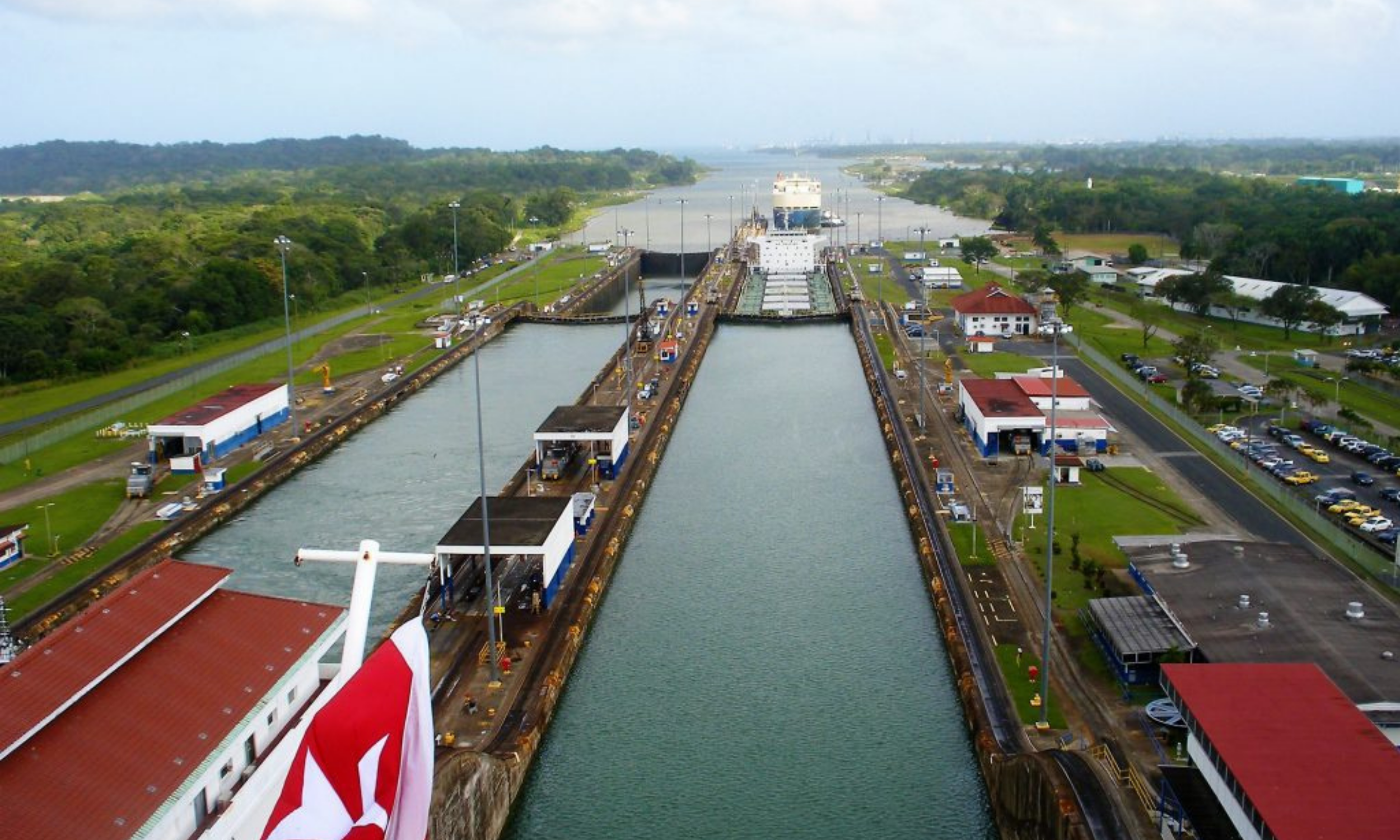
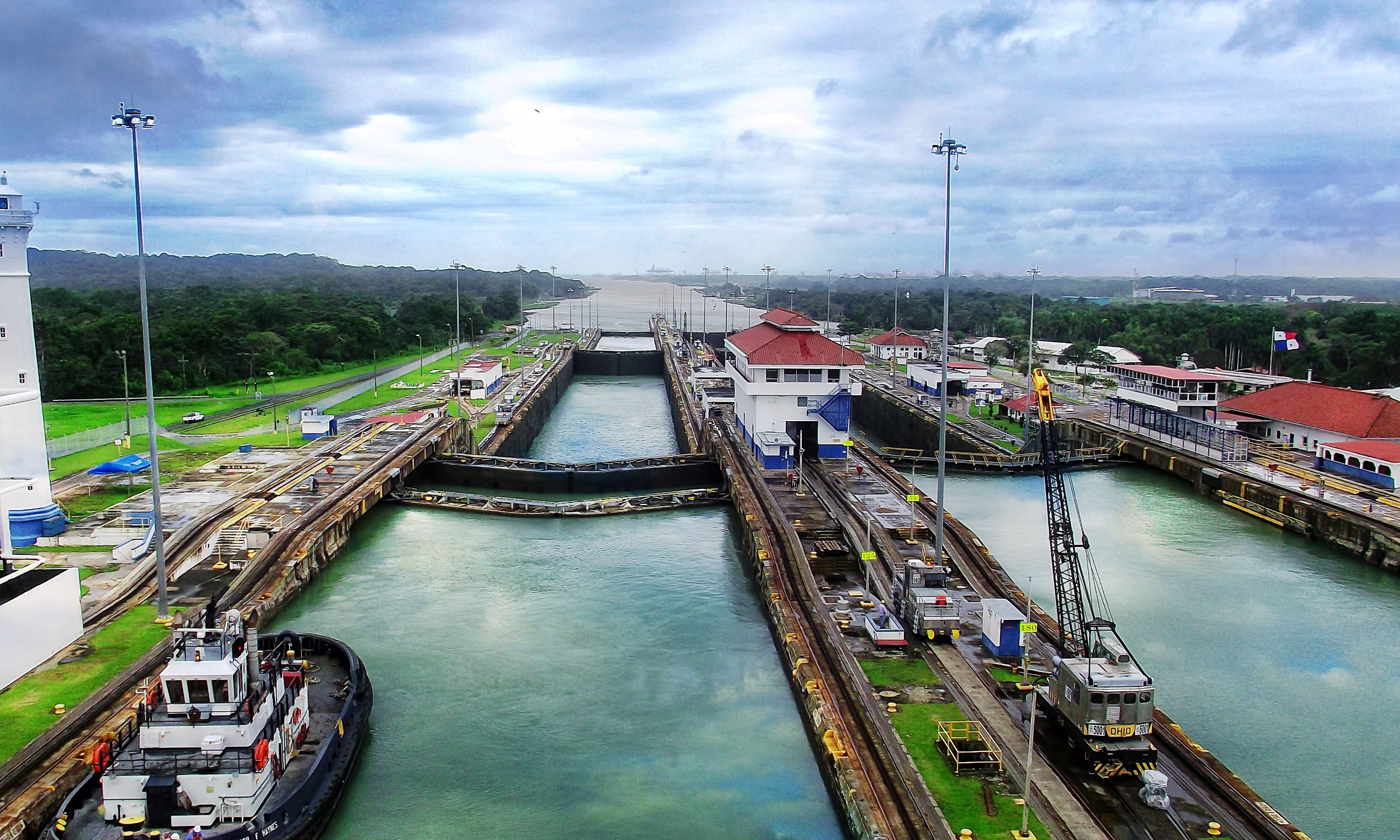
Ships entering from the Atlantic side first approach the Gatun Locks, a series of three chambers that gradually lift vessels 85 feet above sea level, roughly the height of an eight-story building. From there, ships glide across Gatun Lake for about 24 miles, threading through a peaceful tropical reservoir. Then comes the Gaillard Cut, where the canal passes through the mountains. On the Pacific side, ships descend through the Pedro Miguel and Miraflores Locks, stepping back down to sea level.
The whole transit takes about 8 to 10 hours and covers roughly 50 miles. Compare that to the 8,000-mile alternative around Cape Horn. The time and fuel savings are enormous.
And here's a fun detail: the locks don't use pumps. All the water that fills and empties the lock chambers flows entirely by gravity from Gatun Lake. The whole system is powered by rainfall. In a very literal sense, the sky keeps the canal running.
Ships are guided through the locks by small but incredibly powerful electric locomotives called "mules" (a nod to the actual mules that once towed boats in early American canals). These squat little machines run on tracks along the lock walls and keep ships centered as they pass through.
A Canal for the World
Since opening day in 1914, the Panama Canal has become one of the most vital arteries of global trade. More than a million ships have made the crossing. Today, about 14,000 vessels transit the canal each year, carrying everything from grain and oil to cars and consumer electronics. Roughly 5% of all world trade passes through those 50 miles of water.
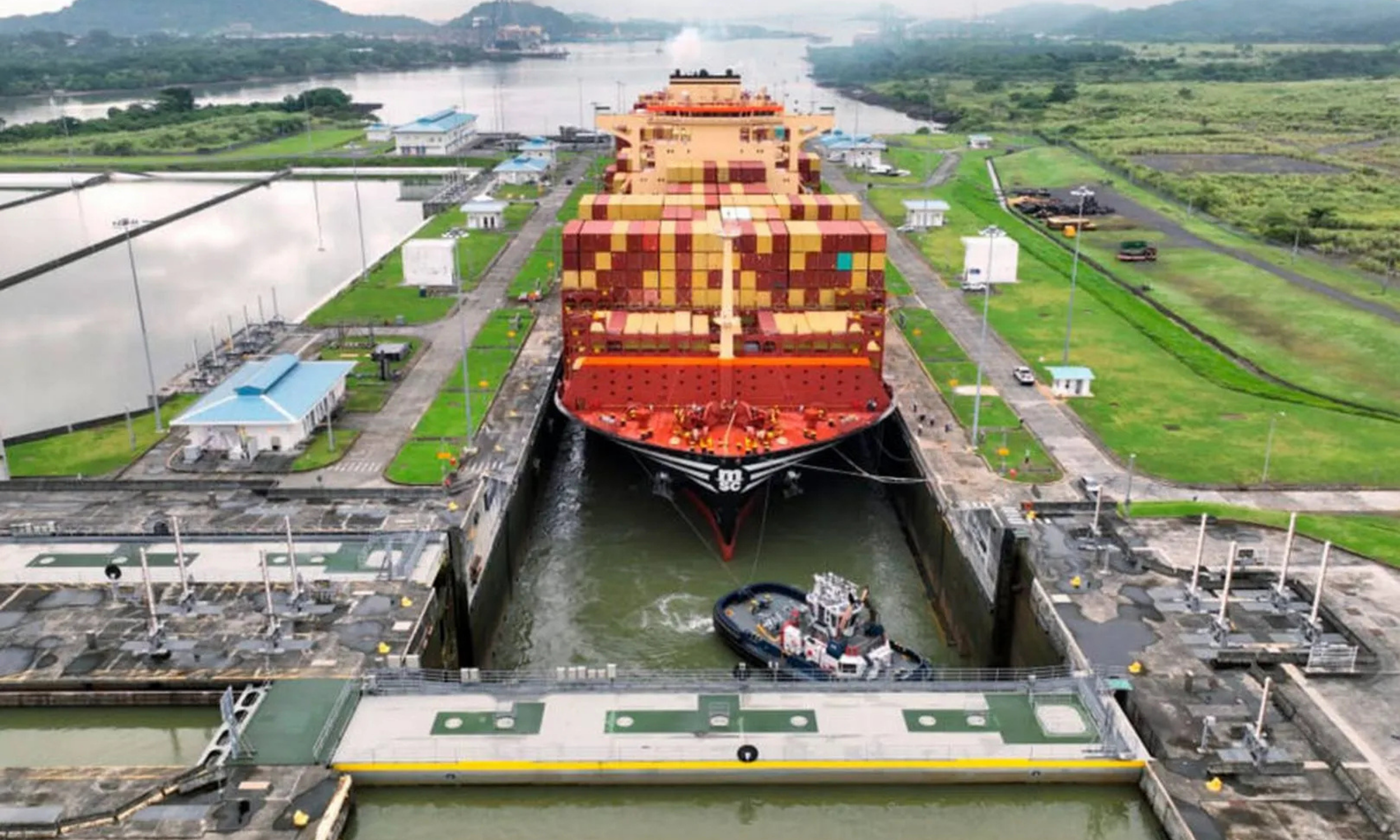
The canal has been expanded and modernized over the years. The most significant upgrade came in 2016, when a massive new set of locks, wide enough to accommodate massive "New Panamax" container ships carrying over 14,000 containers, opened alongside the original locks. It was essentially a second canal built next to the first one. The expansion more than doubled the waterway's cargo capacity and cemented Panama's position as one of the world's great crossroads.
Panama itself took full control of the canal on December 31, 1999, under a handover agreement negotiated in 1977 between the United States and Panama. Today, the Panama Canal Authority (ACP) runs the canal with remarkable efficiency, and the revenue it generates is a cornerstone of Panama's economy.
More Than Engineering
It's easy to get so caught up in the engineering marvel of the canal that you forget the deeper human story woven into every mile of it.
The canal was built on sacrifice. Tens of thousands of workers, many of them Caribbean immigrants seeking a wage and a better life, labored under grueling conditions so that a dream could become reality. It was built in an era of colonialism and racial inequality that shaped everything from workers' pay to the water they drank. Acknowledging that history doesn't diminish the achievement; it makes it more honest.
It was also built on vision, the stubborn, somewhat mad belief that a small band of humans could move mountains and rewrite the map of the world. And they did.
Why It Still Amazes
There's something almost poetic about the Panama Canal that goes beyond statistics and engineering specs. It's a place where a ship from China can meet a tanker from Brazil in the middle of a rainforest lake, surrounded by howler monkeys and tropical birds, while being lifted gently upward by the power of rain. It's a place where the ambitions of nations and the sweat of ordinary workers fused into something that changed the rhythm of global civilization.
Whether you're a history lover, an engineering geek, a traveler, or just someone who once looked at a world map and traced the narrow neck of Central America with a finger, the Panama Canal has a way of making you feel the full, wild audacity of human beings at their best.
It's 50 miles of water. It's 100 years of history. And it's still, every single day, quietly holding the world together.
The Panama Canal remains open for transits 24 hours a day, 365 days a year. Visitor centers at the Miraflores and Agua Clara locks welcome tourists who want to watch the magic of the locks in person, and trust me, watching a massive container ship get lifted out of the ocean like a toy in a bathtub never gets old.